Anna Kerdijk Nicholson, Everyday Epic

2f5d65da-4543-4782-888b-84071058ca39

By Alyson Miller
*

Everyday Epic
by Anna Kerdijk Nicholson

Puncher & Wattmann, 2015


In the untitled preface to Everyday Epic, Kerdijk Nicholson describes how ‘the poet grinds down / a sum of parts / to atoms’. The result is a world in which the most quotidian of instances and images are made ‘alchemically new’, an echo of Ezra Pound’s credo to repeat, but with difference. These lines also suggest that the process of grinding down is at once violent and erotic, displacing and magical, disturbing and strangely familiar. Everyday Epic is a collection that often appears contrary in its aims: it is as political and nostalgic, for example, as it is playful and serious. Yet in its collision of forms and content, there is an abiding sense of cohesion, a quality that reminds readers of the shocking qualities of the ordinary, and the ordinariness of the shocking. This is most often explored in relation to tragedy, and the histories that shape discourses around the politics of national identity.

As the title of the collection makes clear, it is in its attention to details that are diurnal or circadian that marks the uncanny nature of these poems, at once both intimate and distant. In ‘Griefs’, ‘just the kettle on the boil / is a completeness / the perfect one hundred degrees’, a ritual dedicated to the ‘small civilities’ that eases the pain of mourning. In ‘How and Why’, ‘a shock of ginger broken cat’ breaks the smooth road of a freeway, while an ‘old handbag of an electrocuted bat’ hangs alongside ‘late afternoon lorikeets’ in a eulogy to the quiet lives and deaths of an animal-littered suburbia. As Kerdijk Nicholson notes, the poems are something of a ‘catalogue’ that ‘places time and again’ collect the minutiae that comprise the cycles of experience and being:

Catalytic nows, colour, eye-harvest
bring more, and more intense, to

that old crucible, bring near the new—
taking within, paying of respect

This homage to the commonplace is often figured in images of unexpected and curious violence. In ‘Allotment’, for instance, digging in the earth is likened to Seppuku, evoking a gut-response to what is, essentially, gardening – a juxtaposition that is as alarming as it is amusing: ‘I stood my weight on the fork / rasped into the mud’s belly / and encountered worms’. Not unconnected are the images of erotic consumption, such as ‘The First Mango of Summer’: ‘Your juices / run down my wrists / I’m waiting to mouth you’. Similarly, in a poem about sending pears to a lover, Kerdijk Nicholson writes how ‘the juice will pool on the plate. / I will suck my fingers’, while ‘I Have Left You—’ links love, bodies and desire in a sequence of punning food images about consumption and emptiness: ‘this salad of winter leaves / made from small bitter / hearts, tight against the cold’. The playful, associative language of these poems is both luscious and cruel, with their suggestions of sex and passion, but also, fittingly and – perhaps, naturally – of death and depletion.

This attention to the intricate, however, is not without a greater historical and political context; indeed, the eponymously ‘epic’ quality of Everyday Epic is in the counterbalancing weight given to images of migration, refugees, and post-colonialism. A scattered sequence of ekphrastic poems, for example, imagines the plight of Sri Lankans and Aboriginal Australians, as well as refugees in Villawood, Christmas Island and remote detention centres. As these poems are drawn from paintings, photographs, and accounts of suffering, there is not only a sense of echoing or mimicry through which an original attains a kind of double-life, but also a questioning of perception, and of power; specifically in relation to perspectives of seeing and hearing. In ‘The Subject – Lallah Rookh 1866’, based upon a photograph by C A Wolley, the second-person voice borders on didacticism – ‘You are the neat grey curls / that fine supple skin’ – which is complicated by suggesting an ambiguous relationship of exchange: ‘we are watcher and watched’.

There is a persistent sense of intimacy in the narration of the body being recounted, however the power of the gaze is not necessarily that of the reader/viewer but shared by the female subject, whose camera-stare resists commodification both in the original photograph, and in the poem that it produces: ‘No doubt who looks at whom.’ The question of domination here challenges traditional self/other binaries, and thus it seems apt that the collection finishes with a mock-epic of Burke and Wills’ outback expedition, contesting an official narrative history that is often, as Burke muses, ‘empty empty words; / bullshit to the last’. Indeed, in line with issues of gaze, the poems dealing with the complex identity politics of nationhood and belonging are tied to vivid and haunting representations of landscape, either explicitly, such as in ‘Desert—’, in which the ‘no man’s land’ of the outback ‘accepts troop-carriers, / razorwire’, or more tacitly, in which foreign bodies are othered and transformed as panoramas: ‘This watercolour gives no safe ground… / A line binds tight above your breasts / cuts your chest: pectoral mass above, / below watercolour’s deep, deep brown, / bosom-defined’.

Most importantly, however, is the repeated focus on the telling of stories, the need to ‘language our withouts’. While this is a theme present throughout most of the collection, it is most vividly realised in relation to those poems concerned with anxieties about home and trauma, especially in terms of the refugee experience, and the fear of a loss of self. In ‘Villawood’, quoted as though voiced by an unseen narrator, men are described as ‘burnt-out shells’ who ‘can barely speak their names’. Trapped in a world that is not their own, ‘If they could talk, they would / tell stories like myth’ which ‘their tongues would struggle to describe’ as they ‘are defeated by new words’. There is an impetus both to tell and to be heard, but also the inability to do so – a reminder of the redemptive powers of language, but also of its destructive potential. In ‘The Poems of His Country’, for example, a young poet who wants to ‘write out our culture’s / great poems’, is brutally stoned to death, after which ‘the poems faded / word by word, page by page’.

Poetry and storytelling thus become a series of impossibilities, a situation of right and wrong languages, of compulsions and prohibitions, and of public and private acts that are as essential as they are taboo. In its balancing of contradictions, in its doublings, detail, playfulness, and violence, Everyday Epic is as enormous as a crisis, and as familiar as ‘that which can be found in the sun’.

*Alyson Miller teaches literary studies at Deakin University, Geelong. Her short stories and prose poetry have been published in both national and international publications, alongside a book of literary criticism,Haunted by Words. Her collection of prose poems, Dream Animals, is forthcoming.

***Taken from Cordite Poetry Review http://www.cordite.org.au

«Πάνω στο φτερό του καρχαρία» – Σπάνια συνέντευξη του Νίκου Καββαδία

Το κόσκινο's avatarAmphibian Fate

Μια από τις τελευταίες φωτογραφίες του Νίκου Καββαδία Μια από τις τελευταίες φωτογραφίες του Νίκου Καββαδία

Με αφορμή τη σημερινή επέτειο από τη γέννηση του ποιητή που έζησε, έγραψε καιχόρεψε πάνω στο φτερό του Καρχαρία μέσα σε μια θάλασσα γιομάτη με λογής παράξενα φυτά παρουσιάζεται στο Ποιείν μια συνέντευξή του ποιητή Νίκου Καββαδία στον Γεράσιμο Α. Ρηγάτο για λογαριασμό της εφημερίδας«Δημοκρατική Πορεία» στο φύλλο 167, τη Δευτέρα 20 Φεβρουαρίου 1966.

Η συνέντευξη έγινε στο σπίτι της αδερφής του, Τζένιας Καββαδία, στη Δεξαμενή. Η συνέντευξη αυτή, όπως λέει ο ίδιος ο Ρηγάτος, (περιοδικό Ομπρέλα τ.71 01-02/2006 σ.9) δημιούργησε ένα κλίμα εμπιστοσύνης ώστε να δοθεί δύο χρόνια αργότερα, ίσως η πιο γνωστή συνέντευξη του Νίκου Καββαδία, στην«Πανσπουδαστική» στις 24 Μαρτίου 1967.

Παρακάτω η σύντομη και «σφιχτή» συνέντευξη*:

«Δεν είναι καθόλου συνηθισμένο το φαινόμενο να καθιερώνεται και να περνά στη γραμματολογία μας ένας λογοτέχνης, με το πρώτο του κιόλας βιβλίο. Ο Νίκος Καββαδίας, όμως, ανήκει σ’ αυτή τη θαυμαστή μειονότητα. Το…

View original post 352 more words

Δημήτρης Τρωαδίτης, κατά μέτωπο

a0e82-mi2bspatalas2bto2bxrono2bsoy

όλα σού έρχονται κατά μέτωπο
η αδράνεια εν είδει δράσης
οι ασπιρίνες συμφοράς για βάλσαμο
οι καθοριστικές τραυματικές σου θυσίες
οι προσποιητοί έρωτες σε εμπορικές δόσεις
τα βρώμικα λιμάνια ποικίλων ψυχοτρόπων
οι θλιβερές χοάνες ψυχών εν αφθονία
οι τόποι οι αλλόφρονες
οι όρκοι οι πεισιθανάτιοι

όλα σού έρχονται κατά μέτωπο
ενώ αποπειράσαι το αδύνατο
ακούς τον αχό της της ζωής σου
και μετά ξερνάς με οργή
περνώντας με ταχύτητα τις διασταυρώσεις

όλα σού έρχονται κατά μέτωπο
στα καλντερίμια που περνάς απαρατήρητος
όταν καμιά σου ανάσα δεν διαχέεται στην ατμόσφαιρα
όταν στις γωνιές σφαδάζεις με σπασμούς εκσπερμάτωσης
όταν στις γιάφκες της ηδονής
συναγωνίζεσαι με θεατρικές μάσκες

όλα σού έρχονται κατά μέτωπο
όταν χορεύεις άσματα προϊστορικών βασιλείων
όταν περιφέρεσαι σε σάλες με δανεικούς γέλωτες
σαν αλλοτινούς πρεζάκηδες
που δεν έλιωσαν για τις αμαρτίες τους
κι επανέρχονται μετά το δειλινό
με παράτες αφασίας

όλα σού έρχονται κατά μέτωπο
όταν αλλοτινοί σύντροφοι ολόγυμνοι
μπροστά σε ξετσίπωτες ντιρεκτίβες
κεντρικών επιτροπών νταβατζήδων
ίδιες φιγούρες σε αλαφιασμένα γήπεδα
με νωχελικές υποκρισίες τα ξημερώματα

όλα σού έρχονται κατά μέτωπο
και θρυμματίζονται σαν κομμάτια τσιμέντου
με ιδρώτα παράταιρο ιερόδουλης
που μόλις τελείωσε τη βάρδια
όμοιος με νυχτοφύλακα νυσταγμένο
πάνω-κάτω στην ερημιά
σαν δημοσιογράφος με υπονοούμενα
σαν την κακιά μητριά
που υποδύεται τη στοργική μητέρα

όλα σού έρχονται κατά μέτωπο
όταν τα παγωμένα νύχια ρουφούν το κρύο
στη σβηστή χόβολη της νύχτας
ξυπόλητα τα πόδια
σαλεμένα τα μυαλά
σαν να μην τρέχει τίποτα
πατάς στις μύτες των ποδιών
να μην ξυπνήσουν οι αράχνες
με τους αποκαμωμένους ιστούς τους

όλα σού έρχονται κατά μέτωπο
να σε κατασπαράξουν
ψαράδες δίχως σύνεργα
διακονιάρηδες της πολιτικής
έμποροι ηθικών αξιών
αγοραστές του τίποτα
υπήκοοι ιπποτών με πλαστικές πανοπλίες
και δεκάλογους ιδανικών ακολουθητών
κάποιων κυριών των τιμών
που επιδεικνύουν τα αστραφτερά δόντια τους
γιατί δεν έχουν τι άλλο να κάνουν

όλα σού έρχονται κατά μέτωπο
να σε αναμορφώσουν
μεθυσμένοι από ανύπαρκτη έξη
μπάτσοι επί σκοπώ
οδοκαθαριστές επί ματαίω
γυμνά καρφιά όρθια σε περιστερώνες
γυμνά τα χέρια
ξεκρέμαστες ξόβεργες
ρομφαίες του κάποτε δεμένες
με φαντάσματα που σουλατσάρουν
σε ερείπια πολιτισμών

όλα σού έρχονται κατά μέτωπο
όταν αγέλες ποδηλατών
και στίφη παραβατών
του κοινού ποινικού δικαίου
εγκυμονούν διαλύσεις
σε τρεκλίζοντα χρονικά όρια
ιοί βρίσκουν καταφύγιο μέσα σου
ως άλλοι πόθοι βιάζονται
με το όποιο τίμημα να σε πεθάνουν

όλα σού έρχονται κατά μέτωπο
όταν η ταινία της ζωής σου
πλάσμα που κοιμάται
στις κρυφές κάμαρες του είναι σου
σε τελετές εξαγνισμού
παραστάσεις εξορίας
των κακών πνευμάτων
που στοιχειώνουν τις πόλεις
ταξιαρχίες μίσους
που επελαύνουν ως εξ εφόδου
να αποδομήσουν τα πάντα
με νερωμένα κοκτέιλ

όλα σού έρχονται κατά μέτωπο
και εξομολογείσαι άρα υπάρχεις
ξεπερνάς άρα κινείσαι
περιφέρεσαι άρα φαντάζεσαι
στη νέα αρχιτεκτονική των κελιών
στις ματαιοδοξίες στην πασαρέλα
προσποιούμενες τις υπέρτατες αρετές
διασπάς τους όποιους πόθους
σε μικρόψυχα τρίμματα
όπως οι προσωπικές βαφές μαλλιών
κι οι εμπειρίες της μιας βραδιάς

όλα σού έρχονται κατά μέτωπο
με τα ταχυφαγεία της ασχήμιας μας
χαμαιλέοντες σερνάμενους
χαραμάδες ανθόκηπων μονότονων
ξυνισμένες ανάσες
με μεταλλαγμένο άρωμα ευωδίας
αγήματα απόδοσης τιμών στο τίποτα
χαιρετισμούς σε ετοιμοθάνατους ιεράρχες
ατάκες φιλήδονες δήθεν
μεταμοντέρνα παιχνίδια
και σχέδια περικύκλωσης
παραλίες της λησμονιάς
κλειστά ξέστρατα
τροπάρια για κυράτσες
με το σαράκι της αυτοπροβολής
να τις κατατρώει
καθώς παίρνουν μυτιές
τελετουργικής μαλάκυνσης
με μάτια κόκκινα που τσούζουν
πατούσες μουχλιασμένες από τη μηκυτίαση

Τελικά τι θέλετε όλοι εσείς
οι κρεμασμένοι στα πρωτοσέλιδα
στους έρωτες των επωνύμων
στα συντριβάνια της απύθμενης βλακείας;
Τελικά τι θέλετε όλοι εσείς
ταχυδρόμοι του χάους
επιτυχημένοι νεκροθάφτες
μηχανές που τρώτε κέρματα
ποιητές με ομοιοκαταληξία
δίποδα κολλεόπτερα;

Federico Garcia Lorca, Κάτω από τις διαιρέσεις

Κάτω από πολλαπλασιασμούς
είναι μια σταγόνα αίμα πάπιας,
Κάτω από τις διαιρέσεις
είναι μια σταγόνα αίμα ναύτη.
Κάτω από τις προσθέσεις ένας ποταμός τρυφερό αίμα
ένας ποταμός που έρχεται τραγουδώντας
μεσ’ από τα δωμάτια των προαστίων,
ένας ποταμός που είναι χρήμα τσιμέντο ή αεράκι,
μες στην ψεύτρα αυγή της πόλης.
Τα βουνά υπάρχουν το ξέρω.
Και τα γυαλιά για τη γνώση.
Το ξέρω μα εγώ δεν ήρθα για να δω τον ουρανό.
Ήρθα να δω το θολό αίμα.
Το αίμα που φέρνει τις μηχανές στους καταρράχτες
και το πνεύμα στη γλώσσα της κόμπρας.
Κάθε μέρα σκοτώνουν στην πόλη
τέσσερα εκατομμύρια πάπιες,
πέντε εκατομύρια χοίρους
δυο χιλιάδες περιστέρια για την ευχαρίστηση εκείνων
που ψυχοραγούν,
ένα εκατομύριο αγελάδες,
ένα εκατομύρια πρόβατα
και δυο εκατομύρια κοκόρια,
που κάνουν τους ουρανούς χίλια κομμάτια.
Προτιμότερο να κλαις τροχίζοντας το ξουράφι σου
η να δολοφονείς σκυλιά σε παρακρουστικά κυνήγια,
παρά να αντιστέκεσαι, τα ξημερώματα,
στις ατελείωτες συνολκές με γάλα,
στις ατέλειωτες συνολκές με αίμα
και στις συνολκές σιδηροδέσμιων ρόδων
από τους εμπόρους αρωμάτων.
Οι πάπιες και τα περιστέρια,
τα γουρούνια και τα αρνιά,
βάζουν τις σταγόνες του αίματός τους
κάτω από τους πολλαπλάσιασμους,
και τα φριχτά ουρλιαχτά των πρεσαρισμένων αγελάδων
γεμίζουν πόνο την κοιλάδα,
εκεί που ο ποταμός μεθάει με λάδι
Καταγγέλω όλους αυτούς
που αγνοούν το άλλο μισό,
που υψώνει τα τσιμεντένια βουνά του
εκεί που χτυπούν οι καρδιές
των ταπεινών ξεχασμένων ζώων,
εκεί που θα πέσουμε όλοι
στο τελευταίο πανηγύρι των τρυπανιών.
Σας φτύνω κατάμουτρα.
Το άλλο μισό μ’ ακούει
καταβροχθίχοντας, κατουρώντας, πετώντας μες στην αγνότητά του
σαν τα παιδιά των θυρωρείων
που βάζουν λεπτά ξυλάκια
μες στις τρύπες που σκουριάζουν
οι κεραίες των εντόμων.
Δεν είναι κόλαση, είναι ο δρόμος.
Δεν είναι ο θάνατος, είναι το μανάβικο.
Υπάρχει ένας κόσμος σπασμένων ποταμών και ασύλληπτων αποστάσεων
στο ποδαράκι αυτής της γάτας που το ‘σπασε το αυτοκίνητο,
κι ακούω το τραγούδι του σκουληκιού
μες στην καρδιά πολλών κοριτσόπουλων.
Οξείδωση, ζύμωση, γη που αναριγεί.
Γη εσύ ο ίδιος που κολυμπάς μέσα στους αριθμούς
του επιστημονικού σου εργαστηρίου.
Τι να κάνω· να τακτοποιήσω τα τοπία;
Να τακτοποιήσω τους έρωτες που είναι ύστερα φωτογραφίες,
που είναι ύστερα κομμάτια ξύλο και μπουκιές αίμα;
Όχι, όχι, όχι, όχι· εγώ καταγγέλω.
Καταγγέλω τη συνωμοσία
αυτών των έρημων γραφείων
που δεν αναγγέλουν στο ραδιόφωνο τις αγωνίες,
που σβήνουν τα προγράμματα του δάσους,
και προσφέρομαι να φαγωθώ
από τις πρεσαρισμένες αγελάδες
όταν οι κραυγές τους γεμίζουν την κοιλάδα,
εκεί που ο ποταμός μεθάει με λάδι.

*Από τη συλλογή “Ποιητής στη Νέα Υόρκη”.

Loula S. Rodopoulos, Inter City Express

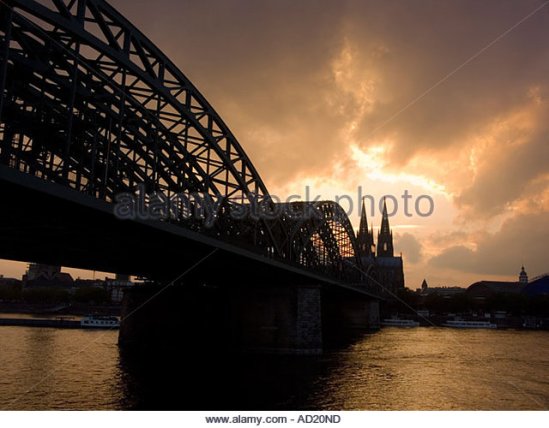
photokina-2012-sunset-behind-cologne-cathedral-over-the-river-rhine-ad20nd

War has been the norm, and peace the exception.
Susan Sontag. 1

Cologne railway station massive steel structure bridges the Rhine
spire of Cathedral penetrates thick clouds the ICE builds up speed
flashes of sunlight dart through wooded forests beam on cultivated fields
here & there a tractor weaves scattered livestock glean lush grasses
fleeting sights of doll house estates decorated with laced attic windows
townships acquiescent to church steeples
workers huts encircled by vegetable plots border the rail track
atop hills a filigree of sculptured leafless trees decked with mistletoe floss
stand in rows of military precision unsettle our tranquillity
flashbacks of past images
the shrill of the guards whistle stacking of humanity in cattle wagons
the smoke stacks billowing beside the timber yards
we alight at Berlin railway station with trepidation

1. Regarding the Pain of Others, Penguin Books, Great Britain 2004, p66

*This poem published in Νο 58 2012 Antipodes, yearly magazine of Greek-Australian Cultural league of Melbourne, p. 51.

**Loula Rodopoulos was born in Australia of Greek heritage in 1944. She published poetry in anthologies and also wrote short stories. Rodopoulos became Associate Professor in Social Work at Deakin University and served also as a member of the Administrative Appeals Tribunal. She died in early 2013.

Σοφία Σεραφειμίδη, Διαδρομή

Fernando-Pedrosa_Palinodiae-235x300

To ξέρω πως κάποτε θα’ ρθει ο καιρός
που θα’ χεις στερέψει, και τότε θα’ ρθω
εθελόντρια από την χώρα των Φαιάκων
για να γίνω πάλι η Μούσα σου

το ξέρω πως θα’ ρθει αναπόφευκτα
κι’ ο καιρός που θα’ χω πια νικηθεί
και τότε θα’ ρθεις μισθοφόρος
για να πάρεις τα λάφυρα

όμως  τ ώ ρ α  που εξαντλούμαι
σε διαδρομές ανυπόταχτες
μη μ’ αναζητάς για να γίνω η πυξίδα σου
μάταιο πόνημα σε καιρό θολερό

πάντα τυχαίνει να’ ναι η κατάσταση αλλιώς
πάντα προφτάνει και συμβαίνει το μοιραίο
κι’ ένα λάθος πάει πριν το σωστό
σκίσε τους χάρτες σου γιατί την δική μου
πατρίδα δεν την γράφουν
και θα σε πάνε σε τόπο που δεν υπάρχω εγώ.

*Το ποίημα και η φωτογραφία της ανάρτησης (του Fernando Pedrosa) αναδημοσιεύονται από την ιστοσελίδα του ηλεκτρονικού περιοδικού “Παλινωδίαι” στο http://www.palinodiae.com/en/%CF%83%CE%BF%CF%86%CE%AF%CE%B1-%CF%83%CE%B5%CF%81%CE%B1%CF%86%CE%B5%CE%B9%CE%BC%CE%AF%CE%B4%CE%B7-%CE%B4%CE%B9%CE%B1%CE%B4%CF%81%CE%BF%CE%BC%CE%AE/

DEREK WALCOTT

vequinox's avatarManolis

WHITE EGRETS//ΛΕΥΚΟΙ ΕΡΩΔΙΟΙ

I

The chessmen are as rigid on their chessboard
as those life-sized terra-cotta warriors whose vows
to their emperor with bridle, shield and sword
were sworn by a chorus that has lost its voice;
no echo in that astonishing excavation.
Each soldier gave an oath, each gave his word
to die for his emperor, his clan, his nation,
to become a chess soldier, breathlessly erect
in shade or crossing sunlight, without hours —
from clay to clay and odourlessly strict.
If vows were visible they might see ours
as changeless chessmen in the changing light
on the lawn outside where bannered breakers toss
and the palms gust with music that is time’s
above the chessmen’s silence. Motion brings loss.
A sable blackbird twitters in the limes.
ΛΕΥΚΟΙ ΕΡΩΔΙΟΙ

Ι

Τα πιόνια στέκονται άκαμπτα στη σκακιέρα
σαν τους ολοζώντανους από τερρακότα στρατιώτες
που με γκέμια ασπίδες και σπαθιά…

View original post 943 more words