Βασίλης Κουντζάκης – Μια συνέντευξη και μια κριτική

kountzakissite

Βασίλης Κουντζάκης: “Το ζήτημα του ελεύθερου χρόνου είναι κρίσιμο”

Συνέντευξη στον Θεοχάρη Παπαδόπουλο

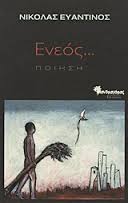
Συνομιλήσαμε με τον ποιητή Βασίλη Κουντζάκη με αφορμή την κυκλοφορία της ποιητικής του συλλογής “Δίχως όνομα” (Εκδόσεις Εκάτη 2015).

“Δίχως όνομα” είναι ο τίτλος της ποιητικής σας συλλογής και όλα τα ποιήματα, που περιλαμβάνει είναι άτιτλα. Το είχατε σκεφτεί από πριν να μη χρησιμοποιήσετε τίτλους ή σας βγήκε στην πορεία; Ο τίτλος δόθηκε, επειδή τα ποιήματα είναι άτιτλα;
Ο τίτλος της συλλογής και το γεγονός ότι τα όλα τα ποιήματα είναι άτιτλα αποτελούν μέρος της αρχικής σύλληψης και δεν προέκυψαν στην πορεία. Τα δύο αυτά σημεία σε συνδυασμό με τα χαρακτηριστικά των ποιημάτων επιχειρούν να συνθέσουν μια προσωπική προσέγγιση και αισθητική.

Πιστεύετε ότι οι ποιητές γράφουν κυρίως τις νύχτες; Εσείς πότε εμπνέεστε περισσότερο;
Δε γνωρίζω πότε ακριβώς εμπνέονται οι ποιητές. Σε προσωπικό επίπεδο, η νύχτα σηματοδοτεί το τέλος μιας εργάσιμης ημέρας. Συνεπώς υπάρχει το ελεύθερο εκείνο χρονικό πεδίο μέσα στο οποίο ζυμώνονται καλύτερα και με μεγαλύτερη άνεση σκέψεις και ιδέες. Το ζήτημα του ελεύθερου χρόνου θα έλεγα ότι είναι το κρίσιμο, ανεξάρτητα από τη χρονική του τοποθέτηση. Στην παρούσα δουλειά ωστόσο υπάρχει ένα προβάδισμα των βραδινών στιγμών.

Τι σημαίνει για σας η ήττα μιας έμπνευσης;
Η «ήττα μιας έμπνευσης» δεν είναι τίποτε άλλο παρά η μικρή ή μεγάλη φθορά που προκαλεί η πλήξη και η ροή της καθημερινότητας στο δημιουργικό κομμάτι του εαυτού μας.

Θα θέλατε να μας περιγράψετε τη χώρα του σχεδόν ποτέ;
Η «χώρα του σχεδόν ποτέ» είναι ο σχηματισμός ενός συνόλου ανθρώπων της λήθης ή μιας ελάχιστης, επιλεκτικής, κατευθυνόμενης μνήμης. Μια τέτοια χώρα, ένα τέτοιο σύνολο, που δεν προσπαθεί ή δεν μπορεί να διδαχθεί από προσωπικές και συλλογικές εμπειρίες δε νομίζω ότι έχει θετική προοπτική.

Με την πρώτη σας ποιητική συλλογή κάνατε ήδη το πρώτο βήμα. Έχετε σκεφτεί κάποια από τα επόμενα;
Επεξεργάζομαι αρκετές ιδέες σε μια προσπάθεια βελτίωσης των εκφραστικών μέσων και μεγαλύτερης στόχευσης των στίχων και κατ’ επέκταση των ποιημάτων που γράφω. Υπάρχει σκέψη για κάποια επόμενη έκδοση αλλά όχι το αντίστοιχο υλικό προς το παρόν.

*Αναδημοσίευση από το http://www.vakxikon.gr/βασίλης-κουντζάκης-2/

Χάνομαι ένα Σάββατο
στο κέντρο της πόλης
την ώρα που αφηρημένα κατεβαίνουν
τα ρολά των μαγαζιών
κι επικρατεί μια περίεργη βοή
την ώρα που τα παπούτσια σου
με χάρη ακουμπούν
τις πλάκες του πεζοδρομίου
στο γυρισμό για το σπίτι

******

9789604081950

«Δίχως όνομα» του Βασίλη Κουντζάκη

Το Εγώ και το Εσύ είναι οι δύο άξονες που οριοθετούν το σύνολο της συλλογής του Βασίλη Κουντζάκη Δίχως όνομα. Ένας διάλογος που πότε γίνεται εσωτερικός και πότε δίνει ήχο στις λέξεις του, που ακουμπάει σε σκέψεις που θα μπορούσαν να ειπωθούν αλλά τελικά δεν συμβαίνει, σε συναισθήματα που αποδεικνύονται εκτός χρόνου και παλιώνουν στο μυαλό χάνοντας έτσι την όποια τους επικαιρότητα.

Μου αρέσουν οι δομές και ο άμεσος χαρακτήρας της γραφής, τα ποιήματα είναι άρτια και δεν περιέχουν κομματιασμένες σκέψεις, από την άλλη όμως δεν έχουν ρυθμό, ούτε πυγμή, δεν έχουν άλλο νόημα εκτός από το καθαρά προσωπικό για τον δημιουργό τους. Δεν είναι κακή ποίηση, ούτε δήθεν, ούτε κατά διάνοια στημένη για τέρψη οφθαλμών, αλλά ταυτόχρονα η απουσία της πρωτοτυπίας είναι εκκωφαντική, οι λέξεις και οι έννοιες συνηθισμένες. Και το πρόβλημα είναι ότι συνηθισμένοι στίχοι προκαλούν αναμενόμενες σκέψεις. Ο ποιητής και κατ’ επέκταση ο αναγνώστης δεν διακρίνει κάτι που δεν θα έβλεπε ο οποιοσδήποτε, δεν μας προχωράει ένα βήμα πιο ‘κει.

Ο Βασίλης Κουντζάκης στο Δίχως όνομα δημιουργεί γοητευτικές, κλασικές εικόνες του έρωτα, και του αρέσουν οι όμορφες λέξεις που αρέσουν σε όλους μας:

Φώτα
πορτοκαλί
μελαγχολικά
πάνω από ένα δρόμο
-μια κεντρική λεωφόρο-
Χαζεύω την πόλη. 

Η πόλη άγνωστη

οι άνθρωποι ξένοι
αδιάφοροι
μια βραδιά που δεν βρίσκει
στίγμα
πορεία. 

Τι αν κρύβεται άραγε
μέσα σ’ ένα βλέμμα
της στιγμής
σ’ ένα άτολμο άγγιγμα;

Στης νύχτας το δύσκολο πλησίασμα
με παράθυρα κλειστά
έρχονται
απανωτά
να με βρουν οι λέξεις.

Κρις Λιβανίου

*Αναδημοσίευση από το Στίγμα Λόγου στο http://stigmalogou.blogspot.com/2016/02/blog-post_26.html

Nathanael Pree reviews Peter Rose’s, The Subject of Feeling

unnamed

The Subject of Feeling
by Peter Rose
UWA Publishing, 2015

From the beginning of the latest work by Peter Rose, the reader is given the impression of an unfolding tableau or score, the creases and outlines of which to be generously shared. A sense of intimacy is engendered from the outset: we are let in on the scales and arpeggios that a musician practises, as if each poem, or note that it reaches, ‘might lead somewhere / or fail to ascend.’ The seemingly off-hand candour of such admission serves as an indication that one is in for a special experience from a master of the craft.

Consistent with the presentation of layers of the self comes a confessional tone touching on the bittersweet recognition of stages of life that are passing or have passed. This is evinced by familiar tropes of hidden childhood treasure, gold and dirt comingled – but also a sense of bemusement, mystification of the ages, such as a ‘Plantagenet cut’ as an almost hallucinatory image in a suburban park. This quasi-historical hallucination is echoed by expression of bewilderment in an art gallery, experiencing ‘something like mystification’ in the flashbacks revealing intensely personal strands that compose the nets of everyday life.

The very elusiveness of inter-personal recognition, in ‘Late Autograph’ and ‘Dux’ indirectly introduce walk-on parts in the work – once again a sense of the intimate, but with a sense of darkening and unease. This sense distils into moments of quiet, reflective beauty in ‘Days and Distance,’ recalling: ‘So many years ago. / Cruel to dislodge them / like moss in a grotto.’ A plane journey works as a vector for an elegiac and concisely rendered return to the past, which evokes the best moments of Bruce Beaver: lives connected to one another by literal and metaphorical roots and threads, which form ‘the ramifications between us,’ inescapable and tropic in their impact. In another poem, with a cherry as aide-memoire, Elizabeth Bishop and ‘all those lines about loneliness,’ makes their appearance to the lost narrator, and culminate in ‘an unexpectedly quick twilight.’ Impermanence and sliding scales of reality mark the first section as the initial scores of a composition, where notes are left visible even if unplayed, and what is unsaid resonates with a force equivalent to the words left on the page.

The ghostly presence of precursors, familial and famous, and a premonition of the book’s central event, a death in the family in a car crash, as the children chant in memory of Marilyn Monroe, shows a certain menace, a darkness close to home: ‘The Hume relentlessly narrowing, / a blur.’ and his father’s ‘terrifying’, if ‘brilliant,’ way of handling the wheel. The ‘old ones,’ as the epigraph from Donald Justice to ‘The Elders’ makes clear, are not about to let go. They demand their space in the realm of the living, and the present is pushed out to its limits with the resultant psychic friction. As the deceptively simple ‘Dead’ reminds us – ‘you’re dead a long time,’ and this length becomes spatial as well as temporal when considering the dimensions that people share, whatever stage of life or death they are passing through. Where better to ponder this process but from the bed of a hospital ward, ‘with its new admission every day, / the latest freckled youth dragged / from some creek or car wreck.’ Pervasive reminders of mortality are commonplace, as ‘the salt music of insinuation,’ yet this does little to diminish their impact. Likewise, the human carapace extends into housing: from ‘semi-detached graves’ in ever-expanding settlements, to ‘the precipitous hilltop cemetery’ from where the dead appear to keep watch.

The nexus and titular poem reveals a fatal accident, with physical feeling of the dying person departing; nerve endings deadened in a mangled wreck of metal and flesh. This poem is an understated tour-de-force along the edges that divide sentience and nothingness; worth starting or finishing a reading session, and very much vindicating the decision made to come with the poet so far. That the death of an elderly person whose discomfort has been building up for years occurs with a crash, but also in familiar, compressed surrounds elicits a wry observation: ‘eschatology is a slow / remorseless science.’ A stranger is present, hearing last words, by listening, as if to heal:

heard about a new daughter.

And then the subject of feeling –
why you had none in your feet.
Men ground the car with steel
and flung it open
like a sack of wheat

These final lines of the poem recall Thom Gunn’s mourning of ‘The Man with Night Sweats,’ testament to their power and depth. The alignments of time and circumstance that some refer to as inevitability may not be anything we can understand, but their presence on such occasions creates the clarity that comes, satori-like, at the very edges of life. The poet finds himself in the public domain again, figuring out the revenant presence of a doppelgänger, from a time where: ‘in place of accidents / and crumpled youth there is / space and more space,’ yet which engenders the awareness that a seemingly untrammelled existence will eventually be brought into line. His life becomes text, so that with ‘Senza Rancor,’ no acrimony is needed (although its playful attributes form a delightful coda in the return of Catullus in the book’s final section), given all that has past:

So much happens to the living.
Call it a phenomenal dust storm
Visiting the land, shrouding
The children who set off hand in hand
Unable to read their siblings faces.
Cling though we do and stumble.

The presence of death and a lack of certitudes engender a hard-won sense of humour with which to temper the personal and affecting touches that refuse to relinquish their hold on an astonishing range of immanence. The past has never seemed quite so musical, or alive.

*Nathanael Pree is of Australian and German background, brought up and educated in the United Kingdom. He did undergraduate studies at University College London, before working in education in Russia, Vietnam, Cambodia and Australia, with additional work experience in India. His postgraduate studies were at The University of Sydney, specialising in the works of W.G Sebald (Masters’ Dissertation) and Charles Olson (PhD, ongoing).

**Taken from here: http://cordite.org.au/reviews/pree-rose/

Γιώργος Γκανέλης, Δύο ποιήματα

Buchholz, Λεπτές Ισορροπίες

Buchholz, Λεπτές Ισορροπίες

Η ανταμοιβή

Κομμάτια δυνατής ζάλης στα όνειρα των παιδιών
κολαστήρια μαρτύρων στα υπόγεια της νύχτας
το φεγγάρι καρφώθηκε στην αγκαλιά της θάλασσας
κι εκλιπαρεί τις λαιμητόμους, έφτασε η ανταμοιβή
οι φαύλοι ξεπλύναν τα χέρια τους με χρυσάφι
και το τραγούδι των δέντρων κοιμήθηκε στη σιωπή του.

Τώρα που μιλώ υπάρχουν πληγές, υπάρχουν πόνοι
τραυματισμένα χρόνια μ’ επιδέσμους και ιώδιο
αδιαφορία για τις πτέρυγες των φυλακών
που φιλοξενούν τ’ απολωλότα σώματα των ανηλίκων
ματιές δειλές, τριαντάφυλλα παραδομένα στην ξηρασία
κίτρινα χαρτιά να τυλίγουν κάτι πονηρά σχέδια
ένας ουρανοξύστης που δεν ξέρει γιατί πρέπει να υπάρχει.

*Από την ενότητα “Η πανοπλία της μοναξιάς” που περιλαμβάνεται στη συλλογή “Ο σκοπευτής της μνήμης”, Εκδόσεις “Στοχαστής”, Αθήνα 2013.

***

Το βάθος

Είδα πολλούς ανθρώπους απ’ το βάθος τους.
Όπως είναι πραγματικά
φανερώνονται μόνο όταν απελπίζονται,
τότε επιδίδονται σε μοναχικούς περιπάτους
μπροστά από αστραφτερές βιτρίνες
που σε καλούν να τις επισκεφτείς από κοντά.
Μετά πηγαίνεις σπίτι
κι ακουμπάς τα νεύρα σου στο τραπέζι.
Τα πλένεις, τα σκουπίζεις και τα ξαναφοράς
σαν να ήταν ρούχα που ποτέ δεν παλιώνουν
ενώ εσύ παλιώνεις
κάθε φορά που ζητάς εξηγήσεις από τις βιτρίνες.

Πολλών ειδών άνθρωποι γυρεύουν συντροφιά.
Μην απατάσαι όταν τους βλέπεις να γελούν:
στην ουσία εξοντώνονται
από τις συνεχείς μυικές συσπάσεις
στο βάθος του πυρήνα τους.
Απομένει να δείχνεις κατανόηση…

*Από τη συλλογή “Ανάπηροι δρομείς”, Εκδόσεις “Στοχαστής”, Αθήνα 2012.

Αλέξης Αντωνόπουλος, Προσωπογραφία ενός τέρατος

47330-fallen angels go to hell


Τόσοι άγγελοι πληγωμένοι

κι εγώ τούς βλέπω να ματώνουν.

Τους λέω όμορφα λόγια πού και πού

κι ύστερα τούς βλέπω, να ματώνουν.


Δεν δένω τις πληγές τους.

Οι άγγελοι νομίζουν θα τις δέσω (όμορφα λόγια)

μα το δέρμα τους με καίει από το Φως και


το αίμα που κυλά

θυμίζει το δικό μου.


Παίρνω ένα μολύβι. Ένα τετράδιο.

Και περιγράφω τις πληγές τους.

Γράφω για τις πληγές τους. Ενώ το αίμα τρέχει·

οι άγγελοι έχουν χάσει το χρώμα τους τώρα, κι εγώ περιγράφω.


Γι’ αυτό, ξέρω τι να περιμένω όταν.

Θα καίγομαι για πάντα.


Θεέ μου, έχεις ξεκινήσει ήδη.

*Για περισσότερα ποιήματα του Αλέξη Αντωνόπουλου εισκεφθείτε την ιστοσελίδα του στο http://www.alexantonopoulos.com

Fathers from the Edge – Greek-Australian writers participate at the Williamstown Literary Festival

Fathers-from-the-Edge-Willy-Lit-Fest-2016

Saturday, 18 June at 2.00pm 

(Session titled Fathers from the Edge)

Venue: Williamstown Town Hall, 104 Ferguson Street, Williamstown

Enquiries at http://www.willylitfest.org.au

Father-child relationships can be testing at the best of times, but what happens when migration adds a whole new dimension to it? Greek-Australian writers Konstandina Dounis, Dmetri Kakmi, Dean Kalimniou and Helen Nickas discuss their funny and sad stories published in the new anthology Fathers from the Edge, edited by Helen Nickas.

The four panelists are a diverse mix of writers, two born overseas and two in Australia of Greek parents, with equally diverse experiences. But what binds them together is the common thread of living within, or between, two cultures and two languages, and having to grapple with the realities of living ‘on the edge’. They will share with each other, and the audience, how their own bitter-sweet experience with their fathers has shaped their lives through the various stages of assimilation, integration and multiculturalism in Australia. 

Helen Nickas
Owl Publishing
22 Rooding Street, Brighton 3186
Tel 9596 6064   Mob 0400 202 187
Email: owlbooks@bigpond.com
Website: http://www.owlpublishing.com.au

Father-child relationships can be testing at the best of times, but what happens when migration adds a whole new dimension to it? Greek-Australian writers Konstandina Dounis, Dmetri Kakmi, Dean Kalimniou and Helen Nickas discuss their funny and sad stories published in the new anthology Fathers from the Edge.

The four panelists are a diverse mix of writers, two born overseas and two in Australia of Greek parents, with equally diverse experiences. But what binds them together is the common thread of living within, or between, two cultures and two languages, and having to grapple with the realities of living ‘on the edge’. They will share with each other, and the audience, how their own bitter-sweet experience with their fathers has shaped their lives through the various stages of assimilation, integration and multiculturalism in Australia.

Despite the sadness and regret, or the ironic humour expressed in their stories, telling and discussing this important topic should prove a cathartic experience for both the writers and the audience. As with ancient Greek tragedy, and right up to our times, through the telling of adversity and great loss, comes catharsis. And since Australia has been a country of many waves of immigrants, their stories will keep on adding to the grand narrative of the history of this country.
 
Fathers from the Edge is a companion book to Mothers from the Edge (an anthology about the relationship between mothers and daughters within the Greek-Australian migrant experience).

Fathers from the Edge now comes to complement what began as an exploration of family relationships and the effect on them by the migrant experience. It includes a collection of narratives that examines the complex relationships between Greek-Australian writers (men and women) and their fathers. These 24 stories are aimed not just at the Greek-Australian reader, but anyone who is interested in how people, who live between cultures, untangle the complexities of dual lives and pave the way for understanding and compassion.

Contributing writers:
George Alexander, Claire Catacouzinos, John Charalambous, Anna Couani,
Konstandina Dounis, Eleni Elefterias-Kostakidis, Zeny Giles, Dimitri Gonis,
Tina Haralambakis, Efi Hatzimanolis, Hariklia Heristanidis, Dmetri Kakmi,
Dean Kalimniou, Vrasidas Karalis, Victoria Kyriakopoulos, Emilios Kyrou,
Peter Lyssiotis, Despina Michael, Martha Mylona, Olympia Panagiotopoulos,
Melissa Petrakis, Tom Petsinis, N.N. Trakakis, Eleni Frangouli-Nickas.

Renzo Novatore, Ποιήματα

Unknown

Μαύρα λάβαρα στον άνεμο
βαμμένα με αίμα και ήλιο.
Μαύρα λάβαρα στον ήλιο
ουρλιαχτό δόξας στον άνεμο!

Χρειάζεται να επιστρέψουμε στις ρίζες.
Να πιούμε νερό απ’ τις αρχαίες πηγές!…

Χρειάζεται να επιστρέψουμε στον ηρωικό αναρχισμό, στο ατομικό, βίαιο, αλόγιστο, ποιητικό, αποκεντρωτικό θράσος…

Και χρειάζεται να επιστρέψουμε με κάθε κομμάτι του σύγχρονού μας ενστίκτου, κάθε κομμάτι της νέας μας αντίληψης για τη ζωή και την ομορφιά, κάθε κομμάτι του υγιούς και συνειδητού πεσιμισμού μας, που δεν είναι παραίτηση ή αδυναμία αλλά ανθισμένο λουλούδι της πληθωρικής ζωής. Είμαστε οι αληθινοί μηδενιστές της πραγματικότητας και οι πνευματικοί κατασκευαστές των ιδεατών κόσμων.

Είμαστε καταστροφικοί φιλόσοφοι και δημιουργικοί ποιητές.

Περπατάμε μες στη νύχτα
μ’ έναν ήλιο στο τσερβέλο·
και με πυρωμένα μάτια
δύο πελώρια χρυσά αστέρια.
Περπατάμε…

II.

Κάμποσα χρόνια πριν, όλοι οι βασιλείς της γης κι όλοι οι τύραννοι του κόσμου
διέσχισαν το κατώφλι του χρόνου και (γυρνώντας την πλάτη στην αυγή) κάλεσαν
(διά βοής) τα φαντάσματα του παρελθόντος: του πιο ζοφερού παρελθόντος!

Οι φωνές των τυράννων και των βασιλέων ενώθηκαν ακόμα και με τις βραχνές
φωνές όλων των μεγάλων σπαγκοραμμένων του πνεύματος, της τέχνης, της
σκέψης και της ιδέας! Κι απ’ τις φωνές των τυράννων, των βασιλιάδων και των σπαγκοραμμένων, φαντάσματα και πνεύματα σηκώθηκαν απ’ τους τάφους τους
κι ήρθαν να χορέψουνε ανάμεσά μας…

Το «κράτος», η «φυλή», η «πατρίδα» γίναν τα μακάβρια σύννεφα που ’καναν έφοδο στους ουρανούς, απειλητικά φαντάσματα που κρύψανε τον ήλιο· που μας πετάξαν πίσω στη σκοτεινή νύχτα των μακρινών μεσαιωνικών καιρών…

In crisis-stricken Greece, one thing is in prosperity: poetry

CfQ39fGXEAAAGtS.jpg-large

By Nikos Fotakis*

A collection of modern Greek poetry, aptly named Austerity Measures, proves a well-known truth: that great art can emerge from hard times. The book’s editor offers her insight on the anthology and recalls discovering the Greek language on the streets of Melbourne

It’s been six years since Greece got under the international spotlight, claiming centre stage as the worst possible example of a debt ridden country, brought to its knees by a combination of state corruption, overspending, neo-liberal dogmatism and the effects of the Global Financial Crisis. Struggling with high unemployment, harsh austerity, rising inequality and regressive taxation, the country has seen its middle class all but crushed and almost every sector gasping for air. One thing seems to be thriving, though.

After the initial shock, the Arts industry – the term becoming more and more ironic, as the sector has never been more deprived of funding – has been fighting back, responding to the ongoing crisis with creativity. Dissecting the greek psyche, the output of artists, writers, musicians and poets, offers valuable insight to the effect of the imposition of austerity on the social fabric, thus proving to be a much more useful tool of understanding what has been going on in Greece, than any analysis of a financial think tank could offer.

Karen Van Dyck seems to share this view. The Kimon A. Doukas Professor of Modern Greek Literature in the Classics Department at Columbia University where she directs the Program in Hellenic Studies and teaches courses on Modern Greek,Greek Diaspora literature, translation and gender, has recently edited a magnificent collection aptly named Austerity Measures: The New Greek Poetry (Penguin UK).

“When there is less to go around, people fight, grab, get tough. Lately, Greece and the Balkans have been living with more than their share of less”, she writes on the collection’s introduction, only to add: “Poetry, though, is one thing there is more of. Much more. Poets writing graffiti on walls, poets reading in public squares, theatres and empty lots, poets performing in slams, chanting slogans, and singing songs at rallies, poets blogging and posting on the internet, poets teaming up with artists and musicians, teaching workshops to school children and migrants. In all of the misery and mess, new poetry is everywhere, too large and various a body of writing to fit neatly on either side of any ideological rift”.

“GREECE EXCEEDS THE BOUNDARIES OF A NATION STATE”

It is this kind of poetry that she collected in the book. Poems that come from a whole range of different outlets and backgrounds; writings by established poets are presented next to the wordplay of rappers and non-Greek names are common fare in the book, in a striking display of heterogeneity one would normally not associate with Greece.

“I decided to organize the anthology around where poetry happens, rather than alphabetically, chronologically or thematically”, she says, explaining how the collection came to be. “This, I felt, would give the English-speaking reader a better sense of the poetry’s reach and diversity. It is happening everywhere; not just in literary magazines, but in DIY blogs, in theaters, abandoned lots, cafes, in villages on the borders, outside Greece… Also this approach allowed me to introduce poets who weren’t already known in the regular literary circles”, she adds.

How representative of modern Greek culture is the outcome, in her opinion? “Well, the answer to that is as varied as the poetry included”, she answers, giving some examples of the poets featured in the book. “Jazra Khaleed sees his poetry as a way of practicing politics. It’s not from the printers, he says, but from the mines. Doukas Kapandais thinks it has nothing at all to do with politics. Elena Penga is more East Greenwich Village than Salonican. The only thing they all agree on is that Greece exceeds the geographical and linguistic boundaries of a nation state. It is not representative in the traditional sense of political representation. And no, not really in the literary sense of mimesis either. To represent something, don’t you have to believe there is something fixed to represent? For these poets contemporary Greece, like the fox in Katerina Iliopoulou’s poem, is what exceeds definition. It’s what you chase after, not what you catch.”

“POETRY CAN TELL US SOMETHING THE NEWS CAN’T”

A philhellene in the truest sense of the word, Karen Van Dyck is one of the scholars who can claim to have a deep understanding of Greek poetry, as it evolved throughout the ages. Yet, she herself was surprised by some of the work she came across, while working on “Austerity Measures”, allowing her to draw some interesting conclusions on the state of Greek poetry.
“I was most surprised to find that many poets were bridging prose and poetry in their writing”, she says. “There was a new storytelling component that recalled the folk song tradition and ballads like “The Bridge of Arta,” but also spoke to contemporary international literary trends like flash fiction. I was also struck by the complete reinvention of the fifteen-syllable line, the political verse, as it is called. Yannis Efthymiades stretches it out to 27 syllables in his masterful meditation on a man falling from the World Trade Center. These poets seem fearless formally. Open to everything. Maybe it has to do with the fact that they feel there’s nothing to lose.”

The feeling of “nothing to lose” can be liberating, especially in times of oppression. Karen Van Dyck knows it all too well, being one of the world’s leading authorities of Greek poetry of the Dictatorship era, which she analyzed in her book Kassandra and the Censors: Greek Poetry since 1967 and collected in her anthology The Rehearsal of Misunderstanding Although she’s reluctant to compare the Crisis to the Junta (as many in Greece do), she can definitely see some similarities, at least in terms of the role of poetry as socio-political commentary. “”During the Dictatorship, poets, especially women, used the lessons of censorship to their own ends. Elliptical, parological, and full of ambiguity, their poetry told us that nothing can be taken at face value”, she explains. “Again, in recent years, poets, especially women, drawing on the work of poets from the generation of the ’70s such as Katerina Anghelaki-Rooke and Jenny Mastoraki, have turned to dreams and myth to rewrite the difficult times. This is particularly evident in the poets who write for Farmakon (ed. Note: “φρμκ” is a bi-annual literary magazine) such as Phoebe Giannisi, Anna Griva, Katerina Iliopoulou, and Eftychia Panayiotou, but also Yiannis Efthymiades and Yiannis Stiggas. The similarity between these two different historical moments lies in the sense that poetry can tell us something that the news and politicians can’t. The difference, I think, is what poets now take for granted: everything is at their fingertips through the internet; the Greek language includes so many hybrid forms – Gringlish, Gralbanian, Grurkish; Greekness is something borderless, nomadic, and the Greek literary tradition is not a necessary education for a Greek poet. Arabic feminism or Code Poetry might be equally useful.”

DISCOVERING GREEK IN AUSTRALIA

This approach should come as no surprise, given the way Karen Van Dyck’s ongoing interest in Greek language began. “From an early age I lived in cities with very strong Greek Diaspora communities – Melbourne, London, New York, and most recently Istanbul”, she says. “I was always fascinated by the Greek alphabet and language. In 1974, I remember travelling back and forth on the train from my home in South Melbourne, where my father had a parish, to PLC, the Presbyterian Ladies College. Going to an Australian private school rather than an American public school, wearing a uniform, even down to blue hair ribbons, eating pavlova and meat pies… Everything was new, but it was the anti-junta graffiti of the Greek immigrants that became my passion. I wanted to know what they were saying. It was a way of identifying with the foreignness I felt. A way of learning how to decipher it. At PLC I took Russian hoping that would help, but I didn’t find all the letters I was looking for. The ‘ξ’, for example, was missing. The long road to realizing the letters were Greek and then mastering this other language made it all the more rewarding. Only much later, writing my book on poetry under and after the Dictatorship, did I finally understand the urgency and politics I had sensed in the writing on the walls”. What kind of impact did these anti-junta scribblings on the walls of Melbourne would have on a young American expatriate?
“It made me want to know how words and politics were related”, she attests. “It made me cautious of generalizations. It taught me that if you want to understand the larger picture, you need to figure out the specifics. It also made me think from the position of the in-between, the translator. Though not officially a part of the Diaspora, not Greek by birth, I am Greek by work and experience. My constant struggle to think about Greek in the context of other cultures and languages, my decision to raise my three sons in Greek and to teach Greek literature and translation outside Greece have all meant that my take on the world is closer to that of a C. P. Cavafy, Olga Broumas or Antigone Kefala”.

This take on the world was influenced by much more than language, of course: “I remember wondering why each wave of migrants took out their frustrations on the next”, she says. “Fights would break out at the Foster’s brewery, where the parents of the kids in the South Melbourne parish worked. How to imagine forms of tolerance that don’t erase history? How to think through the eyes of the underdog even after one has achieved a middle-class status? Australia taught me that to be minor, and to stay minor, is a major accomplishment”.

*This article published in the English section of Neos Cosmos in Melbourne, Saturday, 11 June 2016.

Ο Νίκος Λέκκας για τη Νανά Ησαΐα

fteraxinas's avatarΦτερά Χήνας

nana

Η ιστορία τότε και τώρα, εκδ. Δελφίνι, 1997

Παρουσιάζω ένα βιβλίο που κάποτε λειτούργησε ως φλασιά και ως μάθημα. Έγινε από αρκετούς λόγος για τον τρόπο ζωής της συνοικίας των μπιτ, στην θρυλική Ύδρα. Αλλά πώς στ’ αλήθεια ζούσαν τη δεκαετία του ’60 εκεί;

Η ποιήτρια και συγγραφέας, Νανά Ησαΐα, έχοντας πάθος για την ζωγραφική, γίνετε ενεργός μέλος αυτής της κοινωνίας. Μαζεύει καμβάδες και πινέλα και μετακομίζει εκεί. Παρέα με αγγλόφωνους ποιητές στην πρώτη τους απόπειρα δημιουργίας. Προφανώς τότε οι δημιουργοί λειτουργούσαν ως  ένα σώμα. Η πρώτη μεταπολεμική γενιά με πάθος για τέχνη, με απέχθεια για τον πόλεμο, με σνομπ αισθήματα για το κατεστημένο, πίστεψε στον ουμανισμό και ασπάστηκε ένα χίπικο τρόπο ζωής. Βρήκε έναν τόπο, όχι για να το νιώσει ως πατρίδα, άλλα για στεγάσει τα όνειρα και τις τζαζ ανησυχίες της.

Καλντερίμια χωρίς δημοτικό φωτισμό –αν και τότε κυκλοφορούσαν με φακούς– ένωναν το ένα σπίτι με το άλλο, το…

View original post 160 more words