Ζήσης Αϊναλής, Ένα ποίημα για τη μοναξιά

mp

Φίλοι που έφυγαν, φίλοι που φεύγουνε κάθε μέρα

Φίλοι που λύγισαν, φίλοι που γύρισαν 

και ξανάφυγαν και γύρισαν πίσω ξανά

εδώ ή κάπου αλλού 

Φίλοι που νιώθουν ξένοι παντού 
κλαίνε τα βράδια και καταπίνουν σκοτάδια

θυμώνουν και βρίζουν μια πουτάνα πατρίδα

που τους γαμάει αλύπητα και τους σπάει τ’ αρχίδια
Φίλοι που τους κατάπιε ο κρατικός μηχανισμός αμήχανους
Φίλοι που λάκισαν, φίλοι που απελπιστήκαν
Φίλοι που ‘ριξαν ποτάμια νερό στο κρασί τους
Φίλοι που προπαγανδίζουν τώρα τον Λεβιάθαν
μεμψιμοιρώντας πως δεν γινόταν αλλιώς
– Είναι πανίσχυρος, ρε συ, ο Καπιταλισμός!
Φίλοι που μείνανε μόνοι μ’ ένα ξυράφι στα χέρια και λοιδορήθηκαν
Φίλοι στο δρόμο, φίλοι στη φυλακή
Φίλοι που απολύθηκαν, φίλοι στην ανεργία
Φίλοι βορά στα φρενοκομεία
Φίλοι που το ‘ριξαν στην πρέζα και άλλοι στο αλκοόλ
Φίλοι που κουμπώνονται για να την παλέψουν
αλλά δεν την παλεύουν
και τρέχουν πάνω-κάτω τις νύχτες δίχως σκοπό
Φίλοι με πολλά πτυχία που τα ‘βαλαν στον κώλο τους
κι άλλοι που ακρωτηριάστηκαν σ’ εργατικές εγκαταστάσεις του κώλου
Φίλοι που τρίβουν πατώματα και πεινάνε
Φίλοι που βδελύσσονται το φαί που διανέμουν
κλέβοντας φραγκοδίφραγκα απ’ τα ρέστα για να ξεχρεώσουν τις δόσεις της ΔΕΗ
Φίλοι που αγωνίζονται μόνοι τους στο σκοτάδι
Φίλοι που προσφέρουν στους πρόσφυγες το υστέρημα της τσέπης και της καρδιάς τους
Φίλοι που τρέχουν και δεν ξέρουν γιατί
Φίλοι που πίστεψαν και πια δεν πιστεύουν
Φίλοι που δεν πίστευαν και τώρα απελπίζονται
Φίλοι που έφυγαν
κυνηγημένοι από την οικογένεια τους μπάτσους το στρατό τις τράπεζες την εφορία
Φίλοι που θέλουν να επιστρέψουν και δεν μπορούν
Φίλοι που δεν θέλουν να φύγουν και φεύγουν
Φίλοι φίλοι φίλοι
Φίλοι που φεύγουνε κάθε μέρα
Φίλοι που χάνονται
Φίλοι που πια δεν υπάρχουν

Roxanne Bodsworth reviews Marietta Elliot-Kleerkoper’s A Perfect Distortion

perfect-distortion

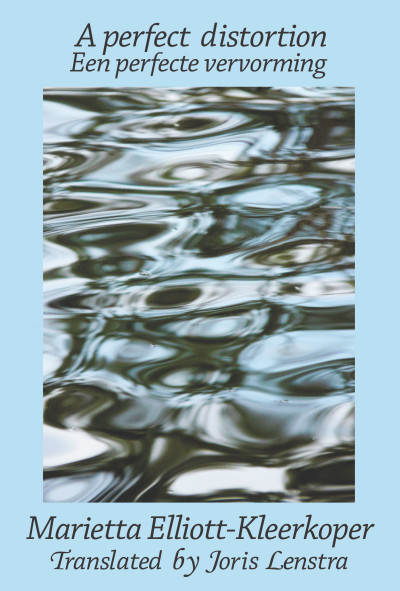
A Perfect Distortion
by Marietta Elliot-Kleerkoper
Translated by Joris Lenstra
Hybrid Books, 2016

The poems in this collection are provided in the original Dutch with an English translation; two languages and cultures that are intertwined in the poet and in the poetry. The mirroring effect of the parallel texts moves the reader beyond English language egocentricity, providing a continual reminder that language is constructed and understood in a variety of ways. There is a visual engagement as well as a cognitive one in sounding out the unfamiliar words (while wishing someone would read them aloud to me) and seeing how they balance in reflection.

Elliot-Kleerkoper has taught languages and been published in Australia and the Netherlands with her first Dutch-English collection, Island of Wakefulness / Eiland van waak zaamheaid, released by Hybrid Publishers in 2006. In this collection, she takes the reader on a stroll with her, frequently with an address to the reader in second person, while pointing out the beautiful details of the world she inhabits.

Terungkerend naar het oppervlak – de spil
Je blik glijdt af naar
de weerspiegeling – het water
als thee die te lang in een pot staat

Returning to the surface – the fulcrum
your gaze travels into
the reflection – the water
like tea too long in the pot

(‘Vier manieren om een vijver te zien /Four ways of looking at a pond’)
Unfortunately some poems are split by pictures and so the mirroring effect is lost. While the pictures support some poems, they simply interrupt others, or seem disconnected. For example, the photo-image of ‘Een perfect vervorming / A perfect distortion’ is many pages later than the title poem that it would otherwise illustrate. When there is a clearer ekphrastic connection, the poem can change the manner of visual perception, such as ‘Waterlelie / Waterlily’:

en als je in zijn diepte staart
zou je ogen

zien – goedaardige kleine ogen die terugkijken
oogjes van kleine visjes. Ze zullen jou voeden

zolang jij ogen hebt
om mee te zien

and if you stare into its depths
you’ll see

eyes – benign little eyes looking back at you
eyes of little fishes. They’ll nourish you

as long as you have eyes
to see
There is a careful attention to the arrangement of words and space in Elliot-Kleerkoper’s poetry, a meditative precision to her language. She leaves space for breathing between the images, enhancing their meditative quality.

een vlinder vast
in de heldere

lucht

a butterfly held
in the transparency

of air

(‘Vlinder’ / ‘Butterfly’)
This style of poetry Elliot-Kleerkoper does very well, far better than the formalistic requirements of the pantoum in ‘Hun eigen perfectie / Their own perfection’, which rather seems awkward and weighty in the midst of all the lightness conveyed by the rest of the collection. There are moments of shadow, such as her ‘Ode’, addressed to the ‘noble adversary’ of ‘Pain,’ where the couplets hammer in the effect just as the experience does.

Jij hebt me verrast
mijn nacht geroofd

en mijn onderwerping
aan jouw heerschappij afgedwongen

You surprise me
thieving my night

force me to submit
to your regime

There are times when the writing can become overly descriptive, lacking in depth, like skimming the surface of the water that is present in so many of her poems. The long poem, ‘Seizoenen, Darebin Parklands / Seasons, Darebin Parklands’, often seems merely observational:

LENTE

I
Eenden scharrelen rond
in het witte schuim
tussen groene algen

Op een bank heeft een man
één witte en één groen sok aan

SPRING

I
Ducks fossicking
in white scum
and green algae

On a bench, a man wearing
one white sock and one green sock
When the poetry is more than descriptive, capturing an idea as well as an engagement with the physical world, it captures the reader as well. ‘Het idee van een roos /The idea of a rose’ describes the transience of beauty:

Wat had ze graag
die roos geplukt
achter het hek

in een alledaagse tuin

maar ze kon het patron
van de regendruppels
niet onthouden

hoe het avondlicht
opgevangen werd

She would have liked
to pick the rose
behind the fence –

in an ordinary garden

but she couldn’t preserve
the way raindrops
were scattered

how they caught
the evening light
Mostly, these are gentle poems without harsh edges, confronting images or difficult twists. They provide an opportunity to join with Elliot-Kleerhopper in discovering the beauty of the natural world and using that as a way to carry on through the pain. And to very simply appreciate the crafting of words in two languages that echo and enhance each other.

*Roxanne Bodsworth (the proper name of the poet published as ‘Therese’) lives on a sheep farm in North East Victoria, is undertaking her PhD at Victoria University, and working as a celebrant in her spare time. Her verse novel, The Tangled Web, was published in 1989 by Openbook Publishers, and her non-fiction book, Sunwyse – celebrating the Wheel of the Year in Australia, in 2003 by Hihorse. Widely published in a range of genres, writing keeps her sane (almost).

**Taken from Cordite Poetry Review at http://www.cordite.org/au

Γεωργία Τρούλη, Δύο ποιήματα

14593209_960690304053755_1755395032_n

Οι τρελοί λαγοί

Εδώ και χρόνια
Άνθρωποι ζώα μέιλ και αποφάσεις
Μεταφέρουν κομμάτια παζλ
Στις νότιες χώρες
Έχουν βάλει σκοπό ν’ αλλάξουν κλίμα,
Θερμοκρασία, ταπεραμέντο.
Δεν τα πήγαν κι άσχημα
Έχουν καταφέρει να φτιάξουν τεράστιους χιονανθρώπους
Να ‘χουν να παίζουν οι γενιές οι επόμενες
Κάθε τρία τέσσερα χρόνια υπόσχονται ότι στην επόμενη
Χιονομεταφορά θα φέρουν μεγαλύτερα καρότα.
Σκέφτηκαν τα παιδιά, αυτά που τώρα μαθαίνουν
για τον Δούρειο Ίππο,
στην επόμενη κίνηση να κλείσουν μέσα
τυλιγμένα σε εσωθερμική φόδρα
κοπάδια τρελών λαγών
Κι έτσι κάποιοι να νομίζουν πως έχουν γνώση οι φύλακες
Κι έτσι κάποιοι να νιώθουν πως κοιμούνται ήσυχοι.

***

Πατητή τσιμεντοκονία

Σου είπα θα έρθω
Όταν θα έχουμε χορτάσει πανύψηλα λάθη
Μια εξομολόγηση που θα έρχεται
Από τα βάθη της γης
Που δεν έχει κέντρο βάρους και εύπλαστο χώμα

Σου είπα θα ακονίσω την γλώσσα μου
Τα οβάλ των ονείρων μου θα έχουν αγκυλώσεις
Γωνιώσεις και εσοχές
θα μ΄ακούσεις
Και θα χτίσω εκ νέου

Σου είπα ότι πηγαίνω τοίχο τοίχο
Τη διαδρομή, διαβάζω συνθήματα
Γράφω αποτυπώνω μουτζουρώνω
Και περιμένω το πιο τρυφερό λουλούδι
Να χει αντέξει
Να χει τολμήσει
Να βγει
Απ’ το τόσο τσιμέντο

*Το σχέδιο της ανάρτησης είναι έργο της Γεωργίας Τρούλη.

Nathanael O’Reilly reviews Lorne Johnson’s Morton

unnamed1

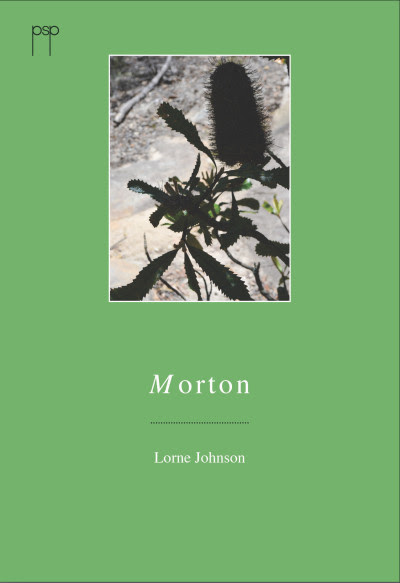
Morton
by Lorne Johnson
Pitt Street Poetry, 2016

Morton is Lorne Johnson’s first published collection. However, Johnson’s work should be familiar to avid readers of Australian poetry, since it has been published and commended in prizes for over a decade now. Johnson’s poetry has been published in many of Australia’s leading journals, including Mascara, Wet Ink, Island, Meanjin, Rabbit and Regime. In addition, Johnson’s poetry has already appeared in four anthologies (Writing to the Wire, Prayers of a Secular World, Australian Love Poems, and Eclogues, the 2007 Newcastle Poetry Prize anthology), which is quite an impressive publishing record for a poet who has not yet produced a full-length collection.

Johnson writes nature-based lyric poems, with the collection focusing primarily on Morton National Park in the Southern Highlands region of New South Wales. Morton opens with ‘Blue Note’, a twelve-line lyric divided into two six-line stanzas. The poem deftly combines several of Johnson’s passions (nature, birding and music), while stirring in a generous shot of humour and a few surprises. At dusk the speaker observes a ‘male Satin Bowerbird / on the edge of Gambells Rest’ (1-2). The bird is busy ‘decorating the forecourt of his / La Sagrada Familia bower’ (3-4), and here the reader encounters the first surprise, a bird’s nest in the Australian bush being compared to Antoni Gaudi’s glorious, unfinished masterpiece in Barcelona. The speaker goes on to list some of the bowerbird’s building materials, which include ‘milk bottle tops, pegs, straws,’ and, most surprisingly, a Smurf figurine (5-6). In the second stanza, the speaker returns ‘round midnight’ (7), just like a true jazz aficionado, to find the bird (no, not Charlie Parker), ‘kicking back, downing / Blue Curacao from a gumnut’ while ‘diggin’ Miles’ (8-10). Overall, the poem is a great success, a fine example of distillation, economy and wit. However, several of the line breaks could have been much more effective if Johnson had ended the lines with stronger words; instead, he ends several lines with articles and prepositions, such as ‘a,’ ‘of’ and ‘to,’ thus missing opportunities to create rhyme, rhythm and emphasis.

‘Destinations’, the third poem in the collection, is a found list poem consisting entirely of 18 place names, grouped into two stanzas, with each place name occupying a single line. Many of the place names are intriguing and / or amusing, such as ‘Hamlet Crown,’ ‘Blue Yodel Pass,’ ‘Mad Hatters Ridge,’ ‘Dungeon Creek,’ ‘Hell Hole’ and ‘Possibility Point’ (12-18). As Australian place names usually do, the names selected for the poem reveal hints of colonial history, cultural references, attempts at possession, hope, failure, and the displacement of Indigenous peoples. Indeed, the presence of just two Indigenous place names in the list is the most intriguing aspect of the poem. ‘Destinations’ contains some humour and inspires thought, though the names could have been arranged in a manner that would have created more juxtapositions, rhyme and unity.

‘Wishing Well’, the collection’s fourth poem, is the first to use the first person plural voice and situate the speaker in the poem with another human being. In the first three poems, humans are either absent or solitary observers. In the tradition of the English Romantic poets, Johnson’s poems often feature solitary individuals communing with nature. However, Johnson rarely uses the first person singular, preferring to convey his observations and ideas without direct reference to the individual speaker. The poem entitled ‘Crust’ is one of the rare exceptions, employing the first person singular in four of the six stanzas. ‘Crust’ is one of Morton’s standout poems, containing beautiful, creative and surprising images, such as ‘malt whisky paddocks’ (1), ‘tangled honeysuckle / and blackberry’ (3-4), ‘a tourist with lava inside him’ (7), and ‘Superb Lyrebirds’ that ‘shimmer like Mardi Gras boys’ (12).

Johnson’s sense of humour is on display in ‘yet another poem featuring gum trees’, which uses a variety of verbs (‘sporting,’ ‘harnessing’ and ‘scratching’) to describe gum trees engaged in various activities. One is ‘coping with a beehive in its armpit’ (11). The poem concludes with a gum tree ‘laughing at a bloke in a second hand bookstore in Bungedore, / who said he was over Australian poetry because of all the / bloody gum trees’ (9-11). Johnson’s poetics could be described as ‘contemporary pastoral’; he is clearly conversant with a wide range of Australian poetry and knows enough about his chosen field to be able to both situate himself in it and refrain from taking it too seriously. While Johnson’s work may fit within a poetic tradition including Judith Wright, Les Murray and John Kinsella, and he is surely widely read, having taught English in secondary schools for more than two decades, Johnson does not have any obvious poetic influences and has succeeded in developing his own voice.

In addition to his observations of birds and descriptions of sites within Morton National Park, Johnson addresses serious local issues, such as the dispossession of Indigenous people in ‘Sassafras, 1903’, the danger of bushfires in ‘when the fire needle leapt to catastrophic’, and threats to the local fauna in ‘A Reaction to a 2012 Hunting Proposal’. Johnson makes his position abundantly clear in the latter poem, describing the hunters as ‘blokes / with Southern Cross / tattoos and heads / full of dark energy;’ (1-4) who ‘hijack Morton / for days and run amok’ (9-10). In contrast, the victims of the hunters are ‘starlet-eyed, / powder-cheeked / Swamp Wallabies, / Hepburn-elegant in / smooth black gloves’ (16-20).

‘Pigeonhouse’, the collection’s final and most sophisticated poem, is by far the longest at 58 lines (most of the poems contain less than 20 lines). The poem contains many fine images and descriptions, such as ‘sweaty / morning skies’ (1-2), ‘vaulted emerald domes’ (4), and air tasting of ‘minted salt’ (8). One of the poem’s speakers states that Captain Cook named the mountain Pigeonhouse ‘after British dove boxes’ (32), while the primary speaker reveals that the site’s Indigenous name is ‘Didthul, after its / close resemblance / to a young woman’s breast’ (38-40). The existence of competing place names is just one example of several interweaving and overlapping narrative threads in the poem.

Morton is the standard chapbook length of 28 pages; however, it contains just twelve poems, and thus feels slight. Having encountered Johnson’s poetry in a variety of publications, I was excited to read this book, but disappointed to find it did not contain more of his excellent poems. I hope a full-length collection is forthcoming. Morton announces the arrival of a mature, insightful new voice in Australian poetry.

*Nathanael O’Reilly was born in Warrnambool and raised in Ballarat, Brisbane and Shepparton. He now resides in Texas. He is the author of Distance (2014) and two chapbooks, Suburban Exile: American Poems (2011) and Symptoms of Homesickness (2010), all published by Picaro Press. He is the recipient of an Emerging Writers Grant from the Australia Council for the Arts. Over one hundred of his poems have appeared in journals and anthologies around the world, including Antipodes, Australian Love Poems, Blackmail Press, fourW, LiNQ, Mascara, Postcolonial Text, Prosopisia, Red River Review, Snorkel, Social Alternatives, Tincture, Transnational Literature, Verity La and Windmills.
Website: http://tcu.academia.edu/NathanaelOReilly/About

**Taken from Cordite Poetry Review at http://www.cordite.org.au
Ανομήματα: ο χειραφετητικός λόγος των ποιητριών

selana019's avatarΏρα Κοινής Ανησυχίας

Ανομήματα: ο χειραφετητικός λόγος των ποιητριών

Κατερίνα Γώγου, Θολούρα

Γράφει: Σοφία Κολοτούρου


Το Περιοδικό για τη Διατάραξη της Κοινής Ησυχίας και η ποιήτρια Σοφία Κολοτούρου δημιουργούν τη στήλη Ανομήματα, ως έναν χώρο όπου θα αναδεικνύεται ο γυναικείος λόγος με την μορφή της ποίησης. Αυτό που οδήγησε τη σκέψη μας στη δημιουργία του χώρου αυτού μέσα στις σελίδες του Περιοδικού για τη Διατάραξη της Κοινής Ησυχίας είναι η διαπίστωση ότι ενώ οι γυναίκες γράφουν, παραμένουν περισσότερο αόρατες από τους άντρες ποιητές, ενώ συχνά χρειάζεται να μετέλθουν ένα ιδίωμα το οποίο να «αποδεικνύει» ότι είναι «ισότιμες» με τους άντρες. Θέλουμε να αναζητήσουμε τις γυναικείες φωνές που περιγράφουν σε στίχους το πώς έχουν βιώσει τη γυναικεία τους υπόσταση. Ή το πώς βιώνουν τον κόσμο γύρω τους. Θέλουμε να κάνουμε μια απόπειρα να συγκεντρώσουμε τον Λόγο που μπορεί να ταράξει την κοινή ησυχία της επανάπαυσης στα κυρίαρχα πρότυπα των φύλων. Να δούμε πόσο χειραφετητικός μπορεί να…

View original post 521 more words

Ordeal by Doc Wallace

reubenwoolley's avatarI am not a silent poet

She lies in the dirt road, snubbing.

Wind-blown clouds scurry to a crescent moon,

shadowing her naked legs while

ripped skin bleeds.

Her tear-streaked face studies

the stars and clouds,

a scene almost beautiful

but for the terror of this day.

So tired. She wants to sleep,

to forget.

She wants her mom.

But she is alone

on the cold dirt road

in the middle of vast, flat land.

Slowly she rolls to all fours;

stands on shaky legs.

Moonbeams show her jeans in the dust.

Painfully, she inserts her bloody bare feet

into each pant leg.

Soft cotton brings discomfort.

Now the long walk back

toward the distant lights in

the early evening sky,

toward home. Toward safety.

As long as they don’t come back,

she hopes, glancing furtively

over a bruised left shoulder,

quickening her pace thru pain.

For a whole day they kept her.

Snatched her off…

View original post 98 more words

Giosue Carducci, Φωνή των ιερέων

14495513_1748878015378243_4850322917488717958_n

Ακόμα και σχολή της ευτέλειας και της απάτης
Ήσουν ώ! ναέ “άσυλο καταφρονημένων”, όταν
Τ’ αδέλφια, την πατρίδα σου και το Θεό αρνιόσουν
Και σαν ερμηνευτής του Θεού πήγες με τους τυράννους.
Ώ! Ανόσιοι! Ξένοι στις αγωνίες μας ευλογείτε
Των καταπιεστών μας την αγέλη στα ουράνια,
Και καταριόσαστε τους δυστυχείς στην κόλαση,
που ετόλμησαν να εξεγερθούν ενάντια στους δυνάστες.
Έτοιμοι στου αυτοκράτορα την κάθε ανόσια βία,
Κόλακες της παράνομης και άδικης κατάκτησης:
Ο προφήτης του Θεού ψεύδεται με τη φωνή του κλήρου.
Ω! μέρα θλιβερή της ατιμίας που ανέτειλες
Όταν λάβαρο της σκλαβιάς έγινε ο σταυρός,
Κι έκαμαν το Χριστό πρωταθλητή των τυράννων!

*Από τη σελίδα Spyros Stasei Ekpiptones στο Facebook.

Αντώνης Θ. Παπαδόπουλος, Έτσι κι αλλιώς

without_you_the_party__s_over__by_dibutade

Ένα χαμόγελο πικρό θά ‘χες στα χείλη.
Πίσω από τα βλέφαρα μόλις που θα κρατούσες το δάκρυ,
σκύβοντας ν’ απιθώσεις στα χείλη μου απαλά

το στερνό σου φιλί.

΄Υστερα με αργό, επίσημο βήμα

θα κινούσες να βγείς από την κάμαρη,

αφήνοντας να σέρνεται ελαφρά στο πάτωμα

το μακρύ σου πανωφόρι.
΄Ετσι ωραία τα είχα φανταστεί. Ποιητικά.
΄Ομως γελάστηκα και πάλι. Γιατί,
αφού κατακόκκινη μ’ έβρισες υστερικά,
έφυγες βιαστική,
βροντώντας πίσω σου την πόρτα,
χωρίς να σου περάσει ούτε στιγμή από το νου,
πως έτσι κι αλλιώς,
εγώ τους στίχους θα τους έγραφα.

*Από την ποιητική συλλογή “Εκτός προγράμματος”, εκδ. “Διογένης”, Αθήνα 1991, σελ. 28. Αναδημοσίευση απο τη σελίδα του ποιητή στο Facebook

Epitaph to a Dog

Jim Cox's avatarTimeless Poetry

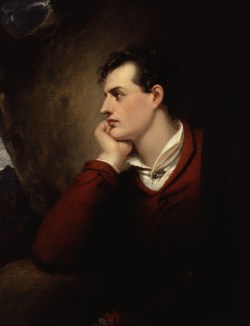
George_Gordon_ByronLord George Gordon Byron

Near this Spot
are deposited the Remains of one
who possessed Beauty without Vanity,
Strength without Insolence,
Courage without Ferosity,
and all the virtues of Man without his Vices.
This praise, which would be unmeaning Flattery
if inscribed over human Ashes,
is but a just tribute to the Memory of
BOATSWAIN, a DOG,
who was born in Newfoundland May 1803
and died at Newstead Nov. 18th, 1808.

When some proud Son of Man returns to Earth,
Unknown to Glory but upheld by Birth,
The sculptor’s art exhausts the pomp of woe,
And storied urns record who rests below:
When all is done, upon the Tomb is seen
Not what he was, but what he should have been.
But the poor Dog, in life the firmest friend,
The first to welcome, foremost to defend,
Whose honest heart is still his Master’s own,
Who labours, fights, lives, breathes…

View original post 130 more words

Κατερίνα Γώγου – Για πάντα ανάμεσά μας


ΚΑΤΑΣΤΟΛΗ

Ανάμεσα σ’ αυτές /λέγω/ τις ξυραφισμένες εγκοπές
όπου οι άνθρωποι συνήθιζαν να ονοματίζουν
μάτια
εκεί όπου υπάρχει φυτρωμένος ένας μικρός τάφινος + σταυρός
και μια
μεγάλη γυναίκα καταθλιπτική με μαύρα γυαλιά
κι ένα καφέ λουρί σκύλου στο χέρι
σπάνε εκεί τις τελευταίες μέρες μου
μεγάλα σκοτεινά νερά σταλμένα από δυνάμεις σκοτεινές
καλώντας με να προχωρήσω…
Μπρούμυτα πεθαμένοι με σακάκια ανε6αίνουν σταυρωτά
μέσα από τα νερά
τάματα μπούστο πρησμένα
κολλάνε σα πεταλίθρες στο πίσω μέρος του κρανίου μου
εκεί όπου αρχίζει το τριχωτόν μου /πεινάνε
είναι πεινασμένοι όλοι τους /καταλα6αίνετε/ θέλουν να ζήσουν
κό6ουν εδώ πίσω με κοφτερές δαγκωνιές
την τελευταία μου κοινωνική μου άμυνα
αυτό που οι άνθρωποι συνήθισαν να ονοματίζουν
μυαλό μου
γι ‘ αυτό τώρα εμένα που με βλέπετε δεν τρώω δεν κλαίω δεν
φο6άμαι δεν 6λέπω δεν μιλώ δεν εκκενώνω δεν αντιστέκομαι
είμαι αυτάρκης και λεία των νεκρών φωσφορίζουσα
θά προχωρήσω.

———————————-

Η ζωή μας είναι σουγιάδες
Σε βρώμικά αδιέξοδα
Σάπια δόντια, ξεθωριασμένα συνθήματα…
Πάνω – κάτω. Πάνω – κάτω, η Πατησίων.
Μια ζωή λιγούρια ταξιδεύουμε
την ίδια διαδρομή
Ξευτίλα – μοναξιά – απελπισία
Κι ανάποδα
Εντάξει δεν κλαίμε. Μεγαλώσαμε
Μονάχα όταν βρέχει
βυζαίνουμε κρυφά το δάχτυλό μας
Και καπνίζουμε….
Η ζωή μας είναι άσκοπα λαχανητά…

—————————-

Από τα “Τρία κλικ αριστερά…” (απόσπασμα).

Καλημέρα γιατρέ μου.
Μη.
Μη σηκώνεστε. Άλλωστε δεν έχω τίποτα σοβαρό.
Τα γνωστά.
Γράψτε βάλιουμ μαντράξ στεντόν τριπτιζόλ – ξέρετε τώρα εσείς –
Κάντε με κοινωνικό πρόσωπο
βολέψτε με τέλος πάντων με τους ομοίους σας
περάστε με στους χαφιέδες σας
πηδήξτε με αν θέτε
ωραίες οι γκραβούρες στους τοίχους σας.
Τσάκω τώρα στα σβέλτα το χιλιάρικο
και φέρ’ τη συνταγή
γιατί τέρμα η υπομονή μου παλιόπουστε
κι όπου νάναι θα εκραγεί.
Μη. Μη σηκώνεστε γιατρέ μου. Δεν είναι σοβαρό.
Ευχαριστώ.
Καλημέρα σας.

13332744_1722749934674674_392151663428136883_n