Ανδρονίκη, Δύο ποιήματα

2386328252_45054b965d_z

Άτιτλο

Είμαι στεγνός, καθαρός.
Έχω διαύγεια.

Θα βγω στο ντάλα ήλιο.
Η βρώμα από τα σκουπίδια άμεση, επιτακτική.
Μικρά τοσοδούλικα αυτοκινητάκια
έρχονται καταπάνω μου.
Είμαι τεράστιος ρε!
Χοντρός και λιγωμένος.
Θα βήξω και θα σας φτύσω.

Ζεστή σκόνη και γλιτσερά ρούχα
με τσιμεντώνουνε.
Και να φυσάει ο ερμαφρόδιτος αέρας
σαν πιστόλι για τα μαλλιά και για τα μυαλά.

***

Αυπνίες

Από το γραφείο χρόνια έχω να βγω
και δε με θυμάται το καλό μου το αφεντικό.
Έτσι, γλιτώνω από ενοχλήσεις
και άλλες παρεξηγήσεις.
Συνδικαλιστής ή μη,
κανένας δε γνωρίζει τη δική μου τη μορφή.

Όταν πάω να ψωνίσω,
τα βερεσέδια φροντίζω να μην αργήσω.
Μόνο μια τσάντα για το σπίτι κουβαλάω,
μα όλες τις τιμές κοιτάω.

Στο γιατρούλη μου πηγαίνω
και γράμματα πολλά του στέλνω,
να του πω ευχαριστώ
που με κρατάει τόσο γερό.

Το απόγευμα, την Κυριακή,
παρέα μου κρατάει η τιβί.
Σ’ άλλους κόσμους τότε ζω
και με ανθρώπους ειδικούς σαν να μιλώ.

Κι ενώ, όλα πάνε, κατ’ ευχή
στον ύπνο, πάντα, με ξυπνάει, μια απόκοσμη φωνή.

*Από το ιστολόγιο Άνω Θρώσκω στο http://anwthrwskw.espivblogs.net/2016/06/05/δυο-ποιηματα/

Arthur Rimbaud, Το μεθυσμένο καράβι… / Le bateau ivre…

………………………….
Dans les clapotements furieux des marées,
Moi, l’autre hiver, plus sourd que les cerveaux d’enfants,
Je courus ! Et les Péninsules démarrées
N’ont pas subi tohu-bohus plus triomphants.

Μέσα στους φοβερούς παφλασμούς των πλημμυρίδων,

Τον άλλο χειμώνα, Εγώ, πιο κουφός κι από μυαλό παιδιού,

Έτρεξα! Κι οι λυμένες Χερσόνησοι

Ποτέ τους δεν έσυραν Χάος πιο θριαμβικό.
………………………………………………………….
J’aurais voulu montrer aux enfants ces dorades
Du flot bleu, ces poissons d’or, ces poissons chantants.
– Des écumes de fleurs ont bercé mes dérades
Et d’ineffables vents m’ont ailé par instants.

Πόσο θα ‘θέλα να δείξω στα παιδιά τα λυθρίνια

Του γαλάζιου κύματος, τα χρυσά ψάρια, τα ψάρια που τραγουδούν

Αφροί λουλουδιών νανούρισαν τα φευγιά μου

Κι άνεμοι ανείπωτοι, στιγμές, με φτέρωσαν.
…………………………………………………………………
Je sais les cieux crevant en éclairs, et les trombes

Et les ressacs et les courants : je sais le soir,

L’Aube exaltée ainsi qu’un peuple de colombes,
Et j’ai vu quelquefois ce que l’homme a cru voir!

Ξέρω ουρανούς που σκάζουν σ ‘αστροπελέκια, και σίφουνες,

Και τ ‘αντιμάμαλα, τα ρεύματα: Ξέρω το βράδυ,

Την εξαρσιωμένη Αυγή, ίδια λαός περιστεριών

Κι είδα αυτό που ο άνθρωπος κάποτε πίστεψε ότι είδε!

bateau1

Siobhan Hodge reviews David Gilbey’s Pachinko Sunset

pachinko-sunset

Pachinko Sunset
by David Gilbey
Island Books, 2015

David Gilbey’s long-standing connections with Japan take centre stage in Pachinko Sunset, a collection that embraces simple, direct form to explore a layered series of issues linked with this relationship. The titular ‘pachinko’ refers to a popular Japanese game akin to pinball, in which a cascade of small metal balls are released to strike pins and be channelled off into different locations, with different prize implications for each. This image is a fair comparison for the text as a whole, as Pachinko Sunset delivers a sequence of poems in constant activity, heading in numerous directions at once, yet intrinsically caught up in the anxieties and ironies of travelling, translating, and relating Australia to Japan.

Written in English, Pachinko Sunset cannot help but engage with difficulties associated with language barriers. Gilbey’s linguistic interests are more down-to-earth than abstract, stemming perhaps from his considerable experience as an English teacher in Japan. Much of Pachinko Sunset is given over to scenes apparently taken from working with students. ‘Grammarian’ demonstrates some of the issues that can arise from these interactions, but undercuts these concerns with a playful tone. The poem is introduced with a line from Haruki Murakami: ‘Grammar is like the air: someone higher up might try to set rules for its use but people won’t necessarily follow them.’

Tonight at Sendai Toastmasters
my obsessions are given authority, my fetishes legitimized.
I must listen for mistakes and turn them into learning:
“but I drank many sakes”; “I have much movies on my browser”
and command felicities:
“They usually image that the stars have fallen downwards
very near the map of my heart.”
Never have I attended with such concentration.

Subtle, inquisitive thinkers speaking double tongues,
lips in two lands –
I am drawn into a 3D linguistic otherworld:
“You can spend very leisurely by this stick.”
“Before I got married with my husband.”
“It’s maybe destiny.”

I remember Hamlet: indirection finds direction out.
Accidental bathos gets a laugh:
“I felt a deep self-loathing and a headache.”
Most of us get the bi-cultural pun:
“I am an ankoholic.”

They know the power of oxymoron, if not its name:
“serious humour puts spice in your life… think crazy”
and challenge the gender bias of language and culture:
“It’s so surreal, this charming lady was jealoused by mother –
she seems like superwoman for me. Please be aggressive.”

I try to teach fun: don’t let the fear of making mistakes
stop you from speaking.
You will be understood and accepted
despite our imperfect agreements, wild prepositions,
odd adjectives and idiosyncratic verbs.
Native speakers are always making mistakes.
“The ordinary is amazing.”
The light-hearted tone and freedom of structure belie the potential for damage in more abrasive relationships with language. Grammatical fidelity is consciously pushed aside to permit a barrage of new, though un-named and faceless, voices. The speaker remains the only grounded, concrete presence, but the nameless other speakers all instate their own brief glimpses of perception, humour, and experience. The overall feeling is communal rather than condescending, but Gilbey recognises this risk.

Gilbey’s speakers are constantly reinventing ways to make connections through common ground, despite linguistic or contextual barriers. The first section is primarily preoccupied with teaching and day-to-day life in Japan, conscious of how things differ from life in Australia. The opening poem, ‘Australian Studies Conference, Hachioji’ sets out this contrast deftly, but as the collection continues, distance becomes far less obvious. By the time that Gilbey presents ‘Omi Hachiban: Ten Thumbnails’, an English and Romanji piece that links historical areas with the speaker’s present actions, this sense of potential isolation has been all but lost.

Gilbey has been a Visiting Professor of English on several occasions at Miyagi Gakuin Women’s University, Sendai, which accounts for the frequent presence of young Japanese women in his poems. Upon first reading, some poems raised concerns for their sexualised depictions, leaning towards stereotyping rather than the frankness and directness otherwise prevalent throughout Pachinko Sunset. The poetic speaker’s acknowledged sexism in ‘Iron Men’ clashes with the overt but tongue-in-cheek, farcical sexualisation of hats in ‘Hat Trick’. ‘Intercultural Communication’ quashes any fears of unconscious stereotyping as the speaker accidentally gives offence by stumbling over vowels and unintentionally pronounces an assessment of a female character’s body, combining chance humour with self-consciousness.

The final section, ‘Haibun Hikes’ is perhaps the strongest part of the text, as Gilbey experiments with longer verse styles in between shorter poems. Pachinko Sunset transforms into a ‘travel’ text, shifting between personal reflections whilst remaining consciously grounded in the differences between the familiar and unknown. Pachinko Sunset shares much in common with a travel narrative, but avoids indulgent tropes. Gilbey’s lightness of tone and efficient poetic style render cultural boundaries simultaneously clearer and less restrictive than ever in his strongly personal explorations of Japan.

*Siobhan Hodge is a doctoral candidate at the University of Western Australia from the discipline of English, studying Sappho’s poetry and its translation. Born in the UK, she divides her time between Australia and Hong Kong, and nurtures a passion for training horses. She recently published a chapbook, Picking Up the Pieces, and has had poetry published in several places, including Peril, Yellow Field and Page Seventeen.

**Taken from Cordite Poetry Review at http://www.cordite.org.au

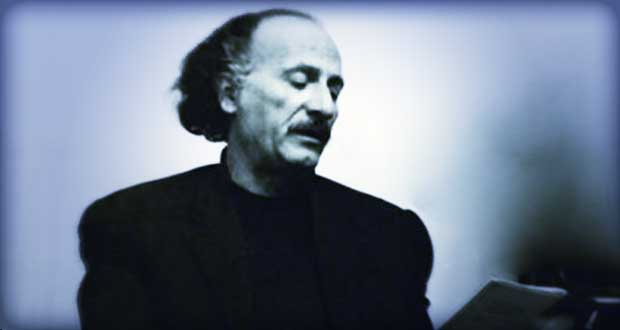
Για το φευγιό του Ηλία Λάγιου

Στις 5 Οκτωβρίου 2005 αποδημεί, «χωρίς εισιτήριο», ο ποιητής Ηλίας Λάγιος. Επιχειρεί το απονενοημένο διάβημα με ένα salto mortale από το μπαλκόνι του σπιτιού του. Στα 47 χρόνια που πρόλαβε να ζήσει απέδειξε πως ο διανοούμενος, ο πνευματικός άνθρωπος, μπορεί να είναι «οργανωτής» μιας μαχητικής ουτοπίας.

Ο Λάγιος ρίχνει τον ποιητή από το βάθρο του, σαρκάζει και αυτοσαρκάζεται χωρίς να γίνεται γραφικός. Ο λόγος του είναι αψύς. Του αρέσει να «παίζει» με διάφορους τρόπους γραφής.Καταπιάνεται με την καθημερινότητα, την σαπίλα, το θεό και τον Έρωτα. Κυρίαρχο μοτίβο ο θάνατος. Η ποίηση του φοβίζει τον απαίδευτο και τρομάζει τον βολεμένο. Τίθεται ενάντια σε κάθε μορφής εξουσία, μισεί τους καθωσπρέπει και αγαπά τους περιθωριακούς. Γράφει για τη ζωή όπως είναι και λέει τα πράγματα με το όνομα τους.

Γεννήθηκε το 1958 στην Άρτα, μεγάλωσε στο Ναύπλιο και έζησε το μεγαλύτερο μέρος της ζωής του στην Αθήνα. Εργάστηκε ως επιμελητής εκδόσεων μεταξύ των οποίων η Νέα Εστία και η Αυγή. Μαζί με τον Γιώργο Κοροπούλη εξέδωσε το λογοτεχνικό περιοδικό “Ωλήν”.

Κατηγορήθηκε από τα μέσα, ως κακοποιός της ελληνικής γλώσσας.

****”Το πέρασμα [‘Ενας αθώος άνθρωπος να συμφωνεί / Του κάνω νεύματα απεγνωσμένα / ‘Οπως πάντα έφτασα αργά] / Το πέρασμα στον θάνατο / Είναι μια κόκκινη στρογγυλή γουλιά / Τη σκουπίζεις στα χείλια / στο πάτωμα ή στο μαξιλάρι / Τα ίχνη φεύγουν λίγο αργότερα.”

***Απόψε οι πεθαμένοι ξαγρυπνούν μες στων κεριών τις φλόγες,
Και μοναχή παρηγοριά τα παιδικά της χρόνια στην Αθήνα•
γίνε αγερίτσα του Θεού και πέταξε εδώ πάνω.
Δεν το ’νιωσες, κορμάκι μου, που ο θάνατος μας κέρδισε για πάντα;
[Από τη συλλογή Πράξη υποταγής (2000).]

****«Κι από μακριά κιόλας εμείς (παγώνουν οι ώρες κι οι μέρες και δεν αντέχονται κι αποχωρούμε), όσοι ακόμα μέσα στη ζωή μας ζωντανοί, πομποί και δείκτες μνήμης αυριανής – οι μηδέ φωνασκούντες, μηδέ είρωνες. Από μακριά, με το μακριά που βάζουν τάχα για εγγύηση οι λέξεις. Με όλες τις λέξεις που πήρε δανεικές και έκανε δικές του – χρησιδάνειο. ‘Οσες μιλούσαν, κι όσες παραμιλούσαν μέσα σε ό,τι ακατανόητο του καθενός για τον καθένα. Με από κοντά τις λέξεις να τον χαιρετούν».

Απόσπασμα από το ποίημα «Δεν βλέπω τίποτ’ άλλο», του Ηλία Λάγιου: Άντε γαμήσου και χάσου,
πουτανίτσα φτιαγμένη στο Γαίηλ.
Θα κτενίσω τη νύκτα με κοκταίηλ
μολότωφ τα μαλλιά σου.

Ο Νίκος Γ. Ξυδάκης έγραψε στην “Καθημερινή” της 9.10.2005: “Τρυφερός έφηβος 47 ετών, ανήλικος και υπερώριμος μαζί, αστραφτερό ταλέντο, σπάταλος με τις λέξεις και τα αισθήματα, σπάταλος προ πάντων με τον εαυτό του. Ποιητής. […]”

****Το έργο του είναι χρήσιμο σε κάθε άνθρωπο που θέλει να ζει ελεύθερος

**********************

Έργα:
Πρόοδοι εν προόδω (Ωλήν, 1981, ως Αλέξης Φωκάς)
Ασκήσεις Ι-ΙΧ (Ωλήν, 1984, ως Αλέξης Φωκάς)
Το κατά Αλέξιον και Μαρίαν (Βιβλιοπωλείον της Εστίας, 1990)
Συνεστίασις (1991)
Τριώδιο (Άγρα, 1991, με τους Διονύση Καψάλη και Γιώργο Κοροπούλη)
Η ιστορία της Λαίδης Οθέλλος (Βιβλιοπωλείον της Εστίας, 1992)
Το βιβλίο της Μαριάννας (Ίκαρος, 1993)
Ανθοδέσμη (Άγρα, 1993, με τους Μιχάλη Γκανά, Διονύση Καψάλη και Γιώργο Κοροπούλη)
Ο Μικρός Ήρως: το σκετσάκι (Αντί, 1996)
Η έρημη γη (Ερατώ, 1996)
Περί ζώου (Παρουσία, 1996)
Μουζικούλες (Ερατώ, 1997)
Το εικοσιτετράωρο της Δηούς (Καστανιώτης, 1998)
Θεατρολογία (Καστανιώτης, 1998)
Της γυναικογυναίκας (Ερατώ, 1998)
Πράξη υποταγής (Ερατώ, 2000)
Φεβρουάριος 2001 (Ερατώ, 2002)
Η αρπαγή της κούτας (Ερατώ, 2003)
Ο άνθρωπος από τη Γαλιλαία (Ερατώ, 2004)

%ce%bb%ce%b1%ce%b3%ce%b9%ce%bf%cf%82

Ζήσης Αϊναλής, Ένα ποίημα για τη μοναξιά

mp

Φίλοι που έφυγαν, φίλοι που φεύγουνε κάθε μέρα

Φίλοι που λύγισαν, φίλοι που γύρισαν 

και ξανάφυγαν και γύρισαν πίσω ξανά

εδώ ή κάπου αλλού 

Φίλοι που νιώθουν ξένοι παντού 
κλαίνε τα βράδια και καταπίνουν σκοτάδια

θυμώνουν και βρίζουν μια πουτάνα πατρίδα

που τους γαμάει αλύπητα και τους σπάει τ’ αρχίδια
Φίλοι που τους κατάπιε ο κρατικός μηχανισμός αμήχανους
Φίλοι που λάκισαν, φίλοι που απελπιστήκαν
Φίλοι που ‘ριξαν ποτάμια νερό στο κρασί τους
Φίλοι που προπαγανδίζουν τώρα τον Λεβιάθαν
μεμψιμοιρώντας πως δεν γινόταν αλλιώς
– Είναι πανίσχυρος, ρε συ, ο Καπιταλισμός!
Φίλοι που μείνανε μόνοι μ’ ένα ξυράφι στα χέρια και λοιδορήθηκαν
Φίλοι στο δρόμο, φίλοι στη φυλακή
Φίλοι που απολύθηκαν, φίλοι στην ανεργία
Φίλοι βορά στα φρενοκομεία
Φίλοι που το ‘ριξαν στην πρέζα και άλλοι στο αλκοόλ
Φίλοι που κουμπώνονται για να την παλέψουν
αλλά δεν την παλεύουν
και τρέχουν πάνω-κάτω τις νύχτες δίχως σκοπό
Φίλοι με πολλά πτυχία που τα ‘βαλαν στον κώλο τους
κι άλλοι που ακρωτηριάστηκαν σ’ εργατικές εγκαταστάσεις του κώλου
Φίλοι που τρίβουν πατώματα και πεινάνε
Φίλοι που βδελύσσονται το φαί που διανέμουν
κλέβοντας φραγκοδίφραγκα απ’ τα ρέστα για να ξεχρεώσουν τις δόσεις της ΔΕΗ
Φίλοι που αγωνίζονται μόνοι τους στο σκοτάδι
Φίλοι που προσφέρουν στους πρόσφυγες το υστέρημα της τσέπης και της καρδιάς τους
Φίλοι που τρέχουν και δεν ξέρουν γιατί
Φίλοι που πίστεψαν και πια δεν πιστεύουν
Φίλοι που δεν πίστευαν και τώρα απελπίζονται
Φίλοι που έφυγαν
κυνηγημένοι από την οικογένεια τους μπάτσους το στρατό τις τράπεζες την εφορία
Φίλοι που θέλουν να επιστρέψουν και δεν μπορούν
Φίλοι που δεν θέλουν να φύγουν και φεύγουν
Φίλοι φίλοι φίλοι
Φίλοι που φεύγουνε κάθε μέρα
Φίλοι που χάνονται
Φίλοι που πια δεν υπάρχουν

Roxanne Bodsworth reviews Marietta Elliot-Kleerkoper’s A Perfect Distortion

perfect-distortion

A Perfect Distortion
by Marietta Elliot-Kleerkoper
Translated by Joris Lenstra
Hybrid Books, 2016

The poems in this collection are provided in the original Dutch with an English translation; two languages and cultures that are intertwined in the poet and in the poetry. The mirroring effect of the parallel texts moves the reader beyond English language egocentricity, providing a continual reminder that language is constructed and understood in a variety of ways. There is a visual engagement as well as a cognitive one in sounding out the unfamiliar words (while wishing someone would read them aloud to me) and seeing how they balance in reflection.

Elliot-Kleerkoper has taught languages and been published in Australia and the Netherlands with her first Dutch-English collection, Island of Wakefulness / Eiland van waak zaamheaid, released by Hybrid Publishers in 2006. In this collection, she takes the reader on a stroll with her, frequently with an address to the reader in second person, while pointing out the beautiful details of the world she inhabits.

Terungkerend naar het oppervlak – de spil
Je blik glijdt af naar
de weerspiegeling – het water
als thee die te lang in een pot staat

Returning to the surface – the fulcrum
your gaze travels into
the reflection – the water
like tea too long in the pot

(‘Vier manieren om een vijver te zien /Four ways of looking at a pond’)
Unfortunately some poems are split by pictures and so the mirroring effect is lost. While the pictures support some poems, they simply interrupt others, or seem disconnected. For example, the photo-image of ‘Een perfect vervorming / A perfect distortion’ is many pages later than the title poem that it would otherwise illustrate. When there is a clearer ekphrastic connection, the poem can change the manner of visual perception, such as ‘Waterlelie / Waterlily’:

en als je in zijn diepte staart
zou je ogen

zien – goedaardige kleine ogen die terugkijken
oogjes van kleine visjes. Ze zullen jou voeden

zolang jij ogen hebt
om mee te zien

and if you stare into its depths
you’ll see

eyes – benign little eyes looking back at you
eyes of little fishes. They’ll nourish you

as long as you have eyes
to see
There is a careful attention to the arrangement of words and space in Elliot-Kleerkoper’s poetry, a meditative precision to her language. She leaves space for breathing between the images, enhancing their meditative quality.

een vlinder vast
in de heldere

lucht

a butterfly held
in the transparency

of air

(‘Vlinder’ / ‘Butterfly’)
This style of poetry Elliot-Kleerkoper does very well, far better than the formalistic requirements of the pantoum in ‘Hun eigen perfectie / Their own perfection’, which rather seems awkward and weighty in the midst of all the lightness conveyed by the rest of the collection. There are moments of shadow, such as her ‘Ode’, addressed to the ‘noble adversary’ of ‘Pain,’ where the couplets hammer in the effect just as the experience does.

Jij hebt me verrast
mijn nacht geroofd

en mijn onderwerping
aan jouw heerschappij afgedwongen

You surprise me
thieving my night

force me to submit
to your regime

There are times when the writing can become overly descriptive, lacking in depth, like skimming the surface of the water that is present in so many of her poems. The long poem, ‘Seizoenen, Darebin Parklands / Seasons, Darebin Parklands’, often seems merely observational:

LENTE

I
Eenden scharrelen rond
in het witte schuim
tussen groene algen

Op een bank heeft een man
één witte en één groen sok aan

SPRING

I
Ducks fossicking
in white scum
and green algae

On a bench, a man wearing
one white sock and one green sock
When the poetry is more than descriptive, capturing an idea as well as an engagement with the physical world, it captures the reader as well. ‘Het idee van een roos /The idea of a rose’ describes the transience of beauty:

Wat had ze graag
die roos geplukt
achter het hek

in een alledaagse tuin

maar ze kon het patron
van de regendruppels
niet onthouden

hoe het avondlicht
opgevangen werd

She would have liked
to pick the rose
behind the fence –

in an ordinary garden

but she couldn’t preserve
the way raindrops
were scattered

how they caught
the evening light
Mostly, these are gentle poems without harsh edges, confronting images or difficult twists. They provide an opportunity to join with Elliot-Kleerhopper in discovering the beauty of the natural world and using that as a way to carry on through the pain. And to very simply appreciate the crafting of words in two languages that echo and enhance each other.

*Roxanne Bodsworth (the proper name of the poet published as ‘Therese’) lives on a sheep farm in North East Victoria, is undertaking her PhD at Victoria University, and working as a celebrant in her spare time. Her verse novel, The Tangled Web, was published in 1989 by Openbook Publishers, and her non-fiction book, Sunwyse – celebrating the Wheel of the Year in Australia, in 2003 by Hihorse. Widely published in a range of genres, writing keeps her sane (almost).

**Taken from Cordite Poetry Review at http://www.cordite.org/au

Γεωργία Τρούλη, Δύο ποιήματα

14593209_960690304053755_1755395032_n

Οι τρελοί λαγοί

Εδώ και χρόνια
Άνθρωποι ζώα μέιλ και αποφάσεις
Μεταφέρουν κομμάτια παζλ
Στις νότιες χώρες
Έχουν βάλει σκοπό ν’ αλλάξουν κλίμα,
Θερμοκρασία, ταπεραμέντο.
Δεν τα πήγαν κι άσχημα
Έχουν καταφέρει να φτιάξουν τεράστιους χιονανθρώπους
Να ‘χουν να παίζουν οι γενιές οι επόμενες
Κάθε τρία τέσσερα χρόνια υπόσχονται ότι στην επόμενη
Χιονομεταφορά θα φέρουν μεγαλύτερα καρότα.
Σκέφτηκαν τα παιδιά, αυτά που τώρα μαθαίνουν
για τον Δούρειο Ίππο,
στην επόμενη κίνηση να κλείσουν μέσα
τυλιγμένα σε εσωθερμική φόδρα
κοπάδια τρελών λαγών
Κι έτσι κάποιοι να νομίζουν πως έχουν γνώση οι φύλακες
Κι έτσι κάποιοι να νιώθουν πως κοιμούνται ήσυχοι.

***

Πατητή τσιμεντοκονία

Σου είπα θα έρθω
Όταν θα έχουμε χορτάσει πανύψηλα λάθη
Μια εξομολόγηση που θα έρχεται
Από τα βάθη της γης
Που δεν έχει κέντρο βάρους και εύπλαστο χώμα

Σου είπα θα ακονίσω την γλώσσα μου
Τα οβάλ των ονείρων μου θα έχουν αγκυλώσεις
Γωνιώσεις και εσοχές
θα μ΄ακούσεις
Και θα χτίσω εκ νέου

Σου είπα ότι πηγαίνω τοίχο τοίχο
Τη διαδρομή, διαβάζω συνθήματα
Γράφω αποτυπώνω μουτζουρώνω
Και περιμένω το πιο τρυφερό λουλούδι
Να χει αντέξει
Να χει τολμήσει
Να βγει
Απ’ το τόσο τσιμέντο

*Το σχέδιο της ανάρτησης είναι έργο της Γεωργίας Τρούλη.

Nathanael O’Reilly reviews Lorne Johnson’s Morton

unnamed1

Morton
by Lorne Johnson
Pitt Street Poetry, 2016

Morton is Lorne Johnson’s first published collection. However, Johnson’s work should be familiar to avid readers of Australian poetry, since it has been published and commended in prizes for over a decade now. Johnson’s poetry has been published in many of Australia’s leading journals, including Mascara, Wet Ink, Island, Meanjin, Rabbit and Regime. In addition, Johnson’s poetry has already appeared in four anthologies (Writing to the Wire, Prayers of a Secular World, Australian Love Poems, and Eclogues, the 2007 Newcastle Poetry Prize anthology), which is quite an impressive publishing record for a poet who has not yet produced a full-length collection.

Johnson writes nature-based lyric poems, with the collection focusing primarily on Morton National Park in the Southern Highlands region of New South Wales. Morton opens with ‘Blue Note’, a twelve-line lyric divided into two six-line stanzas. The poem deftly combines several of Johnson’s passions (nature, birding and music), while stirring in a generous shot of humour and a few surprises. At dusk the speaker observes a ‘male Satin Bowerbird / on the edge of Gambells Rest’ (1-2). The bird is busy ‘decorating the forecourt of his / La Sagrada Familia bower’ (3-4), and here the reader encounters the first surprise, a bird’s nest in the Australian bush being compared to Antoni Gaudi’s glorious, unfinished masterpiece in Barcelona. The speaker goes on to list some of the bowerbird’s building materials, which include ‘milk bottle tops, pegs, straws,’ and, most surprisingly, a Smurf figurine (5-6). In the second stanza, the speaker returns ‘round midnight’ (7), just like a true jazz aficionado, to find the bird (no, not Charlie Parker), ‘kicking back, downing / Blue Curacao from a gumnut’ while ‘diggin’ Miles’ (8-10). Overall, the poem is a great success, a fine example of distillation, economy and wit. However, several of the line breaks could have been much more effective if Johnson had ended the lines with stronger words; instead, he ends several lines with articles and prepositions, such as ‘a,’ ‘of’ and ‘to,’ thus missing opportunities to create rhyme, rhythm and emphasis.

‘Destinations’, the third poem in the collection, is a found list poem consisting entirely of 18 place names, grouped into two stanzas, with each place name occupying a single line. Many of the place names are intriguing and / or amusing, such as ‘Hamlet Crown,’ ‘Blue Yodel Pass,’ ‘Mad Hatters Ridge,’ ‘Dungeon Creek,’ ‘Hell Hole’ and ‘Possibility Point’ (12-18). As Australian place names usually do, the names selected for the poem reveal hints of colonial history, cultural references, attempts at possession, hope, failure, and the displacement of Indigenous peoples. Indeed, the presence of just two Indigenous place names in the list is the most intriguing aspect of the poem. ‘Destinations’ contains some humour and inspires thought, though the names could have been arranged in a manner that would have created more juxtapositions, rhyme and unity.

‘Wishing Well’, the collection’s fourth poem, is the first to use the first person plural voice and situate the speaker in the poem with another human being. In the first three poems, humans are either absent or solitary observers. In the tradition of the English Romantic poets, Johnson’s poems often feature solitary individuals communing with nature. However, Johnson rarely uses the first person singular, preferring to convey his observations and ideas without direct reference to the individual speaker. The poem entitled ‘Crust’ is one of the rare exceptions, employing the first person singular in four of the six stanzas. ‘Crust’ is one of Morton’s standout poems, containing beautiful, creative and surprising images, such as ‘malt whisky paddocks’ (1), ‘tangled honeysuckle / and blackberry’ (3-4), ‘a tourist with lava inside him’ (7), and ‘Superb Lyrebirds’ that ‘shimmer like Mardi Gras boys’ (12).

Johnson’s sense of humour is on display in ‘yet another poem featuring gum trees’, which uses a variety of verbs (‘sporting,’ ‘harnessing’ and ‘scratching’) to describe gum trees engaged in various activities. One is ‘coping with a beehive in its armpit’ (11). The poem concludes with a gum tree ‘laughing at a bloke in a second hand bookstore in Bungedore, / who said he was over Australian poetry because of all the / bloody gum trees’ (9-11). Johnson’s poetics could be described as ‘contemporary pastoral’; he is clearly conversant with a wide range of Australian poetry and knows enough about his chosen field to be able to both situate himself in it and refrain from taking it too seriously. While Johnson’s work may fit within a poetic tradition including Judith Wright, Les Murray and John Kinsella, and he is surely widely read, having taught English in secondary schools for more than two decades, Johnson does not have any obvious poetic influences and has succeeded in developing his own voice.

In addition to his observations of birds and descriptions of sites within Morton National Park, Johnson addresses serious local issues, such as the dispossession of Indigenous people in ‘Sassafras, 1903’, the danger of bushfires in ‘when the fire needle leapt to catastrophic’, and threats to the local fauna in ‘A Reaction to a 2012 Hunting Proposal’. Johnson makes his position abundantly clear in the latter poem, describing the hunters as ‘blokes / with Southern Cross / tattoos and heads / full of dark energy;’ (1-4) who ‘hijack Morton / for days and run amok’ (9-10). In contrast, the victims of the hunters are ‘starlet-eyed, / powder-cheeked / Swamp Wallabies, / Hepburn-elegant in / smooth black gloves’ (16-20).

‘Pigeonhouse’, the collection’s final and most sophisticated poem, is by far the longest at 58 lines (most of the poems contain less than 20 lines). The poem contains many fine images and descriptions, such as ‘sweaty / morning skies’ (1-2), ‘vaulted emerald domes’ (4), and air tasting of ‘minted salt’ (8). One of the poem’s speakers states that Captain Cook named the mountain Pigeonhouse ‘after British dove boxes’ (32), while the primary speaker reveals that the site’s Indigenous name is ‘Didthul, after its / close resemblance / to a young woman’s breast’ (38-40). The existence of competing place names is just one example of several interweaving and overlapping narrative threads in the poem.

Morton is the standard chapbook length of 28 pages; however, it contains just twelve poems, and thus feels slight. Having encountered Johnson’s poetry in a variety of publications, I was excited to read this book, but disappointed to find it did not contain more of his excellent poems. I hope a full-length collection is forthcoming. Morton announces the arrival of a mature, insightful new voice in Australian poetry.

*Nathanael O’Reilly was born in Warrnambool and raised in Ballarat, Brisbane and Shepparton. He now resides in Texas. He is the author of Distance (2014) and two chapbooks, Suburban Exile: American Poems (2011) and Symptoms of Homesickness (2010), all published by Picaro Press. He is the recipient of an Emerging Writers Grant from the Australia Council for the Arts. Over one hundred of his poems have appeared in journals and anthologies around the world, including Antipodes, Australian Love Poems, Blackmail Press, fourW, LiNQ, Mascara, Postcolonial Text, Prosopisia, Red River Review, Snorkel, Social Alternatives, Tincture, Transnational Literature, Verity La and Windmills.
Website: http://tcu.academia.edu/NathanaelOReilly/About

**Taken from Cordite Poetry Review at http://www.cordite.org.au

Ανομήματα: ο χειραφετητικός λόγος των ποιητριών

selana019's avatarΏρα Κοινής Ανησυχίας

Ανομήματα: ο χειραφετητικός λόγος των ποιητριών

Κατερίνα Γώγου, Θολούρα

Γράφει: Σοφία Κολοτούρου


Το Περιοδικό για τη Διατάραξη της Κοινής Ησυχίας και η ποιήτρια Σοφία Κολοτούρου δημιουργούν τη στήλη Ανομήματα, ως έναν χώρο όπου θα αναδεικνύεται ο γυναικείος λόγος με την μορφή της ποίησης. Αυτό που οδήγησε τη σκέψη μας στη δημιουργία του χώρου αυτού μέσα στις σελίδες του Περιοδικού για τη Διατάραξη της Κοινής Ησυχίας είναι η διαπίστωση ότι ενώ οι γυναίκες γράφουν, παραμένουν περισσότερο αόρατες από τους άντρες ποιητές, ενώ συχνά χρειάζεται να μετέλθουν ένα ιδίωμα το οποίο να «αποδεικνύει» ότι είναι «ισότιμες» με τους άντρες. Θέλουμε να αναζητήσουμε τις γυναικείες φωνές που περιγράφουν σε στίχους το πώς έχουν βιώσει τη γυναικεία τους υπόσταση. Ή το πώς βιώνουν τον κόσμο γύρω τους. Θέλουμε να κάνουμε μια απόπειρα να συγκεντρώσουμε τον Λόγο που μπορεί να ταράξει την κοινή ησυχία της επανάπαυσης στα κυρίαρχα πρότυπα των φύλων. Να δούμε πόσο χειραφετητικός μπορεί να…

View original post 521 more words