3 ποιήματα | Φανή Αθανασιάδου

fteraxinas's avatarΦτερά Χήνας

athan

Μυστική συμφωνία

Συμφωνία
εν μέσω τριγμών
δεν μπορούσε να παζαρέψει
την τιμή των τετιμημένων
πλήθος συγκεντρωμένο στην πλατεία
περίμενε καρτερικά
για τη διανομή νερού.
Όλο το οικοδόμημα
που με τόσο κόπο έκτισε
διακυβευόταν απόψε
κινδύνευε εν μία νυχτί
να καταρρεύσει
σαν χάρτινος πύργος.

***

Νύχτα κρυστάλλων

φθίνουσα πορεία
αποδόμηση
γέμισαν τα μάτια της
από τη νύχτα των κρυστάλλων
ό,τι απέμεινε
έρπει σαν πουκάμισο φιδιού
αλλάζει πρόσωπα και ονόματα
περιφέρεται
στις γειτονιές του κόσμου

***

Μικρό ναυάγιο

Σαν σημαδούρα
ανάμεσα σε σκόπελους και ύφαλους
ό,τι απέμεινε
από τη βάρκα που βυθίστηκε
το μικρό ναυάγιο
που έλαβε χώρα
είκοσι ναυτικά μίλια μακριά
από το νησί της Ιθάκης
οι λιγοστοί επιβάτες κατάφεραν να σωθούν
κολυμπώντας μέχρι την απέναντι ακτή
εκεί θα περίμεναν
μέχρι να περάσει να τους περισυλλέξει
το επόμενο πλοίο της γραμμής

View original post

Γεωργία Τρούλη, Τρία ποιήματα

%cf%83%ce%ba%ce%b9%cf%84%cf%83%ce%bf10

Χτες βράδυ

Μια ρωγμή την τράβηξα
Από τα μαλλιά
Την έκανα γραμμή
Την μούλιασα σε στάχτη
Ένταση
Μελάνη
Θυμό
Της έδωσα σκέψη
Την τέντωσα
Την γάζωσα
Με όλους τους δυνατούς συνδυασμούς
Κάθε μέρα τρώω ασβέστη
Τον μεταμορφώνω σε βρώμη
Τον πασπαλίζω με γάλα
Δεν υποχωρώ
Γεύομαι πάλι μια δροσοσταλίδα
Στο σκαλιστό σκαμνί

Αλήθεια, τι είναι αυτό
Που κάθε πρωί
Αναδιπλώνει τα κύτταρα;

***

Θα ‘ρθω να σε ξυπνήσω

Ζεματάει πάλι το δέρμα
Σάπιο μήλο ξημέρωμα
Μια αγωνία που δεν
Που δεν έχει γωνία ούτε στερητικό
Δυο σελίδες δρόμος από το μπαλκόνι
Στο τέλος μιας οροφής

Δυο λωρίδες
Ξεχείλωνε σχήμα
Αναδίπλωνε χώρο
Έπειτα
έληγε αποφάσεις
τις τοποθετούσε σε ημερομηνίες
Η εμφιάλωση στην εικόνα
Γέμιζε κάπου εκεί
πάνω κάτω
Χαράματα η ώρα τρεις

***

0-1

Δεν κατάλαβες πως τα αστεία κρύβουν μια σοβαρότητα
Και γι΄ αυτό τόσο γέλιο προκαλούν
Σε αυτούς που ξέχασαν ακόμη και από αυτό
να δακρύζουν
Ή να κατουριούνται
Ήρθαν τότε οι καιροί που το γέμισμα των εποχών γινόταν
Με εικόνες και λέξεις.
Με καμιά αφή και βλέμμα κανένα
Και γέλασαν όλοι στα παραθύρια
Την ώρα που κατουρούσαν σε μια πραγματικότητα
Με την οθόνη στο ένα χέρι
Και την αλλαγή εποχής στο άλλο.

0-1

14555986_960689624053823_105108179_n

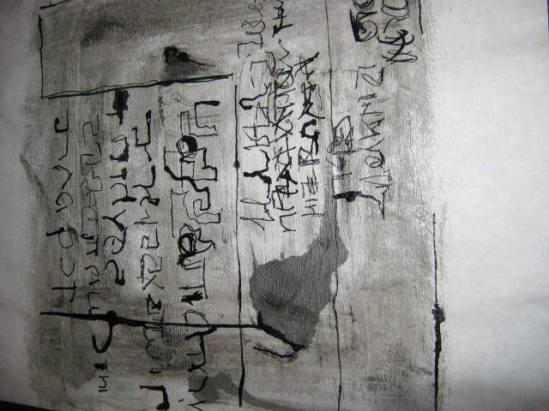
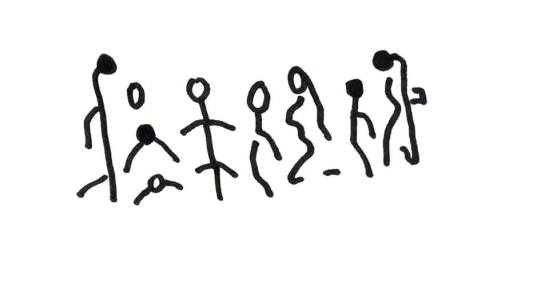
*Τα δύο σχέδια που συνοδεύουν την ανάρτηση είναι της ίδιας της ποιήτριας.

San Francisco in the Sixties – Kenneth Rexroth’s complete columns for the “San Francisco Examiner”

920x920

In January 1960 the San Francisco Examiner offered Kenneth Rexroth
a job writing a weekly column. He accepted. The column proved popular
enough that he was soon asked to do two and eventually three per week.

All told, Rexroth wrote more than 760 columns for the Examiner until he
was fired in July 1967 (apparently due to a controversial article he wrote
about the American police).

During the last seven years I’ve been posting all of these columns, 50 years
after their original appearance. They’re now all online at my website.

Needless to say, they vary widely in topic and interest. Some offer
incisive commentary that remains astonishingly relevant on all sorts of
general issues — social, political, cultural, ecological. Others are more
dated, such as reviews of particular musical or theatrical performances.
I think you will find, however, that his remarks about even the most
ephemeral topics are full of amusing observations and perceptive
insights, and that the ensemble constitutes a unique and fascinating
chronicle of those eventful years.

Here are just a few of the hundreds of different topics he treats:

Beckett and Ionesco
Ferlinghetti, Ginsberg, and the Modern Jazz Quartet
In praise of amateur Shakespeare
The Civil Rights movement
The execution of Caryl Chessman
The HUAC riot
Merits and faults of the San Francisco Ballet
Kabuki theater
Chinese opera
The Tao of fishing
Japanese art
Aida and Ornette Coleman
Mathematical elegance and classic fiction
An appeal for Kenneth Patchen
Radio KPFA
The Peace Corps
The death of Hemingway
Rigoletto and Coltrane
Henry Miller
Pablo Casals at the White House
The San Francisco Mime Troupe
Golden Gate Park
Camping in the Sierras
Igor Stravinsky
The death of Marilyn Monroe
The Cuban missile crisis
Why not abolish Market Street?
Brecht’s philosophy
The film Elektra
Victor Serge’s Memoirs of a Revolutionary
Diebenkorn at the De Young
The Kennedy assassination
H.L. Mencken
The Coit Tower murals
Tom Jones and The Ginger Man
Ideas for replanning the city
Charles Mingus
Homosexuality
Greeks and Buddhists in Afghanistan
The Harlem riots
Mysticism, ethical and chemical
Wagnerian Tartuffery
The fall of Khrushchev
The Vatican Council
The Mafia invasion of North Beach
Proposals for Chinatown
The assassination of Malcolm X
Bob Dylan
Cowboy diplomacy
The strategy of peace
Wine – French versus Californian
The Watts riot
The FSM
Harassment in Haight-Ashbury
Urban alienation renewal
Marijuana
LSD
Marxism and the persistence of alienation
The international cultural revolution
Camouflaging the rape of the environment
What I will miss in San Francisco [as he starts off on a nine-month trip around the world]
The crises in Germany
Wandering the streets of London
The Amsterdam Provos
Bolshevism as state capitalism
The arts of Finland
Sexual liberation in Denmark
Wandering the streets of Paris
The architecture of Gaudi
The undergrounds in Spain
Power struggle in Italy
Tintoretto and the Painters of Venice
The Italian Communist Party
Ruins of ancient Greece
Istanbul
Iran’s “two culture” peril
Afghanistan
India’s political demoralization
Buddhism and Hinduism in India
Thai Buddhism

I plan to continue by posting all of Rexroth’s articles and columns for
the San Francisco Bay Guardian (1967-1972) and San Francisco magazine
(1967-1975). But meanwhile, you can now peruse the entire Examiner
series here: http://www.bopsecrets.org/rexroth/sfe

*Republish from http://www.bopsecrets.org/rexroth/sfe/

**The Bureau of Public Secrets website features writings by Ken Knabb,
Knabb’s translations from Guy Debord and the Situationist International,
and the Rexroth Archive (texts by and about the great writer and social
critic Kenneth Rexroth).
BUREAU OF PUBLIC SECRETS
P.O. Box 1044, Berkeley CA 94701
http://www.bopsecrets.org

“Making petrified conditions dance by singing them their own tune.”

Tina Giannoukos and Dmetri Kakmi in a poetic discussion

b10000000447b

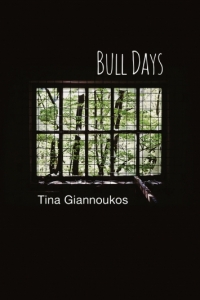
Join poet Tina Giannoukos and writer Dmetri Kakmi as they take you on an intimate journey through the creative process of poetry. With readings from Tina’s latest collection ‘Bull Days’, Tina and Dmetri will dissect poetic form, discuss the tradition of love poetry and the question of voice. Bookings essential.

About the Authors:
Tina Giannoukos holds a PhD in Creative Writing and has worked in teaching, journalism and law. Her first collection of poetry, In a Bigger City, was published in 2005. Her latest work, Bull Days, was published in 2016. She has lived and worked in Beijing.

Dmetri Kakmi is a writer and freelance editor. In a previous life, he worked as a senior editor at Penguin Books, Australia. His book Mother Land was shortlisted for the NSW Premier’s Literature Awards; Haunting Matilda was a contender for Best Fantasy Novella in the 2015 Aurealis Awards.

DATE AND TIME
Thu. 8December,2016
6:30 pm – 8:00 pm
Add to Calendar

LOCATION
Library at The Dock
107 Victoria Harbour Promenade
Melbourne, VIC 3008

The poems in Bull Days grapple with desire, ethics and compassion. From the first, the speaker confronts the challenges of today’s world. Language becomes the ground of the undoing of a relationship that we are not certain has begun. Perhaps it may yet emerge out of the speaker’s contemplation. Multi-voiced, this sequence of fifty-eight sonnets explores the contemporary possibilities of the form.

Τομάς Κοέν, Από το ένα άκρο στο άλλο

cohen

Μεταφράζει η Άτη Σολέρτη

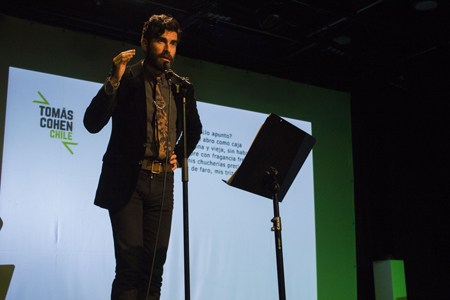
Ο Τομάς Κοέν (Tomás Cohen, Πεγιούουε – Χιλή 1984) είναι συγγραφέας και μεταφραστής. Έχει σπουδάσει Μουσικολογία και Καλές Τέχνες στο Ποντιφικό Καθολικό Πανεπιστήμιο της Χιλής και Ιστορία της Τέχνης στο New York University. Το 2003 πήρε υποτροφία από το Ίδρυμα Πάμπλο Νερούδα. Αφού έζησε για δυο χρόνια στο Νεπάλ, εγκαταστάθηκε στη Γερμανία, όπου μέχρι και σήμερα πραγματοποιεί σπουδές σχετικές με τον πολιτισμό του Θιβέτ και τη σανσκριτική γλώσσα στο Πανεπιστήμιο του Αμβούργου. Έχει συμμετάσχει σε αρκετά φεστιβάλ ποίησης στην Αμερική αλλά και σε πολλές χώρες της Ευρώπης. Είναι ένας από τους εκδότες του περιοδικού Asymptote (www.asymptotejournal.com). Ως μέλος της ομάδας Found in Translation, οργανώνει στο Αμβούργο κάθε χρόνο το “Hafen Lesung”, ένα διεθνές φεστιβάλ σύγχρονης λογοτεχνίας σε διάφορες γλώσσες. Διατηρεί τη σελίδα: http://www.tomascohen.com

Το ποίημα που παρουσιάζεται εδώ, ενώνει την αρχή και το τέλος, αποτελώντας τον επίλογο του βιβλίου του Redoble del ronroneo (Τυμπανοκρουσία του γουργουρίσματος), που εκδόθηκε το 2016 από τον εκδοτικό οίκο Buenos Aires Poetry στην Αργεντινή.

Η γραφή του Τομάς Κοέν μοιάζει να ξέρει να αφουγκράζεται τα άκρα. Κάθε λεπτή γραμμή που απομακρύνει και συνδέει τα αντίθετα που ισορροπούν πάνω στην απέραντη γέφυρα του σύμπαντος. Με βλέμμα που ξέρει πού να στραφεί για να αποκωδικοποιήσει κάθε ανθρώπινη αφετηρία και τέλος, ψηλαφεί την ανθρώπινη φύση κι αποτυπώνει τα σημάδια μιας κοινής καταγωγής σαν να τελετουργεί συνομιλώντας με τον Θεό της αναγέννησης. Με ευαισθησία, λογική και διαίσθηση ωθεί και το δικό μας βλέμμα στο βἀθος κάθε κυκλικής μνήμης, μες στο γαλάζιο του ορίζοντα που μας χωρίζει και μας ενώνει, με στόχο να μας απελευθερώσει. Να φανερώσει ένα νέο κόσμο που υψώνεται τριγύρω, αφού όμως πρώτα απορρίψουμε κάθε συνάντηση με τον προηγούμενο εαυτό μας.

*

ΑΠΟ ΤΟ ΕΝΑ ΑΚΡΟ ΣΤΟ ΑΛΛΟ (ΦΙΝΑΛΕ)

Ας μη φοβόμαστε: έτσι είναι ο θάνατος
Σέσαρ Βαγιέχο

Στο βάθος υπάρχει πάντα άμμος
και νέα φεγγάρια μαύρα μες στα νύχια.
Στο τέλος οι τσέπες μου αναποδογυρίζουν.
Αφού τα όρη μετακινούνται από κουβέρτες.

Είναι πολύ αργά
ή πολύ νωρίς; Μιλώ σ’ εκείνη
μέχρι ν’ ακούσεις.
Ποιος είναι εκεί; Πέρασε,
κάθισε, η θάλασσα δεν είναι γαλάζια
αν ο ουρανός δεν την κοιτάζει.

Κοίτα τι φέρνω μες στις τσέπες μου:
όστρακα με βίδες, κατεστραμμένες
ενστάσεις κι αναλαμπές ηρεμίας
και στο βάθος υπάρχει πάντα άμμος.

Μπες, έξω, στο κουτί του καθαρτηρίου
που γλείφει το χνούδι απ’ τις τσέπες μου,
καθώς μεταφέρεται εκεί όπου
άχρηστοι μετασχηματιστές και εξωτερικές μνήμες
γίνονται σκουλήκια ανάμεσα στα καλώδια
από την παραδοχή στην αποκήρυξη,
όπου οι στεγνές μνήμες
ξεδιπλώνονται και διπλασιάζονται και διακλαδώνονται.

Εδώ βυθίστηκε ο προγενέστερος κόσμος.
Μένει η κοιλότητα
που δυο εραστές σχημάτισαν σε μια παραλία
που χωρίς να θέλει
θα χορτάσει από ουρανό
και θα γίνει μια άδεια λακκούβα, μια μπουκιά
από μουτζούρα και αφρό—
Όμως καλύτερα
όχι. Δεν θα πάρω.

Εσύ! Που φωτίζεις σκαλί σκαλί την έκπληξη της σκοτεινιάς μου,
εσύ που στη στάχτη είσαι η πνοή που με κρατά,
έλα στο άκρο που βυθίζεται,
απελευθερώνοντάς με στο όνομά σου,
με το όνομά μου στα χέρια σου
για δάχτυλα. Με κοιτάζεις,
με μάτια καμωμένα από σημειώσεις—
Αλλά φτάνει. Φτάνει, πια
φεύγω.

Ψηλάφισε τις παύσεις μου, τους καρπούς σου· το μολύβι
που έχει εξαφανιστεί πίσω απ’ τ’ αυτί.
Ο σβόλος που ενσωμάτωνε με πόνο στην περίμετρό του
θραύσμα το θραύσμα έναν μετεωρίτη…
ο χτύπος μου. Βρίσκεσαι εδώ, απακανθιζόμενος
ή αρωγός στη γέννα, μέσα στo σύννεφο σκόνης κάθε μου κατεδάφισης,
δίπλα σε ερείπια που μοιάζουν παιδιά
μέσα σε εφήβους χωρίς την παρουσία ενήλικα ακόμα—
Έλεος, πια! Κόφτε το!
Στη σβάρνα της σκιάς μου
δεν χαρίζομαι άλλο.

Βγες μαζί μου απ’ την κοιλάδα της αναποφασιστικότητας
κι απ’ τη μιζέρια της ζέστης και του κρύου·
τις πτυχές της φασματικής περιόδου
στην οποία μασάω τα καύκαλά μου
και ρουφάω απ’ τις πληγές μου·
λουτρά με γράμματα από σαπούνι πάνω στην αντανάκλαση.
Μπανιέρα ατέλειωτη της στενής ζωής μου,
μέσα από σένα έπλευσαν δυο μακρινά κούτσουρα
μόνο για να συγκρουστούν και να απομακρυνθούν ξανά—
Χωρίς σάλια, ας τελειώσουμε,
αν τελειώναμε
κάθε φορά.

Γρήγορα, πολύ αργά, γύρνα με
σαν χάρτινη σελίδα ως το άγνωστο
κι έλα μαζί μου κάτω απ’ το κάλυμμα που κλείνει,
πιασμένοι χέρι χέρι σαν σελίδες
εκεί όπου η λέξη φωτιά δεν καίει.
Ήσυχοι, ας παίξουμε τον σπόρο
μέχρι ένα ουρλιαχτό να μας χωρίσει
όπως τη θάλασσα της Eξόδου—
Αλλά, υπάρχει κάτι ακόμα!
Δώσε… άλλο λίγο,
ένα επεισόδιο παραπάνω.

Δεν είναι πολύ αργά; Όχι,
πια είναι πολύ νωρίς.
Μένει η κοιλότητα
που δυο εραστές σχημάτισαν στην παραλία
και η πλημμυρίδα πλησιάζει,
βυθίζει τον προγενέστερο κόσμο:
ριπή, γουλιά από
μαστίγιο, λαιμός
πίσω, ζενίθ στο
ναδίρ.
Μαστιγώνει τον
μηρό του πλανήτη, ο πλανήτης
αναποδογυρίζει ξανά. Η βαρύτητα
επιστρέφει
και η ακτίνα της ματιάς διαλύεται πιο πέρα.

Η θάλασσα χωρισμένη στη θέα του ραβδιού
ουρλιάζει κλείνοντας το κόκκινο επεισόδιό της.
Η χρυσή ράχη καταπνίγει την Έξοδο·
οι πνιγμένοι δεν μιλούν για θησαυρούς.
Στο βάθος
μένει αυτή η κοιλότητα που πλημμυρίζει.
Πρόσφατα σχηματισμένα όρη, κουβέρτες από άμμο
καλύπτουν αυτή τη λακκούβα, που παραμένει γαλάζια
εκεί όπου ο ουρανός ναι τελειώνει, σε φανερώνει—
Ποιος είναι εκεί; Ο κόσμος,
τριγύρω.

*Αναδημοσίευση από το http://www.vakxikon.gr/%CF%84%CE%BF%CE%BC%CE%AC%CF%82-%CE%BA%CE%BF%CE%AD%CE%BD-%CF%87%CE%B9%CE%BB%CE%AE-%CE%B1%CF%80%CF%8C-%CF%84%CE%BF-%CE%AD%CE%BD%CE%B1-%CE%AC%CE%BA%CF%81%CE%BF-%CF%83%CF%84%CE%BF-%CE%AC%CE%BB%CE%BB/

Stephanie Downing reviews Lizz Murphy’s Shebird

lizz-murphy-shebird-1

Shebird
by Lizz Murphy
PressPress, 2016

I am a slave to the cocoa bean
So too the children who harvest it

It was these lines from Lizz Murphy’s book of micro poetry, Shebird, which entranced me into selecting it for review. The simple yet effective metaphor, the point at which the mundanity of western life and the horrific reality of child labourers converge, at the crossroads of consumerism: this was what brought me into entering the world of Shebird, the ‘woman or girl who wears the shroud of widows, guards the new grave, tastes gun’. The physical and emotional pain that the Congolese women experience is conveyed expertly in the sensory language that Murphy wields.

When I received the book, I felt like I was holding something fragile and intimate. The paperback format of Shebird gives the volume a textile, delicate feeling, much like the downy feathers of a bird. As the sixth poetry volume in Murphy’s career, the work is highly refined, and finely crafted. Readers of Murphy will appreciate the continuation of the feminine perspective from previous collections such as her anthology Wee Girls, which focused on Irish women’s poetry in Australia. Murphy’s preoccupation with the marginalised voices of women and girls is astutely conveyed in this volume, which translates the pain and violence experienced by women into brief yet profound verses.

The micropoetry format is a continuation of Murphy’s Portraits, inspired by her work with visual art. In the summary of this collection, Murphy describes the micropoem as ‘a flashing wing, a story in a heartbeat, a scrap of the living, a satirical stir’. In Shebirds¸ Murphy continues this slant of ‘a punch in a line’ with many of her poems consisting of only a few lines. The poem I have quoted above, entitled ‘Chocolate Fix’, has been transcribed in its entirety of two epigrammatic lines, yet the implications are expansive. By linking two classes of women through a single image, the coffee bean, Murphy creates a portal into the world of Shebird, the world of the child worker, the girl slave, the global ‘other’ whose voice is unheard.

Murphy demonstrates her ability to concisely portray complex emotions, issues and situations with style and grace. In ‘Dangerous Women’ the stripped back syntax and intensely corporeal language communicate a pain that is at once sharp and compelling.

she scrapes off her own mouth
eyes lowered
grief tempest grey

Murphy’s poetics envelop the reader into the world in such a visceral manner, that it forces the reader to acknowledge the issue at hand. The poetry demands to be read, demands to be heard. Each poem is brief, sometimes only one line, yet it speaks to the heart of an issue that is so often left out of cold statistics.

The number of men
Who sexually assaulted
a twelve year old girl:
Reckoning 101

The colloquial tone of this poem, ‘Who’s Counting’, denies the news report’s cold distance of journalism, and instead gives the rape of this young girl a more human voice. Murphy addresses the issues of violence against women and girls in third world countries in apposite, yet highly imagistic poems. She refuses to let these women and girls be turned into statistics.

A bird motif recurs throughout the volume – in numerous incarnations it is deployed to allegorise the old woman, the child who toils, and the poet-narrator herself. The bird is a fragile, endlessly suffering creature, but also a figure of resilience, one that endures suffering and retains its beauty despite its trials. This culminates in one of the final poems, ‘A Woman is Raped’, in which the poet urges the figure to ‘rise like a shebird / against / the war on women’. As the notation indicates, this poem was inspired by an art and text work depicting the rape of Congolese women. These indices remind the reader that the girls, or shebirds, rendered in this volume are not simply poetic devices, but real human beings that theses horrors are currently being inflicted upon.

This ultimately gives the poetry a gravitas that is needed when handling such a distressing and often unheard of issue. Far from simply being a pleasing assortment of words and lines, though the collection is masterfully crafted, Murphy’s Shebird draws attention to the most vulnerable girls and women in the population, and urges the women’s voices be heard and their stories be told.

*Taken from http://cordite.org.au/reviews/downing-murphy/

Το ποίημα της εβδομάδας

sweet jane eyre's avatarstyle rive gauche

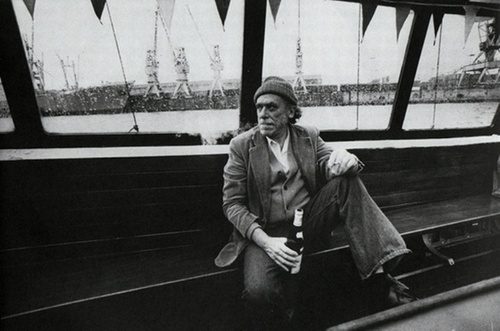
Καλό μήνα. Στο ποίημα της εβδομάδας θα απολαύσουμε το Σαν τον σπουργίτη του Τσαρλς Μπουκόβσκι. Το ποίημα περιλαμβάνεται στη συλλογή Τρόμου και αγωνίας γωνία από τις εκδόσεις Απόπειρα σε μετάφραση του Γιώργου Μπλάνα.

Σαν τον σπουργίτη

Για να δώσεις ζωή πρέπει πρώτα να πάρεις.

Καθώς η θλίψη μας σωριάζεται

στη χιλιοματωμένη θάλασσα,

προσπερνώ μυριάδες αυτοσπαραζόμενα κοπάδια

πλασμάτων με άσπρα πόδια και ξασπρισμένες κοιλιές.

Σαπίζουν ολοένα πεθαίνοντας. Ξεφωνίζουν

σε άγριους καβγάδες.

Καλό μου παιδί, σου πρόσφερα

μονάχα ότι κι ένας σπουργίτης.

Είμαι γέρος όταν της μόδας είναι να’σαι νέος.

Κλαίω όταν είναι της μόδας να γελάς. Σε μίσησα,

όταν χρειαζόταν πολύ λιγότερο κουράγιο ν’αγαπάς.

687474703a2f2f656c3132342e636f6d2f77702d636f6e74656e742f75706c6f6164732f323031342f30362f70756e746f732d6163657263612d64652d6c612d766964612d636f6e2d6672617365732d64652d636861726c65732d62756b6f77736b692e6a7067.jpg

View original post

ΚΥΡΙΑΚΗ.

yorona's avatarγια τη φωτογραφία και την κριτική

super super moon

Κύματα Κυριακής τα μάτια μου

κύματα μοναξιάς τα χέρια μου

τρίζουν από ύπνο αθώο

τα δόντια μέσα στην καρδιά μου

το πεθαμένο παιδί

δεν ξενιτεύεται

πάει κρατώντας ένα

       κόκκινο σκυλάκι

μέσα στο μαντίλι

τέρατα περπατούν ανάποδα στα όνειρα

φυσάει ένας άγριος αέρας

πάνω από τις λεμονάδες

πετάει μια νυχτερίδα

σαν πικραμένο ευαγγέλιο

μ’ ένα μαύρο πανί

μία γυναίκα

σκεπάζει το φεγγάρι.

ΜΙΛΤΟΣ ΣΑΧΤΟΥΡΗΣ

Από την ενότητα

ΣΦΡΑΓΙΔΑ

ή

Η ΟΓΔΟΟΗ ΣΕΛΗΝΗ

(1964)

View original post

Juan Manuel Macías, Γραφείο

alejandria

Στα σκοτάδια τις λέξεις
να τις αγγίζεις πρέπει να ξέρεις
με την ίδια πίστη με την οποία αγγίζεται ένα κορμί.

Κάποιες φορές ο άνεμος της καρδιάς υπερβολικά τους φωνάζει
για τη δική τους αδύναμη κατάσταση της λάσπης.
Ο άνεμος της καρδιάς περνά και συγχύζει
και παύουν τα χείλη νικημένα από το παρελθόν,
παρατατικό όταν πάντα,
όταν πάντα ήταν αργά κι ωστόσο κανείς
δεν κατάφερνε να φορέσει ένα κολάρο κατευνασμού σε ορισμένα ρήματα μεταβατικά:
«εγώ είχα», «εγώ ήθελα»
«εγώ ήξερα ή μπορούσα»…
κι ωστόσο
ένα βιβλίο συνέχιζε με όλες του τις ορισμένες ώρες να σαπίζει,
με όλη τη συσσωρευμένη και θλιμμένη οργή του,
με όλη την απαρηγόρητη γραμματική του,
πάντα ανοιχτό από την ίδια παγωνιά
στο γραφείο στο οποίο ποτέ δεν κάθισες.

Κάποιες φορές οι λέξεις
είναι μονάχα δρόμοι τεντωμένοι που οδηγούν στον πυρετό,
κι ο πυρετός δεν είναι παρά ένα μουτζουρωμένο από κίτρινο νοέμβρη κασκόλ
στο λαιμό των παράξενων παιδιών.

Και τη βροχή, μη ξεχνάμε τη βροχή, αγύριστη ηλακάτη κόσμων χωρίς ηθική διδαχή,
και τόση γέρικη ιστορία
στα κατώφλια κοιμισμένη,
και τόση ιστορία αδέξια αποσπασμένη
από τους καταλόγους των σπασμένων θεοτήτων,
βρώμικων από την απουσία, τη βιολέτα και την κιμωλία.

Αλλά είναι νύχτα τώρα, και οι λέξεις
θα γυρίσουν να σκοτεινιάσουν όπως σκοτεινιάζει ένα κορμί,
άμα οι πόλεις τα βλέφαρά τους κλείσουν από μακριά
και μία άβυσσος λεπτή στα χέρια μας χυθεί.
Γιατί ξέρουμε πως ανάμεσα σε σκιά και σκιά μπορεί να πέσει ένα δόγμα
και δεν υπάρχει ένα ναι πιο εμφατικό από αυτό του αγγιγμένου δέρματός σου, ακριβής σκόπελος,
όπου οι αμφιβολίες, συνεχίζουν να σπάνε, η μία μετά την άλλη, τον στείρο του κυματισμό.
Και τη μετατόπισή του.

Δεν υπάρχει άλλη επιστήμη πιο σαφής και χωρίς σίγαση
από τα χέρια που ακούνε και την καρδιά που αγγίζει.
Το σκοτάδι θεμελιώνει την αυστηρή του υπαγόρευση:
πως όλα μπορεί να είναι οποιοδήποτε πράγμα εκτός απ’ το κορμί σου
άμα να φτάνει ξέρει κάποιος από τον πιο σύντομο δρόμο,
από αυτόν που πάει απ’ την αλβαργκονθάλες στη μελαγχολία ή στο σύννεφο
περνώντας απ’ τη λήθη, την πισίνα, την κίρκη, τη βερενίκη, τον βοριά .                   

Κοίτα. Έχουμε φτάσει από πολύ μακριά
στο πιο δύσκολο μέρος της σύνταξης.
Έχουμε ανοίξει τις πιο παράξενες πόρτες και είδαμε πως πια δεν θα υπήρχε κανείς
παρά η άχρηστη τράπουλα του χαρτοπαίκτη, τα ρέστα κάποιας δευτέρας καταδικασμένης, ένα
μισοτελειωμένο πανηγύρι
και ένα σάπιο από αβεβαιότητα και φόβο τσαμπί.
Όλα ήταν, τελικά, στα δικά μας χέρια.
Εσύ επινοούσες λέξεις όταν κάποιος έσβηνε τις μέρες
κι εγώ συνέχιζα να τις περιμαζεύω για να κατανοήσω γιατί ένα σπίτι
σχεδιάζεται μονάχα με τα χέρια ενός παιδιού κι όχι ενός αρχιτέκτονα,
γιατί ένα σπίτι ποτέ δεν διαρκεί για πάντα,
γιατί ο χρόνος κι ο τρόπος και τα άτομα,
και κανείς δεν επινόησε έναν παράδεισο για τα σπασμένα παιχνίδια και τις ορφανές από ρίμα μετοχές.

Κοίτα.
Έχω φέρει τις λέξεις που επινόησες στα σκοτάδια,
φυλαγμένες μέσα στην ίδια τους τη σκοτεινιά.
Όλες είναι εδώ, δεν λείπει καμιά,
συμπεριλαμβανομένων και αυτών που στην απλή εντριβή πονάνε απ’ το αλάτι και τη θάλασσα τη μακρινή
ή εκείνες, τις πιο ανυπεράσπιστες, που άμα τις χαϊδεύεις υπερβολικά
μπορούνε με ένα δάκρυ ή μ’ έναν άγγελο να μπερδευτούνε εύκολα.
Πάμε να παίξουμε τις αλυσοδεμένες λέξεις.
Αλλά με την ευχαρίστηση που αντιλαμβάνονται μονάχα αυτοί που παίζουνε στα σοβαρά.

Ναι. Στα σοβαρά. Παρακαλώ. Είναι διασκεδαστικό.

Πάμε να τις τοποθετήσουμε τη μία μετά την άλλη, με του καπρίτσιου την πίστη, με την αφή που τους δρόμους επινοεί.
Τη μία μετά την άλλη, θα τις διασώσουμε απ’ την αργή τους των πιθανοτήτων αγωνία,
θα φέρουμε σ’αυτές ένα σπιτικό, ένα σύστημα ριζικό, και έναν ενεστώτα παρατατικό για πάντα,
τη μία μετά την άλλη, πρός της μέρας το φως.

*Από το βιβλίο Μετάβαση, DVD Ediciones, 2011. Στα ελληνικά από την Ανθολογία Σύγχρονης Ισπανικής Ποίησης σε μετάφραση και επιμέλεια Άτης Σολέρτη.

**Ο Juan Manuel Macías (Καρταγένα, 1970), είναι φιλόλογος, ελληνιστής και μεταφραστής. Συνεργάζεται με διάφορα λογοτεχνικά περιοδικά που σχετίζονται με τα κλασικά γράμματα, με άρθρα και μεταφράσεις ελληνικής ποίησης. Ποιήματά του και άρθρα του λογοτεχνικής κριτικής έχουν δημοσιευτεί σε αρκετά περιοδικά ποίησης. Έχει εκδώσει 3 ποιητικές συλλογές καθώς επίσης σε μετάφραση ποιήματα της Σαπφούς και την ποιητική συλλογή της Μαρίας Πολυδούρη με τίτλο «Οι τρίλλιες που σβήνουν». Διατηρεί το ιστολόγιο http://diosas-nubes.blogspot.com.es (απ΄όπου και η εικόνα της ανάρτησης).

George Mouratidis reviews John Foulcher’s 101 Poems

160108-jf101p-cover-194x300

101 Poems by John Foulcher
Pitt Street Poetry, 2015

Over a career spanning more than thirty years many critics have praised John Foulcher’s skill at ‘capturing a moment’. The simplicity of such an observation, however, is no platitude considering how fully Foulcher achieves this. 101 Poems is a retrospective collection that shows the poet’s ability to illustrate how time can be clear and immediate. To this end Foulcher shows great versatility, expressing non-linear shifts and jumps that nod to modernist tradition while remaining singular and unique. This collection affirms that Foulcher’s artistry lies in his ability to reveal how such moments interact, and even collide, with a sharp awareness of impermanence and mortality. A dialogue between these elements runs through 101 Poems, uniting the fluctuating pitches of poetic voice as it develops across three decades: ‘This moment that doesn’t drift away, / which is shared forever in the list / of all the remembered things, some of which have happened’ (‘Why I Go to Church’).

Selected from each of Foulcher’s nine poetry collections – from his debut, Light Pressure (1983) to his latest, The Sunset Assumption (2012) – this collection is divided accordingly, and presents poems in chronological order. However, 101 Poems is more than a linear career retrospective: it is a poet’s examination of the trajectory of his own craft. Foulcher himself makes plain the personal motivation for the selections: ‘Of all the hundreds of poems I’ve written, these are the ones I like most’ (‘Author’s Note’). This, the poet insists, is for a number of reasons – ‘some are my most personal, some are my most accomplished and others are, I feel, some of the most challenging poems I’ve ever written.’

Noting the importance of Australian poets such as Robert Gray, Les Murray and Geoff Page to his artistic development, Foulcher still maintains that ‘[a]t the heart of my inspiration is my family’. Family and interpersonal relationships constitute a significant part of Foulcher’s subject matter, which lends 101 Poems an intimacy through which the reader is invited to connect. In these poems, the speaker is an active participant, and yet also outside of the moment as an observer that records, recollects, interprets. In his most reflective moments, the poems often deal with aftermaths, especiallyin the wake of people and relationships that have passed. Equally, the speaker anticipates future circumstances. The speaker addresses his own inquiries: ‘What now?’ and ‘What if…?’ Instead of pensive detachment, there is a sense of the personal and immediate in these reflections. Foulcher engages with what he sees by imbuing it with his own personal experience. This is achieved in no small part through the uncomplicated immediacy of Foulcher’s language and uncluttered strophes, masterfully opening up the dimensions and depths. It appears almost effortless. Here we see how the immediate connects with the timeless, the idiosyncratic with the universal.

By offering different perspectives on a single moment – or an epoch – simultaneously, the speaker invites the reader to consider disparities in interrelation. As one eye fixes on a single memento, the other is askew, panning to something larger on the horizon. In ‘Pictures from the War’, Foulcher weaves a familial scene with its unimaginable destruction in one historical moment:

In 1945, on V-Day, my parents
first met. I still have the pictures; Dad in his slouch hat
and uniform, his arm linked through hers
The image tears vividly against:

I think of them,
looking at these photos
of Hiroshima and Nagasaki.
In those pictures, a woman holds the charred barrel of her child,
while another fizzes with burns.

Foulcher challenges the epoch-making power of icons, demonstrating how they can be reduced to mere incidental artefacts or people when entwined with ‘minor’ histories. In ‘Richard Simpson’s Sister’, for instance, what initially appears to be a quintessential boomer recollection of going to a friend’s house to listen to Sergeant Pepper’s abruptly shifts when the eager narrator’s arrival is met with news that his friend’s sister has just been killed in a car accident. Both the ‘landmark’ moment and text are consequently transformed: ‘I played it that night on my own record player, / a huge old coffin of ruffled sound … how crisp and full the sound would have been / on Richard Simpson’s stereo’. Similarly, ‘The Picture of David Bowie’ brings Barthes’ to mind, with a photograph that ruptures history rather than capturing it. An image of the star flanked by Lou Reed and Iggy Pop,

[…] would have been
the essential photo, icon of an age,
if some bastard

hadn’t strayed into the background. There,
over Bowie’s shoulder,
the face, so brutally
mundane. He’s looking beyond the camera,
as if someone were calling him
out of history.

The unassuming face of these poems complements, rather than masks their density and texture. Like B.B. King’s guitar playing, Foulcher’s economygives his statements their fullest impact. Evoking Blake’s ‘Labour well the Minute Particulars’ and Williams’ ‘No ideas but in things’, Foulcher’s is a poetics of detailed simplicity; insights arrive through the attention paid to the details of images and objects immediately at hand. This is the idiosyncratic vocabulary of experience and memory:

Afternoons laid neatly on the lawn

The first day
coats and jumpers slumped
useless in blending shade. The first day
spring begins to stretch

from a brittle year.
On the radio, a football match, scratching
among sparrows
and occasional bits of wind

[…]

Before, it was all
loneliness and desire,
Saturdays empty
as a classroom, weekdays cluttered with school;

such sudden love
of things
was quickly gone. But its tones
have lingered, long after
a final siren, and a score that doesn’t matter

(‘Listening’)
Such mindfulness of surrounds exhibits a spiritual, even religious quality not dissimilar to that of Buddhist poetry. This is especially evident in reflections composed through nature –‘Kosciusko in Summer’, ‘Tent’, ‘At the end of the day…’ – and may well speak to the open-heartedness of the poet’s own Christian faith. The latter is a constant yet unobtrusive presence across all the collections.

For Foulcher, writing poetry is both a learning experience as well as an experience of learning. All of the poems in 101 Poems, he insists, have one thing in common: ‘I’ve gained a greater understanding of myself and the world by writing them’. Poetry ‘holds up a mirror, so the lines of the face can be seen more clearly’. The key strength of this collection is the myriad points of entry it offers the reader, always intimate and ever surprising. Foulcher invites us to follow these lines, and find where they intersect with our own.

*George Mouratidis is a Greek-born Beat scholar, poet, and translator of Modern Greek literature. He was a contributing editor of Jack Kerouac’s On the Road: The Original Scroll (2007), for which he wrote a critical introduction. He has taught Cultural Studies at RMIT University and American literature at The University of Melbourne where he is currently completing his PhD on the Beats. His translation of Greek-Australian poet Nikos Nomikos titled Noted Transparencies is due out in May with Owl Press, and his debut collection of poetry, Angel Frankenstein, is due later in the year with Soulbay Press.

**Taken from http://cordite.org.au/reviews/mouratidis-foulcher/