Κρίτων Αθανασούλης, Ταξίδι

4989262765_43df6d09e2_b

[ ] Είναι καιρός πιά να το πούμε
πώς τούτο το ταξίδι
θα βαστάξει πολύ,
γιατί οι δρόμοι μας κλείστηκαν
από τα πάθη πού προπορεύονται.
Ταξιδεύουμε και πολεμάμε,
χανόμαστε πολλοί μες στην προσπάθεια,
κι άλλοι νοσταλγούμε ένα τέλος,
γιατί σώθηκαν πια τα τρόφιμα της ψυχής
κι ο ύπνος κρεμάστηκε στα βλέφαρά μας

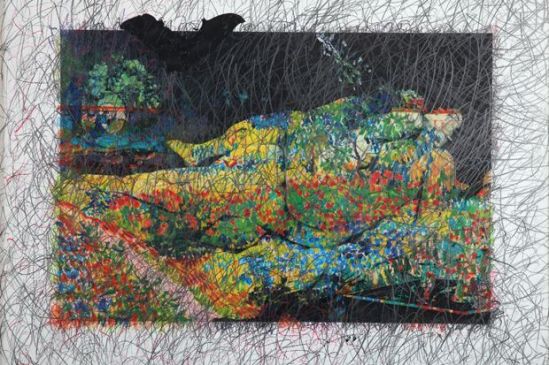
Βαγγέλης Αλεξόπουλος, Τρεις

Έργο: Δημήτρης Αληθεινός

Έργο: Δημήτρης Αληθεινός

Δεν υπάρχει καινούργια γλώσσα
ούτε λέξεις αθώες.
Στους τοίχους αποκολλημένοι σοβάδες
και θρυμματισμένα κόκκαλα, που
κάποτε υπήρξαν γροθιές.
Εδώ -και χρόνια- όλα νοικιάζονται
για 99 χρόνια.
Τρεις φορές τα χρόνια του Χριστού
τρεις φορές σταύρωση
-χωρίς ανάσταση-
τρεις εις θάνατον.
Εδώ και χρόνια.

AUTUMN LEAVES

vequinox's avatarManolis

autumn leaves cover

ΡΟΥΤΙΝΑ

Είπες συχνά πως έπρεπε

ν’ αλλάξουμε συνήθειες

είπες θ `ταν καλό

καινούρια αρχή να κάναμε

νέο σκοπό ο κόσμος

πως χρειαζόταν

από της φύσης τα στοιχεία

βοήθεια να λάβει

κι από φίλους κι άσπονδους εχθρούς

μα πάντα καθισμένος

σε πολυθρόνα έμενες

και υποστήριζες πεποίθησή σου

κρατώντας πάντοτες σφιχτά

της πολυθρόνας το χειρομοχλό

ROUTINE

Often you said, we need

to change our habits

a new beginning to commence

new purpose our life needed

help from its elements

from foes and friends

and all along

you stayed sat

in lush recliner and

always you upheld

your beliefs while

tightly in hand

you held

the recliner’s lever

AUTUMN LEAVES, Ekstasis Editions, Victoria, BC, 2014

www.ekstasiseditions.com

www.manolisaligizakis.com

View original post

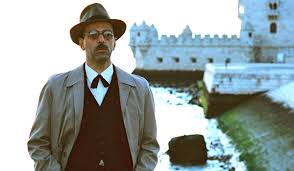
Fernando Pessoa, Από τα Ασύνδετα Ποιήματα

images

Μου λες πώς είσαι κάτι περισσότερο
από μια πέτρα ή ένα φυτό.
Μου λες πώς αισθάνεσαι, σκέφτεσαι καί ξέρεις
ότι σκέφτεσαι καί αισθάνεσαι.
Λοιπόν οί πέτρες γράφουν στίχους;
Καί τα φυτά έχουν ιδέες για τον κόσμο;

Ναί: υπάρχει διαφορά.
Άλλα δεν είναι ή διαφορά πού νομίζεις.
Γιατί τό νά εχω συνείδηση δεν μέ υποχρεώνει νά έχω θεωρίες γιά τον κόσμο.

Μέ υποχρεώνει μόνο νά είμαι συνειδητός.

“Αν είμαι κάτι περισσότερο άπό μιά πέτρα ή ένα φυτό; Δεν ξέρω.
Είμαι διαφορετικός. Δεν ξέρω τί είναι περισσότερο ή λιγότερο.

Έχω συνείδηση είναι κάτι περισσότερο άπό τό έχω χρ?μα|
Μπορεί καί ναί μπορεί καί όχι.
Ξέρω ότι απλώς είναι διαφορετικό.
Κανείς δεν μπορεί νά άποδείξει ότι είναι κάτι περισσότερο άπό τό διαφορετικό.

Ξέρω οτι ή πέτρα είναι πραγματική κι ότι τό φυτό υπάρχει.
Το ξέρω γιατί υπάρχουν.
Τό ξέρω γιατί οί αισθήσεις μου μου τό δείχνουν. Ξέρω πώς κι εγώ επίσης είμαι πραγματικός.
Τό ξέρω γιατί οί αισθήσεις μου μου τό δείχνουν, αν καί μέ λιγότερη καθαρότητα απ’ δ,τι μου δείχνουν την πέτρα καί τό φυτό.
Δεν ξέρω τίποτε άλλο.

Ναί, γράφω στίχους, κι ή πέτρα δέν γράφει στίχους.
Ναί, έχω ιδέες για τον κόσμο, ενώ τά φυτά δέν έχουν.
Άλλα είναι γιατί οί πέτρες δέν είναι ποιητές, είναι πέτρες.
Καί τά φυτά είναι απλώς φυτά, καί όχι στοχαστές.
Μπορώ νά πώ πώς είμαι ανώτερος τους γι’ αύτό
όπως καί κατώτερός τους.
’Αλλά δέν λέω αύτό: λέω γιά την πέτρα, «είναι πέτρα»,
λέω γιά τό φυτό, «είναι φυτό»,
λέω γιά μένα, «είμαι έγώ».
Δέν λέω τίποτε άλλο. Τί άλλο πρέπει νά πώ;

*Περιέχεται στο βιβλίο “Τα ποιήματα του Αλμπέρτο Καέιρο”, σε μετάφραση και επιμέλεια Μαρίας Παπαδήμα. Εκδόσεις Γκούτενμπεργκ, Αθήνα 2014.

Δήμητρα Καραφύλλη, Επτά ποιήματα

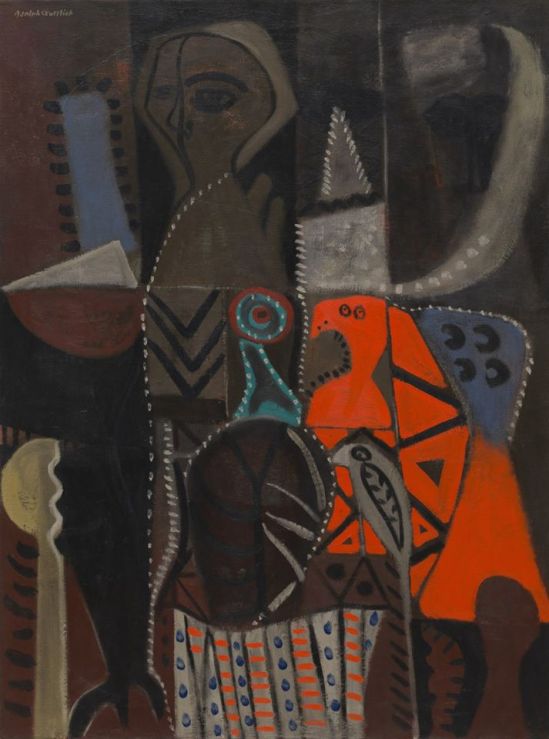
Artwork: Adolph Gottlieb

Artwork: Adolph Gottlieb

ΔΙΑΛΕΙΜΜΑ ΣΤΟ ΣΙΝΕΜΑ

Ήπια, ήπια ποτά
ποτάσα, σαλέπι, πίπερμαν
μάνγκο, Γκόρντονς ντράι τζιν.

Ωραίο το διάλειμμα, μα λίγο
λίγο λικέρ ακόμα – μάμα μία.
Μια ώρα ακόμα Ταρζάν, Γκαμπέν, Γκαμπόρ.
Χολλυγουντιανό φολκλόρ.

Happy End

***

ΣΤΗ ΓΕΙΤΟΝΙΑ ΤΩΝ ΑΓΓΕΛΩΝ

Πάνε χρόνια
που έχω διακόψει τις σχέσεις μου
με ενιαύσια αμνοερίφια
σε χωνεμένες θράκες.
Η τσίκνα μάλλον με αηδιάζει
εντούτοις μια τρελλή σκέψη
φώλιασε αναπάντεχα στο νου μου
ένα ανοιξιάτικο μεσημέρι, καθώς
η γαργαλιστική μυρωδιά
ξεροψημένου κρέατος με σκανδάλισε.
“Λες η γειτόνισσά μου να ξέχασε να κλείσει το γκριλ;”
Βούλιαξα νωχελικά στην αιώρα μου
και με χαμόγελο γλυκιάς προσμονής
γλάρωσα εισπνέοντας το δαιμονικό άρωμα.
Τι κρίμα… Απ’ τη λάρα δεν μ’ έβγαλε
ούτε η σειρήνα της πυροσβεστικής
ούτε το κελάηδισμα του ασθενοφόρου…
Αλλά το κακαριστό γέλιο
της διπλανής μου.
“Στην υγειά μας βρε παιδιά.
Να σκάσουν οι εχθροι μας.
Το τσικινισμένο είναι πιο νόστιμο”.


***

“ΠΙ”

Πάμε Βάρη – Κορωπί
ν’ αγοράσω ένα “Πι”.
Με το “Πι” θα περπατώ
να πηγαίνω στο γιατρό.
Όταν βγαίνω απ’ τ’ αμάξι
με το “Πι” θα είμ’ εντάξει.
Με το “Πι” και το μπαστούνι
θα χτυπάω το κουδούνι.
Στο γιατρό με το μουστάκι
θα κλαφτώ για καροτσάκι
επιγονατίδες, πάτους
με τα χρήματα του κράτους.
Στο σκαλί το τελευταίο
θα ‘μαι έτοιμη για ΚΤΕΟ.

Υποκλίνομαι στο ΙΚΑ
που μου έφτιαξε την προίκα.

***

ΤΟΥ ΣΥΡΜΟΥ

Πρόσωπο: Αλαβάστρινο οβάλ
πλαισιωμένο από τούφες πλατινέ, απείθαρχες.
Μάτια: Γαλάζιες δέσμες φωτεινές
που σκίζουν την πυκνή σκιά και διαχέονται
σε λεωφόρους πλαστικών φαντασιώσεων.
Χαμόγελο: Αμυδρό σε χείλη υγρά
πρόθυμα να προφέρουν το όχι σαν ναι.
Κορμί: Λεπτεπίλεπτο, κινέζικο ιδεόγραμμα.
Το πρότυπο της εποχής μ’ ακολουθεί παντού.
Απ’ τα τεράστια πανό, ως τη μικρή οθόνη
σ’ επίμονη προσπάθεια να με προσηλυτίσει.
Ξεφεύγω.

Σ’ ένα βαγόνι του μετρό με περιμένει.
Απέναντί μου, πλάι μου
όρθια, καθιστή, εφαπτόμενη.
Κιτς απομίμηση ελκυστικού πακέτου προσφοράς.
Εγκλωβίζομαι.

***

ΤΟ ΑΕΡΟΣΤΑΤΟ

Τελικός προορισμός μου, εσύ.
Ένα ένα αδειάζω τα σακουλάκια με την κρυσταλλική άμμο.
Απογειώνομαι.
Το σκαφάκι μου
πολύχρωμο συννεφάκι ανάμεσα στα σύννεφα
με οδηγεί κοντά σου.
Θάλασσά μου.
Στη θέα σου σκίρτησα. Μαγνητίστηκα.
Ακαριαία τράβηξα το σκοινάκι
να προσθαλασσωθώ στην αγκαλιά σου.
Βίαιη πρόσκρουση.
Αποτέλεσμα αχαλίνωτης παρόρμησης.
Σε εκατομμύρια μικρόκοκκους κρυσταλλικής άμμου
θρυμματίστηκα.
Στο αδιάσταλτο της άρνησής σου
συντρίφτηκα.

***

ΧΑΜΑΜ

Συχνά
με τη στρόφιγγα του ζεστού στο τέρμα
κάνω το λουτρό χαμάμ…
Ορατότης μηδέν.
Φαντάζομαι πως είμαι σε λίμνη στη μέση ενός λειμώνα.
Τριγύρω εφήμερα λουλούδια με γυαλιστερά πέταλα.
Ζωγραφισμένες μονοκοντυλιές
καθώς ο δείκτης του δεξιού μου γλιστράει
στα ιδρωμένα πορσελάνινα πλακάκια.
Κερκοφόρα πουλιά χωρίς λαλιά.
Ψάρια με φτερά χελιδονιού.
Τρελές πεταλούδες με ασύμμετρα σχήματα
και μακριές κεραίες.
Όταν ανοίγω το φινιστρίνι ν’ αναπνεύσω
τα πετούμενα εξαφανίζονται μαζί με τα λουλούδια
και η λιμνούλα μου παγώνει.
Άλλοτε πάλι
μετά τη διαδικασία δημιουργίας ατμόσφαιρας χαμάμ
χαλαρώνοντας καταμεσής της λίμνης
με το μοσχοσάπουνο
Γιώργος, Μυρσίνη, Χαρά, Όσλο, Αθήνα, Μασσαλία
χαράζω στο λευκό σμάλτο της μπανιέρας…
Μικρά ταξίδια επιστροφής
που τελειώνουν μόλις σπάσει και η τελευταία
ιριδίζουσα αρωματική σαπουνόφουσκα.

***

ΧΟΥΣ ΗΝ

Σ’ έχασα Χουσεΐν, κι αναζητώ
δυο φωτεινές γαλάζιες χάντρες,
τα μάτια σου.
Το ρυθμικό ήχο της ανάσας σου. Λυτρωτικό.
Ψυχούλα, ζωούλα, αγκαλιά μου.
Ώρες μπροστά στο τζάμι να ονερεύεσαι
αυτό που φοβόμουν. Παιχνίδι στο δρόμο.
Πόσα πολλά μου στέρησες,
πόσο ακριβή η ελευθερία.

Ψιτ, ψιτ, μικρέ μου δραπέτη
φωνάζω, σε ψάχνω στη γειτονιά.
Κάτω από αμάξια γονατίζω και προσεύχομαι.
Σε μια κηλίδα καταμεσής του δρόμου αναγνώρισα
το αποτύπωμα του κορμιού σου, Χουσεΐν.

Χους ην.

*Από τη συλλογή “Στο βάθος κήπος”, εκδ. Αρκαδικός Κήρυκας, Αθήνα 2011.

Τρεις σκέψεις | Χρήστος Μαρτίνης

fteraxinas's avatarΦτερά Χήνας

martinis

1.

μπερδεύω τελευταία το κόκκινο του ήλιου με το αίμα
κι έπαψαν να ριζώνουν μεσα στα χέρια μου λουλούδια
το όπλο της ζωης μου θαμμένο σε συρτάρι
σκουριάζει κάτω από πορτοφόλια κάρτες κέρματα
και τρεις οι σφαίρες του, το αιώνιο ψέμα
της μέρας του θεού, όλα τα βαρετά τραγούδια
που με σκέρτσο τραγουδώ κρατώντας ένα πλαστικό δοξάρι
κι όσα με κόπο και αναίτια στα τόσα χρόνια έμαθα

View original post 139 more words

Θεοχάρης Παπαδόπουλος, Δεκατέσσερα χαϊκού από τις “Έξυπνες βόμβες”

03af2cd8c7c76f21e6b873ff0f45e636_xl

μια εικόνα:
χίλιες λέξεις αξίζει
ένας του στίχος.

είμαι ντεμοντέ.
Περασμένα τριάντα
κι ονειρεύομαι.

έβαλε φωτιά
να κάψει το παρελθόν
κι έγινε στάχτη

άσπλαχνη μέρα
δολοφονεί τη νύχτα
και τ’ όνειρό μου.

χρήμα ο χρόνος.
Όσο τον σπαταλάω
τόσο φτωχαίνω.

μάτωσα πάλι
μα δεν παραδίνομαι.
Τον στίχο ψάχνω.

ανεκπλήρωτα
όλα τα όνειρά σου
μα δεν ξύπνησες.

Τα ψάρια ψητά
μες στον φούρνο με λάδι
και πετρέλαιο.

νέκταρ των θεών:
σε μικρό ταβερνάκι
ούζο με μεζέ.

τα χείλη βουβά.
Μισάνοιχτα προσμένουν
την απάντηση.

φιλί της ζωής
λέγανε το φιλί της.
Τον φαρμάκωσε.

θάλασσα βαθειά.
Πνιγμένες οι ελπίδες
και τα όνειρα.

πικρός ο καφές.
Τη γεύση του γλυκαίνει
με το φιλί της.

σαν σκύλος πιστός
παντού με ακολουθεί
ένα της βλέμμα.

*”Έξυπνες βόμβες”, εκδ. Μανδραγόρας, Αθήνα 2016.

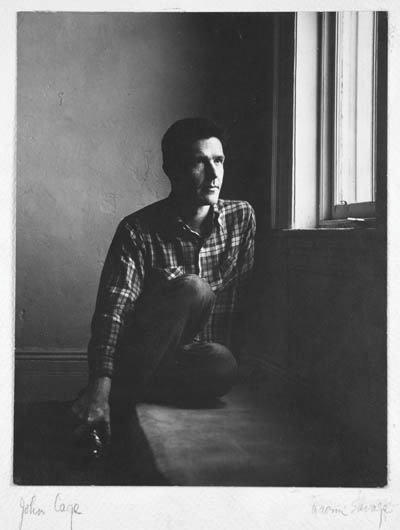
Antonia Rigaud, John Cage’s Poetry of Anarchy

90f040453d8eeed0536c2971c05ebf38

Politics of the text

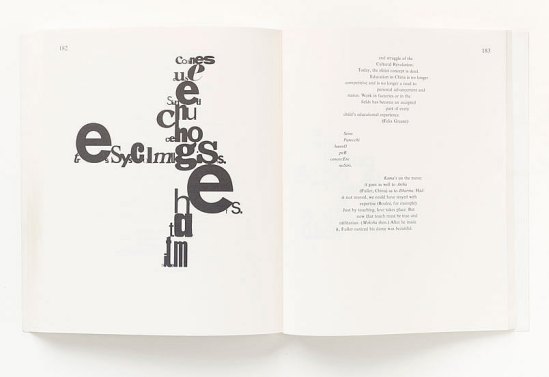
Reading a poem by John Cage, one cannot but wonder about the economy of his poetic language. Indeed, with John Cage, poetry is not the product of the ‘artist’s voice’, but rather the product of chance procedures. His poetry focuses mainly on structure and on its creative processes. The latter are based on previous texts (mainly from Thoreau and Joyce) that Cage cuts into nominal, verbal or phonetic items (sometimes even only keeping a letter from a sentence). He then arranges these texts into a new one where meaning is not visible on a first linear reading. Indeed, Cage modifies the genre of the ‘acrostic’ inasmuch as what the text says is not situated on a vertical line on the left-hand side of the poem but rather in its middle. Cage calls this new genre the ‘mesostic’. In Cage’s poetry, the meaning of the poem is situated in its middle, it is usually a word or a sentence that writes vertically. We see, therefore, that this poetry is double in the sense that if we read it horizontally as any classical poetry, meaning is not obvious, but if we concentrate on the capitals in each line of the poem we realize that each capital letter on each line creates a vertical word or sentence that makes the obvious meaning of the poem.

Poetry is therefore divided between an obvious meaning and a text that does not seem on a first reading to hold a particular meaning. However, the first text (or the horizontal reading of the poem) holds a meaning in its processes of creation. Indeed, the practice of language as a constantly changing object is what makes the body of Cage’s poetry. Cage finds the elements of his poetry in previous texts arranged according to the mechanisms of the I Ching (a Chinese book of oracles), he states «The mechanisms of the I Ching is utility. Applied to letters and aggregates of letters, it brings about a language that can be enjoyed without being understood». An article in the selection of his writings entitled Silence (Wesleyan University Press, 1961), is entitled «Composition as Process», the title itself shows how the continuous elaboration of poetry is a necessary elements of his art. The horizontal text indeed stands for this continuous process of elaboration which is at the basis of the poem but also what makes of it a constantly changing text. One can indeed choose to read it in a variety of ways (either horizontally or vertically, concentrating on the words or on the processes that brought the poem about).

This makes for a language that does not evolve in a linear fashion, but rather a language which has lost the sense of linear evolution. One could therefore speak of a ahistorical language. Poetry escapes the notion of time through the disappearance of any evolving development. The presence of the text is not linked to any historical or linear evolution but rather keeps disappearing. The relation that Cage installs between language and history is indeed one of the main features of his poetry. For if his language is deeply historical in the sense that it is grounded in history (in using previous texts Cage enters the realm of history) the use he makes of language leaves the domain of history to enter a new kind of time-frame that is grounded in the present moment or in instantaneity. Indeed, the poem itself lies at the conjunction of both lines of reading (the horizontal and the vertical text) and it is only at the precise moment of reunion between both instances that the poem comes to existence. In other words, the poem only exists at the instant of reunion of both these lines of reading.

Chance is nevertheless a structure in the text, and it shows that however Cage wants to free his text from his ego, to make it truly anarchic (he states that his aim is to «examine the language for the location of power» and to «free the ego»), he does not totally refuse order. With Cage, anarchist poetry is therefore not a matter of bringing forth a chaotic poetry but rather a poetry of chaos, where the lack of obvious meaning is a political statement. Indeed, Cage wants to bring about a truly anarchist poetry that would be free of any type ‘governement’ or governing element. This explains the use of chance operations in the creation of language (referring to Norman O. Brown, Cage states that syntax is a military notion that should be avoided), but there is order in Cage’s texts because he uses the I Ching in a very conscientious way, he does not therefore let anything happen in the text for the sake of disorder but rather creates a text that is free from order in a particularly definite and precise method of disorder. As Cage states it, «What the rule is, in other words, matters much less than the fact that one uses it.» Structure is what enables him to create an anrchist text in the sense that anarchy is not for him a naive notion of freedom but freedom within reasoned order.

The place for anarchy

Anarchy, therefore, comes about in Cage’s poetry as the link between a desire for disorder and the reality of a necessary structure in the creation of a poetic language. It seems thus possible to admit that anarchy is a profoundly utopian notion for John Cage. Indeed, it is striking to note that he never participated in any particular political and anarchist action. It seems therefore that the poem itself is where Cage locates political action. His poetry is not about anarchy, but it installs anarhcy within the text. The poet indeed explains his artistic and political project in the following words: «To explore a way of writing which though coming from ideas is not about them, or is not about ideas but produces them». We could therefore argue that Cage creates and defines the idea of anarchy and gives it life within his text. But it is necessary to note that Cage’s aim is to give life to his poetry through his performance (reading or hearing it). It is therefore a disappearing form of art as it can only be inscribed in reality at the moment of its performance. Poetry is for Cage the performance of chance and of the lack of governement, it is the place where order and disorder come about not in a linear fashion but through the mixing of various texts and lines of reading. The reader is free to read one element of the text or another and the poet has freed his ego by using previous texts.

Anarchy thus becomes a process and never a fixed notion, it is defined by Cage in his poetry as a continual process and resides at the intersection between order and disorder. Cage’s anarchist revolution lies within his texts. He states indeed: «Revolution remains our proper concern. But instead of planning it, or stopping what we’re doing in order to do it, it may be that we are at all times in it». If we analyze this sentence in the context of Cage’s poetry, we realize that since the text (its meaning as well as its physical reality) keeps fading away, it must always be reenacted. Anarchy lies within the text, but the text does not allow itself to stand on a particular place. Anarchy is not given a place, it is utopian in this respect, but it is through the practice of poetry that it becomes the poem is given a place in itself, the place for anarchy.
08-549dccagejohn_m_int01

Αιρετικά | Γιάννης Σγουρούδης

fteraxinas's avatarΦτερά Χήνας

sg

δεν ζω έρωτες,
δεν περιμένω να με σώσουν

ούτε αναπνέω μέσα από αυτούς
μόνο το βλέμμα έχει μείνει

καρφωμένο πάνω στο ξύλινο σταυρό
ιεροκήρυκας που περιμένει

να αδράξει την επόμενη μέρα
κραυγάζοντας

View original post 139 more words