Poetry@fedsquare – Saturday, 19 April 2014
2-4pm
Federation Square (Beer DeLuxe upstairs)
Dear fellow poets, readers and admirers of poetry. This month we will dedicate our monthly poetic event to a wonderfull and exciting poetry style, the haiku.
A haiku poem consists of three lines, with the first and last line having 5 moras, and the middle line having 7. A mora is a sound unit, much like a syllable, but is not identical to it. Since the moras do not translate well into English, it has been adapted and syllables are used as moras.
Haiku started out as a popular activity during the 9th to 12th centuries in Japan called “tanka.” It was a progressive poem, where one person would write the first three lines with a 5-7-5 structure, and the next person would add to it a section with a 7-7 structure. The chain would continue in this fashion. So if you wanted some old examples of haiku poems, you could read the first verse of a “tanka” from the 9th century.
The first verse was called a “hokku” and set the mood for the rest of the verses. Sometimes there were hundreds of verses and authors of the “hokku” were often admired for their skill. In the 19th century, the “hokku” took on a life of its own and began to be written and read as an individual poem. The word “haiku” is derived from “hokku.”
The three masters of “hokku” from the 17th century were Basho, Issa, and Buson. Their work is still the model of haiku writing today. They were poets who wandered the countryside, experiencing life and observing nature, and spent years perfecting their craft.
We are pleased to present 4 amazing and very representative haiku poets Lorin Ford, Myron Lysenko, Rumi Komonz and Peter Bakowski.
They will be accompanied and supported by a group of some also wonderfull haiku poets such as Marisa Fazio, Jennifer Sutherland, Carla Shari and many more.
As usual there will be an open mic reading session for the remaining time.
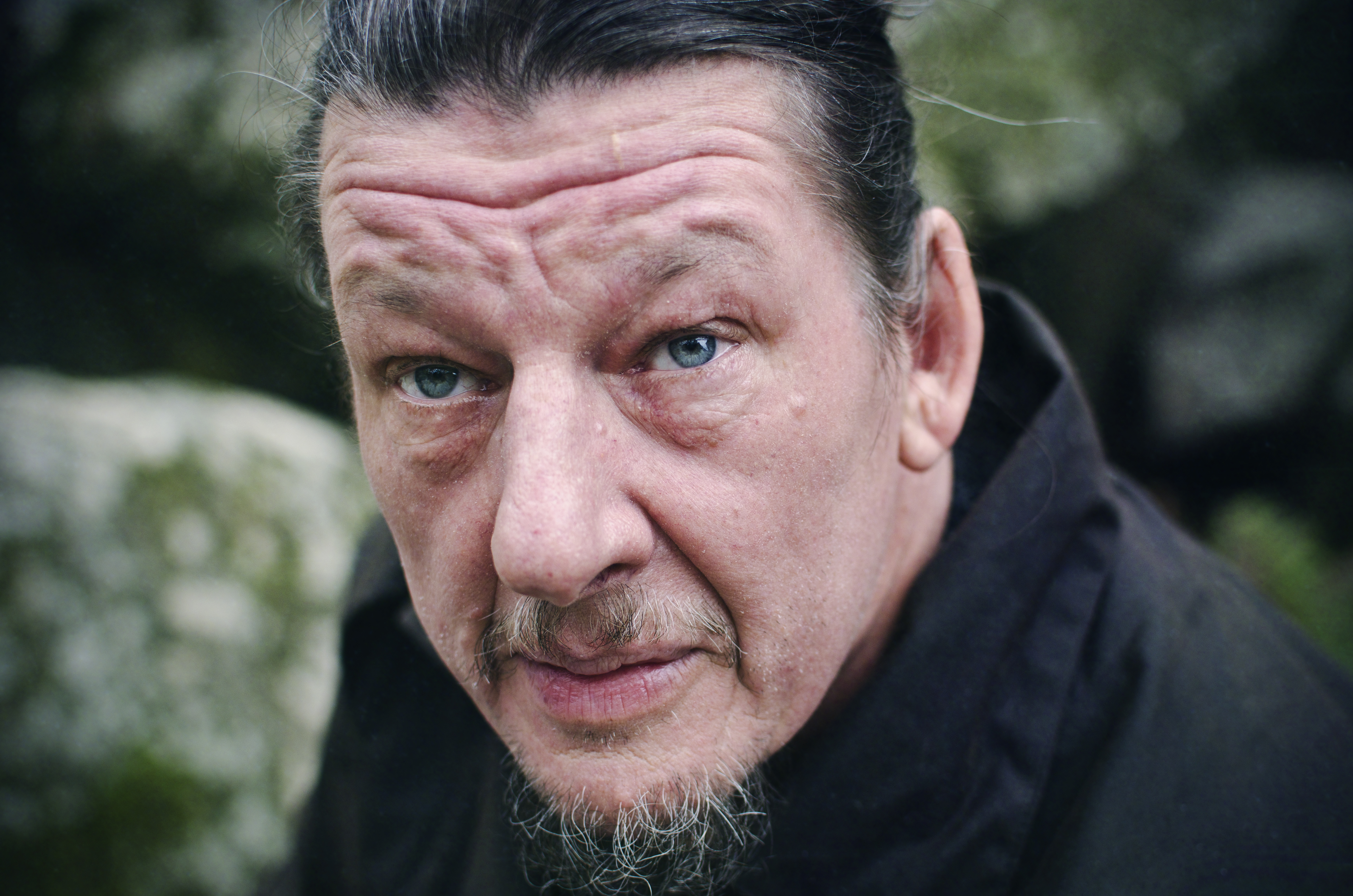
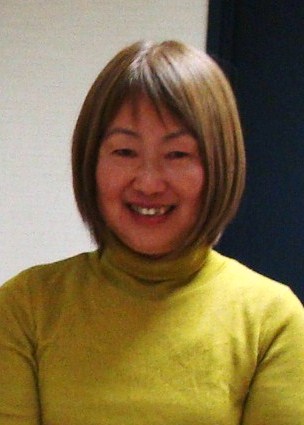
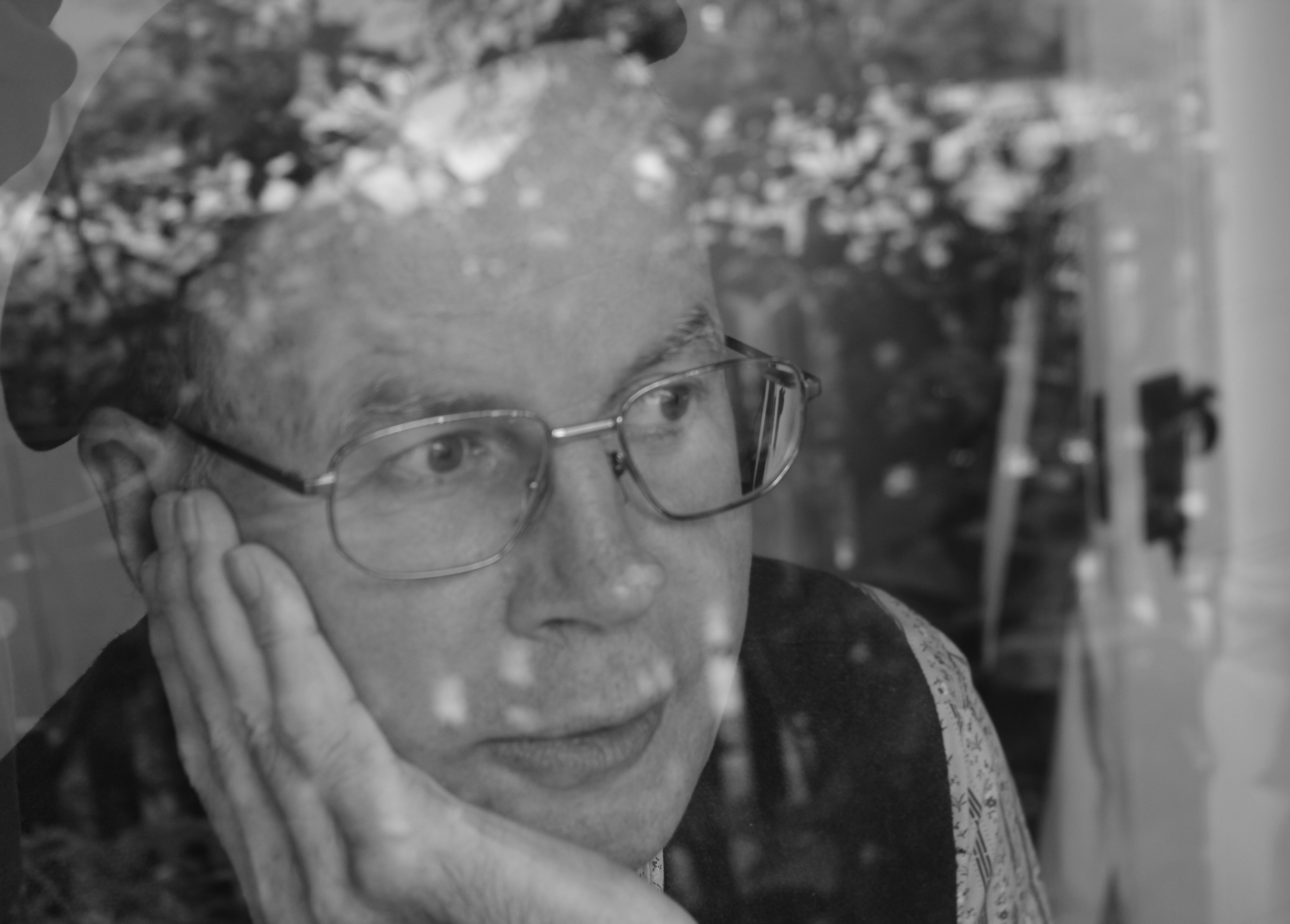
Here are the bios and photos of our featured poets for this day:
LORIN FORD

Lorin Ford received an Honours degree in English Literature and a Dip. Ed. and taught high school English and ESL. She also received a Dip. Prof. Writing & Editing. Lorin’s haiku have been widely published in Australian and overseas journals and anthologies including the Red Moon Anthologies 2008, 2009, 2010, 2011, 2012 and 2013, Montage: The Book, A New Resonance #7, Haiku 21 (Modern Haiku Press), Haiku in English: The First Hundred Years (W. W. Norton & Co), and Where the River Goes (Snapshot Press).
During the almost last ten years she has awarded with lots of Prizes. Her first haiku collection, a wattle seedpod, was awarded first place in the Haiku Society of America Mildred Kanterman Memorial Merit Book Awards, 2009. Three Lights Gallery published what light there is an online collection of thirty of Lorin’s haiku, in 2009, and Mann Library featured her haiku daily in May, 2011. Her short collection, A Few Quick Brushstrokes, is one of the winners of the 2011 Snapshot Press eChapbook Contest.
Lorin served on the judging panel for the Haiku Dreaming Australia Awards in 2009 and for The Haiku Foundation’s Touchstone Distinguished Book Awards, 2010, 2011 and 2012. She was one of the four founding editors of Notes from the Gean and served as haiku editor from its first issue in June 2009 through to its ninth issue in June 2011. The journal I’m currently editing & publishing is ‘A Hundred Gourds’ at http://ahundredgourds.com
MYRON LYSENKO
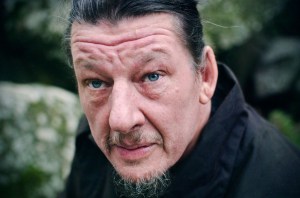
Myron Lysenko has been writing, performing, publishing, editing and conducting poetry workshops since 1980. He began writing free-form narrative poems about his experiences of growing up in Australia, including coming to terms with his Ukrainian name and background. He is the author of 8 poetry collections from which the latest by Flat Chat Press is a book of haiku (with drawings by Sandra Drummond) titled “a rosebush grabs my sleeve.”
He was a founding editor (with Kevin Brophy) of the lively independent litmag Going Down Swinging from 1980-1994. He has 444 poems published in litmags, newspapers & anthologies. He travels the coast from Southern Australia, Tasmania, Victoria, NSW & Queensland, doing readings & conducting poetry workshops with adults and younger people. Myron has been concentrating on writing haiku in the last few years and he loves this short form. He goes to cemeteries, parks, botanical gardens, beaches, mountains, and his beloved Merri Creek where he wanders around looking for haiku.
A co-founding member of RookuTroupe along with Leanne Hills & Matt Hetherington. They were instrumental in getting haiku published on decals in the metropolitan trains of Melbourne during autumn and winter of 2006. He is the Victorian Regional Officer of The Australian Haiku Society.
RUMI KOMONZ
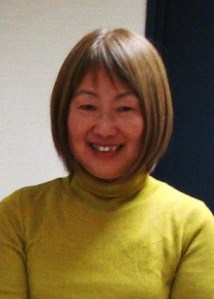
Rumi Komonz is a bilingual writer, editor and author. Rumi’s poem, written in a form of a series of haiku, was published in “Memory Weaving,” an anthology supported by the City of Manningham. She won the Award of Excellence at the 22nd Gifu Literature Festival in Japan.
Her novel written in Japanese was published by Gifu Foundation of Educational Culture in March, when she went to Japan to receive the award. Rumi holds a Bachelor of Laws (La Trobe University), BA (Gakushūin) and Dip Ed (Monash University). She edits ANE bilingual newsletters and successfully coordinated the week-long Mooramong Bilingual Writers’ Residency in July 2013, supported by Writers’ Victoria.
Rumi is calling for haiku and/or bilingual haiku submissions for an anthology supported by the City of Boroondara. It will be edited by her to be published and launched at Canterbury Neighbourhood Centre in November this year. Rumi facilitates ANE bilingual haiku writers’ group, as well as Canterbury Writers’ and Write Track; all three writers groups are open to new members and her contact email address is found at Writers Victoria website.
PETER BAKOWSKI
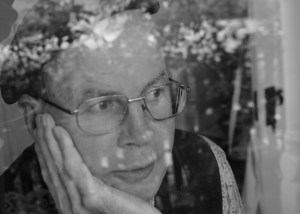
Peter Bakowski has been writing poetry for over thirty years. He has and continues to present his poetry throughout Australia and overseas at high schools, universities and TAFE’s, and to literary and cultural groups.
He has presented his poetry at the Australian Consulate in New York, the Australian Consul’s residency in Shanghai, the National Library in Canberra and at the State Libraries of West Australia, South Australia, Victoria and Tasmania. Peter has been poet-in-residence in Rome, Paris, Macau, Suzhou (China), Greenmount (Western Australia), Battery Point (Tasmania), Broken Hill (New South Wales), and at the Arthur Boyd estate Bundanon (New South Wales).
His poems continue to appear in literary magazines worldwide and have been translated into Arabic, Bahasa-Indonesian, Bengali, French, German, Italian, Japanese, Mandarin and Polish. His first poetry collection, In The Human Night, won the Victorian Premier’s Award for Poetry and his 2009 poetry collection, Beneath Our Armour, was shortlisted for that award. When not on the road, presenting his poetry and giving poetry workshops in public spaces and private houses, Peter lives with his family and their dog, in Richmond, Melbourne.
Poetry@fedsquare is supported by Federation Square

and underthe auspices of Multicultular Arts Victoria

For more info
https://www.facebook.com/PoetryAtFedSquare
@poetryfedsquare (Twitter)
troaditisdimitris@gmail.com and poetryfedsquare@gmail.com