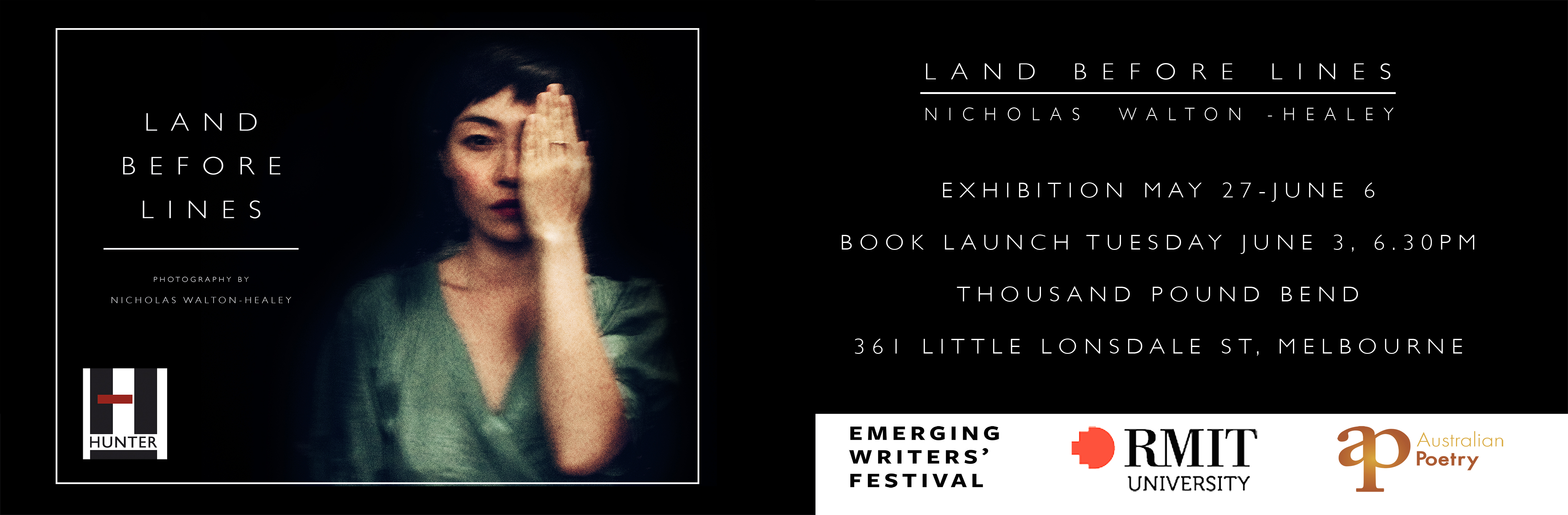
Land before lines – A photographic exhibition
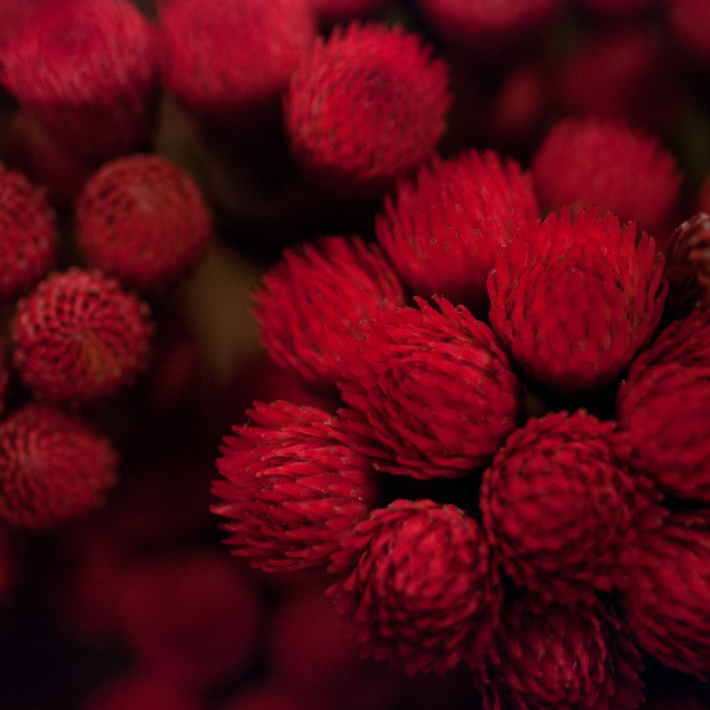
Έργο του Kuniaki Hiratsuka
XVI
Τσιγάρα… Ποτά…
βλάπτουν, έλεγες.
Με τί να σε ξεχάσω;
ΧVΙΙ
Τα πείσματά σου
τον βασάνιζαν. Τώρα
πονά που φεύγεις.
XVIII
Ηχος μπουζουκιού…
Στροφές ζεϊμπέκικου
κι η νύχτα περνά.
XIX΄
Μικρό ποίημα…
Διαβάζοντάς το, νιώθω
να μεγαλώνει.
XX
Να γράψει στίχους
στο χαρτί ήθελε.
Μα αυτοί πετούσαν.
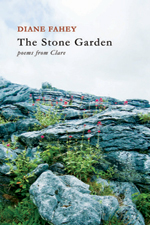
The Stone Garden: Poems from Clare
by Diane Fahey
Clouds of Magellan, 2014
A note on the copyright page of The Stone Garden reads: ‘The Stone Garden is written in tanka, the five-line Japanese lyric form, the first and third of its lines having five syllables, the others, seven.’ The book keeps to this syllabic form throughout with two five line poems to a page. These poems from Clare unfold in six sections and Fahey’s craft is evident in the way she can break registers of imagery with engaging shifts and turns.
The first section has the poet settling into the ‘Hill Cottage’ at Ballinruan. Largely descriptive, the poems gently evoke a sense of place and the people who inhabit it. There are moments of sharp perception, for example, where watching the ‘clouds, brute black barges drifting/on ten o’clock light’ becomes ‘Summer gothic’ (p. 9). The language is nonetheless tranquil, the section finishing with ‘the sough of black wings’ (p. 10).
Section II takes the poet into ‘Dromore Wood’ where ‘Each tree [is] a presence’ (p. 13). On a ‘Woodland trail’ the poet is lost but not lost:
Lost, yes, but that meant
I caught the lake by surprise –
its sequestered gleam;
the way it was polishing
the smooth grey stones it has loved.
(p. 16)
Νέα κυκλοφορία
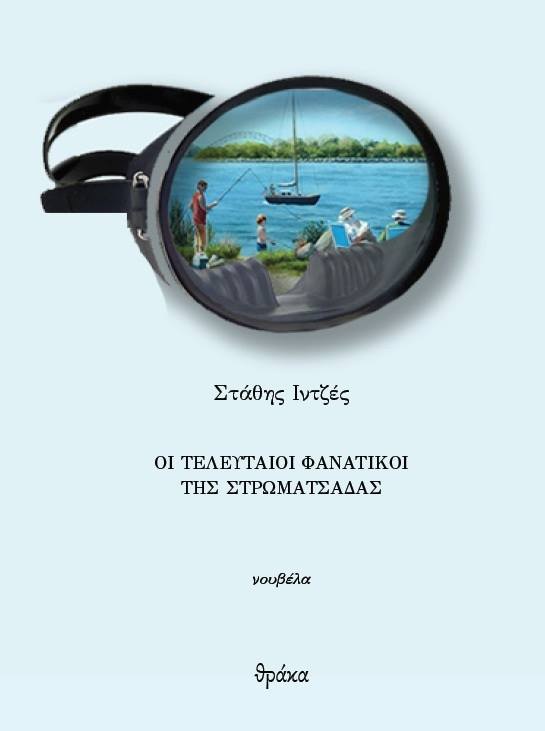
Στάθης Ιντζές, Οι τελευταίοι φανατικοί της στρωματσάδας, Εκδόσεις Θράκα
Poetry@fedsquare
Saturday, 17 May 2014 – 2-4pm
Federation Square
(Beer DeLuxe upstairs)
Dear fellow poets, readers and admirers of poetry. This month we continue our journey into the poetic fields bringing to you three of the most contemporary, vocal and energetic local poets
James WF Roberts
Jennifer Compton
Tom Petsinis
Plus, of course our wonderful open mic readers
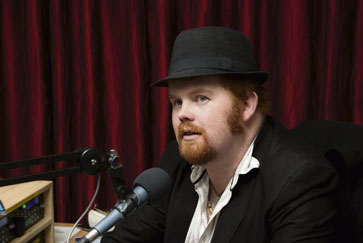
JAMES WF ROBERTS, Aka the Red Wolf. From Bendigo and Melbourne, a poet and a radio broadcaster on http://www.phoenixfm.org.au. Runner up, 2012 Page Seventeen Poetry prize. Highly commended, John Shaw Nielson Poetry Prize 2009/10 Fellowship of Australian Writers. Short listed for the Fermoy international poetry prize (Ireland) 2012. Recently released his first book of poetry, Blue Electric Dusk, Numen Books, 2013. Recent publications include: Bone Orchard Poetry (UK) (2013), The Art of Being Human (Europe. 2013), Song of Sahel (UK 2012) Page Seventeen Volume 10, (Aus. Busybird 2012). Painted Words (BRIT 2012) Spirit of Poe Anthology (USA) (2011. Verandah 26 (Deakin Uni. 2011),
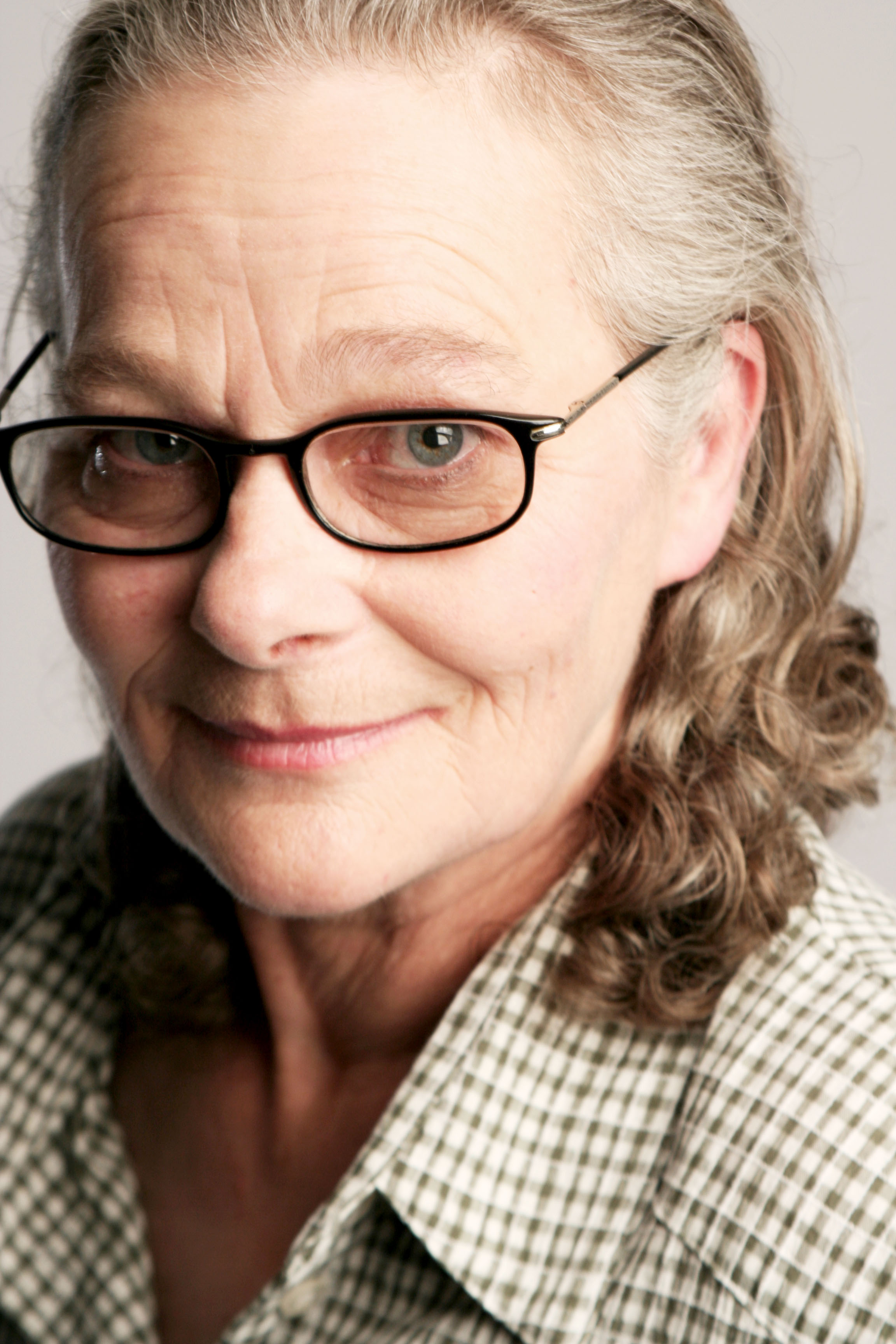
JENNIFER COMPTON lives in Melbourne and is a poet and playwright who also writes prose. She is a keen open miker and has been known to slam. Very, very gently. Her book of poetry, This City, won the Kathleen Grattan Award in NZ and was published by Otago University Press in 2011. In 2013 Now You Shall Know won the Newcastle Poetry Prize. She has recently finished the second draft of a stage play about the death of books.
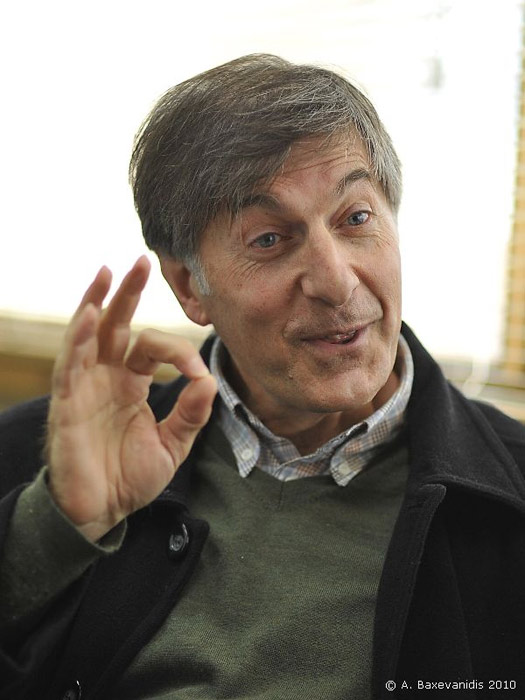
TOM PETSINIS is a novelist, playwright and poet. He is also a mathematics lecturer at Victoria University. He has published seven collections of poetry, including Sonnets: Offerings from Mount Athos, My Father’s Tools, and Four Quarters, which won the Wesley Michel Wright Poetry Prize. The most recent collection is Breadth for a Dying Word. His play The Drought was short-listed for the Victorian Premier’s Literary Award. His novels include The Twelfth Dialogue and The French Mathematician, nominated for both the New South Wales and South Australian Premier’s Award. Forthcoming work includes the play Hypatia’s Circle, the novel Fog, and a poetical work Sinoko and the Silkworm. Tom’s work has been translated into a number of languages.
Poetry@fedsquare is supported by Federation Square
and underthe auspices of Multicultular Arts Victoria

For more info
https://www.facebook.com/PoetryAtFedSquare
@poetryfedsquare (Twitter)
troaditisdimitris@gmail.com and poetryfedsquare@gmail.com
Όλοι εμείς οι ζωντανοί ξοδεύουμε
Μία ζωή, στο να τη ζούμε,
Μια άλλη, στο να την σκεφτόμαστε.
Και η μόνη ζωή που έχουμε
Μοιράζεται ανάμεσα
Στην αληθινή και την ψεύτικη.
Αλλά ποια είναι η αληθινή
Και ποια είναι η ψεύτικη
Κανένας δεν μπορεί να εξηγήσει.
Και καθώς συνεχίζουμε ζώντας
Η ζωή που σπαταλάμε είναι αυτή
Που είναι καταδικασμένη σε σκέψη.
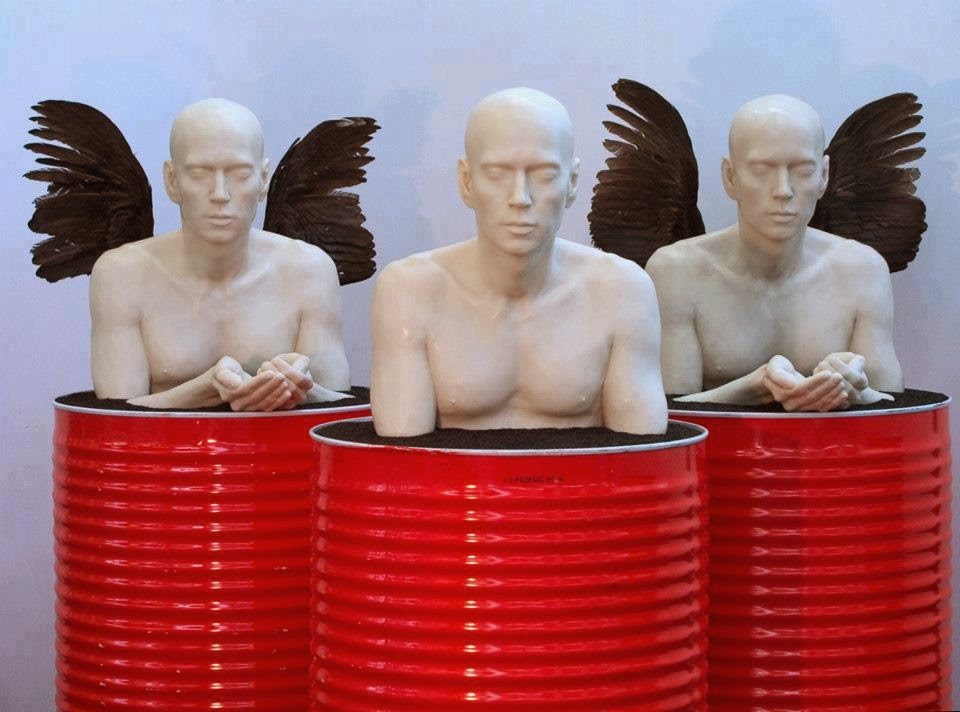
Έργο της Angela Lergo
Στις βραδινές βρεγμένες στράτες
Αχνίζει ένα φως θαλασσί
Πλατύ χέρι στην καρδιά
Βήματα ερειπωμένα
Τρεις εραστές διαβαίνουν απ΄ τα χέρια πιασμένοι.
Ο πρώτος…
Κρέμασε σ’ ένα δέντρο την αγάπη του
Τα μεσάνυχτα προσεύχεται κάτω απ’ το δέντρο
Να κατέβει η αγάπη πιασμένη απ’ τα φύλλα
Να κοπάσει η πλημμύρα των φύλλων …που λιώνουν
Τα δάκρυα του στο χώμα τα πίνει ένας σκύλος
Η αγάπη στα κλαδιά τον πετροβολάει
Το δέντρο ουρλιάζει ο αγέρας
Ο δεύτερος…
Χάρισε την αγάπη του σ’ έναν τρελό βιολιστή
Ο τρελός την επήρε τραγούδι
Βρέχει ο ουρανός λουλούδια νομίσματα
Αντηχούνε οι δρόμοι τ’ ολέθριο βιολί
Της αγάπης το τραγούδι το ‘χουν μάθει τώρα όλοι
Με χείλια σμιχτά μελανά το σφυρίζουν
Μόνο αυτός δεν το ξέρει
Ο τρίτος…
Έκανε την αγάπη του καράβι
Την κατευόδωσε στις τρεις θάλασσες
Τώρα έγινε πάλι παιδί
Σιάχνει πύργους με άμμο
Και μαζεύει χαλίκια κοχύλια
Και προσμένει να γυρίσει ξανά
Το καράβι η αγάπη
Στην καρδιά τους έχουν κι οι τρεις χαράξει ένα δέντρο
Ένα βιολί σιμά στ’ αυτί θα τους τρελάνει
Κι ο καπετάνιος παίζει στο βυθό με τα κοράλλια.
*Από την ποιητική συλλογή Η ΛΗΣΜΟΝΗΜΕΝΗ (1945). Το ποίημα και η εικόνα της ανάρτησης αναδημοσιεύονται από το ιστολόγιο “Περί έρωτος και άλλων δεινών” στη διεύθυνση http://eikonomageia.blogspot.gr/2014/04/blog-post.html
Μουσική/Στίχοι: Άσιμος Νικόλας
Εγώ κι εσείς, εσείς κι εγώ τραβάμε για το Βόλο
Το άλογό μας χλώμιασε τ’αφήσαμε στο δρόμο.
Ήταν μαζί ο Σταύρακας και ο Στρατής ο Λιόγκας
Είχαμε το θεό βοηθό και στο φλασκί μας το νερό.
Θυμάμαι τότε τον παπά κατούραγε στη στράτα
Κι ήτανε όλα γύρω μας όμορφα και καπάτσα
Ωρέ παπά του είπαμε, δεν ντρέπεσαι με ράσα
Το άλογό σας ψόφησε δεν τό ‘σωσαν μωρέ τα ράσα.
Θέμε όλοι, θέλουμε όλοι του παπά μας το περβόλι
Κατουράμε τη βδομάδα δυο φορές την πρασινάδα
Να μαράνει το περβόλι και να μπούμε μέσα όλοι
Να κρεμάσουμε λαμπάδα στου παπά μας τη φοράδα.
Μαστορεύανε και γελούσανε, τραγουδάγανε, κοροϊδεύανε
Τότες που τους χορεύανε στο ταψί
Τώρα σώπασαν, δε γελάνε πια, δεν τους νοιάζει πια, τάχουν όλα αυτά
Τάξη, ησυχία και λεφτά.
Μόνο που τους στερήσαν τη φωνή, χάσανε κι αυτοί την ανθρωπιά τους
Μόνο που μας αγόρασαν την καρδιά, χάσαμε κι εμείς την ανθρωπιά μας.
Ωρέ παπά του είπαμε δεν ντρέπεσαι με ράσα
Το άλογό σας ψόφησε δεν το ‘σωσαν μωρέ τα ράσα.
Θέμε όλοι, θέλουμε όλοι του παπά μας το περβόλι
Κατουράμε τη βδομάδα δυο φορές την πρασινάδα
Να μαράνει το περβόλι και να μπούμε μέσα όλοι
Να κρεμάσουμε λαμπάδα στου παπά μας τη γενειάδα.
Φταίμε όλοι, φταίμε όλοι, που έχει ο παπάς περβόλι.
Θα καταβροχθίσω
τη γραφειοκρατία
σα λύκος
Δε σέβομαι
τα πιστοποιητικά
και στέλνω
σ’ όλους τους διαόλους
όλα τα «χαρτιά».
Όμως αυτό …
Πηγαίνοντας ξυστά
στα βαγόνια,
ένας δημόσιος υπάλληλος
αξιοσέβαστος
προχωρεί
Καθένας δείχνει το διαβατήριό του
κι εγώ
δίνω
το
μικρό μου κόκκινο καρνέ.
Είναι διαβατήρια
που σου φέρνουνε το γέλιο,
άλλα πάλι –
σου ‘ρχεται να τα φτύσεις.
Είναι, λόγου χάρη,
άξια σεβασμού
τα διαβατήρια
με το εγγλέζικο λιοντάρι
απ’ τις δυο μεριές.
Τρώγοντας
με τα μάτια αυτόν τον κύριο,
με χαιρετούρες κι υποκλίσεις
παίρνει
σα να παίρνει πουρμπουάρ,
το διαβατήριο
ενός Αμερικάνου.
Για το πολωνικό
παίρνει το ύφος
μιας κατσίκας που κοιτάζει μιαν αφίσα.
Για το πολωνικό –
το μέτωπο είναι ζαρωμένο.
Όμως, δίχως
το κεφάλι του να στρέψει,
χωρίς να δοκιμάσει
συγκινήσεις ζωηρές,
δέχεται
δίχως τα μάτια του ν’ ανοιγοκλείσει
τα δανέζικα χαρτιά
και το σουηδικά
όλων
των ειδών.
Ξαφνικά,
σα γλειμμένο απ’ τη φωτιά,
το στόμα
του κυρίου
στραβώνει.
Ο κύριος
υπάλληλος
άγγιξε
το κόκκινό μου διαβατήριο.
Τ’ αγγίζει σα να ‘ταν
μια βόμβα,
τ’ αγγίζει σα να ‘ταν
σκατζόχερας,
σα να ‘ταν
ξυράφι δίκοπο,
τ’ αγγίζει σα να ‘ταν
κροταλίας
με δυο δεκάδες γλώσσες,
που ‘χει δυο μέτρα μάκρος και περισσότερο.
Το διαβατήριο
θάμπωσε
το βλέμμα του αχθοφόρου,
που ετοιμάζεται να κουβαλήσει τις αποσκευές δίχως αμοιβή.
Ο αστυφύλακας
κοιτάζει το μυστικό,
ο μυστικός
τον αστυφύλακα.
Με πόση απόλαυση
θα μ’ είχε
μαστιγώσει, σταυρώσει
η φάρα των αστυφυλάκων,
επειδή
κρατώ στα δυο μου χέρια,
ο στηριχτής του δρεπανιού,
του σφυριού ο φορέας,
το σοβιετικό μου
διαβατήριο.
Θα καταβροχθίσω
τη γραφειοκρατία
σα λύκος
Δε σέβομαι
τα πιστοποιητικά
και στέλνω
σ’ όλους τους διαόλους
όλα τα «χαρτιά».
Όμως, αυτό …
Θα τραβήξω
απ’ τις βαθιές μου τσέπες
την απόδειξη
μεγάλου συναλλάγματος.
Διαβάστε καλά,
ζηλέψτε –
είμαι
ένας πολίτης
της Σοβιετικής Ένωσης.
(1929)
*Το έγραψε ύστερα από το τελευταίο του ταξίδι στο εξωτερικό, πριν αυτοκτονήσει (στις 14 Απρίλη του 1930 ) εξ αιτίας της γραφειοκρατίας.
Ι
Στο θαλερό τον κήπο
μ’ απαρνήθηκες
μαραίνοντας ελπίδες.
ΙΙ
Είπε στον άντρα:
Μένουμε φίλοι.
Κι αυτός έκλαψε.
ΙΙΙ
Δε τον λύπησε
το ηλιοβασίλεμα.
Κέρδισε στίχους.
ΙV
Μικρός ο ναύτης.
Μεγάλη η καρδιά του.
Λιμάνι θα βρεί.
V
Κλάματα όχι,
ούτε κατάρες. Σφίξε
γροθιά το χέρι.

