Image of and by Nicholas Walton-Healey
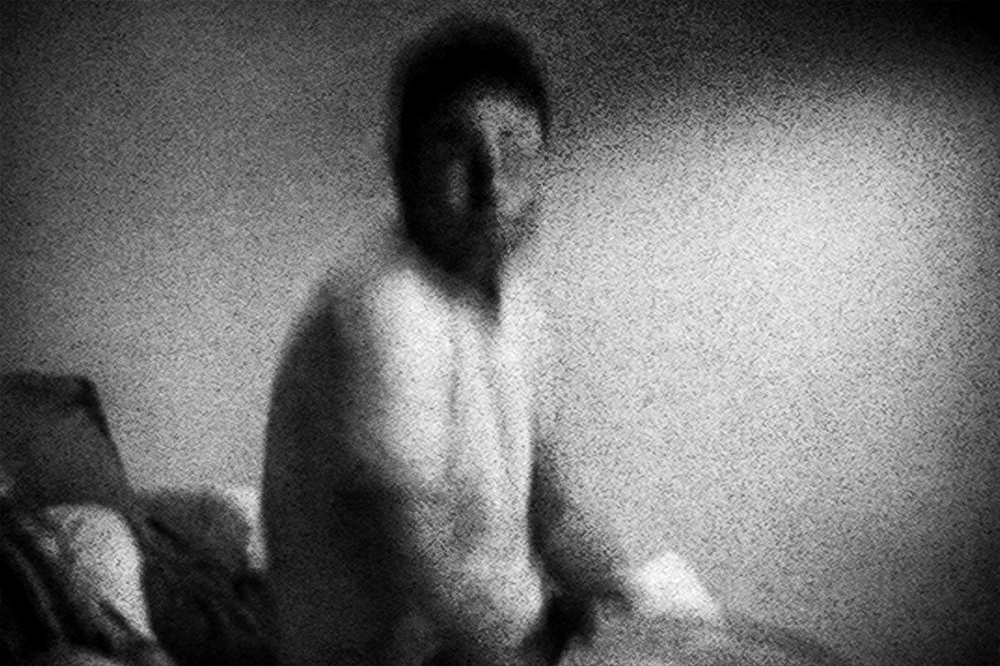
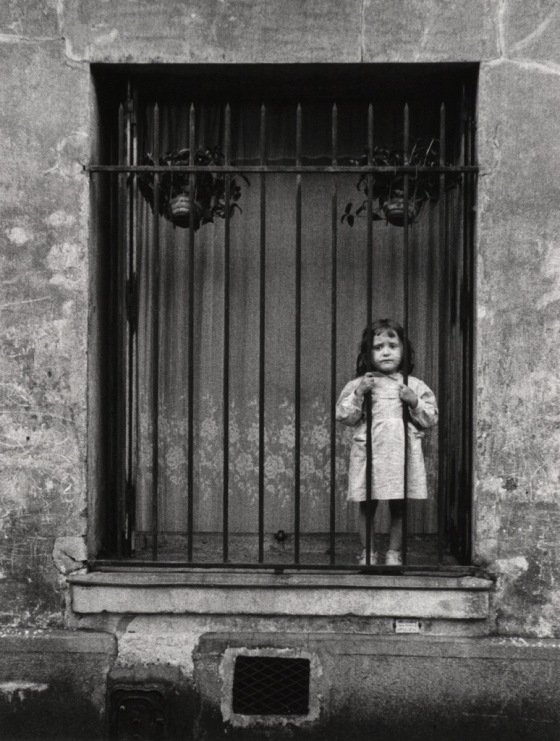
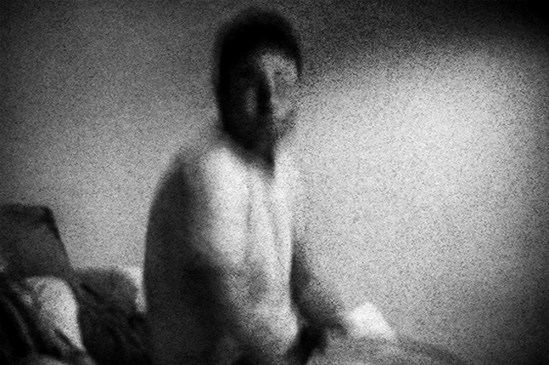
Land Before Lines is a book from Melbourne-based photographer and writer Nicholas Walton-Healey. The 144-page, full-colour volume (the images appear in black and white here for page recall considerations) features portraits of 68 Victorian poets and a single, previously unpublished poem written by each poet in response to their photograph.
Jacinta Le Plastrier: What led you to starting off on this project which, given the complex personalities of so many poets, must have felt like a daunting prospect?
Nicholas Walton-Healey: There wasn’t a single event. For a long time I resisted the idea. It seemed ‘too obvious.’ Before commencing the project, I was spending a lot of time with poets, mainly through my involvement with Rabbit Poetry Journal. I found it really very difficult to be around so many creative, intelligent people without participating in an aesthetic dialogue with them. I mean, although you might be able to go up to a certain poet and say, ‘your work is wonderful because of x, y and z,’ that sort of compliment always means so much more when it’s said in your work.
I studied poetry in the honours year of my first degree. I wrote a thesis on the relationship between the visual and literary arts. If you look at the work of the ‘greatest’ poets, you see a sustained engagement with the work of visual artists. I’ve always been fascinated by that intersection. I know that when I suffered writer’s block, or was in the process of conceptualising a suite of poems or a piece of writing, I often turned to the visual arts or the work of particular visual artists for inspiration. That’s actually how I began taking photographs. So I guess if you really want to trace it back, you could possibly say that the project started here.
The complexity of the poets’ personalities fascinated me. It was actually the main reason I persisted with the project. But this sort of complexity isn’t specific to poets. What is specific to poets is that their chosen medium of expression is financially unrewarding. Poets can’t sell individual works for thousands of dollars. They can win prizes that are worth lots of money but there isn’t that system of patronage or gallery representation or even the opportunity to forge a living by selling private, independent works. I think this accounts for some of the ‘complexity’ of these people’s personalities. I mean, in the best instances, some of these people are producing work that’s every bit as important as that being produced by the country or state’s leading artists, but because poets don’t get the sort of recognition that artists working in other mediums sometimes receive, something gets twisted. I don’t mean to imply that these people write poetry for recognition or accolade so much as to emphasise how unusual it is to see some of the most accomplished and creative poetic minds living in situations or circumstances that would comparatively be described as poverty.
Continue reading →