Του Νίκου Ξένιου
από το http://www.bookpress.gr/, για τα ποιητικά βιβλία του Fernando Pessoa Τα ποιήματα του Αλμπέρτο Καέιρο καιΤα ποιήματα του Άλβαρο ντε Κάμπος (Gutenberg).

«Οι μυστικιστές ποιητές είναι άρρωστοι φιλόσοφοι,
και οι φιλόσοφοι είναι άνθρωποι τρελοί»
F. Pessoa
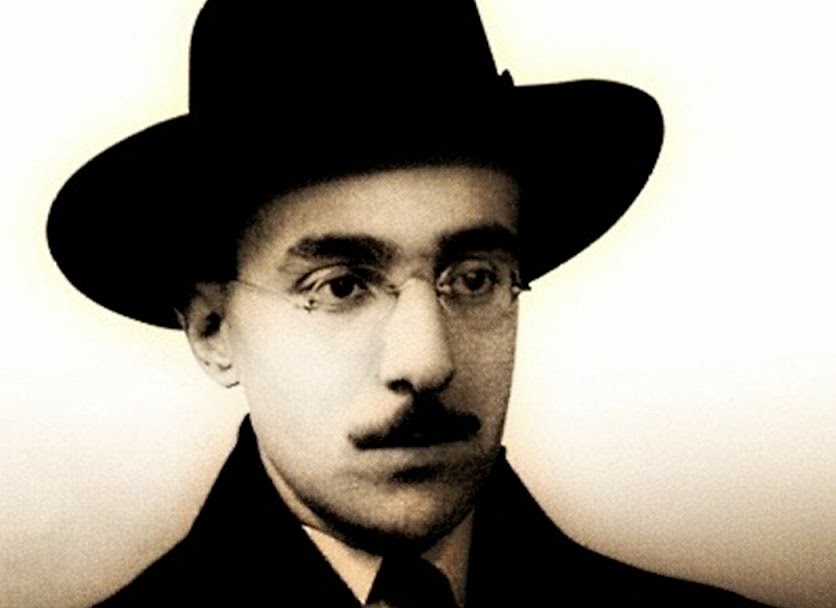
Το 1912, κι ενώ ο Φερνάντο Πεσσόα (1888–1935) επιχειρούσε να γράψει κάποια ποιήματα παγανιστικού περιεχομένου, γεννήθηκε ένα από τα πιο σημαντικά του ετερώνυμα[1]: Ο Αλμπέρτο Καέιρο, το όνομα του οποίου είναι παραφθορά του ονόματος του πορτογάλου ποιητή Σα-Καρνέιρο, με μιαν εικονική ζωή τοποθετημένη ανάμεσα στο 1889 (Λισαβώνα) και το 1915. Τον Μάρτιο του 1912, λοιπόν, ο Πορτογάλος ποιητής έγραψε τον Φύλακα των Κοπαδιών, αποδίδοντάς τoν στην πέννα του Αλμπέρτο Καέιρο και ανασύροντας, έτσι, ποιμενικές μνήμες από τις δέκα Εκλογές (Βουκολικά) του Βιργίλιου. Τα ποιήματα του Αλμπέρτο Καέιρο –μέρος αυτών πρωτομεταφράστηκε στην Ελλάδα από τον Φίλιππο Δρακονταειδή, το 1982– τώρα, σε μια συνολική παρουσίασή τους από τη Μαρία Παπαδήμα στις εκδόσεις Gutenberg, δίνουν την ευκαιρία στο ελληνικό αναγνωστικό κοινό να απολαύσει μιαν ισορροπημένη, ομαλή μετάφραση με ποιητικές αξιώσεις, μαζί με δύο κατατοπιστικά κείμενα εισαγωγής, ένα της μεταφράστριας και ένα του ίδιου του Πεσσόα, υπό το προσωπείο του Ρικάρντο Ρέις.
Poesia pastorale: μια πολυπλοκότητα εν εξελίξει
“Ακολουθεί τη φωνή της συνείδησής του για τον κόσμο και υπακούει στην προοδευτική ανάδυση των αισθήσεων, που θα εδραιώσουν μιαν ιδιόμορφη, σχεδόν θρησκευτική, εικόνα της φύσης”
Αντι-διανοούμενος, αντι-ρομαντικός, αντι-ϋποκειμενιστής, αντι-μεταφυσικός, ο Καέιρο δεν είναι πια αυτός που ήταν ο Πεσσόα, είναι ένας άλλος: αυτός ο «Άλλος» είναι, στην προκειμένη περίπτωση, οιονεί βοσκός, φέρει όλα τα γνωρίσματα αθωότητας που έχει κάθε βοσκός, ακολουθεί τη φωνή της συνείδησής του για τον κόσμο και υπακούει στην προοδευτική ανάδυση των αισθήσεων, που θα εδραιώσουν μιαν ιδιόμορφη, σχεδόν θρησκευτική, εικόνα της φύσης και της ανθρώπινης παρουσίας μέσα σ’αυτήν:
«να με ξετυλίξω και να είμαι εγώ, όχι ο Αλμπέρτο Καέιρο, αλλά ένα ανθρώπινο ζώο που γέννησε η φύση».