«Εποχές και συγγραφείς» – Γιάννης Πατίλης

Η εκπομπή «Εποχές και συγγραφείς» της 7ης Ιανουαρίου 2015 η αφιερωμένη στον ποιητή Γιάννη Πατίλη.

Παρεμβαίνουν οι:
Κώστας Μάστρακας
Χάρης Βρόντος
Νατάσα Κεσμέτη
Κώστας Κουτσουρέλης
Αλέξης Ζήρας
Γιώργης Γιατρομανωλάκης
Άγγελος Καλογερόπουλος
Φώτης Τερζάκης
Γιώργος Ζεβελάκης

Η σειρά αυτή της δημόσιας τηλεόρασης παρουσιάζει τους σημαντικότερους Έλληνες συγγραφείς, σε σχέση με την εποχή που έζησαν και την ιστορική και κοινωνική συγκυρία, που επηρέασε και διαμόρφωσε το έργο τους. Ο Γιάννης Πατίλης ανήκει στους αντιπροσωπευτικότερους ποιητές της γενιάς του ’70.

Η ποίησή του είναι πολιτική, είναι ποίηση της πόλης και του δημόσιου χώρου, ποίηση που χαρακτηρίζεται από το επιγραμματικό της ύφος, γεμάτη ειρωνεία και σαρκασμό, αλλά και ταυτόχρονα με έναν υφέρποντα λυρισμό. Η γλώσσα του συνδυάζει όλο το φάσμα της Ελληνικής γλώσσας, από την αρχαία ελληνική γραμματεία μέχρι την καθομιλουμένη και την αργκό. Η παρουσία του Πατίλη στα Νεοελληνικά γράμματα συμπληρώνεται από την έκδοση και διεύθυνση επί 26 χρόνια (1986-2012) του λογοτεχνικού περιοδικού «Πλανόδιον».

Επιλογή κειμένων: Τάσος Γουδέλης.
Ήχος: Θόδωρος Ζαχαρόπουλος.
Φωτογραφία: Ηλίας Αδάμης.
Μοντάζ: Ιωάννα Σπηλιοπούλου.
Εκτέλεση παραγωγής: Τάσος Ψαρράς.
Σκηνοθεσία: Σταύρος Στάγκος.

*Αναδημοσίευση από το Νέο Πλανόδιον στο http://neoplanodion.gr/2015/01/14/%CE%B5%CF%80%CE%BF%CF%87%CE%B5%CF%83-%CF%83%CF%85%CE%B3%CE%B3%CF%81%CE%B1%CF%86%CE%B5%CE%B9%CF%83-%CE%B3%CE%B9%CE%B1%CE%BD%CE%BD%CE%B7%CF%83-%CF%80%CE%B1%CF%84%CE%B9%CE%BB%CE%B7%CF%83/

Toby Davidson
 reviews Amy Brown’s The Odour of Sanctity

oos

The Odour of Sanctity
by Amy Brown

Victoria University Press, 2013

The Odour of Sanctity is New Zealand poet Amy Brown’s second collection, and a substantial one too, weighing in at 240 pages. It is a speculative work which postulates the potential canonisation of six historical figures, three granted sainthood (St Augustine of Hippo, St Rumwold of Buckingham, St Elizabeth of Hungary) and three non-saints in Margery Kempe, Christina Rossetti, and contemporary American indie rocker Jeff Mangum. The Odour of Sanctity takes these six subjects through six sections of the sainthood process, finishing with a seventh sestinesque envoi section in which the subjects converse in three pairs.

Clearly, some readers may be put off the task laid down (offset a little by a handy character/events chart in the Appendix) and others by a lack of interest in the subject matter. The 2010 canonisation of St Mary Mackillop introduced many non-Catholic Australians to the sometimes Pythonesque world of Vatican-confirmed miracles. Those who were entranced by that should find some enjoyment in The Odour of Sanctity, provided they don’t take themselves, or much else, too seriously. Brown, a non-Catholic, tends to sail a middle course between her empathy for the deeply human cri de Coeur ‘Please let our faith make sense’ (70) and her playful sniping at the artifice of Rome (‘Did God / mind which bishop grew a halo? / No. Many subjects make good / saints; the choice is arbitrary.’ [218]).
Continue reading →

Chris Wallace-Crabbe review Gwen Harwood’s The Best 100 Poems of Gwen Harwood

Gwen-Harwood

The Best 100 Poems of Gwen Harwood

John Harwood, ed.
Black Inc., 2014

Here is a new selection from that marvellously ardent poet, Gwen Harwood, a crafty voice that was heard from both Brisbane and Tasmania. In welcoming it, let me declare that Greg Kratzmann and I have a Harwood selection in print, but our book bounces back here from Manchester and must, as a result, be rather more expensive.

Accordingly, a new, local selection was called for, both to service the general reader and for classes of high school students. Black Inc has come up with one now, with a watery sepia dust jacket.

Greg’s and my choices from Harwood’s personal, plangent and witty range are different from that of the new volume, but that’s what happens to editors and their sensibilities.

The editing and production of this book raise interesting questions, which it does not seek to answer. Gwen Harwood’s son is cited on the dust jacket as being responsible for selecting and compiling it, but nowhere in the volume itself is he acknowledged: John Harwood must have been directly involved in this cloak of invisibility. Doubtless, then, he laboured to decide which were ‘the best 100’, but demurely so.

The Best 100 Poems is the challenging start to a title, as though the book in question had been edited by God, or by F.R. Leavis. On further burrowing, I found that Black Inc. has published two other such collections of Australian verse: one of Les Murray, chosen by himself, ands one of Dorothy Porter, selected by Andy Goldsmith. There’s an editorial policy here, with elegant variations.

Continue reading →

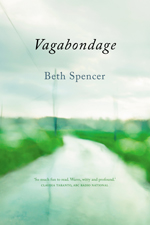
Angela Gardner reviews Beth Spencer’s Vagabondage

spencer

Vagabondage
by Beth Spencer

UWA Publishing, 2014

Twenty years ago Beth Spencer’s first collection of poetry, Things in a Glass Box, was published and reviewed to critical acclaim. Since then she has published individual poems and two volumes of multiple genre selected works that have included poems. It could be said that it’s a long time between drinks, though Spencer has been busy with fiction, essays, and memoir (and a PhD) in the meantime. Vagabondage is her first full collection of poems since, and widely anticipated because of that.

The book, a first person narrative of a year in a van 2009-2010, is structured as a travelogue/road movie/quest in that it follows the author’s progress through country towns – yet underlying that progress is an emotional journey that examines the past and imagines a new future.
Spencer defines the term ‘vagabondage’ as being stateless, in servitude to nomadism, and/or being bound for somewhere. The journey and the book gives Spencer the space (and time) to consider important issues: What it is to be Australian, our relationship to possessions and possession, and to solitude and loneliness.
The book opens with a major act of deliberate dispossession, the sale of the author’s beloved house.

‘I love my house and garden’
(a frequent refrain)
and there is was

and it loves you
(‘Leaving this house’, p.7)
Continue reading →

Νίκος Καρφής – ένας ελάχιστα γνωστός ποιητής

NikosKarfis_2

Ο Νίκος Καρφής γεννήθηκε στη Λαμία στις 5.1.1958. Ήταν το μοναχοπαίδι της Αφροδίτης Βουλγαράκη, η οποία εργαζόταν στις ιατρικές υπηρεσίες του Δήμου Λαμίας, και του Μιλτιάδη Καρφή, εμπόρου ξυλείας.

Μετά την αποφοίτησή του από το Λύκειο μετακόμισε οικογενειακώς στην Αθήνα λόγω προβλημάτων υγείας του πατέρα του, αλλά και της εισαγωγής του στη σχολή κινηματογράφου και τηλεόρασης του Λυκούργου Σταυράκου.

Το καλοκαίρι του 1979 συνάντησε τη Νορβηγίδα Siv Nilsen με την οποία απέκτησαν έναν γιο, τον Simon. Την ίδια εποχή άρχισε να γράφει ποιήματα και να εργάζεται στον κινηματογράφο, στη Stefi Films κατά κύριο λόγο. Στις πολυάριθμες, ελληνικές και ξένες, ταινίες που γυρίστηκαν την περίοδο εκείνη, ο Νίκος Καρφής συνεργάστηκε με σκηνοθέτες όπως ο Γιώργος Πανουσόπουλος, ο Νίκος Νικολαΐδης και ο Γιώργος Τσεμπερόπουλος. Ήταν επίσης παθιασμένος και ταλαντούχος φωτογράφος.
Continue reading →

Συνέντευξη της Κατερίνας Αγγελάκη-Ρουκ στο στίγμα Λόγου

DSC_0153

Είναι γλυκύτατη, είναι πολυαγαπημένη, είναι η Κατερίνα Αγγελάκη-Ρουκ! Με δέχθηκε στο σπίτι της και καθ’ όλο το διάστημα της συνάντησής μας είχα επίγνωση του ότι συνομιλώ με έναν μύθο… έναν μύθο ανθρώπινο, προσηνή και ευαίσθητο, όπως μόνο εκείνη μπορεί να είναι.

Χριστίνα Λιναρδάκη: Η πρώτη σας παρουσία στα γράμματα έγινε με ένα ποίημά σας, τη «Μοναξιά», που δημοσιεύσατε σε ηλικία 17 μόλις ετών στην «Καινούρια εποχή» του Γουδέλη. Ένα παιδί 17 ετών ήξερε τι σημαίνει μοναξιά;

Κατερίνα Αγγελάκη-Ρουκ: Έγραφα και πριν απ’ αυτό, δεν θυμάμαι ποτέ μου να μην έγραφα. Πάνω από μισό αιώνα μετά, μου κάνει και μένα εντύπωση πώς μπόρεσα τότε να γράψω για τη μοναξιά. Νομίζω ότι έχει σχέση με την αναπηρία μου που έπρεπε κι εγώ να ξεπεράσω ψυχολογικά, για να προχωρήσω.

Χ.Λ.: Αναφέρεστε στη γνωστή ιστορία με τον σταφυλόκοκκο, έτσι δεν είναι;

Κ.Α.-Ρ.: Ναι. Μόλις γεννήθηκα, με καισαρική, κάτι λάθος θα έγινε και προσβλήθηκα αμέσως. Το ότι έζησα ήταν σκέτο θαύμα και, βέβαια, επηρεάστηκαν τα οστά μου, ο μυελός και το χέρι. Σκέφτομαι καμιά φορά ότι οι γονείς μου με έκαναν μεγάλοι και βιάζονταν, ο πατέρας μου ήταν 60 χρονών όταν γεννήθηκα, γεννήθηκε το 1881, ήταν δύο χρόνια μεγαλύτερος από τον Καζαντζάκη. Αν λοιπόν οι γονείς μου είχαν καθυστερήσει έναν χρόνο – τι ήταν ένας χρόνος ακόμη – θα είχε εφευρεθεί η πενικιλίνη και θα ήμουν μια χαρά. Αλλά, όπως λέω και ξαναλέω και ξαναλέω, η ζωή είναι μια ζυγαριά: βάζεις το κακό στο ένα δισκάκι και λες «γιατί Θεέ μου να μου τύχει αυτό» και δεν βλέπεις ότι από την άλλη μεριά μπαίνει το καλό, ακριβώς στην ίδια ποσότητα. Σ’ αυτήν ακριβώς την αναπηρία, λοιπόν, χρωστάω την ώριμη από νωρίς αίσθηση της ζωής και την ώριμη σκέψη μου.

Χ.Λ.: Σίγουρα… Με εκείνο το ποίημα, τη «Μοναξιά», ο νονός σας Νίκος Καζαντζάκης είχε ενθουσιαστεί, έτσι δεν είναι;

Κ.Α.-Ρ.: Ο Καζαντζάκης με είχε συστήσει στον Γουδέλη και είχε γράψει ένα σημείωμα: «διαβάστε αυτό το ποίημα, είναι το καλύτερο που έχω διαβάσει ποτέ». Ένα από τα πράγματα που είμαι υπερήφανη στη ζωή μου, τα ελάχιστα, είναι ότι δεν το πήρα επάνω μου. Αντίθετα, είπα: «ωχ, υπερβολές του Καζαντζάκη», γιατί ήταν στις εκφράσεις του πολύ πλούσιος. Επίσης, του ταίριαζε πολύ η μοναξιά γιατί ήταν ένα από τα βασικά θέματα, παρότι έζησε ωραία με την Ελένη, αλλά το είχε κάνει θρησκεία μέσα του.

Continue reading →

Poetry in motion: mobile site brings new audience to African writers

Mbali-Kgosidintsi-012

Continent’s ancient oral tradition gets new hearing on pioneering mobile site Badilisha Poetry X-Change

Mbali Kgosidintsi, from Botswana, can be heard reading her poem I Stand Between My Africa and Me on the site. Photograph: Tristram Kenton

“These days, the language of death
is a dialect of betrayals; the bodies
broken, placid as saints, hobble 
along the tiled corridors, from room 
to room. Below the dormitories
is a white squat bungalow, a chapel 
from which the handclaps and choruses 
rise and reach us like the scent 
of a more innocent time.”

These are the opening lines of Hope’s Hospice, written by Ghanaian-born Jamaican poet Kwame Dawes. He is among nearly 400 African poets from 24 countries in 14 languages who can now be heard reading their work via mobile phones – a first for Africa and the world.
Continue reading →

Alyson Miller
 reviews Zenobia Frost’s Salt and Bone

salt-and-bone

Salt and Bone
by Zenobia Frost

Walleah Press, 2014

In its own words, Zenobia Frost’s Salt and Bone slinks ‘between ibis-legged houses / and wakeful graveyard’, and belongs to ‘the hour of the curlew’, a liminal space that speaks of ghosts and transformation. As a collection, the poems are pervaded with a sense of haunting, plagued by abject bodies ‘aching for salt and bone’, the suffocating presence of water, and the archeology of death. It is noteworthy that Frost’s work both begins and ends with a warning of the power of unknown and strange things; a reminder, perhaps, of the gaps that exist between the ‘real’ and the imagined.

Indeed, Salt and Bone is a collection that relishes in the gothic and the macabre, often anchored in the physicality of the body or objects rendered as bodies. In ‘Auf Wiedersehen Spiegeltent’, for example, the deconstruction of the circus tent is figured as a kind of flaying – ‘the circus is gone/ big top / stripped to bone’ – while its performers bend and collapse like origami: ‘their drunken limbs forget / the ways they should not bend /[…] they fold back into boxes / like costumes like paper’. Frost’s manipulation of bodies is both unsettling and striking, at times even verging on a form of delightful masochism, as demonstrated so vividly in ‘Odontophilia’ (a fetish with teeth), in which the poem describes a fixation ‘on the ache as teeth / shimmy loose’. As the poem replays ‘this ritual of / fidgeting pressure’ that is at once so alien and so familiar, it conjures a vicarious pleasure that is simultaneously alluring and othering, a quality that marks a number of the poems throughout the collection:

‘this first infant pleasure
worries the bruise of your mouth

long to press just one peg free
to tongue the root red
gum erupts
in shards of molar
’
Continue reading →

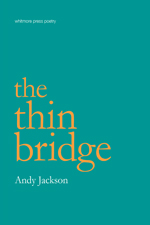
Peter Kenneally 
reviews Andy Jackson’s The thin bridge

thin-bridge

The thin bridge
by Andy Jackson

Whitmore Press, 2014

‘Poetry from a body shaped like a question mark’ That is the tag line for Andy Jackson’s blog, and it perfectly sums up the to and fro in his work. Jackson, who has Marfan’s Syndrome, has said that he came to write poetry partly ‘ to control the way people see me. I’d lived with the staring and comments that having an unusual body brings, and I wanted to be in charge.’

In a recent blog post he deals with this issue; the paradox of having ‘an unusual shape, but no pain’, and the confusion this causes for the ‘concerned stranger’. This new collection, which won the 2013 Whitmore Press Manuscript Prize, condenses these concerns with the confidence it takes to let them be understated, if ever present. The relation of bodies to themselves, and to the world, is rehearsed over and over again, tentatively, ironically, quizzically.
Continue reading →

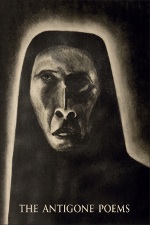
Graeme Miles
 reviews Marie Slaight and Terrence Tasker’s The Antigone Poems

antigone

The Antigone Poems
by Marie Slaight and Terrence Tasker

Altaire, 2014

The Antigone Poems is a collaborative work, made up of poetry by Marie Slaight and drawings by Terrence Tasker. Created in the 1970s when the writer and artist were living in Montreal and Toronto, and published in 2014, it is an attractively produced book. The drawings, most depicting faces like tragic masks, divide the five chapters. These images are archaic and chthonic in mood, free from any twee classicising, and match well the equally chthonic mood of the poetry. Most of the poems are brief, suggesting fragments of some larger lost work. Such world as they sketch is made out of primary things: sun, blood, bones.

The book presents itself, in the words of the blurb, as ‘an intensely personal invocation of the ancient Greek tragedy’. The less definite ‘invocation’ rather than ‘retelling’ is a wise choice, though the latter term does appear in the promotional material. These poems are rather a lyric engagement with the story, which really requires its readers to know the narrative ahead of time. This is itself an ancient practice, found for instance in some tragic lyric. The blurb’s reference to ‘the ancient Greek tragedy’ suggests Sophocles’ Antigone, though other plays also featured Oedipus’s daughter (among extant tragedies: Sophocles’s Oedipus at Colonus, Euripides’s Phoenissae). There is a decided theatricality to this book: not only the choice of a character primarily associated with drama and the style of the art-works, but the monologue style of the poems suggest a character performing herself.

Continue reading →