…Γλώσσα που μ΄άλλη γλώσσα δεν μοιάζει!Σε κόβει στα δύο, στα χιλια! Σε τσακίζει!Σαν να σου βαράει το κεφάλι στον τοίχο, σα να σε σου τρώει το συκώτι,σαν σα σε κοπανά σε τραχείς βράχους πλάι σε ήρεμη θάλασσα.Χωρίς αιδώ,χωρίς στόμφο,χωρίς δισταγμό,χωρίς θεωρία ,χωρίς ανάλυση,χωρίς πιθηκισμό, χωρίς συντηρητισμό,χωρίς σεβασμό και αξιοπρέπεια-αλίμονο!-χωρίς ψευτιά και σύμβαση!
Με πόθο και πάθος,με ακαταστασία,με πολύ όνειρο και υπερρεαλισμό,με σαρκική αποχαλίνωση ,με δριμύτητα ,με σφοδρότητα,με τόλμη,μ΄αμίμητη σκληρότητα,με ατελείωτη προκλητικότητα,μ΄αυταρχισμό ,με κυνισμό,με ειλικρίνεια,με ερωτισμό και αυτο-ερωτισμό,με αυτοαναφορά ,με φλόγα,με πόλεμο,με μοναξιά,με ΣΟΚ, ΜΕ ΧΑΟΣ,ΜΕ ΘΑΝΑΤΟ!
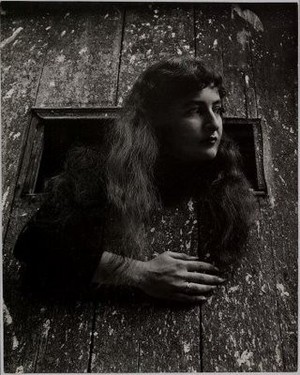
Εκεί κάπου στέκει η ποίηση της JOYCE MANSOUR!.Μια ποίηση ΣΥΝΑΓΕΡΜΟΣ.ΞΕΣΗΚΩΜΑ.ΗΦΑΙΣΤΕΙΟ.Μια ποίηση γεμάτη μεταφυσική και εξαλλοσύνη,αγριότητα και ανηθικότητα, ντελίριο, ξέσπασμα και οραματισμό!Μια ποιήτρια από τη Γαλλία,με την οποία έχουν ασχοληθεί αρκετοί Έλληνες και έχουν μεταφράσει έργα της. Αναφέρω τους:Βικτωρία Παπαδάτου και τους ποιητές Nάνο Βαλαωρίτη,Τάσο Κόρφη, και Έκτορα Κακναβάτο Μια ποιήτρια που δεν φοβάται την ΄ΕΚΘΕΣΗ,το ξεγύμνωμα,την αποκάλυψη.Ενα αγρίμι που πορεύεται και πάει και δεν κρύβει πως είναι αγρίμι!Δεν ωραιοποιεί,δεν εξωραίζει,δεν μαλακώνει, δεν συμβιβάζεται. Δεν κρύβει τη μελαγχολία,την αηδία,τον πόνο,την πικρία,τη διαστροφή ακόμα και τη λαγνεία.Φαίνεται πως όλα αυτά τα προτιμά από τον θάνατο η Μansour!Φαίνεται πως όλα αυτά τα μεταφράζει ως ΖΩΗ,με της οποίας το μέρος είναι τελικά!Σημειώνω εδώ πως η ποιήτρια πέθανε από καρκίνο του στήθους το 1986,στα πενηνταοχτώ της χρόνια.
Ο ΄Εκτωρ Κακναβάτος στην εισαγωγή του βιβίου ΚΡΑΥΓΕΣ-ΣΠΑΡΑΓΜΑΤΑ-ΟΡΝΙΑ,αναφέρει πώς <έξι μήνες πριν από τον θάνατό της,στην τελευταία της συλλογή Trous noirs είχε γράψει:
Πρέπει να εισπνέι κανείς θάνατο
για να γιατρέψει το πνεύμα του
Το σφεντάμι γλύφει τον αγέρα
δίχως καλέμ
Περιμένω τη στροφή του δρόμου
Στόμα ξερό από αγρύπνια
κυριευμένο από τον φόβο.
H Μansour πάει πέρα από τη συμβαση…Στην αληθινή ποίηση δεν πρέπει να υπάρχει σύμβαση!Κάθε ποίημα και αίσθηση. Κάθε ποίημα και εμπειρία.Αντιτάσσεται στο βόλεμα της ψυχήξς και της γραφής . Αποδομεί. Καταστρέφει. Και πάλι συνθέτει.Είναι σπουδαία η Μαnsour.Γιατί δεν φοβάται τα γκρεμίσματα και τα τσαλακώματα.Κάθε ακρότητα και προχώρημα.Με επικίνδυνα ένστικτα στην αγάπη:,.
Μια γενική παραφορά με διάχυτη τη σκέψη ή την παρουσία του θανάτου: …η ομορφιά μου όλη μέσα στα δίχως κόρες μάτια σου πνιγμένη,μες στην κοιλιά σου ο θάνατος που το μυαλό μου τρώει,όλα ετούτα μιαν αλλόκοτη με κάνουν κόρη>.
Θάνατος χωρίς Έρωτα -και το αντίστροφο -δεν νοείται:
.
Άλλοτε παιχνίδι ερωτικό καννιβαλιστικό: .
Η ίδια ήταν μητέρα,κάπου όμως γράφει:.
Υπερρεαλιστικές σκληρές εικόνες:
Πέταξες τα μάτια μου στη θάλασσα
ξερίζωσες από τα χέρια μου τα όνειρά μου
ξέσκισες τον μελανιασμένο αφαλό μου|και μες στα πράσινα των μαλλιών μου φύκια π΄ανεμίζουν
το έμβρυο έχεις πνίξει.
Μια περιρρέουσα μοναξιά:
Σας είδα αγκαλιασμένους μες στον άνεμο…
σας είδα πλαγιαμένους μές στον χολερικό χρυσό των σκοίνων…
σας είδα κοιμισμένους
Κι έγώ δέντρο αλγεινό από γύμνια, μοναχικό …
δεν ήμουν παρά ένας κλόουν με καρδιά αναμαλλιασμένη.
Παρ’ όλα αυτά,την μοναξιά,την απόγνωση…, την πικρία,θα τομήσω να πω ότι η Mansour δεν πτοείται,δεν ηττάται,δεν κλείνεται στο καβούκι της.
Θα γραψει:
…κλαίω αλλά προς τί;
Γριά τριάντα χρονών…
Όμως όχι,ακμαία δημιουργεί, γιατί διακατέχεται από απόγνωση άκρως δημιουργική.Το ξαναλέω.Η ποιήτρια είναι με το μέρος της ζωής.Την ξεπερνά, την ακυρώνει τη ζωή και την ξανασυνθέτει.Την παει και τη φέρει.Ελαστική στα βιώματα, αυτοσαρκαστική και αγρίως παιχνιδίζουσα, με το παράλογο αγκαλιά και με το λογικό συνάμα.Η αλήθεια κάπου στο μεταίχμιο, ν΄ακροβατεί χωρίς σκοινί και να γουστάρει ν΄αναλώνεται ολόκληρη:
δεν θέλω πια να φτιασιδώνω την αλήθεια σου…
Κοίτα ,είμαι αηδιασμένη από τους άνδρες
τις ικεσίες τους το τρίχωμά τους
τηνπίστη τους τούς τρόπους τους
Μπούχτισα τις περίσσιες αρετές τους τις μισοντυμένες
Μπούχτισα τα κουφάρια τους
Άγιασέ με τρελό φέγγος που καταυγάζεις τα ουράνια όρη
Λαχταράω να ξαναγίνω κενό σαν ήσυχο μάτι της αγρύπνιας
Λαχταράω να ξαναγίνω άστρο.
Η λαχτάρα για το φως , για την ομορφιά, για την αγάπη,για την απλότητα, την κανονικότητα,όχι όμως τη συμβατότητα ή τη συμβατικότητα.Η συμβατικότητα δεν συνάδει με αυτό που είναι η ποιήτρια,ένα συνοθύλευμα,ένας σίφουνας,μια κινούμενη- γεμάτη οίστρο -σκέψη και αίσθηση, OΛΑ και ΕΝΑ,πληθωρική και ατίθαση. Η ηδονή, ο έρωτας, το σεξ… σταθερά μοτίβα στο έργο της.Τα διαχειρίζεται μοναδικά.
Ενδεικτικά:
Aφού σε προκαλούν τα στήθια μου θέλω τη λύσσα σου θέλω τα μάτια σου να βαραίνουν τα μάγουλά σου να ρουφιόνται να χλωμιάζουν θέλω τ΄ανατριχιάσματά σου θέλω ανάμεσα στα σκέλια μου να γενείς κομμάτια πάνω στο καρπερό του κορμιού σου χώμα οι πόθοι μου χωρίς ντροπή να εισακουστούνε Τα βίτσια των ανδρών είναι η επικράτειά μου οι πληγές τους τα γλυκίσματά μου αγαπάω να μασώ τις χαμερπείς τους σκέψεις γιατί η ασκήμια τους κάνει την ομορφιά μου.
*Αναδημοσίευση από το http://poihsh-logotexnia.blogspot.com.au/2012/06/mansour.html#more