Αφιέρωμα: 21 Μάρτη, Παγκόσμια Ημέρα Ποίησης — Σημειώσεις της ακαδημαϊκού και ποιήτριας, Έρμας Βασιλείου

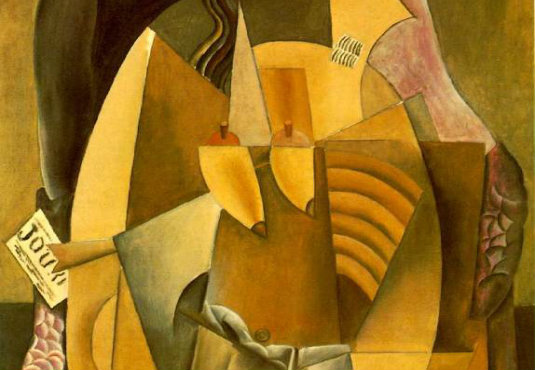
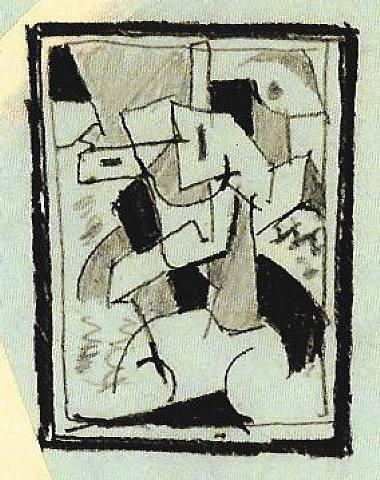
Artwork: Pablo Picasso

Artwork: Pablo Picasso

Χαιρετίζω με ένα ρητό του Ευγένιου Ντε λα Κρουά του μεγάλου Γάλλου ζωγράφου του 19ου αιώνα (Η Σφαγή της Χίου): “Il n’y a pas d’art sans poésie”, «Δεν υπάρχει τέχνη χωρίς ποίηση», εννοώντας και τη δημιουργία, γενικά, με τη λέξη ποίηση.

Η Παγκόσμια Ημέρα ποίησης γιορτάζεται κάθε χρόνο, σ’ ολόκληρη την υφήλιο, στις 21 του Μάρτη. Ίσως και να μην είναι τυχαίο το γεγονός πως τη μέρα αυτή στο βόρειο ημισφαίριο, γιορτάζεται και ο ερχομός της άνοιξης.

Η λέξη από μόνη μας θυμίζει δημιουργία, ποίημα, τον ιερό χώρο όπου ο ποιητής δημιουργεί, για να μείνει στο χρόνο και στη μνήμη του αναγνώστη αλλά και στην ασυλία του ποιητικού του έργου κυριότερα. Ένα χώρο όπου γιορτάζεται η προηγούμενη προσφορά των ποιητών, από την ιστορική παρουσία του Gilgamesh, την 3η χιλιετία π.Χ. Μεσοποταμία) των Vedas, το Rāmāyaṇa, και άλλων έργων, που ιστορικά μεταφέρεται η παρουσία τους στην Ινδία. Μα και των έργων της Αρχαίας Αιγύπτου, της Βίβλου των Εβραίων, των αθάνατων δικών μας έργων, του Ομήρου την Οδύσσεια και την Ιλιάδα, και τα έργα της Σαπφούς αλλά και της Αινειάδας των Λατίνων, για να αναφερθούν μόνο όσα έρχονται ιστορικά στο νου.

Στην Ελληνική Αρχαιότητα, κάθε λογοτεχνική έκφραση καθορίζεται και σαν ποιητική.

Από τη μια άκρη της γης στην άλλη… και όπου η ίδια η ποίηση παρουσιάζεται μέσα από τη δύναμη πρωτοπόρων και αναγεννητών ποιητών της δημιουργίας, (ταυτόσημες οι δυο αυτές λέξεις, ποιητής και δημιουργία) θα δώσει νέους ορισμούς στο στοίχημα στο ότι οι στίχοι ξεπέρασαν ακόμα και τον εαυτό τους. Ο χώρος όπου θα βρει ο αναλυτής ή κριτικός ή ο πάντα αγαπημένος αναγνώστης, την πρόκληση να παλέψει με τις ερμηνείες των όρων με αμφιβολίες, αν οι ερμηνείες που έδωσε δεν του φαίνονται απόλυτα σωστές. Ο χώρος όπου ο δημιουργός θα δρασκελίσει το κατώφλι του παράλογου συχνά, και να εκτιμήσει κάθε αντικείμενο-σύμβολο, σύμφωνα με τη γραφίδα που διαθέτει και που μπορεί να μην είναι απόλυτα η ίδια με κείνη ενός άλλου… και όπου θα προσπαθήσει να λύσει το γόρδιο που αποτελεί το κάθε δημιούργημα-ποίημα, να το λυτρώσει από τις υπερβάσεις, να λυτρωθεί και ο ίδιος…με την ανάλυση. Να ταυτιστεί με τα γραφόμενα, να… γίνει χίλια «να», χίλια κομματιασμένα ψηφία. Να ‘ξεδέσει’, αν το μπορεί, τα λόγια.

Η ελληνική λέξη ποίημα παρέμεινε σαν λέξη δάνειο και σε άλλες πολλές γλώσσες, στα Αγγλικά poem, στα Γαλλικά poème… Είναι σ’ αυτά τα μικρά κλειστά, ωστόσο ορθάνοιχτα στον καθένα πακέτα, που ο ποιητής θα κλείσει το υποκειμενικό και αντικειμενικό του μήνυμα, το φανερό με την ουτοπία, το τώρα με το πάντα. Θα ξεγυμνώσει την αισθητική του σε βαθμό που και οι καλύτεροι κριτικοί θα φοβηθούν ν’ αγγίξουν. Είναι εκεί, κυριότερα, που θα εκπαιδεύσει τον αναγνώστη, θα τον μυήσει στα γραφόμενά του, σε σημείο που τη γνώση του αυτή, το μήνυμά του, θα επιθυμήσει να το κάνει τραγούδι ο αναγνώστης, θα το κάνει σήμα και πιστεύω του, θα θελήσει να το παραδώσει και να παραδοθεί μ’ αυτό, στη φωτεινή σκυτάλη της τέχνης, στο παρόν ή στο επόμενο κύμα της.

Η ελπίδα, η τελετουργία, η ζωντανή εικόνα, το έπος, η ιστορική αναφορά, η πολιτισμική πορεία, το συναίσθημα, ακόμα και το πόρισμα, το ηθικό πόρισμα, έννοιες που αναμένει να βρει ο κάθε αναγνώστης στη σκυταλοδρομία του μικρού δοσίματος, του κάθε μικρού πακέτου, όλ’ αυτά δεμένα, κομμένα, συχνά έξω κι από αυτό το ποίημα ακόμα, ταξιδεύουν από τον ποιητή ή το ποίημα αλλιώτικα στο δέκτη που θα γίνει με τη σειρά του ερμηνευτής, ανοικτός στα μηνύματα, στα ίδια απαράλλακτα οξύμωρα.

Ενώ η φιλοσοφία καθορίζει τις έννοιες, η ποίηση θρυμματίζει, κατά τους Γάλλους κριτικούς του αιώνα μας τις έννοιες, σε σημείο μάλιστα που η ίδια να μην μπορεί να οριστεί απόλυτα. Οι κεραυνώσεις μέσα από τα λόγια του ποιητή για την παλαιότερη στασιμότητα που παρουσίασε η ποίηση και η κριτική του ποιητή για «ποίηση χωρίς ποίηση» μας παίρνουν σήμερα σε μια άλλη νέα, πιο επαναστατική εποχή. Οι σύγχρονοι ποιητές έχουν αφαιρέσει από την ποίηση, όλοι αυτοί που προσπαθούν να φέρουν την ποίηση αντιμέτωπη με τον εαυτό της και να θέσουν ριζοσπαστικές ερωτήσεις, να ξεντύσουν από κάποια περιττά, και αποφασίζουν έτσι ν’ αφήσουν την ποίηση να μεγαλώσει στο διάβα της, χωρίς να χαλάσουν τ’ όνειρό της.

Το φως της ποίησης έρχεται ακόμα από το παρελθόν, ένα παρελθόν που σμίγει με το τώρα μας και αναδημιουργείται κάθε μέρα με τα ίδια προβλήματα, σε μια γλώσσα που πολλοί από μας ξεπερνάμε. Δίνουμε σ’ αυτή την πορεία ένα νέο τρόπο σκέψης. Γυρίζουμε πίσω για να ενωθούμε μ’ όσα έστησαν άλλοι, αλλά στρεφόμαστε ταυτόχρονα μπροστά για να γίνουν όσα θ’ ακολουθήσουν άλλοι μετά από μας, οι νέοι οπαδοί μιας αδέσμευτης αφετηρίας, ανάμεσα από το χθες και το σήμερα, το κομμένο και το ενωμένο, το ιδεώδες και το πραγματικό, το γνωστό και το άγνωστο… βρίσκοντας τον εαυτό μας στον εξίσου άγνωστο κόσμο μας, θα βρεθεί ένας τρόπος να γίνει η όποια οπισθοχώρηση προέλαση…

Η ποίηση! Μέσα από λέξεις που αφήνονται στο νόημα που δίνουμε… Μέσα από φώτα που βλέπει ο αναγνώστης να στήνονται στο πάλκο της αφαίρεσης… Μέσα από μια ωραιότητα που δεν είναι πάντα το ζητούμενο…Κι εκεί που γίνονται όλα τα πειράματα της υπέρβασης και του ωραίου… κι ακόμα, βρίσκοντας δύναμη και μέσα από αντιφάσεις και διαψεύσεις, όλα έρχονται, όλα γίνονται το ένα, το ποιητικό, δεμένο στο αδέσμευτό του είναι.

Ημέρα ποίησης για την ποίηση! Ημέρα για τον δημιουργό αλλά και για τον καθένα που παλεύει στο ποίημα της ζωής, να βρει τον εαυτό του. Και τον βλέπει μέσα από το έργο του να γίνεται ποίηση, η ικανότητα να κατακτηθούν τα πιο απίθανα όνειρά του.

Δυο λόγια του Ρίτσου εδώ και σας αφήνω με τις ευχές μου!

Κάθε λουλούδι έχει τη θέση του στον ήλιο,

κάθε άνθρωπος έχει ένα όνειρο. Κάθε άνθρωπος

έχει έναν ουρανό πάνου από την πληγή του,

κι ένα μικρό παράνομο σημείωμα της άνοιξης μέσα στην τσέπη του.

 
Δοκιμασία, VII, 3-7. 1943. Επιτομή. Κέδρος, 1977. 129.

***

Παγκόσμια ημέρα ποίησης: Ποίηση…αυτή η τάφρος

(Ένα κείμενο από το 2009)

megali-imera-poiisis-sto-megaro

Η Παγκόσμια Ημέρα Ποίησης που γιορτάζεται κάθε χρόνο στις 21 Μαρτίου είναι για τους περισσότερους μέρα μ’ ένα διαφορετικό εορταστικό τίτλο. Η ποίηση, για πολλούς από μας, γιορτάζεται καθημερινά, μέσα από την ποιητική δημιουργία που παρουσιάζουμε και αποτελεί μέρος μεγάλο της ζωής μας ή, όπως θα το έθετε ένας τρίτος, τον τρόπο ζωής μας. Η ποίηση, η μεταγλώσσα για την ερμηνεία της ζωής… και της ανθρώπινης ύπαρξης.

Είναι συνήθως μέσα στην ανωνυμία, σ’ αυτό που ο Οβίδιος θα ονομάσει ευτυχία τού να μη γίνεται κανείς αξιοπρόσεκτος, που ο ποιητής θ’ εξαντλήσει τη μέθοδο ανάπτυξής του σε κάτι ιδιαίτερο. Kαι είναι λίγες οι φορές που μπροστά στο καλό κριτικό μάτι, αυτό που έχει σαν κριτήριο το αντικείμενο, που ο ποιητής θ’ ακολουθήσει το δρόμο του. Ένα δρόμο οξύμωρο όσο οξύμωρο στην κριτική του είναι και το προϊόν που θα παράξει.

Για μας τους λίγους ή πολλούς ποιητές που οι κριτικοί βρήκαν τρόπο να ταξινομήσουν, η μέρα αυτή είναι μέρα περισυλλογής για καλύτερη εκτίμηση της έννοιας της προσφοράς, για καλύτερη εκτίμηση της έννοιας της δωρεάς, αυτής που δόθηκε για χάρη του συνόλου. Και πρέπει να είναι λίγες οι φορές που ο ποιητής θα περιμένει ν’ ακουστεί, λιγότερες ωστόσο εκείνες που θα περιμένει ν’ ακουστεί πρόχειρα. Η αναμονή γίνεται με τα χρόνια σχολαστικά περιοριστική. Η ανωνυμία γίνεται φυτώριο για τάφρους που περιμένουν να δεχτούν νερό για να το δώσουν ολόκληρο πίσω. Και οι τάφροι σκάβονται με νύχια, με νυστέρια που δοκιμάσαμε πάνω μας, με εργαλεία αιχμηρά που συχνά γυαλίζουν στον ήλιο και τυφλώνουν. Και η μέρα γίνεται ένα με τη νύχτα, στο σκάψιμο. Κι αυτό που φαίνεται λίγο στον έναν φαίνεται περισσότερο στον άλλον. Είναι, έτσι, θέμα εκτίμησης της ίδιας της εκτίμησης, η σχολαστική αναμονή της διεύρυνσης της χωρητικότητας. Το φυτώριο αποκτά κριτήρια και αντοχή σχετικά με τον τρόπο και χρόνο που θέλει κανείς να δει να μεγαλώνει η πιθανότητα ν’ αντλήσει από τη χωρητικότητά του, αυτή που θ’ αποδείξει πως έχει ευχέρεια να δώσει τα ιδιαίτερα δικά του.

Γιατί με ποίηση; Γιατί οι ποιητές; Και ποιοι είναι οι ποιητές. Η ερώτηση γίνεται διεισδυτική σε τόπους που βρίσκονται χρόνια σε πειραματικά στάδια. Δεν αναρωτιέται κανείς γιατί! Αν αποφασίσει να ερευνήσει την πορεία της ποίησης, σε σύγχρονες εστίες στην Ευρώπη, θ’ αποκαλύψει τις απαντήσεις. Μελέτη και ερμηνεία πορισμάτων. Μελέτη του κάθε ποιητή ξεχωριστά. Καθημερινή επαφή μέσα από την κριτική μελέτη μεγάλων κριτικών. Στενή επαφή με έργα άσχετα από την ανάδειξη των μεγάλων, των πιο αποδεκτών. Καθημερινή επαφή με έργα που έχουν παραμείνει στάσιμα στην πορεία τους κι αντίθετα, σύγκριση των έργων αυτών με άλλα, με ποιητών που έχουν αναλωθεί στη νηστεία της δημιουργίας για χάρη της δημιουργίας.
Το να βρεις τον τρόπο με τον οποίο ένας ποιητής θα βγάλει από τη γη της σοφίας του λόγου μέσα από την εμπειρία του στίχου το διαφορετικό νερό, κυρίως τις μέρες μας, είναι μεγάλη εξάσκηση και θ’ αναγνωριστεί και σαν ασκητική νηστείας. Νηστείας από το λίπος της αυτοπροβολής που τοποθετείται σαν τίτλος σε στίχους.

Η τάφρος…η ευρύτερη μεσόγειος θάλασσα σκέψεων, μια τάφρος που περιμένει να γεμίσει, είναι έτοιμη πάντα, πριν αποφασίσει να δώσει ή να δοθεί…

Είναι η στιγμή όπου θα πει ο ποιητής, «βγήκε η νέα συλλογή, ζήτω η πιο νέα». Είναι η στιγμή όπου φαίνεται η επόμενη, η αυριανή ευχή, το καρτέρι για έναν άλλον ήλιο.

Τι φέρνει η ποίηση στη ζωή μας; Ποιο είναι το αποτέλεσμα της προσφοράς του ποιητή; Στέκεται, μπροστά σε μια πηγή σε μια έρημο, μ’ ένα συνοδοιπόρο που ακράτητα διψά. Αρχίζει τη μεγάλη ανασκαφή να βρει την πιο μεγάλη δίψα…. Υπάρχει στις μακρινές οάσεις, μα θέλει να προσθέσει στην έννοια της όασης κι άλλες δικές του.
Στέκεται ο ποιητής μπροστά σε μια πηγή που ανοίγεται για να χωρέσει. Να μη γίνει η ηχώ ενός άλλου θέλει… να μη γίνει ο αντιγραφέας της σκιάς ενός άλλου θέλει, να μη γίνει ο μεταφορέας ενός άλλου θέλει. Μα να μοιάσει στο έργο του με το μεγάλο άλλο, θέλει.

Η ποίηση, αυτή η τάφρος…αυτή, δίνει ό,τι της έχει δώσει ο καθένας. Αν έχει δώσει το μύθο του, μύθος θα είναι η τάφρος του νερού του, αν έχει δώσει απαίτηση πλήρωσης, η τάφρος θ’ απαιτεί να γεμίζει.

9228913137373770204

Αφιέρωμα: 21 Μάρτη, Παγκόσμια Ημέρα Ποίησης – Πρόσκρουση στον κάματο της ποιητικής αργίας

art-20

Του Γιάννη Λειβαδά*

Η ποίηση εντοπίζεται σε κάτι που υφίσταται οριακά ανάμεσα στο υπάρχον και το μη υπάρχον, στο περιεχόμενο. Το οποίο, όπως έχω προ καιρού σημειώσει, είναι τρόπος1.

Πραγμάτωση της ποίησης σημαίνει περιεχομενική εποπτεία. Ποίηση δημιουργημένη, όχι απλώς γραμμένη. Αυτό το επιβεβαιώνουν, με κάθε θεμιτό ή αθέμιτο τρόπο, οι πολέμιοι αυτής της αλήθειας –από είκοσι έως ογδόντα ετών– οι οποίοι εξακολουθούν να είναι πιο βέβαιοι από κάθε άλλον για το τι ακριβώς είναι οι ίδιοι και το τι ακριβώς πράττουν.

Η ποίηση, όντας αυτή που γίνεται, και ταυτοχρόνως μη όντας αυτή που είναι, αποτελεί πλήρες αστόχημα με μηδενικές απολαβές: τεκμαίρεται από ένα σύμπαν αγνώστων διαστάσεων και προοπτικών το οποίο, εντούτοις, εκφράζεται από λέξεις που αδυνατούν να την εκπροσωπήσουν.

*

Μπορεί κανείς να υποστηρίξει πως η ζωή είναι λιγότερο αρνητική προς την ανθρώπινη μονάδα απ’ όσο η ανθρώπινη μονάδα προς τη ζωή. Η μονάδα επιζητά μια συνέχεια, την οποία η ζωή δεν προσφέρει. Μόνο και μόνο γιατί αυτή η άοκνη απαίτηση δεν έχει δημιουργηθεί. Πρόκειται για ένα προκλητό σύμβολο, το οποίο όμως δεν ανήκει στον κόσμο των συμβόλων, αλλά στις ενδείξεις κάποιων ελαχίστων ειλικρινειών.

Δεν είναι τόσο κακό, όσο πιστεύουν ορισμένοι, να γνωρίζει κανείς το κατεστραμμένο κομμάτι της ποίησης, το περισσευούμενο – είναι σημάδι αρμοδιότητας, κάποιος είναι, τότε, λειτουργός της δημιουργίας της, και όχι συντηρητής της επιβίωσής της.

Αυτό που ευρύτερα χαρακτηρίζεται ως ποιητικός λόγος, είναι ένας εκφραστικός προγραμματισμός, ο οποίος κάνει το φαινομενικό να μοιάζει πραγματικό και το ανούσιο ουσιώδες.

Δεν κάνω λόγο για μια λατρεία προς το εμφανώς κατεστραμμένο, γιατί σε μία τέτοια περίπτωση, θα εννοούσα την αδυνατότητα προσέγγισης της καταστροφής, του κατεστραμμένου, ως έχει, στη φυσική του ομορφιά, στη φυσική του κενότητα. Μα δεν συμβαίνει κάτι γραμμικό, όπως τα ποιητικά επεισόδια – εκείνα που προξενούν σε κάποιους μία πολιορκητική ψευδαίσθηση ανάληψης και εκτέλεσης έργου. Σε αντίθετη περίπτωση, τα έργα είναι οι ίδιοι οι ποιητές.

Αυτό που ευρύτερα χαρακτηρίζεται ως ποιητικός λόγος, είναι ένας εκφραστικός προγραμματισμός, ο οποίος κάνει το φαινομενικό να μοιάζει πραγματικό και το ανούσιο ουσιώδες. Οι άνθρωποι ιδρύουν μεταξύ τους ορισμένες συμφωνίες οι οποίες διαθέτουν όλα τα χαρακτηριστικά μιας αντεστραμμένης καραντίνας. Μοιράζονται, συν-λειτουργούν μια θεραπεύσιμη, ήτοι φαύλη, ασθένεια, την ανα-μετάδοσή της, την από κοινού εμπειρία της, νιώθοντας απερίγραπτη αποστροφή προς οποιαδήποτε άλλη, ανίατη ασθένεια, και κυρίως, προς κάθε, ανερμήνευτο, αποπερατωμένο θάνατο.

*

Ατελείωτες οι περιγραφές του τρόπου με τον οποίο δυσανασχετεί κανείς μέσα στον χρόνο του. Μαινόμενη η πικρία, ως επί το πλείστον, λόγω εκείνης της απιθανότητας σκοτωμού σε κάθε εικονική αυτοκτονία. Στο τέλος, οι εντεύθεν και εκείθεν επιλεγμένοι παραλήπτες ή ακροατές που συμμετέχουν στο ίδιο όνειρο, συντηρούν διακαώς εκείνο το ποθητό διακαές. Αυτό είναι το κοινωνικό σημείο, το οποίο παρότι δεν αφορά την ποίηση, δέχεται τόση προσοχή όση δεν μπορεί να αντέξει: ακαταμέτρητα κουτάλια λυγίζονται μέσω «ποιητικής» ψυχοκίνησης μα, μέσω αυτής, δεν δημιουργείται κανένα.

Αυτός που έχει καταπείσει τον εαυτό του, υστερεί, όμοια με εκείνον που δεν τον έχει καταπείσει. Μα, για ποιους ακριβώς λόγους; Αυτή η (αυτο)κριτική επανάπαυση –κατ’ άλλους γελοιοποίηση– κάνει να μετατρέψει έναν απλό περίπατο σε έξοδο προς το ποιητικό άγνωστο, πλαισιώνοντας τα βήματα μ’ ένα ηρωικό εμβατήριο. Κάθε προσπάθεια να διασωθεί κάποιο από τα λατρεμένα συντρίμμια, μεταβάλλεται σε επίδειξη ύβρεως της ποιητικής τέχνης: εμβάθυνση στην ελαφρότητα, ήτοι στην εκτελεστική επιρροή των πεποιθήσεων, στο κήρυγμα του τέλους που δεν είναι άλλο από ένα ενοχικό πρόστιμο.

Δικαίωμα στο ποιείν δίχως την υποχρέωση, δηλαδή δίχως ποίηση. Εφόσον η ποίηση, είτε αυτό αρέσει σε κάποιους είτε όχι, εκκινεί από μια βαθιά υποχρέωση, δεδομένη, η οποία προδιαγράφει το εσωτερικό, ήτοι το περιεχόμενο του δικαιώματος, το οποίο δεν έχει απολύτως καμία αξία, δίχως την προϋπόθεση αυτής της υποχρέωσης. Κάπως έτσι λειτουργεί. Ή πάλι, κατά τον ίδιο τρόπο, δεν είναι μια ποίηση που ενδιαφέρει και τόσο.

Το δικαίωμα, δεν αποτελεί τίποτε άλλο από πρισματικές διαστάσεις κάποιας προσωπολατρίας η οποία προσαρτά στο δυναμικό της οτιδήποτε «δημιουργικό» ώστε να μην φαλιρίσει μέσα στον διογκούμενο εκφαυλισμό της. Γνωσιακή και αισθητική παρειδωλία.

Το κοινό αναζητά, τόσο να γράψει όσο και να διαβάσει, τον αντίλαλο της δικής του φωνής. Να αποκτήσει εκ νέου την ίδια φωνή. Μια στο τόσο, επίσης, ενδύει τον οίστρο της απολογίας του ―που είναι πιο ακόρεστος από την ίδια― με όλες τις διαφορετικές, ενδεχόμενες φωνές, με στόχο την αλλοίωση των υπολοίπων φωνών, την ανάμειξή τους σε τέτοιο βαθμό ώστε να ενιαιοποιηθούν. Αποσκοπώντας, προφανώς, στην παύση κάθε απόπειρας σύνθεσης – ένεκα που η σύνθεση επιτυγχάνεται με στοιχεία διαφορετικά και όχι με στοιχεία απαράλλακτα, ενιαιοποιημένα.

Η ποίηση, λοιπόν, δεν είναι ηχώ, δεν είναι ένας αντίλαλος της φωνής ενός κοινού. Η ποίηση εξαλείφει κάθε αντίλαλο, εκμηδενίζει εκ φύσεως τον εαυτό της. Υφίσταται, ευρύτερα, μία νοσηρή εξύμνηση της «φωνής», η οποία είναι βαθιά υποταγμένη στον εαυτό της, και υπόσχεται διάρκεια στις τέρψεις του δογματισμού της. Αυτό αποβαίνει μοιραία σε ευφημισμό. Η φωνή όμως δεν είναι ποίηση καθώς και η ποίηση δεν είναι δικαίωμα, μήτε απαίτηση, υπό την έννοια κάποιου, στοιχειώδους ή όχι, δικαίου. Η ποίηση είναι χάωση. Κενό2.

Η ποίηση, λοιπόν, δεν είναι ηχώ, δεν είναι ένας αντίλαλος της φωνής ενός κοινού. Η ποίηση εξαλείφει κάθε αντίλαλο, εκμηδενίζει εκ φύσεως τον εαυτό της.

Προς τι λοιπόν, να απελευθερώνεται το ελεύθερο και να αποσαφηνίζεται το σαφές; Αποκαλύπτεται η σχέση της γραφής με τη λογική των social media: δεν πρόκειται για νέον, διευρυμένο ορίζοντα, αλλά για ένα σύστημα μέσα στο οποίο εντοπίζει ο καθένας την ηχώ της δικής του φωνής. Διαφέρει παρασάγγας από την ποιητική τέχνη, η οποία φροντίζει για την εκπαρθένευση κάθε δεδομένης τεκμηρίωσης, η οποία αντίκειται σε κάθε σύστημα. Ο εικοστός αιώνας και οι απαρχές του εικοστού πρώτου, αποκάλυψαν πόσο καταδικασμένη μπορεί είναι η ποίηση και η κριτική, οι οποίες εξαναγκάζονται μία συγκεκριμένη επανάληψη παραδόξου, στη βάση της επανάληψης κάθε προηγούμενης μη-επαναληπτικότητας. Οι κατακόμβες ενός προοδευτισμού3.

Οι εκατοντάδες ποιητικοί «επαναπροσδιορισμοί» δεν είναι αναγκαίοι· εφόσον η ποίηση ευδοκιμεί στην αδιάκοπη κλιμάκωση της απροσδιοριστίας της. Η ποίηση γεννιέται από μια ηγηθείσα επανιεράρχιση· η αντικειμενική κλίμακα είναι ατομική ακριβώς όπως η υποκειμενική ερμηνεία είναι δημόσια: οι πνευματικοί αριθμοί, η ετερότητα εντός του απολύτου τίποτα. Εκείνη η ήττα που τελευταία βαραίνει τόσο τις ποιητικές διαφημίσεις, δεν είναι εκείνο που διαφημίζεται πως εισπράττει, βιώνει, ο διαφημιζόμενος ποιητής, αντιθέτως, πρόκειται για το γίγνεσθαι της ίδιας της ποίησης4.

*

Η ποίηση ασφαλώς δεν παύει, μα χρόνο με τον χρόνο μετατρέπεται σε απόλαυση όλο και λιγότερων ανθρώπων. Σε κάμποσες δεκαετίες από σήμερα, θα γίνεται λόγος για τον ελιτισμό όσων μέσω της ποίησης θα οδηγούνται στην αθέτηση, στη θαυμάσια παρασπονδία των αποκλίσεων που αποκαλύπτουν την εμετική ευφράδεια των επιφυλάξεων.

Κάθε φορά που γίνονται εκτιμήσεις, όπως η παρούσα, αποτυπώνεται και μία, κάπως δεδομένη, χρονική περίοδος, κατά την οποία οι ποιητές εξελίσσουν το στίγμα τους, τη γραφή τους. Εκ των πραγμάτων όμως, η όποια περίοδος δεν μπορεί να παράσχει εγγυήσεις. Όσο η εμπειρία είναι φειδωλή, άλλο τόσο η τριβή της όποιας, εσωτερικής ή εξωτερικής, επιρροής, δεν έχει ακόμη ολοκληρωθεί.

Κρίνει κανείς με βάση το υπάρχον και όχι με βάση το δυνητικό. Το μελάνι δεν στέγνωσε ακόμη, όπως συνηθίζουμε να λέμε σε αυτές τις περιπτώσεις. Ωστόσο, μία καταγραφή του ποιητικού σκηνικού δεν μπορεί με βεβαιότητα να υπάρξει, εφόσον οι ειδικές συνθήκες (η εκδοτική υπερπαραγωγή ποιητικών συλλογών και η κριτική μεροληψία) επιδρούν με τέτοιο τρόπο ώστε ένα σημαντικό κομμάτι της σύγχρονης ποιητικής παραγωγής να παραμένει άγνωστο ή αναξιοποίητο. Και επ’ αυτού δεν είναι διόλου σίγουρο πως θα μεριμνήσει αξιολογικά το πέρασμα κάποιου επιβοηθητικού χρόνου.

*
Contemporary_artwork_19

Διαθέτουν περιστασιακή αισθητική, δηλαδή, μίαν αισθητική η οποία κατά κύριο λόγο εξάγεται από εκδηλώσεις οι οποίες επανέρχονται από το κοντινό ή το μακρινό παρελθόν, με μορφή ποιητικών σχημάτων, ανεξαρτήτως ύφους.

Παρά τη δεδηλωμένη επιρρέπεια προς το διερευνητικό πνεύμα που χαρακτηρίζει τις νέες ποιητικές συλλογικότητες, τα νεοσύστατα φεστιβάλ και τα περιοδικά μικρότερης κυκλοφορίας, ένα πολύ μεγάλο κομμάτι της σύγχρονης ποίησης, διέπεται από μία, συμφυή θα έλεγε κανείς, ιδεολογικοποίηση, συμπεριλαμβανόμενης και της ηθικής ιδεολογικοποίησης. Μια ιδεολογικοποίηση υπό την έννοια της ταυτολογίας με την μοντέρνα κοινή λογική, η οποία προσπαθεί να αντικαταστήσει την ποιητική διαφορά με ένα, διαρκές, εννοιολογικού ή πολιτισμικού τύπου, σύμφωνο.

Τα επιστεγάσματα της ποίησης των τριών δεκαετιών 1960-1990, σε επίπεδο ερμηνευτικής· η οποία λειτουργεί σχεδόν αποκλειστικά ως συναισθηματική υποβολή, καθιστούν πολλούς από τους νέους παλαιότερους. Και αυτό διότι διαθέτουν περιστασιακή αισθητική, δηλαδή, μίαν αισθητική η οποία κατά κύριο λόγο εξάγεται από εκδηλώσεις οι οποίες επανέρχονται από το κοντινό ή το μακρινό παρελθόν, με μορφή ποιητικών σχημάτων, ανεξαρτήτως ύφους. Ακριβώς γι’ αυτό η ηθική διάσταση, το «ανθρώπινο» του ποιήματος είτε τίθεται επιτακτικά ως τεράστιο πλακάτ μπροστά στα μάτια του αναγνώστη, είτε τοποθετείται με επιμελώς ατημέλητο τρόπο σε κάποιο σημείο του ποιήματος.

Στα έργα των νεότερων ποιητών, αποκορυφώθηκε η απουσία της σύνθεσης, η οποία, ως θεμελιώδες στοιχείο της ποιητικής, της ίδιας της ποίησης, έχει αποκλειστεί, εν ονόματι της επικοινωνιακής επιτυχίας που προσφέρει η αφήγηση μυθοποιημένων ή μυθοποιητικών περιστάσεων. Αυτό εξάλλου είναι το πιο ιδιαίτερο, το πιο τυπικό γνώρισμα της νεότερης ποίησης ανά την υφήλιο5.

Για τις νεότερες γενιές, η ποιητική τέχνη είναι μία σημαντική μορφή έκφρασης της υπάρχουσας κοινότητας· η αποτύπωση της φινέτσας των αντικειμενικών της δεδομένων, των συνομολογημένων αναμορφώσεων και δοκιμών, των οποίων η βιωσιμότητα κρίνεται διαρκώς από την αναμέτρησή τους με κάτι ισχυρότερο, το οποίο όμως θεωρείται εξωποιητικό. Αυτό το φαινόμενο διαιρεί ακατάπαυστα τον προβληματισμό της. Αυτό είναι, τουλάχιστον κατά τη δική μου εκτίμηση, εκείνο το οποίο μέσω των ποιημάτων τους αθροίζεται, ώσπου (θα ήταν ευχής έργο) να πάψει κάποια στιγμή ως παροξυμμένη επιθυμία και να μεταμορφωθεί από αίτιο σε λειτουργία.

Παγκοσμίως, οι νεότεροι ποιητές βρίσκονται μέσα σε έναν κληροδοτικό υπερπληθωρισμό, ο οποίος εντέλει λειτουργεί ως καταθλιπτικό διάκενο, όπου οι επιδράσεις τείνουν να αντικαταστήσουν ολοκληρωτικά την ποιητική βούληση. Πιθανό δε, σε ένα πολύ μεγάλο ποσοστό, να την έχουν ήδη αντικαταστήσει.

Όλοι θεωρούν πως η ποίηση του τόπου τους είναι πραγματικά ζωντανή και πλούσια, αυτό όμως αναφορικά με τι; Με την ιεραρχική συνάφεια της τοπικής γλώσσας ή με τις φιλολογικές/κριτικές συμβάσεις οι οποίες, αμφότερες, μορφοποιούν κατά το δοκούν τη σημειωτική και την υφολογία; Αυτό πρέπει κάποια ορισμένη στιγμή να εξεταστεί διεξοδικά και να ανατραπεί, ώστε να καταφέρει να εξαντληθεί δημιουργικά η ποιητική σχετικότητα που επιφέρει η ντόπια γλώσσα, συνάμα με την ηγεμονική κριτική, οι οποίες συνεπικουρούν στην απονεύρωση της ποίησης, υπό την έννοια πως την περιορίζουν σε ένα μόνιμο προκριματικό στάδιο, εκ του οποίου εμποδίζεται η προοπτική της, η σύνδεση με την ελευθερία της.

Εμφανίστηκαν για να διδάξουν ακριβώς αυτό που δεν διδάσκεται: τη διανοητική και σωματική εμπειρία που αποτελούν τον διττό γεννήτορα της ποίησης.

Ένας από τους καίριους πόλους άμβλυνσης της δημιουργικότητας, είναι επίσης τα, πολύ διαδεδομένα, σεμινάρια «δημιουργικής γραφής», τα οποία εμφανίστηκαν για να διδάξουν ακριβώς αυτό που δεν διδάσκεται: τη διανοητική και σωματική εμπειρία που αποτελούν τον διττό γεννήτορα της ποίησης. Πέραν τούτων, η συμπίεση που ασκεί η κοινωνία, αμβλύνει επίσης τα πνευματικά αντανακλαστικά και έναντι αυτών χορηγεί ερεθίσματα από δεύτερο χέρι. Η κοινωνία εμπλέκει τον εκκολαπτόμενο ποιητή στην προπαρασκευασμένη της θεώρηση, κυρίως δε, όταν τον παγιδεύει σε κάποια από τις «ανατρεπτικές» της αφέλειες.

Η ακαδημία παραμένει απασχολημένη με τον καλλωπισμό του λειψάνου της, ενώ η λεγόμενη ποίηση του «πεζοδρομίου» είναι κατειλημμένη από τους ακόλουθους της μόδας του πεζοδρομίου, οι οποίοι τροφοδοτούν φαινόμενα όπως το «slam poetry», δηλαδή την από μικροφώνου ανταλλαγή μιας αλαζονικής ανοησίας που απέχει από την ποίηση όσο το δέντρο από το μολύβι. Ακαδημαϊκοί και πεζοδρομιακοί, αποτελούν καλά λαδωμένα γρανάζια του πολιτικο-κοινωνικού συστήματος. Αμφότεροι, εξάλλου, προβαίνουν σε χαρακτηριστικές κειμενικές κακοποιήσεις, καθώς και στις πιο έντονες, δηλωτικές διαστροφές, των τεκμηρίων της λογοτεχνίας.

*

Εκείνο που μπορεί να εξετάσει κανείς είναι αυτή η διάχυτη αιμωδία, είναι να δει τι απομένει και σε ποιο βαθμό αυτό αφομοιώνεται ή αφομοιώνει. Αποφυγή του συναισθήματος, το οποίο έχει αντικατασταθεί από τον συναισθηματισμό, και αποφυγή διανοητικού διαφορισμού, ο οποίος έχει αντικατασταθεί από την παλιλλογία.

Οι καλές προθέσεις, ή έστω οι όχι κακές προθέσεις, κατέληξαν και αυτές να γίνουν για πολύν κόσμο, δυσεύρετες, ίσως και πολύτιμες. Αυτό είναι αληθές, κατανοητό και παραδεκτό. Η ποίηση όμως δεν δημιουργείται από προθέσεις, ούτε προσκομίζεται στην κοινωνική έδρα ως σκοπούμενο.

Όσοι τρέφουν ενδιαφέρον, προς αυτή την ακατανίκητη τέχνη, οφείλουν να παλέψουν με την επιβαλλόμενη νεκρή γλώσσα, η οποία προσποιείται πως κατευθύνει προς την αλήθεια μέσω της πραγματικότητας, αλλά, στην πραγματικότητα αποτελεί εμπόδιο για την αλήθεια. Οφείλουν να αντιπαρατεθούν στην υποτιθέμενη ποιητική πρωτοπορία, η οποία κερδίζει πλέον τόσο εύκολα την αποδοχή, νομιμοποιείται σε τέτοιο βαθμό και έκταση, που παύει να είναι πρωτοπορία. Τους περιμένει το κυλιόμενο πέρασμα από το υπερυψωμένο στο επιφανειακό και από το επιφανειακό ξανά στο υπερυψωμένο. Έως ότου εξαντληθούν οι ανταμοιβές και οι κυρώσεις.

Παρίσι, 2 Μαρτίου 2016

*Ο ΓΙΑΝΝΗΣ ΛΕΙΒΑΔΑΣ είναι ποιητής.

__________________________________

Σημειώσεις:
1, 2, 3, 4, 5 «Ανάπτυγμα» [Δοκίμια και σημειώματα ποίησης], Κουκούτσι 2015

*Το κείμενο του Γιάννη Λειβαδά και οι εικόνες της ανάρτησης αναδημοσιεύονται από το Book Press στη διεύθυνση http://www.bookpress.gr/stiles/eponimos/proskroussi-ston-kamato-tis-poiitikis-argias


street-art-hd-wallpapers-2

Michael Farrell reviews Grant Caldwell

thumbnail257picture

Reflections of A Temporary Self
by Grant Caldwell

Collective Effort Press, 2015


Publishing a selected poems is an act of confidence. While no one who writes poems would want to be judged on their worst effort, a selection suggests these are the poems that – if readers must judge – the poet be judged upon. The act is, however, doubly denied by Caldwell in the qualified title, Reflections of a Temporary Self, and by the front cover author photo: is he asleep or isn’t he? The I-don’t-necessarily-give-a-fuck attitude is part of the package. I qualify the attitude because Caldwell, in producing an eighth book (consisting of poems from six previous books and new poems), clearly does give one.

The large type will be welcomed by the poorer sighted and it has a poster effect that gives the pages authority, suggesting that this is public poetry: it’s what I saw, heard, thought; what do you reckon? The poet might have moved on, into a new self, but the gesture remains. In noting my impression of the unapologetic strain in Caldwell’s work I don’t mean that it is necessarily aggressive. It can be unapologetically sweet:
wallabies kissing in a twilight field
holding straws in their little hands
ears revolving
all this and the joey
and the young shoots of clover
they love so much (‘ontos farm’)
Like John Shaw Neilson with the death taken out. You could say with the lilt out, as well; by analogy the impression is of a rock’n’roll Zen, especially this aspect cited by Wikipedia: ‘the personal expression of … insight in daily life, especially for the benefit of others’. The latter part of the quote is pure ironic Caldwell. Reflections contains a sarcastic poem about the facile adoption of Buddhism as an identity (‘einstein, buddhism and my stiff neck’) and it is one of the poems that verges on the genre of the grumpy-old-man poem. Yet, typically, the judgment is on Caldwell, or at least his narrator: thinking about Buddhists, he falls in the creek and bangs his hip. (It seems quintessentially Australian to fall in a creek and hurt yourself, rather than get wet or drown.)

There’s rhythm, there are images, and sometimes they meet. Caldwell is interested in the melancholy affects of repetition, as in ‘across the sea’ (‘the sea comes … it never stops/it never stops’); and in mundane investigations of logic in these concluding lines from ‘thirteen ways of looking at a window’:

with the dark the window becomes a mirror
when you turn on the kitchen light and you
watch yourself reflecting reflected in the light
though you can’t see your face for the shadow

This circularity is given its major form in ‘two black chairs’; as the poem goes on it becomes replete with chairs and tables, and a purse and fairy lights, and ‘elvis before his dissipation’, losing its sense of line (or gaining fullness) as the page becomes full with the swirl of words. All poems are concerned with the logic of their structures, but logic is also a theme of these poems, as if they want to work out the possibilities of logic in poetry. ‘like a tennis ball’ resembles a song structure – what could easily be read as a hip-hop structure, though I think it’s too unromanticised for that – where the abjection of alcoholic (prosaic) unhappiness is redeemed (poetically) by the mundane-lyrical image of a tennis ball in the last line.

Caldwell’s untitled haiku are read to advantage in a column of four, where the effect is of reading a series, rather than one per page, which might well have seemed flat or inconsequential. His haiku momentarily slow down reading by offering change in tone, voice and space. The mode is not completely distinct, however. The following two haiku from a camping sequence point to Caldwell’s interest in logic, circularity and repetition:

red hot coals
in the late night camp fire
tomorrow’s ashes

in last night’s ashes
yesterday’s potatoes
never to be eaten

‘yarra yarra (ever flowing river)’ is a three part collage of Aboriginal place names, and includes many that have negative connotations (‘ONNUA white man with gun’; ‘BOGONG place infested with fleas’) but ultimately the momentum is towards a more positive affect: the final section including terms like ‘WOONINGCANNING where wild ducks flock and play together’, ‘MANGOPLAH people singing’ and ‘QUINDALUP a happy place’.
As a record of ‘more than thirty years’ of writing that tries different modes, the book’s diction is, inevitably, a mixture. At times the disparity’s too great: while irony can give a lot of weight to the vague ending (‘yair … sure …’) of ‘bar-b-q in blue’’s comic anecdote, it’s not so easy for irony to lighten the load of the following poem’s conclusion: ‘into new depths of ontology’ (‘mundane avenues of compensation’).
Caldwell’s version of the ‘I do this, I do that’ poem is one of white poverty: the drug and scam milieu. In ‘the colour of black light’ the narrator makes money from secondhand books then talks to the bookseller about Charles Bukowski, as if he defined the extreme version of white poverty as poetry and he probably does. It’s not as nice or as affectionate as O’Hara, but there is the same compositional thought and structure, where the elements of a day are brought together to make a poem. You can have no money, but if you have a TV you can still watch a documentary on Matisse. Class culture is complicated, and complications are normal.

Other poems (‘terra nullius’ and ‘baghdad etc.’) deal with the logic of hyperbole. Extreme comparisons are made to suggest the fabric of everyday power struggles that are implicated in greater ones everyday intolerance as a sliding scale to that of big business, government, the military. ‘baghdad etc’ begins, ‘it is better not to think’, and in this again, Caldwell is a kind of anti-O’Hara that is not quite paranoid.
When reading his poetry in performance, Caldwell characteristically makes enjambment explicit through a pronounced pause, and enjambment is something that figures in his poetry as much as the line as such. The poem ‘the fat bread’ employs spacing and line breaks to an extreme extent, in a way that is both highly contrived and wonderful; something about this poem – and the way it faces a photo of a child (presumably the author) as a scarecrow with arms wide – makes it seem an original contribution, both obvious and unique. It’s like a couple of haiku added together then stretched apart till breaking point:

in the park
the arrowfast tortoise
shell
cat
stalks
the fat bread
bloated
pigeons
pecking in the sun
dry
grass

Yet it is not completely obvious, because the syntactic inversions are not predictable; yet they do fit, and enliven and ironise the images. ‘the arrowfast tortoise’ evokes the fable of the tortoise and the hare, and makes it a character of the poem, along with the fat bread, neither of which are strictly visible. That ‘fat bread/bloated/pigeons’ are still pecking is itself ironic, but narrative irony is less emphasised than that of syntax, while spacing ironises both word and phrase as image. It is a wry little masterpiece.

The title of ‘the neverending poem’ suggests its relation to πO’s ‘Everything Poem’. It collects found moments of text, facts and observations. It is not that long, ending with a shudder-making quote from Margaret Thatcher. Its overall tone might be described as rueful. Another found poem, ‘amerika’ is like a dub version of Allen Ginsberg’s ‘America’, with the tone and apostrophe stripped from it. A collage drawn from a 1960s textbook, it is revealing of sexual and economic oppression:

sue is more attractive than ann
jean is more attractive than sue

[…]

i will have steak but sue will not
she will have lobster

[…]

if you left your jobs
you would look for other jobs

Caldwell brings the two aspects together in the couplet, ‘it is time you bought a new car/it is time sue got married’.

Apart from the typos, there’s a rough and ready feel to this selection, resulting in the inclusion of some poems that do no more than those before them (sequentially if not chronologically), and in some wonky enjambments (‘you have control now’), but these can also have a payoff. Caldwell’s line breaks replicate, at least some of the time, an idiosyncratic verbal style that speeds up and slows down, and can make lines seem strained or truncated on the page. But not all of them; and the style can turn up a great line like ‘there to back him mainly’: ‘him’ being the poem’s titular horse, ‘tobin bronze’. The story of the race is strung out a bit long (if you don’t define being an adult as the ability to defer gratification) before finally arriving at the end’s kicker: no spoilers from me.

Caldwell, as someone who has been teaching creative writing for some time, is under the radar in terms of his influence on thousands of young readers and writers of poetry. Teaching, however, can sideline a poet’s own work. Reflections of a Temporary Self might seem as necessary as a white pepper milkshake, but taste is produced by reading, not by not reading: and besides, conventional poetry readers are the last thing a various place like Australia needs.

*Michael Farrell‘s Cocky’s Joy was published by Giramondo in 2015. His scholarly book, Writing Australian Unsettlement: Modes of Poetic Invention 1796-1945, was published by Palgrave Macmillan.

***From Cordite Poetry Review at http://www.cordite.org.au

Amy Brown reviews Π.O.’s Fitzroy: the biography

unnamed

Fitzroy: the biography
by Π.O.
Collective Effort Press, 2015

For Π.O., ‘Fitzroy is what you, bump into/ when you leave home’ (599). It was outside his family’s first front door after they escaped the Bonegilla migrant reception centre in 1954. After sixty years and homes in other suburbs, it is still the place that his poems gravitate towards. If anyone were to attempt writing the biography of Melbourne’s first suburb, Π.O. is the poet.

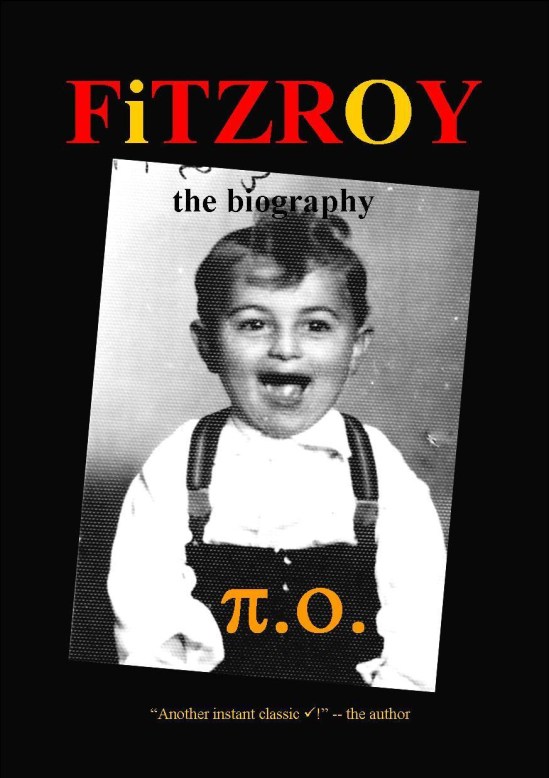
It’d be reasonable to assume that Fitzroy: the biography is about a person rather than a place. On the cover is a photo of Π.O. as a grinning infant, about the age he would have been on first moving to the suburb. The vowels of the title (Fitzroy) are highlighted yellow signalling that the poet, Π.O. (or Pi.O.), is integral to this version of the suburb. The 740-page epic (the same length as his 1996 Fitzroy-based poem, 24 Hours) recounts the life of Π.O.’s Fitzroy. While acknowledging that the suburb has many different selves – is a palimpsest; a space of competing narratives – this study is as much autobiography as biography.

With a contents page arranged alphabetically like a scholarly index, the poem initially appears to be performing as a reference item. Really, it is a catalogue (like Ovid’s Metamorphoses) of the suburb’s changes. Roughly chronological, beginning with a series of portraits and imagined monologues from 19th century settlement and ending with the poet’s own memories, the poem’s scale is vast. In between is a series of ‘creation myths’. We hear how the streets got their names (Young, Webb, George) and the origin of Alcock’s Billiard Table store, on Gertrude Street since 1854 and miraculously still there. We see the Builder’s Arms Hotel, before it was painted white and turned into a restaurant called Moon Under Water. We learn about the Fitzroy childhoods of chocolate millionaire, Macpherson Robertson, and second prime minister of Australia, Alfred Deakin. The advent of footie in Fitzroy, the rise and fall of Squizzy Taylor, the extraordinary role of Pastor Doug Nicholls, and the erection of the council flats (‘Modernism destroyed my whole life’ [607]) are all described with Π.O.’s idiosyncratic specificity, rhythm, and unabashed bias. The same ghostly resonances that were achieved in 24 Hours are present here; the layers of stories convey how contested the space of the suburb is.

In ‘Geoffrey Eggleston (1944–2008)’, Π.O. writes, ‘i wanted to see/ everything, in Melbourne’ (673). As well as wanting to see everything, he appears to want to share with his readers everything he sees. While this is impossible, the mad, kaleidoscopic rush of details gives a sense of infinite completeness. In the fragments, psychic associations and rapid digressions, there is always something new to notice.

Although the structure and scale of Fitzroy: a biography are different to that of its predecessor, 24 Hours, the sensibility behind the poem is recognisable. Even in the imagined monologues of historical figures, and faux archival materials (letters, lists, advertisements, and crime records, which remind me of Charles Reznikoff’s Testimony), there is a latent autobiography. The collaging effect of abruptly juxtaposing miscellaneous facts, and the deliberate (Tarantino-like) anachronisms, stamp the work with Π.O.’s style. Often, the facts that are layered together to create an impression of an historical figure’s life also serve as a commentary on the poet’s writing process. For example, ‘The Latin verb “cogito” (for “to/ think”) etymologically, means “to shake together”./ To smash, to break, to kick down stairs’ (367).

In the later, explicitly autobiographical, poems, there is an openness that is less apparent in the imagined historical monologues, and it is this unmasked storytelling that I think is Π.O.’s forte. From leaving Bonegilla, to being forced to read racist Biggles as a schoolkid, to recalling Allen Ginsberg’s reading at the Town Hall, we see the poet and the suburb of Fitzroy aging in tandem. There are tall stories in which names are dropped (Ted Hughes at the Adelaide Writers’ Festival, whom Π.O. interrogates over Sylvia Plath’s death; Tom Waits, whom Π.O. interrupts while having sex), but also poignant vignettes. At the arrival of ‘students and artists’ in Fitzroy, Π.O.

wrote a poem: Get Out of Fitzroy, and (at night) put
copies of it under / their doors; past their Land Rovers
parked on the footpath, past their Afghan-dogs and
plush-orange carpets; dodging Night watchmen’s torches (in
the only suburb i knew)

(692).

Throughout the collection is the conviction that ‘the future is just “the past” with a bit of a twist’ (45). These changes that Π.O. witnesses in the suburb in his early twenties have always been happening in Fitzroy’s oldest suburb: ‘“Omne vivum ex ovo” (the complete/ description of the organism, is already/ written, in the egg’ (59). But, despite the inevitability of change, there is a sense of grief in these pages at the corrosive effects of gentrification on Fitzroy. Early in the poem, Π.O. writes, ‘The grit must of course, be in/ the oyster’ (133). In The Age this morning (Saturday 27th February, 2016), an article titled ‘Is this hipster heartland losing its cool?’ laments the addition of a Coles supermarket and Subway franchise to Smith Street. According to Fitzroy: a biography, the suburb started to lose its ‘cool’ decades ago, at the arrival of the first hipsters.

Π.O.’s love of his version of Fitzroy, evident on every page, is palpable in ‘Granite Terrace’, in which he wonders about the granite blocks that were removed from a vacant lot and replaced with ‘some shitty little brown-brick factory’ (78). He suggests that the Council should return the granite blocks and ‘scatter them at random (up and/ down) Gertrude and Nicholson Street, as part of/ some public art project’ (79). If this ever happens, Π.O.’s lines should be engraved in them. Meanwhile, perhaps copies of Fitzroy: a biography could be scattered instead, to remind the Coles- and Subway-goers of their suburb’s origins, to put a bit of grit back in the oyster.

*Amy Brown teaches creative writing at the University of Melbourne. Her first poetry collection, The Propaganda Poster Girl, was shortlisted for Best First Book at the 2009 New Zealand Book Awards. The Odour of Sanctity, a contemporary epic poem that formed the creative half of her doctoral thesis, will be released in July 2013.

**From Cordite Poetry Review at http://www.cordite.org.au

Καλή μετάφραση δεν σημαίνει απαραίτητα πιστή

Η συνέντευξη της Χριστίνας Λιναρδάκη στην Άτη Σολέρτη για θέματα μετάφρασης στο περιοδικό vakxikon.gr (τεύχος 32)

Συνομιλήσαμε με την ποιήτρια και μεταφράστρια Χριστίνα Λιναρδάκη για το πολύπτυχο έργο της μετάφρασης και όσα μας είπε κρίνονται πολύ ενδιαφέροντα και ουσιαστικά. H κ. Λιναρδάκη επιμελείται σειρά μεταφράσεων σύγχρονων ποιητών στα τεύχη του περιοδικού Vakxikon.gr, ενώ το 2014 κυκλοφόρησε η μετάφραση της ποιητικής συλλογής Φόρεσέ με του Άμαρτζιτ Τσάνταν από τις εκδόσεις Μανδραγόρας.

Α.Σ.: Έχετε μεταφράσει: Άμαρτζιτ Τσάνταν, Αρίστη Τρεντέλ, Τζων Μπέρτζερ, Ίνγκριντ Γιόνκερ, κ.ά. Θα ήθελα να σας ρωτήσω με τι κριτήρια επιλέγετε συγγραφείς προς μετάφραση;

Χ.Λ.: Επιλέγω να μεταφράσω σύγχρονους δημιουργούς που δεν έχουν ξαναμεταφραστεί και που το έργο τους έχει να μου πει κάτι. Αν λέει κάτι σε μένα, ενδεχομένως να έχει να πει και σε άλλους. Αντίθετα, κείμενα κλασικά, που έχουν μεταφραστεί και ξαναμεταφραστεί, δεν με ενδιαφέρουν. Δεν νιώθω ότι περιμένουν εμένα να τους δώσω νέα πνοή. Μου αρέσει πολύ βεβαίως να διαβάζω μεταφράσεις κλασικών, κυρίως για εκπαιδευτικούς λόγους – διάβασα για παράδειγμα πρόσφατα μια εξαιρετική μετάφραση του Robert Hayden από τον Γιάννη Παλαβό σε γλώσσα εποχής. Όμως ο τρόπος που βιώνω τη μετάφραση είναι ως πράξη επικοινωνίας μεταξύ διαφορετικών τρόπων σκέψης, γραφής και αντιμετώπισης του κόσμου. Αυτή η επικοινωνία με ενδιαφέρει και με ενδιαφέρει ακόμη να γίνεται σε real time, με δημιουργούς που γράφουν τώρα, που αντιλαμβάνονται τον ίδιο κόσμο με εμάς, αλλά με διαφορετικούς τρόπους.

Α.Σ.: Η προσωπικότητα ενός συγγραφέα, ο βίος του γενικά, θεωρείτε πως επηρεάζει τη σχέση του με το μεταφραστή του;

Χ.Λ.: Είναι δώρο για τον μεταφραστή να μεταφράζει έναν συγγραφέα που βρίσκεται εν ζωή. Διότι μπορεί, ανά πάσα στιγμή, να τον συμβουλευτεί και να ζητήσει διευκρινίσεις – χωρίς αυτές να είναι απολύτως δεσμευτικές, γιατί το έργο από τη στιγμή που θα γραφτεί αποκτά δική του υπόσταση, η οποία είναι ανεξάρτητη από την αρχική πρόθεση του δημιουργού του. Αν ο δημιουργός τώρα έχει διάθεση να συνεργαστεί με τον μεταφραστή ή όχι είναι ένα ζήτημα, αλλά δεν μπορώ να σκεφτώ πολλούς δημιουργούς που δεν θα επιζητούσαν μια τέτοια συνεργασία.

Α.Σ.: Πόσο δύσκολο είναι το έργο ενός μεταφραστή; Πού εντοπίζονται δηλαδή οι δυσκολίες που έχει να αντιμετωπίσει;

Χ.Λ.: Υπάρχουν άπειρες δυσκολίες, διότι το ζήτημα δεν είναι μόνο να εξευρεθούν οι κατάλληλες λέξεις. Το ζήτημα είναι να μπορέσουν να αποδοθούν το νόημα, το ύφος, το στιλ και η δύναμη του κειμένου. Να αποδοθεί η ψυχή του, θα λέγαμε, ακόμη και εις βάρος της ευθείας αντιστοιχίας των λέξεων μεταξύ της γλώσσας-πηγής και της γλώσσας-στόχου. Ο μεταφραστής οφείλει να αναζητήσει τν αρχική πρόθεση του συγγραφέα και να την αναπλάσει – ακόμη κι αν το κείμενο αψηφά τον δημιουργό του, όπως είπαμε νωρίτερα. Από την άλλη, ο μεταφραστής θα πρέπει να προσέξει να μην παίρνει υπερβολικές ελευθερίες: να μένει κοντά στο κείμενο και σε αυτό να επιστρέφει, αυτό να αφουγκράζεται. Το κείμενο, όχι τις εσωτερικές του φωνές.

Α.Σ.: Υπάρχει κάποιο μυστικό για μια καλή μετάφραση;

Χ.Λ.: Καλή μετάφραση δεν σημαίνει απαραίτητα πιστή – το υπονόησα μόλις. Η καλή μετάφραση είναι εκείνη που ισορροπεί σταθερά ανάμεσα στην ψυχή και το σώμα του κειμένου, ανάμεσα στην πρόθεση του δημιουργού και την ανάγνωση του μεταφραστή, ανάμεσα στον κόσμο που πλάθει το κείμενο και την εσωτερική αναπαράστασή του. Στο σημείο αυτό φθάνει κανείς δύσκολα, μετά από πολλές δοκιμές, ερμηνείες και παρερμηνείες. Δεν ξέρω αν υπάρχει κάποιο μυστικό. Αλλά, αν υπάρχει, είναι προσωπικό για τον καθένα.

Α.Σ.: Πιστεύετε πως καταφέρνει να παρουσιάσει ένα πιστό αποτέλεσμα στον αναγνώστη ένας μεταφραστής που βασίζεται και μεταφράζει από μια γλώσσα-γέφυρα και όχι από το πρωτότυπο;

Χ.Λ.: Αυτό είναι πολύ σημαντικό σημείο. Πέρυσι, μαζί με τον Ανδρέα Πιτσιλλίδη, επιλέξαμε και μεταφράσαμε ποιήματα του Άμαρτζιτ Τσάνταν. Τα περισσότερα ήταν ήδη μεταφρασμένα μία φορά, στα αγγλικά, από τα punjabi στα οποία ήταν γραμμένα αρχικώς. Η γλώσσα punjabi έχει πολλές αναντιστοιχίες με οποιαδήποτε δυτική: έχει διαφορετική δομή και κάποιες έννοιες απουσιάζουν τελείως. Το πρόβλημα αυτό διείσδυσε στην αγγλική μετάφραση και θα μπορούσε να μας είχε βγάλει από τον δρόμο μας σε σημαντικό βαθμό, αν δεν είχαμε διαρκή επικοινωνία με τον ποιητή ο οποίος μας διευκρίνιζε ξανά και ξανά ορισμένα σημεία. Σε άλλες περιπτώσεις όμως, όπου η επικοινωνία με τον δημιουργό ενός κειμένου δεν είναι εφικτή, θα πρέπει να επιστρατευθεί κάποιος που η γλώσσα του πρωτοτύπου είναι μητρική του και που γνωρίζει καλά και την ελληνική. Αυτό δηλαδή που έκανα με τα ιαπωνικά χαϊκού που γράφηκαν αμέσως μετά το τσουνάμι και τα οποία μετέφρασα από τα αγγλικά. Συνεργάστηκα έπειτα με μια Γιαπωνέζα φιλόλογο που ζει πολλά χρόνια στην Ελλάδα, η οποία έλεγξε τις μεταφράσεις σε σχέση με το πρωτότυπο. Έτσι, το αποτέλεσμα διασφαλίστηκε όσο γινόταν περισσότερο.

Α.Σ.: Ποιο θεωρείτε πως είναι το μεγαλύτερο δώρο που εισπράττει ένας μεταφραστής μέσα από τη δουλειά του;

Χ.Λ.: Η ικανοποίηση που εισπράττει κάθε άνθρωπος που ολοκληρώνει ένα δύσκολο έργο. Ότι μπορεί να τα καταφέρει, μπορεί να μπει στη φωτιά και να βγει αλώβητος. Ακόμη, ότι έγινε πιο πλούσιος σε γνώσεις, ότι έμαθε κάτι παραπάνω.

Α.Σ.: Πόσο μεγάλος είναι ο κίνδυνος το προσωπικό συγγραφικό ύφος του εκάστοτε μεταφραστή να επηρεάσει το προς μετάφραση έργο; Ιδιαίτερα όταν κι ο ίδιος συγγράφει όπως συμβαίνει και μ’ εσάς.
Χ.Λ.: Ο κίνδυνος είναι υπαρκτός και μεγάλος. Όμως ένας καλός μεταφραστής με πείρα διαθέτει συναγερμούς διαφόρων ειδών που τον ειδοποιούν για τέτοιου είδους κακοτοπιές. Γι’ αυτό, άλλωστε, πρέπει να μένει συνέχεια κοντά στο κείμενο, όπως ήδη είπα. Επίσης είναι χρήσιμο να γνωρίζει και το γενικότερο έργο του δημιουργού, να έχει εξοικειωθεί με τον τρόπο που γράφει.

Α.Σ.: Υπάρχει κάποιο λογοτεχνικό είδος, στο οποίο να έχετε μια ιδιαίτερη προτίμηση ή ενδεχομένως και να έχει ασκήσει επιρροή στη γραφή σας;
Χ.Λ.: Αγαπώ την ποίηση. Με συγκινεί η δύναμη που συμπυκνώνεται στη μικρή, ελλειπτική της φόρμα. Γι’ αυτό πάντα στην ποίηση επιστρέφω με διάφορες ιδιότητες: ως μεταφράστρια, ως αναγνώστης, ως κριτικός – παλαιότερα και ως ποιήτρια η ίδια. Γι’ αυτό άλλωστε δημιούργησα και το blog στίγμαΛόγου, το οποίο ξεκίνησε ως αμιγώς ποιητικό και σήμερα έχει ανοιχτεί σε πολλά πεδία. Δεν θα ήταν εφικτό να το διατηρήσω τρία χρόνια τώρα, βέβαια, αν δεν είχα την πολύτιμη βοήθεια του Ηλία Παππά αρχικά και της Κρις Λιβανίου στη συνέχεια, αλλά και όλων όσων μας τιμούν με τα κείμενά τους.

Α.Σ.: Τι μπορεί να σας εμπνεύσει και να σας δώσει κίνητρο για να γράψετε;

Χ.Λ.: Τα μεγάλα –πάντα άλυτα– ζητήματα της ζωής: η αγάπη, ο έρωτας, ο θάνατος, η ζωή, καθώς και η ένταση και τα γιατί που συνδέονται με αυτά. Αλλά και η τριβή μου μαζί τους: το σημείο που με υπερβαίνουν, με μηδενίζουν και με καταργούν ή το σημείο που με εξυψώνουν. Ακόμη, όλες οι αφηγήσεις που λαμβάνουν χώρα μέχρι να συμβεί το ένα ή το άλλο.

Α.Σ.: Πώς κρίνετε τη σύγχρονη κοινωνική και λογοτεχνική πραγματικότητα;

Χ.Λ.: Τη βρίσκω απογοητευτική. Θα ήθελα πολύ να συμμεριστώ τον ενθουσιασμό όσων υποστηρίζουν ότι η πληθώρα των έργων που εκδίδονται ισοδυναμεί με διάθεση ανάτασης ενός λαού, αλλά δεν μπορώ. Το σύγχρονο φαινόμενο που παρατηρείται σε μαζική κλίμακα, όλοι να θέλουν να εκδώσουν ένα βιβλίο πληρώνοντας τα έξοδα και αγοράζοντας ουσιαστικά τον τίτλο του συγγραφέα, είναι φρικτό. Συσκοτίζει το τοπίο τόσο ώστε δεν μπορεί πια ο αναγνώστης να διακρίνει, μέσα στον σωρό, τη δουλειά που αξίζει. Και προσθέτει στο σώμα της λογοτεχνίας δυσβάστακτο βάρος. Είναι κρίμα, πραγματικά, που γίνονται έτσι πλέον τα πράγματα, χωρίς κάποιο φίλτρο από τους εκδοτικούς οίκους και με την κριτική να μη λειτουργεί σωστά.

Α.Σ.: Ποια είναι τα επόμενά σας σχέδια; Αναμένεται να εκδώσετε κάποιο βιβλίο;

Χ.Λ.: Επί του παρόντος, μεταφράζω ποιήματα από την τελευταία ποιητική συλλογή της Αρίστης Τρεντέλ. Πρόκειται για ποιήματα ιδιαίτερα και δυσμετάφραστα, όλο παρηχήσεις, λογοπαίγνια και παραπομπές σε στίχους άλλων ποιητών, όμως είναι για μένα μεγάλη πρόκληση η αναμέτρηση μαζί τους. Έχω μεταφράσει στο παρελθόν και διηγήματα της Αρίστης, σε συνεργασία με τον Τάσο Αναστασίου. Η Τρεντέλ έχει ευαίσθητη γραφή και πολυεπίπεδη, λόγω και της βαθιάς γνώσης της στην ποίηση. Αυτό θα είναι ένα επόμενο βιβλίο και ένα άλλο θα είναι τα χαϊκού για το τσουνάμι, που σας έλεγα πριν. Αλλά θα ήθελα επίσης να μεταφράσω το συντομότερο μια ανθολογία ποιημάτων της Ίνγκριντ Γιόνκερ και είμαι σε διαδικασία αναζήτησης της κόρης της για τα σχετικά δικαιώματα.

Α.Σ.: Τέλος, θα ήθελα να σας ευχαριστήσω από καρδιάς που με τιμήσατε με αυτή τη διαδικτυακή συνομιλία, να ευχηθώ καλή επιτυχία στο σημαντικό έργο σας και να σας ζητήσω να κάνετε μια ευχή!

Χ.Λ.: Το μόνο που εύχομαι είναι να ξημερώσει ένας καλύτερος κόσμος για όλους μας… Θα ήθελα κι εγώ να σας ευχαριστήσω που επιλέξατε εμένα να συνομιλήσετε, τη στιγμή που υπάρχουν τόσοι καταξιωμένοι, γνωστοί και πολύ αξιόλογοι μεταφραστές με έργο πολλαπλάσιο του δικού μου. Καλή σας συνέχεια σε ό,τι κάνετε!

*Από το ιστολόγιο Στίγμα Λόγου στο http://stigmalogou.blogspot.com.au/2016/02/blog-post_8.html?utm_source=feedburner&utm_medium=email&utm_campaign=Feed:+blogspot/JkQng+(%CF%83%CF%84%CE%AF%CE%B3%CE%BC%CE%B1%CE%9B%CF%8C%CE%B3%CE%BF%CF%85)

**Στο βίντεο η Χριστίνα Λιναρδάκη διαβάζει ένα δικό τηε ποίημα.

Robert Wood, The New Reality in Australian Poetry

Adelaide-to-Perth-TrainWEB

The generation of Murray is not my generation. The generation of Adamson is not my generation either, nor is it Tranter’s or Kinsella’s. My generation is a new generation in Australian poetry. In this era of the ‘contemporary’, particularly as a political proposition after the end of history, it is a dangerous endeavour to suggest there is a modernist / social realist debate. And while the actors have undoubtedly changed (as has the world and its labels) we can discern two such derivative realities in the newest generation of Australian poets. These poets are working in ‘deformed realism’ and ‘sentimental radicalism’.

I take as foundational in the modernist / social realist debate the division that emerged in World War Two Australia and was later embodied by Katharine Susannah Prichard and Dorothy Hewett in the field of poetry. Of course, one could look to Lukacs and Adorno for similar faultlines, or to Albert Tucker and Neil Counihan, but given my position on Noongar country it is important to see what sediment exists here in and of itself. This then is a genealogical and sociological position, not a search for roots or an importation of culturally sanctioned and accumulated references.

Both modernism and social realism are important unconscious aesthetic influences in today’s new generation of Australian poets. This is simply one way of organising these groups and is a poetics of critique and projection not an inalienable and incontestable truth. If one chose to, one could organise the whole in a different way; for example, somewhat predictably, by authorial identity. I would welcome that if only to see how allegiances shift and groups coalesce around different stories. But authorial identity is a red herring and poor analytical tool at the best of times. It ultimately displays a myopic liberalism in the reigning paradigm of identity politics that focuses on the life rather than the art, and fails to come to terms with the death of the author.

That modernism and social realism haunt Australian poetry, now, seems to me to be in their complicated historical positions, for they have dripped down, leaving not so much inheritors in a strict lineage but rather a spectral presence. This is no doubt due to the elasticity of their original definitions and the catholic breadth of today’s poets. Indeed, the following observation from Martin Duwell’s reference to the ’68 generation seems so outdated that it has no resonance now. He wrote:
Continue reading

George Mouratidis 
reviews Audacious 1

IssueOneCover-copy

Audacious 1
by Benjamin Solah
 (ed.)
Melbourne Spoken Word, 2015


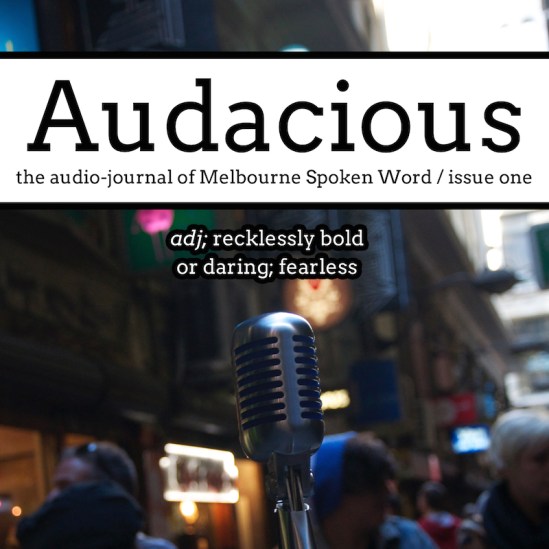
Coming straight at your inner eardrums is the debut volume of Audacious, the audio journal of Melbourne Spoken Word. Like a night at Passionate Tongues, or an afternoon at the Dan, this collection presents a variety of poets at different levels of artistic development. Some are seasoned and in full flight, while others are up-and-comers still finding their voice. In this volume at least, Audacious offers more of the latter. But the uneven, unpredictable quality of live poetry gigs – where sometimes you connect with just one poet – more often than not gives enough to make your night. In this sense, Audacious is an accurate reflection of local spoken word: certainly a gamble, but one well worth taking.

Live poetry in Melbourne is a jumping crisscrossing of mic leads and literary live wires where Melbourne Spoken Word (MSW) is ever-present, organising and promoting a broad spectrum of poetry events. In this spirit Audacious has potential as another developing platform for Melbourne’s spoken word scene. By no means the first of its kind, issue one is preceded by similar chronicles of audio poetry such as Project 3056(2010) compiled by poet Benjamin Theolonious Sanders (IQ), and sits alongside the recent audio accompaniment to Unusual Work 18. While these latter collections may be more nuanced in their focus, what makes Audacious distinct is precisely the unevenness characterising its inaugural outing. The loose, open-ended journal format suggests malleability – a potential to reflect changes in the scene as they come. The motley collection spotlights one camp in a diverse local scene: one frame of a landscape in constant flux, this is by no means a definitive guide, but rather a point of entry.

The best moments in Audacious are when the categories of poetry and performance support one another; or perhaps, when artists are least self-conscious of these categories. Jacky T’s ‘Landmark’ is exemplary of this and a highlight of the collection. The home truths of the poem – loss and the desperate banality of living in its wake – emerge painfully through voice and its tension with the music simmering underneath. Like a held breath, pushing the words forward, the listener is held by every impression until the poem’s final line: ‘As the traffic lets up, you hold a note and bend it / We listen as we pass.’ And then the music pours forth like an exhalation, a release for the grief that words cannot find.

In regrettable contrast are the frequent attempts to conform to tired notions of ‘poet’ or ‘slammer’. These are immediately apparent in clumsy, forced rhyme (‘this age of apathetic muscles, collapsing corpuscles […] lost in the vortex of your cerebral cortex’ – O’Sullivan’s ‘Language of Ghosts’; ‘gyrate with my mates in my irate pirate crew’ – Dennis’ ‘Pirates’), exaggerated breaths (Hassell’s ‘The Talk’), inexplicable climaxes and denouement (‘you couldn’t even decide between being a couch … or a bed / You don’t know who the fuck you are!’ – Weitzman’s ‘Couch’) and lackluster repetitions (‘we can’t see you we can’t see you we can’t see you’ – Fury’s ‘Google’). The self-loving arrogance evident in ‘I make love to the lyrics of the words of the songs I have written for the girls’ (‘The Talk’) is, contrary to the poem’s intentions, neither sensual nor liberating. The (mis)appropriation of once politically-charged forms like slam is the aural equivalent of donning a Che Guevara t-shirt – opportunistic and insincere in spite of the purported political awareness of the wearer. These poems and their delivery exemplify US slam poet Taylor Mali’s point about performance-poetry-by-numbers in his now classic ‘How to Write a Political Poem’: ‘Mix current events with platitudes of empowerment. / Wrap up in rhyme or r-r-r-r-rhyme it up in rap until it sounds cool.’ In other words, what is actually being said becomes secondary, incidental to the form. The uncritical adoption of the stylistic idiosyncrasies of performance poetry, slam, and hip-hop – from the punchy delivery and syncopations, down to the drawn breaths and American swagger – are imitation verging on parody. There are even instances where the accent shifts from Australian to American within the same piece.

Things don’t really start to cook until the third track. Anastasi’s ‘Initiation’ is conspicuous by its comparative modesty: at forty-four seconds it is lamentably short. ‘An abrasive lace-lined collar / the tickle of water winding between nose and cheek / the forming of hands into towers…’ delivers the listener directly into the sacramental moment. The economy of sound and word carves intimacy in earnest between poet and listener. Like any good performance, the occasional bum note or clichéd phrase is eclipsed by sincerity of feeling. Richardson’s ‘Love Song to Poetry’ is another case in point: ‘There among the used condom heaps of the world, among the McDonald’s wrappers and discarded babies’ toys I saw poets hanging on meat hooks … I saw the hero with a thousand names knowing anything is possible…’ Here, and in the poems that storm the album home (Woolf’s ‘Beloved Brother,’ Burrows’ ‘Cancer,’ Sapoznikoff’s ‘Grip’ and Supski’s ‘For Them / There’) delivery is unaffected, conjoining voice and word in unusual ways. Supski’s poem is another major highlight. A biting response to Audre Lorde’s maxim, ‘Poetry is not a luxury / It is a vital necessity of our existence,’ Supski asks, ‘Can a word unlock / unlock a door? / Can a word cut / cut a barbed wire / barbed wire fence?’ The urge to weed out tired devices and trite observations is enacted in poems such as this, with earnestness unfeigned and unafraid.

The journal’s editor and MSW’s founder, Benjamin Solah, navigates these disparate poems by underscoring their contrast to one another. Following Solah’s argument for a subjective definition of ‘slam’ in his article ‘In Defense of Slam,’ the interpretation of spoken word here is also subjective: we get from it what we bring to it. With this collection, Solah doesn’t attempt to unify these performances or define spoken word:Audacious invites the listener to make their own inquiries and reevaluate their own preconceptions. The first issue of Audacious may be a little unsure of itself, but these are the understandable growing pains of a debut. Proving that poetry is always in flux,Audacious is now already somewhere else. Its second volume, released earlier this year, suggests an encouraging improvement in content and a broader collection of voices. It is well on its way to becoming an important platform and proving ground for Melbourne’s spoken word artists.
This entry was posted in BOOK REVIEWS and tagged Benjamin Solah, George Mouratidis. Bookmark thepermalink.

*George Mouratidis is a Greek-born Beat scholar, poet, and translator of Modern Greek literature. He was a contributing editor of Jack Kerouac’s On the Road: The Original Scroll (2007), for which he wrote a critical introduction. He has taught Cultural Studies at RMIT University and American literature at The University of Melbourne where he is currently completing his PhD on the Beats. His translation of Greek-Australian poet Nikos Nomikos titled Noted Transparencies is due out in May with Owl Press, and his debut collection of poetry, Angel Frankenstein, is due later in the year with Soulbay Press.

**Taken from Cordite Poetry Review at http://www.cordite.org.au

1919-1950: The politics of Surrealism

landscape

A history of Surrealism and its links with politics and, in particular, anarchism and socialism.

It’s noticeable how mainstream writers writing about Surrealism play down the politics. For example in the massive book on Breton, Revolution and the Mind: The Life of Andre Breton the author Mark Polizzotti passes over the links beween Surrealism and anarchism in a couple of sentences . This despite the signal devotion of Breton in showing solidarity, as one of a few intellectuals to support the libertarian movement in a period of repression. and despite the fact that the Surrealists wrote a weekly column for Le Libertaire, a paper with not an inconsiderable readership.

“It was in the black mirror of anarchism that surrealism first recognised itself.” Thus wrote unequivocally the “Pope of Surrealism”, Andre Breton in 1952. Breton had returned to France in 1947 and in April of that year Andre Julien welcomed his return in the pages of Le Libertaire the weekly paper of the Federation Anarchiste.

But why had not the Surrealists associated themselves before 1947 with the ideas of revolutionary anarchism? This radical art movement which had a fierce hatred of authority and religion was a natural ally. Indeed the art movement of Dada, in many ways a precursor and influence on Surrealism, had emerged in Zurich in 1916 as a reaction to the savagery and slaughter of the World War. Breton himself was influenced by the poet Jacques Vache whom he met in 1919. Breton was to note in the same 1952 article that: “At that time, the surrealist refusal was total, and absolutely incapable of allowing itself to be channelled at a political level.

All the institutions upon which the modern world rested-and which had just shown their worth in the First World War – were considered aberrant and scandalous to us. To begin with, it was the entire defence apparatus of society that we were attacking: the army, ‘justice’, the police, religion, psychiatric and legal medicine, and schooling”. He went on to demand: “Why was an organic fusion not operated at this moment between anarchist and surrealist elements?” and explained ” It was undoubtedly the idea of efficiency, which was the delusion of that period, that decided otherwise. What we took to be the triumph of the Russian Revolution and the advent of a workers’ state led to a great change in our outlook. The only dark spot in the picture – which became an indelible stain – was the crushing of theKronstadt insurrection of 18 March 1921.”

Solidarity
The surrealists had not hesitated in 1923 in showing solidarity with the young anarchist woman Germaine Berton who had killed an activist of the extreme right nationalist party L’Action Francaise and who was aqcquitted in a jury trial! Another member of the surrealist group, Robert Desnos, had associated with the individualist anarchist circles of Victor Serge and Rirette Maitrejean, whilst according to a police record, the surrealist poet Benjamin Peret had been active in an anarchist group in the Paris region and had contributed to the anarchist paper Le Libertaire. All the surrealists attentively read the anarchist press in this period. However, they were put off by the incoherence of the French movement and remembered how some had supported the Allied effort in the World War. When Breton took over as editor of the review La Revolution Surrealiste from Antonin Artaud he wrote most of the collective texts like the revolutionary Open the Prisons! Disband the Armies!

The Surrealists also leapt to the defence of the young woman Violette Noziere who had poisoned her father. Violette accused her father of having systematically raped her from the age of 12. The Surrealists used the trial to denounce the bourgeois family and bourgeois hypocrisy.

In January 1927 5 members of the Surrealist group joined the Communist Party: Breton, Aragon, Eluard, Unik and Peret. Others, like Desnos and Miro refused to join. Even with Breton, Party membership was with qualifications. He saw the Communist programme as only a minimum programme, and criticised the Party paper as “Puerile, uselessly declamatory, cretinous, unreadable; completely unworthy of the role of proletarian education that it tries to assume”. Whilst Aragon transformed from the “most libertarian spirit of the Surrealist group” into a horrific Stalinist hack who wrote poems honouring the Russian secret police the NKVD, others who had joined the Party began to feel distinctly uncomfortable about the Moscow show trials. It was a stormy period for the Surrealists as they tried to participate as they saw it in the workers’ revolution, whilst at the same time safeguarding their own specific preoccupations, and fighting against the Party leadership’s attempts to keep them on a tight rein. Breton was expelled in 1933, and at a Party-controlled International Congress for the Defence of Culture the Surrealists were denounced and were only allowed to speak on the last day at 2 in the morning!

Trotsky
By now some of the Surrealists were allying with Trotskyism and oppositional Bolshevism. Peret made contact in France and Brazil with the Communist Union and the Internationalist Workers Party. Breton made contact in Mexico with Trotsky when he was put in charge of a series of conferences at Mexico University on Poetry and Painting in Europe in 1938. Together with Trotsky and the Mexican painter Diego Rivera he drafted For an Independent Revolutionary Art which announced that “The revolution is obliged to erect a socialist regime with central planning; for intellectual creation it must, even from the start, establish an anarchist regime of intellectual liberty. No constraint, not the least trace of command”. This contradictory and bizarre document seems to have been written by Breton and amazingly Trotsky, with Rivera substituting for Trotsky’s signature when he got cold feet. It is not clear when Trotsky helped write this document what he thought he was doing, as it went against everything he had ever done or said.

Durruti
Peret for his part had gone as delegate of the Internationalist Workers Party to the Civil War and Revolution in Spain. Here he worked as a radio broadcaster for the anti-Stalinist Marxist party the POUM, but left this post when he criticised this organisation for participating in the Catalan government. He joined the anarchist Durruti Column on the Aragon front. “All collaboration with the POUM was impossible, they wanted very much to accept people to their right, but not to their left. I have decided to enter into an anarchist militia, and here I am at the front, at Pino de Ebro”, he wrote to Breton. Two years later he paid tribute to Buenaventura Durruti, after whom the Column was named. “I have always seen in Durruti the most revolutionary anarchist leader, whose attitude was most violently opposed to the capitulations of the anarchists who had entered the government and his killing moved me very much. I think that the lesson that was the life of Durruti should not be lost.” Returning to France, he was called up at the start of the war. He was arrested for distribution of leaflets of “an anarchist character” and after a prison term managed to escape to Mexico. Here he undertook a thoroughgoing critique of Trotskyism and distanced himself from its organisations. Writing later in a letter to Georges Fontenis, the French libertarian communist militant, he remarked: “If the disappearance of the State can not be envisaged in the immediate, it is no less true that the proletarian insurrection must mark the the first day of the death agony of the State”.

Arrogance
After the War the Surrealists began to collaborate with the Federation Anarchiste. Fontenis and another militant of the FA, Serge Ninn, maintained good contacts with the Surrealists, the former becoming a friend of Breton. In 1951, the Surrealist started to write a regular weekly column in Le Libertaire – Le Billet Surrealiste. A series of articles by Peret were also published in Le Libertaire which characterised the unions as counter-revolutionary organisms and put forward workers councils as an alternative. The FA were in disagreement with him on this and published a reply in the paper. Peret was certainly in advance of French anarchists on this question. The controversy here was fraternal, but in a later Billet the Surrealist Jean Schuster insisted that the Surrealists should take charge of the intellectual struggle, whilst the anarchists got on with the economic and social struggle. This elitist arrogance stirred up a lot of trouble, and the relationship between the Surrealists and the anarchists began to cool and the last Billet appeared in Le Libertaire in January 1953.

The article Poet, that is to say Revolutionary written by Peret, the most politicised and revolutionary of the Surrealists, that appeared in the paper in 1951 said the essential. He showed up to what point poetry is revolutionary but he added: “It does not follow that the (the poet) puts poetry at the service of political action, even if it is revolutionary,” (Which was certainly never the wish of the anarchist militants of the period) . “But his quality of poet makes him a revolutionary who must struggle on every terrain: that of poetry by his own means and on the terrain of social action , without ever confusing the two fields of action”.

Synthesis
Apart from Breton and Peret the other Surrealists were never seen on the field of social action. Breton was consistent in his support for the Federation Anarchiste and he continued to offer his solidarity after the Platformists around Fontenis transformed the FA into the Federation Communiste Libertaire. He was one of the few intellectuals who continued to offer his support to the FCL during the Algerian war when the FCL suffered severe repression and was forced underground. He sheltered Fontenis whilst he was in hiding. He refused to take sides on the splits in the French anarchist movement and both he and Peret expressed solidarity as well with the new FA set up by the synthesist anarchists and worked in the Antifascist Committees of the 60s alongside the FA.

Some were able to synthesise anarchism and Surrealism on an individual level even if it had not happened on a collective level.The poet Jehan Mayoux, great friend of Peret, the son of anarchists and anti-militarists, joined the Surrealists at the end of the 20s. Called up at the start of the war, he went AWOL and was imprisoned. Escaping, he was captured by the Germans and sent to a concentration camp from which he was liberated in 1945. He continued to take part in libertarian activity up to his death. Jean-Claude Tertrais participated in Surrealist activities in the 50s whilst Breton was still alive. Called up during the Algerian war, he went AWOL and was sent to the hellish “Disciplinary Battalions”. He joined the FA on his release, contributing articles on surrealism to the FA paper Le Monde Libertaire.

However, as Fontenis was to remark: “It is true that, too often, poets are just poets, without being really revolutionary, no insult to B. Peret intended, and if sometimes they attach themselves to the movement of the masses they often fixate on individual high deeds, on spectacular subversion, on illegalist deeds, rather than on the hard daily struggles… As much as it is preferable that the libertarian movement stays intimately linked to the spirit of revolt of the poets, as much it is prejudicial to subject its revolutionary views to the fantasies of men of letters. Yes to implacable revolt, yes to insurrection, yes to the libertarian spirit… but is this a reason to leave on the side the anarchist thought and the class action that nourishes it and that it inspires?”.

Further notes
Other criticisms can be made of Surrealism – the individual intolerance and authoritarianism of Breton, the sexism and homophobia, the cod Freudianism, the dubious celebration of sexual violence – but that would require an article in itself. 

Whatever you do read Breton’s Claire Tour – his enthusiastic ode to anarchism. It’s been translated into English as The Lighthouse in the Drunken Boat, an anthology of writings on anarchism and art available from Freedom and AK Press.

By Nick

*Written by Nick Heath, edited by libcom and published at https://libcom.org/history/1919-1950-the-politics-of-surrealism

Dimitris Tsaloumas and the music of the unseen

Nick Dorey, An ointment isn’t an antidote, 2016, site-specific mixed media installation. Courtesy the artist. Photo: Zan Wimberley. Part of the exhibition Dämmerschlaf at Artspaceuntil 28 February 2016

Nick Dorey, An ointment isn’t an antidote, 2016, site-specific mixed media installation. Courtesy the artist. Photo: Zan Wimberley. Part of the exhibition Dämmerschlaf at Artspaceuntil 28 February 2016

BY VRASIDAS KARALIS

The recent death of the poet Dimitris Tsaloumas (1921-2016) offers the sad but necessary opportunity to revisit and re-read his work — not only as a conventional tribute to his life but mostly as a re-interpretation of his moment in the literary life of Australia. It is true that it took some time to include his work in the official anthologies of mainstream Australian poetry. By the nature of his work also he was never included in anthologies of anti-mainstream poetry; his work had something profoundly conservative in its own constitution yet at the same time, when he appeared in Australian letters in 1983, he brought something new, somehow challenging to the reading and writing addictions of that era.

Tsaloumas’ work evolved during a period when all possibilities were re-opened in Australian society. It was a period of intense optimism, curiosity and existential naiveté. Borders collapsed, communications were intensified and the need to express the visible social differentiation became imperative. Such optimism was both a need and a desire: by the 80s, the old elaborate poetic edifices of Kenneth Slessor, A.D. Hope and Judith Wright were revered but seriously questioned by the anarchic voices of Les Murray, John Tranter, Bruce Beaver, John Blight, Robert Adamson, Robert Gray amongst others. His first translated collection of poems The Observatory (1983) was in a way the culmination of his poetic trajectory in Greek, one which had started almost 35 years earlier. In the collection, through the mediation of Philip Grundy, Tsaloumas entered the English language, expressing, like so many bicultural creators, Greek emotions in English words. His second translated work The Book of Epigrams (1985) characterised by its constant concern for formal completeness, framed the iconography of a deep poetic territory full of symbols and images that reached back to classical Greece.

Dimitris Tsaloumas. Image thanks to UQP

Dimitris Tsaloumas. Image thanks to UQP

After 1988, Tsaloumas wrote his work in English. He became an Australian writer—although identity politics or the need to belong, the faddish ideologies of the period, never played any significant role in his work. HisFalcon Drinking (1988) is one of the most intricate and complex poetic works of the 80s in Australia. It is characterized by many competing voices, (he calls them variations,) which somehow converged on the solidity and the precision of a ‘strong’ poetic form. Tsaloumas’ poetry is structured around the music pattern of theme and variation—and most of his works in English maintain this tonal configuration as the basis of his poetic voice. In a sense he is the Stravinsky of Australian English: through his Hellenic classicism he tamed and subdued the fierce outbursts of his romanticism. His romanticism was the result of his nostalgia for his native island as well as a consequence of his politics. Tsaloumas migrated to Australia in 1952 for political reasons, and ideological rage against injustice can be felt throughout his poetry, as it could through his personality. His migration to English, however, established the need for what W.H. Auden called ‘formal order’—and this essentially provided the poet with a focused landscape and a centred vision of the world.

Even before this translingualism, there was always a unified poetic subjectivity in his verses. Furthermore, despite his modernist origins, in the works of T.S. Eliot and George Seferis, the aesthetics of fragmentation never exercised any serious allure for him. By writing in English, Tsaloumas experimented with new formal arrangements and formations, testing the limits of his own poetic world and the limitations of his Australian English. Sometimes, his language is heavy and slow, but when he succeeds, his work is full of energetic fluency and vibrant demoticism. This can be felt in Portrait of Dog (1991), The Barge (1993) and The Harbour (1998), three collections replete with the irregularities of Australian colloquialisms, the emotional force of oral directness and the agility of vocal intonations all tamed by the steady pace of versification, the exactness of verbal expression and the precision of his stanzas.

In his later work, like New Poems (1999), Sunrise with Sparrow (2000) andHelen of Troy and Other Poems (2007), Tsaloumas simplified his idiom, by dissolving the dense patterns of theme and variations and exploring the absolute simplicity of expression, through the rediscovery of the trite and the banal. These works are precious examples of Edward Said’s ‘late style’ as the poet abandoned all the verbal complexities that gave his known style its very specificity. With them he immersed himself into what Roland Barthes considered the ‘zero degree of writing,’ discarding all metaphors and pre-ordained orders of expression. His last works are structured around verses of felicitous transparency and Edenic freshness, despite the fact that they resonate with ominous feelings and articulate necromantic utterances. His modernist experimentation with form received in them its most astute re-imagining. Now the subtle rhythmic patterns underneath the verses marked the imperceptible transitions to musical tonalities beyond meaning; the central theme of these poems, that all explore the ‘truth of noble substance’ (‘Helen of Troy’), is the ineffability of death, the silence of all history in front of the unanswerable mysteries of being. The Greek word ‘telos’, meaning both end and purpose would have been the proper way of finishing a complete life, a life of juxtapositions and convergences.

Tsaloumas’ work is an emblematic achievement of poetic translingualism. Poets live in specific places and specific times: the quest of the critic is to find that place and time, localize its coordinates and give it a name. Sometimes the homelessness of the critics and their mind is projected on the imaginative universe of the poet; thus the very specificity of the poem becomes a shadow marker of the critic’s own question for domesticity. The critical task is to reconstruct the homeliness of the specific poetic language, to see the poet’s world as an autotelic form and not as a comment on society, politics or sexuality.

Tsaloumas’ poetry is prone to be fragmented by its interpretation: Greek-Australian, Australian-Greek, modernist, formalist, conservative, diasporic and much more. We must see his work as a totality, as the formal crystalisation in language of the existential experience of a specific individual and not as the fragment of a missing reality. He was all of the above and his language clearly shows it: from his early poems in Greek to his mature poems in English and Greek, the poetic world was expanding, contracting and simplifying itself in an admirable and somehow challenging way. If there is a constant parameter of his language, it can be characterised as an assembly of nouns and not as a collection of adjectives. Structured around raw materials and based on the gravity of solid references, his verses resonate with the staunch attempt of many poets worldwide in the same period to save the language of poetry from the danger of meaninglessness and the anxiety of trivialisation.

With his deep classical education, he avoided the over-sophistication of contemporary self-referential modernist forms. His verses are rough and somehow harsh; so they have to be read as unities, as complete stanzas, and not as isolated verses. Tsaloumas was the poet of formal quest; he struggled to formulate the density and the regularity of a distinct formal configuration in order to localise his poetic voice and avoid the accusation of a poet writing in a foreign language, de-territorialised, un-centred, homeless.

His poems will be read time and again by young poets who want to feel the otherness of poetic language or experience the otherness within the poetic language. His translingualism is the home of contemporary sensitivity: ‘I arrived on time though I had no address,’ he says one of his poems. He reached Australian poetry at the right moment, when a poetic regime change was necessary and desired. He contributed with his polyphonic variations to re-arrange the tonalities of poetic language until he reached the limitations of his own idiom. ‘Your struggle,’ he says in another poem, ‘is with the unseen, the beast that never yields.’ In his best poems, we have the impression that the unseen had found its proper musical translation and has localised a home for his poetic existence. As long as young poets exist who worship the plasticity and the solidity of poetic expression, his work will be read—and that’s greatest praise anyone can give a poet.
*
Our first essay this week is by Sophia Barnes, who considers three new books by Australian women writers: Beth Yahp’s Eat First, Talk Later, Drusilla Modjeska’s Second Half First and Debra Adelaide’s The Women’s Pages. What these books share is an interest in how the stories of women are told and retold. In ‘What To Leave Out’, Barnes writes:

Two memoirs, one fiction? Or one family history, two fictions entwined into a single narrative, and a ‘reflection on the arc of a life’? All three of these books show women writing themselves into being, as they construct narrative from the raw materials of unwieldy lives, whether imagined or real. Each writes and rewrites sensation, tactile detail, exchange or confrontation, revising and rediscovering through the process. The compulsion to self-transcription is persistent, whether it be in the service of self-discovery, exploration or interrogation; whether it comprises reflection, hindsight, or the recovery of stories which might otherwise be lost; whether it functions to challenge or to reinforce, as transformation or as testament – or simply as record.

William Finnegan’s memoir of surfing is the subject of our second essay this week, ‘Mushburgers’ by Knox Peden. Finnegan is a writer for the New Yorkerwho has filed stories from around the world, including Australia. Peden writes:

The expectation in reading Barbarian Days is that one will learn the roots of this passion, that we will see its organic emergence from the world travel treated in its pages. But this passion seems incidental too. The memoir is, after all, of a surfing life. And herein lies the book’s most enchanting aspect. Figurative language abounds—I defy anyone to find better descriptions of surfing, whatever the criteria might be, and regardless of whether you’ve surfed or tried to. But the book as a whole is not a metaphor; it is astonishingly literal. We expect a child of the 1950s to take us through the disappointments of the counterculture. We expect a memoir dedicated to the author’s teenage daughter to take us through the challenges of marriage and the miracle of fatherhood. The wife and kid are in the book, but they are never its subject, much less its object. The wonder of Barbarian Days is to provide us with a literary experience that is not a stand in for other experiences, that is not an allegory of effort and victory and disappointment and loss that memoir culture has conditioned us to expect.

This week in From the Archive, we return to Kerryn Goldsworthy’s essay on the launch of Text Classics, ‘What We Talk About When We Talk About Australian Literature’,  one of the first to appear on the Sydney Review of Books on our launch in early 2013. In that essay, Goldsworthy reflects on the transformation of the idea of ‘Australian literature’ since 1988, both within the academy and beyond it:

Why 1988? The Bicentennial celebrations and the lead-up to them had made a lot of people do some hard thinking about exactly what we talk about when we talk about Australian literature, and that was reflected in the way it had begun to be taught in universities. Nor was it just the academics; many of the writers themselves were suspicious of the historical triumphalism that the Bicentennial unavoidably represented. Kate Grenville’s 1988 novel Joan Makes History was a witty bit of feminist revisionism intended to destabilise traditional accounts of Australian history, while Patrick White, as David Marr reports in his biography, ‘decided that nothing of his would be performed or published in Australia in the bicentennial year of white settlement.’ In a 1985 letter to a friend, White had written ‘I hope I am dead before 1988 when we are supposed to celebrate our emptiness in a great shower of bullshit.’ Grenville sent him a copy of Joan Makes History, which he liked. ‘I was carried away,’ he wrote to her. ‘When I finished I even had a cry.’

Karalis-author-pic
*Vrasidas Karalis teaches Modern Greek at the University of Sydney. He has published Recollections of Mr Manoly Lascaris (2007), The Demons of Athens (2014) and Reflections on Presence (2016).

**This article published in Sydney Review of Books at http://www.sydneyreviewofbooks.com/dmitris-tsaloumas-and-the-music-of-the-unseen/

Οι αφιερώσεις και οι επιγραφές στην ποίηση της Alejandra Pizarnik – Μέρος 3ο

pizarnik_ln

ΤΟΥ ΣΤΑΘΗ ΙΝΤΖΕ

3. ΕΠΙΓΡΑΦΕΣ
(ταξινόμηση ανά ποιητική συλλογή)

3.1. Η ΠΙΟ ΞΕΝΗ ΓΗ, 1955

– Τίτλος ποιήματος: το σύνολο της ποιητικής συλλογής.
Επιγραφή:

¡Ah! El infinito egoísmo de la adolescencia,
el optimismo estudioso: ¡cuán lleno de
flores estaba el mundo ese verano! Los
aires y las formas muriendo…

A.Rimbaud

«Αν αγαπάτε τον Ρεμπώ δεν είναι γιατί το κραύγασε εκείνος. Είναι το θάμπος που σας προξενούν κάποιες λέξεις που δν θα μπορέσουν ποτέ να γίνουν κατανοητές»[5], έγραψε η Πισαρνίκ.

Επίσης, καταχώρησε στο ημερολόγιό της δύο σχετικές αναφορές:

13 Ιανουαρίου

Κοιμήθηκα με αυτούς τους στίχους:
ô saisons, ô chateaux
quel âme est sans défaut
(Στίχοι από το ποίημα ô saisons, ô chateaux του Ρεμπώ)

14 Ιανουαρίου

Κοιμήθηκα με τους στίχους του Ρεμπώ:
Par litterature,
j’ai perdu ma vie.
(Από το ποίημα Chanson de la plus haute tour)

Η Αλεχάντρα Πισαρνίκ υπήρξε σταθερά απολίτικη και επηρεασμένη από τους Γάλλους συμβολιστές και υπερρεαλιστές και, ιδιαίτερα, από τον Αρθούρ Ρεμπώ. Είναι συνετό να χαρακτηρίσουμε το βιβλιο της με τίτλο Εξαγωγή τής πέτρας τής παραφροσύνης, ως μια κρίσιμη στιγμή στην ποιητική της παραγωγή κατά την οποία, από τεχνικής άποψης, τα ποιήματά της εγκαταλείπουν τη διάταξή τους σε στίχους για να γίνουν πρόζα, με έναν τρόπο ο οποίος μοιάζει με το ποίημα «Μια εποχή στην κόλαση»[2] του Α. Ρεμπώ.

3.2. Η ΤΕΛΕΥΤΑΙΑ ΑΘΩΟΤΗΤΑ, 1955

– Τίτλος ποιήματος: Noche
Επιγραφή:

Quoi, toujours? Entre moi sans cesse et
le bonheur!

G. De Nerval

O Gérard de Nerval (1808–1855), ετερώνυμο του Gérard Labrunie, ήταν Γάλλος συγγραφέας, ποιητής, δοκιμιογράφος και μεταφραστής και υπήρξε κορυφαία φιγούρα του γαλλικού ρομαντισμού. Ο Νερβάλ είχε χρόνιες διανοητικές διαταραχές. Τσακισμένος και ταλαιπωρημένος από τη ψυχική του νόσο, αυτοκτόνησε στις 26 Ιανουαρίου 1855. Αλλά η αυτοκτονία, δεν είναι ο μοναδικός παράγοντας που τον συσχετίζει με την Αλεχάντρα Πισαρνίκ.

Είναι και η εικόνα του «μαύρου ήλιου» στο σονέτο του Νερβάλ με τίτλο El desdichado[3]:

[…] Το μόνο αστέρι μου νεκρό, και στο έναστρο λαγούτο μου
προβάλλει ο μαύρος ήλιος της Μελαγχολίας. […]
(μετάφραση: Παναγιώτης Μουλλάς )

και η μελαγχολία που πηγάζει από αυτή και μας επιτρέπει να συσχετίσουμε τους έμμετρους και απόλυτα ακριβείς στίχους τού Νερβάλ, με τον ελεύθερο στίχο τού έργου της Πισαρίνκ και πιο συγκεκριμένα στο ποίημα Anillos de ceniza, όπου γινόμαστε μάρτυρες «μιας διαίρεσης του ήλιου σε μικρότερους μαύρους ήλιους».

3.3. ΟΙ ΧΑΜΕΝΕΣ ΠΕΡΙΠΕΤΕΙΕΣ, 1958

– Τίτλος ποιήματος: Desde esta orilla
Επιγραφή:

Soy pura
porque la noche que me encerraba
en su negror mortal
ha buido.

W. Blake

Όπως και στην ποίηση του Μπλέικ, η εμπειρία δεν αντιτίθεται στην αθωότητα. Είναι μια γνώση υπό διερεύνηση από το υποκείμενο.

Το αίμα θέλει να καταλαγιάσει.
Του στέρησαν τον λόγο να αγαπά.
Γυμνή απουσία.
Παραληρώ, χάνω τα φτερά μου.
Τι θα έλεγε ο κόσμος αν ο Θεός
τον είχε εγκαταλείψει έτσι;
(Αλεχάντρα Πισαρνίκ, Ο απών[4])

3.4. ΑΛΛΑ ΠΟΙΗΜΑΤΑ, 1959

– Τίτλος ποιήματος: Caroline de Gunderode
Επιγραφή:
En nostalgique je vogabondais
par l’ infini

C. de G.

H Karoline Friederike Louise Maximiliane von Günderrode (1780 –1806), όπως είναι ολόκληρο το όνομα της Caroline de Gunderode, ήταν Γερμανίδα ποιήτρια που επηρεάστηκε από το κίνημα του Ρομαντισμού. Οι ποιήτριες του γερμανικού ρομαντισμού, τυγχάνουν υψηλής εκτίμησης από τους υπερρεαλιστές τής εποχής που η Πισαρνίκ έζησε το Παρίσι. Παράδειγμα τέτοιας καθολικής αποδοχής ήταν και η Caroline de Gunderode.

– Τίτλος ποιήματος: Destrucciones
Επιγραφή:

en besos, no en razones

QUEVEDO

Αναφέρεται σε απόφθεγμα του Francisco de Quevedo (1580-1645).

3.5. ΤΑ ΕΡΓΑ ΚΑΙ ΟΙ ΝΥΧΤΕΣ, 1965

– Τίτλος ποιήματος: Pido el silencio
Επιγραφή:

…canta, lastimada mía

CERVANTES

Στίχος από το έργο Don Quijote De La Mancha (Δον Κιχώτης) του Miquel de Cervantes.

3.6. ΕΞΑΓΩΓΗ ΤΗΣ ΠΕΤΡΑΣ ΤΗΣ ΠΑΡΑΦΡΟΣΥΝΗΣ, 1968

– Τίτλος ποιήματος: Cantora Nocturna
Επιγραφή: «Joe, macht die Musik von damals nacht…»

Ο συγκεκριμένος στίχος είναι μέρος του ποιήματος «Bilbao Song, 1929» που γράφτηκε από τον Bertolt Brecht και μελωποιήθηκε από τον Kurt Weill.

– Τίτλος ποιήματος: Extracción de la piedra de locura
Επιγραφή:

Elles, les ámes (…), sont malades et elles souffrent et nul ne leur
porte-reméde; elles sont blessées et brisées et nul ne les panse.

RUYSBROECK

Ο Jan Van Ruysbroeck ήταν Φλαμανδός μυστικιστής και θεολόγος. Είδαμε προηγουμένως (βλ. 1.4.) ότι η Πισαρνίκ ήταν ήδη επηρεασμένη από τον αποκρυφισμό τού Μπρετόν. Εδώ, δεν παραθέτει το αυθεντικό κείμενο στα λατινικά, παρά μόνο στη γλώσσα την οποία γνώριζε εκτός από τα ισπανικά, δηλαδή τα γαλλικά.

– Τίτλος ποιήματος: El sueño de la muerte o el lugar de los cuerpos poéticos
Επιγραφή:

Esta noche, dijo, desde el ocaso, me cubrían con una
mortaja negra en un lecho de cedro.
Me escanciaban vino azul mezclado con amargura.

El Cantar de las huestes de Ígor

Ανώνυμο έργο της αρχαίας σλαβικής λογοτεχνίας, το οποίο πιθανότατα γράφτηκε στα τέλη του 17ου αιώνα.

– Τίτλος ποιήματος: A un poema acerca del agua, de Silvina Ocampo
Επιγραφή:

que emana toda la noche profecías

O. Paz

Βλέπε (Βλ. 2.6.)

2.5.1.2. Τίτλος ποιήματος: […] Del silencio

Επιγραφή 1η:

…está todo en algún idioma que no conozco…

L.C. (A través del espejo)

(Βλέπε 2.7.2.)
Αναφέρεται στο έργο του, Μέσα από τον καθρέφτη.

Επιγραφή 2η:

Sinto o mundo chorar como lingua estrangeira

Cecilia Meireles

Η Σεσίλια Μεϊρέλες (1901-1964), ήταν Βραζιλιάνα ποιήτρια, καθηγήτρια και δημοσιογράφος.

Η μόνη πληροφορία σχετικά με τη συγκεκριμένη επιγραφή, είναι η μαρτυρία της συμπατριώτισσας της Meireles, Ana Cristina César η οποία είχε πει: «Είναι συγκινητικό για έναν Βραζιλιάνο αναγνώστη να βλέπει ότι η Πισαρνίκ περιλαμβάνει, ως επιγραφή στο ποίημα ‘’Del silencio’’, το 1971, στίχο από το τελευταίο βιβλίο τής Σεσίλια Μεϊρέλες».

Επιγραφή 3η:

Ils jouent la pièce en étranger

Michaux

(Βλέπε 1.3.)

Επιγραφή 4η:

…alguien mató algo

L. Carroll

(Βλ. 2.7.2.)

*

4. ΣΥΜΠΕΡΑΣΜΑΤΑ

Εν κατακλείδι, διαπιστώνουμε ότι κυρίαρχο ρόλο στις αφιερώσεις και τις επιγραφές που συνοδεύουν τα ποιήματα της Αλεχάντρα Πισαρνίκ, διαδραμάτισαν οι γνωριμίες της, κατά το διάστημα που έζησε στο Παρίσι. Εκεί όπου έμελε να πάρει σάρκα και οστά το «υπερρεαλιστκό της όνειρο». Οι αφιερώσεις στα ποιήματά της, ήταν ένας «φόρος τιμής» στους ανθρώπους τής τέχνης που διαμόρφωσαν αυτό στο οποίο κατέληξε να είναι. Μια ποιήτρια που ξεκίνησε από τον υπερρεαλισμό, αλλά δεν υπέταξε την ποίησή της στις αυστηρές επιταγές και προδιαγραφές του κινήματος. Η Yvon Bordelois άλλωστε μας αναφέρει ότι η Πισαρνίκ δεν εμπιστευόταν το υποσυνείδητό της και ότι για να φέρει ένα ποίημα στην τελική του μορφή, «πρόσθετε, άλλαζε, έσβηνε, έκοβε, παρατηρούσε το ποίημα σαν ένα αντικείμενο (Βλέπε πιο κάτω).» Συμπορεύτηκε μαζί με τον υπερρεαλισμό, δανείστηκε στοιχεία και τα αναμόρφωσε σύμφωνα με τη φαντασία και τον αποκρυφισμό που της εμφύσησε ο Μπρετόν (Βλέπε 1.3.), σ’ έναν έλλογο και γλωσσικά έκπαγλο λυρισμό. Η σχέση της, επίσης, με τον Χούλιο Κορτάσαρ μάς είναι γνωστή. Ο σπουδαίος Αργεντινός συγγραφέας, μάλιστα, κάποτε της είχε εμπιστευτεί τη δακτυλογράφηση του βιβλίου του Rayuela (Βλέπε 2.7.4.).

Για τη συμβολή του «φανταστικού» στην ποίηση τής Πισαρνίκ, διαβάζουμε στο περιοδικό Τα νέα γράμματα[5]:

«Στον υπερρεαλισμό, η ανατρεπτική διάθεση του Ντανταϊσμού, ενσωματώνεται σε μια συνολική αντίληψη για την τέχνη η οποία
α) αναδεικνύει κυρίαρχη τη λειτουργία τής δημιουργικής φαντασίας,
β) αποδέχεται και δεξιώνεται στους κόλπους της ποίησης το τυχαίο και «την πιθανή αλλ’ ασύλληπτη νομοτέλειά του», η οποία δημιουργεί μια καινούργια προοπτική και λύνει τα δάχτυλα του ποιητή που κρατήθηκαν μακριά από τον πλούτο τουκόσμου των εικόνων και
γ) αποβλέπει να συνθέσει και να ενοποιήσει ολόκληρο «το ψυχικό και υλικό είναι».

– Η ΥΠΕΡΡΕΑΛΙΣΤΡΙΑ ΠΙΣΑΡΝΙΚ: Ο ΡΟΛΟΣ ΤΩΝ ΠΡΟΣΩΠΩΝ ΠΟΥ ΑΝΑΦΕΡΟΝΤΑΙ ΣΤΙΣ ΑΦΙΕΡΩΣΕΙΣ ΚΑΙ ΤΙΣ ΕΠΙΓΡΑΦΕΣ ΤΗΣ ΠΟΙΗΣΗΣ ΤΗΣ

Ένας από τους υπερρεαλιστές που θαύμαζε ήταν ο Γάλλος Αντονέν Αρτώ για τον οποίο αξίζει να αναφέρουμε ότι για μεγάλες περιόδους της ζωής του ήταν έγκλειστος σε ψυχιατρικέςς κλινικές, κάτι που τον συνδέει με τα προβλήματα ψυχικών διαταραχών που αντιμετώπιζε η Πισαρνίκ:

«Πλησιάζω σε αυτό που επιθυμώ να γράφω, αν και θα μου άρεσε, όπως ο Αρτώ, να γράφω για την παραφωνία με τον ομορφότερο δυνατό τρόπο»[2].

Σε σχέση με την αντίληψη του Μπρετόν για τον έλεγχο του υποσυνείδητου αξίζει να αναφέρουμε τις ίδιες τις λέξεις τής Πισαρνίκ:

«Η δυσκολία μου με τα κόμματα είναι μέρος της δυσκολίας μου με τον έναρθρο και δομημένο λόγο. Υποθέτω ότι ανήκω στο είδος του λυρικού ποιητή που τρομάζει από το απερίγραπτο και το ανείπωτο. Και παρόλο αυτά, δεν θέλω να είμαι έτσι. Εξ ου και οι εμμονές μου με τη γραμματική»[3].

Επίσης, αξίζει να ανφερθεί η μαρτυρία τής Ivonne Bordelois, που συναντούσε την Πισαρνίκ στο Παρίσι από το 1960:

«Η φαντασία στον φανταστικό κόσμο της Αλεχάντρα Πισαρνίκ είναι φανερά δεμένη με την υπερρεαλιστική εικόνα. Αλλά όπως ειπώθηκε και από περισσότερους από έναν συγγραφέα –σκέφτομαι την Becciú και τον Pezzoni- αν και η ‘’φανταστική’’ συμβολή και η ζωτική συγγένεια της Αλεχάντρα με τον υπερρεαλισμό είναι φανερή, η γραφή της απέχει πολύ από το να χαρακτηριστεί υπερρεαλιστική. Θυμάμαι τις αναρίθμητες φορές που στο δωμάτιό της στην Rue St. Sulpice σηζητούσαμε τις καταβολές των βιβλίων της ‘’Το δέντρο της Αρτέμιδος’’ και ‘’Οι εργασίες και οι νύχτες’’. Πρόσθετε, άλλαζε, έσβηνε, έκοβε, παρατηρούσε το ποίημα σαν ένα αντικείμενο[4]».

*

ΥΠΟΣΗΜΕΙΩΣΕΙΣ

ΚΕΦΑΛΑΙΟ 3
1 (Ημερολόγια, σελ. 171)
2 κυκλοφορεί στην ελληνική γλώσσα σε μετάφραση Χριστόφορου Λιοντάκη, από τις εκδόσεις Γαβριηλίδης, 2004
3 περιλαμβάνεται στο έργο «Τα κορίτσια της φωτιάς», 1854 και κυκλοφορεί στην ελληνική γλώσσα σε μετάφραση Βάσως Μέντζου, από τις εκδόσεις Ολκός, 1991
4 μετάφραση Στάθη Ιντζέ, από το βιβλίο Ποιήματα, Αλεχάντρα Πισαρνίκ, εκδόσεις Θράκα, 2014
5 (Ημερολόγια, σελ. 171).

ΚΕΦΑΛΑΙΟ 4
1 «Paul Eluard»,Τα Νέα Γράμματα, χρ. Β, τχ. 3 (1936)
²Pizamik, Alejandra: Op. cit., Buenos Aires, 1968, 18 Αυγούστου, σελ. 289.
³Pizamik, Alejandra: Op. cit., 1992, Buenos Aires, 1966, 3 Μαΐου, σελ. 278.

*

ΠΗΓΕΣ

– Vicente Cervera Salinas, Las cenizas del reino. El hermoso delirio de Alejandra Pizanik
– Fiona Joy Mackintosh, Karl Posso, Árbol de Alejandra: Pizarnik Reassessed
– Alicia Genovese, La doble voz: poetas argentinas contemporáneas
– Susana Días Nuñez, Los límites de la escritura. Alejandra Pizarnik y Marguerite Duras
Julio Cortázar. Cartas 1964- 1968. Edición a cargo de Aurora Bernárdez. Editorial: -Alfaguara. Biblioteca Cortázar.
– Josefa Fuentes Gómez, El surrealismo en Alejandra Pizarnik

*Από τη “Θράκα” στο http://thraka-magazine.blogspot.gr