
Anarchist presses published an enormous quantity of verse—indeed, before 1960 they published more poetry than all other forms of creative writing put together. Among the finest poets of anarchism was Voltairine de Cleyre, whom Emma Goldman considered the “most gifted and brilliant anarchist woman America ever produced.” Although the anarchist themes of de Cleyre’s work were typical of her generation—tributes to revolutionary martyrs, hymns to anarchist anniversaries, and songs of workers rising against tyranny—her powerful imagery and passionate lyricism distinguished her from all her contemporaries. Other notable American poets of anarchy in the 1910s and ‘20s were Irish-born Lola Ridge; Japanese-born Sadakichi Hartmann, reputed to be the first writer of haiku in English; IWW organizer Covington Hall; and IWW songwriter and humorist T-Bone Slim (Matt Valentine Huhta), who was renowned for his anarchist aphorisms (“Wherever you find injustice, the proper form of politeness is attack”).
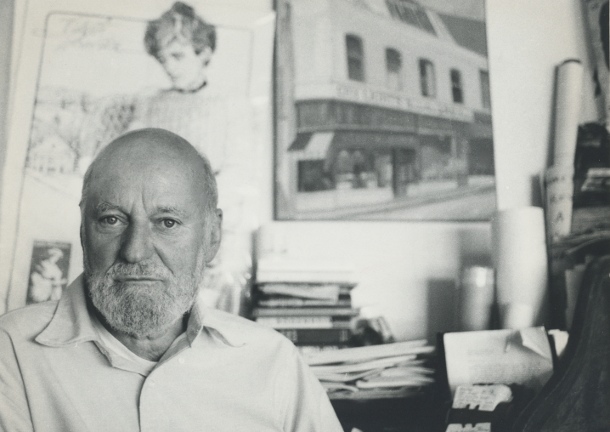
Sicilian-American Surrealist poet Philip Lamantia belonged to an Italian-language anarchist group in San Francisco in the 1940s and later became a leading member of the Beat movement. Kenneth Rexroth, mentor to many Beats, identified himself as an anarchist from his involvement in the 1920s in Chicago’s Dil Pickle Club, a popular forum for lectures and debates on revolutionary topics. Other anarchist-oriented Beat poets included Diane di Prima and Gary Snyder, whose manifesto “Buddhist Anarchism” (1961) proved to be one of that decade’s most influential anarchist writings. The humorous Abomunist Manifesto (1959), by African American Beat poet Bob Kaufman, also had a markedly anarchist flavour. (According to Kaufman, “Abomunists vote against everyone by not voting for anyone.”) Both the Journal and Kaufman’s Manifesto were published by City Lights press, founded with the City Lights bookshop in San Francisco in the early 1950s by the poet and anarchist sympathizer Lawrence Ferlinghetti.


 To Koskino