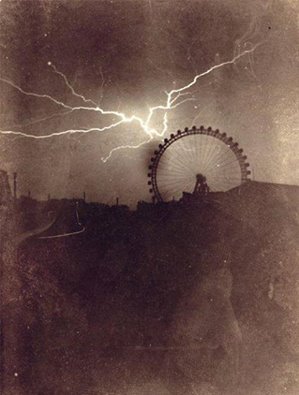
Octavio Paz, Ζωή μισοειδωμένη

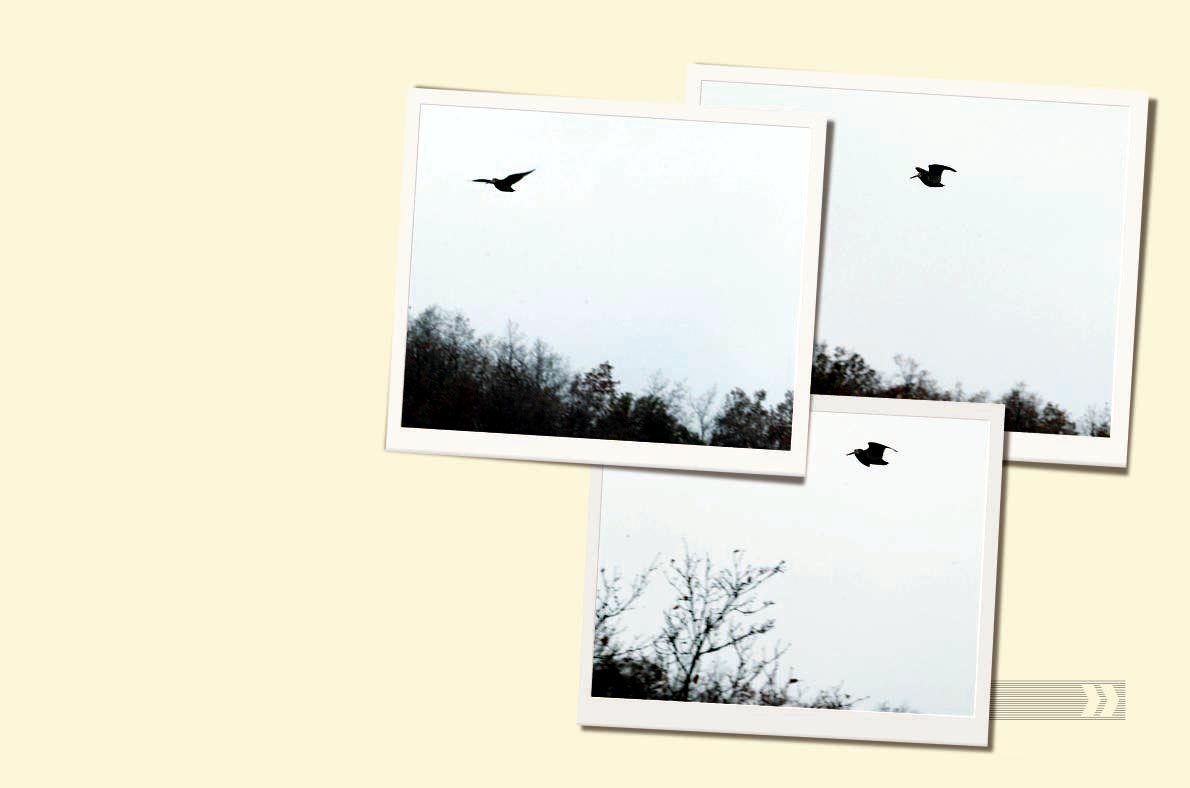
Φωτογραφία: Άγνωστου

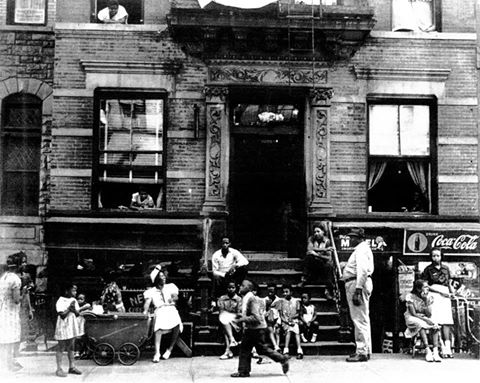
Φωτογραφία: Άγνωστου

Αστραπές ή ψάρια

μες στη νύχτα της θάλασσας

και πουλιά , αστραπές

μες στη νύχτα του δάσους.

Τα κόκαλά-μας αστραπές

μες στου κορμιού τη νύχτα

Τα πάντα , κόσμε , είναι νύχτα

κι είναι η ζωή αστραπή .

*Μετάφραση: Αργύρης Χιόνης.

Γιώργος Σαραντάρης, Ήταν γυναίκα ήταν όνειρο…

Ήταν γυναίκα ήταν όνειρο ήτανε και τα δυο
Ο ύπνος μ’ εμπόδιζε να τη δω στα μάτια
Αλλά της φιλούσα το στόμα την κράταγα
Σαν να ήταν άνεμος και να ήταν σάρκα
Μου ‘λεγε πως μ’ αγαπούσε αλλά δεν το άκουγα καθαρά
Μου ‘λεγε πως πονούσε να μη ζει μαζί μου
Ήταν ωχρή και κάποτε έτρεμα για το χρώμα της
Κάποτε απορούσα νιώθοντας την υγεία της σαν δική μου υγεία
Όταν χωρίζαμε ήτανε πάντοτε νύχτα
Τα’ αηδόνια σκέπαζαν το περπάτημά της
Έφευγε και ξεχνούσαν πάντοτε τον τρόπο της φυγής της
Η καινούργια μέρα άναβε μέσα μου προτού ξημερώσει
Ήταν ήλιος ήταν πρωί όταν τραγουδούσα
Όταν μόνος μου έσκαβα ένα δικό μου χώμα
Και δεν τη σκεφτόμουνα πια εκείνη

Γιώργος Θ. Γιαννόπουλος, Τρία ποιήματα

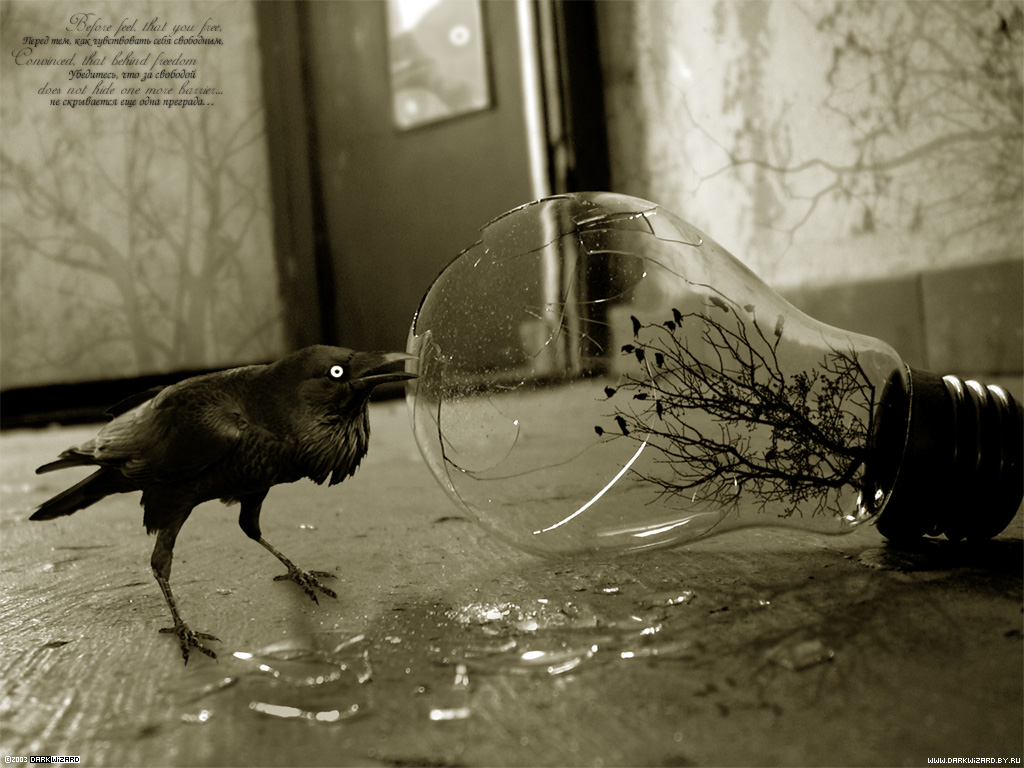
τζαμι+σπασμενο

Ιοκάστη

Γυναίκες μ’ αρώματα μεθυστικά
φλέβες ρυάκια
δόντια κοράλια
στη σάρκα του μήλου.
Βλέμμα γαλάζιο
ελιγμός
αεροσκάφους.

***

Οδός Δελφών

Μνήμη Ανδρέα Παγουλάτου

Οι νεκροί κρατούν στα χέρια τους
το σπασμένο γυαλί της μνήμης.
Οι νεκροί σηκώνουν
Το βάρος των ανθρώπων.

Οι νεκροί
ένα σχήμα λόγου
που φθέγγεται
που μέλλει.

***

Το μπαλαούρο της ζωής

Μια λέξη μια ελπίδα
ένα λευκό πυρκαγιά
ένας έρωτας θάνατος
ένα ταξίδι πράσινο
ένας στίχος κλάμα νεογνού
μάρμαρο γενέθλιο
φως.

*Από τη συλλογή “Το θέρος των βροτών”, εκδόσεις Ένεκεν, Θεσσαλονίκη 2010.

Τέος Σαλαπασίδης (1924-1983), Remember Elena

10613003_376358509189069_2219867918845028946_n

Περιμένω να μου φέρουν τις πεντακόσιες δραχμές
αυτός που χρωστά προσποιείται τον φυματικό
άλλοι λόγω θέσεως προσποιούνται τους δυνατούς
η λύση διαφαίνεται
η εκφώνηση ξεχάστηκε
ακούμε δίσκους προκλασικής μουσικής
ζητάμε δανεικά
αν όχι
ξεγελάμε τα κορίτσια στο Λιτόχωρο και παίρνουμε λίρες
εγώ επιμένω στην πρώτη επαφή
έστω και χωρίς χρήματα επιμένω. Εδώ
δεν μπορούν να σερβίρουν ούτ’ ένα θάνατο σωστό
κάπου ο δίσκος θα κτυπήσει
και θα χυθούν κάτω στο παρκέ λίγα δάκρυα
Από μικρός ξεφώνιζα πως οι υπηρέτριες πρέπει να περνούν
από ειδικές σχολές αναρχικών
οι επαναστάτες από σχολές ορθοφωνίας
Κανείς δεν θυμάται σήμερα τους Δεκεμβριστές
την ομίχλη του Πετροπαβλόφσκ
τα χείλη της θείας Γκρέτα
Ανοίγω βιομηχανία αεριούχων αναψυκτικών
τίτλος: ο Λαϊκός Επίτροπος
Λαέ: πίνε λεμονάδες, οι Δικηγόροι εσίγησαν
Λαέ: στις δύσκολες στιγμές πίνε πορτοκαλάδες!
Η βίβλος διαβάστηκε – του καλού Σαμαρείτη δώσατε διαβατήριο προς Μόσχαν
οι πουτάνες ακούν Μπελαφόντε
όποιος δεν έχει σαράντα φράγκα δεν ακούει Μπελαφόντε
οι μετοχές του Μπελαφόντε ανεβαίνουν
ο Μπελαφόντε ανεκαλύφθη
στο Κρεμλίνο πανικός -η Ουάσιγκτον ολοφύρεται-
οι μετοχές του Μπελαφόντε στο απώγειο!
Εδώ είστε και δω είμαι
τον Μπελαφόντε θα τον χρησιμοποιήσουν ή θα τον κάψουν
-σε περίπτωση που τον χρησιμοποιήσουν θα τον κάψουν αργότερα-
τώρα ανοίξτε διάπλατα τις πόρτες στον γιο του γιατρού που σπουδάζει ιατρική
στον γιο του λεμβούχου που εξηνθρωπίσθη
ανοίξτε τις πόρτες στους τζόκεϊ στους σοσιαλιστές στους παλαιοημερολογίτες
στους πυροβάτες
σ’ εκείνον που δήθεν υπεσχέθη να γίνει διαρρήκτης και τώρα υπάλληλος
μετράει χρήματα σεμνός σε κάποια τράπεζα
ξοδεύοντας το μισθό του σε πράκτορες που παρακολουθούν τη γυναίκα του
κλείστε τις πόρτες -τα χέρια τους ιδρώνουν- ανάψτε τα εντομοκτόνα βεγγαλικά
η γιορτή πλησιάζει στο τέρμα της
χωρίς την Κατίνα. Χωρίς την Ελένη.
(Η μικρή Ελένη κάθεται και κλαίει επειδή δεν την παίζουν οι λευκές φιλενάδες της)
Η μικρή Ελένη
τώρα κάθεται και κλαίει
που δεν την παίζουν
ούτε οι μαύρες στο Χάρλεμ

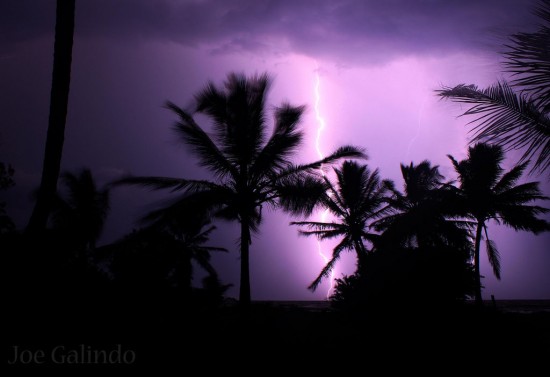
Στέλλα Δούμου, Μωβ

catatumbo-lightning2-550x377

Ασφαλώς και κοιμήθηκες
μέσα σε μωβ αστραπές
με χείλη σφιγμένα πάντα
στο κλειδί της άρνησης.
Ασφαλώς και κρεμάστηκες
με ομπρέλα μωβ
επάνω στα ιερατεία των οπαδών.
Ασφαλώς μάσησες
σουσάμια αστεριών
πριν καν αντικρίσεις τις νύχτες και
ψιθυριστά μάζευες ιππόκαμπους
με υπομονή θανάτου
κάτω απ’ το βλέφαρο που σκούριαζε.
Κι ασφαλώς
από φαγωμένο παράθυρο κοίταξες
που σε απιθώσαμε
σ’ ένα μικρό σύννεφο από ίριδα
και σε αποχαιρετήσαμε
με μωβ δήγματα φιλιών
που τόσο σου άρεσαν.

Τα πένθη της φωνής σου σε όλες τις πτώσεις.
Έιμυ.

Ασφαλώς.

*Από τη συλλογή “Χαμηλές οκτάβες”, εκδόσεις Φαρφουλάς, 2013.

Θωμάς Χαραλαμπίδης, Δύο ποιήματα

broken

Μετακόμιση

Φεύγεις τώρα.
ξαναμαζεύεις τα πράγματα
οι εφημερίδες μπήκαν στα κουτιά
τι να ‘γινε τόσα χρόνια…
Φεύγεις τώρα
εδώ, εκεί
πάντα κάπου αλλού
από καλά καλύτερα;
Φεύγεις τώρα
οι χάρτες ξαναξεδιπλώθηκαν
ο κόσμος όλος μια σταλιά
να ξεχειλίσει μια ψυχή ξεπαγιασμένη.
Γεια σου χαρά σου Santa Vangela
μ΄ αγάπησες, σ’ αγάπησα
όλα τα ωραία πράγματα τελειώνουνε…

***

Οίκοθεν

Καλησπέρα ραγισμένο μου απόγευμα.
Οι φίλοι μου δεν ήρθανε απόψε.
Στείλανε μόνο κάτι κάρτες
άλλος εδώ, άλλος εκεί
περνάν ωραία, λένε.
Κι εγώ στις ίδιες πάντα ιστορίες
στις ίδιες γειτονιές
στις ίδιες ψευδαισθήσεις.

*Από τη συλλογή “Μούργκα”, εκδόσεις Πανοπτικόν, Θεσσαλονίκη 2008.

Sylvia Plath, Last words

603151_1425246657704036_1466155251_n

I do not want a plain box, I want a sarcophagus
With tigery stripes, and a face on it
Round as the moon, to stare up.
I want to be looking at them when they come
Picking among the dumb minerals, the roots.
I see them already — the pale, star-distance faces.
Now they are nothing, they are not even babies.
I imagine them without fathers or mothers, like the first gods.
They will wonder if I was important.
I should sugar and preserve my days like fruit!
My mirror is clouding over —
A few more breaths, and it will reflect nothing at all.
The flowers and the faces whiten to a sheet.

I do not trust the spirit. It escapes like steam
In dreams, through mouth-hole or eye-hole. I can’t stop it.
One day it won’t come back. Things aren’t like that.
They stay, their little particular lusters
Warmed by much handling. They almost purr.
When the soles of my feet grow cold,
The blue eye of my turquoise will comfort me.
Let me have my copper cooking pots, let my rouge pots
Bloom about me like night flowers, with a good smell.
They will roll me up in bandages, they will store my heart
Under my feet in a neat parcel.
I shall hardly know myself. It will be dark,
And the shine of these small things sweeter than the face of Ishtar.

Dimitris Troaditis, My places

gtmmmeaeETNsHTZ9LWeQcxnDAQ2KBRyyWyzRWH2iYLs

I
My places
find shelter
in ruined buildings
suffocated atmospheres
in fires growing fast

II
My places
falling prone
to losing eyes
fragmented sights
common persecutions
body maiming

III
my places
bend from despair
in bombed neighborhoods
figures with hollow eyes
of hunger
and sleepless

IV
my places
stopped being preservable
because they completely lost
their past
their seas become ill
their costumes
being distorted

V
my places
nor have violins
neither been fire dancing
only a counterfeiting frisk
of a threepenny leap

VI
my places
memories of iron beds
in ward camps
scratched arms
walls with damp
face same as rocks
worship of motherland

VII
my places
where nobody regrets
cities shattered
from the inside
and stayed mournful
in distant shores

VIII
my places
in a strange calm
in a hibernating season
like throwing their children
in scorched palm trees
pinching the clog
of mutant needs

IX
my places
stay still behind
pill-boxes
and loopholes
behind fire beaten groves
alone in abandoned piers
acid rains
waste piles
stuck travels

X
my places
prehistoric statues
of oblivion and insignificance
in guillotines turned in
bridled clearings
dissolve
ostracize
in heame pieces
on every floor

XI
my places
medieval towers
with battlements and spears
watchtowers and hideouts
where they hang
dissidents unfairly
when speaking with shivering
and passions all over the body

XII
my places
fluent as the candlelight
in glints
on uncertain songs
and stale slogans

XIII
my places
transversed resonances
with outdated codes
in merciless towers
cross mournful waters
and booming
guillotines

XIV
my places
swaying fearful
in front of a few moons
lost in ruins
brimstone of isolation
piles of garbage
where pyrrhic
bloody flags
waving

XV
my places
in a limbo
in a total time
collapse
soaked into
the yellow rain
drowned them
as another shroud
and their inhabitants
left
without memory

*Translation: Dimitris Troaditis. The original in Greek is here: https://tokoskino.wordpress.com/wp-admin/post.php?post=10180&action=edit

**The poem read in both languages in the event of Melbourne Poets Union “Journeys”, Sunday, 26 October 2014, in Immigration Museum of Melbourne.

Γιώργος Ρούσκας, Στις πεδιάδες των γραμμάτων

assets_LARGE_t_11761_2553145

Πού ζουν οι ποιητές παππού;
-Σε πεδιάδες απέραντες που είναι σπαρμένες με κάθε λογής
γράμματα, εκεί θα τους βρεις.
-Δηλαδή;
-Στάσου ένα λεπτό να φέρω το βιβλίο, ν’ ακούσεις από “πρώτο χέρι”.

Ντυμένος με λέξεις χιλιοειπωμένες
κυνηγώ το ανείπωτο.

Με βήματα αθόρυβα στις σελίδες
ιχνηλάτης του νοήματος γίνομαι.

Κολυμπώντας στη λίμνη των φωνηέντων
αγναντεύω τα σύμφωνα
που λιάζονται στη στεριά.

Στις πεδιάδες των γραμμάτων
αναζητώ την ιδέα,
λατρεύω την εκδοχή.

Το θέμα πασχίζω να κατακτήσω
συνταιριάζοντας του λόγου τη ροή.

Ψηλαφώ με τα χέρια, τολμώ,
με ερεθίζει η μυρωδιά
στα σκέλια των παραγράφων.

Τα ώριμα νιάτα μου χαίρομαι
ανάμεσα στις καμπύλες
των ζωηρών δεκαεξασέλιδων.

Γεύομαι την πίκρα,
ακούω τη χαρά
βλέπω κρυμμένα μυστικά,
λεπτομερείς εικόνες.

Όταν κουράζομαι,
στο κόμμα ξαποσταίνω
ξέροντας πως στο τέλος
η τελεία βρίσκεται.

Τη ράχη του βιβλίου τα δάχτυλα χαϊδεύουν
ψαχουλεύοντας αγιάτρευτες παλιές πληγές.

Ονειροπόλος εξερευνητής
σε χάρτινα δάση
πιστός παραμένω εραστής
του ανεκπλήρωτου.

*Από την ποιητική συλλογή “Άυλο Πύαρ”, εκδόσεις Χίλων 2013.

Robyn Rowland reviews Margaret Bradstock

barnacle_rock

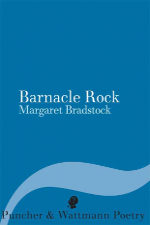
Barnacle Rock
by Margaret Bradstock
Puncher & Wattmann, 2013

Barnacle Rock is time-travelling through poetry. Its significance lies in Margaret Bradstock’s successful inscribing of a journey, from the search for a land of plenty by various explorers, to the position we find ourselves in now: a climate in crisis, a civilisation in error and a country which has displaced its indigenous people, replacing their knowledge with a rusted ‘progress’. Dense, a rich read, it alerts the mind into awareness.

The book is in five sections beginning and ending in the ocean, where, ironically, ‘life’s a beach’. The first recalls those seemingly endless voyages to a place that was half-imagined, ‘the missing continent’, the ‘home of idolators and abundant gold’. We travel with those fearless explorers – Portuguese, Dutch, French and British – who sailed long distances to find the desired land of riches. I think it is interesting to also read this as symbolic of a journey in search of what we as individuals desire – that when found, is easily corrupted, misconstrued, misunderstood – rarely what we expect. The book is a metaphor for the soul’s search, perhaps.
These seafarers saw so many natural wonders – sunfish, new lands of scarps and bush forests –yet Bradstock tells us that ‘the mountains of Illawarra reminded / Banks of the back of a lean cow’, even his ‘transmutant gaze’ saw only ‘anorexic country’ with its bare bones (‘Trompe-l’oeil’). And de Surville:

has his eye on Jewish traders,
pelts, precious minerals
somewhere in the South Pacific,
not this fly-away coastline
with its bleak terrain.

(‘Ships that pass (Dec. 1769 – March 1770)’)

The final poem in this section sees Mawson struggling to reach safety while in:

… the maze
of hidden crevasses, slopes of hard ice
depressions filled with snow,
the soles of my feet come off
with my sock. I tie them back in place.

(‘Mawson: the Heroic Era’)

Beside these struggles for survival there are the tougher battles of ‘the other’: the indigenous –passed over and silent; and the convict, so brutalised, so ‘tired of this life of prison time that passes for real time … you prayed to be hanged’ (‘A Memoir (thumbnails) of Convict Davies, 1824’). What remains from these searches are remnants: Leichardt’s ‘fragments of moleskin trousers’, huts, wrecks, the Mahogany ship, things buried in sand, diaries and perhaps ‘the great harp of the wind’, that ‘might measure the soul of a man’ – while we are left questioning what was found.

Because the first section focuses on history, it has by necessity to fit in information that keeps the reader inside the poem. Bradstock achieves this while not sacrificing poetic craft. Imagery is effective where it occurs, and the free-verse rhythm almost an undulating ocean.
Where the indigenous population was silent, the second section is enlivened with its voices and perspectives, with a sense of its belonging. Yet this is ushered in with a powerful poem on not belonging. ‘The Promised Land’ is one of the strongest poems in the book for its imagery and multilayered meaning: ‘You said you’d “found your spot”’, Bradstock’s speaker notes, yet:

you dive and are gone
in a turmoil of shadow-dreams.
the opaque moon
salty white with silvered snow
reflects only isolation.

The question that drives the poem is: ‘what else were they hoping for … not this panorama of human entrapment … of incompletion, failure, loss / while always pursuing some greater shining vision’.
Poems on the continent’s interior are short, clear and uncluttered. Where the European explorers found emptiness, here it is peopled with old story, meaning-filled landmarks, dreaming. There is a sense of the heart of something beyond the smallness of humanity, a landscape for those in search of soul-country. ‘Desert saint’ or not:

homesick for a landscape
of the imagination, the gaze
of infinite space
a terrain becoming its own icon,
[we] might have dreamed this desolation
this ascetic silence

(‘Mingmarriya Country’)

If I were to choose the strongest poem in this excellent collection it would still be the title poem, Barnacle Rock, last in section II. It could even have come first in the book as a stand-alone section, the ‘mirage of sail’ leading us into the old explorers and their ships; the barnacle representing the creation of modern Australia, the accretion of layering clinging to the Great Rock. Beautifully written, subtly moving, it encapsulates the journey, signposts the stopping points and rings out the message that ripples though the book, beginning:

You will go back through the quiet bush
past Aboriginal middens
rainbow lorikeets nesting
in tree knolls …

And it finishes where:

A man and his shadow
stride across skyline
in the footprints of worn sandstone.

The third section is suburban life with its energy and an underlying uneasiness that something is becoming stilled by it, rusting away. ‘The White Palace’ encapsulates this lack of permanence: ‘I threw out the journal entries / when I packed up my life / and moved on’, yet we know from section I that diary entries are what give us perspective on history.

We move up country, out of country to close-lying neighbours, with powerful poems on Asia and the striking poem ‘Long Phuoc revisited’ – a reminder that modern Australia, too, has played its part in invasive destruction. Definite lines again make multiple meaning:

A subjugated country, they cannot speak
regret or even sorrow
the ploughed fields
seeded with forgiveness.

This section finishes with two deeply moving poems for the poet’s father, ‘Ask not’ and ‘The River’ – in which we are so present in his ‘nights on the Monaro / stars burning like dry ice’, and on the river – the river of many names that eventually carries us all:

You drift in and out of memory
in and out of sleep
a receding tide of the river’s delta
mind sometimes sharper that the oyster beds
we once cut our feet on
sometimes lost in a tangle of the past
tree roots that knot themselves
into the embankments
the eroding silt jetties.

(‘The River’)

Lighter and with some humour, section IV gives us Bondi, Clovelly, Port Macquarie, Sydney Cove, pond life, sea life – all the golden beauty that Australian coast can give, and its hidden threats, from small sea-lice to big sharks – ‘it’s the food chain / and you don’t want to be a part of it’ (‘Shark Alert’)
As we finish that section, ‘Conversations from the bottom of the Harbour’ turns us towards the politics of the final section of the book. Beginning with ‘The catechism of loss’, there are seven intense poems of anger, defiance, regret, and loss. Their messages carefully crafted, they are punchy vignettes of what we’ve brought to the present: Fukushima nuclear disaster in Japan, leaking contaminated water from the Ranger uranium mine, the North pacific Garbage Patch:

… where marine plastics gather
like nylon shirts in the wardrobes of old men
never upcycled, never wearing away
a gyre where nothing escapes.

(‘The sure extinction’)

In the aptly titled ‘How large each death will be’, the poet shows us what we all see and many feel powerless to turn back:

There should be bees, but I’ve seen none this year. Cheated by summer, magnolias are still in bloom not understanding that it’s unseasonal the hothouse effect of constant rain

We are all living, the poems convince us, like the poet: ‘as though my passing shadow / were not the shadow of the world.’ This is a far-reaching book, its craft tight and its scope challenging. Barnacle Rock finishes in heavy territory, but its right to this is well-earned by its growing sense of place and, I’m sure, her growing dismay as Bradstock moves from history to the present, watching the same ignorance and lack of appreciation shape both. From those early explorations to current attacks on natural landscape, an enormous scale of history is covered. And I will resist the temptation to bring this review to a cozy end. We are left justifiably uneasy, rising-anxious:

The days are turning in, a chill in the lambent air like something lost or forgotten, a code mislaid. … Everything is waiting and still this tenuous, fragile feeling like hand-held soapstone sculpture.

*Dr Robyn Rowland AO has published nine books, six of poetry, most recently Seasons of doubt & burning. New & Selected Poems (2010) representing 40 years of poetry. Her poetry has appeared in Being Human, ed. Neil Astley, (Bloodaxe Books, UK, 2011). Silence & its tongues (2006) was shortlisted for the 2007 ACT Judith Wright Poetry Prize. Rowland is winner of poetry prizes, including the Writing Spirit Poetry Award, Ireland 2010. She is an Honorary Fellow, School of Culture and Communication, University of Melbourne, Australia and a member of the National Advisory Council for Australia Poetry Ltd. Rowland curated and presented the Poetry & Conversation Series for the Geelong Library Corporation, 2010-2012. She is currently working on a bi-lingual book with Dr Mehmet Ali Çelikel in Turkey.
Website: http://www.robynrowland.info


**Taken from Cordire Poetry Review at http://www.cordite.org.au