πεθαμένα εξάρχεια

Κωνσταντίνος Λουκόπουλος's avatarΈΛΕΥΣΙΣ - ένα ταπεινό ενδιαίτημα αθανασίας

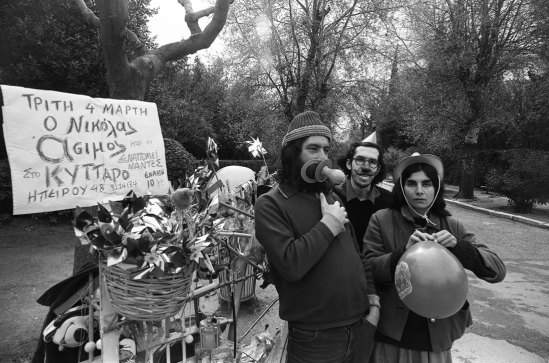
a_LIFO_Asimos_3.jpg
στο πρόσωπο ένα ξυράφι/
στο στήθος οι τριβές/
και όπως ντύνεται ένα ποίημα – από την απέχθεια για τον άνθρωπο –
με δέρμα ανθρώπου/
κι ο χρόνος μας δέρνει ως να καταλήξουμε,
αυτό ρωτάω:
πού θα κατέληγες
αν είχα τα μάτια σου
όταν σε έπινα;
Είσαι η ίδια;
Έντρομη συνενοχή
στους ναούς των αστέγων,
ή ξινή αντιμετάθεση
στης ζωής τα δόντια;
Εδώ που τερματίσαμε,
ποντικάκια σε πρόβα λεόντων,
ότι μας συμβαίνει είναι δανεικό
(ή δανεισμένο)
Κι αν ο ήλιος ανάβει ή σβήνει σαν χαλασμένη ασφάλεια/
σταθερά/
επειδή εμείς έχουμε σπίτια/
κλειστά – ανοιχτά
τα χαμόγελά τους παραμένουν πεθαμένα/
Στο στομάχι αντιόξινα
να φύγει η αηδία/
Τα Εξάρχεια
πεθαμένα κι αυτά/

View original post

Νίκος Καρούζος, Δύο ποιήματα

χ4

Λαλώντας απ’ το μέλλον

Δεν έχει stop η ποίηση.
Να προκαλείς αχόρταγες φωτιές
τραγουδώντας τους άχραντους πάγους.
Είμ’ εγώ που σου λέω· που συγκατοικώ

σε υπόγεια υγρασία
με αόρατο τέτανο που καιροφυλαχτεί

και μ’ ανόσιες αράχνες.

***

Χρησμός και Πράγμα

Τι χαίρεσαι; την αθαμβία;
Μα ο θεός νοσεί
σε φρικαλέες αναγκαιότητες

τίκτοντας ελευθερία
πέρκα τραγουδιστή και ηδύχρωμη
στην επιούσια θάλασσα λησμονήσου.

Matsuo Basho, Από το “Μόνο
 τα όνειρά μου συνεχίζουν”

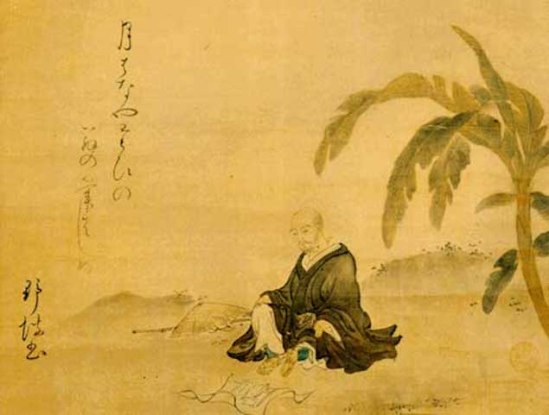
basho

Πάει κι αυτό το φθινόπωρο. Ένα σύννεφο
κι ένα πουλί μεγαλύτερος.
􏰀
***

Άσπρισαν τα μαλλιά τους, χρειάζονται μπαστούνια πια.
Πήραν το δρόμο για το νεκροταφείο, οικογενειακώς.

***
􏰀
Ανήμερα του Βούδα, οι προσευχές τρίζουν στα γέρικα χέρια.
􏰀
***

Σήμερα – μέρα των ψυχών – βρήκες να σκεφτείς
πως δεν αξίζει τίποτε η ζωή σου;
􏰀
***

Τι καθαρό φεγγάρι! Και να το σέρνει έτσι
στη σκόνη αυτός ο μοναχός!
􏰀
***

Λυσσομανούσε παγωνιά το φθινόπωρο
όλη νύχτα πίσω από τα βουνά.
􏰀
***

Μπλε το πέλαγος, βαθύ, φουρτουνιασμένο.
Το φεγγάρι κουτσοπίνει το κρασί του με το κύμα.
􏰀
***

Νυχτώνει. Οι μοναχοί στηρίζουν τα χέρια τους στα γόνατα
κι ανατέλλουν ξυρισμένα κεφάλια.
􏰀
***

Αργά ή γρήγορα, πίσω απ’ αυτή την πόρτα που σκέπασαν τα χόρτα,
μια νέα γενιά θα μεγαλώνει κούκλες.

*Μετάφραση – Επίλογος: Γιώργος Μπλάνας

Linda Stevenson, Clovers

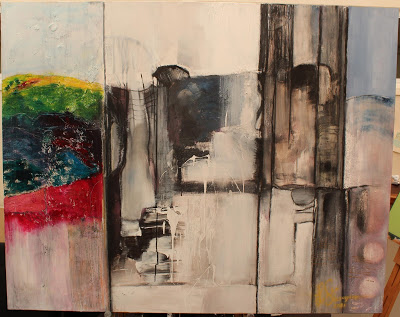
IthicaPaintingCropped.JPG

Setting aside a mask, or several

she plays, as when a child

pressing against

the beaten bronzed air

stroking the shiny surfaces of afternoons

as they drift;
finds and picks out from faded grass

or from between the leaves

of now shelved books

the different gifts

for the ones she loves, kneels
and hands up to them, with no words

their four-leafed presentations.

*Taken from http://poetryblogroll.blogspot.com.au/2015/12/i-wish-id-written-this.html
The artwork here is also by Linda Stevenson, inspired by Cavafy’s “Ithaca”. Linda lives in Melbourne

Δημήτρης Α. Δημητριάδης, Πυρρίχιος

magical_night_by_tahaalasari-d54e2dx

Μες στη σιωπή κοχλάζει ο χρόνος.

Στο άκουσμά της
αθέατα παφλάζουν οι παλίρροιες
οι ώρες περιστρέφονται διαρκώς
ξυπνούν κρυμμένοι ήλιοι

ανεξίτηλα πρόσωπα χορεύουν
στο κατώφλι της έκπληξης

Άννα Νιαράκη, Δύο ποιήματα

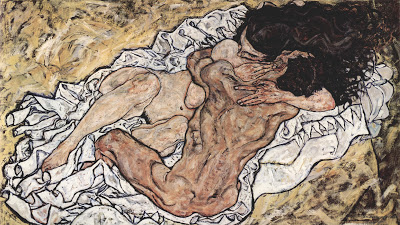
Artwork: Egon Schiele

Artwork: Egon Schiele

ιδαλγός

Είσαι γιος του ευγενούς χάους και της ανυπαρξίας
δεν μοιάζεις, περιφέρεσαι πιο πολύ 
απ’ όλους τους ομοειδείς σου
τροχιά ασυνήθιστη στο σύμπαν, ένας αλήτης αστεροειδής
που διασχίζει τις νύχτες ελλειπτικά τα όνειρά μου

και μου υπαγορεύει της ψυχής μου τον κωδίκελλο

όχι δεν είμαι κληρονόμος εγώ αστεροειδών, εκτελεστής είμαι
των τελευταίων επιθυμιών τους
τακτοποιώ τα ζητήματα της ύλης και διευθετώ την κατανομή 
του μαύρου

κρατάω τεφτέρι, κάθε 13,77 χρόνια, η επιθυμία αλλάζει
κάθε 13,77 χρόνια ξυπνώ κάθιδρη και σημειώνω ακατάπαυστα 
τα υπαγορευόμενα:
τόνοι αστρικής σκόνης εκεί
τόσα μεταλλεύματα εκεί
η ενέργεια σε ισόποσες δόσεις στον τάδε και στον δείνα
η λάμψη στον ουρανό – όλη
και το μαύρο, κάθε φορά το μαύρο
δικό μου

σαν ιερέας που ανακηρύσσει την ανεξαρτησία μου

***

μόνο τους αμετανόητους

Αυτές οι νύχτες είναι φτιαγμένες για έρωτα
γιατί χαλάμε τις ώρες μας;
γιατί υπομένουμε άχρηστες συζητήσεις
γιατί φοράμε τα ρούχα μας
γιατί ο ένας μακρυά ο ένας από τον άλλο παραμένουμε; 

αυτές οι ώρες δεν ξανάρχονται                                                                                                                  
αυτές οι ώρες που το φθινόπωρο υποχωρεί
δειλά σαν ντροπαλό φιλί στο μάγουλο

δεν ξανάρχονται μάτια μου
κι εμείς δεν θα είμαστε αιώνια νέοι

κι οι γέροι μόνο να νοσταλγούν ξέρουν
κι είναι νωρίς για να μετράμε τις απώλειες                                                                                               
είναι νωρίς καρδιά μου για να προσποιούμαστε
τους κατασταλαγμένους 

οι νύχτες δεν συγχωρούν τους δειλούς
μόνο τους αμετανόητους

*Δημοσιεύτηκαν στο ιστολόγιο της ποιήτριας Αντιποίηση. Εμείς τα πήραμε από το http://dreaming-in-the-mist.blogspot.fr/search/label/%CE%9D%CE%B9%CE%B1%CF%81%CE%AC%CE%BA%CE%B7%20%CE%86%CE%BD%CE%BD%CE%B1

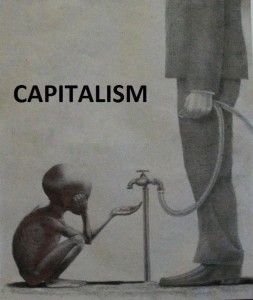
Γρηγόρης Σακαλής, Οι άλλοι

cap41-253x300

Είναι μερικοί άνθρωποι
ίσως οι περισσότεροι
που ζουν για να βασανίζονται.
Παιδιά που δουλεύουν
γυναίκες κακοποιημένες
απλήρωτοι εργάτες
άνεργοι
τοξικομανείς
φυλακισμένοι για τις ιδέες τους
δεν έχει τέλος ο κατάλογος.
Ζουν την κόλαση επί γης
ο ήλιος
δεν βγαίνει γι’ αυτούς
μαύρες μέρες
διαδέχονται η μία την άλλη.
Ας μιλήσουμε γι’ αυτούς
φτάνει πια
με τα λουλούδια
και τους έρωτες
μη κλείνουμε τα μάτια
ας κάνουμε κάτι γι’ αυτούς
η ανθρωπιά εξανθρωπίζει.

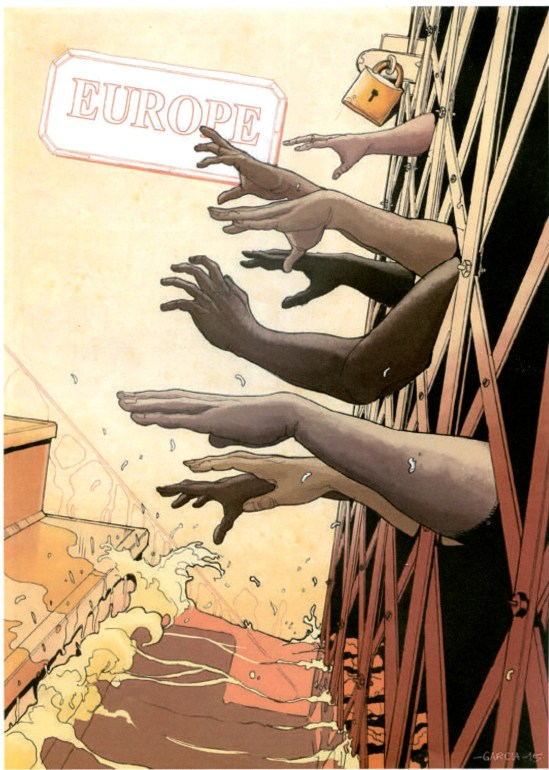
Δημήτρης Τρωαδίτης, σαν εμμονή αιμορραγούσα

Artwork: garcia - 15

Artwork: garcia – 15

οι ερημιές κυριαρχούν παντού
στα πολύβουα εμπορικά κέντρα
στις λαϊκές αγορές
στις μεγάλες λεωφόρους
στις γιορτές των πολιούχων αγίων
στις ατραπούς της λησμοσύνης
στις αφύλακτες διαβάσεις

εκεί γλοιώδεις έμποροι
καρφώνουν το κεφάλι σου
τεμαχίζουν τις ανάσες σου
παζαρεύουν ακόμα κι αυτά τα ξέφτια σου
με εμπορικές ρήτρες
αλλά και μουσειακή έπαρση

εκεί σηκώνεις για λίγο το βλέμμα
μα κι αποστρέφεις τη θωριά σου
σαν εμμονή αιμορραγούσα.

εκεί αφήνεις το αίμα σου
σε πασσάλους
σε βωμούς
για την απόλυτη δόξα
των ιεροεξεταστών …

*Πρώτη δημοσίευση εδώ: http://inner.gr/1274

Έρμα Βασιλείου, Σκαλιά από σφαίρες

Unknown

Με πράσινα χρώματα
Κι ορίζοντα κόκκινο
Με τις καμπούρες των βουνών να περπατούν σκυφτά
Να μην έχουν ανάσα καμία
Λόγια που μπήκαν σε γυάλινα πιθάρια
Μέλι σφραγισμένα
Ώρες καλές καλάνεμες
Στα χώματα
Τσακώθηκαν τα χρώματα στο ποιο θα αμολήσει
Άλλο από τη σάρκα του
Μολύθηκε το καθαρό
Και πέρα από τα εφτάψυχα βιβλία
Δεν έχω πού να νοσταλγήσω
Να πατήσω

*Από τη συλλογή “Κρυπτογραφίες” στη Σειρά “Άμισθα χρόνια”.

Robert Wood
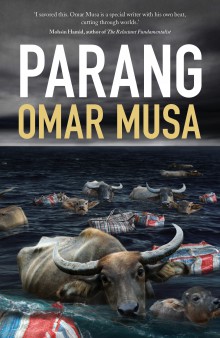
 reviews Omar Musa’s Parang

parang

Parang
by Omar Musa

Penguin, 2015


Omar Musa is something of a phenomenon. I mean that both in the demotic and the philosophical senses. Self-publisher, author of the successful novel Here Come the Dogs (longlisted for the Miles Franklin), lyricist with international hip hop outfit MoneyKat, Wikipedia subject. As demonstrated by the author photo in this book Parang, autobiographical promotional videos (‘Live and Direct from Kingsley’s Chicken’), comparisons to Junot Diaz and his sartorial style, Musa has made a career from ‘the street’.

Yet he is also from the elite – Canberra Grammar School, private prep school for politician’s boys, is his alma mater. Its old boys include six Rhodes Scholars, Kerry Packer and Gough Whitlam. His writerly image then is a fractal performance, for the public persona is only part of the story, which trades heavily on authenticity and realness. That frisson though is what gives his work energy; however, that dialectic, which is essentially a class conflict, is something we must be mindful of when we read his work.
Parang is a series of short to medium length prose poems. This is not poetry’s poetry, but prose’s poetry – short narratives marked by images and judicious line breaks. There is nothing syncopated or contrapuntal, no great difficulty in finding out the message in this medium. The only layout distinction is the oft-repeated placement of the last third of a poem on the lower half of a second page (once the first page is ‘full’). Other than that it is a straight man talking straight. Musa covers a lot of territory though.

The first section is composed of poems set in Malaysia, his fatherland. There are poems on many themes, including: family (‘Muhammed and Muhammed’ and ‘The Rotten Tooth’); history and the past more generally (‘A trance’); belonging (‘Collapsed Star’); animals and death (‘The Old Rooster’). Close attention is paid to the body and the physical but, thankfully, it is not lyrically saccharine. This is despite giving a good sense of what is happening. It evokes then without being evocative. This is because the work is essentially narrative rather than still portraiture, which means there need be propulsive momentum that could rob a lingering gaze. I found the wry, observant, rhythmic piece ‘Homeland’ to be a standout, but it also typifies some of the problems of an early work, which is evident in this book as a whole. For example, the phrase ‘brown shouldered woman’ is strikingly awkward, and the rhyming is sometimes overdone (sweet air//her hair). From this section though the phrase that resonated most for me though was from ‘The Parang and the Keris’, namely:

or with swish calligraphic
take a head
clean
off.

This is in part to do with the puncturing of the line break and the yoking of writing and violence together. But it is also because of a personal story: in what is now southern Malayasia my uncle’s father was murdered by Japanese soldiers in World War Two. When I was growing up my uncle used to recall how he found his father’s head on a spike not far from their family home when he was a boy, ‘about your age’. My connection to this part of the world, where my mother grew up, made reading the first section of Parang a moving experience. It brought to mind some of my own childhood memories, but what is interesting is how sectioned off Malaysia seems from the rest of this poetic world. Integrating it, like a neo Paul Gilroy, might be the next aesthetic challenge.

Section two has longer poems and is more global (‘Lost Planet’, ‘In Amsterdam’ and ‘Birds on the Bosphorus’) but the voice remains even and consistent. The third section is where Musa’s hip hop influence shows the most (see ‘My Generation’ in particular). It is rhymy, slangy, blingy, conscious. This is not only an observation of Musa’s work though, but also enables the reader to glimpse a symptomatic critique of the fetishised reification of authenticity. Parang is, after all, published by Penguin. No mean feat. Unlikely as it sounds, the urban, trading on realness, is starting to become a more pronounced form of official verse culture here. And that is possible because that is what the market wants, or rather that is what tastemakers perceive the market wants.

Hip hop, which trades most obviously on authentic performance and is the root of this work’s inner beat, is a certain language of the urban that seems at odds with the story of ‘Australia’. We might be a long way from Chris Wallace-Crabbe’s The Australian Nationalists, which analysed the Bulletin debates and the long 1890s decade, but Australian poetry is weighted rural in the contemporary imagination too, from Les Murray to Peter Rose to John Kinsella. Think the Banjo Patterson Bush Ballad Festival rather than the Slam Championship. Parang can be a challenge to that, that can be what it machetes away; not simply because of the identity politics of its author, but also because of the form and style of expression, which after all are never more than an extension of context. Despite being repetitive (which could just be consistency) and sometimes bordering on the banal (which could just be quotidian), and sometimes misperceiving insight for colonial braggadocio (which depends on how one sees the importation of hip hop as lexicon and organising principle), Parang is tight, and for that Musa should be applauded.

*Robert Wood has published work in Southerly, Overland, Plumwood Mountain and a variety of academic journals. He is currently completing a PhD at UWA and is a regular contributor to Cultural Weekly. His next book, heart-teeth light-bitten crownland, is due out from Electio Editions later this year. Website:
http://www.rdwood.org/

**Taken from Cordite Poetry Review at http://www.cordite.org.au