Ναι, θα επιστρέψω στο σκοτάδι όπως κι εσύ. Όμως ώς τότε θέλω να γευτώ τα χρώματα Που βγαίνουν απ’ τα άνθη Όταν το σώμα σφίγγεται για να μη σπάσει. Θέλω ν’ ανοίξω τα φυλλώματα Και να ριχτώ στη θάλασσα του στήθους σου Γλείφοντας και ρουφώντας. Θέλω να γίνω το κουκούτσι σου Να τυλιχτείς σαν αύρα γύρω απ’ τη ζωή μου Να λύσεις τα φιλιά τα κλειδωμένα Και θέλω να με πάρεις στη μεγάλη προκυμαία. Θέλω να βγω απ΄τον κλοιό σου Για να ξανάρθω πέτρινος Στην τρυφερή πληγή σου. Να κλέψω τα λειψά σου όνειρα Ν’ ακούσω την ορμή σου Λίγο πριν σκοτεινιάσει Πριν κλείσει η πόρτα Και ψιθυρίσω μες στο χώμα καληνύχτα.
*Από τη συλλογή “Θα επιστρέψω φωτεινός”, Εκδόσεις Άγρα, 2000.
Παραδοσιακά, η ποίηση είναι ένα οχυρό της ελευθερίας. Πιο συγκεκριμένα έχει χρησιμοποιηθεί ως όχημα για κάθε είδους ιδέες, συμπεριλαμβανομένων και των περιοριστικών. Εφόσον όμως, σε αυτή την κρίσιμη στιγμή, η εξουσία θεωρείται ότι περιορίζει τις ζωές και τις σκέψεις των ανθρώπων με τρόπους που προηγουμένως ήταν αδιανόητοι- και εφόσον έχουμε το πλεονέκτημα μιας πάντα πιο ξεκάθαρης άποψης της ιστορίας και των ανθρώπινων δυνατοτήτων: τότε είναι φυσικό να περιμένουμε να βρούμε τη σύγχρονη ποίηση να έρχεται όλο και περισσότερο σε αντιπαράθεση με το κράτος ή τα εξωτερικά του σημάδια. Αν, ωστόσο, κάποιος ρωτούσε τους σημερινούς διαφωνούντες πού να βρει αυτό το σώμα ποίησης, είναι πιθανό ότι κάθε ομάδα θα του πρότεινε πρώτα εκείνους τους ποιητές που συνδέθηκαν μαζί της, σε κάποια στιγμή, με ενεργό συμμετοχή ή προφανή ευθυγράμμιση. Οι σοσιαλιστές θα μπορούσαν να του προτείνουν να ψάξει το έργο της κουστωδίας του Ώντεν, όπως ήταν πριν από τον πόλεμο. Οι αναρχικοί μπορεί να τον συμβούλευαν να δοκιμάσει τον Herbert Read ή τον Alex Comfort. Ένα μέρος της αταξινόμητης αντίστασης θα μπορούσε να τον παραπέμψει στον Christopher Logue, στον Alan Sillitoe ή στους συγγραφείς της Δυτικής Ακτής. Δυστυχώς, ένας απαιτητικός αναγνώστης θα έβλεπε γρήγορα ότι, εκτός ίσως από τον Ώντεν, οι πιο προικισμένοι από αυτούς τους ποιητές φάνηκαν κατά κάποιο τρόπο ανίκανοι να χρησιμοποιήσουν το ταλέντο τους με τον καλύτερο δυνατό τρόπο σε αυτά τα θέματα. Και, στην πραγματικότητα, φαίνεται αδύνατο να συγκεντρωθεί από αυτές τις πηγές μια λογικού μεγέθους συλλογή που να είναι ταυτόχρονα καλή ποίηση και έντονη κριτική.
Από την άλλη πλευρά, αν ξεκινήσετε από την κυρίαρχη τάση της πρόσφατης αγγλικής ποίησης -συμπεριλαμβανομένων και ορισμένων Αμερικανών που δεν μπορούμε να παραβλέψουμε- θα βρείτε επιθέσεις κατά του κράτους και σχόλια για την πολιτική και τις κοινωνικές υποθέσεις στα πιο απροσδόκητα σημεία. Η παρούσα έρευνα σημειώνει ορισμένα από αυτά, χωρίς να υποδηλώνει ότι υπήρξε κάποιου είδους κίνηση. Οι προσπάθειες συσχέτισης “τάσεων” και στυλ είναι συχνά αβάσιμες και ακόμη και ο Όργουελ μπορεί να φανεί σε αβεβαιότητα για το θέμα αυτό στο μάλλον άδικο δοκίμιό του για τον Γέιτς. Αυτό αποτελεί ένα χρήσιμο σημείο εκκίνησης.
Ο Γέιτς πέθανε το 1939, αλλά τα τελευταία του ποιήματα είναι τουλάχιστον εξίσου εντυπωσιακά με οτιδήποτε άλλο έγραψε και δεδομένου ότι γενικά θεωρείται ο μεγαλύτερος ποιητής αυτού του αιώνα, φαίνεται σκόπιμο να ξεκινήσουμε με μια λέξη προς υπεράσπισή του. Είναι αλήθεια ότι θαύμαζε υπερβολικά τις αριστοκρατίες του παρελθόντος- ότι ασχολήθηκε με την πολιτική και έκανε αντιδημοκρατικές παρατηρήσεις. Ο Όργουελ, ωστόσο, μπόρεσε να βρει στοιχεία για φασιστικές τάσεις, ενώ παραδέχεται ότι είναι δύσκολο να πούμε πόσο σοβαρός ήταν πραγματικά ο Γέιτς σε πολλούς από τους ισχυρισμούς του. Το παλιό ζήτημα της αναστολής της δυσπιστίας τίθεται εδώ σε σχέση με την ποίηση τουλάχιστον. Αλλά, σε κάθε περίπτωση, φαίνεται δίκαιο να επιστήσω την προσοχή σε ορισμένα ποιήματα που υποδηλώνουν μια εντελώς διαφορετική στάση απέναντι στα πολιτικά πράγματα. Η πολιτική, για παράδειγμα, είναι η δήλωση ενός ανθρώπου με μικρό ενδιαφέρον για την εξουσία, ενός ανθρώπου που βαριέται τις ιστορίες ίντριγκας και κρίσης. Μερικές φορές ανακοινώνει μια ευθεία περιφρόνηση για την ψευτιά του σύγχρονου κόσμου και υποστηρίζει το είδος του ησυχασμού που ο Όργουελ καταδίκαζε τόσο πολύ στον Henry Miller – όπως στο The Old Stone Cross.
Ένας πολιτικός είναι ένας εύκολος άνθρωπος Λέει τα ψέματά του από μνήμης, Ένας δημοσιογράφος επινοεί τα ψέματά του Και σε πιάνει από το λαιμό, Γι’ αυτό μείνε σπίτι και πιες την μπύρα σου. Και άσε τους γείτονες να ψηφίσουν…
Μπορεί κανείς επίσης να θαυμάσει την κοφτή άρνησή του να συμβιβαστεί στο On Being Asked For A War Poem- ή να επισημάνει τα επιγράμματα The Great Day και Parnell ως απόδειξη ενός ευφυούς κυνισμού για τις επαναστάσεις και τις κυβερνήσεις.
Ο Πάρνελ κατέβηκε στο δρόμο, είπε σε έναν άνθρωπο που ζητωκραύγαζε: “Η Ιρλανδία θα αποκτήσει την ελευθερία της κι εσείς ακόμα θα σπάτε πέτρες”.
Με μία εξαίρεση, τα ποιήματα αυτά γράφτηκαν κατά τη διάρκεια των τριών τελευταίων ετών της ζωής του.
Από τη μικρή ομάδα ποιητών που γράφουν ακόμη και σήμερα και που τράβηξαν την προσοχή ήδη από τα μέσα της δεκαετίας του ’20, ο πιο αιχμηρός είναι ο Αμερικανός E. E. Cummings- κατά προτίμηση, e. e. cummings. Αρχικά είχε τη φήμη της αφάνειας, αλλά αυτό οφειλόταν κυρίως στην έλλειψη εμπιστοσύνης των αναγνωστών που ερχόταν για πρώτη φορά αντιμέτωποι με τα τυπογραφικά του τεχνάσματα. Το μεγαλύτερο μέρος του έργου του δεν είναι ιδιαίτερα δύσκολο και αν και δεν είναι ευρύ σε έκταση, συχνά έχει έναν τρυφερό ή εκστατικό λυρισμό που δεν έχει όμοιό του στη σύγχρονη ποίηση. Σε αυτό προστίθεται ότι δεν φοβάται να πει αυτό που σκέφτεται για την επικαιρότητα και το λέει δυναμικά με ευστροφία, ειρωνεία και πάθος. Για να δώσει τον τόνο υπάρχει ο ορισμός του: “ένας πολιτικός είναι ένας κώλος πάνω στον οποίο έχουν καθίσει όλοι εκτός από έναν άνδρα”. Ορισμένα από τα κομμάτια του είναι απαραίτητο ανάγνωσμα για όσους ενδιαφέρονται για την πολιτική σκηνή. Κανένας σοβινιστής ή μιλιταριστής δεν έχει ξεφουσκώσει ποτέ τόσο επιδέξια όσο εκείνος στο ποίημα που αρχίζει “δίπλα βέβαια στον θεό Αμερική εγώ/σας αγαπώ”. Το ποίημα που γράφτηκε στη μνήμη ενός αντιρρησία συνείδησης – i sing of Olaf glad and big – είναι μια θαυμάσια σάτιρα, επείγουσα με θυμό και συμπόνια. Ο Cummings μαστιγώνει εκείνους που νομίζουν ότι “το να διαφέρεις μια ασθένεια κάποιου/ να συμμορφώνεσαι με την κορυφή του είμαι”. Και η απέχθειά του για τον κομμουνισμό δεν αντανακλάται σε μια ικανοποίηση για τις αμερικανικές υποθέσεις –
έτσι ρα-ρα-ρα-ρα δημοκρατία ας είμαστε όλοι ευγνώμονες σαν την κόλαση και να θάψουμε το άγαλμα της ελευθερίας (γιατί αρχίζει να μυρίζει)
Έχει συχνά παρατηρηθεί ότι ο τελευταίος πόλεμος δεν παρήγαγε κανένα σώμα ποίησης σαν αυτό των ποιητών των χαρακωμάτων. Σίγουρα, υπάρχει μια διαφορά στον γενικό τόνο, μερικές φορές μια πραγματική παραίτηση που χαρακτηρίζεται ίσως από τον Keith Douglas: “Remember me when I am dead/and simplify me when I’m dead”. Ή η απελπισία ή η αηδία καλύπτονται από μια λεπτή ειρωνεία, όπως στο Naming Of Parts του Henry Reed. Αλλά ένα σύντομο ποίημα αξίζει προσοχής καθώς στέκεται σε σύγκριση με οτιδήποτε έγραψε ο Όργουελ ή ο Sassoon: Το The Death Of The Ball Turret Gunner του Randall Jarrell.
Από τον ύπνο της μητέρας μου έπεσα στο Κράτος, Και έσκυψα στην κοιλιά του μέχρι που πάγωσε η υγρή μου γούνα. Έξι μίλια από τη γη, λυτρωμένος από το όνειρο της ζωής του, Ξύπνησα από τα μαύρα αντιαεροπορικά και τα εφιαλτικά μαχητικά. Όταν πέθανα με ξέπλυναν από τον πύργο με ένα λάστιχο.
Ο Jarrell, όπως βλέπετε, είναι απαισιόδοξος για τις πιθανότητες του ατόμου σήμερα. Κλείνει ένα ενδιαφέρον δοκίμιο για τον Alex Comfort συμφωνώντας ότι το Κράτος είναι ο κύριος εχθρός, αλλά τελειώνει –
Ωστόσο, αν σκεφτεί κανείς τους μηχανισμούς των σύγχρονων κρατών -από τις διαφημιστικές εταιρείες που βγάζουν τις αρχές τους μέχρι τα εργοστάσια αεροσκαφών, που βγάζουν την πρακτική τους- είναι δύσκολο να σκεφτεί κανείς ότι ο θρίαμβος οποιουδήποτε προλεταριάτου είναι κάτι περισσότερο από ένα νοσταλγικό, αντισταθμιστικό όνειρο: εμείς είμαστε αυτοί που μαραίνονται, όχι το κράτος.
Αν αληθεύει, ωστόσο, ότι ο Δεύτερος Παγκόσμιος Πόλεμος δεν παρήγαγε το είδος της ποίησης που θα μπορούσε να αναμένεται, ορισμένοι ποιητές έχουν, εν πάση περιπτώσει, ήδη στρέψει την προσοχή τους στον επόμενο: σαν να αναγνωρίζουν τον κίνδυνο ότι μετά την πυρηνική Ημέρα της Κρίσης μπορεί να μην έχει μείνει κανείς να γράψει ή να διαβάσει. Ο Edwin Muir, ο οποίος ξεχωρίζει ανάμεσά τους, έγινε αρχικά γνωστός για τις μεταφράσεις του στα αγγλικά των εφιαλτικών κόσμων της εξουσίας και του ατόμου του Κάφκα- και η ποίηση του διαπνέεται από μια παρόμοια εμμονική αίσθηση ανησυχίας. Η ποίησή του, η οποία έτυχε πλήρους αναγνώρισης μόνο προς το τέλος της ζωής του, δεν παρουσιάζεται εύκολα με μια σύντομη παράθεση. Δεν έχει σαφή συγγένεια με κανένα άλλο σύγχρονο έργο. Η φαινομενική ισοπεδωτικότητά της εξαφανίζεται στο άκουσμα μιας συμπαθητικής ανάγνωσης. Στα τελευταία του χρόνια ο Muir προφανώς άρχισε να ασχολείται με τον φόβο ενός τελικού ολοκαυτώματος και τρία ποιήματα χρησιμοποιούν τις τρεις πιθανές συνέπειες ενός τέτοιου πολέμου. Στο The Day Before The Last Day, που γράφτηκε λίγο πριν από το θάνατό του το 1959, οραματίζεται την εξόντωση της ζωής – “μηχανική παρωδία της Ημέρας της Κρίσης/που δεν κρίνει αλλά μόνο μοιράζει καταδίκη”- αποκαλύπτει τη “φανταστική εικόνα ενός στάσιμου φόβου”. Τα άλογα αφηγούνται μια αγροτική κοινότητα που επέζησε “από τον επταήμερο πόλεμο που κοιμίζει τον κόσμο” και η οποία ανακαλύπτει ότι η ζωή χωρίς τρακτέρ και ραδιόφωνα είναι τελικά δυνατή- οι άνθρωποι συμφιλιώνονται με την αλλόκοτη σιωπή και την ηρεμία. Το Μετά από έναν υποθετικό πόλεμο υποθέτει, αντιθέτως, το ναυάγιο των πολιτισμένων αξιών, μια γη του εκφυλισμού και της σπατάλης. Ο Muir πραγματεύεται και άλλες πτυχές της σύγχρονης πολιτικής: στο Nightmare Of Peace βρισκόμαστε με τα Ηνωμένα Έθνη.
Ακόμα και σε ένα όνειρο πώς ήμασταν εκεί Ανάμεσα στους κομισάριους της ειρήνης Και αυτό το πράο βουητό στον αέρα Από τους συναινούντες θιασώτες; Αστυνομία μεταμφιεσμένη σε κάθε καρέκλα Πάνω στην εξέδρα. Η ειρήνη ήταν εκεί στα χέρια όπου δεν θα μπορούσε ποτέ να κινηθεί. Ψηλά ένα περιστέρι με πολεμική πλάκα… θρονιάστηκε πάνω απ’ όλους με απειλητική αγάπη.
Αρκετά καλά ποιήματα που είναι άμεσα ή έμμεσα “αντιβομβαρδιστικά” έχουν εμφανιστεί τα τελευταία δέκα χρόνια. Ένα από αυτά μπήκε σε μια δημοφιλή σχολική ανθολογία: The Birds του Clive Sansom – ο οποίος είχε και ένα άλλο ποίημα, το Loyalties, το οποίο καταγράφει τη λατρεία του κράτους ως προδοσία της ατομικότητας. Ο Robert Conquest και ο I. A. Richards έχουν ωραίες μικρές επιθέσεις κατά των πυρηνικών όπλων. Από τον John Wain υπάρχει το A Song About Major Eatherly. Είναι πάντως χαρακτηριστικό ότι η Edith Sitwell στα Three Poems Of The Atomic Age απλώς ενσωματώνει στα ποιήματά της μαρτυρίες αυτοπτών μαρτύρων για τις εκρήξεις προς υποστήριξη της δικής της πυροτεχνίας: “Τότε στον δολοφονημένο Ήλιο ένας τοτέμ πόλος σκόνης αναδύθηκε στη μνήμη του Ανθρώπου. Λες και η εμπειρία ήταν πολύ άμεση, οι αναφορές των επιζώντων πολύ αγωνιώδεις, για να δικαιολογούν παρεμβάσεις ή εξωραϊσμούς. Πράγματι, ο αναγνώστης έργων όπως η “Χιροσίμα” του John Hersey και το “Φωτεινότερο από χίλιους ήλιους” του Robert Jungsk μπορεί να γνωρίζει με δυσάρεστο τρόπο ότι οι περιγραφές των πραγματικών εκρήξεων τον διεκδικούν πρώτα με τον γενικευμένο τρόπο της ποίησης και μπορεί ακόμη και να τείνουν να αναστείλουν κάπως την αντίδραση που πρέπει να προκαλέσει το περιεχόμενό τους. Αυτή η αποπλάνηση από το μέγεθος ή την αίσθηση είναι κάτι που ο προπαγανδιστής πρέπει να ζυγίσει προσεκτικά.
Από όλους τους Άγγλους ποιητές που έχουν αποκτήσει φήμη μετά τον πόλεμο, μόνο για έναν θα μπορούσε να ειπωθεί ότι το έργο του είναι πολύ συχνά η άμεση έκφραση της κοινωνικής του συνείδησης. Πρόκειται για τον D. J. Enright. Η ποίησή του φαίνεται εκ πρώτης όψεως μάλλον πολυμαθής και μανιερίστικη λόγω των περιστασιακών και αντηχητικών ποιητικών φράσεων. Όμως ένας καλός αναγνώστης θα νιώσει γρήγορα τη δύναμη του έργου του Enright και θα βρει σε αυτό μια αίσθηση συμπόνιας και μια ακεραιότητα που σπάνια επιδεικνύεται σήμερα σε κοινωνικά πλαίσια. Ο Enright, ο οποίος έχει ταξιδέψει ευρέως στις χτυπημένες από τον πόλεμο χώρες της Ευρώπης και της Άπω Ανατολής, θα μπορούσε σχεδόν να αποκληθεί ποιητής της πείνας. Γράφει για τη φτώχεια, την εξορία, την πείνα, την πορνεία, τα αδικήματα του κράτους κατά του ατόμου, τον καιροσκοπισμό των πολιτικών.
Το μόνο αίνιγμα που είδα ήταν τα παχιά λόγια των πολιτικών απέναντι στα αδύνατα πρόσωπα των φτωχών.
Το Monuments Of Hiroshima ίσως είναι ό,τι καλύτερο έχει γραφτεί για την πόλη αυτή. Η διάθεση αυτού του ποιήματος σε κάνει να σκέφτεσαι κομμάτια όπως το At The New Menin Gate του Sassoon. Ο Enright διαθέτει μια αμεσότητα και μια ειρωνική ευφυΐα που τον σώζουν από τον συναισθηματισμό. Καταλήγει –
Λίγη ειρήνη για να αναπαυθούν, λιγότεροι από αυτούς… για να αναπαυθούν εν ειρήνη: Σκόνη σε σκόνη μια γρήγορη μετάβαση, στάχτη σε στάχτη… με τρομερή ευκολία. Το μόνο τους μνημείο θα είναι το χτύπημα των άλλων… Ένας Πύργος Ειρήνης, μια Αίθουσα Ειρήνης, μια Γέφυρα Ειρήνης.
που θα μπορούσαν να ευχηθούν για κάτι μόνιμο, σαν ένα ξύλινο κουτί.
Γράφοντας για την πείνα, στα βιβλία Where Charity Begins και The Short Life of Kazuo Yamamoto, αντιπαραβάλλει τον λεκτικό κόσμο των πολιτικών με τον πραγματικό κόσμο των θυμάτων.
Αλλού οι μεγάλοι έχουν κι αυτοί τους πονοκεφάλους τους, Καθώς παλεύουν με αυτούς τους αξιοσημείωτους γλωσσοδέτες… όπως η Απελευθέρωση και η Καταπίεση. Αλλά δεν μιλούσαν για σένα, Καζούο, που βρήκες το ποντικοφάρμακο πιο φτηνό από την ασπιρίνη.
Η συμπάθειά του επεκτείνεται και στα πεινασμένα ζώα, όπως στο αιχμηρό μικρό επίγραμμα Asiatic Premises, όπου γίνεται κατηγορητήριο.
Αυτό το μεγάλο, λευκό, καινούργιο κτίριο είναι αφιερωμένο… στη μελέτη των Φιλελεύθερων και Ανθρωπιστικών Τεχνών. Κάτω από τους γύρω φράχτες βρίσκονται τα μικροσκοπικά και φουσκωμένα κορμιά πεινασμένων γατιών. Ματαιοδοξία των ματαιοδοξιών.
Τα ποιήματα αυτά δεν αποτελούν σε καμία περίπτωση περιστασιακή παρατήρηση ή σχόλιο, αλλά αρχίζουν και τελειώνουν με μια επίπεδη και ενίοτε προφητική απόρριψη της πολιτικής της εξουσίας.
Αλλά οι πολιτικοί ζουν στο δικό τους κλίμα, Στις κρύες καρέκλες όπου επωάζονται Μια μελλοντική άνοιξη από δαμάσκηνο και ροδάκινο και κεράσι, σε υπέροχες μεταλλάξεις. που ανθίζει σε όλα τα τυφλά και κατεστραμμένα έθνη.
Συμπληρωματικά με αυτό είναι το συναίσθημά του για τον μεμονωμένο πάσχοντα, ιδιαίτερα τον πολιτικό πρόσφυγα- το καλύτερο παράδειγμα είναι το όμορφο Meeting An Egyptian At A Cocktail Party. Φυσικά, ο Enright αφιερώνεται και σε άλλα, εντελώς διαφορετικά θέματα: κυρίως στις τέχνες, στην κριτική και στις εντυπώσεις του τόπου. Από κοινωνική άποψη, το “Bread Rather Than Blossoms” είναι το πιο ενδιαφέρον από τα βιβλία στίχων του.
Εν κατακλείδι, τι μπορεί να ειπωθεί για την κατάσταση της ποίησης σήμερα; Την τελευταία δεκαετία εμφανίστηκαν μια χούφτα εξαιρετικοί ποιητές. Ο Enright θα μπορούσε να συμπεριληφθεί σε αυτούς, αλλά τι γίνεται με τους άλλους; – Ted Hughes, Philip Larkin, Thom Gunn, Burns Singer, Elizabeth Jennings, C. A. Trypanis, Donald Davie. Ο κριτικός δεν μπορεί να αγνοήσει την εκπληκτική απουσία κοινωνικών σχολίων στο έργο τους. Πράγματι, θα μπορούσε να επιστήσει την προσοχή σε ένα ποίημα όπως το Too Late For Satire του Davie. Ο Davie έχει την κομψότητα, τη σαφήνεια και την αιχμή του τέλειου σατιρικού- και το γνωρίζει αυτό, αλλά μέσα από μια θλιβερή μοιρολατρία αρνείται το έργο –
Θα μπορούσα να ήμουν τόσο ανελέητος όσο ο Πάπας Αλλά μάταια, σε μια τραγική εποχή… Μοιραζόμαστε το μίσος, αλλά μας λείπει η ελπίδα. με το να καρφώσουμε τις τρέλες για να μεταρρυθμίσουμε την εποχή. Το να κατηγορούμε είναι κουτσό και οι σατιρικοί αργούν. Κανένα μαχαίρι δεν μπορεί να καρφωθεί στην ιστορία ή στο είδωλο, Κανένα μαχαίρι δεν μπορεί να μας βγάλει από τον ασβέστη της μοίρας.
Για να προχωρήσει περαιτέρω, ο κριτικός θα μπορούσε να εξετάσει το A Woman Unconscious, ένα εντυπωσιακό έργο του Ted Hughes. Ο Χιουζ οραματίζεται έναν ατομικό πόλεμο που θα μπορούσε να εξαφανίσει όλα τα έμβια όντα – “ο κόπος όλων των αιώνων μας μια απώλεια με φύλλα και έντομα”- στη συνέχεια απορρίπτει τη φαντασία του ως μελοδραματική και (με αμφίβολη προέκταση) μη σύμφωνη με το μοτίβο της ιστορίας- ώσπου, επιστρέφοντας στην αρχική ιδέα, συγκρίνει την εξαφάνιση όλης της ζωής με την απώλεια της συνείδησης, ή το θάνατο, μιας και μόνο γυναίκας –
Κι αν η βόμβα συγκριθεί με τη βόμβα, Αν και όλη η ανθρωπότητα αναδιπλωθεί και τίποτα δεν αντέξει… Η Γη εξαφανίζεται σε μια στιγμιαία φωτοβολίδα… Ήρθε ένας μικρότερος θάνατος… στο λευκό κρεβάτι του νοσοκομείου όπου μια, μουδιασμένη πέρα από την τελευταία της αίσθηση, έκλεισε τα μάτια της στις αποδείξεις του κόσμου και βύθισε το κεφάλι της στα μαξιλάρια.
Αυτού του είδους ο σολιψισμός πρέπει να φαίνεται σε πολλούς τρελά διεστραμμένος. Πράγματι, θα ήταν διασκεδαστικό, αν δεν υπήρχε η αίσθηση της κρίσης, το γεγονός ότι οι αναγνώστες που πάντα επέμεναν ότι η ποίηση μπορεί να αγνοεί την ηθική μπορεί τώρα να βρεθούν – καταπιεσμένοι από την επείγουσα τελική απειλή ενός πυρηνικού πολέμου – να αναγκάζονται να προδιαγράψουν στάσεις και θέματα για τον ποιητή. Αν, ωστόσο, αυτό το αίσθημα του επείγοντος μπορεί να παραμεριστεί, μπορεί να γίνει μια εντελώς διαφορετική αποτίμηση της τάσης της σύγχρονης ποίησης. Αρνητικά, μπορεί να ειπωθεί ότι από αυτή την κοινωνική σκοπιά οι καλύτεροι από τους νεότερους ποιητές δεν αμαρτάνουν σχεδόν ποτέ κατά παραγγελία. Ενώ θετικά, είναι σαφές ότι το μόνο χαρακτηριστικό που τους ενώνει είναι το γεγονός ότι κανένας από αυτούς δεν έχει πολλά κοινά: είναι προσηλωμένοι σε αρκετά προσωπικές εξερευνήσεις. Αν αυτό είναι απόδραση, είναι και κατάφαση.
Ενδεικτική βιβλιογραφία -Collected Poems by W. B. Yeats. (Macmillan, 1958, 18/-.) -Ε. E. Cummings: Selected Poems 1923-1958. (Faber and Faber, 1958, 18/-.) -Randall Jarrell: Selected Poems. (Faber and Faber, 1958, 15/-.) -Edwin Muir: Collected Poems 1921-1958. (Faber and Faber, 1960, 25/-.) -D. J. Enright: Bread Rather Than Blossoms. (Seeker and Warburg, 1956, 10/6.) -Ted Hughes: Lupercal. (Faber and Faber, 1960, 12/6d.) -Donald Davie’s ‘Too Late For Satire’ is in the anthology New Lines edited by Robert Conquest. (Macmillan, 1956, 12/6d.)
At the moment of the bridge of crossing of the shadow of the step of the rhythm of the echo of the trace of life. At the moment of sleep on the other shore I am the man at the moment of crossing to the shore of sleep I am the woman not reached by the man at the crossing I am the sleep I am the sleep on the other shore I am the echo the trace the shadow the crossing the bridge at the moment of my life.
*
Η ζωή του
Τη στιγμή της γέφυρας του περάσματος της σκιάς του βήματος του ρυθμού της ηχούς του ίχνους της ζωής. Τη στιγμή του ύπνου στην άλλη όχθη είμαι ο άντρας τη στιγμή του περάσματος στην όχθη του ύπνου είμαι η γυναίκα που δεν έφτασε ο άντρας στο πέρασμα είμαι ο ύπνος είμαι ο ύπνος στην άλλη όχθη είμαι η ηχώ το ίχνος η σκιά το πέρασμα η γέφυρα τη στιγμή της ζωής μου
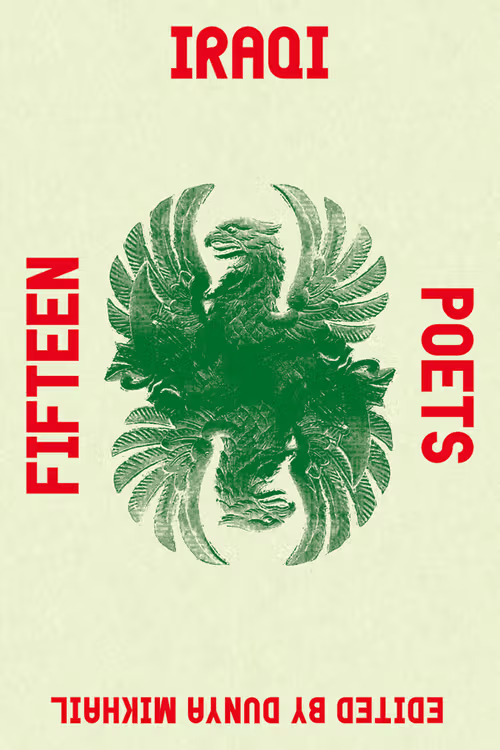
*Αγγλική μετάφραση από τα κουρδικά: Dunya Mikhail. Η αγγλική μετάφραση δημοσιεύτηκε στο “Fifty Iraqi Poets”, Dunya Mikhail (ed.), New Directions Poetry Pamphlet No 12, 2013. Ελληνική απόδοση: Δημήτρης Τρωαδίτης.
Σαρωμένη από τη βροχή Αλήθεια, είναι μια χώρα που οι βροχές την σάρωσαν μια χώρα που έχασα και μετά από καιρό την ξαναβρήκα που πάντα την έχανα πάντα την ξαναέβρισκα Ήταν το μόνο που μπορούσα να κάνω αυτή ήταν η μοίρα μου Συντριβόμουν στα όνειρά μου όταν την επανακτούσα και στον ξύπνιο μου που την είχα πάλι απωλέσει Κι όμως δεν έχω ποτέ κοιμηθεί κι όμως δεν έχω ποτέ ξυπνήσει Είναι μια χώρα που σάρωσαν οι βροχές και με άφησε ούτε τη χάνω ούτε την παίρνω πίσω Οι βροχές με σάρωσαν και άφησαν τη χώρα μου μόνη
*
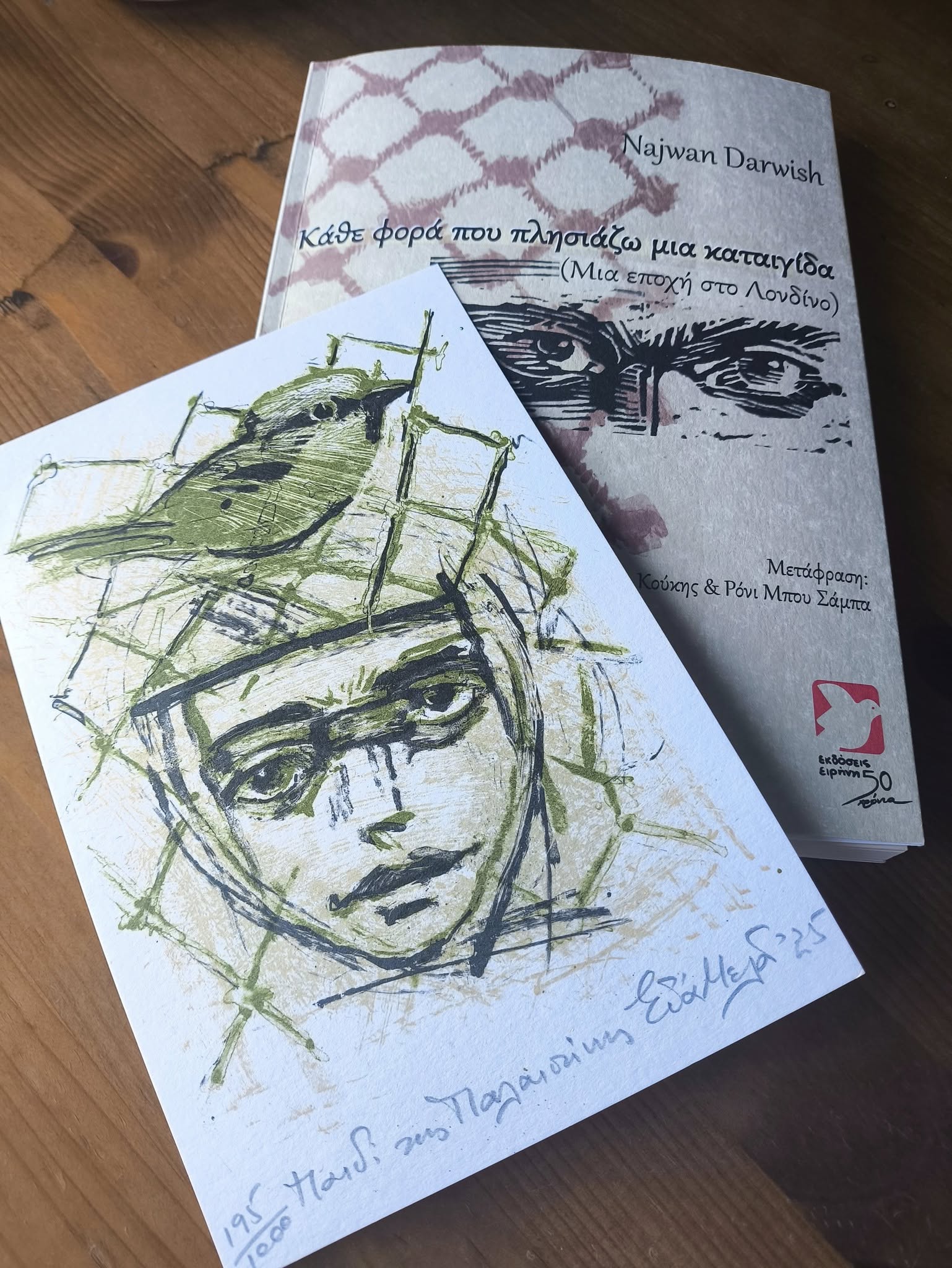
Κάθε φορά που πλησιάζω μια καταιγίδα Σε θυμάμαι στην καταιγίδα γιατι’ είσαι η καταιγίδα χάρη στο πείσμα καταφέραμε να ζήσουμε μέσα σου Χάρισέ μου αυτό το πρωινό, άφησα τα χέρια μου, θα σε χάσω για πάντα; Θα πέσω στα χάσματα της απώλειας, χάσματα που πολλαπλασιάζονται, άκουσε το κρύο τους γέλιο, άφησε πίσω σου κάθε ελπίδα Χάρισέ μου αυτό το πρωινό, άφησα τα χέρια μου, θα χάσω τον εαυτό μου για πάντα, τον εαυτό που έχασα χθες, τον εαυτό που θα χάσω αύριο; Η μοίρα τον φέρνει πίσω μόνο ώστε να τον χάσω ξανά Πώς θα καταλάβουν οι άνθρωποι ότι ζήσαμε χάρη στο πείσμα, παγιδευμένοι ανάμεσα στο να είμαστε ξεριζωμένοι και να μένουμε ανυποχώρητοι; Και πώς εγώ θα καταλάβω ότι κάθε φορά που πλησιάζω μια καταιγίδα θυμάμαι το σπίτι μας;
*Μετάφραση: Χρήστος Κούκης και Ρόνι Μπου Σάμπα, Εκδόσεις Ειρήνη.
Σ΄αυτή τη ζήση άλλοι κολυμπούν στην άνεση κι άλλοι ζουν, μα δεν ζουν ένα βίο αβίωτο τα κατώτερα οικονομικά στρώματα κυρίως η εργατική τάξη υποφέρουν καθημερινά η πιο τίμια τάξη της κοινωνίας αυτή που παράγει τον πλούτο θα έπρεπε να είναι η ανώτερη μα το χρηματιστικό κεφάλαιο φροντίζει να την κρατάει χαμηλά κάποιοι θέλουν να ρίξουν τον εργάτη στο πιοτό να μην αγωνίζεται να μην αντιδρά μα δεν θα τους βγει τα σχέδια τους θ΄ανατραπούν είναι απλά ζήτημα χρόνου.
If they deprive my poems of flowers one of my seasons will die.
If the deprive my poems of my beloved two of my seasons will die.
If they deprive my poems of bread three of my seasons will die.
If they deprive my poems of freedom my whole year will die as will I.
Χωρισμός
Αν στερήσουν τα ποιήματά μου από λουλούδια μια από τις εποχές μου θα πεθάνει.
Αν στερήσουν από τα ποιήματά μου από τους αγαπημένους μου δύο από τις εποχές μου θα πεθάνουν.
Αν στερήσουν τα ποιήματά μου από το ψωμί τρεις από τις εποχές μου θα πεθάνουν.
Αν στερήσουν από τα ποιήματά μου την ελευθερία όλη μου η χρονιά θα πεθάνει όπως και εγώ.
*Αγγλική μετάφραση από τα κουρδικά: Reinhard and Shirwan Mirza. Η αγγλική μετάφραση δημοσιεύτηκε στο “Fifty Iraqi Poets”, edited by Dunya Mikhail. New Directions Poetry Pamphlet No 12, 2013. Ελληνική απόδοση: Δημήτρης Τρωαδίτης.
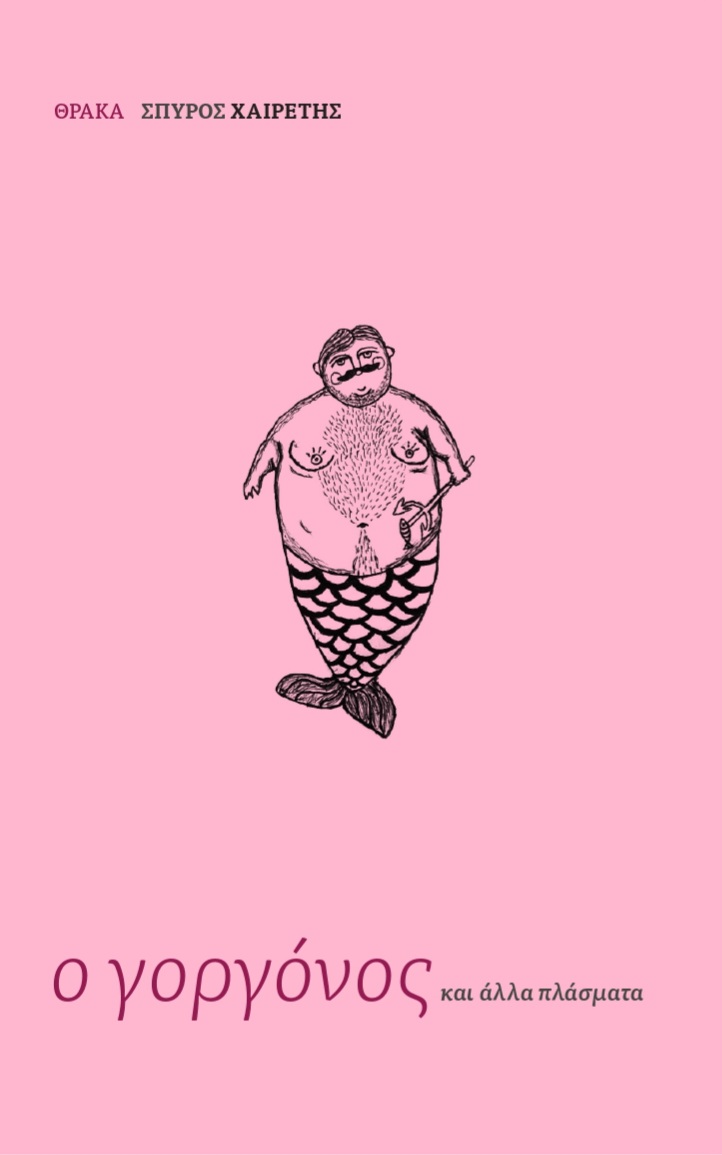
Spiros Chairetis was born in Athens in 1988. He serves as a postdoctoral researcher in the Department of Communication, Media, and Culture at Panteion University and currently holds the position of Visiting Researcher at the University of Amsterdam and the Research Centre for the Humanities (RCH). His research explores the relationship between media and their audiences through genre, feminist, and queer perspectives. Some of his poems and short stories have been featured in the first queer poetic anthology, the feminist zine Mov Medouses, and online poetry magazines. The Merman and Other Creatures is his debut poetry collection (Thraca, 2023).
Your first writing venture The Merman and Other Creatures (Thraca, 2023) received quite favorable reviews upon publication. Tell us a few things about the book.
In the first pages of this book, you will find two quotes from Jack Halberstam’s monograph, The Queer Art of Failure. This is because I see this collection as an elegy on failure in many ways. Most of the poems included were written many years ago, and although I made some attempts to publish them in literary magazines, I had no luck. Yet, failure is a recurring theme permeating the book, illustrating what it means to fail in societal institutions that prioritize certain ways of being—from the expectations and hauntings of performing successful sonhood, the role of a good soldier for the nation, and a proper partner, to tensions within rigid notions of love and understandings of queerness, even within the queer community.
In 2022, I noticed that Thraca had an annual competition for the best debut poetry collection. I submitted my work, which was then called When Jack Halberstam Left the Building. Unsurprisingly, I didn’t win with such a pretentious and niche title (laughs). However, this “setback” provided an opportunity to revisit the poems, modify them, and find a title that better reflects what I wanted to share.
The hybrid symbol of the merman/mermaid and its state of in-betweenness has been theorized over the years as a metaphor for coming out or an allegory for the trans experience. This interpretation is common among critics like Androniki Tasioula, who did me the honor of writing a generous review , and among those who discuss the book with me. And fairly so. But that is not exactly what I had in mind, or at least, not the entire story. Mermaids and mermen have been my companions since I was young. I was obsessed with them and used to draw them all the time. Of course, the creatures I created as a child conformed to Western beauty standards and the ideals of thinness with which we are all familiar. This project is thus an attempt to rewrite the imagery and understandings of childhood with vocabularies from the present. It is an act of undoing the past, which was given to some of us in the late 80s and 90s, at a time when we did not have the knowledge or agency to respond otherwise, and an act of redoing it on our own terms.
The book touches upon a queer thematology, bringing to the spotlight “the contradictions of both heteronormality and homonormality by focusing on the dominant discourse,” while it “comments on the effects of gendered performances on our bodies,” in the words of researcher Haris Otabasis. Does poetry constitute for you a way to increase visibility and raise awareness about LGBTQI+ issues?
Bodies never entirely belong to their owners, and this acknowledgment is quite sad, considering all the mechanisms in place to monitor and direct us. Similarly, books do not belong exclusively to their creators, and that’s the beautiful part. Writing about what has traditionally been at the margins has the potential to create small cracks through which people can glimpse possibilities. That is the optimistic scenario; the real question is who is allowed to write poetry (meaning who has access to publishing houses and can cover the costs often associated with production), who reads this kind of poetry which raises LGBTQI+ issues, how accessible this poetry is to a broad readership, and whether educational settings such as schools and universities incentivize students to explore it. On my pessimistic days, I feel that we are a small bubble—those who read this poetry. Yet sometimes I hear about Black, feminist, and queer poetic voices entering classrooms through bottom-up approaches by teachers and professors who go beyond their “official” syllabus, and I feel hopeful. Increasing visibility and raising awareness about LGBTQI+ issues imply impact, which in the humanities is not easily tangible. So, my answer is that books can incite change when certain conditions are right, but you can’t predict exactly when societal shifts will manifest.
More generally, what about the political aspects of gender and their revolutionary potential in literature?
That’s a tough one. When discussing revolutionary potential, we enter murky waters since each of us has our own definition, which may change over time and vary among individuals. For instance, Greek queer literary works from the past, considered revolutionary then, might have employed themes and forms already common in Anglophone literatures. Today, these same works, especially those adopting a single-axis framework of gender, might not be seen as revolutionary because literature and our expectations of it have changed. Therefore, context and time are crucial factors to consider.
Currently, a series of events have thrust gender and sexuality into the spotlight of social discussions as well as the publishing industry. A common criticism is that as these topics become mainstream, we might lose some of the subversive or provocative impulse they once generated. In other words, this shift can lead to the creation of works that cater to what publishers or audiences believe they already want to see.
I am curious about the poetic creations being prepared now because this body of work is bound to initiate some interesting discussions about feminist and queer writings following the popularization of queer and intersectionality theory. Yet, to return to your question, theory suggests that for a cultural text to be deemed revolutionary, it cannot simply describe what already exists or pander to power structures and expectations; it must transcend and move us aesthetically and affectively. In practice, it is interesting to ask ourselves why we need to categorize everything as “revolutionary or not.” Sometimes, it is valuable to step back and appreciate works for their entertaining, soothing, and educational qualities, or simply because they exist.
What role does language play in your writings? Does it constitute a means for young writers to deconstruct and reconstruct the world in their own terms?
Language play is one of the most liberating activities one can pursue. Reflecting on your earlier question about visibility and change, I’m struck by how language continuously expands. The adoption of “they/them” pronouns, for instance, exemplifies the resilience and creativity of younger generations who navigate a world of ever-evolving self-expression. This serves as a reminder that language is neither a monolith nor merely what we learned in school; it is a dynamic construct that evolves as we understand and relate to ourselves and those around us. In my writing, I revel in deleting phrases, playing with double entendres, emphasizing unexpected syllables, and inventing new words. I share this playful relationship with language with friends who enjoy experimenting with it as well.
A couple of years ago, I attended a feminist writing workshop at Faro Creative Learning, a beautiful space led by Leda Dialyna. During this workshop, we were working on a book that might be published someday. One section, inspired by the instructor Katerina Sergidou, was called “The Baby-Nioti’s Dictionary”. This term evokes the innocence of early language, a time when we freely expressed ourselves as babies. It contrasts sharply with the formal dictionaries published by the linguist and philologist Babiniotis, offering truly inspiring entries that you cannot find in a typical dictionary, no matter how updated it may be. Such initiatives are delightful because they introduce messiness into a field dominated by certainty and rules. By stretching these boundaries, we can see that language, as it stands, is never enough and requires ongoing efforts to better suit people’s needs and the current political realities we experience.
Where do your academic interests meet your poetic writings? Would you say the constitute communicating vessels?
Academic and poetic writing are in dialogue, but I hope this interaction unfolds organically rather than through didactic means. Readers of the poems should be the ones to decide. My academic engagement with pop culture often brings elements of well-known 90s television comedies, iconic songs, and prominent queer figures into my poems. Humor is also a significant aspect of both my academic and poetic work. I believe that humor, regardless of its perceived silliness or frivolity, is always political and has the unique ability to convey complex matters in an oblique fashion.
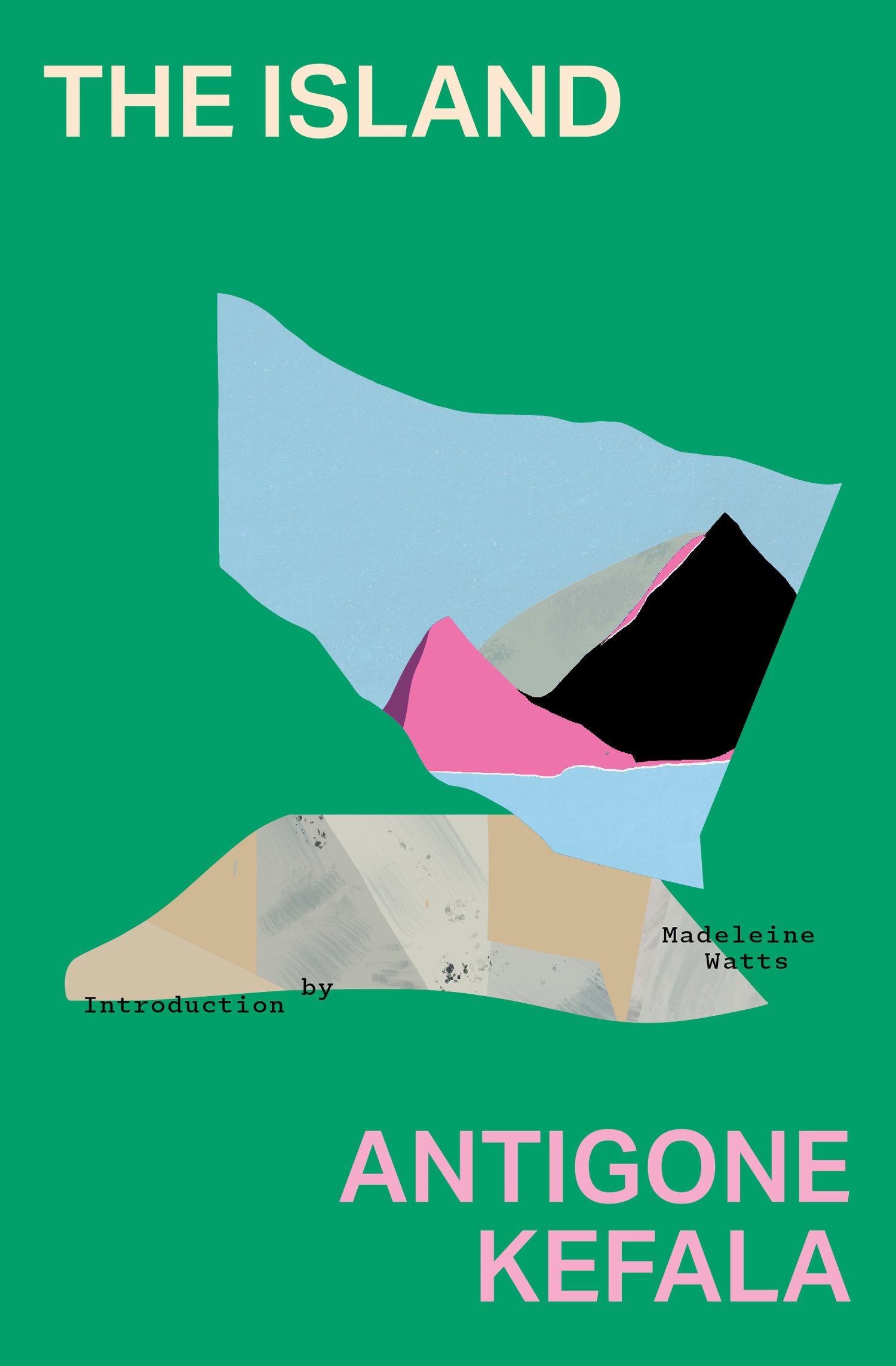
The Australian writer’s 1984 novel, The Island, is a hypnotic work of fiction about the border between life and art.
MADELEINE WATTS*
This essay originally appeared as the introduction to The Island (Transit Books).
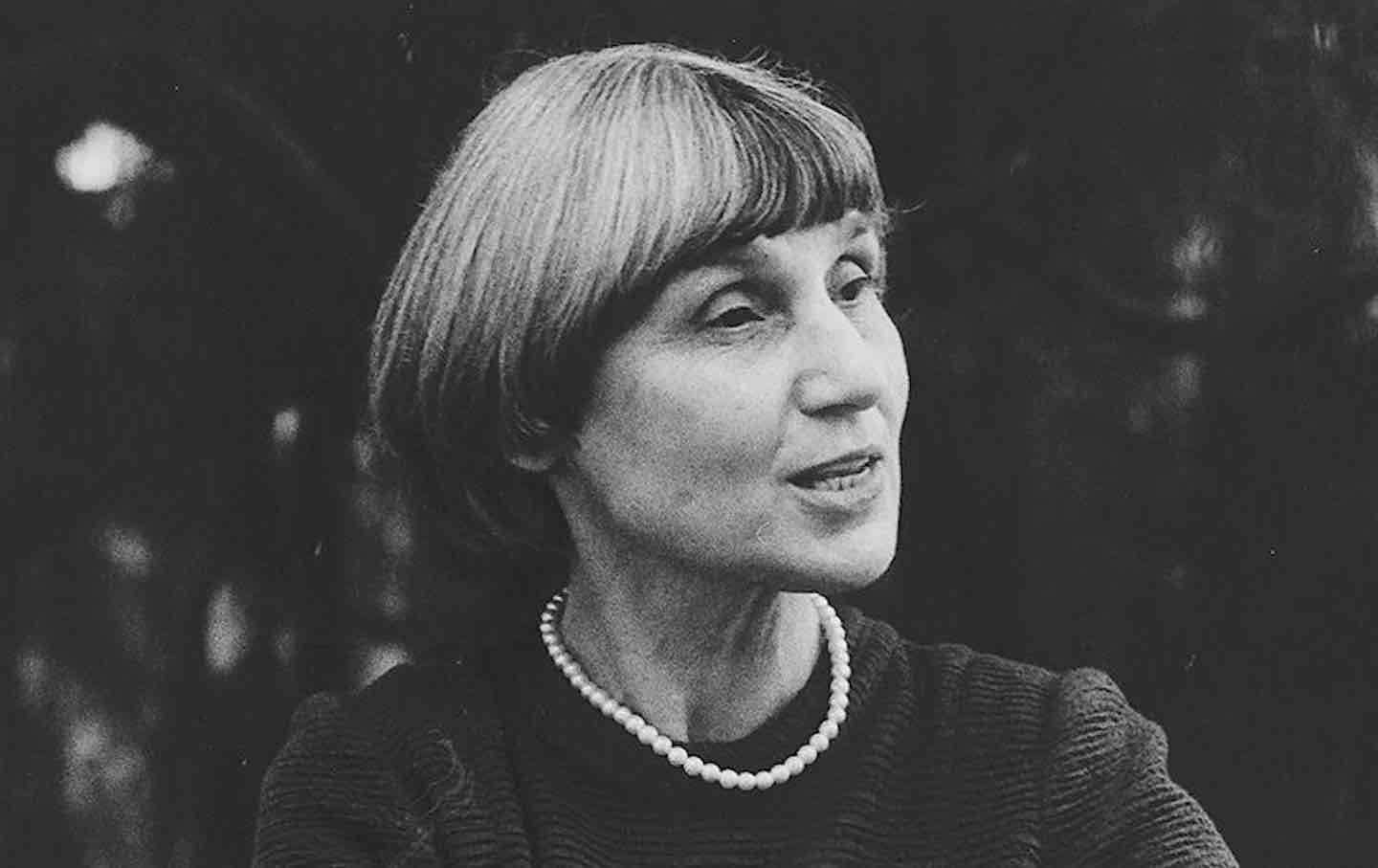
The first time I heard about Antigone Kefala was when I was in my second year of university. She was described to me by an older writer as “a preeminent poet from Sydney.” At the time, I was majoring in English at the University of Sydney, but Kefala’s work had never been assigned, and most of the writers I associated with Sydney were long dead. I remember going to the bookstore just off campus that afternoon and browsing the shelves, but I couldn’t find anything by Antigone Kefala, and quickly gave up the search.
This is not an uncommon story. Antigone Kefala was a writer who spent much of her literary career flying under the radar. In 2010, the same year that I first heard about her, Kefala wrote in her journal about being left out of the Macquarie PEN Anthology of Australian Literature. She was, understandably, upset that certain writers—she among them—had been “totally effaced.” The anthology included work by early British settlers, excerpts of 19th-century drudgery, and Kefala’s contemporaries, like David Malouf, Shirley Hazzard, and Gerald Murnane. In an interview with the literary journal HEAT around the same time, Kefala said, “I have been so far out of any critical line in Australia in terms of writing. Apart from one or two people, no one has approached the work as a serious intellectual activity.” For a long time, it seemed like the only story to tell about Antigone Kefala was a ghost story: her persistent absence from any mainstream literary recognition, in Australia, and elsewhere.
Antigone Kefala was born in the Romanian city of Brăila in 1931, a city on the Danube close to the modern-day Moldovan border. Kefala’s parents were Greek by heritage, but her family had lived in Romania for three generations by the time their daughter was born. After World War II, as a wave of political unrest swept through Romania, the family fled. Kefala arrived in 1947, at age 16, in Greece, a country that was on the brink of civil war. The family lived in refugee camps set up by the International Refugee Organization, and set about applying to emigrate. Rejected by Australia because of an X-ray that showed a small shadow on her mother’s lung, the family instead left for New Zealand in 1951. Later, Kefala described the shock of the green dampness of New Zealand, the difficulty of communicating in English, and the feeling of first being unwanted, “made to feel that our faces, our gestures, belonged to this outside category with which the locals did not want to become involved.”
In 1960 Kefala moved, for the last time, to Sydney. The Sydney she arrived in that year was very different from the city I grew up in. This was the era of the White Australia policy, which had only just been relaxed to allow migration from continental Europe but continued to bar nearly everybody else. Women were still not allowed to drink in pubs. The tramways were being pulled up and expressways being built, ushering in a future of traffic jams and dodgy buses that made getting around when I was a teenager a misery. Indigenous Australians remained unrecognized in the constitution and unable to vote, and Indigenous children were still being forcibly and routinely removed from their families, a group of children known now as the Stolen Generations.
It was also the first hint of an aperture opening between Australia and the rest of the world. Kefala sailed into Sydney Harbor on a summer morning, full of light and heat and movement, its most seductive time of year. She described those first days in Sydney as something like a homecoming. “My past in Romania, in Greece, came back as a meaningful experience in a landscape that had similar resonances,” she wrote. “The landscape was already feeling familiar, allowing me to survive.” Survival, in many ways, equaled writing. It was only once she arrived in Sydney that Kefala became a writer.
After spending long days teaching English to other migrants, Kefala would go to the Mitchell Library and spend her evenings writing before catching the bus home. Her first language was Romanian; she learned French at school, and she became fluent in Greek as a teenager. Only in her 20s, in New Zealand, did she learn English, her fourth language. But when she began to write seriously, Kefala wrote in English. “I feel you have to live in a language to be able to write in it,” Kefala said in a 1994 interview. “I couldn’t write in Romanian or Greek or French because they were languages that I had somehow passed through. English was the language I was actually living in.” But it was many years before Kefala made headway with publishers. She gradually began to suspect, from the editorial comments that did come back, that there was something about the issues that preoccupied her, and something about her language, which didn’t quite “fit.”
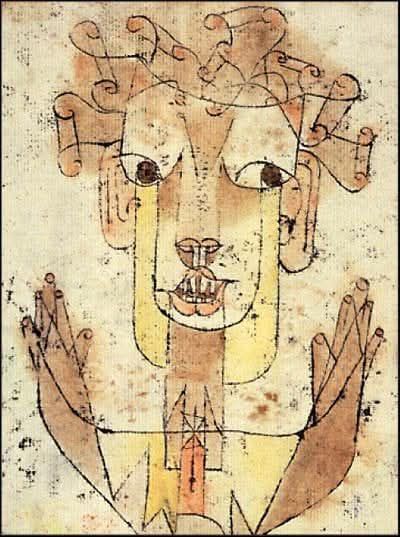
The Alien, Kefala’s first volume of poetry, was released in 1973 by Makar Press, a small publisher that had sprung out of a student magazine at the University of Queensland. Although it was her first big break, her style was so different from what amounted to the (admittedly tiny) poetry mainstream in 1970s Australia that there were internal debates among the editors about whether it should be published at all.
To an outsider, it might seem peculiar the way that Australia’s literary establishment expends time arbitrating how “Australian” or “un-Australian” a work of art is deemed to be. The US and the UK are united as the Anglophone centers of the world—around which all the other Englishes orbit, and against which the rest of us attempt to stake our territory.
Kefala’s work was always fighting to find critical recognition within the boundaries of that small territory, and frequently wound up on its edges. So many contemporaneous reviews and interviews belabored questions of identity, migration, and “multiculturalism,” and questioned where Kefala “fit” in the Australian literary landscape, without really ever talking about Kefala and her work itself.
When I did finally track down an Antigone Kefala book, it was many years after I’d left Sydney and moved to New York. In America, I found that being Australian had become a part of my identity in a way it hadn’t been at home, simply because it was now the adjective I heard most frequently used to describe myself. I was beginning to write seriously, and trying to figure out where I might fit in a national tradition. I read more Australian literature in my first years in America than I ever had before.
By signing up, you confirm that you are over the age of 16 and agree to receive occasional promotional offers for programs that support The Nation’s journalism. You may unsubscribe or adjust your preferences at any time. You can read our Privacy Policy here.
That was the quest I was on when I found The Island, on an infrequent trip home in 2018—out of print, in the Australian section of Sappho Books on Glebe Point Road, siloed off from the other fiction. I read it quickly, in the unsettling and familiar humidity of the guest room that had once been my childhood bedroom. After that, I made my way through everything I could get—Kefala’s poetry, her Sydney Journals and Late Journals, and the novellas collected in Summer Visit.
The Island, originally published in 1984, was one of Kefala’s first works of prose. A review in The Sydney Morning Herald used what would become familiar adjectives to describe Kefala’s work: haunting, cool, dense, impressionistic. Another review, in Outrider, described The Island as having a “European sensibility.” All of these descriptors were true, and yet none of it got at the complexity that made The Island so resonant and so beautiful.
The Island isn’t confessional, but its autobiographical underpinnings are clear. Its protagonist, Melina, is a young university student living sometime in the mid-20th century, a migrant by way of Romania and Greece, and coming now into her independence. The plot is light, not really the point; the writing is most interested in the process of “becoming,” trying to find a new kind of form in which the experience of being alive will crystallize. Kefala’s writing is always processing the present through the past, her protagonist’s experience of the present necessarily strung through and in reference to Greece, Romania, New Zealand, because how could it not be? This movement between an intensely imagined nostalgic past and the hyperreality of the present is what constitutes the hypnotic quality of The Island.
When The Island was published, Australian literature was dominated by the big, blustery novels of mostly male writers like Peter Carey and Tim Winton. Writers were beginning to reckon with the genocidal reality of Australia’s colonial history, and the books that got the most attention were the ones that lent themselves best to being included on high school curricula. Something like The Island was radically different. On that humid afternoon when I first read The Island I was struck by the self-contained language, the intensely visual quality of the prose, the fluidity with which Kefala moves between memories and Melina’s present day, as if the border between the two were indistinct. It reminded me of other novels I had taken to calling “thin works of 20th-century womanhood” that I was reading around that same time, books by Marina Tsvetaeva, Clarice Lispector, Marguerite Duras, Nathalie Sarraute, Christa Wolf. Each of these books struck me with the sense that I had discovered a long-lost great aunt I closely resembled.
When I reread Kefala now, it’s precisely that quality of transnationality I find most poignant. I too have become somebody whose experience of the present tense is colored by my relationship to the many places I have lived in: I bicycle through Berlin behind a girl in Doc Martens and she merges with my sister in Melbourne; I drive across the Central Tablelands of New South Wales babbling to my husband about how everything reminds me of Southern California; the claustrophobia I feel in New York after an August storm reminds me that my body still expects the “cool change” of a Sydney February. This is what it is like to live along the edges, in the in-between spaces, of different countries, cultures, languages.
During the 2000s Kefala’s work began to be published by Sydney’s Giramondo Publishing, the champion of Australian authors who have experienced late-career revivals in America, including Gerald Murnane and Alexis Wright. When Kefala died in 2022, I learned of her passing from a eulogy sent out by Giramondo. Only a few weeks earlier, she had received the Patrick White Literary Award, given to a writer whose life’s work has made a significant contribution to Australian literature without being adequately recognized. Now, three years later, The Island gets a new lease on life. I only wish it had come sooner. There are still far too few of us who whisper Kefala’s name among ourselves, as a “preeminent poet from Sydney.”
The copy of The Island sitting beside me as I write is the same one that I bought in 2018. A sticker inside attests that it was originally bought at the Feminist Bookshop in Lilyfield in 1984. It smells like Sydney. By which I mean it smells like my mother’s makeup-stained sewing box in the mildewy cupboard, like the yellow photo albums lined up in my grandparents’ bookshelves below the VHS tapes; it smells like the humidity of that childhood bedroom. It smells as though the elements of Sydney—saltwater, southerly winds, rotting fig and jacaranda blossoms, eucalyptus leaves baking on sandstone soil, roast lamb, Vegemite toast, passion fruit vines, magpies and cockatoos and lorikeets—all of it—had been absorbed by the glue and ink and paper. Because at the end of the day, it was Sydney that defined Antigone Kefala’s work, and it was there she came to rest after decades of wandering. My copy has traveled three different continents, and two of the world’s oceans, to sit here on my desk. But when I fan the pages from right to left, this book is the closest to home I could possibly be.
*Madeleine Watts is a writer of novels, stories, and essays. She is most recently the author of Elegy, Southwest.
Τον φόβο σας Που δεν ξέρω σε ποιον εύθραυστο ναό ζυμώθηκε Σαν κατηφής Ρωμαίος στρατιώτης κάτω απ’ την ασπίδα του Τον περιφρονώ με την ακάματη διαύγεια του νου Όντας κτηνώδης και αταλάντευτος
Ούτε ψήγμα λύπης δεν με βαραίνει για όσα έκανα Κι αν κάτι με ώθησε προς αυτό το ακατάβλητο σκότος Eίναι οι βαθιές αναπνοές κάτω από ρυπαρά σκεπάσματα Ο πιο λαμπρός ποιητής θα είμαι επί προσώπου γης O πιο μεγαλειώδης
Θέλετε Σε σταυροδρόμια τα φλογόπνοα άλογα Με χτύπους άγριους των οπλών τους να θρυμματίζουν πεζοδρόμια Ύστερα σαν πετεινός ισχνός με λαιμό κυρτό Κεραυνός τη θλιβερή τελμάτωση να φλογίσει Η πέμπτη σάλπιγγα
Δεν θέλετε;! Όπως επιθυμείτε. Δεν απελπίζομαι Αργά ή γρήγορα θα σβήσουν τα κεριά Η Τροία έπεσε όταν αλλοπαρμένη Αποκάλεσαν οι Τρώες την Κασσάνδρα
*Μετάφραση: Ελεάνα Ζιάκου. Δημοσιεύτηκε στο τεύχος 32 (χειμώνας-άνοιξη 2025) του Τεφλόν, ως μέρος αφιερώματος στη σύγχρονη ποίηση από την Αλβανία.



 To Koskino