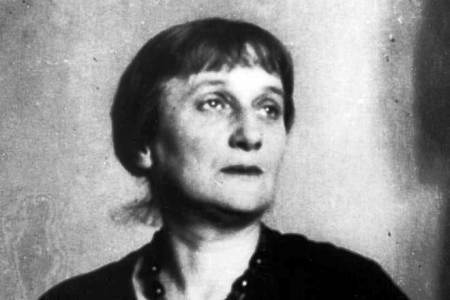
Τώνια Τσαρούχα, Τις Κυριακές ανθίζουμε

Τις Κυριακές η θλίψη φοράει μπουφάν από πούπουλο
Κάθεται στην άκρη του κρεβατιού χωρίς να μιλάει
Σαν να ξέρει πως ανθίζουμε άγριοι και αληθινοί
Ενώ ο ήλιος μπαίνει στο δωμάτιο απ’ τις περσίδες.

Ανθίζουμε στο χάδι
Στο βλέμμα που στέκεται λίγο παραπάνω
Στο «Σε θέλω» που δεν χρειάζεται λόγια
Στη σιωπή όπου επιπλέουν χαμόγελα.

Αύριο με φύλλα σπιλωμένα απ’ το φθινόπωρο θα επιστρέψουμε στις ρίζες
Θα γίνουμε πάλι υπόγειοι πατώντας στις νότες ενός κλαρινέτου μπάσου
Σήμερα όμως με αγγίζεις και στα δάχτυλά σου αρχίζει κήπος από πέταλα
Που δεν φοβούνται τον άνεμο.

Σήμερα σε φιλάω κι έχω στο στόμα τη γεύση του χώματος
Αυτού που σκάψαμε για να βλαστήσουμε σαν υγρός ψίθυρος
Ανάμεσα σε λόγχες από φρέζιες και φως.

*Το ποίημα και η φωτογραφία του ΠάνουΚεφαλά αναδημοσιεύονται από εδώ: https://fteraxinasmag.wordpress.com/2025/12/09/τις-κυριακές-ανθίζουμε-τώνια-τσαρούχ/

Χρηστίνα-Καλλιρρόη Γαρμπή, Θάλασσα δωματίου [απόσπασμα]

3.


αφήνω μια κενή σελίδα
για να θυμάμαι ό,τι πρέπει να ξεχνάω


αυτό το καλοκαίρι μπήκε κάτω απ’ το δέρμα μας
και τώρα θα κλάψω σαν παιδί


δύο Ρώσοι στην ακτή του γκρεμού
μας είπε ότι η ησυχία ανοίγει
τον δρόμο στην αιωνιότητα


έπειτα φάγαμε το πρώτο πεπόνι
του κήπου τους


φαντασία
συναισθήματα
μνήμη
μας κάνουν χρόνο


έτσι μας είπαν


κι εμείς κοιτάξαμε τα ποτήρια μας
σαν να μας έκατσε αγκάθι στον λαιμό


θα περπατήσω πολύ τώρα
γιατί τύχη μάλλον δεν υπάρχει
και τα σκυλιά το γνωρίζουν καλά αυτό


θα περπατήσω χωρίς ξέρω προς τα πού


αυτοί οι Ρώσοι
ακίνητοι
πάνω στο νοτιότερο νησί
πλησιάζουν την Αφρική
(και το ξέρουν)


φαντασία φαντασία φαντασία
όλη τη νύχτα
γλείφαμε αυτή τη λέξη


να θες να πας κάπου
που δεν ξέρεις πού είναι
είπε
και κοίταξε χαμογελώντας τους τοίχους
των δωματίων όλης μας της ζωής


φαντασία φαντασία
κι όλοι οι τρανοί που δεν κοιτάξαμε
μας χαστουκίζουν


φαντασία
κι αγκαλιάζω με όλη μου τη δύναμη
μα μεγάλη
γυναίκα
στη μέση
ενός σκοτεινού
κήπου


*Από τη συλλογή “Άπω Αργεντινή”, Εκδόσεις Σμίλη, 2023.

Reading Greece: Katerina Gkiouleka – “ Architecture and poetry converge in their use of lived experience”

Katerina Gkiouleka was born in Athens. She is a graduate of the German School of Athens and studied at the Technical University of Munich. She currently practices architecture in Greece. Projects and studies in which she held positions of responsibility have received notable distinctions. For many years, she has been the author and visual editor of the blog Mechanical Pencil – (awkward) stories and verses online, where she exclusively publishes her own short prose and poetry. Her poems have also appeared in various online literary magazines and blogs, initially under the pen name Poupermina (Mechanical Pencil).


In April 2024, her poetry collection ΠΛΑΝΗΣ ΣΤΗΝ ΠΛΑΝΗ ΤΗΣ was published by Thines Editions, under the direction of Zizi Salimba. The book was edited by the literary scholar Dioni Dimitriadou and features original artworks by visual artist Giorgos Tsopanos. It comprises 74 poems written between 2017 and 2022. Selected unpublished poems from her work, alongside fifteen other female poetic voices, were included in the collective volume Sixteen Pens Weave the Contemporary Fabric of Poetry edited by poet Kostas Th. Rizakis, with a critical commentary by Isidora Malama, and visual works by Fotini Chamidieli (Koukkida, 2024). She has also contributed to thematic literary anthologies and is a member of the poetry circle Steriani Zali, hosted by Monoclebookstore.


Your first writing venture ΠΛΑΝΗΣ ΣΤΗΝ ΠΛΑΝΗ ΤΗΣ  [Errant in (her) error] was published by Thines. Could you tell us a few things about the book and elaborate on its title?
Ι would like to thank you for offering me the opportunity to speak about my book. Of course, there is no better way to become acquainted with it than by reading the poems themselves. Still, I will attempt to offer you a glimpse. This is my first attempt at publishing. I differentiate it from any attempt at writing, because it was preceded by my personal blog, “Mechanical Pencil – (awkward) stories and verses online”, where a large body of my writings gathered over time. By the end of 2022, a certain cycle had been completed, and in a way, the writings felt cramped on the blog. They seemed to demand a passage forward – to urge my writing toward a new stage. Trusting my intuition, I chose to take that first step through poetry selecting poems written between 2017 and 2022. After making substantial cuts, I shaped a collection of 74 poems, divided into four sections, each guided by the rhythm of the daily cycle of time. The arrangement follows the moods that emerge from, and the imagery contained within, the individual verses.


In retrospect, it might sound like a dry, methodical process but in truth, the shaping of the collection was, to a remarkable extent, an entirely spontaneous act of creation. It was a seamless transition from the blog’s scattered labels to a unified poetic body. The four sections of the book took their names from the zones of the twenty-four-hour cycle, and each poem was given an epititle – one that reflects its position within that structure and anchors it to the whole.


The book’s length often surprises readers, particularly those unfamiliar with the background of the poems, which originated from the much more extensive blog. It also stands in contrast to readers accustomed to shorter, more thematically focused collections. Still, I   feel compelled to stand by my decision not to present this earlier material in a segmented manner, especially since the structure of the collection is, by design, a reflection of a long and hazy journey through time. (1)


The poems are written in free verse, yet they carry an underlying sense of linguistic rhythm. Rhyme is employed only sparingly – mostly when there is a tenderly wry mood toward content.


As the collection gradually moved toward its final form, a deeper connection began to emerge between the wandering through the hours of the day and the planetary motion itself. It was at this point that the title ΠΛΑΝΗΣ ΣΤΗΝ ΠΛΑΝΗ ΤΗΣ [Errant in (her) error]revealed its fitting resonance. The alliteration of πλάνης (errant), πλάνη (error), and πλανήτης (planet), in Greek the phrases ‘ΠΛΑΝΗ ΤΗΣ’ and ‘ΠΛΑΝΗΤΗΣ’ (‘her error’ and ‘planet’) sound the same when written in capital letters]—offered a phonetic and semantic echo that captured the collection’s core. This word-centric or language-centric writing, as described by Lilia Tsouva during her presentation at the 2024 Thessaloniki Book Fair, is a thread that runs throughout the work.


Within the book, the oscillating journey through moods, questions, and lived experiences finds its counterpoint in the inevitability of repetitive planetary motion. This contrast subtly anchors the poetic self within the scale and position it truly occupies in the greater order of the world.


At this stage, a fruitful collaboration took place with my editor, Dioni Dimitriadou. Next, my publisher, Zizi Salimba – who embraced and supported with persistant personal work the project with genuine enthusiasm from the very beginning – invited illustrator Giorgos Tsopanos to read the collection and create original artwork for both the front and back covers. What emerged were two artworks that, to me, were entirely unexpected; yet they resonate beautifully with the fate of the poetic self, cast adrift in the world, a theme that feels anything but foreign within this collection. He also introduced subtle gothic elements, drawn from his own distinct artistic vocabulary.


Your poems often evoke a haunting, dreamlike atmosphere, full of symbolism, imbued with both nostalgia and a quiet defiance. Which are the main themes your poetry touches upon? Are there recurrent points of reference in your writings?
Your description does indeed fit the book – or at least, I would be glad if readers saw it that way. I had always thought of it as a work brimming with deeper emotion, judging by my own state of mind during the writing process – until the collection was later praised (generously, I must acknowledge) for its structural rigor. That response compelled me to interrogate it myself, to see whether it might finally confess that to me as well.


There was no deliberate foreshadowing in the shaping of the themes. These are subjects that preoccupy me, consciously or unconsciously, and they surface alongside families of words that take form in my thoughts or at the tip of my pencil (or, rather, during typing). The title of my blog, Mechanical Pencil, deals with that, the partly spontaneous writing. And of course, it also refers to the primary tool of my compositional work in architecture: the mechanical pencil – through which creativity, again, filters the demands and the mundane rational data, and the unified design, seems to emerge effortlessly the moment the pencil touches the paper, as if composing all on its own.


As for themes, I would name the recurring inquiry into (un)certainties – hence, also, delusion; the depiction of inner psychic or spatial landscapes through imagery; the futility of the human condition; language itself, as a partially inadequate instrument of perception, a means of naming and receiving reality, of shaping thought; the fact of repetition of personal patterns, or even obsessions; dialogue with the inner self; a first-person experience of space and time, whether separately or in synchrony; otherness, the absent other, the solitude of existence; and, always, art, that sole entity capable of penetrating us and stirring upheavals within, upheavals which, in turn, open new horizons and refine both our perceptive and expressive tools. Nor is the feminine perspective concealed. There are also poems that converse with dreams and bear, in their epititles, the German word Traum (dream) and the Greek word Trauma. Though unrelated etymologically, and linked only by sound, they nonetheless converge in shaping and giving voice to the psyche.


The nostalgia you perceived relates primarily to language’s inability to remember – to grasp and articulate something vaguely enchanting, something that seems to belong to a time before language even entered the subject’s life. The quiet scepticism has more to do with a kind of reconciliation – a coming to terms with fate, and with the fellow passengers of one’s journey through life. You also experiment with language playing with words in their various meanings. What role does language play in your poems?
Though not intentionally, language claimed a central place in my poetry from the very beginning. In hindsight, I read this as a kind of provocation – or invitation – to communicate, a resounding appeal to the world. An articulation of speech where, until recently, something in me stuttered my own personal coordinates. A mating song (like that of birds or marine mammals) offered up into the poetic stage. I introduce myself as a poetic subject; I hope what I’m trying to say makes sense. And of course, I build with language – I construct – because that is what I was taught to do and what I practice professionally.
Language exerts a formidable enchantment over me. First and foremost, its rhythm, its connotations, alliterations, homophonies; the improbable vocabularies of various fields and disciplines, its dialects, the slumbering words of bygone eras, the Greek of Cretan Renaissance poetry, its oblique deviations, its lapsi, its wordplay – the competing associations crowding within it, all jostling to be spoken. All those things that not only shape thought, but also know how to shift it creatively. Within these inexhaustible linguistic varieties, the potential of poetry already lies in wait: the materials of its unpredictable Avant-garde scenography hinted at.


To confirm a poem, I always read it many times by heart to hear its voice.


Thus, since language enchants me, it compels me. It… writes me. And as the inescapable medium of verse and poetry, it becomes the primary instrument of personal offering, the thread with which the poetic self is woven.


How is poetry related to the world it inhabits? Could it be used to help form different narratives about the world?
It is directly related. I would even say unmediated. The world that surrounds us shapes us; it enriches or deprives us, confines us or projects us to the world, teaches us or conceals from us. It identifies us, or demands our identification with pre-constructed models and at the same time may isolate us as unclassifiable. The poetic subjects, shaped by the circumstances of their time, speak in the language of poetry about the pain of the human condition and the boundaries of the social bond. In their verses, they trace unforeseen correlations,
signal latent possibilities, describe their sidelong gaze at the world, convey moods – at times of tender reconciliation, at others of insurgent energy – sounding the alarm of urgency.
Perhaps this is the right moment to note that I am not drawn to poetry as a statement, but rather as a possibility, a version. This is why I find myself captivated by poets and voices that are vastly different from one another. I would not easily choose a single figure, movement, or generation.


Where does the architect meet the poet in your work? Would you say that architecture and poetry constitute communicating vessels?
In our time, the interdisciplinary formation of personality has been pinpointed. I write as a middle-class woman, a mother, an architect, and so forth. Of course, over the years, the daily immersion in a specific field profoundly influences the way we see, or determines the themes we choose to see, ignoring others. A doctor friend once described how, without intending to, she found herself observing, on the arms of passengers in a bus, whether good veins for blood draws were visible. An architect, looking out from the window of that very same bus, studies spatial relationships, architectural elements, light and shadow, shades, pathways. Personally, I perceive space and its experience, habitation or conquest, through the filter of a woman architect. It’s with these, and whatever other baggage and identities I carry, that I write. Yet, these identities do not appear clearly delineated, each confined solely to its particular occupation.
Beyond the obvious mirroring between, on one hand, the poetic essence in architecture – the lyricism in its lines and the compositional form-shaping outcome, along with its dialogue with the landscape or broader environment, concepts which, incidentally, remain relatively ignored to the wider Greek public – and, on the other hand, architecture’s influence on the composition of writing, architecture and poetry converge in their use of lived experience. They grasp spatial and temporal qualities; they perceive, comment on, and respond to decay, entropy, the chiaroscuro of life; to the challenges of places and landscapes; to grounding and suspension; to the subtlety of shades; to the capacity to introspect the private and provoke the collective; to the staging of temporarily permanent habitats, and to the hosting of their visitors.


In what ways do contemporary Greek writers converse with global literary trends? Where does the local/national meet the universal?
We are living, especially as experienced in the Western world, in an era of widespread globalization. All the themes that touch on existential anxiety, ontological questioning, the search for identity, gendered expression, the negotiation of otherness, the proposal of alternative paradigms, the human condition today, the environment and climate change, the reception of art, the role of AI, our stance toward current political challenges and global conflicts, are all areas in which the Greek creators can indeed converse and contribute on the international stage, provided they carry a grounded sense of place, robust expressive tools, and a distinct, original voice. Yet in this field, a language centric, especially when poetic, writing in Greek proves more difficult to communicate globally. Its resistance to translation becomes a challenge in itself.


We’ve drifted quite far from the book and the poems themselves. I’d like to close with a few verses and thank you and Reading Greece once again for the invitation to this interview!


Just then however she retired
gently closing the translucent screens
having as guides the perfect dovetails
and the mortices of the bearing cypress wood
with a well sharpened reed
she was cutting herself skilfully
and that, years aplenty
before the age of
the overseas trading
of alum

[Excerpt from the poem The Calligrapher]

Above all no more meanings
no more conclusions and theories
since forever all tenuously proven
nor to consider it, to explain the absurd
let’s say, how did absence ever learn
to unwind the watches or how on earth
did the beautiful smokestack Lato
having swam from Crete diagonally
upwards to the Meadow of the Gods
slip later the crafty one
the Philopappos’ way;
[Excerpt from the poem Suspicions]


(1) The poems that were included in the poetry collection Errant in (her) error, except those that had already been published on literary websites, were removed from the blog and have now found a new home in the printed book.


*Interview by Athina Rossoglou
INTRO PHOTO ©Vaggelis Tsiamis


*Link: https://www.greeknewsagenda.gr/reading-greece-katerina-giouleka-architecture-and-poetry-converge-in-their-use-of-lived-experience/?fbclid=IwY2xjawNHT6hleHRuA2FlbQIxMQABHkUfp04XEpjhJPfPELqimXcNTLfwuKnmxsgZn0RgsUPvthSpxgInpakww2TV_aem_bUkLXlWU6D-nPVPf_2uIUg

Omed Qarani, Τέσσερα ποιήματα

Παλιό τραγούδι
 
Δεν χρειάζεται να θυμάσαι,
Εμείς γνωρίζουμε
πως ο θάνατος είναι μια ορεινή νύχτα
κι ένα κομμάτι κρύο ψωμί
κρεμασμένο στον αέρα
Και το γεγονός ότι δεν θα επιστρέψεις ποτέ,
κάνει τη ζωή διαρκώς πιο γλυκιά…


*


Ορφέας σε έναν άλλο Άδη
 
 
Δεν κάνω τίποτα
Μόνο γράφω ποιήματα
Η μόνη μου σκέψη και συλλογή
είναι τι να γράψω τώρα!
Έτσι φαίνεται πως η μόνη μου
επιθυμία και
σκοπός είναι
το πώς… το πότε να
αυτοκαταστραφώ
και να χαθώ
Δεν κάνω τίποτα
Μόνο γράφω ποιήματα!
 
Η μοναδική μου αδελφή είχε δίκιο
Το μοναδικό εργαλείο
αυτοκαταστροφής μου…
 
*


Ιουλιανές νύχτες
 
Νύχτα ενός Ιουλίου,
εργάτες κοιμούνται υπό το σεληνόφως,
περιστέρια πίσω
από τα βλέφαρα των οφθαλμών μου κρύβονται,
τα όνειρά μου
από τον μιναρέ της σιγής πέφτουν
και λέω στον εαυτό μου:
δεν είμαστε τίποτα
παρά παιχνίδι για τον τόπο και τον χρόνο…
Άλλη νύχτα ενός Ιουλίου,
εργάτες υπό το σεληνόφως
κοιμισμένοι, τα βλέφαρά μου τόσο βαριά
όσο εκείνο το κτίριο
που πάνω του είμαστε ξαπλωμένοι,
σκέπτομαι τις παραπλανητικές σχέσεις,
τους φθηνούς λόγους,
το τραύμα του ανόητου γέλιου,
λέω στον εαυτό μου
η ζωή ρεύει με την φλέβα που υπομένει…


*


Φλας μπακ
 
Ο λόγος που για μερικά χρόνια
η αστυνομία με κυνηγούσε διαρκώς
και μερικά χρόνια με φυλάκισαν
δεν ήταν ότι ήμουν κάποιος νέος επαναστάτης
ούτε κάποιος παλιός τρομοκράτης
ήμουν απλώς μεθυσμένος
ήθελα να ανατινάξω τα κτίρια
αφού ο Μιναρές του Τσόλι *
είχε χαθεί από μένα!
 
 
Ιωάννινα, Ελλάδα 2018
 
Ο Μιναρές Τσόλι (γνωστός και ως Μιναρές Μουζαφαρίγια) είναι ένα ιστορικό μνημείο στην πόλη της Ἄρβηλα (Χαουλέρ -Αρμπίλ). Η ιστορία του χρονολογείται περίπου 800 χρόνια πριν. Ύψος: Είναι περίπου 36 μέτρα και αποτελείται από μια οκταγωνική βάση και έναν κυλινδρικό κορμό.
 
 
**Ο Omed Qarani είναι Κούρδος και γεννήθηκε το 1992 στο Ερμπίλ. Γράφει ποίηση και διηγήματα που δημοσιεύονται σε κουρδικά περιοδικά και εφημερίδες. Είχε την τύχη να ζήσει για μερικά χρόνια στην Ελλάδα και ερωτεύτηκε την ελληνική λογοτεχνία. Μεταφράζει μόνος του τα ποιήματά του στα ελληνικά. Μεταφράζει επίσης ποιήματα Ελλήνων ποιητών στα κουρδικά και κουρδικά ποιήματα στα ελληνικά.


https://www.poiein.gr/2025/11/27/omed-qarani-ποιήματα/?fbclid=IwY2xjawOXnYdleHRuA2FlbQIxMQBicmlkETFlQjR4ZExJdnRpdlEyTnRUc3J0YwZhcHBfaWQQMjIyMDM5MTc4ODIwMDg5MgABHgyJr0EoKs7-B_JeDg3584msSNZh4SwhcYW-kVTU6Kck4ctB-dqLO0l0jIJ7_aem_ez7TvYTZAHCZMWY5LQsyHg

Σοφία Πολίτου-Βερβέρη, Δύο ποιήματα

ΑΚΑΤΑΠΑΥΣΤΑ


Το σκοτάδι ανάβει και όλα γίνονται
η ίδια μαύρη σάρκα.
Τα σπίτια μαζεύουν τα μωρά τους,
οι γάτες ανοίγουν τα μάτια τους,
ενώ η ζωή αναπαράγεται ακατάπαυστα.
Τα ανθρώπινα επιτεύγματα εξοικονομούν ενέργεια
από το φεγγαρόφωτο που σκαλώνει στοργικά
στα παιδικά χείλη.
Τα τελεσίγραφα των αδιόρθωτων εχθρών
εφημερίδες που καίγονται για να καπνίσουν ρέγκες,
ενώ η ζωή αναπαράγεται ακατάπαυστα.
Η τέχνη της επίμονης προσπάθειας ανήκει στις γυναίκες.
Όταν τα χέρια των ανδρών βρίσκονται μονίμως στη σκανδάλη
αυτές, μόνο με μια καλή τους σκέψη, γεμίζουν τις χύτρες φαγητό
κι αυτό το λένε ειρήνη,
ενώ η ζωή αναπαράγεται ακατάπαυστα.
Τα παιδιά με μια καρδιά στο στόμα
προετοιμάζονται για την απώλεια
και νιώθουν τη δύναμη πρώτα στα πέλματα,
μετά πετούν,
ενώ η ζωή αναπαράγεται ακατάπαυστα.
Οι σειρήνες όλου του γνωστού κόσμου προειδοποιούν
ότι μπορούμε να ξανοιχτούμε στα άστρα
την ίδια ώρα που βομβαρδίζουμε τους νέους κόσμους με παλιούς,
ενώ η ζωή αναπαράγεται ακατάπαυστα.
Η ζωή αναπαράγεται ακατάπαυστα.


*


ΔΕΝ ΕΙΝΑΙ ΛΙΜΑΝΙ


Ψάχνουν οικόπεδα να στήσουν
νέο παράδεισο,
κι εδώ στα μέρη μας
ο έρωτας βασανισμένος
χάνεται στα άσυλα
κι ο θάνατος, σαν το ψωμί που κόβω,
μοιράζεται δίχως να τελειώνει,
όλοι παίρνουν το κομμάτι τους.
Το σπίτι μου δεν έχει χέρια
και κλειδιά, μα πάει καιρός
που δεν έχει πια και πόρτα.
Πάνω σε χαρτί γυαλιστερό
με κόκκινα γράμματα
θα γράψω ίσα ίσα
για το βλέμμα που ανασαίνει
και το τραγούδι που με λύγισε
θα το παγιδέψω στην αιωνιότητα
με μια λούπα.


*Από τη συλλογή “Στον τόπο που έχει φύγει από τον τόπο του”, Έναστρον Εκδόσεις, 2024.

Erich Mühsam, Song of the Young Anarchists / Τραγούδι των Νέων Αναρχικών

Freedom! It is urged from out of the graves,
That mark the fighters of yesterday.
Freedom! It is enticed from the winds,
That future storms will awaken.
That freedom will be predestined
Upheld, tomorrow’s children, ready for you.
Purify the desecrated earth –
Help to bring to light the new age!


Free men shall live,
Where the forced slaves creep,
Men from all walks of life
who greet and toast each other richly.
Unburdened by rules,
Without lords and without state –
freedom only can heal the world.
Tomorrow’s children, through your act!


Youth, gather into crowds.
Fighting to win your future.
Who would fully live life,
Let him live with death.
Future ones! Through holy forebears
Thirsted the world after happiness and light.
Think to the black halyards:
Freedom is youth’s duty!


Ελευθερία! Ζητείται από τους τάφους,
Που σηματοδοτούν τους μαχητές του χθες.
Ελευθερία! Προκαλείται από τους ανέμους,
Που θα ξυπνήσουν μελλοντικές καταιγίδες.
Αυτή η ελευθερία θα είναι προορισμένη
Να διατηρηθεί, παιδιά του αύριο, έτοιμη για εσάς.
Καθαρίστε τη βεβηλωμένη γη –
Βοηθήστε να φέρει στο φως τη νέα εποχή!


Οι ελεύθεροι άνθρωποι θα ζήσουν,
Εκεί όπου οι αναγκαστικοί σκλάβοι σέρνονται,
Άνθρωποι από όλα τα κοινωνικά στρώματα
που χαιρετούν και προπονούν ο ένας τον άλλον πλούσια.
Απαλλαγμένοι από κανόνες,
Χωρίς άρχοντες και χωρίς κράτος –
μόνο η ελευθερία μπορεί να θεραπεύσει τον κόσμο.
Παιδιά του αύριο, με τη δράση σας!


Νέοι, συγκεντρωθείτε σε πλήθη.
Παλέψτε για να κερδίσετε το μέλλον σας.
Όποιος θέλει να ζήσει πλήρως τη ζωή,
Ας ζήσει με το θάνατο.
Μελλοντικοί! Μέσα από τους ιερούς προγόνους
Ο κόσμος διψούσε για ευτυχία και φως.
Σκεφτείτε τα μαύρα σχοινιά:
Η ελευθερία είναι καθήκον της νεολαίας!


*Απόδοση: Δημήτρης Τρωαδίτης
**Πηγή: http://www.bachlund.org/Gesang_der_jungen_Anarchisten.htm

Nίκος Σφαμένος, Μονάχα

Φωτογραφία: Evren Coskun

τον συναντώ κάθε βράδυ
στους μοναχικούς μου περιπάτους
έξω απ’ το κατάστημα παιχνιδιών
της γειτονιάς
να κουνά γελώντας
το κουδούνι του
με τη στολή
του Αϊ Βασίλη


τα παιδιά διασκεδάζουν 
μαζί του 
φωτογραφίζεται
με το πλήθος
ενώ ακούγονται 
χαρούμενα τραγούδια


μονάχα αργά
τις νύχτες του
όταν βγάζει τη στολή
ανοίγει το παράθυρο
κάτι μουρμουρίζει
και -τι παράξενο-
κλαίει

Ρωξάνη Νικολάου, Δύο ποιήματα

Φωτογραφία: Christine Hagia

Κόκκινη άμμος


Κοιμήθηκε το καημένο
στα πόδια μου
του θανατά θλιμμένο
το ένιωθα που ονειρευόταν
κατάχαμα λέει καθόταν
κι έγραφε
μέσα στα ερείπια τ’ ουρανού


κι από τις άκριες των ματιών του
έτρεχε κόκκινη


έσταζε πάνω
στο κέλυφος του θανάτου
και πάνω στα χέρια τους


κόκκινη άμμος


αυτών που έξω απ’ τ’ αμάξι τον σύρανε
κι εκείνου που είπε
“αφήστε τον σ’ εμένα!”


γίναν κλεψύδρα


στης κόλασης το χρόνο.


*


Διπλός ίσκιος


Πίσω από το παραθυράκι με το ολονύχτιο φως
κοιμάται μια γυναίκα, πίσω από το δωμάτιο
που κοιμάται είναι η αυλή και πιο μέσα
τα νύχια της είναι βαμμένα σκούρο βυσσινί
ακούγεται η φωνή του άντρα της (θα πεθάνει
πριν απ’ αυτήν μ’ ακόμα δεν το ξέρουν)


τρέχω με τα παιδιά της ανάμεσα
στους τενεκέδες με τα λουλούδια
ανοίγουμε την πόρτα της αυλής, βγαίνουμε
στο δρόμο έρχονται κι άλλα παιδιά
συνεχίζουμε να παίζουμε μέχρι να σκοτεινιάσει
μέχρι η φωνή της μητέρας να με καλέσει δυνατά
από το σπίτι με τις φοινικιές.


Αφήνω απρόθυμα το παιχνίδι και κατεβαίνω.


το σπίτι μας μοιάζει μακρινό, αφύσικα στημένο
τα δέντρα στέκονται ασάλευτα στον ξαφνικό αέρα
κι η μητέρα αγέλαστη στην πόρτα


μου δείχνει τον ίσκιο που μας κοιτάζει.


Πηγαίνω κοντά του και προσπαθώ να του μιλήσω
Σε μια γλώσσα που έχει χαθεί.


*Από τη συλλογή “Σαλός μαγνήτης“. Εκδόσεις Φαρφουλάς, 2022.

Συνέντευξη της Αλήτις Τσαλαχούρη στον Μιχάλη Κατσιγιάννη

Η Αλήτις Τσαλαχούρη γεννιέται στην Καμίνα της Κεντρικής Αφρικής-Από το 1974 ζει στην Ελλάδα-Εργάζεται από δεκαέξι ετών σε εφημερίδες και περιοδικά στο τμήμα της διόρθωσης-Αποχωρεί για λόγους ψυχικής υγείας το 2010-Σπουδάζει στη Σχολή Σταυράκου- Σκηνοθεσία-Αναγκαστικά-Γιατί δεν υπάρχει τμήμα σεναρίου-Που πραγματικά την ενδιαφέρει-Και πραγματοποιεί μία ταινία μικρού μήκους “Οι δρόμοι περνάνε μέσα από τις πόλεις” βασισμένη σε διήγημα του Μπουκόφσκι- Η οποία παίζεται στο Φεστιβάλ Ταινιών Μικρού Μήκους της Δράμας-Έχει εκδώσει τρεις ποιητικές συλλογές-Όλες στις εκδόσεις της Οδού Πανός-Το Καρουσέλ του Τσε Γκεβάρα (2016)-Το Κάθαρμα (2020)- Ο Σάκος του Μποξ (2025)-Τον Φεβρουάριο του 2024-Για πρώτη φορά-παρουσιάζονται στο Θέατρο Τέχνης υπό τον τίτλο ‘’Χάρτινα Τραγούδια’’-Τέσσερα τραγούδια σε στίχους της-Με μουσική του αδερφού της-Συνθέτη- Φίλιππου Τσαλαχούρη και την ηθοποιό Λουκία Μιχαλοπούλου-Η πρώτη εκτέλεση των τραγουδιών είχε γίνει με τη φωνή της Λένας Κιτσοπούλου-Τον Απρίλιο του 2024- Παρουσιάζει για πρώτη φορά στο YouTube τη συλλογή της ‘‘Μια ωραία πεταλούδα’’- Πεζοποιήματα με τη συνοδεία μουσικής-Τη γραφή της την ονομάζει ‘‘πεζοποίηση γραμμένη σαν τηλεγράφημα’’ και δεν περιέχει σημεία στίξης-Τη στίξη την κατάπιε η ψυχιατρική αγωγή-Αφήνοντας μόνο μία παύλα-


Στη συνέντευξη που ακολουθεί η Αλήτις Τσαλαχούρη δίνει τις απαντήσεις της σχετικά με τη λογοτεχνία και το έργο της. Θα ήθελα να ευχαριστήσω θερμά την ποιήτρια για την απόφασή της να μου παραχωρήσει τη συνέντευξη που παραθέτω εδώ. Τέλος, μία επισήμανση προς τον αναγνώστη. Το κείμενο της παρακάτω συνέντευξης είναι χρήσιμο να αναγνωστεί έχοντας πάντα στο νου ότι η συνέντευξη, ως εργαλείο, γειώνει – με την αρνητική έννοια – το συζητούμενο αντικείμενο.
 
Πώς προσεγγίζετε τη γραφή;
-Από παιδί βλέπω τη γραφή ως προσωπική λύτρωση-Αυτό είναι η ποίηση για μένα-Προσωπική λύτρωση-Παρόλο τον επίπονο δρόμο της-Διασώζω με αυτήν το τομάρι μου και την ψυχή μου-Στα ‘’χαρακώματα’’ του απάνθρωπου κόσμου της ανθρωπότητας-Από την πλευρά της τεχνικής και της φόρμας-Η γραφή μου υιοθετεί την τεχνική της πεζοποίησης γραμμένης σαν τηλεγράφημα-Λείπουν εντελώς τα σημεία στίξης-Υπάρχει μόνο μία παύλα-Αυτό συνέβη ως αποτέλεσμα της ψυχιατρικής μου αγωγής-Μου ήταν αδύνατο να συγκεντρωθώ στη στίξη- Που είναι μια πολύ σοβαρή διαδικασία-Παρέμεινε όμως η παύλα-Αυτή μεταφέρει τη σιωπή-Τις παύσεις-Τους κραδασμούς-Και την ένταση της ποίησής μου-Υπάρχει-δηλαδή-Μια εσωτερική στίξη-Που στον σύντομο-Κοφτό-τηλεγραφικό λόγο-Και με έναν κανόνα σχεδόν μουσικό-Μεταφέρει τις ιστορίες της ποίησής μου και τις κραυγές τους- Η ποίησή μου στο μεγαλύτερο μέρος της είναι ιστορίες ανθρώπων-Που ζουν στο σκότος των ψυχιατρείων-Των επειγόντων των νοσοκομείων-Των κρατητηρίων-Των διαμερισμάτων-Που φωτίζει μόνον η τηλεόραση-Των γηροκομείων-Στη Μητρόπολη των Θαυμάτων και της Απελπισίας-Της βίας και της μοναξιάς- Όπως ονομάζω την Αθήνα-Είναι ιστορίες που μπορείς να βρεις μόνο στα μονόστηλα των εφημερίδων-Στα μονόστηλα-Που βάζουν οι συντάκτες ύλης στις εφημερίδες-Για να ‘’κλείσει’’ όπως όπως η σελίδα.
 
Πώς αντιλαμβάνεστε τη λογοτεχνία;
-Τη λογοτεχνία- Την ποίηση- Τις θεωρώ στον κόσμο της ανθρωπότητας-Όπου καλλιεργείται η απάθεια ως αρετή-Επαναστατική πράξη-Είναι ένας τρόπος να διεκδικηθεί η ελευθερία του λόγου και της σκέψης-Να ειπωθούν όσα δεν ειπώνονται σε δικό τους χωροχρόνο και στο υποσυνείδητο-Να αμφισβητηθούν κάθε μορφής εξουσία και φασισμός-Να εκφραστεί η ομορφιά-Που δυστυχώς- όπως είπε ο Ντοστογιέφσκι- δεν θα σώσει τον κόσμο-Αλλά μπορεί να σώσει μια ανθρώπινη ψυχή-Που μπορεί να βλέπει την Ομορφιά-στον κόσμο των ανθρώπων-Η λογοτεχνία δεν μπορεί να διαπλέκεται με την  εξουσία-Πρέπει να αμφισβητεί την εξουσία-Να είναι πολιορκητικός κριός για να προειδοποιεί- να επισημαίνει-να υπογραμμίζει τον εφιαλτικό κόσμο πριν αυτός ξημερώσει-Να σκιαγραφεί την ανθρώπινη ψυχή στα πάθη και στα όριά της-Που υπάρχει φόβος κι αναστολές να αγγιχτούν-
 
Ποιες είναι οι πιο σημαντικές επιρροές σας (εντός και εκτός λογοτεχνίας);
–Η ποίησή μου είναι επηρεασμένη από τους Αμερικανούς μπιτ ποιητές-Αλλά αγαπώ με πάθος πολλές γραφές-Που σίγουρα η καθεμιά την έχουν επηρεάσει-Ο κατάλογος είναι μακρύς- Υπάρχουν ακόμη επιρροές απ’ τη ραπ μουσική-Ξέρω πως ξενίζει αυτό-Αλλά πεποίθησή μου είναι πως υπάρχουν σπουδαίες ποιητικές φωνές στη ραπ μουσική- Κουβαλάω ακόμη τη μεγάλη μου αγάπη στον κινηματογράφο και στη σεναριακή γραφή-Στις δύο παρουσιάσεις που έκανα στην πρώτη μου συλλογή-Μου επισήμαιναν-Πως τα ποιήματά μου είναι σαν μικρού μήκους ταινίες-Η ποίηση μου όμως- πάνω απ’ όλα-βιώνει την πραγματικότητα Και τη βιώνει με έντονο τρόπο-Κάποιοι μου έχουν πει πως είναι σπαρακτικός-Μπορεί να έχουν δίκιο-Όλα μου τα ποιήματα είναι βιωμένα σε αυτόν τον απάνθρωπο κόσμο-Γράφω σε ένα ποίημα μου- Δανειζόμενη τα λόγια του μονάκριβου Σοπενχάουερ-Πως-‘’Αν τον κόσμο τον έφτιαξε ο Θεός- Δεν θα ήθελα να ήμουν αυτός-Η δυστυχία του θα μου είχε σπαράξει την ψυχή- Όμως τον κόσμο δεν τον έφτιαξε αυτός-Αλλά μια Έκρηξη Μεγάλη στο Κενό-Μία συμπύκνωση της ύλης τρομερή-Νετρόνια και άτομα-Κι ένα παγιδευμένο φως’’.


Τι θα θέλατε να κρατήσει ο αναγνώστης από την ποίησή σας;
-Τη συγκίνηση-Να νιώσει πως η ποίηση που έχει γραφτεί έχει βιωθεί- Πως δεν αποσκοπεί σε εντυπωσιασμούς-Δεν θολώνει τα νερά για να φαίνονται βαθιά-
 
Ποια είναι η σχέση της ποίησης και του ποιητή με την κοινωνία, τον πολιτισμό και την πολιτική;
-Δεν πρέπει να ζει σε φιλολογικούς κύκλους-Ούτε στην ασφάλεια των παρουσιάσεων και του λογοτεχνικού σιναφιού-Ο ποιητής- όπως γράφει ο Ρεμπό στις επιστολές του Ορατικού- είναι κλέφτης φωτιάς-Η ζωή είναι στο δρόμο και στην επιβίωση-Στην κοινωνία που υποφέρει να βγάλει το μήνα-Στον κόσμο των πολέμων-των διακρίσεων και της φτώχειας–Στη γενοκτονία που συντελείται στη Γάζα δύο χρόνια- τώρα-Μπροστά στα μάτια μας- υπό τα απαθή βλέμματα της διεθνούς κοινότητας-Ο πολιτισμός- και ο ποιητής ως φορέας αυτού του πολιτισμού-δεν μπορούν να υπάρξουν χωρίς να είναι ενεργοί στην πολιτική αμφισβήτηση και στον αγώνα κατά κάθε μορφής εξουσίας και φασισμού-Ο πολιτισμός και ο ποιητής πρέπει να κηρύττουν την ελευθερία και την ισότητα για όλους-όλες-ολ@-Μόνο με αυτόν το ρόλο αποκτούν το νόημά τους-Οι συναγελασμοί των ανθρώπων του πολιτισμού με την εξουσία είναι θλιβεροί…..
 
Υπάρχει λογοτεχνία σήμερα;
Βέβαια υπάρχει-Γράφονται σπουδαία βιβλία και στον κόσμο και στην Ελλάδα-Το περασμένο χειμώνα διάβασα τους ‘’Αθέατους’’ του Αλέν Νταμαζιό- ένα βιβλίο-μοναδικό σύμπαν-Πραγματική αποκάλυψη- Και στην Ελλάδα -γράφονται σημαντικά βιβλία και επειδή μου αρέσει πολύ να θαυμάζω Δεν χάνω την ευκαιρία να το εκφράζω διαδικτυακά γιατί μένω μακριά από την Αθήνα-Στις γραφές που με συγκινούν και με συναρπάζουν-Χαίρομαι πραγματικά για τις εκδοτικές επιτυχίες ή βραβεύσεις ομότεχνων- παρόλο που πιστεύω πως τα βραβεία δίνουν μια προσωρινή ακτινοβολία και όλα θα κριθούν από το χρόνο-Υπάρχει όμως ένα μείζων ζήτημα-Προβάλλονται περισσότερο από τα σχετικά λογοτεχνικά μέσα- και όχι μόνο- οι μεγάλοι εκδοτικοί οίκοι και τα προβεβλημένα ονόματα ενώ υπάρχει και έντονο το στοιχείο της παρελθοντολαγνείας-Αλλά αυτό είναι το κατεστημένο σύστημα-Και μοιάζει δύσκολο να υπερκεραστεί-Θα πρέπει να αναζητείται και να δίνεται η ευκαιρία- Και στους μικρότερους εκδοτικούς οίκους-Σε αυτοεκδόσεις- Σε διαδικτυακές ποιητικές συλλογές και πεζογραφία- Σε αυτοεκδόσεις της σλαμ ποίησης-Δυστυχώς δεν τρέφω καμιά αισιοδοξία ότι θα αλλάξει ποτέ αυτό το σκηνικό- Αφορά όλους τους τομείς της δημόσιας ζωής της χώρας-Στην οποία υπάρχει μεγάλη ροπή στη δημιουργία συστημάτων  εξουσίας και νεποτισμού-Ακόμη και σε χώρους που δεν το περιμένεις να συμβαίνει-Κι όμως συμβαίνει-Οι οποίοι ευαγγελίζονται τον πλουραλισμό και την ελεύθερη έκφραση-Ο καθένας δηλαδή και το ‘’μαγαζί’’ του-Και σε αυτό ευθύνονται πολλοί-Όχι μόνο αυτοί που κατέχουν τις θέσεις ευθύνης-Αλλά και αυτοί που επιλέγουν να επιβιώνουν ως δορυφόροι-Ασκώντας καλά την  ‘’τέχνη’’ των δημοσίων σχέσεων-Θέλω τέλος να σημειώσω-Πως με τις αιτιάσεις ότι γράφεται πολλή ποίηση στην Ελλάδα-Δεν συμφωνώ-Είναι προτιμότερο να γράφεται πολλή ποίηση από το να υπάρχουν βία κι ασχήμια-Στο τέλος- όπως ανέφερα και παραπάνω-ο χρόνος θα κρίνει και μόνον ο χρόνος-Ποια ποίηση θα επιβιώσει στις ψυχές των αναγνωστών.
 
Σας ευχαριστώ βαθιά
*Ησυνέντευξη δημοσιεύτηκε εδώ: https://ologramma.art/synenteyxi-tis-alitis-tsalachoyri-ston-michali-katsigianni/?fbclid=IwY2xjawMPxCxleHRuA2FlbQIxMQABHioQUEzOR2ZinvyRK0gGTbl2iJkyzyTsX6jDGsNklA-NGznn-y2u14NVMXX9_aem_qatxAbpUTMK4WC3NmyAACA

Lidija Dimkovska, Emptiness / Κενό

The owner of the house
of glass and bricks has died.
In the yard stand forlorn
the helicopter under the tarpaulin,
the motorbike leaning on the fence,
the two hens curled up,
one here, one there,
and the rooster,
waking up only himself,
(emptiness, emptiness)
wondering
what he’s still doing here.

An image crosses his mind,
of street prostitutes
warming themselves by a fire
while the clients in cars
drive in circles round them
pushing hard on the gas pedal,
and he and the hens
fly above them towards death.
Emptiness, emptiness.
The owner didn’t get to cut his head off,
but the rooster can no longer feel
his own head.

Ο ιδιοκτήτης του σπιτιού
από γυαλί και τούβλα έχει πεθάνει.
Στην αυλή στέκονται εγκαταλελειμμένα
το ελικόπτερο κάτω από το μουσαμά,
η μοτοσικλέτα ακουμπισμένη στο φράχτη,
οι δύο κότες κουλουριασμένες,
η μία εδώ, η άλλη εκεί,
και ο κόκορας,
που ξυπνάει μόνος του,
(κενό, κενό)
αναρωτιέται
τι κάνει ακόμα εδώ.

Μια εικόνα περνά από το μυαλό του,
με πόρνες του δρόμου
να ζεσταίνονται δίπλα στη φωτιά,
ενώ οι πελάτες τους με τα αυτοκίνητα
κάνουν κύκλους γύρω τους
πατώντας δυνατά το γκάζι,
και αυτός και οι κότες
πετούν πάνω τους προς το θάνατο.
Κενό, κενό.
Ο ιδιοκτήτης δεν κατάφερε να του κόψει το κεφάλι,
αλλά ο κόκορας δεν μπορεί πλέον να αισθανθεί
το κεφάλι του.

*Μετάφραση από τα Μακεδονικά στα Αγγλικά: by Ljubica Arsovska και Patricia Marsh-Stefanovska. Απόδοση: Δημήτρης Τρωαδίτης.

**Σχετικός σύνδεσμος: https://www.benningtonreview.org/twelve-dimkovska