Christian Tito, Εγώ θάθελα

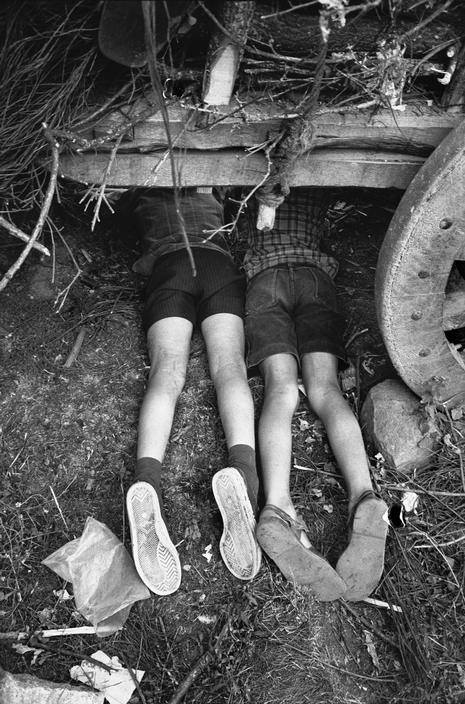
Φωτογραφία: Josef Koudelka

Φωτογραφία: Josef Koudelka

Υποχρεωμένος να ψάξω την ομορφιά
μες τις πιο σκοτεινές κοιλότητες
να την ευχαριστήσω πως ακόμα ζω
ζωντανός άνθρωπος που κρυμμένα μυστικά κυνηγά
το πιο ωραίο παιχνίδι είναι να τα βρεις όλα
και βήμα-βήμα να τα χάσεις
θάθελα να σας κάνω ν’ ακούσετε τη φωνή της γάτας
να σας κάνω να δείτε τα πράγματα αυτού του κόσμου
να φέρω σπίτι σας έναν απροσδόκητο φιλοξενούμενο
θάθελα να σας πω για την φίλη μου την Αγγέλα
άγγελος που πέταξε κι έφυγε
για τον αδελφό μου τον γκέι
και όταν μου το είπε
ήταν πιο κόκκινος απ’ την φωτιά
“ησύχασε ρε φίλε:
εσύ είσαι γκέι
κι εγώ είμαι ποιητής
τέτοια σε κάποια περιβάλλοντα καλύτερα να μην τα λέμε
και σίγουρα
ανάμεσα στα δυο
το πιο επικίνδυνο πράγμα είναι η ποίηση”.

Io vorrei

Costretto a cercare la bellezza
nei più oscuri anfratti
ringraziare di essere vivo
uomo in vita a caccia di tutti i segreti nascosti
il più bello dei giochi
è scovarli tutti e perderli un passo dopo
io vorrei farvi ascoltare la voce del gatto
farvi vedere le cose di questo mondo
mettervi in casa un ospite inatteso
vorrei dirvi della mia amica Angela
angelo volato via
del mio fratello gay
che quando mi ha detto di esserlo
era più rosso del fuoco
“tranquillo amico mio:
tu sei gay
e io sono poeta certe
cose in certi ambienti è meglio tacerle
e di certo
tra le due
la più scandalosa è la poesia.

*Ελληνική μετάφραση: Massimiliano Damaggio

Idea Vilarino, Σαν χείλη απαλά, χείλη κοιμώμενα φιλήσουν…

1660234_700534203331446_1543347379_n

Σαν χείλη απαλά, χείλη κοιμώμενα φιλήσουν
ωσάν πεθαίνοντας τότε,
κάποτε, πιο πέρα κι απ’ τα χείλη φτάνοντας
και καθώς τα βλέφαρα από τον πόθο ξεχειλίζουνε και πέφτουν,
τόσο αθόρυβα όσο ο αέρας το επιτρέπει,
η σάρκα, με τη μεταξένια θέρμη της, νύχτες ζητάει∙
και τα κοιμώμενα χείλη
μες στην ανείπωτη ηδονή τους, εξίσου, νύχτες ζητούν.

Νύχτες, νύχτες σιωπηλές, με σκοτεινά βελούδινα φεγγάρια,
νύχτες ατέλειωτες, φιλήδονες νύχτες, από φτερουγίσματα διάτρητες,
μες στον αέρα που γίνεται χέρια, έρωτας, στοργή,
νύχτες ωσάν από πανιά κι από κατάρτια…

Τότε είναι, στο ύψιστο πάθος, όπου αυτός που φιλά
ξέρει -και πώς ξέρει!- τα πάντα, ακατάπαυστα, και βλέπει πώς τώρα
ο κόσμος με θαύμα μοιάζει μακρινό,
πώς τα χείλη ανοίγουν πιο βαθύ ακόμη το θέρος,
πώς ο νους παραλύει,
και πώς φτάνει κι αυτός ο ίδιος να ξεχνιέται μες στο φιλί
ενώ άνεμος παθιασμένος τους κροτάφους του γυμνώνει∙
τότε είναι, στο φιλί απάνω, που τα βλέφαρα αργοπέφτουν
κι ο αέρας φτερουγίζει με μια ανάσα ζωής,
και περισσότερο αναριγά
αυτό που δεν είναι αέρας: η φλεγόμενη δέσμη των μαλλιών,
η φωνή που γίνεται βελούδο και, άλλοτε,
οι οπτασίες νεκρών που αιωρούνται.


*Μετάφραση: Έλενα Σταγκουράκη.

Δημήτρης Ψαλλίδας, Σπάζοντας την κλειδαριά στου μυαλού τη φυλακή

1903003_10200866892234944_1427219541_n

V

Σαν είσαι φυλακή,
ακούς τα βήματα του φύλακα
και πάει ο νους σου στο κακό.
Αυτόματα το σώμα,
παύει να υπακούει,
και παίρνει στάση άμυνας.
Η κοιλιά σου σφίγγει
και χώνεις το πρόσωπο στα μπράτσα σου.

Φοβόμουν στην αρχή,
φοβόμουν το μαρτύριο
και τις κραυγές.
Τις ψιλές κοφτές νότες
που ξεχύνονται απ’ το στόμα
μονάχα για να χωθούν στ’ αυτιά
και νέες μαχαιριές
να δώσουν στην καδιά μου.

Μα πιο πολύ,
με τρόμαζε το μικρό κομμάτι ουρανού,
που είχα σαν κρεμασμένο πίνακα,
στον τοίχο.

Αυτό το μπλε,
όμοιο μ’ απύθμενο πηγάδι
ρουφούσε τη ψυχή μου,
κραυγάζοντας πως το μαρτύριο,
δεν είναι γεγονός καθολικό.

Φωνάζοντας,
πως είμαι μονάχος,
καταδικασμένος μια ζωή,
να τρέμω,
να κρυώνω,
να φοβάμαι,
να θρηνώ.

Ζωή Καρέλλη, Η Άνθρωπος

8 Μάρτη – Διεθνής Ημέρα της Γυναίκας

Εγώ γυναίκα, η άνθρωπος,
ζητούσα το πρόσωπό Σου πάντοτε,
ήταν ως τώρα του ανδρός
και δεν μπορώ αλλιώς να το γνωρίσω.

Ποιος είναι και πώς
πιο πολύ μονάχος,
παράφορα, απελπισμένα μονάχος,
τώρα, εγώ ή εκείνος;
Πίστεψα πως υπάρχω, θα υπάρχω,
όμως πότε υπήρχα δίχως του
και τώρα,
πώς στέκομαι, σε ποιο φως,
ποιος είναι ο δικός μου ακόμα καημός;
Ω, πόσο διπλά υποφέρω,
χάνομαι διαρκώς,
όταν Εσύ οδηγός μου δεν είσαι.

Πώς θα ιδώ το πρόσωπό μου,
την ψυχή μου πώς θα παραδεχτώ,
όταν τόσο παλεύω
και δεν μπορώ ν’ αρμοστώ.

«Ότι δια σου αρμόζεται
γυνί τω ανδρί.»

Δεν φαίνεται ακόμα το τραγικό
του απρόσωπου, ούτε κι εγώ
δεν μπορώ να το φανταστώ ακόμα, ακόμα.
Τι θα γίνει που τόσο καλά,
τόσο πολλά ξέρω και γνωρίζω καλλίτερα,
πως απ’ το πλευρό του δεν μ’ έβγαλες.

Και λέω πως είμαι ακέριος άνθρωπος
και μόνος. Δίχως του δεν εγινόμουν
και τώρα είμαι και μπορώ
κι είμαστε ζεύγος χωρισμένο, εκείνος
κι εγώ, έχω το δικό μου φως,
εγώ ποτε, σελήνη,
είπα πως δεν θα βαστώ απ’ τον ήλιο
κι έχω τόσην υπερηφάνεια
που πάω τη δική του να φτάσω
και να ξεπεραστώ, εγώ,
που τώρα μαθαίνομαι και πλήρως
μαθαίνω πως θέλω σ’ εκείνον ν’ αντισταθώ
και δεν θέλω από κείνον τίποτα
να δεχτώ και δεν θέλω να περιμένω.

Δεν κλαίω, ούτε τραγούδι ψάλλω.
Μα γίνεται πιο οδυνηρό το δικό μου
ξέσκισμα που ’τοιμάζω,
για να γνωρίσω τον κόσμο δι’ εμού,
για να πω το λόγο δικό μου,
εγώ που ως τώρα υπήρξα
για να θαυμάζω, να σέβομαι και ν’ αγαπώ,

εγώ πια δεν του ανήκω
και πρέπει μονάχη να είμαι,
εγώ, η άνθρωπος.

*Από τη συλλογή Αντιθέσεις (1957).

**Αναδημοσίευση από το Φρέαρ στη διεύθυνση http://frear.gr/?p=4561

Γυναίκες… (για την τιμή και τη μνήμη)

8 Μάρτη – Διεθνής Ημέρα της Γυναίκας

Για τη Λευκή Μολφέση
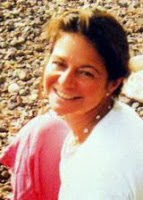
MOLFESI+LEYKI

Υπάρχουν γυναίκες που φοράνε
την ομορφιά τους σαν πένθος,
γυναίκες φωτεινές και σκιασμένες, 
διπλά δρεπάνια της αψίδας,
με το παιδί ασάλευτο στα 
σταυρωμένα χέρια.

Άλλες είναι χάρτινες, στοιχειά νηπιαγωγείων,
άλλες πάλι, ζωγραφιές με κιμωλία,
όρθια τα μαλλιά και μεγάλη μαύρη τσάντα.

Υπάρχουν γυναίκες ακροκέραμα
ανάμεσα στις άλλες,
γυναίκες με το μακρύ λαιμό, 
το χείλος της κανάτας,

άλλες που είναι ωδικά πτηνά 
κι άλλες που είναι χήνες.

Υπάρχουν γυναίκες που τις
φωνάζει ο φονιάς
να βγάλουν τον θάνατο περίπατο
μες στ’ αραιό το δάσος.

Υπάρχουν γυναίκες που τις 
φωνάζει το παιδί Μαμά
και αυτές δεν απαντάνε…

Υπάρχουν γυναίκες που κάθε
τρίχα της κεφαλής τους
είναι κι ένας όρκος.
Είναι εκείνες που σέβονται το όνομα τους.

Κι οι άλλες που το εξευτελίζουν,
εκείνες που με τα χρόνια βαραίνουν,
κι οι άλλες που ξεφτίζουν,
εκείνες που στέκουν στο κήπο
ρόδινες σαν τη μυγδαλιά,
εκείνες που άγρια χόρτα γεμίζουν,
εκείνες που χάνουν το φως τους,
εκείνες που απ’ τον καημό λυγίζουν,
εκείνες που κλωτσάει ο θάνατος
από μικρά παιδιά.

Εκείνες που κλείνουν μια
τελευταία φορά το παράθυρο
και καθαρίζουν μια τελευταία φορά το σπίτι
και ταΐζουν τον σκύλο μια τελευταία φορά
και μας αφήνουν δίχως να πούνε λέξη,
έτσι σκληρά και μαγικά,
σαν το κερί που κρατάς στο χέρι 
και σου σβήνει.


*Ποίημα από την ανθολόγηση Ερωτικό Λεξικό της Ελλάδας του Ζ. Λακαριέρ.

*Η Λευκή Μολφέση (1953-2005) γεννήθηκε και μεγάλωσε στο Παρίσι. Πέρασε αρκετά χρόνια στις Βρυξέλλες και στη συνέχεια εγκαταστάθηκε μόνιμα στην Αθήνα, όπου μοίραζε τη ζωή της ανάμεσα στην πόλη και την Αίγινα.

Κόρη του γλύπτη Ιάσονα Μολφέση και ανιψιά του πολιτικού Λεωνίδα Κύρκου, ήταν ιδιαίτερα αγαπητή στους λογοτεχνικούς κύκλους,

Ο Ζακ Λακαριέρ αφιέρωσε ειδικό λήμμα σ’ αυτή, στο “Ερωτικό λεξικό της Ελλάδας”, γράφοντας ότι “τα πεζά της έχουν ένα ιδιαίτερο, εντελώς προσωπικό αφηγηματικό σχήμα, απείθαρχο στους συνήθεις κανόνες του είδους”.

Έγραψε ποίηση και πρόζα. Βιβλία της εκδόθηκαν στα γαλλικά και τα ελληνικά. Στα γράμματα εμφανίστηκε με την ποιητική συλλογή “Croisiere sur le Styx” (Άγρα 1987), ενώ στο ελληνικό κοινό έγινε γνωστή με το αφήγημα “Γυάλινα σύνορα” (Εξάντας 1996), μια ανάπλαση του μύθου της Ελλάδας με “ξεναγό” την Καλή Κύρκου.

Στα ελληνικά έχουν κυκλοφορήσει, επίσης, άλλα δύο βιβλία της: το παιδικό “Ο Αγγελύκος και οι δύο του αδελφές” (Περίπλους, 2002) και η συλλογή διηγημάτων “H μέρα που λέγεται σήμερα” (Μελάνι, 2003), βιβλίο που μπήκε στον τελικό κατάλογο (short list) υποψηφιότητας για τα Κρατικά Βραβεία Λογοτεχνίας 2004.

Μετέφρασε προς τα γαλλικά αρκετά ελληνικά κείμενα, ανάμεσά τους τα “Φτερά μπεκάτσας” του Θανάση Βαλτινού, ποιήματα του Γιώργου Βέλτσου, κ.ά.”Έφυγε” αναπάντεχα σε τροχαίο δυστύχημα, τέτοιες μέρες το 2005, 

Σημ: ένα χρόνο πριν είχε αναρτηθεί και πάλι το ποίημα αυτό. Φέτος συνοδεύεται από ένα μικρό βιογραφικό της Λευκής Μολφέση, μιας και τέτοιες μέρες ήταν που έφυγε από κοντά μας.

*Αναδημοσίευση από το http://dikaex.blogspot.gr/2014/03/blog-post_8.html
Σπύρος Μαρούλης, Κάποιες φορές

*Χρόνια πολλά Σπύρο

1924698_648624141860643_1253936866_n

Κάποιες φορές
ο στίχος θέλει να παίξει κρυφτούλι
πίσω από καταρράκτες,
στο φως της σκιάς,
στη θαμπάδα του μπλε-πράσινου
και να μιλά με συνεχή σιωπή…

Poetry@fedsquare – Saturday 15 March 2-4pm – Beer DeLuxe upstairs – Federation Square

Poetry@fedsquare

Saturday 15 March 2-4pm

Federation Square

Beer DeLuxe upstairs

With the International Women’s Day just a week before this event (8 March) we think we still can celebrate this Day for the women and by the women through as much as many languages, colours and poetic dimensions.

So, come and enjoy four amazing poetesses in an absolute multicultural spirit

Our guests for the Day are

Emily Cullen

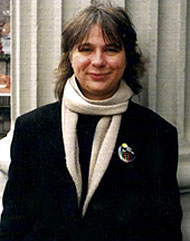
Jeltje Fanoy

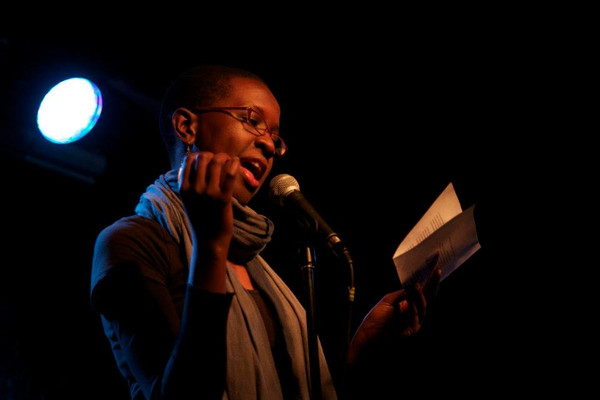
Cece Ojany

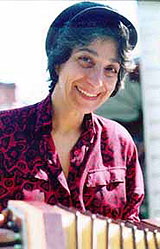
thalia

plus a really rich line up of open mic readers

EMILY CULLEN

emilycullen-217x300

Emily Cullen is an Irish poet, scholar and harpist based in Melbourne. She is the author of two collections of poetry: No Vague Utopia (Ainnir Publishing, 2003) and In Between Angels and Animals, which was published last year by Irish literary press, Arlen House.

In 2004, Emily was selected for Poetry Ireland’s ‘Introductions’ series – a national platform for new voices in Irish poetry. Also in the same year, she curated the Centenary Celebrations for renowned Irish poet, Patrick Kavanagh.

Emily gained a PhD from the National University of Ireland, Galway in 2008 and continues to publish extensively on aspects of Irish cultural history. She relocated to Melbourne in July 2012, and in September her poem ‘Primavera’ won ‘poem of the week’ on the Australian Poetry Organisation website. She recently started teaching Creative Writing at the University of Melbourne.

JELTJE FANOY

jeltje

Jeltje Fanoy (jeltje) is a Melbourne migrant poet. She has been published nationally and internationally, and has been involved with poetry and small presses since the 1970s. Her publications include her collections Living in Aboriginal Australia, Poetry Live in the House, her translation of De Zon en de Wereld (The Sun and the World) by the Netherlands poet Arjen Duinker, and the anthologies Blowing out the Candles (1988), Poetry for Peace (CD, 2003) and Heart to Heart (CD, 2008), a compilation of Reconciliation poetry performances at La Mama Poetica (2004-2007). jeltje was convenor of poetry performances at La Mama Poetica from 2004-2010.

During the last decade she has collaborated with improvising musicians, on the poetry and music CDs So be It and Dreaming in English, and in various performances and recordings with Unamonus Quorum. She has performed at the Melbourne Writers Festival, the Melbourne International Arts Festival, Literaturfestival Berlin (Authors for Peace) and Krikri polypoetry festival in Ghent (Belgium). Her forthcoming collection, Princes by night, is based on the journey of her Dutch-Indonesian migrant family coming to grips with some very complex postcolonial realities.

jeltje’s reading, as a tribute to International Women’s Day, will include poems from the creative component of her Master of Arts Thesis (Women’s Studies)/

CECE OJANY

cece-keep-left_grande

Cece Ojany is a life coach and the founder of The Main Protagonist. Cece teaches individuals how to live purposefully and passionately in the key areas of career, relationships and health & wellbeing.
Cece is also the Writers-In-Prison Officer for PEN Melbourne, an organisation passionate about the art of writing and freedom of expression.
Apart from creativity, which Cece knows to be vital to health and wellbeing, she also loves photography and travel. Her and her partner of ten years are united by, among other things, their love of good food and good music.

THALIA

thalia

Thalia. Born in Katerini, Greece: a ’52 baby. Migrated to Australia in ’54. Grew up, and Worked in, sly grog & gambling cafes – Kafenia, in Melbourne. Also worked as a typist/secretary. Started writing lexikon and visual poetry in ’72. Publications: Has been published in various magazines and anthologies within Australia, and overseas.
Has read in: Prisons. Pubs. Libraries. Schools. Concerts. Strikes. Gatherings. ABC & community radio stations. Folk clubs & festivals in cities and towns. A co-editor of 9.2.5 – a mag of poetry for the workers by the workers, about the workers’ work. A founding member of the Poets’ Union of Australia.
Has published: New & Selected Poems printed by Collective Effort Press. 1998. Interplay a CD recording of Poetry, Songs & Music, with musician/composer Alan Musgrove. 1996. Night Flowers – A6 Books, No. 3. printed by Collective Effort Press. 1988.

With the support of Federation Suare

fed-square-corporate-logo-external-use-1

And under the auspices of Multicultural Arts Victoria

01

For more info
https://www.facebook.com/PoetryAtFedSquare
@poetryfedsquare (Twitter)
troaditisdimitris@gmail.com and poetryfedsquare@gmail.com

Sign on to support Writers for Refugees!

writers4refugees

Writers for refugees is a small grass-roots organisation committed to protesting the treatment of asylum seekers and refugees in the current political climate; we want prominent writers, academics and journalists to join us in speaking out against policies of mandatory detention, offshore processing and the elimination of the prospect of permanent resettlement in Australian for people who arrive here by boat. The group was founded in December 2013 by fiction writer Kalinda Ashton and poet and spoken word artist Benjamin Solah. We welcome new members and ask writers to use their public profiles to draw attention to this issue and to foreground their dissent to these policies.
You can help by signing on to our online statement and committing to reading this statement at your public events, book signings, launches and author talks. We also have a forum forthcoming to launch writers for refugees. Stay tuned for more details.

We are opposed to government policies of indefinite mandatory detention and believe we should welcome refugees, many of who are fleeing war, poverty, persecution and oppression, to our communities. We are worried about the number of children already in on-shore and offshore detention centres and the mental health of refugees who have already endured years in detention.

Continue reading

Lesbia Harford, Fatherless

323720

I’ve had no man
To guard and shelter me,
Guide and instruct me
From mine infancy.

No lord of earth
To show me day by day
What things a girl should do
And what she should say.

I have gone free
Of manly excellence
And hold their wisdom
More than half pretence.

For since no male
Has ruled me or has fed,
I think my own thoughts
In my woman’s head.

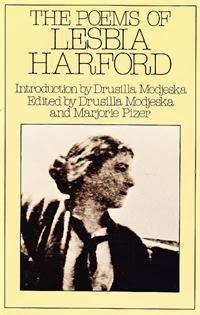
Lesbia Harford was an Australian poet, novelist, lawyer and political activist. She was born in 1891, had delicate health all her short life and died in 1927. Nevertheless she packed a lot of living into her 36 years. Of the online biographies, the one I like best is at PoemHunter.com, where you will also find her poems.

We are told:  

She was the eldest of four children and was born with defective heart valves which restricted her mobility and caused her to tire easily, a continual problem that was to amplify with age. 

Raised firstly within the middle classes and then with the family bankruptcy and the consequential departure of her father who ran off to the West Australian goldfields, the fact that her mother entered paid work to make sure her children had an education ascribed Harford with a view of society based around both class struggle and feminism. 

She seemed a good pick for this week, with International Women’s Day coming up, and of course I’ve chosen this particular poem for the same reason, as it celebrates her freedom to think her own thoughts without male influence — even if that was because her father abandoned the family. She evidently chose to find some benefit in that!

Searching in the anthologies on my shelves, some inherited from my parents, it was surprisingly hard to find a suitably feminist poem from the past. In fact I was confronted with the awful invisibility of women poets in the older anthologies — which led to the belief, still current when I was growing up, that women didn’t make ‘great’ poets (or artists, musicians, novelists…). Well, at least that belief has been thoroughly discredited by now, when women artists and writers can no longer be ignored or their work hidden.

(Where I did find early women poets from non-English cultures, such as Chinese, the translations were by men, which didn’t seem quite suitable to use this week.)

By Lesbia Harford’s time, some women — a determined minority — were able to make their mark, and later generations of women writers made sure their work was preserved. Harford’s poems were published during her lifetime; also the Australian writers Nettie Palmer (1885-1964), Marjorie Pizer (1920-) and Drusilla Modjeska (1946-) were instrumental in publishing posthumous collections. The Palmer collection (the earlier and smaller, with 74 poems) is available for free download. 

She was a brave woman who, despite poor health, fought against injustice and walked her talk. And she was an interesting poet — an original thinker who used direct language in a striking way to tell her truths. She still speaks to us today with great immediacy.

*From Poets United

**The poems are available for downloading here
v00033

Αλέξανδρος Μηλιορίδης, Νο 567 (έντομα)

1939954_446321642180576_1017586568_n

Απαγγελία: http://f.cl.ly/items/232d2N3Q2f3T2O1G052B/567-1.mp3

έλιωσε
στον αέρα
το τέχνασμα ελπίδας
και σταγόνες
σάρκας,
σκέπασαν
το δρόμο
των μυρμηγκιών:

εμφυτεύματα
μαύρων φτερών
στα στόματα των ματιών:
κόρες
να χαζεύουν
τη γυμνή λαιμαργία των αρπακτικών,
σε μπρούτζινα κεφάλια,
και σώματα
άγονα:

καθημερινοί
κήρυκες,
τα χαϊδεύουν με θάνατο βολικό:
χειροπέδες
σε δανεικές ώρες,
ημίωρα αγωνίας
σε συσκευασίες του ενός:
τα τατουάζ
της βιωμένης
αίσθησης,
να διαπερνούν το αίμα
με λογχοφόρους
αποικιοκράτες:

ένας
πόλεμος,
μέσα στο φως του σκοταδιού,
η ζωή
σε αγάλματα σκιών
και όλοι μας,
υπόλογοι,
εντάλματα πληρώνουμε,
ματωμένα,
φωνές
αιμορραγούσες,
εμφυτευμένες
στους τύμβους των διαταγών τους:

έντομα
είναι,
ανθρώπινα•

© ΑlexMil 7-3-2014