Cassandra Atherton Reviews Anne Elvey

elvey

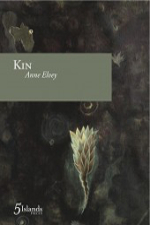
Kin
by Anne Elvey

Five Islands Press, 2014

The kinship Elvey forges between her poems and ecological criticism lends both rigour and reverence to her first full-length collection of poetry. There is a radiant stasis at the core of her poems that encourages the reader to listen to the susurration of multiple, overlapping conversations to which Elvey is contributing.

Elvey is a significant voice in Australian ecological theology. Her research and poetry blog, Leaf Litter, charts a series of important papers and pertinent thoughts about the link between ‘teaching, research and writing as a response to ecological crisis’. The most recent feature of this blog is Elvey’s presentation from the Ecofaith conference in May 2014, entitled ‘On (not) speaking about God ecologically’. In this paper, she considers scholarship on the kinship model, most importantly, extending eco-theologian Denis Edwards’ work on ‘challenging the model of domination and exploitation’. Elvey’s Kin puts into practice Edwards’ suggestion that we ‘have much to learn about kin-ship from the traditional cultures of indigenous peoples.’ Her ‘Claimed by Country’ sequence addresses, in her own words, her responses as:
a non-Aboriginal woman to the places I lived in and visited and my sense
of being “claimed” in part through a practice of attentiveness to the places that
are “country” for their Aboriginal, traditional owners.

Continue reading

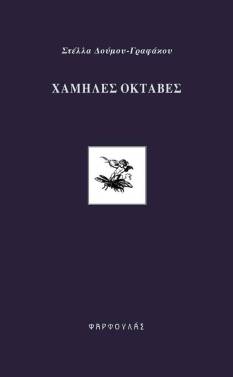
Στέλλα Δούμου-Γραφάκου, Χαμηλές οκτάβες, Εκδόσεις Φαρφουλάς 2014

4 - kokkosidoumou

Η Στέλλα Δούμου γεννήθηκε το 1962 στην Αθήνα και κατάγεται από τη Μάνη. Ποιήματά της έχουν συμπεριληφθεί στη συλλογική έκδοση Craftbook 2013 (εκδ. Γαβριηλίδης) και έχουν δημοσιευτεί στο διαδίκτυο. Το ανά χείρας βιβλίο, Χαμηλές Οκτάβες περιλαμβάνει δυο συλλογές, την ομώνυμη βραβευμένη συλλογή και τη συλλογή Μέλισσες σφουγγαρίζουν τις κοιλάδες.

Η ποιητική γραφή της χαρακτηρίζεται από έντονη μεταφορικότητα, καλυμμένα νοήματα, προσφυγές σε μυθικές προσωπικότητες και μυθικά γεγονότα αλλά και χρήση εικόνων που εκφράζουν τις ψυχοσυναισθηματικές εντάσεις του ποιητικού υποκειμένου. Παρόλα αυτά, οι «ποιητικές οκτάβες» παραμένουν χαμηλές μιας και η ένταση των συναισθημάτων συγκρατείται δικαιολογώντας και τον τίτλο της συλλογής.

Οι λέξεις που χρησιμοποιεί είναι ανεπιτήδευτες και απλές, κατορθώνει όμως να συνθέσει ποιήματα υπαρξιακά, που απαιτούν πολλαπλές αναγνώσεις για να γίνουν κτήμα του αναγνώστη. Η γραφή της Δούμου είναι απαιτητική, σε αναγκάζει να απομονωθείς από το περιβάλλον, να σκεφτείς, να βυθιστείς στα νοήματά της και να τα αποκρυπτογραφήσεις. Σε προσκαλεί σε ένα απόκοσμο πολλές φορές ταξίδι με πρόσωπα υπαρκτά και φανταστικά, πρόσωπα όπως ο Φεντερίκο Γκαρσία Λόρκα, ο Πινόκιο, η Άννα Μπόλειν, σε ένα παιχνίδι λέξεων και νοημάτων.

Ξεχώρισα το ποίημα Πινόκιο, «Σκουριασμένο σούρουπο με θύλακες νύχτας να παραμονεύουν γωνία ασήμαντης οδού και βορεινής ακτής μιας σύμπτωσης, άγγιξες την άκρη του βιαστικού παλτού μου και σταμάτησες. Φύσηξε λίγο μια άρρωστη νιότη πολύ λίγο, να, ώσπου να πάρεις σχήμα.»

Στεφανία Κοκκόση

*Από το Βακχικόν στο http://www.vkxikon.gr


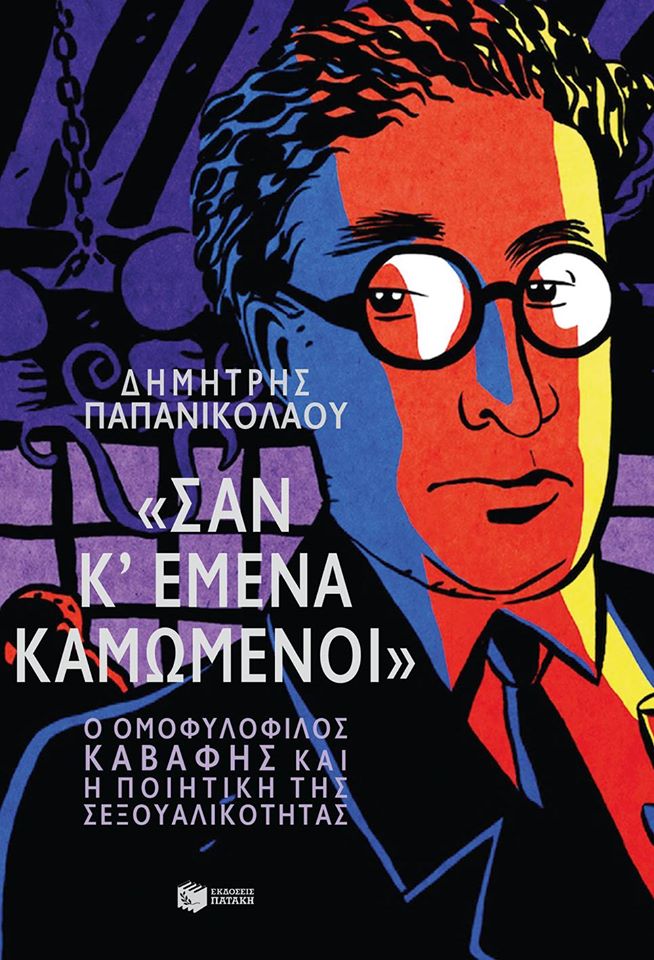
Δημήτρης Παπανικολάου, Σαν κι εμένα καμωμένοι -Ο ομοφυλόφιλος Καβάφης και η ποιητική της σεξουαλικότητας , Εκδόσεις Πατάκη, 2014

10535649_10152965884708852_2481583019243629649_o

Έχουμε συνηθίσει να θεωρούμε ότι η καβαφική ποιητική ενέργεια παράγεται επειδή ο Καβάφης προσπάθησε να βρει λοχμώδεις τρόπους για να αποφύγει την κοινωνική κατακραυγή, τον καταπιεσμένο έρωτα ή το στίγμα της αντικανονικής σεξουαλικότητας. Το βιβλίο αυτό υποστηρίζει το αντίθετο. Τον Καβάφη η σεξουαλικότητα δεν τον κάνει να θέλει να κρυφτεί. Τον κάνει να συνειδητοποιεί και να ιστορικοποιεί. Δεν τον κάνει να αλληγορεί και να σιωπά. Τον κάνει να αντιδρά.
Να, λοιπόν, για τι μιλάει αυτό το βιβλίο. Για την καβαφική “κάμαρη” και την κατασκευή της. Για την καβαφική ορμή και τη ριζοσπαστική της δυναμική. Για τον πόθο, την επιθυμία, την ηδονή, και το πώς αυτά συνδέονται με τη σεξουαλικότητα, την ταυτότητα και την πολιτική! Για το πώς γενιές κριτικών προτίμησαν να μιλούν για ερωτισμό και ερωτικότητα ακριβώς για να μην αντιμετωπίσουν τη ριζοσπαστική δυναμική της σεξουαλικότητας και της ταυτότητας στο έργο του Καβάφη. Και για τη βαθιά ηθική στιγμή με την οποία σε φέρνει αντιμέτωπο -σε πείσμα όσων δεν μπορούν να την κατανοήσουν- η σεξουαλική επιθυμία και η αναπόφευκτη σύνδεση της με τον χρόνο, την εξουσία, τη γνώση και την επαφή.

Ο Δημήτρης Παπανικολάου είναι αναπληρωτής καθηγητής Νεοελληνικών Σπουδών και εταίρος του Κολεγίου St Cross στο Πανεπιστήµιο της Οξφόρδης, όπου διδάσκει από το 2004. Σπούδασε στα πανεπιστήµια Αθηνών (Κλασική και Νεοελληνική Φιλολογία) και Λονδίνου (Συγκριτική Φιλολογία). Ως ερευνητής ή επισκέπτης καθηγητής έχει συνεργαστεί µε τα πανεπιστήµια UCL, NYU, Columbia και Princeton. Έχει επίσης εργαστεί ως δηµοσιογράφος στην εφηµερίδα «Επενδυτής» και στην Ελληνική Υπηρεσία του BBC. Στα αγγλικά κυκλοφορεί το βιβλίο του «Singing Poets: Literature and Popular Music in France and Greece» (Legenda, 2007). Μέλος της συντακτικής ομάδας του περιοδικού «Unfollow» και της εκδοτικής επιτροπής του Journal of Greek Media and Culture· τακτικός συνεργάτης της Αυγής.

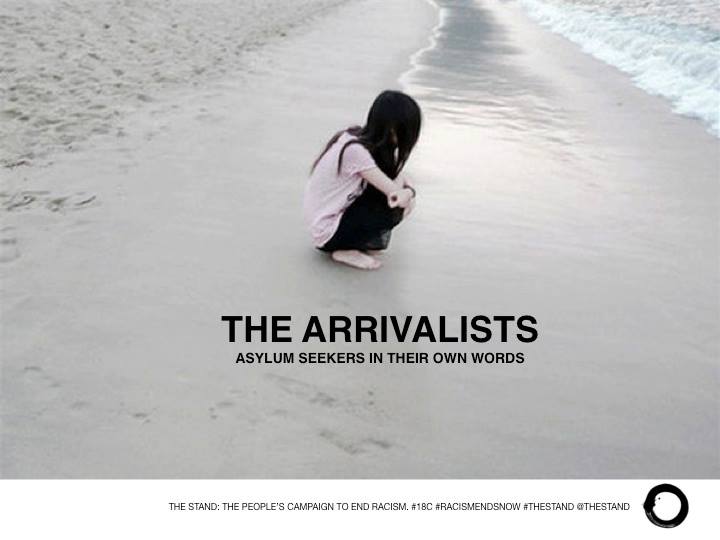
Writing Through Fences

10014601_613529535402263_183416136_n

Writing Through Fences, is a writing group primarily made up of people who are or have been directly affected by the Australian immigration industry. It was established in 2013 by Janet Galbraith.

The name Writing Through Fences refers to the ability of writers and artists to reach beyond fences and walls that attempt to contain, define and silence them. The name also situates this group within the long colonial practices of division of country, of displacement and incarceration characteristic of Australia’s ongoing racist history. Writing Through Fences recognises that we live, create and are imprisoned on stolen lands.

Integrity of the writer/artist’s voice is integral to WTF, thus each writer/artist plays an active and determining role in how the group evolves and whether, when, where and how work is published or presented. Arbitrary detention removes an individuals power to make decisions about their own lives – even the most intimate of matters – thus control over voice and representation are not only essential to the individual writer/artist but constitute a breach of the divisive and destructive aims of arbitrary detention. As these writers and artists voices breach the walls that would confine them, those outside the fences are challenged to listen and re-connect.

Throughout history, writing and art-making have been a matter of life and death. Some of these writers and artists have fled persecution and torture as a direct result of their creative work. The writers and artists of Writing Through Fences engage in acts of creation in order to remain alive, in order to survive. Through these creative acts they bear witness to the practices and policies that are played out on their bodies and psyches, practices and policies that would deny their very existence by presenting them as, what one young writers terms, ‘the waste of population’(S. 2014).

Over the past eleven months the group has grown into a strong community of creativity and support. It has become a place of refuge for many. Writing and art-making is an enlivening process where the practitioners are able to define and re-create selves that reach beyond and before the current violences they are experiencing, asserting their different experiences, personalities, styles, histories and literary traditions.

Creation is necessary in all times of destruction. It is necessary to ward off the killing effects of despair. It is necessary in order to assert humanity and sanity within an inhumane and insane system that actively attempts to destroy both of these.

You can find our work at http://thearrivalists.tumblr.com/. If you wish to support this group you can find Friends of Writing Through Fences at https://www.facebook.com/friendsofWTF

To contact Janet Galbraith: galbraith_janet@yahoo.com.au

Bev Braune
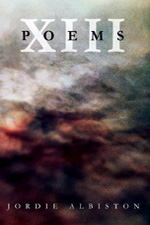
 reviews Jordie Albiston’s XIII Poems

XIII-Poems

XIII Poems
by Jordie Albiston

Rabbit Poet Series, 2013

XIII Poems might be seen as a snapshot of what Albiston’s main concerns have been since Botany Bay Document (1996) appeared culminating with, I think, Vertigo (2007). Her publications since the mid-2000s reflect on similar concerns but with more biographical tones. Albiston’s main interests have been history, limitations or framed lives, their voices and interpretations of them, often using easily located words to tie groups of poems (‘heart,’ ‘black,’ and ‘white’ feature in XIII Poems).

These Albiston poems, however, have arrived with a stated purpose to them. XIII Poems has been published as the first volume of Rabbit Poets Series of ‘non-fiction’ poetry books, raising some old questions about the relationship between artistic intention and works of art as constructed artefacts. I tried to find a way into the issue via Anthony Savile’s 1969 essay to which I keep returning, ‘The Place of Intention in the Concept of Art.’1

Continue reading

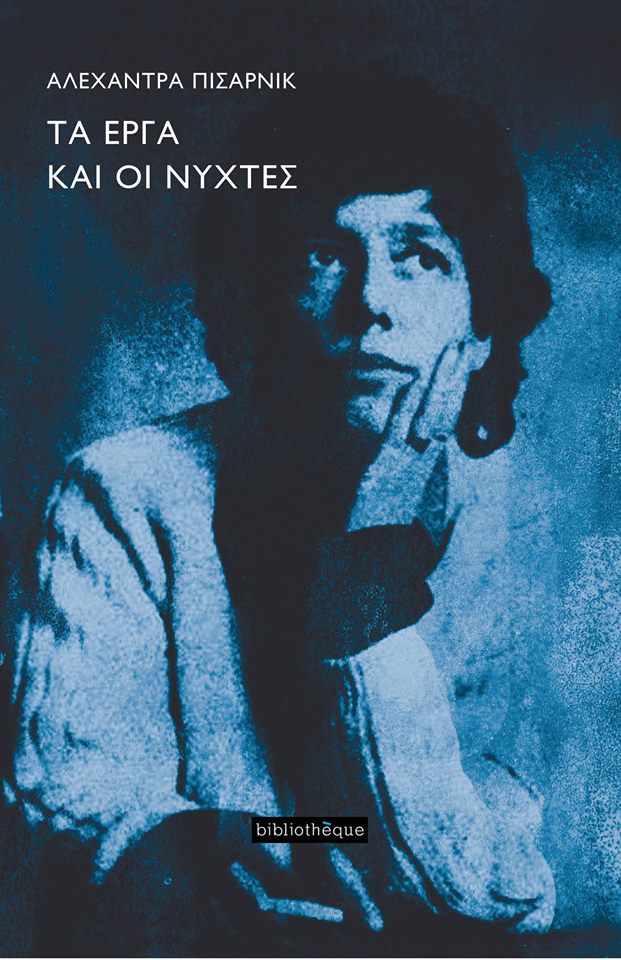
Αλεχάντρα Πισάρνικ, Τα έργα και οι νύχτες, εκδ. Bibliotheque

dtbook190714

Η Αλεχάντρα Πισάρνικ (Alejandra Pizarnik) υπήρξε μια από τις πιο σπουδαίες ποιήτριες όχι μόνο της Αργεντινής αλλά και ολόκληρης της Λατινικής Αμερικής. Δικαίως το έργο της όσο και η ίδια και ο τρόπος ζωής της, απασχόλησαν και εξακολουθούν να απασχολούν άλλους ποιητές, κριτικούς, εκδότες και όλους όσους ασχολούνται με την ποίηση και τη λογοτεχνία γενικότερα, και φαίνεται ότι αυτό θα εξακολουθήσει να συμβαίνει. Κάτι που λίγοι ποιητές το έχουν καταφέρει μέχρι σήμερα.

Η Πισάρνικ και η ποίησή της έχουν ξεπεράσει τα όρια της Αργεντινής και της Λατινικής Αμερικής, μιας και οι συλλογές της έχουν αρχίσει να μεταφράζονται τα τελευταία χρόνια σε διάφορες γλώσσες και να κυκλοφορούν σε διάφορες χώρες.

Continue reading

Martin Langford Reviews Maria Takolander

end-of-world

The End of the World
by Maria Takolander

Giramondo Publishing, 2014

Maria Takolander has grouped the poems in this, her second collection, to isolate three slightly different impulses in her work. Because the central section is comprised of poems whose point of view underlies those of sections one and three, I shall deal with it first. All of its poems explore the dark and unforgiving nature of the world. This is the ground of Takolander’s imagination, and here it is unalloyed and unqualified. One group of poems explores the hard landscapes of Finland. ‘Missing in Action’ lists the fates which befell family members: ‘My great grandfather: lost to Stalin’s purges … My grandfather: his heart stopped on the swampy farm in Mellilä/where he dragged up life from the earth after the war … My grandmother: dead soon after she got an electric stove.’ The title poem, ‘The End of the World’, is an impression of Punta Arenas, in Chile:

where mongrels and Alsatians cling to any sex
in the eclipse of foreign trees and under the brittle sun,
and where the cold will not let go of anyone.

Of these expressions of bleakness, one of the most powerful in terms of the nudge and rea-lignment of perspectives – is ‘Convicts’:

Only a couple of hundred years ago, grown men and women
were child-small. Around England, everyone mattered less.
When people were hungry, they grabbed at bread made by bakers
with stubby fingers. When people died, planks were nailed together.
At all times, earth was easy to come by. After rain, bogs sucked
at the bald cart wheels of men and women trying to get somewhere.
In the cities, the cobblestones were grimy with children, drunks
and sluts. For money, some women hung out faded washing.
On the ocean, ships had low ceilings. For sailors, the toneless
creaking of wood and flapping of canvas sounded like direction.
Beneath the barrels of tack, the convicts listened to the magnitude
of the ocean and the wind, fixed to the clammy timber like snails.

Continue reading

David Dick Reviews Ken Bolton and B. R. Dionysius

weranga

threefer

Weranga
by B. R. Dionysius
Walleah Press, 2013

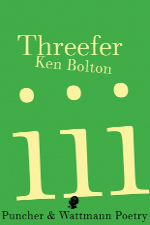
Threefer
by Ken Bolton
Puncher & Wattmann, 2013

Ken Bolton and B.R. Dionysius emerge from different traditions, respectively: a New York School sense of everyday occasion punctuated by the presence and shaping forces of contemporary art (Frank O’Hara and James Schuyler are clearly present in Bolton’s diction); and a modernised kind of Romantic pastoral, littered with juxtaposed objects of the natural and contemporary world. Yet, at admitted risk of over-generalising, both of their recent books can be seen to be dealing with notions of how to write memory in poetry: how to write a poem to be honest to the process, even the implication itself, of remembering. How can language be used in the service of this retrospective vision, they ask; how does language, shaped by differing poetic forms, illuminate, distort or neutralise it?

Threefer extends Bolton’s ongoing study of how to best conceptualise a forever-shifting consciousness. His poetics moves in, and against, a personal and collective artistic and poetic milieu, littered with acquaintances, the urban, the voice of the autonomous poem itself, and the artistic works and figures he admires (even, sometimes detracts):


bland, bleak, Turneresque That old bore give me one of the other great names instead almost any will do Dufy, Picasso Gerhard Richter maybe not Stan Brakhage
(‘On Reflection’)

Continue reading

Emily Bitto Reviews Melinda Bufton’s Girlery

Girlery_cover

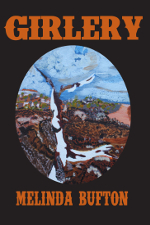
Girlery
by Melinda Bufton
Inken Publisch, 2014

The title of Melinda Bufton’s debut collection, Girlery, asks to be read ironically, but is in fact quite apt, bringing to mind a repository of all that is ‘girly,’ in the same way that a reliquary houses relics. Alternatively, it could be a verb: something close to a feminine form of tomfoolery. One imagines a stern injunction to ‘cease this girlery at once!’ With titles such as ‘Dealbreaker,’ ‘Bumper Book for Girls,’ ‘Lollyshop’ and ‘I will call you smitten because it suits your crazy eyes’ among the twenty-three poems collected here, both these associations are appropriate.

These poems are not written in the traditionally lyric mode of contemporary poets such as L.K. Holt or Sarah Holland-Batt, and neither are they particularly experimental or language-focused in the mode of other contemporaries such as Astrid Lorange or Kate Fagan. Instead, the impulse behind this collection appears to be sociological or archival. It catalogues a moment of highly codified, 21st century, urban sub-cultural femininity easily recognisable to a knowing reader. The poems in Girlery are embroidered with references to the accoutrements of this brand of feminine identity, as well as other more general pop-cultural sequins: pencil skirts and garter belts; paste-ups and Japanese Syphon coffee; burlesque and rooftop honey.

Continue reading

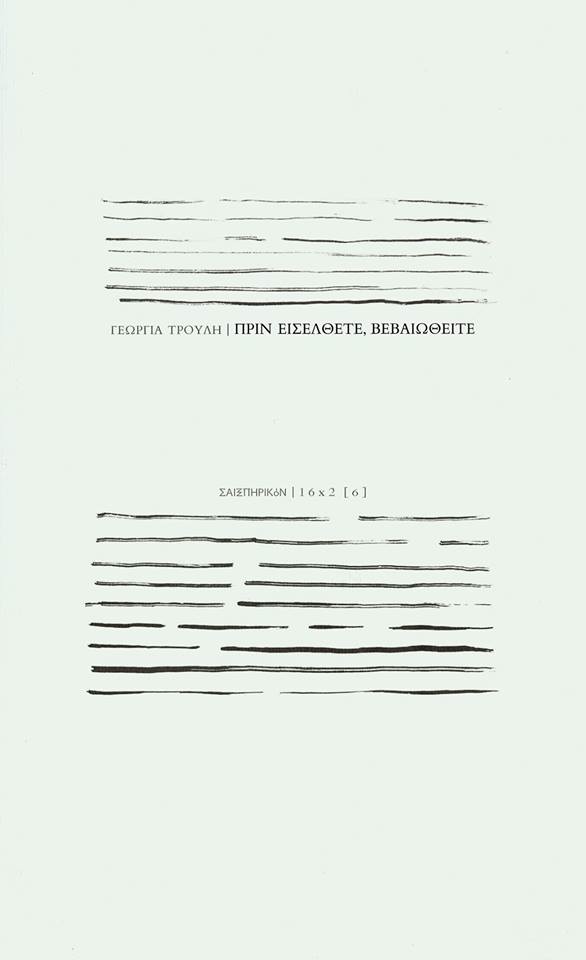
Γεωργία Τρούλη, Πριν εισέλθετε βεβαιωθείτε, εκδ, Σαιξπηρικόν 2013

dtbook050714


ΤΟΥ ΔΗΜΗΤΡΗ ΤΡΩΑΔΙΤΗ

Η Γεωργία Τρούλη είναι μία από τις νέες, αξιόλογες ποιητικές φωνές που έχουν εισέλθει ορμητικά και, πλέον, τείνουν να σημαδέψουν την πρόσφατα ελλαδική ποιητική “σκηνή”. Με είχε εντυπωσιάσει ευχάριστα με την προηγούμενη συλλογή της με τίτλο “ακρογωνιαία πορεία στο και” (από τις ίδιες Εκδόσεις, 2012) με την οποία αισθάνθηκα ότι η ποιήτρια αυτή έχει έρθει για να μας τα πει έτσι όπως πρέπει, χύμα και ανακατωτά, χωρίς ωραία κοσμητικά επίθετα και καλολογικά στοιχεία, αποδεκνύοντας ότι έχει πλήρη συναίσθηση των όσων βιώνει γύρω της και των όσων θέλει να αποτυπώσει στο χαρτί και πώς. Και ήλπιζα η όποια νέα της δουλειά όχι μόνο να κινηθεί στο ίδιο μήκος κύμματος αλλά και να επαυξήσει την καταβύθσή μας σε ονειρικούς μεν, αλλά πραγματικούς κόσμους.
Και δεν ήλπιζα λάθος.

Η Τρούλη, αδρά και αποφασιστικά, φέρνει στην επιφάνεια το διπλό μας προσωπείο, του ειρηνικού και του βίαιου. Μάς φέρνει μπροστά στην ίδια μας την ανολοκλήρωτη υπόσταση, την αιωρούμενη και δισυπόστατη συνείδησή μας. Στην ποίησή της ο περιβάλλων κόσμος μας σωριάζεται κάτω, έντρομος από την τραγικότητά του, με βία, άλλοτε φρίκη και ψυχρότητα, αφήνοντάς μας τραυματικές εμπειρίες, μιας και κινδυνεύουμε να μείνουμε μετέωροι, να παραπαίουμε ανάμεσα στη Σκύλλα και τη Χάρυβδη ενός αιώνιου μαύρου που καραδοκεί να μας συντρίψει.

Παραθέτω ένα δείγμα από το (τελευταίο στη συλλογή) ποίημα “Όν/ειδος προς καταστροφή” (προσοχή στο κενό)


Όταν θα γίνει σεισμός για το κάτω από το περβάζι
Όλοι στον ανελκυστήρα!
Εκεί που πρέπει
Πριν εισέλθετε – βεβαιωθείτε
Η φωτεινή επιγραφή μιας πρόζας σε μια συνείδηση
Με την επισήμανση steve antonakos
Πότε είδες τελευταία φορά τον ουρανό
Απέραντα τεμαχισμένο;
Ξέπνοο παραλήρημα καρφιτσωμένο
Στο αυτί του ενοίκου;
Πότε τελευταία φορά μπήκες σε ένα σώμα παρθένο
Και μεγάλωσες;
Γεμισμένο νερό ελέφαντας
Από μνήμης άρχισες να φουσκώνεις
Ή ακόμα καλύτερα γουρούνι
Με σχισμή στην ράχη
Στο στόμα να αποταμιεύεις πρωτόγονα δευτερόλπετα
Επίγονη Αντιγόνη
Έμφαση διάθεση και αντιφατικά επιρρήματα
Εάν ο κόσμος ολόκληρος μια land art εγκατάσταση
Christo
Εάν
Εάν
Ένα
Ένα
Ον
Είδος προς καταστροφή

Ο κόσμος ολόκληρος φαντάζει μάταιος, όσο και η ενδοαναζήτηση, η απόπειρα επανόρθωσης, το κάθε προσωπικό ερέθισμα, το κάθε ατομικό έναυσμα. Όλα μοιάζουν ανολοκλήρωτα μα και τόσο συνεχόμενα μεταξύ τους, όλα, τα πάντα, νέα, παλιά και δοκιμασμένα στοιχεία και φόρμες περιπλέκονται σε μια ηθελημένα άτακτη αλλά και επιμελώς ανατρεπτική γραφή, κάνοντάς μας να σκεφτούμε, να πιάσουμε το νήμα από εκεί που το αφήνει η ποιήτρια.

Η Γεωργία Τρούλη γεννήθηκε το 1979. Κατάγεται από την Κρήτη και ζει στη Θεσσαλονίκη. Σπούδασε στην Σχολή Επαγγελμάτων Υγείας και Πρόνοιας του Α’ ΤΕΙ Θεσσαλονίκης, στη Φιλοσοφική Σχολή του ΑΠΘ και την Ανωτάτη Σχολή Καλών Τεχνών. Έχει πραγματοποιήσει δύο ατομικές και έχει λάβει μέρος σε πολλές ομαδικές εκθέσεις. Έχει εκδώσει τέσσερα βιβλία ποίησης (εκτός από τις δύο συλλογές στις οποίες αναφέρθηκα εδώ, έχει εκδόσει τις συλλογές “Μια σχετική συρραφή” και “Τα πορτοκαλορόδινα” και τις δύο το 2008 από τις εκδόσεις Ηριδανός). Κείμενά της φιλοξενούνται σε έντυπα και διαδικτυακά λογοτεχνικά περιοδικά της Ελλάδας και του εξωτερικού.

*Το κείμενο αυτό δημοσιεύεται στην ομογενειακή εφημερίδα της Μελβούρνης “Νέος Κόσμος”, σήμερα Σάββατο, 5 Ιούλη 2014.