Jessica L. Wilkinson 
reviews Luke Beesley’s New Works on Paper

new-works-paper

New Works on Paper
by Luke Beesley

Giramondo Publishing, 2013

I’ve been meaning to write this review for a year – in fact, there’s a wine stain on my copy and I can pinpoint the exact date that I first put it on my to-do list (i.e. engaged in other work → frustration → tipped glass). Despite all of my sideways swerving, a year is a good amount of time to let Beesley’s recurring bees swirl around the head; a year helps one to figure out their tune. Or, as the poet writes, ‘It’s not about bees. There are no bees.’ Have I tipped the wine glass again?

New Works on Paper reminds me of Stein’s Tender Buttons: windows open out to an ‘other’ view, wholly within our grasp but difficult to articulate; a sensual vision can feed the poet as well as food (‘You wear your aubergine swimmers that answer to no one. I peel you’ (24); ‘You caught the asparagus-green, oiled and wok-fired lights’ (25)); philosophical sketches on modern living are passed through a (green) prism: ‘After taking pencil shavings (green) out of the sharper than the air’ (15); ‘The green light inside/ a canary’ (54). Indeed, the following poem suggests the poet’s nearness to Stein, as he quotes her in the epigraph (‘all is as all as, is yet or as yet’):

Funny, to be in nature might be like

what? It is surprisingly icy, the sky.
Is it something within, or without?

I see as much from a window, hear.

I collect twigs. Fantastic. It’s a word
I’ve been meaning to use it
won’t take
isn’t necessary, or this evening – sky.

Near is nature might be like. As in it is.

(‘In Nature,’ 7)
Continue reading

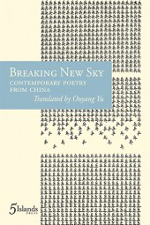
Sam Moginie Reviews Breaking New Sky: Contemporary Poetry from China

breaking-new-sky

Breaking New Sky: Contemporary Poetry from China

edited by Ouyang Yu

Five Islands Press, 2013

Breaking New Sky is a happily variegated collection of work by contemporary Chinese poets, edited and translated by Chinese-Australian poet, novelist and translator Ouyang Yu. Strangeness produced by means of a ‘neutral’ or ‘plain’ English (a ‘Yu signature tone’) gives the poems and their objects a riddle-like quality whose pleasures and dramas implicate food, sex, work, river systems, animals, domestic space, relationships, the medical system, nostalgia, death, farming and sleep. This plainness is put to work as the material of an aphoristic narrative mode that defines this anthology; making small claims continuously and thereby amassing charm.

Yu’s introduction begins with an account of a ‘new taste’ he has experienced while running Chinese-to-English translation workshops for Chinese students in Melbourne: a preference for ‘down-to-earth’, ‘subtle and plain speaking’ poems. His anecdote serves to place the translations in Breaking New Sky under the sign of plainness, a category that introduces prose, ‘heart to heart’ communication, the familiar and normal (I’m thinking of ‘plain food’), ease of access, assimilation, the unremarkable, blending in and plainclothes policing as modalities for the poems. There’s also a plainness to Yu’s ‘direct translation’: lines like Zhou Suotong’s ‘I saw the back of a grass-hoeing person’ or He Xiaozu’s ‘even the mah-jong players don’t get in touch / making you feel a bit odd’. Yu’s direct translation method aims to render the original language ‘literally’, to produce ‘poetry that fills the lacuna of a target language … with something so quotidian in the source language, that one’s sense is numbed’. Another result is a highly productive, stretched or slow English.

Continue reading

Shale Preston 
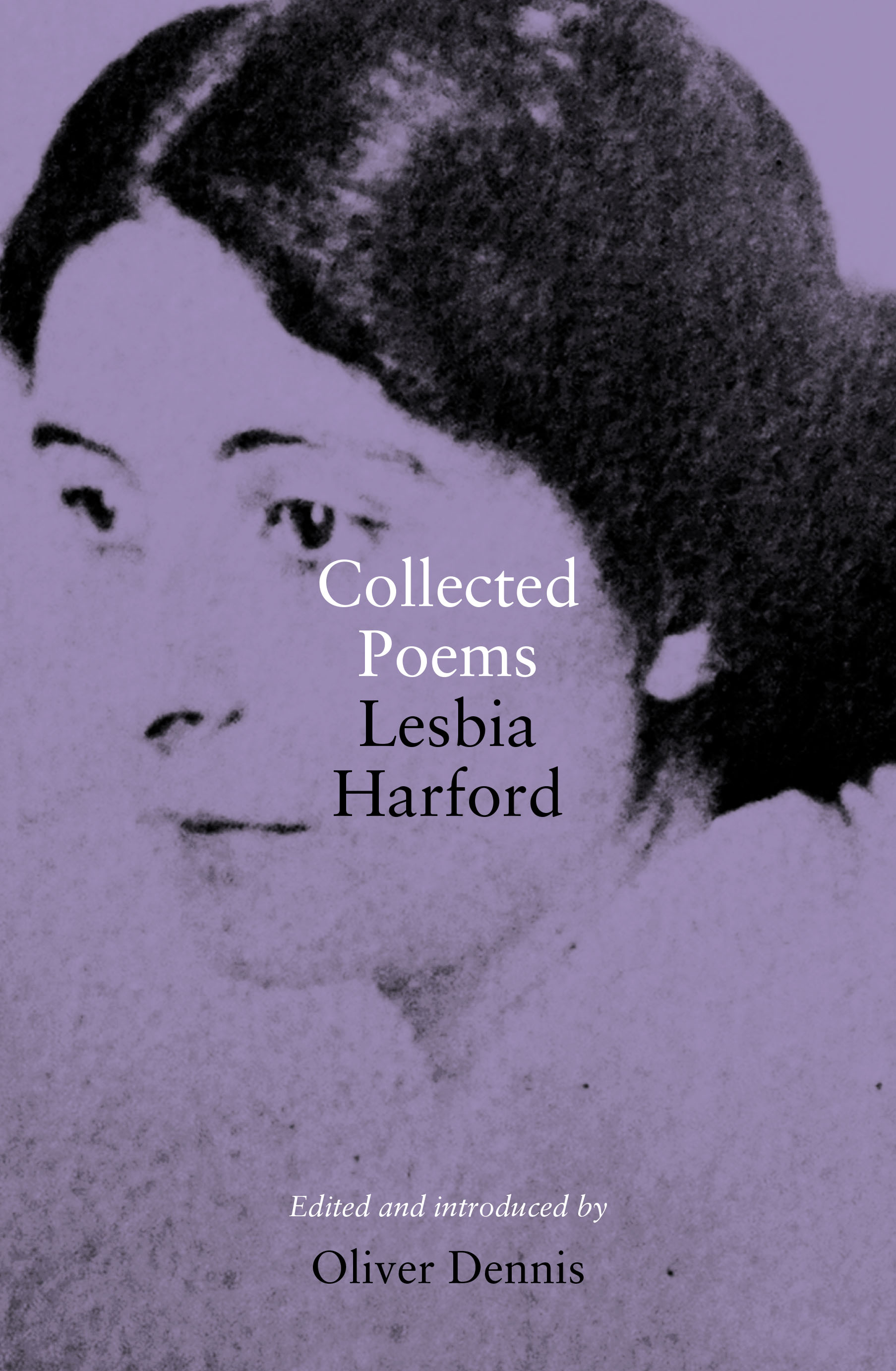
reviews Collected Poems: Lesbia Harford, edited by Oliver Dennis

9781742585352

Collected Poems: Lesbia Harford
edited by Oliver Dennis

UWA Publishing, 2014

In the foreword of this long overdue volume, Les Murray writes that he considers Lesbia Harford to be ‘one of the two finest female poets so far seen in Australia; the other has to be Judith Wright’ (xviii). This is an extravagant contention, but it is not without foundation. Further, Murray’s claim warrants being extended beyond the confines of gender for, to my mind, Harford should be just as readily compared to some of Australia’s finest male poets including Les Murray, Kenneth Slessor, A. D. Hope, Bruce Dawe, Douglas Stewart, David Malouf and David Brooks (albeit that the tenor of Harford’s poetry is decidedly less conservative than some of these poets). Accordingly, it is quite tragic that Harford has, up until now, occupied such a minor place in Australian literary history for, as this volume amply attests, she produced what can only be described as some of Australia’s most evocative poetry.

Born in 1891 and dying in 1927 at the age of only thirty-six from the combined effects of pulmonary tuberculosis and a bacterial infection of the heart, Harford published very little in her lifetime and held so strongly to her uncompromisingly modern and free-spirited vision that she turned down opportunities for publication. Indeed, she refused to give Percival Serle, renowned Australian biographer, permission to publish one of her poems because her need to live an authentic life took precedence over concerns about her artistic after-life: ‘Your anthology will be read in many places for many years. I would not care to be recalled to the memory of distant friends by the poem you have chosen … You see, I take my poetry seriously and I am in no hurry to be read’ (xx). It is fortunate that Harford took this approach because the fluid nature of her sexual identity and her unselfconscious ability to express this within her poetry would, no doubt, have met with rejection and/or hostility at the time that she was writing. Being in no hurry to publish thereby gave her the freedom to commit wholeheartedly to her unflinchingly honest and searingly personal poetic vision. Moreover, it ultimately worked to preserve the wonderfully uninhibited nature of her poetry for posterity. During the years that she was writing, it is highly unlikely, for instance, that the following words from her poem ‘I can’t feel the sunshine’ would have been published:

Would that I were Sappho,
Greece my land, not this!
There the noblest women,
When they loved, would kiss.

Continue reading

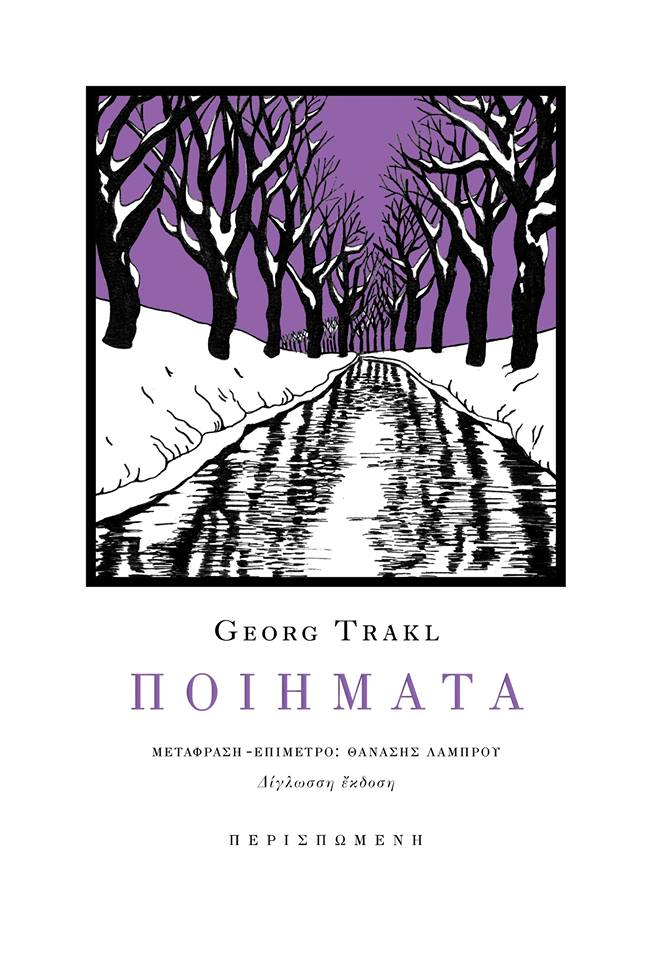
Georg Trakl (3/2/1887–3/11/1914) In Memoriam

10485831_891288077561518_8338044769177571332_n

Σαν προχθές, 3 Νοέμβρη, πριν από εκατό χρόνια, τη νύχτα, ο Αυστριακός ποιητής Γκέορκ Τρακλ, ψυχικά διαλυμένος, σίγησε για πάντα στο στρατιωτικό νοσοκομείο της Κρακοβίας, Έτσι, ο 20ός αιώνας έχασε, στην αυγή του κιόλας, μια από τις αυθεντικότερες ποιητικές φωνές του.

Με την έναρξη του Α’ Παγκοσμίου Πολέμου ο υπερευαίσθητος ποιητής, τον οποίο χαιρέτισε με θαυμασμό ο Ρίλκε, επιστρατεύτηκε σε μονάδα του Υγειονομικού και στάλθηκε στο μέτωπο. Μετά τη μάχη του Grodek (στη σημερινή Ουκρανία) υποχρεώθηκε να αναλάβει ολομόναχος την περίθαλψη ενενήντα βαριά τραυματισμένων, αρκετοί από τους οποίους αυτοκτόνησαν μπροστά στα μάτια του. Απελπισμένος από την αδυναμία του να βοηθήσει, αποπειράθηκε να αυτοκτονήσει, όμως τον πρόλαβαν οι σύντροφοί του την τελευταία στιγμή. Μεταφέρθηκε στην ψυχιατρική πτέρυγα του νοσοκομείου. Λίγες ημέρες αργότερα πέθενε από ισχυρή δόση ναρκωτικών.

Οι εκδόσεις Περισπωμένη βλέπουν την επικείμενη έκδοση της ποίησης του Τρακλ (μετάφραση-σημειώσεις-επίμετρο: Θανάσης Λάμπρου) ως αφορμή να θυμηθούν, δηλαδή να βάλουν στην καρδιά και να σκεφτεί τους νεκρούς του Α΄ Παγκοσμίου Πολέμου, ένα από τα θύματα του οποίου ήταν και ο 27χρονος ποιητής.

The poetry and brief life of a Foxconn worker: Xu Lizhi (1990-2014)

xu lizhi

Translations of poems by Xu Lizhi (许立志), the Foxconn worker who committed suicide on 30 September 2014, at the age of 24, in Shenzhen, China. Also includes an obituary with some explanatory notes. Note: Below are translations by friends of the Nao project, starting with Xu’s departing poem and an obituary, followed by other poems from 2011 to 2014. By translating these poems, we aim to memorialize Xu, share some of his excellent literary work, and spread awareness that the harsh conditions, struggles and aspirations of Chinese migrant workers (including but not limited to Foxconn) have not diminished since the more widely-publicized spate of 18 attempted Foxconn suicides in 2010, resulting in 14 deaths.

Insiders report that thereafter, although the frequency of suicides decreased (mainly due to Foxconn’s installation of nets making it more difficult for workers to jump from their dormitories, along with the development of workers’ collective resistance), such suicides have continued to the present. Including Xu Lizhi, at least 8 cases have been reported in the media since 2010, but insiders say that many other cases go unreported. We hope that in the future, workers in Foxconn and elsewhere manage to find ways around such companies’ military-style discipline and surveillance, come together, and forge collective paths out of this capitalist world of death, into a world worth living in. Don’t give up! Feel free to repost these translations anywhere.

Continue reading

Ζαχαρίας Στουφής, Η Ταξιθέτρια του Χάους, εκδόσεις «Κάποτε»

stoyfis


ΤΟΥ ΘΕΟΧΑΡΗ ΠΑΠΑΔΟΠΟΥΛΟΥ

Στις μέρες μας κυκλοφορούν πολλά βιβλία και ορισμένα από αυτά είναι πρωτότυπα γραμμένα, όπως το καινούργιο βιβλίο του Ζαχαρία Στουφή «Η ταξιθέτρια του χάους», που κυκλοφορεί από τις εκδόσεις «Κάποτε».

Όπως, μας πληροφορεί ο ίδιος ο ποιητής, το συγκεκριμένο βιβλίο, αν και περιλαμβάνει ποιήματα δεν χαρακτηρίζεται ποιητική συλλογή, αλλά ποιητική βιογραφία χωρισμένη σε τρεις ενότητες. Όμως, διαβάζοντας την «Ταξιθέτρια του Χάους» διαπιστώσαμε ότι το κάθε ποίημα θα μπορούσε να σταθεί και μόνο του και να δημοσιευτεί ξεχωριστά καθώς όλα διαθέτουν το δικό τους νόημα και την δική τους αυτοτέλεια.

Ολόκληρο το βιβλίο το διαπερνά ένας σαρκασμός και μια ειρωνεία, ενώ ο ανατρεπτικός στίχος του ποιητή ξαφνιάζει ευχάριστα τους αναγνώστες: «Τώρα όμως, στο νηπιακό μου γήρας – δυστυχώς – / δεν υπάρχουν οι μεγαλύτεροι για να τους μιμηθώ / και οι νεότεροι – ευτυχώς – / ούτε που θέλουν να με ακούσουν». Και αλλού: «Πραγματικά θέλω να με ευχαριστήσω που δεν με έκανα, έναν από τα εκατομμύρια σωτήρες του κόσμου».

Ακόμα και σε κάποια σημεία, όπου συναντάμε βωμολοχίες θα εκπλαγούμε γιατί πίσω από τις θεωρούμενες χυδαίες λέξεις δεν θα βρούμε τον εύκολο και φτηνό εντυπωσιασμό, αλλά την ουσιαστική αποδόμηση μιας υποκριτικής ηθικής, που διαπερνά τη σημερινή κοινωνία.

Σε ορισμένα ποιήματα της «Ταξιθέτρια του χάους» έχουμε την ανατροπή των ωραιοποιημένων εικόνων της σημερινής κοινωνίας: «Ετούτη η πατρίδα είναι ψέματα· ο μεγάλος της ήλιος είναι λιοπύρι που κατατρώει τους εργάτες».

Θα κλείσουμε εδώ την περιπλάνησή μας σε αυτή την ποιητική βιογραφία της «Ταξιθέτριας του χάους» από τον Ζαχαρία Στουφή, βγάζοντας το συμπέρασμα, ότι είναι μια έκδοση, που, όπως αναφέρει χαρακτηριστικά ο ίδιος στο ποίημα «Μέτρια έκδοση»: «Αν μείνει λίγο αδιάβαστη στον πόνο…/ αντιδρά· / τινάζοντας την πόλη στον αέρα».

Alice Allan Reviews Nola Firth, Richard James Allen, Liz McQuilkin, Sandra Thibodeaux, and Wendy Fleming

Even if the Sun
by Nola Firth
Melbourne Poets Union, 2013

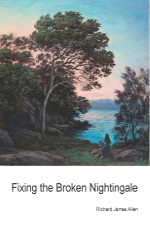
Fixing the Broken Nightingale
by Richard James Allen
Flying Island Books, 2013

fixing-the-broken-nightingale

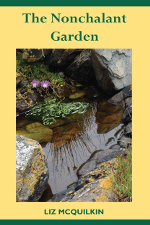
The Nonchalant Garden
by Liz McQuilkin
Walleah Press, 2014

nonchalant-garden

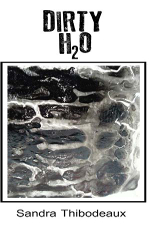
DIRTY H2O
by Sandra Thibodeaux
Mulla Mulla Press, 2014

DirtyH20

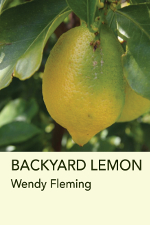
Backyard Lemon
by Wendy Fleming
Melbourne Poets Union, 2014

backyard-lemon

Whether new or established, it’s part of a poet’s work to ask: How far can my words go; how much can they capture; where are their limits? The five Australian poets reviewed here each have their own methods of asking these questions. As a reader and writer of poetry I’ve learned a lot from the sometimes quiet, sometimes bold and always courageous ways they’ve answered them.

Continue reading

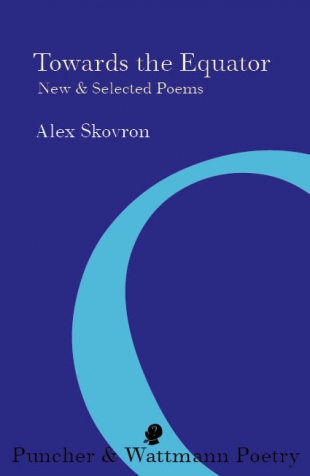
Book launch: Alex Skovron, Towards the Equator – New & Selected Poems

Towards_the_equator_310_476_s

This New & Selected Poems is a substantial and long-awaited compilation from one of Australia’s most accomplished poets, a retrospective spanning more than thirty years.

The New Poems section, ‘Towards the Equator’, represents Alex Skovron’s sixth book-length collection and signals a return to the formal variety that has been a hallmark of his work. As always, a distinct Eurocentric sensibility sits alongside an engagement with Western art and culture. All six collections are characterized by close attention to craft, versatility of tone and technique, and a seriousness of intent seasoned at times with wry humour or playful wit. We encounter a rich assortment of voices, moods and scenarios as the landscapes of experience, the playgrounds of the mind and the theatres of the self are negotiated.

Music, memory, philosophy, the creative spirit and language itself are focal-points; the dimensions of faith and the quest for self-knowledge colour the shifting light; while Eros, in various guises, accompanies many of the poems across the plains and borderlands of the imagination. Recurring motifs in Skovron’s poetry include the perpetual tussle with history, the search for a clarity of vision, and our often ambiguous relationship with identity, with each other, and with the enigmas of time and remembrance.

The book will be launched

at Armadale Bowls Club, Princes Park

41 Sussex Rd, South Caulfield, Melbourne

on

Sunday, 30 November 2014 at 4.00 pm

Refreshments will be served

Robyn Rowland reviews Margaret Bradstock

barnacle_rock

Barnacle Rock
by Margaret Bradstock
Puncher & Wattmann, 2013

Barnacle Rock is time-travelling through poetry. Its significance lies in Margaret Bradstock’s successful inscribing of a journey, from the search for a land of plenty by various explorers, to the position we find ourselves in now: a climate in crisis, a civilisation in error and a country which has displaced its indigenous people, replacing their knowledge with a rusted ‘progress’. Dense, a rich read, it alerts the mind into awareness.

The book is in five sections beginning and ending in the ocean, where, ironically, ‘life’s a beach’. The first recalls those seemingly endless voyages to a place that was half-imagined, ‘the missing continent’, the ‘home of idolators and abundant gold’. We travel with those fearless explorers – Portuguese, Dutch, French and British – who sailed long distances to find the desired land of riches. I think it is interesting to also read this as symbolic of a journey in search of what we as individuals desire – that when found, is easily corrupted, misconstrued, misunderstood – rarely what we expect. The book is a metaphor for the soul’s search, perhaps.
These seafarers saw so many natural wonders – sunfish, new lands of scarps and bush forests –yet Bradstock tells us that ‘the mountains of Illawarra reminded / Banks of the back of a lean cow’, even his ‘transmutant gaze’ saw only ‘anorexic country’ with its bare bones (‘Trompe-l’oeil’). And de Surville:

has his eye on Jewish traders,
pelts, precious minerals
somewhere in the South Pacific,
not this fly-away coastline
with its bleak terrain.

(‘Ships that pass (Dec. 1769 – March 1770)’)

The final poem in this section sees Mawson struggling to reach safety while in:

… the maze
of hidden crevasses, slopes of hard ice
depressions filled with snow,
the soles of my feet come off
with my sock. I tie them back in place.

(‘Mawson: the Heroic Era’)

Beside these struggles for survival there are the tougher battles of ‘the other’: the indigenous –passed over and silent; and the convict, so brutalised, so ‘tired of this life of prison time that passes for real time … you prayed to be hanged’ (‘A Memoir (thumbnails) of Convict Davies, 1824’). What remains from these searches are remnants: Leichardt’s ‘fragments of moleskin trousers’, huts, wrecks, the Mahogany ship, things buried in sand, diaries and perhaps ‘the great harp of the wind’, that ‘might measure the soul of a man’ – while we are left questioning what was found.

Because the first section focuses on history, it has by necessity to fit in information that keeps the reader inside the poem. Bradstock achieves this while not sacrificing poetic craft. Imagery is effective where it occurs, and the free-verse rhythm almost an undulating ocean.
Where the indigenous population was silent, the second section is enlivened with its voices and perspectives, with a sense of its belonging. Yet this is ushered in with a powerful poem on not belonging. ‘The Promised Land’ is one of the strongest poems in the book for its imagery and multilayered meaning: ‘You said you’d “found your spot”’, Bradstock’s speaker notes, yet:

you dive and are gone
in a turmoil of shadow-dreams.
the opaque moon
salty white with silvered snow
reflects only isolation.

The question that drives the poem is: ‘what else were they hoping for … not this panorama of human entrapment … of incompletion, failure, loss / while always pursuing some greater shining vision’.
Poems on the continent’s interior are short, clear and uncluttered. Where the European explorers found emptiness, here it is peopled with old story, meaning-filled landmarks, dreaming. There is a sense of the heart of something beyond the smallness of humanity, a landscape for those in search of soul-country. ‘Desert saint’ or not:

homesick for a landscape
of the imagination, the gaze
of infinite space
a terrain becoming its own icon,
[we] might have dreamed this desolation
this ascetic silence

(‘Mingmarriya Country’)

If I were to choose the strongest poem in this excellent collection it would still be the title poem, Barnacle Rock, last in section II. It could even have come first in the book as a stand-alone section, the ‘mirage of sail’ leading us into the old explorers and their ships; the barnacle representing the creation of modern Australia, the accretion of layering clinging to the Great Rock. Beautifully written, subtly moving, it encapsulates the journey, signposts the stopping points and rings out the message that ripples though the book, beginning:

You will go back through the quiet bush
past Aboriginal middens
rainbow lorikeets nesting
in tree knolls …

And it finishes where:

A man and his shadow
stride across skyline
in the footprints of worn sandstone.

The third section is suburban life with its energy and an underlying uneasiness that something is becoming stilled by it, rusting away. ‘The White Palace’ encapsulates this lack of permanence: ‘I threw out the journal entries / when I packed up my life / and moved on’, yet we know from section I that diary entries are what give us perspective on history.

We move up country, out of country to close-lying neighbours, with powerful poems on Asia and the striking poem ‘Long Phuoc revisited’ – a reminder that modern Australia, too, has played its part in invasive destruction. Definite lines again make multiple meaning:

A subjugated country, they cannot speak
regret or even sorrow
the ploughed fields
seeded with forgiveness.

This section finishes with two deeply moving poems for the poet’s father, ‘Ask not’ and ‘The River’ – in which we are so present in his ‘nights on the Monaro / stars burning like dry ice’, and on the river – the river of many names that eventually carries us all:

You drift in and out of memory
in and out of sleep
a receding tide of the river’s delta
mind sometimes sharper that the oyster beds
we once cut our feet on
sometimes lost in a tangle of the past
tree roots that knot themselves
into the embankments
the eroding silt jetties.

(‘The River’)

Lighter and with some humour, section IV gives us Bondi, Clovelly, Port Macquarie, Sydney Cove, pond life, sea life – all the golden beauty that Australian coast can give, and its hidden threats, from small sea-lice to big sharks – ‘it’s the food chain / and you don’t want to be a part of it’ (‘Shark Alert’)
As we finish that section, ‘Conversations from the bottom of the Harbour’ turns us towards the politics of the final section of the book. Beginning with ‘The catechism of loss’, there are seven intense poems of anger, defiance, regret, and loss. Their messages carefully crafted, they are punchy vignettes of what we’ve brought to the present: Fukushima nuclear disaster in Japan, leaking contaminated water from the Ranger uranium mine, the North pacific Garbage Patch:

… where marine plastics gather
like nylon shirts in the wardrobes of old men
never upcycled, never wearing away
a gyre where nothing escapes.

(‘The sure extinction’)

In the aptly titled ‘How large each death will be’, the poet shows us what we all see and many feel powerless to turn back:

There should be bees, but I’ve seen none this year. Cheated by summer, magnolias are still in bloom not understanding that it’s unseasonal the hothouse effect of constant rain

We are all living, the poems convince us, like the poet: ‘as though my passing shadow / were not the shadow of the world.’ This is a far-reaching book, its craft tight and its scope challenging. Barnacle Rock finishes in heavy territory, but its right to this is well-earned by its growing sense of place and, I’m sure, her growing dismay as Bradstock moves from history to the present, watching the same ignorance and lack of appreciation shape both. From those early explorations to current attacks on natural landscape, an enormous scale of history is covered. And I will resist the temptation to bring this review to a cozy end. We are left justifiably uneasy, rising-anxious:

The days are turning in, a chill in the lambent air like something lost or forgotten, a code mislaid. … Everything is waiting and still this tenuous, fragile feeling like hand-held soapstone sculpture.

*Dr Robyn Rowland AO has published nine books, six of poetry, most recently Seasons of doubt & burning. New & Selected Poems (2010) representing 40 years of poetry. Her poetry has appeared in Being Human, ed. Neil Astley, (Bloodaxe Books, UK, 2011). Silence & its tongues (2006) was shortlisted for the 2007 ACT Judith Wright Poetry Prize. Rowland is winner of poetry prizes, including the Writing Spirit Poetry Award, Ireland 2010. She is an Honorary Fellow, School of Culture and Communication, University of Melbourne, Australia and a member of the National Advisory Council for Australia Poetry Ltd. Rowland curated and presented the Poetry & Conversation Series for the Geelong Library Corporation, 2010-2012. She is currently working on a bi-lingual book with Dr Mehmet Ali Çelikel in Turkey.
Website: http://www.robynrowland.info


**Taken from Cordire Poetry Review at http://www.cordite.org.au
Οι ποιητές της Θεσσαλονίκης τον 20ό αιώνα

240

Ποιητική ανθολογία: Οι ποιητές της Θεσσαλονίκης τον 20ό αιώνα και ως σήμερα (ποίηση, Θεσσαλονίκη)

Ανθολόγηση: Βίκυ Παπαπροδρόμου

Ανθολογούνται οι:

Γιάννης Αγγελάκας (1959)
Κούλα Αδαλόγλου (1953)
Ρούλα Αλαβέρα (1942)
Γιώργος Αλισάνογλου (1975)
Βασίλης Αμανατίδης (1970)
Μανόλης Αναγνωστάκης (1925-2005)
Μυρτώ Αναγνωστοπούλου (1944)
Ανήλικοι κρατούμενοι στις δικαστικές φυλακές Διαβατών Θεσσαλονίκης
Παναγιώτης Αργυρόπουλος (1967)
Μαρία Αρχιμανδρίτου (1959)
Νίκος-Αλέξης Ασλάνογλου (1931-1996)
Χρυσούλα Βακιρτζή (1961)
Στέργιος Βαλιούλης (1916-1986)
Τάκης Βαρβιτσιώτης (1916-2011)
Βασίλης Βασιλικός (1934)
Γ. Θ. Βαφόπουλος (1903-1996)
Αναστάσης Βιστωνίτης (1952)
Θοδωρής Βοριάς (1970)
Νίκος Βρεττός (1938)
Θανάσης Γεωργιάδης (1944)
Τάκης Γραμμένος (1947)
Νίκος Γρηγοριάδης (1931-2012)
Δημήτρης Δημητριάδης (1944)
Ιφιγένεια Διδασκάλου (1916)
Ανέστης Ευαγγέλου (1937-1994)
Σταύρος Ζαφειρίου (1958)
Χρυσάνθη Ζιτσαία (1902-1995)
Μαρία Θανοπούλου (1958)
Πάνος Θασίτης (1923-2008)
Λήδα – Βασιλική Θέμελη (1935-2006)
Γιώργος Θέμελης (1900-1976)
Πάνος Θεοδωρίδης (1948)
Ρουμπίνα Θεοδώρου (1959)
Αλέξανδρος Ίσαρης (1941)
Βασίλης Ιωαννίδης (1948)
Γιώργος Ιωάννου (1927-1985)
Χ. Δ. Καλαϊτζής (1956)
Γιώργος Καλιεντζίδης (1960)
Δημήτρης Καλοκύρης (1948)
Βικτωρία Καπλάνη (1961)
Μαρία Καραγιάννη (1936)
Ανδρέας Καρακόκκινος (1952)
Γιάννης Καρατζόγλου (1946)
Μαρία Καρδάτου (1946)
Ζωή Καρέλλη (1901-1998)
Κατερίνα Καριζώνη (1955)
Θεόκλητος Καριπίδης (1926-1975)
Γιώργος Καφταντζής (1920-1998)
Μαρία Κέντρου-Αγαθοπούλου (1930)
Νίνα Κοκκαλίδου-Ναχμία (1920-2002)
Έλσα Κορνέτη (1970)
Μαρία Κουγιουμτζή (1945)
Τάσος Κουράκης (1948)
Άννυ Κουτροκόη (1949)
Χλόη Κουτσουμπέλη (1962)
Κλείτος Κύρου (1921-2006)
Μαρία Κυρτζάκη (1948)
Σπύρος Λαζαρίδης (1958)
Δημήτρης Λαμπρέλλης (1958)
Εύα Λιάρου-Αργύρη (1940)
Θέμης Λιβεριάδης (1940)
Στέλιος Λουκάς (1959)
Ευτυχία-Αλεξάνδρα Λουκίδου (1965)
Απόστολος Λυκεσάς (1963)
Απόστολος Μαϊκίδης (1972)
Πρόδρομος Μάρκογλου (1935)
Θανάσης Ε. Μαρκόπουλος (1951)
Αργύρης Μαρνέρος (1941)
Γιάννης Μασμανίδης (1953)
Παναγιώτης Μαυρίδης (1938)
Λία Μεγάλου-Σεφεριάδη (1945)
Ελένη Μερκενίδου (1955)
Μάρκος Μέσκος (1935)
Κωστής Μοσκώφ (1939-1998)
Βάγιος Μπαγλάνης (1929-1971)
Αλεξάνδρα Μπακονίκα (1951)
Βάσω Μπρατάκη (1963)
Νίκος Μυλόπουλος (1951)
Τόλης Νικηφόρου (1938)
Θεοδώρα Ντάκου (1942)
Χρήστος Ντάλιας (1907-1998)
Μανόλης Ξεξάκης (1948)
Πασχάλης Παπαβασιλείου (1941)
Θάνος Παπαδόπουλος (1940)
Ρωξάνη Παυλέα (1951-1990)
Σαράντος Παυλέας (1917-2005)
Νίκος Γαβριήλ Πεντζίκης (1908-1993)
Μαρία Πισιώτη (1966)
Κώστας Πλαστήρας (1946)
Γιάννης Ποδιναράς (1951)
Φαίδων ο Πολίτης (1928-1986)
Σόνια Πυλόρωφ-Σωτηρούδη (1944)
Άνθος Πωγωνίτης (1910-1977)
Τέος Σαλαπασίδης (1924-1983)
Ζωή Σαμαρά (1935)
Δημήτρης Σέκερης (1945)
Σάκης Σερέφας (1960)
Ντάντη Σιδέρη (1931)
Μίμης Σουλιώτης (1949-2012)
Ανθούλα Σταθοπούλου-Βαφοπούλου (1909-1935)
Γ. Ξ. Στογιαννίδης (1912-1994)
Σοφία Στρέζου (1958)
Π. Σωτηρίου (1939)
Βαγγέλης Τασιόπουλος (1959)
Γιάννης Τζανής (1943)
Στέλλα Τιμωνίδου (1946-2007)
Μελίτα Τόκα-Καραχάλιου (1940)
Αλέξης Τραϊανός (1944-1980)
Γεωργία Τριανταφυλλίδου (1968)
Κάρολος Τσίζεκ (1922-2013)
Γιάννης Υφαντής (1949)
Βασίλης Φαϊτάς (1942)
Άνθος Φιλητάς (1920-1997)
Θανάσης Φωτιάδης (1921-1989)
Μάριος Μαρίνος Χαραλάμπους (1937-2007)
Μάτση Χατζηλαζάρου (1914-1987)
Γιώργος Χουλιάρας (1951)
Χαρά Χρηστάρα (1957)
Ντίνος Χριστιανόπουλος (1931)
Μαρία Ψωμά (1962)

*Σε παρένθεση το έτος γέννησης.
**παρμένο από το http://www.translatum.gr/forum/index.php/topic,9084.0.html