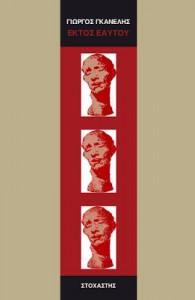
“Εκτός εαυτού” του Γιώργου Γκανέλη

gkanelis

Της Κρις Λιβανίου

Μεγάλα λόγια σαν σπάσιμο γυαλιού ξεθύμαναν στις πλατείες

Αυτός είναι ο πρώτος στίχος του πρώτου ποιήματος της συλλογής Εκτός εαυτού, που αποτελείται από άλλα 50. Εκτενή στην πλειοψηφία τους, είναι η απόδειξη ότι ο Γιώργος Γκανέλης δεν φοβάται να αναπτύξει την σκέψη του, ούτε ανησυχεί ότι θα υποπέσει σε.. ατοπήματα που σε σύντομα κείμενα θα μπορούσαν να είχαν αποφευχθεί: έχει το θάρρος του λόγου.

Κάθε ένα από τα ποιήματα της συλλογής αυτής έχει ξεκάθαρη δομή και είναι στημένο σε ακριβή ισορροπία, είναι φανερό ότι ο δημιουργός έχει σαφή εικόνα του τι θέλει να επιτύχει: αυτό δεν είναι κάτι που βλέπουμε κάθε μέρα, για να χρησιμοποιήσω έναν ευφημισμό. Προσωπικά την ευχαριστήθηκα αυτή τη συλλογή κατά κύριο λόγο επειδή όσο και να κοίταξα, δεν βρήκα τεχνικά ψεγάδια. Μπορεί το περιεχόμενο να προσφέρεται για συζήτηση όπως άλλωστε και οποιοδήποτε άλλο, δομικά όμως τα πράγματα είναι ξεκάθαρα και ακριβή από τον πρώτο στίχο. Αυτό βέβαια δεν σημαίνει ότι μου άρεσαν όλα τα ποιήματα εξίσου αλλά ότι το διάβασμα κύλισε απρόσκοπτα και το μήνυμα του ποιητή πέρασε χωρίς τα εμπόδια της ασάφειας.

Πέραν αυτού, συμβαίνουν διάφορα παράδοξα και ασυνήθιστα πράγματα σ’αυτή τη συλλογή, με πρώτο το γεγονός ότι δεν υπάρχει ξεκάθαρη και ορισμένη θεματολογία. Ο Γκανέλης γράφει με αφορμές από τα γύρω του τεκταινόμενα χωρίς να κλείνεται σε καλούπια περιεχομένου, είναι ανοιχτός σε ερεθίσματα και αυτό τελικά καθρεφτίζεται στα κείμενα σε μια απρόσμενη μορφή ελευθερίας:

Μεσογειακό φως Ιουλίου
Εφαπτόμενο με αλμυρή σάρκα[1]

Ένα δεύτερο στοιχείο που τραβάει την προσοχή είναι το ότι υπάρχουν ήρωες στην ποίησή του, πρωταγωνιστές, διάφορα πρόσωπα που περιδιαβαίνουν τα κείμενα. Αυτό που εννοώ είναι ότι ο ποιητής, δεν περιορίζεται στην ατομικότητα του εγώ του αλλά δίνει βήμα και συντάσσει περιγραφές άλλων ανθρώπων που για κάποιο λόγο θεωρεί σημαντικούς. Υπάρχει ο γελωτοποιός («Θεατρικοί ρόλοι», σελ. 11), ο στρατιώτης (σελ. 12), ο κηπουρός (σελ. 31), καθώς και διάφοροι άλλοι τύποι ανθρώπων που κυκλοφορούν ανάμεσα στους στίχους για να οικειοποιηθούν τις λέξεις που τους αφορούν, καταλήγοντας έτσι να δημιουργήσουν ένα περιβάλλον σουρεαλιστικό και σχεδόν μαγικό, στα όρια του παραμυθιού.

Παραδόξως, σ’αυτή τη συλλογή υπάρχει το στοιχείο της αφήγησης με ό,τι αυτό συμπεριλαμβάνει: έτσι, έχουμε ενεργητικά ρήματα, παρατατικούς και αόριστους για να στηρίξουν το χρονικό πλαίσιο, επιρρήματα που οριοθετούν τα συμβαίνοντα, και τελικά την επιθυμία να διαβάσουμε παρακάτω για… να δούμε τι θα γίνει! Υπάρχει λοιπόν η φωνή που διηγείται μια ιστορία, κάποιες φορές ρεαλιστική και κάποιες άλλες καθόλου, που βάζει τους ήρωες στη σκηνή και τους δίνει ήχο και λέξεις, περιγράφει τις πράξεις και τις σκέψεις τους, τους αφήνει να διαγράψουν αυτόνομες πορείες και τους ακολουθεί με το βλέμμα. Στο ποίημα «Ο Άνθρωπος» έχουμε για παράδειγμα πέντε παρουσίες: κάθε μια κινείται σε ένα τρίστιχο που της είναι αφιερωμένο, και το ποίημα μοιάζει με ένα παράδοξο ξενοδοχείο φευγαλέων μορφών.

Τα πρόσωπα που έλεγα πριν, αυτοί δηλαδή που πρωταγωνιστούν σε ό,τι γράφεται στους στίχους, είναι χτισμένα αποκλειστικά σχεδόν πάνω σε αντιθέσεις. Κάθε είδους αντίθετα συναντιούνται για να δημιουργήσουν χαρακτήρες που βρίσκονται με το ένα πόδι στην πραγματικότητα και με το άλλο στην φαντασία αλλά που τελικά καταφέρνουν να ισορροπήσουν, κάποιες φορές μάλιστα και να χορέψουν, χάρη στην ακρίβεια των λέξεων, των σκέψεων και των συγκινήσεων που αποτυπώνονται. Σε όλη αυτή τη διαδικασία, ο ποιητής αλλάζει συνεχώς οπτική γωνία για να παρατηρεί καλύτερα αυτά που συμβαίνουν δεξιά κι αριστερά, εν αγνοία του σχεδόν, ή μήπως για να κρυφτεί από τους αναγνώστες, δύσκολο να συμπεράνει κανείς. Δημιουργεί όμως ένα μαγικό κόσμο για να χάνεται μέσα του, κάπως σαν την Αλίκη στη Χώρα των Θαυμάτων (για παράδειγμα στην «Συνάντηση», σελ. 17), όπου ξαφνικά οι κανόνες που διέπουν τα όνειρα παίρνουν τα ηνία της πραγματικότητας και έτσι ξεκινάει ένα ταξίδι με άγνωστο προορισμό και αβέβαιη έκβαση. Ποιήματα που μοιάζουν με παραμύθια λοιπόν, διαστρεβλωμένα όμως και ελαφρώς αγωνιώδη, σαν παραμύθια για μεγάλους, κάποιες φορές γεμάτα από απρόσμενους συνειρμούς και κάποιες άλλες αστεία, περιπαιχτικά:

Κάποιες φορές έξω απ’ το σπίτι
Με περιμένει μια γάτα
Με δυο κεφάλια και φτερά.
Στην αρχή νόμιζα πως απέδρασε
Από πίνακα ζωγραφικής
Ή ότι έπεσε απ’ τον ουρανό
Κατά τη διάρκεια μιας καταιγίδας.
Όμως δεν ήταν πραγματική γάτα
Αφού να φανταστείτε
Άρχισε να κυνηγάει τους κλέφτες
Και να γαυγίζει στ’ αυτοκίνητα
Ξέθαβε κόκαλα απ’ το χώμα
Και με κοιτούσε στα μάτια με συμπόνια
Όταν έβγαζα απ’ την τσέπη τα κλειδιά.

(…)[2]

Στο Εκτός εαυτού είμαστε θεατές μιας παρέλασης ετερόκλητων πραγμάτων και ανθρώπων αρμονικά ζυγισμένης, ή ακόμα και μιας πραγματικότητας που στέκεται απέναντι από το παραμορφωτικό της είδωλο, με τις ψευδαισθήσεις, τις αυταπάτες και τα αγωνιώδη όνειρα που αυτό φέρνει μαζί του. Ανάμεσα στις άλλες ψευδαισθήσεις λοιπόν, τις λοξές πραγματικότητες άλλων ανθρώπων που μπαινοβγαίνουν στα ποιήματα σαν να είναι σπίτι τους, έχουμε και την ψευδαίσθηση του εγώ του ποιητή, που πότε αναμετριέται με τον εαυτό του και πότε παίρνει θέση ανάμεσα στους άλλους πρωταγωνιστές, περαστικός κι αυτός από αυτή ή από κάποια άλλη πραγματικότητα. Ατμόσφαιρες, παρουσίες και αντικείμενα, περιγράφονται αδιακρίτως σε διαδοχικές εικόνες και με όλες τις μεταξύ τους συνιστώσες, και το αποτέλεσμα είναι μια μαγεμένη πραγματικότητα ή ένα ρεαλιστικό όνειρο, ανάλογα με τι θέλει να δει κανείς.
Δύο από τα ποιήματα που μου άρεσαν ιδιαίτερα:

Ο ΑΝΘΡΩΠΟΣ [3]

Ο άνθρωπος με τις μπότες
Ήξερε να σκοτώνει τη χαρά:
Την ποδοπατούσε γελώντας.

Ο άνθρωπος με το καπέλο
Πάντα αγαπούσε τις σκιές:
Τις έκρυβε στη φόδρα του ήλιου.

Ο άνθρωπος με το παλτό
Τουρτούριζε μπροστά στο τζάκι:
Είχε ένα πάγο στην καρδιά του.

Ο άνθρωπος με το μακό
Ήταν πάντοτε των άκρων:
Έγραφε ποιήματα χωρίς χέρια.

Ο άνθρωπος με τα μαύρα
Περπατούσε στο δρόμο σφυρίζοντας:
Μάλλον πενθούσε χωρίς να το ξέρει.

ΑΠΑΓΟΡΕΥΣΕΙΣ [4]

Ο γιατρός μου απαγόρευσε το τσιγάρο.
Μα εγώ έχω στην τσέπη μου έναν αναπτήρα
Κι ανάβω φωτιές στη μνήμη
Καπνίζω τις μυρωδιές του καλοκαιριού
Που αναδύονται από ηλιοκαμένα σώματα
Ανοίγω πακέτο με άβγαλτους έρωτες
Αφαιρώ προσεκτικά τη ζελατίνα
Και ρουφάω τον απαγορευμένο χυμό τους
Μετά στρίβω αντί για καπνό ένα χαμόγελο
Που μου αφήνει μια γλυκιά γεύση στα χείλη
Κάνω μια τζούρα απ’ την ανάσα της άνοιξης
Και πέφτω λιπόθυμος στην αγκαλιά της.

Ο γιατρός μου απαγόρευσε το αλκοόλ.
Μα εγώ έχω μαζί μου ένα ποτήρι
Και κερνάω πονοκέφαλο τη νύχτα
Πίνω τα ποτάμια και τις πηγές
Που αναβλύζουν από καθαρά χώματα
Ανοίγω μπουκάλι με μεθυσμένες Κυριακές
Συμπιέζω βιαστικά τα σύννεφα
Και λούζομαι το οινόπνευμά τους
Μετά ποτίζω τον εαυτό μου με χρώματα
Που λικνίζονται γυμνά στο βάθος της ψυχής
Κατεβάζω άσπρο πάτο το φεγγάρι
Και τρεκλίζω έξω απ’ το σπίτι μου χαράματα.

Ο γιατρός μου απαγόρευσε το θάνατο
Μα εγώ καπνίζω και πίνω στην υγειά του.

Σημειώσεις
[1] in. «Διαπιστώσεις», σελ. 21.
[2] «μεταλλάξεις», σελ. 37
[3] σελ. 23.
[4] σελ. 32.

*Σημ.: Το κείμενο πρωτοδημοσιεύθηκε στις προτάσεις ανάγνωσης Απριλίου του vakxikon.gr Από το Στίγμα Λόγου στο http://stigmalogou.blogspot.com

The mastery of Π.Ο.

BY IVOR INDYK*

Fitzroy-book-picture-small-100x142

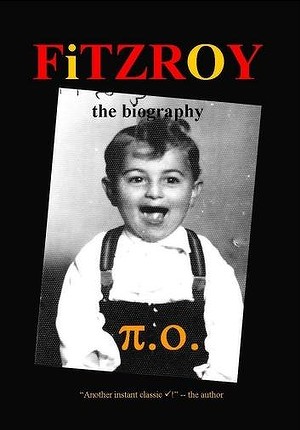
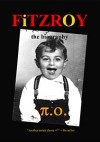
Fitzroy: The Biography by π.O.
Collective Effort Press
740pp
$55.00AU
Published September, 2015
ISBN 9780958772679
TTO-picture-small

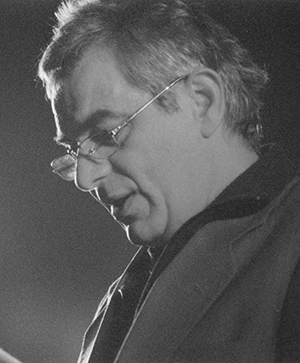
π.O.portrait Les Murray is the contemporary Australian poet one most associates with the celebration of a particular place, but with the publication of the monumental Fitzroy: The Biography, that mantle must surely pass to π.O. Murray’s 40 acres at Bunyah on the north coast of NSW is one-sixth the size of the inner city Melbourne suburb of Fitzroy, though considerably larger, and much more sparsely populated, if you take into account the memory of the larger family territory commemorated in poems like ‘Their Cities, Their Universities’, and ‘Aspects of Language and War on the Gloucester Road’. At little more than 240 acres, π.O.’s Fitzroy is the smallest suburb in Australia, and the most densely populated.

In 740 pages, and over 400 biographical and autobiographical portraits, Fitzroy: The Biography covers a period of over 150 years, from the surveying of the area, then largely forest, and inhabited by the Wurundjeri people, to recent times. Fitzroy is the place to which π.O. was brought as a child by his father, from the displaced persons camp at Bonegilla – the place where he grew up, and made his name as a poet and publisher, until rising rents and the gentrification of the suburb, forced his relocation. This new book is a companion to π.O.’s equally monumental 24 Hours, published 20 years ago, which subjected Fitzroy to a similarly detailed scrutiny, over the period of a day rather than through its history, also in exactly 740 pages. To this massive oeuvre – massive by the standards of prose, let alone those of poetry – we need to add the many poems set in Fitzroy and gathered in earlier collections like Fitzroy Brothel, Fitzroy Poems and Panash, and magazines like Fiztrot and 925. Statistics of this kind are one of π.O.’s favourite compositional devices in Fitzroy: The Biography, so it is appropriate that the claim made for his determination to render the sense of this place, should refer, not just to the intensity of his obsession, but to its scale as well.

It is in the nature of the provincial poet to see the whole world in the details of the place he or she celebrates. This place is the world, that is the assumption from which the poet proceeds. In the case of Fitzroy, where the population has been drawn from everywhere, the presence of the larger world in the smaller needs no special demonstration. The four hundred biographies, which constitute the biography of the place itself, cover a vast range of lives, occupations, histories, identities, classes and cultures. The material for these, drawn from public archives, court records, newspapers and other historical documents, ensures that gangsters and thieves take their place alongside politicians, footballers, artists, businessmen, local identities and more generally, ordinary people, whose distinction was that they crossed the law at some point, or dreamt of a better life, or were victims of violence or theft or misfortune or poverty. There are biographies of libraries, banks, hotels, cafés, ‘the flats’. π.O.’s own background emerges more fully from this broad canvas in the later stages of the book – with its experience of war, migration, poverty, gambling, the criminal demi-monde, madness, anarchism and poetry, the book seems to contain the multitudes it portrays, rather than simply to offer them as subjects.

The range of characters presented, and the poet’s involvement with each figure in turn, is remarkable in itself, but the real principle of totality lies elsewhere, in the manner in which each biography is presented. At the beginning of a biography, and in the course of its development, the reader is suddenly subject to a cascade of facts, which may be statistical (‘there are about 6,000 miles / of veins in the body’), proverbial (‘Truth has a good face, but / a bad set of clothes’), take the form of a riddle (‘A chair’s got / 4 legs, but can’t run’), or be drawn from slang (‘A basin of / gravy, is a baby’), dictionary definitions (‘a comet, is a star with a tail’) or other kinds of reference books, like concordances, the Guinness Book of Records, the Encyclopaedia of Comparative Iconography (‘Folly is a man, biting stones’) and even household manuals (‘A bowl of cool water, and / eucalyptus oil, will repel a cockroach’). Though these are not necessarily facts in the empirical sense of the word, they all make assertions about how things are, and draw their mandate from common sense, or the stock of common knowledge.

Sometimes the catalogue of facts provides a larger context for the biography it introduces, as in this collection of details associated with the various stages of road building, which opens the portrait of Sam Brailsford, who laid down many of the roads in Fitzroy, and ‘left his mark, all over / the Municipality, in his time’:

One loose pebble can
cause a landslide. Geometry is at the root
of everything. A road, is a thoroughfare.
Road construction, the creation of a continuous
right-of-way. Old shoes, are easiest to work in.
A work in progress, is posted with a sign: MEN AT WORK.
The process begins, with the clearing of
all the vegetation on the site, then earth, and rock –

Elsewhere, the application is oblique, the creation of a certain kind of impression or anticipation, rather than a specific context, as in the portrait of the murderer George Hotton, who later suicided in gaol:

A canary is a convict.
A sudden trauma, can cause the whole
body to tremble. A broken piece of glass, can’t
be hurt any further. 22 balls scatter across a billiard table.
George Hotton walked, with a wooden leg.
Conclusions, follow premises; he came
home after the pub, and assaulted his wife.
He assaulted his wife, quite often. A mantis leg
slashes / down, on an insect. A habit at 3
can continue until 60. Terror causes the body, to tremble.
There are 13 muscles, in the human leg. George was
arrested, for assaulting his wife.

A caged canary is carried into a coalmine to warn of danger; to the extent that it is caged, it is a prisoner, a convict. This allusion to danger combines with the subsequent references to disturbances of different kinds – the trembling body, the broken piece of glass, the scattered billiard balls – to create the sense of a gathering crisis. The convict reference points to the prison to which Hotton will be committed (for all we know he may already have a record). ‘Conclusions, follow premises’: he has a wooden leg, potentially a weapon of assault. What really drives these implications home is the analogy, through Hotton’s wooden leg, with the praying mantis, only it is not praying here: ‘A mantis leg / slashes / down, on an insect.’ You feel the violence of it even more strongly than if it was Hotton’s leg, wooden or otherwise, with or without the 13 muscles, that did the damage. This is because the analogy, indeed all the ‘facts’ cited, bring their own resonances to bear on the situation, though they are not causally connected with it. It is as if all the worlds from which these facts are drawn register the shock that is about to be brought down on Mrs Hotton’s head by her inebriated husband.

‘Discovery, is the result of / seeing an analogy, where none / existed before’, as π.O. notes in the poem ‘William Moonby’, echoing Arthur Koestler. Though it is illogical to assert identity by analogy – the fact that something is like something else, doesn’t mean it is alike in all respects – nevertheless an analogy, once it is accepted as such, does encourage you to draw conclusions. Indeed, it is difficult not to do so, particularly in poetry, where disjunction and elision are normal to the process of understanding, as is a willingness to cross the gap between elements through the interpretive acts of metaphor or association. Even where you feel a conspicuous lack of connection, you still make the attempt.

π.O.’s biography of Harry Evans, the champion billiards player, is a case in point. The first of two cascades of fact in the poem registers, in a comic way, his pride at being the champion, and also the sense that he is about to take a fall. ‘To show one’s form, is to show how good one is. / There are 31,000 quills, on the back of a porcupine. (No / doubt) but no one’s that great! Everything, is always / up for grabs. A battle royal, is a free for all. (The koalas / get restless, around dusk). Kookaburras are famous / for their laugh. Yabbies stick their eyes, on the ends of stalks / and have a good look around. A barracuda can strike with / a mighty force…’ And sure enough, along comes a challenger for his title, Charley Memmott. The second cascade occurs in the middle of the game, when challenger and champion have been sparring and have reached something of an impasse:

A powerful punch, can
shake the foundations of a building. A healthy rat will
stand up and sniff the air. “R” is 2½ times louder, than “Sh”.
An isosceles triangle, has 2 equal sides. To break
wind, in polite company, is not the done thing.
Nice work is an expression of humour. Bankrupts, are broken!
Idiots, cracked! Its bad luck to see a cross-eyed man
before placing, a bet. Men change their minds, 2, 3, times
a day, more often than women. Sometimes the toupee, is too
big for the head…

With the best will in the world, the reader will be hard put to apply these disparate facts to the matter in hand. Yet there is an application here, which becomes clearer when the poet finally observes, ‘The game / between Memmott + Harry wasn’t going anywhere’. You know the truth of this observation because, as far as the list of facts is concerned, you aren’t getting anywhere either. That is to say, even when the facts don’t add up, they still serve an expressive function, holding the beat, marking an impasse, enacting frustration.

What is this obsession with facts, so insistent in Fitzroy: The Biography, that their enumeration appears to be fundamental to the composition of the book? One obvious explanation would be that the foregrounding of fact dramatises the encounter with history, which after all presents itself primarily in the form of documents and testimonies. But this can’t be a full answer, first because while the outlines of the featured characters are drawn from historical sources, the facts that embellish them generally are not; and second because π.O.’s interest in the poetic use of facts and statistics goes back decades, well before the writing of Fitzroy: The Biography. The kind of poem that makes up the bulk of this new book π.O. calls ‘the everything poem’, which is an accurate description, because everything has the potential to appear in it. Earlier versions, collected as parts of a sequence called ‘The Everything Poem’, appeared in Big Numbers, π.O.’s New and Selected Poems, published in 2008. In that sequence you can see the poet exploring the possibilities of a new poetic language – some of the poems are concerned with history, but the main interest is in the power and variety of the material itself, the statistics, definitions, proverbs, empirical descriptions and the like, and what they can be made to do.

A larger explanation for the appeal of this material, which includes history as one of its sources, is that it constitutes the substance of our social life, our general knowledge and our common sense, and the assumptions which influence our actions. These ‘facts’ – conjectured, assumed, postulated or proven – compose the milieu in which we live. To parade them, to bring them into the foreground of the poem and to display their potential for transformation and reinterpretation, as π.O. does, suggests a political purpose, not only the desire for an aesthetic that might prove all-encompassing. His first ‘everything poem’ occasioned by a visit to the Australian Bureau of Statistics in 1985, and collected in Big Numbers begins, ‘I’ve studied the situation / I’m not sure we can win’, and then gives a list of things that could be surveyed statistically (including ‘Gas / Gates / Geese / Gherkins’), before culminating in a set of dramatically presented figures which suggest the subjugation of women, discrimination against migrants, and the exploitation of the unemployed.

π.O.’s education as an anarchist is documented in Fitzroy: The Biography, and his political sympathies are clear, not just in portraits of fellow-anarchists like Chummy Fleming and Geoffrey Eggleston, but in his sympathy for the poor, the eccentrics and dreamers, those who live outside or against the system, the Indigenous inhabitants of the suburb, and the many women who are the subject of violence and abuse throughout Fitzroy’s history. But there is also a more general wariness, in his writing, about the domination of facts, which goes beyond the suspicion of how they might be used for the purposes of coercion, surveillance or intimidation. ‘The mind, is graffitied all over by the facts’, he writes in his portrait of the poet Frank Williamson, referring to his occupation as a teacher, and then by contrast, goes on to celebrate his achievement as a poet, quoting Williamson’s words, and then adding one of his own, in affirmation of a kind of fact that speaks for itself, without making any claim for its validity:

Where is Marie? Where is Rose? Ah…

the robber years… those.

In one of the Fitzroy poems the poet goes backstage before a Tom Waits concert and discovers his hero in congress with a groupie. The shock is registered with a spilling of fact – ‘Mercury makes a full circuit of the Sun / every 88 days. Headlines: RUNAWAY COW / LANDS ON ROOF.’ – and then by another spillage when Waits appears on stage minutes later, to the poet’s astonishment:

An audience at the movies, blinks ////// in sync.
Marcel Marceau once released a record – 40 minutes of
silence, followed by ////// applause! We are being
buried alive, under an avalanche of information.
An octopus has 8 (and squid, 10) tentacles,
each with 100s of suction cups, powerful enough to
burst an artery

We know more than we need to know – more is known about us than needs to be known. The welter of information is represented, in the poems, precisely as a cascade or an avalanche. The multi-tentacled octopus appears repeatedly in the book, to suggest both the pervasive reach, and the power, of this over-heated information economy.

The widespread anxiety about ‘information overload’ presents it as a contemporary phenomenon, but the 12-page poem ‘Suburbicide’, which is entirely made up of the slogans, invocations, proclamations, regulations, memories, opinions, sayings and all the other forms of assertion and avowal that define the life of Fitzroy, suggests that this kind of oppression has always been the case, at least in the modern period. One of π.O.’s most fertile sources of information is the newspaper, particularly in the nineteenth century – its power, as an encyclopaedic medium, now that it is waning, is not sufficiently recognised. The poem ‘1875’, composed of newspaper snippets from that year, portrays the suburb in terms of assertions about hats, drains, transvestites, thistles, boots, snake-oil cures, dogs and haircuts, the last of which Professor Higginbotham, of 215 Smith St Fitzroy, respectfully offers in the following compendium of fashionable styles: ‘Rifle Corps, Garibaldi, Palmerston, / Horse shoe, Byron, Brutus, Oxford, American, / French, Cambridge, West End, Dandreary, and / // Military.’ There’s an octopus in this poem too, along with the assertion that it has plenty of rocks to hide beneath.

I imagine that π.O. would see capitalism, rather than the internet, as the cause of information overload. It’s interesting, in this respect, that he specifically denies the internet as a source for his facts, preferring instead to garner them from books remaindered or dumped in second-hand and thrift shops as time and the internet wreak havoc on the printed word. Judging by the nature of the facts, these include encyclopaedias, popular science books, thesauri and dictionaries of various kinds (including slang, quotations and proverbs), concordances, and reference books on such subjects as etiquette, body language, flowers and animals, household hints, martial arts and so on. It is appropriate that the poet should find his materials amongst the remnants and cast-offs of the capitalist economy, since now that they have dropped out of use, their facticity – the assumptions that make them facts – becomes more apparent. Freed from use – or rather, crystallised out of use – they offer themselves to appropriation and recombination. No doubt the quaintness of the appearance of old books, and the second-hand shops in which they are found, also works as an incitement to curiosity and discovery. You can find facts on the internet, but you have to know what you are looking for. The facts to be found in second-hand books offer themselves with a power similar to that described by Walter Benjamin, who saw quotations as fully-armed highwaymen, ready to leap out and rob the reader of their convictions.

π.O.’s quotations aren’t really like highwaymen – or bushrangers – though they have plenty of energy, and they leap out at you at unexpected moments. Given the poet’s pride in his Greek antecedents, particularly Homer and Aeschylus, it would be more suitable to see them as particularly dynamic versions of the epic simile (in the sense that they offer a series of evaluative analogies), or as a chorus whose voice is that of common sense or common knowledge, providing moral perspectives on the action. It’s surprising to think of π.O.’s facts in this way, because they are, after all, usually inert, deposited in dictionaries and handbooks and reports, brought out occasionally to embellish a speech or an argument, when they seem to verge dangerously on cliché, or to serve only to bolster the authority of the speaker. On the other hand, π.O.’s design, in foregrounding the citation of facts in Fitzroy: A Biography, seems calculated to set them free from the orders they belong to, and to give them an expressive power that they cannot otherwise claim. (They are presented as assertions of fact after all, and even a proverbial assertion – ‘a fire in the heart can make the eyes smoke’ – surrenders any emotional charge it might have for the sake of seeming right.) You’re made aware of the inertness of facts, if they are not invigorated in this way, when they are juxtaposed with an assertion you can’t deny an emotional charge to, because it is associated with a death, or an accident, or a particular case of injustice.

A family of 4, washes a ton of
laundry a year. A lack of clarity, leads to confusion.
A supply of water, can either be constant
or intermittent. Walter Hume was 12 when
they told him, he no longer had a father.
On a level road, a small stone can upset an apple cart.

There is another example in the opening to the portrait of Anthony Crocker, one of the many characters in the Biography who are punished for the crime simply of being poor:

When the streets, are muddy
shoemakers rejoice. There are 105 calories
in a banana: 20 yards of linen, in a coat.
Over the bags (with the best of luck) is a ///// charge.
Candles made of beeswax, don’t */”# gutter, or spit.
Anthony Crocker (of George St) didn’t have enough to eat.

In both cases, the emotion carried by the reference to a particular death or instance of poverty charges the facts before and after it. Regardless of whether Walter Hume’s father died in a road accident, the proverb about the small stone and the apple cart resonates with the father’s death, even as it maintains its more general application to the unfortunate turn taken by the life of the son. In the second case, the jolt given by the reality of Anthony Crocker’s hunger frees the surrounding facts, about shoes and bananas and coats, from the inertness bestowed on them by their generality, and charges them with concern – the 105 calories contained in a banana now seems like a taunt, to a man who can’t afford any food, let alone a pair of new shoes, or the 20 yards of linen in a coat.

In this way, π.O.’s quotations, like Benjamin’s, make an appeal to the reader’s convictions, as well as to their emotions. Relocated in the poems, they take on an extraordinary power. This is best seen in their capacity to express strong emotions, like indignation and anger. In 1874, two Aboriginals from the mission at Ramahyuck, one of whom, Blind Bobbie, had been denied food for a week by the Reverend in charge, knocked on the door of a nearby settler. A series of otherwise unexceptionable definitions register the settler’s, and the poet’s, shocked response to their condition. ‘All numbers are not created equal. / The eye-lens of a fish, is spherical. . . Air passes up the trachea, and / into the throat. Ellipses are a series of dots, that can / indicate an unfinished thought, a leading statement, a slight / pause or a nervous (or awkward) silence.’ When another Reverend comes to the defence of his colleague by arguing, in a letter to the Argus, that the blind Aboriginal had brought his misfortune on himself, the poet again employs a definition to bring judgement down upon him. ‘Penguin calls, consist of harsh braying, trumpeting, growls, trills, yelps, and duets.’ The abrupt association of priest and penguin demonstrates the power of fact, when it is used analogically, for it is not only the braying of the penguin which makes it similar to a certain class of Reverends, but the fact that, clothed in black and white, you can think of them as looking alike too. All sorts of other possibilities follow. I am reminded of Jonathan Swift’s swipe at readers in A Tale of A Tub, through a homely and unexpected analogy, which compared them to flies:

I am wonderfully well acquainted with the present relish of courteous readers, and have often observed, with singular pleasure, that a fly driven from a honey-pot will immediately, with very good appetite, alight and finish his meal on an excrement.

There are many figures who come in for judgement of this analogical kind in Fitzroy: A Biography – murderers, wife-beaters, criminals, stand-over men, racist thugs, corrupt police officers – but the poet’s greatest anger is reserved for those in authority who wield their power over the poor and the helpless. The portrait of the pederast priest Fr. Fasciale begins:

Raindrops, turn rocks into dirt.
Fr. Fasciale was ordained by Archbishop
Mannix, in 1952. Australo-pithecus learnt, to
walk upright. Bully, once meant “first rate”.
A mirror knows how to reverse an image / from
left to right, but not up and down. The brain, of a rat
weighs about 2 grams. Fr. Fasciale forced children
to play with his genitals. The masculine, includes
the feminine. The origin of leeks is unknown.

The poem ends with a description of Fr. Fasciale’s funeral, at which George Pell delivered the homily, and with the comment, ‘Robert Gardner threw a 5 pound brick, 142 ft. / Fitzroy, is still hurting, from / that / prick.’

In 1938 Professors Agar and Wallace argued for the importance of instituting birth-control in the poorer suburbs, in order to control the reproduction of the inhabitants – a recommendation which, as soon as it is announced in the poem dedicated to the professors, is followed by the assertion, ‘A troglodyte, is a cave-dweller.’ The proposal itself, to issue contraceptives to those ‘unsuited’ to becoming parents, provokes a howl of derision:

“Four legs good, two legs bad”.
8 arms good, 2 brains bad. 4 toes on each fore,
4 toes on each hind! A crooked nose / is best seen, side on.
The upper limit of hearing, is about 20,000 Hz.
Breeding by any standard, is a matter of heir; but…
breeding by the poor + Blacks, resembles “farmyard” sex.
Dick Browning did a double take, then a back-
ward somersault / over a 7 foot fence.

The last detail may need some explanation (it is of the same order as the reference to the brick-throwing prowess of Robert Gardner in the previous poem). There is a Dick Browning, and in the early 1950s he made an historically high backward somersault over a bar – the feat earned him an entry, as ‘the world’s greatest tumbler’, in the Guinness Book of Records (which is likely where π.O. found him, as well as Gardner). Relocated in the poem, however, the fact functions as a cartoon-like ‘double take’, an exaggerated gesture of disbelief at the moral implications of the Professors’ plan.

These judgemental uses of fact, to convey scorn, outrage, anger or condemnation, are at the moral end of π.O.’s expressive range, though none of his applications is ever without a moral dimension. More often, though, it is the expression of emotion itself which is paramount, as if the main task were to capture the emotional registers of history, to restore the cry, the laugh, the voices of protest and grief, the shock and comedy, to an otherwise soundless procession of figures; and to make poetry resound with feeling, something it is not known to do readily in this country. π.O.’s fondness for the thesaurus definition works especially well to give his portraits a percussive effect, as in the biography of Geoff Moriarty, the fullback for Fitzroy in the premierships of 1899 and 1905, who gambled, drank to excess, and beat his wife:

Blow: thump, hit, / slap, cuff, box.
Turn: spin, revolve, reverse, spoil, change, tap
Cajole: persuade, urge, wheedle, coax.
Knock: thwack, tap, thump, run, rap.
Welcome to the House of Violence.

There is a biography of the footballer-bully right there, in the thesaurus repertoire of aggressive and evasive actions. The percussive effect is not unlike that of cartoons or comics, with their exaggerated physical gestures and outbreaks of violence, their strange uses of language (more evident in 24 Hours than here), their mixture of pathos and comedy. π.O. learnt English through reading comics, and they seem to have remained an influence. In the poem called ‘Olive Cuppies’, Olive is ironing her husband’s clothes when the iron goes ‘phut’ and she hands it to him to fix.

Alongside a dream, is a nightmare. He grabbed
the iron; 16 is the 4th power of 2; the first message
transmitted in Morse code (in 1844) was: “What hath
God wrought!” The ring-finger, is the 3rd finger (on the left
hand). In an emergency, 4 horses cannot overtake the tongue!
The iron burnt all the skin off his right hand. 15 is the sum of
the 1st five numbers; he dropped the iron, and
punched her down. The only difference between
a Chimp and us, is 1%.

It is remarkable, the way numbers, abstract in themselves, can be used to register shock, as here. The effect is similar to that achieved through the deformation of syntax, spelling and punctuation, in 24 Hours, where a café acts as the focal point for the pent-up emotions of the migrant inhabitants of Fitzroy who come there for the company or the gambling. As is often the case, a game of cards suddenly erupts in anger

Mahooma puts down his cards . . . . . . . . . . . .

Rong kaala !

RONG KAALA! , a bloke sez :

WAI YOO . . . POOT?

Wai yoo POOT??? N-O YOO TORN !

Wai yoo POOT? ? ? ? !

[He doesn’t know].

Hee n-o!

Hee N-O! , the bloke sez: (Sssmaarti).

Hiz SHITMEN!

BROK mai NERV!

Wai yoo

poot him to plai? !

Eye POOT him to plai ? ? ? ? ? !

( ( ( ( Eye ) ) ) ) POOT HIM? ? ? ? ? ? !

( ( ( Eye ) ) ) ) POOT HIM TO PLAI ? ? ? !

Yoo MED! Yoo MED! he sez .

Yer .

(Yer).

Eye giv yoo mai PRIK!

Giv it ! !

( ( ( Giv it) ) ) ) !

In one of the poems in Fitzroy π.O. notes, ‘The Latin verb “cogito’ (for “to / think”) etymologically, means “to shake together”. / To smash, to break, to kick down stairs…’, and you have a strong sense that his determination to shake up both the facts and figures of an essentially empirical culture, and the language by which it hopes to govern its affairs (and keep its emotions under control), represents a deliberate expressive assault on its restraints and inhibitions.

π.O. has the reputation of being a bit of a wild man, so it is worth stressing the tenderness, affection and humour he is able to capture in his biography of Fitzroy and its characters and situations. If you compare the shock registered when a man prone to violence is scalded by an iron, and beats his wife, to the awe felt by the poet when he enters the Fitzroy library for the first time as a child, to borrow a book, and is overwhelmed by the wonder of the place, you get a sense of the range and complexity of feeling that his analogical use of ‘facts’ can convey:

I walked up
the bluestone //// steps, and saw all the chandeliers
on the ceiling and thought it “magical”.
Courage goes on ahead, and the wind (some-
times) gives you just enough of a push to
get you in thru, the doors. Beethoven’s 32nd piano
sonata in C minor, represents the opening of
the Gates of Heaven. Valentino’s funeral
resulted in scenes of mass hysteria. When someone
looks up at you, the rule is they generally focus
on your eyes. The Old codger, behind the wooden counter
saw me, and went back to what he was doing.
A lizard closes its eye ( ), and blocks out the World.

The facts are deliberately over-stated, I would say – there is a comic self-consciousness mixed in with the fanfare which announces the poet-to-be’s first entry into the world of literature, and very quickly a familiar note of protest too, for ‘The Old codger’ who guards this world picks the boy as the son of a Fitzroy tenant, and refuses him borrowing rights, since they are only accorded to property-owners. There is a similarly complex reaction portrayed in the poem about the Fitzroy-born sculptor Bertram MacKennal, who after a stint in London with Tom Roberts, and a successful commission to do the relief for the façade of Parliament House in Melbourne, sets up a studio in the city, only to find himself completely ignored. That’s a feeling – of withheld recognition, and the puzzlement and self-doubt that comes with it – the writer knows well. ‘To raise one’s “eye-brows”, is / to be ))) surprised. “I don’t know” was the most / amazing piano-solo ever waxed. To delude, is to “befool / the mind”. To know one’s groceries, is to know the score. / The moon, does not heed the barking of a lone dog. / So he went back to Europe, where he was hailed for his skills.’

Fitzroy: The Biography has many such moments, delicate in their expressions of feeling, though the choice of elements through which they are conveyed may at first seem surprising. One example is Tom Trudgeon’s attempt to evade custody by doing a runner while on the way to the lockup – ‘The Constable took / off, after him. 23% of the Cosmos, is composed of / dark matter. Tom disappeared down a lane.’ Tom is a petty criminal, hounded by the cops – but the juxtaposition of the Cosmos and a dark laneway in Fitzroy, has all the hallmarks of sublimity about it. The effect is comic here, but in another example, the description of Gertrude Kane mourning the death of her half-caste son, sublime perspectives of a similar order produce a completely different set of feelings. There is a whole story here which π.O. compresses with great skill at the same time as he attenuates the moments of emotion, so as to draw out their implications. As a younger woman Gertrude had been abandoned by an Aboriginal man, who left her with a crippled child. ‘Unmoral, amoral, non-moral, immoral.’ is π.O.’s unequivocal comment. She takes up with a man called Kane, a fighter and a ship’s steward, who doesn’t want a half-caste sullying the purity of the family he then proceeds to have with her – so the boy is sent away to an orphanage. ‘Conclusions / follow, from premise. A day of sorrow, is longer / than, a month of pleasures.’ Logically speaking, that makes years of sorrow, longer than an eternity. Kane dies at sea, and although she is now living with her eight other children in extreme poverty, Gertrude immediately retrieves her first-born from the orphanage. But the damage has been done to him, and he soon dies, too. The description of the mother’s grieving is one of the most powerful moments in the book.

She sat down beside him, and as the sun set
she gently washed his body, and put
a clean white shirt on him. A capella is singing
without accompaniment: The Earth follows
an elliptical pattern. The Moon, is 5,594 miles across.
Darkness is light, without a fire in it. (The work of God, has
a blemish on it). (Life was brought to Earth
by a comet). Moths at night, blunder into street-lights.
To rabbit on, is just to talk nonsense.

And so the narrative resumes, in simple terms, without elaboration. ‘At midnight (under the cover of darkness) she / put his body into a pram, and pushed him / up Alexandra Pde, up to a peppercorn tree / over Reilly’s drain (between Brunswick, and / Napier St).’

The boy’s death, and the mother’s grief, is given an extraordinary intensity by the juxtaposition of such large perspectives – from a standpoint in the solar system, observing the beginnings of life on Earth – with the fragility of moths at night blundering into street-lights, and then the note of personal embarrassment (‘to rabbit on…’), suggesting the poet should just stop, and let the scene speak for itself. The scene is a particularly contemporary kind of pietà, shrouded in the folds of fact. But what really drives the emotion home is the repetition and near repetition of ‘it’ – ‘Darkness is light, without a fire in it. (The work of God, has / a blemish on it). (Life was brought to Earth / by a comet).’ The repetition-rhyme on ‘it’ hammers home the particularity of this scene, insists on the grief and pain of this death, even as the definitions and quotations which allow the repetition open out their cosmic perspectives.

There is an interesting paradox in Fitzroy: The Biography, which has to do with the relatively late emergence of the biography of π.O.’s own family in the work. Since the family’s presence in Fitzroy dates from the early 1950s, and the book begins in the 1830s, the late appearance is chronologically appropriate. But these late autobiographical poems are also different from the historically-based portraits that come before and after, in that they are largely free of the expressive elaborations that are such an important feature of the book as a whole. Given their late appearance, unadorned, against the encyclopaedic array of fact and historical detail which is all about them, the poems about the family’s life in Fitzroy, and the poet’s life in particular, seem striking in their modesty. In 24 Hours the poet is largely absorbed by his role as meticulous observer and recorder of the life happening around him – he barely makes an appearance at all.

It may seem odd to talk about modesty or shyness in relation to π.O., given the provocative nature of his public persona, and his ‘crazy wog poet’ reputation – a reputation he addresses directly here in the poem ‘Adelaide Arts Festival’. Nevertheless, there is something in the way he makes ‘the facts’ talk for him, and the huge labour implicit in the gathering and sorting and placing of these citations, that suggests self-effacement. The disavowal of expressive elaboration in the family poems indicates that the personal details given here are of a different order. They do not require invigoration or intensification, because they are alive in the poet’s memory, they are essential to who he is, so the presenting of them is an open and expressive act in itself. But the ground has had to be prepared first: these direct acts of self-presentation draw much of their power from their surroundings, from the dramatic context provided by the other biographies in the book. That is to say, the self-effacement implicit in π.O.’s encyclopaedism is intimately connected with the self-disclosure evident in his autobiographical poems – the one gives licence, and force, to the other.

This distinction, between orders of fact, and the relation between them, is best seen in the poems of tribute to people or places that π.O. holds in the highest regard. The tributes to his encyclopaedic mentors, the quiz maestro Barry Jones and the poet Geoffrey Eggleston, are, as one would expect, encyclopaedic in nature. The poem in praise of the artist Danila Vassilieff fizzes with detail, a suitable tribute to the immense vitality and creativity of the man. But then there are the literary tributes, and here, immediately, the facts are of a different, and more intimate nature. Phillip Hervey was an educated man sent to Van Diemen’s Land for the crime of forgery. The creator of the largest puzzle in the world and a lover of Aeschylus, he blew his brains out after being laid off work. π.O. marks his memory with a bouquet of quotes from Aeschylus, ‘Words are the Physicians / of the mind. Destiny will always / wait for a Free man, but not a Slave. / A great Ox stands upon my Tongue’. Frederick White was a Fitzroy bookseller, charged by police with having an indecent publication – Ovid’s Art of Love – on his sale shelf. π.O.’s tribute to him is almost entirely made up of quotes from Ovid, from the Heroides, the Metamorphoses, the Art of Love, and culminates with his famous claim, in the Epilogue to the Metamorphoses, ‘My name shall never be forgotten’. π.O. changes it slightly, giving it the intimate and resonant note characteristic of his personal poems.

Time, is the devourer of all things. I first
saw Ovid (in Fitzroy). His name, shall
not be forgotten, in this house.

‘Shakespeare & the State Library’ is one of the most moving tributes in this collection, offered in recognition of two of the most important influences on π.O.’s formation as a poet, as indicated by the title. It is a finely wrought piece, which begins with a brief fanfare of fact, to warn (not without irony) of the magnitude, and the personal nature, of the disclosures to follow.

An avalanche, in Alaska (in
1958) caused, a tidal wave 1,740 ft high.
Diane Arbus’s work (in her photographs) violated
all notions of “privacy”. – Kennel-up – stop talking!
Bluish-black lobsters, are made red by boiling…

Thereafter, the dominant mode of citation is quotations from Shakespeare’s Sonnets, which are threaded through the poem, in intricate dialogue with its account of the poet’s ambitions, and the role bestowed on him as the ‘great white hope’ of his family.

I told the parents, i couldn’t study here i.e. at the back of
the shop – i had to go to the State Library (in the City), and
they agreed. (But not to make a famine, where
an abundance lies, it had to be, when the shop wasn’t busy).

Shakespeare might be thought of as a father-figure, since the Sonnets have a decisive early effect on the young poet (‘O change thy thought, / that I may change my minde – i was rapt!’), but there are two other father-figures in the poem: Barry Jones, encountered on the steps of the library; and a real father, the poet’s own, an altogether more pervasive and complicated presence, antagonistic and apparently uncomprehending, and addicted to gambling. When it comes down to it, you understand that the poem is essentially about π.O.’s relationship to his father, and his father’s expectations of him (hence the warning notes in the opening fanfare).

Over dinner one day, my father asked me, what i was reading.
I didn’t know what to say. How could i say, To thee
I send this ambassage, in Greek? Or mine this, mine thus,
mine thee, mine must, or why should i hast
my hence (or some such)? My father wasn’t anything like
Shakespeare’s, who as a decrepit father takes delight
to see his active childe do deeds of youth.
So i said, i’m reading this book by this guy
called Shakespeare…

The poet assumes that his father neither knows nor cares who Shakespeare is, so he explains the Sonnets to him in terms he would understand, as being ‘about a bloke / who’s in love with this woman’, and has taken twenty pages just to kiss her hand. His father’s reply is immediately appealing.

My father, looked up at me, and said “O”

we’re up to, that stage

are we?

The response is funny, and deeply knowledgeable too, in its own way. It takes some guts, and a lot of skill, to open a door on a parent like that. It brings your whole background as a person into play. To allow that to happen, to develop a form which can house all the elements, to give them space and life, is a huge achievement.

Notes
An earlier essay by Ivor Indyk, on π.O.’s 24 Hours, can be found in Southerly, 55, 4 (1995), 66-72.

Copies of Fitzroy: The Biography can be purchased at independent bookshops and directly from the publisher, for $65 including postage within Australia, Collective Effort Press, GPO Box 2430, Melbourne VIC 3001, email: pioh(at)hotmail(dot)com

Ivor-Indyk-1
*Ivor Indyk is the publisher of the Giramondo book imprint and Whitlam Chair in the Writing & Society Research Centre at the University of Western Sydney.

**Republished from Sydney Review of Books at http://www.sydneyreviewofbooks.com/fitzroy-the-biography-review-%CF%80-o/
Για την “Ιερουργία της Άνοιξης” του Σωτήρη Λυκουργιώτη

3b860c531d2dbd3177baca2b36f9b0a7b2261ca4ddb6553ca52e168d52c5f95e

Από μια καλή μου φίλη ήρθε στα χέρια μου η ποιητική συλλογή με τίτλο Ιερουργία της Άνοιξης του ποιητή Σωτήρη Λυκουργιώτη. Από την πρώτη στιγμή με κέντρισε το πολύ ιδιαίτερο εξώφυλλο το οποία με μια πρώτη εντύπωση θεωρείς ότι απεικονίζει μια πολεμική σκηνή ή μια διαδήλωση αλλά αν το προσέξεις καλύτερα αντιλαμβάνεσαι ότι πρόκειται μάλλον για σκηνή από κάποια καρναβαλική γιορτή. Εξ ού λοιπόν και ο τίτλος, που παραπέμπει στο μουσικό δράμα του Ιγκόρ Στραβίνσκι.

Μετά την πρώτη εντύπωση, τα ίδια τα ποιήματα. Τα περισσότερα μικρά και εύστοχα, με λιτές διατυπώσεις χωρίς βερμπαλισμούς, ενώ δεν λείπουν και λίγες εκτενέστερες, λυρικές απόπειρες. Η ποίηση του Λυκουργιώτη μοιάζει να πετάει πάνω από τον αφρό των ημερών θέλοντας να ψαρέψει με την απόχη της τα ίδια τα πράγματα. Ποίηση γειωμένη και ταυτόχρονα ονειρική. Σε ορισμένα σημεία σταματά για να πας πει μια δύσκολη αλήθεια:

Στην πόλη μου
οι πρόσφυγες
περπατούν πάνω στις ράγες
του παλαιού τρένου,
τρώνε από τα σκουπίδια,
κοιμούνται στα ερειπωμένα βαγόνια,
πιασμένοι κάτω από τις νταλίκες
παζαρεύουν τη ζωή τους

Κατά τα λοιπά
όλα κυλούν ομαλά

ενώ σε άλλα γίνεται ορμητικός χείμαρρος:

χωρίς ανάσα
δηλητηριάζω τα πνευμόνια μου
με αναθυμιάσεις
επίδοξων στιγμών
μιας ακόλαστης
και αέναης ιερουργίας
της επανάληψης
με την καρδιά μου να συντονίζεται
στο θηριώδες ποδοβολητό του προαυλίου

χωρίς ούτε ο ίδιος να μπορεί, πολλές φορές, να σταματήσει. Ο ποιητής δείχνει να αδιαφορεί για την επιμέλεια, το φτιασίδωμα των στοίχων του. Το ωμό υλικό της φαντασίας του μας πετάγεται στον αναγνώστη σαν ξάφνιασμα. Δεν μοιάζει να ενδιαφέρεται να μας καμουφλάρει τις επιρροές του. Κάπου γίνεται απροκάλυπτα καβαφικός:

Αλλά ο ρόλος του —βλέπετε—
η θέση του
δεν του επέτρεπαν και πολλά

Φτιαγμένος από τσιμέντο
το εύπλαστο υλικό της εξουσίας
δεν ήταν και για τίποτε άλλο

Δε νομίζετε;

και αλλού ταυτίζεται με το μαγικό ρεαλισμό της λατινοαμερικάνικης ποίησης:

αυτό το σώμα,
που κοχλάζει μέσα στο ανυπόμονο μάγμα της οδύνης
αγκομαχώντας να αναδυθεί μαζί με το θειάφι στα ουράνια
απέραντο στο λυκαυγές
στιγματισμένο με δαντέλες γαλανές
και μαργαριταρένια βότσαλα

Έτσι, η πρώτη ανάγνωση μπορεί να κάνει τον αναγνώστη να αναρωτηθεί αν αυτή η ποίηση έχει τελικά κάποια πρωτοτυπία, αν χαρακτηρίζεται από κάποιο δικό της ύφος. Αν όμως ο αναγνώστης αφεθεί στο να παρασυρθεί από τους στίχους θα διαπιστώσει πως παρά τις φαινομενικές τους διαφορές τα ποιήματα αυτά δημιουργούν ένα μικρό σύμπαν, με εσωτερική συνοχή.

Ο Λυκουργιώτης συνθέτει έναν ύμνο υπέρ του (δικού του) υπαρξιακού νοήματος. Κατά τη γνώμη του αυτό είναι που χάνεται μέσα στις σύγχρονες θεωρίες της γλώσσας, με τις οποίες δείχνει εξοικειωμένος.
Χαρακτηριστική είναι η απόπειρα συνομιλίας του με τον γνωστό στοίχο του Αναγνωστάκη “σαν πρόκες πρέπει να καρφώνονται οι λέξεις / να μην τις παίρνει ο άνεμος”, ο ποιητής αναρωτιέται:

Πώς να καρφώσεις τις λέξεις ποιητά
τώρα που τα νοήματα εκπέσανε
κι οι λέξεις γίναν έρμαια
στο στόμα κάθε τσαρλατάνου;

πώς να καρφώσεις τις λέξεις
τώρα που μας πήραν φαλάγγι
οι μεταμοντέρνοι
—γαμώ τον Ντεριντά σας,
μέσα— σκατιάρηδες

μόνο σιωπή τώρα ποιητά,
βία και ακαμψία,
μπας και πετάξουν
ξανά οι φύτρες
πάνω απ’ τα γράμματα

Η ποίησή του είναι βίαιη αλλά η βία της δεν είναι πόζα. Εκφράζει μια κραυγή μπροστά στην αγωνία νοημάτων και υπάρξεων που χάνονται. Το σύμπαν αυτών των ποιημάτων συγκροτείται από θραύσματα μια μεγάλης έκρηξης που δεν είναι τίποτα περισσότερο και τίποτα λιγότερο από μια προσδοκία:

έφυγες
και εγώ δεν έκανα να σου πω ούτε μια λέξη
μήπως αυτό που αγαπώ είναι μονάχα η προσδοκία;

Θα ήθελα, τέλος, να κάνω μια ειδική αναφορά στα 12 ποιήματα της συλλογής (ο αριθμός είναι δική μου εκτίμηση), διασκορπισμένα μέσα σε όλα τα άλλα, δείγμα ίσως μιας αταξινόμητης ενότητας, που θα μπορούσαν να έχουν τίτλο Ερωτικές επιστολές. Μερικές από αυτές προκαλούν ρίγος όταν τις διαβάζεις. Είναι σαν να γράφονται για σένα. Στα ποιήματα αυτά αναδεικνύεται μια αφάνταστα ευαίσθητη πένα. Ο ποιητής μοιάζει να στέκεται με δέος μπροστά στις γυναίκες, να παραλύει κάθε φορά που έρχονται μπροστά του, να αδυνατεί να τις προσεγγίσει. Παρά τις τόσες λέξεις που αφιερώνει σε αυτές δεν υπάρχει ούτε ένα ψήγμα κριτικής, ούτε μια “βλασφημία”. Η λατρεία για το σώμα τους αγγίζει τα όρια της θρησκευτικής προσήλωσης.

Έχω την αίσθηση πως αυτή η θρησκευτική λατρεία προς το γυναικείο σώμα και προς την τελετουργία της ερωτικής πράξης, που περιγράφεται τόσο εύστοχα στο ποίημα Άσμα Ασμάτων, είναι που χαρίζει και τον τίτλο στη συλλογή. Ιερουργία της Άνοιξης είναι η τελετουργία του έρωτα και της γονιμότητας, η λατρεία της γυναικείας θεότητας.

*Από το http://kritikosparatiritis.blogspot.com.au/2016/04/blog-post.html

Λίνα Φούντογλου: “Δε βρίσκω τίποτα δημιουργικότερο του μηδενός”

12651371_10156506162865416_7351924468899731457_n

ΣΥΝΕΝΤΕΥΞΗ ΣΤΟ ΓΙΑΝΝΗ ΣΤΕΛΙΟ ΠΑΠΑΔΟΠΟΥΛΟ
http://www.thecolumnist.gr/2016/02/blog-post_10.html

Συνάντησα τη Λίνα Φούντογλου σε ένα μικρό ατμοσφαιρικό μπαρ της Αθήνας, πριν από λίγο καιρό. Αέρινη παρουσία, γοητευτική συνομιλήτρια και παθιασμένη με την τέχνη, αρκούν μόλις λίγα λεπτά συζήτησης μαζί της για να καταλάβει κάποιος πόσο μεγάλο ρόλο παίζει η πολιτική, με την ευρεία έννοια, στη σκέψη της.

Απόφοιτος του τμήματος Επικοινωνίας και ΜΜΕ του ΕΚΠΑ, στο τμήμα που όπως η ίδια είπε οφείλει την πολιτικοποίησή της, στη συνέχεια σπούδασε υποκριτική στη Δραματική Σχολή Αθηνών “Γιώργος Θεοδοσιάδης” από το 2009 ως το 2012, τελειώνοντάς την με άριστα και από τότε έχει αφιερωθεί κυρίως στο θέατρο. Ξεκίνησε την πορεία της με τον μονόλογο “Wordwhore” του Γάλλου συγγραφέα Tam Cy Albert από το Urbn Theatr, συνέχισε συμμετέχοντας σε άλλες παραστάσεις του Urbn Theatr, στο “Τρίτο Κύμα” στο Εθνικό Θέατρο ενώ πρόσφατα έγραψε και σκηνοθέτησε την πρώτη της ταινία μικρού μήκους το “Sweet Society”. Εξίσου σημαντική όμως είναι και η σχέση της με την ποίηση καθώς ποιήματα από την πρώτη συλλογή της με τίτλο “δημιουργικό μηδέν” – 19 ποιήματα της Λίνας Φι & 8 σχέδια της orgbalmaria, θα δημοσιευτούν μεταφρασμένα στο γαλλικό περιοδικό “Riveneuve Continents”. Κι όλα αυτά χωρίς να έχει εγκαταλείψει ούτε στιγμή τα ΜΜΕ όπου, ύστερα από ένα σύντομο πέρασμα ως ραδιοφωνική παραγωγός από το “Πορτοκαλί”, πλέον προβληματίζει και προβληματίζεται μέσα από τη στήλη “Απεριορίστων (δια)δρομών” στο περιοδικό 3pointmagazine.gr.

Η πολυτάλαντη Λίνα Φούντογλου μίλησε αποκλειστικά στο “The Columnist” για την υποκριτική, την σχέση τέχνης και πολιτικής, το θέατρο στα χρόνια της κρίσης, τα μελλοντικά της σχέδια και άλλα.

– Ηθοποιός, ποιήτρια, δημοσιογράφος. Ποια από τις τρείς αυτές ιδιότητες πιστεύεις ότι σου ταιριάζει καλύτερα;

Λ.Φ.: “Είμαι ηθοποιός. Στο σχολείο ήμουν καλή μαθήτρια και το να εισαχθώ σε μία υψηλόβαθμη σχολή ήταν σχεδόν επιβαλλόμενο στο πλαίσιο της ελληνικής κουλτούρας “μάθε παιδί μου γράμματα”. Επέλεξα ό,τι βρήκα πιο ενδιαφέρον. Τη σχολή μου βέβαια την αγάπησα πολύ καθώς εκεί πολιτικοποιήθηκα. Γράφω από τα οχτώ. Βαρύγδουπη λέξη αλλά θα μπορούσες να πεις ότι είμαι και ποιήτρια.”

– Η υποκριτική ήταν παιδικό όνειρο ή προέκυψε στην πορεία;

Λ.Φ.: “Ήταν ανάγκη από πάντα. Ποτέ όνειρο. Θα έλεγα πως ήταν πάντα μία πραγματικότητα. Το ήξερα απ’ όταν ήμουν στο δημοτικό.”

– Πριν από λίγο καιρό έγραψες και σκηνοθέτησες την πρώτη σου ταινία μικρού μήκους, το Sweet Society, η οποία στηλιτεύει τόσο την ανισότητα μεταξύ των δύο φύλων όσο και τη σχέση κράτους-πολίτη στις δυτικές κοινωνίες. Μίλησέ μας λίγο για αυτά.

Λ.Φ.: “Νόμος < Κράτος < Σύστημα, υπάρχει μία απαράβατη ιεραρχία όσο και μία απορία, ποιός είναι επιτέλους αυτό το σύστημα. Στην μικρή μου πορεία είδα λίγα κι έμαθα πολλά για αγώνες καταπιεσμένων που εξέλιξαν μεν την ιστορία, κατέληξαν δε στο χωνευτήρι του συστήματος. Το σύστημα, ο καπιταλισμός, δε θα μπορούσε να είναι γυναίκα. Η γυναίκα εξακολουθεί να υφίσταται ρατσισμό, να θεωρείται το αδύναμο φύλο, το αντικείμενο της απόλαυσης κ.λπ. Έπειτα, λόγω της εν δυνάμει μητρότητας έχει πιο έντονο το θυμικό κομμάτι πράγμα που την καθιστά πιο ευάλωτη στο να λυγίσει από το συναίσθημα. Η "σκληρή" καγκελάριος της Γερμανίας με τους ανέκφραστους ήχους που παράγει, δείχνει πως το κράτος σε αντίθεση με το σύστημα θα μπορούσε να είναι γυναίκα. Πρόσεξε όμως, μία γυναίκα άτεκνη, των θετικών επιστημών, από μία τεχνοκρατική κουλτούρα. Και πάλι όμως, δεν είναι το ίδιο το σύστημα! Σημειώνω πως αυτό είναι άποψή μου και πάντα για μια πλειοψηφία. Οι εξαιρέσεις υπάρχουν πάντα και οι ανατροπές είναι για να γίνονται. Για να κλείσω λίγο πιο ανάλαφρα, θα πω ότι αγαπώ πολύ τους άντρες και είμαι από τις τυχερές που έχουν βιώσει ίση μεταχείριση και σεβασμό. Φυσικά δε μιλάω για τους "άρχοντες", για τους άλλους… που αντιδρούνε."

– Πολλοί υποστηρίζουν ότι η πολιτική είναι τέχνη. Από την άλλη πλευρά όμως η τέχνη, σε οποιαδήποτε μορφή, δεν εμπεριέχει κι αυτή το στοιχείο της πολιτικής;

Λ.Φ.: "Ίσως εδώ φανώ λίγο απόλυτη αλλά για μένα αλίμονο αν η τέχνη δεν είναι πολιτική. Φαντάζομαι δε χρειάζεται να διασαφηνίσουμε τι σημαίνει πολιτική κι ότι δεν έχει σχέση απαραίτητα με τα κόμματα, έτσι; Επίσης για μένα είναι το ίδιο πολιτικό ένα έργο του Τσέχωφ με ένα του Πίντερ, όλα δείχνουν έναν δρόμο για μία καλύτερη ζωή και αυτό είναι η ξεχασμένη σημασία της πολιτικής. Η τέχνη καλλιεργεί συνειδήσεις, ποιεί ήθος, ανοίγει ορίζοντες. Για μένα δε θα πρέπει να είναι ένα ξέσπασμα αλλά μία σπίθα προς την κατεύθυνση της κοινωνικής αφύπνισης, της ανθρωπιάς, της απελευθέρωσης."

– Τι είναι πιο επικίνδυνο για την πορεία μιας κοινωνίας, η απολιτίκ στάση ή η λάθος πολιτική επιλογή;

Λ.Φ.: "Και το "απολιτίκ" είναι μία συνειδητή πολιτική θέση που λέει "αποφασίστε εσείς μωρέ, εγώ είμαι κάτι άλλο". Οι περισσότεροι είναι απλώς οπορτουνιστές. Πολύ εγωιστική θέση, κατά τη γνώμη μου. Η λάθος πολιτική κατεύθυνση, χμ… και ποιά είμαι εγώ για να πω τη σωστή; (γέλιο) Πιστεύω σε μία πολιτική κατεύθυνση, άρα τη θεωρώ σωστή ή καλύτερα δίκαιη, δεν την επιβάλλω, τη μοιράζομαι και… μακάρι μια μέρα η κοινωνία να πάρει τη ζωή της στα χέρια της."

– Η "Ισορροπία του Nash" που ανέβηκε πρόσφατα στην Πειραματική Σκηνή του Εθνικού Θεάτρου και στη συνέχεια κατέβηκε για να ξανανέβει, προκάλεσε έντονη πόλωση όχι μόνο στον καλλιτεχνικό κόσμο αλλά και γενικότερα στην ελληνική κοινωνία. Κάποιοι μίλησαν για τεράστια πρόκληση ενώ κάποιοι άλλοι για υστερία. Ποια είναι η δική σου προσέγγιση στην όλη υπόθεση;

Λ.Φ.: "Όταν δημιουργείς κάτι, από μία μπροσούρα έως μία παράσταση, δύο πράγματα είναι σημαντικά, το γιατί το κάνεις -η ανάγκη δηλαδή- και το πού απευθύνεσαι. Προφανώς, η ενόχληση ακούστηκε επειδή ανέβηκε από κρατικό ίδρυμα, που έχει δηλαδή μία συνολική απεύθυνση και συντηρείται από το λαό. Και ναι, ας μην κρυβόμαστε, μπορεί κανείς να πατήσει εκεί. Εγώ προφανώς και είμαι υπέρ της συγκεκριμένης παράστασης, από καλλιτεχνική και πολιτική σκοπιά. Για το μόνο που διατηρώ μία επιφύλαξη, δεν είναι για το αν θα μας κάψουν σαν "μάγισσες" στο Μεσαίωνα αλλά μήπως τελικά δεν είμαστε και τόσοι πολλοί αυτές οι "μάγισσες". Δε θα ήθελα να επεκταθώ ιδιαίτερα."

– Πάμε λίγο στην ποίηση. Το 2014 εξέδωσες την πρώτη σου ποιητική συλλογή με τίτλο "δημιουργικό μηδέν" – 19 ποιήματα της Λίνας Φι & 8 σχέδια της orgbalmaria. "Δημιουργικό" και "μηδέν" δεν είναι αντιφατικά;

Λ.Φ.: "Δε βρίσκω τίποτα δημιουργικότερο του μηδενός. Το μηδέν έχει κίνηση. Κυκλική όπως όλα στη ζωή. Από εκεί ξεκινάς, από εκεί επιλέγεις και αν κουραστείς, νανουρίζεσαι στην εσωτερική του καμπύλη. Όσον αφορά τη συλλογή καθεαυτή, θα ήθελα να μοιραστώ τη χαρά πως έπειτα από πρόταση, κάποια ποιήματά μου θα μεταφραστούν στη γαλλική γλώσσα για το γαλλικό περιοδικό "Riveneuve Continents", στην κατηγορία "Γραπτά και Αγώνες". Πρόκειται για μία πρόταση αυτών των λογοτεχνικών εκδόσεων, να ειδωθεί η ελληνική λογοτεχνία ως ένας από τους αγώνες αντίστασης στις πολιτικές λιτότητας και εξόντωσης και να γίνει κοινωνός όσων περισσοτέρων. Είναι κάτι που μου έδωσε πολλή χαρά καθώς από μικρή αρνιόμουν να κατανοήσω την έννοια των συνόρων, σε οτιδήποτε."

– Από πού αντλείς έμπνευση;

Λ.Φ.: "Από τους ανθρώπους. Από το σώμα. Θαυμάζω ό,τι κινείται σαν να έχω έρθει από άλλον πλανήτη. Από αυτούς που ρισκάρουν. Από το αίμα. Από τη διαφορετικότητα. Από τα μάτια. Από το αρσενικό φύλο. Από τον αναπτήρα μου που έπεσε στον υπόνομο και κάθε βράδυ υποφέρει από μοναξιά."

– Τι συνιστά για σένα ποιότητα;

Λ.Φ.: "Άλλο να ποιείς ήθος και άλλο να καθησυχάζεις το νου. Ξεκάθαρα ποιότητα είναι το πρώτο."

– Πόσο και με ποιο τρόπο επηρέασε το θέατρο και γενικότερα τα πολιτιστικά δρώμενα η κρίση των τελευταίων έξι ετών;

Λ.Φ.: "Για την τέχνη, όποιος ήταν εφησυχασμένος είναι και τώρα. Όσο και να προσπαθεί να απεικονίσει την αλήθεια, ποτέ δε θα έχει το πάθος αυτού που ήδη κολυμπάει μέσα της. Ποτέ δε θα χορέψει μέσα στη φωτιά που έχει αρπάξει στα μέρη μας. Ο αγώνας ήταν πάντα ζωντανός, όσοι τον θυμήθηκαν τώρα, με την ίδια ευκολία θα τον ξεχάσουν. Αυτό χρεώνει περισσότερο τους δημιουργούς παρά τους ηθοποιούς που προσπαθούν να βιοποριστούν. Οι αρνητικές επιρροές αφορούν όλους τους τομείς. Μέχρι και το ψυχολογικό κομμάτι. Για το επάγγελμά μου πάντα ήταν μικρές οι οικονομικές απολαβές και το γνώριζα, οπότε δε θα πω κάτι καινούργιο. Εμείς ζούμε για εκείνη την κυρία που θα πει "σε θυμάμαι από εκείνη την παράσταση, μ' έκανες και δάκρυσα" και για το αγόρι που σου λέει "άρχισα να γράφω". Αυτά τα κάνουμε "ψωμί" και τρώμε."

– Ετοιμάζεις κάτι αυτόν τον καιρό;

Λ.Φ.: "Ναι. Συνεχώς γεννάω ιδέες και ευτυχώς βρήκα άνθρωπο με την ίδια πάθηση. Μαζί με τον σκηνοθέτη Αντώνη Morgan Κωνσταντουδάκη, ιδρύσαμε την ομάδα NAIL και την Hit n' Run Productions. Καλλιτεχνικές παρεμβάσεις στην πόλη με μηνυματικό χαρακτήρα που σύντομα θα μοιραστούμε με όλους. Μετά από μία υπερκόπωση που με ανάγκασε να αρνηθώ ενδιαφέρουσες θεατρικές δουλειές, η NAIL συνδυάζει για εμένα ό,τι θέλω να εκφράσω μέσα από την τέχνη. Στο πλαίσιο αυτών των παρεμβάσεων έρχεται και μία μικρού μήκους ταινία για τον Γ' Παγκόσμιο Πόλεμο. Για αυτήν θα μας γράψει μουσική η αγαπημένη μου και διεθνώς γνωστή μπάντα από τη Μεγάλη Βρετανία, οι Detachments, άξιοι απόγονοι των Joy Division, όπως τους έχει χαρακτηρίσει ο ίδιος ο Peter Hook. Πρόκειται για μία ταινία που θα βασιστεί αρκετά στη μουσική γι' αυτό ψάχναμε αρκετά. Το ότι δέχτηκε ο Bastien μόνο επειδή βρήκε ενδιαφέρον το project, ήταν αναπάντεχο για εμάς. Και ιδιαίτερη χαρά για εμένα που αγαπώ τόσο το είδος της μουσικής που υπηρετεί. Επίσης εν καιρώ, θα κάνω ένα μικρό βήμα να σπάσω το ταμπού που είχα για την τηλεόραση, λαμβάνοντας συμμετοχή σε κάποια γυρίσματα για μία νέα και πολλά υποσχόμενη σειρά. Τέλος, έχω στα σκαριά τη δεύτερη ποιητική συλλογή μου ενώ θα ήταν παράλειψη να μη σημειώσω ότι διατηρώ τη στήλη "Απεριορίστων (δια)δρομών" στο 3pointmagazine.gr."

“Αγχέμαχες λέξεις” του Βαγγέλη Αλεξόπουλου

agxemaxes

Οι Αγχέμαχες λέξεις είναι η πρώτη ποιητική συλλογή του Βαγγέλη Αλεξόπουλου, η οποία περιέχει ποιήματα που γράφτηκαν σε μια περίοδο 20 ετών.

Οι «αγχέμαχες λέξεις» είναι λέξεις που βρίσκονται σε πάλη εκ του συστάδην, δηλαδή σώμα με σώμα. Είναι το σώμα των λέξεων, το σώμα του ποιητή και το σώμα του κόσμου που μάχονται το ένα το άλλο. Ο ποιητής μέσα από τις λέξεις του πλάθει μια περσόνα, ένα ποιητικό υποκείμενο, σε πάλη και αυτό με τον κόσμο γύρω, τον πραγματικό και τον φανταστικό. Η πάλη τού προκαλεί πληγές, κατά το ήμισυ, γιατί κατά το άλλο ήμισυ οι πληγές του προκαλούνται από τη βαθιά ευαισθησία που το διακρίνει. Παρότι τις κοιτάζει και αναστοχάζεται, το ποιητικό υποκείμενο συνεχίζει την πορεία του στον κόσμο – ανεξαρτήτως.

Όλα τούτα εκτυλίσσονται κατά μήκος τριών διακριτών αξόνων. Ο ένας άξονας είναι μυθολογικός. Στους στίχους  κάνουν την εμφάνισή τους πρόσωπα και μορφές όπως η Ηγησώ, η Πολύμνια, ο Κέρβερος και η Σφίγγα, προσθέτοντας στα ποιήματα ένα επιπλέον επίπεδο ανάγνωσης και πλουταίνοντάς τα σε βάθος.

Ο δεύτερος άξονας που χρησιμοποιεί ο ποιητής είναι η διαπραγμάτευσή του της νεωτερικότητας. Ο ποιητής έρχεται σε διάλογο με το έργο των Μαγιακόφσκι, Πεσσόα και Παβέζε. Τους κρίνει, τους καταργεί ή τους επικροτεί με τους στίχους του, δίνει όμως με αυτόν τον τρόπο το δικό του προσωπικό ποιητικό στίγμα, χωρίς να φοβάται να πάει κόντρα, να αγχιμαχήσει δηλαδή, με τις κρατούσες απόψεις.

Ο τρίτος άξονας, ο σημαντικότερος στη συλλογή κατά τη γνώμη μου, είναι o υπαρξιακός. Ο Βαγγέλης Αλεξόπουλος διερευνά την ανθρώπινη κατάσταση και επιχειρεί να δώσει απαντήσεις σε ερωτήματα που προκύπτουν από τον τρόπο ύπαρξης του ανθρώπου μέσα στις καταστάσεις της ζωής και στον χρόνο. Και επειδή, όπως είπαμε, το ποιητικό υποκείμενο είναι σε διαρκή πάλη και υφίσταται τις πληγές του, έχοντας πλήρη επίγνωσή τους, μα χωρίς να σταματά να προχωρά, οι απαντήσεις που δίνει είναι συνήθως αιχμηρές και επώδυνες:

Μεγαλώνουν τα νύχια μου
Σαν ζώου
Αρπακτικού.
Εγώ τα ακονίζω,
Ελλείψει κορμών,
Στις σάρκες μου.

Στο προτελευταίο ποίημα της συλλογής σηματοδοτείται η ελικοειδής φύση της ανθρώπινης κατάστασης, αυτό που λέμε «η ιστορία κύκλους κάνει»:

…η μετάνοια,
Να καθρεφτίζεται στο γύψινο εκμαγείο
Κάποιας στιγμής
Ή
Ίσως λάμψης.
Επιστροφή
Στο λαβύρινθο.

Όλα και όλοι επιστρέφουμε, γυρίζουμε όπως είπαμε στην αρχή, στο σημείο της εκκίνησης με τον έναν ή τον άλλον τρόπο. Μόνο που, κατά την επιστροφή μας, μπορούμε να είμαστε πιο σοφοί, πιο ώριμοι, πιο υποψιασμένοι. Οι «Αγχέμαχες λέξεις» του Βαγγέλη Αλεξόπουλου περιγράφουν αυτήν ακριβώς την πορεία της επιστροφής που περνάει μέσα από τη βαθιά ενδοσκόπηση. Στο τέλος της συλλογής γινόμαστε κι εμείς λίγο πιο σοφοί, λίγο πιο ώριμοι, λίγο πιο υποψιασμένοι. Κι αν το κατάφερε αυτό ο Βαγγέλης Αλεξόπουλος στην πρώτη του συλλογή, τότε προσωπικά περιμένω με μεγάλο ενδιαφέρον να δω τι θα καταφέρει στην επόμενη.

Χριστίνα Λιναρδάκη

*Αναδημοσίευση από το Στίγμα Λόγου στο http://stigmalogou.blogspot.com.au/2016/04/blog-post_11.html?utm_source=feedburner&utm_medium=email&utm_campaign=Feed:+blogspot/JkQng+(%CF%83%CF%84%CE%AF%CE%B3%CE%BC%CE%B1%CE%9B%CF%8C%CE%B3%CE%BF%CF%85)

PiO’s portrait of Fitzroy and its people in poetry

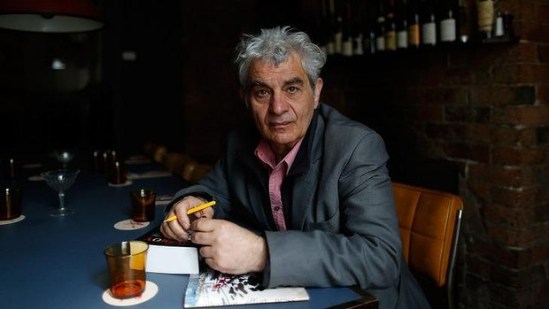
Greek-Australian poet PiO has written a 700-page poetic biography of Fitzroy and himself. Photo: Meredith O'Shea

Greek-Australian poet PiO has written a 700-page poetic biography of Fitzroy and himself. Photo: Meredith O’Shea

REVIEW BY GIG RYAN
February 19, 2016

Fitzroy: The Biography by PiO.
COLLECTED EFFORT PRESS, $55

PiO’s epic-sized Fitzroy, his 11th book of poetry, yields a history of the suburb through portraits, dramatic monologues and pithy tales. 

Fitzroy stretches from Robert Hoddle’s road-plan grid over the Wurundjeri people’s habitation to a boisterous crowded suburb of struggling labourers, shopkeepers, and dodgy characters such as Squizzy Taylor: “Squizzy’s first recorded conviction, was when he was 14/  – Back orf!, he said, and pulled out a gun / Stupid!/ The Boot Trade wasn’t going to be one of his options./ During an arrest, he fought so hard he had to be handcuffed./ From soup to nuts, he was the whole shooting-match. / He was King of the Push, all right … /People who come from nothing, are nothin’.” (Fitzroy Vendetta 1918)
Among this vast assembly, PiO mingles his own biography, and his parents’ lives as new migrants in the 1950s. Facts, wise proverbs, advice, chequer each page of this vivid chronicle: “A poor man’s capital, is his labour”, “A whistle, tears the air apart / with applause”, “Pride, is a mask, patched up by bandages”, “The place of slang, is in real life”. These bombarding statements juxtaposed through each narrative often provide humour as well as widening perspective. 

Characters are often defined by their deaths, such as the champion footballer lost to war: “he done what he was told./ There’s no record of a card game in Chaucer, or of/ a pool hall in Beowulf …/ only a whiff, he said (of the Kaiser’s/ gas) nothing to worry about. They fixed him up, and/ sent him back. He got killed, in Belgium. His remains have/ never been recovered; he done what he was told./ Fitzroy’s a working-class suburb, and/ a gum tree is, no shade; Lest We Forget on/ St George’s Rd, an exploding football/ in the clouds. (“Jack” Cooper 1889-1917)

Fitzroy: The Biography by PiO. Photo: Supplied

Fitzroy: The Biography by PiO. Photo: Supplied

An Ancient Greek view that the past is in front of us, because we see it, whereas the future is behind, recurs throughout, and thus many of the often violent deaths are emblematic of the life: “He said ‘I’ll shoot you’. She said ‘You couldn’t/ shoot a maggot’, and as she opened up her mouth (for him to  shoot ), said ‘Shoot –that!”… He told the Cops, he/ didn’t think, it was loaded.” 
PiO celebrates the suburb’s now extinguished areas such as “the Narrows” of his childhood: “Kids from the Narrows, know how to fight … Gratitude doesn’t always translate, into a jar of sweets.” By the time of the counter-cultural 1970s, the local poet is offended at not being invited to read at the T.F. Much Ballroom, once Cathedral Hall, that had previously hosted Italian films and dances. Fitzroy’s rapid gentrification soon prices him out of his territory.

“The solution to the Housing problem, came to Fitzroy, from/ 10,427 miles away; in the shape of an Architect and/ Town planner – Le Corbusier: ‘The site must be made to/ suit the plan’. Or there can be no ‘order’ (which Modern-life/ demands … i.e. throw out all that is outdated onto the scrapheap,/ and make way for Progress. A public nuisance is ‘an offense/ against the publick’. The past must tumble, into the rubble/ i.e. a Modernist tenet. Le Corbusier said, we are to be/ ‘pitied’ for our worthless houses …/ Modernism destroyed my whole life. (Le Corbusier 1887-1965)

Since his first book, Fitzroy Brothel: Poems (1974), PiO has been an experimental yet accessible poet, influenced by the clamorous optimism of the Russian Futurists Mayakovsky and Khlebnikov, and their inheritors, Turkish poet Nazim Hikmet and Greek poet Yiannis Ritsos, as well as the Beat generation poets and the “performance” poetry initiatives of the 1970s. 

His 24 Hours (1996) superbly captured the dialects and slang of migrants and other locals, showing that sound is of similar importance to meaning, indicated by unexpected commas that pause for emphasis; his work has ranged from visual “concrete” poems to poems written entirely in numbers, with which he feels an affinity, evinced by use of his poetic initials. 

Resistant to what he sees as academic or depoliticised schools of poetry, he instead insists on a transformative poetry “of the people”, apparent in the many magazines he has edited: Fitzrot in the 1970s, then later 925, which featured poems about paid work, and more recently Unusual Work. Though oddly perhaps, much of his sound and visual poetry remains obscure to many. 
Fitzroy ignites fact with fiction, hearsay with aphorism: “Some men, are/ so stupid, they’d shut the door on a sunset”, “The Law is far – the fist, is near”. This is a magnificent monument relentlessly stacked with idiosyncratic yet faithful incident, honouring the many brief flickering lives that have composed Fitzroy.

*From The Age at http://www.smh.com.au/entertainment/books/pios-portrait-of-fitzroy-and-its-people-in-poetry-20160216-gmud8w.html#ixzz45zi5kxjW

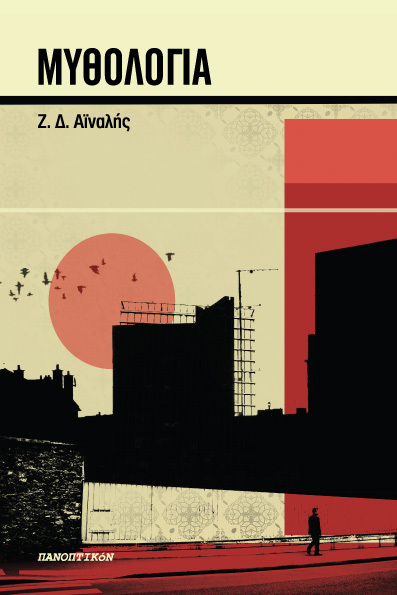
Ζ.Δ. Αϊναλής «Μυθολογία», εκδ. Πανοπτικόν

my8ologia

Η «Μυθολογία» του Ζ.Δ. Αϊναλή είναι μία απεγνωσμένη χειρονομία, βαθιά πολιτική. Έχει τις ρίζες της στο ριζοσπαστικό ρομαντισμό, στον Άγγελο του Σολωμού (Άγγελε μόνο στα όνειρα μου δίνεις τα φτερά σου;) και στους εφιάλτες του Μίλτου Σαχτούρη.

Ο Αϊναλής, με όποια υλικά μπορεί να έχει ένας εκπεπτωκός, με λέξεις σκληρές και αποτρόπαιες, στήνει το λυρικό του σύμπαν. Το μαύρο είναι φως. Δεν μπορείς να το πάρεις της μετρητοίς. «Μεταφράζω το όνειρο και βλέπουν εφιάλτες». Η ποίησή του είναι μία συσσώρευση από θραύσματα. Η ποίηση είναι πάντα θραύση σημείων. Τι απομένει; Τα σημαίνοντα που χάσκουν σαν πληγή ανοιχτή. «Βαθιά μες το αίμα υπάρχει μία πληγή που δεν τη γιατρεύουν τα λόγια».
Οι λέξεις δεν του φτάνουν του Αϊναλή, γιατί έπονται της επιθυμίας. Είναι εκ των υστέρων. Το σημαίνον είναι έλλειψη που διά της αρνητικότητάς του υποδηλώνει αυτό που δεν είναι ακόμα, το ίχνος της αγνότητας.
Ο Αϊναλής, με τη «Μυθολογία», σα γνήσιος ρομαντικός, ανοίγει ρωγμές στο σκληρό κέλυφος του χρόνου για ν’ ανθίσει η ουτοπία:

Κι όταν θα γίνουμε ένα ωραίο μεγάλο σύνολο από μονάδες και πια δεν θα έχουμε ανάγκη τη φυλακή τους θα τραγουδήσουμε όλοι μαζί με μια φωνή  το τραγούδι της ανεστραμμένης βαρύτητάς τους όπου όλα θα είναι αληθινά και ένα και ένα θα κάνουνε ένα και ένα κι οι γυναίκες άλογα θα μας παίρνουνε καλπάζοντας μακριά τους τρυφερά κουβαλώντας μας μες στην αγέρινη αγκαλιά τους.

*Δημοσιεύτηκε τη Δευτέρα, 7 Οκτωβρίου 2013 και αναδημοσιεύεται από εδώ: http://oneirogiapantaoneiro.blogspot.com.au/2013/10/blog-post.html

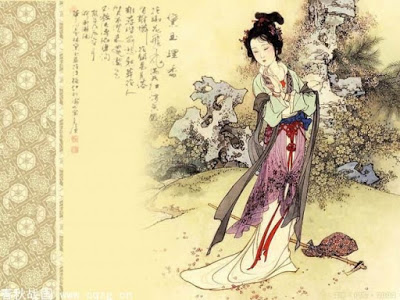
Βέλη σε δέκα χιλιάδες τόξα τεντωμένα (μικρή ανθολογία κινεζικής ποίησης)

chinese

Η Κίνα αποτέλεσε μια από τις αρχαιότερες αυτοκρατορίες με ιστορία πολυκύμαντη χιλιάδων ετών. Ο κινέζικος πολιτισμός θεωρείται από τους αρχαιότερους στον κόσμο και τα επιτεύγματα του, ανάμεσα τους και τα ποιήματα, εξακολουθούν να συγκλονίζουν και να γοητεύουν. Ο αρχιστράτηγος Τσάο- Τσάο (155-220 μ. Χ.) που έζησε στα τελευταία χρόνια της αυτοκρατορίας των Χαν έγραψε εικοσιτέσσερα ποιήματα – σ’ ένα απ’ αυτά, το “Τσουχτερό κρύο”, θυμάται προφανώς κάποια απ’ τις εκστρατείες του:

Το βορεινό Ταϊχάνγκ βουνό ανεβαίνουμε
κι είναι απόκρημνο και τι ψηλό!
Τραχύλαιμη και φιδωτή βουνοπλαγιά,
πριονίζει του αμαξιού τις ρόδες.
Τι θλιβερά, γυμνόφυλλα τα δέντρα.
Και ο βοριάς κλαψιάρικα σφυρίζει.
Μπρος μας κουμιάζουν οι αρκούδες,
πλευρίζουνε το μονοπάτι ουρλιάζοντας οι τίγρεις.
Αριοί αυτοί που κατοικούνε στις κλεισούρες.
Πέφτει πυκνό εκεί πυκνό το χιόνι …
Πώς θα ‘θελα ανατολικά να πορευόμουν!
Μα τα νερά είν’ άβυθα κι οι γέφυρες κομμένες…
Η νύχτα πέφτει μα κανένα αραξοβόλι …
Οι άνθρωποι, τ’ άλογα πεινάν το ίδιο,
με τα σακιά στον ώμο οι άντρες ξεκινάνε,
στο δάσος κούτσουρα να κόψουν
και πελεκάν τον πάγο για να βράσουν το χυλό μας.
Των Ανατολικών Βουνών λυπητερό τραγούδι
η θλίψη σου βαριά για πάντα στην ψυχή μου.

Όπως ήταν φυσικό, η ιστορία αυτής της απέραντης χώρας που γνώρισε την ακμή και την παρακμή στο πέρασμα των αιώνων δε γινόταν να μην εμπνεύσει τους ποιητές της. Στα τέλη του ένατου αιώνα ο Τσανγκ Πιν, ιθαγενής του Χοπέι, ο οποίος κέρδισε τέτοια φήμη ώστε να περιληφθεί στους “Δέκα σοφούς του ευωδιαστού Άλσους”, συνέθεσε τον “Θρήνο για τους τάφους δέκα χιλιάδων ανδρών”:

Τέλειωσε ο πόλεμος στα σύνορα του Χουάι, κι είναι
Ανοιχτοί οι δρόμοι του εμπορίου πάλι·
Κρώζοντας πάνε κι έρχονται στο χειμωνιάτικο ουρανό κοράκια παραστρατημένα.
Αλίμονο για τ΄ άσπρα κόκκαλα τα σωριασμένα σ’ έρμους τάφους·
όλα στρατιωτικές τιμές γυρέψαν για τον αρχηγό τους.

Η τέχνη της ποίησης παράγει σπουδαία δείγματα και κατά τη διάρκεια του δέκατου έβδομου αιώνα. Ο Χσου Λαν που διακρίνεται για το ιδιαίτερο ύφος του μας άφησε το ‘’Περνώντας τα σύνορα’’:

Φωλιάζεις πάνω στο ψηλό βουνό και κάτω προς τη
θάλασσα κοιτάζεις: η παλιά πόλη στα σύνορα·
ήσκιοι λαβάρων που ταράζονται στην αύρα
δείχνουνε το κάστρο των συνόρων.
Πίσω από τ’ άλογο μου ανθισμένες οι ροδακινιές,
μπροστά στο χιόνι·
Καθώς περνάω τα σύνορα, πώς να βαστάξω το
κεφάλι μου να μη γυρίσω πίσω;

Σημαντική είναι η συμβολή των γυναικών στην κινέζικη ποίηση, η Τσίου Τσινγκ (1874-1907) μας δίνει ένα λαμπρό δείγμα:

Μπρος στο κρασί
Χίλιες ουγγιές χρυσάφι θα ‘δινα για ένα καλό σπαθί
και θ ‘ άλλαζα τη ζιμπελίνα μου ευχαρίστως με κρασί.
Μα πιο πολύ εκτιμάω το φλογερό μου αίμα,
που σαν χυθεί θα ‘χει τη δύναμη των γαλανών κυμάτων.

Ένα από τα χαρακτηριστικά της κινέζικης ποίησης είναι η προσπάθεια να παγιδευτεί με κάθε τρόπο το όραμα της στιγμής, η φευγαλέα εικόνα που σχηματίζεται ξαφνικά μπροστά στα μάτια, πολλά ποιήματα θυμίζουν πίνακες των ιμπρεσιονιστών ζωγράφων που επηρεάστηκαν βαθιά από την κινέζική και την ιαπωνική τέχνη, ένα χαρακτηριστικό παράδειγμα κάποιου ανώνυμου ποιητή αρχαίου:

Ο πάγος στη λιμνούλα έφτασε τα τρία πόδια
και τ’ άσπρο χιόνι χίλια λι σκεπάζει…

Ένα ακόμα από τον Λιου Τσουνγκ Γιουάν (773-819):

Χίλια βουνά, κανένα πέταμα πουλιού,
δέκα χιλιάδες μονοπάτια και κανένα χνάρι ανθρώπου.
Στη βάρκα τη μοναχική ένα γέρος μ’ ένδυμα από
φοινικιά, καπέλο από μπαμπού,
ψαρεύει μόνος κάτω από το χιόνι στο ψυχρό ποτάμι.

Ένα τρίτο από τον Χουανγκ Του Σαν (18ος αι.):

Ψαρεύω στ΄ ανατολικά μιας γέφυρας του δάσους,
βαραίνει στο καπέλο μου από φοινικόφυλλα το χιόνι·
πάγωσε το ποτάμι, μόλις το νερό κυλάει,
τα ψάρια καταπίνουνε τον ίσκιο απ΄ τ΄ άνθη της δαμασκηνιάς.

Κι ένα τελευταίο από τον Λου Kουέι – Μενγκ ( 9ος αι. )

Οι αγριόχηνες
Από το Νότο ως το Βορρά πόσο μακρύ ταξίδι!
Ανάμεσα τους , βέλη σε δέκα χιλιάδες τεντωμένα τόξα.
Μες στην ομίχλη και στην πάχνη ποιος να πει,
πόσες θα φτάσουνε στο Χενγκ – Γιανγκ;

(Οι μεταφράσεις είναι της Μερόπης Οικονόμου και του Σωκράτη Λ. Σκαρτσή)

Απόστολος Σπυράκης

*Αναδημοσιευση από το Στίγμα Λόγου το http://stigmalogou.blogspot.com.au/2016/04/blog-post_5.html?utm_source=feedburner&utm_medium=email&utm_campaign=Feed:+blogspot/JkQng+(%CF%83%CF%84%CE%AF%CE%B3%CE%BC%CE%B1%CE%9B%CF%8C%CE%B3%CE%BF%CF%85)

Χρήστος-Αρμάντο Γκέζος, Ανεκπλήρωτοι φόβοι

1507827_10205045681518304_5104002838001179952_n

Χρήστος-Αρμάντο Γκέζος,
Ανεκπλήρωτοι φόβοι,
Πολύτροπον, σελ. 56

Ο ιδιαίτερα οξύς τόνος που ενίοτε μετατρέπεται σε φωνή, εκφράζοντας τον πανικό του «δραπέτη» και «διωκόμενου», είναι μόνο ένα και ίσως το πιο εμφανές χαρακτηριστικό στοιχείο της ποίησης του Χρήστου Γκέζου. Παρά το νεαρό της ηλικίας του ποιητή (γ. 1988) υπάρχουν συσσωρευμένα βιώματα από καταστάσεις ορίων ή από καταστάσεις που η φαντασία του τις έσπρωξε σε οριακό σημείο, για να αποδώσουν την επιθετική διάθεση που συνήθως έχει η επική σχέση ρήξης της νεανικής ύπαρξης με τον γύρω της κόσμο.

Ένα υποβλητικό φυσικό περιβάλλον ως αρχαϊκή σκηνογραφία όπου όμως «ανεβαίνουν» εν είδει μεταφυσικού θεάτρου κολαστήριες σκηνές. Γι’ αυτό και ο γεμάτος άγχος και εσωτερική πίεση, ρητά καταγγελτικός λόγος. Από τη Χειμάρα της Βορείου Ηπείρου, έχοντας μάλλον ζήσει στο ψυχορράγημα του παλιού ολοκληρωτικού καθεστώτος της Αλβανίας, ο Γκέζος ξεχωρίζει από τις πρώτες του φράσεις για τον δυναμισμό της γραφής του.

Μας θυμίζει με τον ιδιότυπο αντιλυρισμό του, με τον παλλόμενο ρυθμό της έκφρασής του, ότι προέρχεται από μια κοινότητα που παρέμεινε κλειστή ως γλωσσικός θύλακος για πολλά χρόνια, χωρίς ιδιαίτερες επικοινωνίες. Έτσι ώστε να διατηρεί πολύ έντονα ακόμα και τώρα η ποίησή του την αίσθηση μιας τραχύτητας η οποία δεν πρόλαβε να λειανθεί.

Και ευτυχώς, διότι η διαπερατότητα, η ικανότητα να είναι απροσποίητα αιχμηρός ο λόγος του, κάτι που συμβαδίζει με τη δωρική απλότητά του, δίνουν μια άλλη ζωντάνια και πρωτοτυπία στην αίσθηση των ποιητικών εικόνων. Έτσι, τα τριανταχτώ πυκνότατα στην έκφραση ποιήματα ή ποιητικές αφηγήσεις (καθώς συχνά έχουν μια δομή τριαδική, αρχής, μέσης και τέλους) συνδυάζουν την ελλειπτική αφήγηση με τη ρεαλιστική χοϊκότητα των πραγμάτων, την καταθλιπτική βύθιση με την ενορατική υπέρβαση.

Και όλα αυτά, όπως είπαμε, με μια πρωτόκτητη θα έλεγε κανείς αίσθηση της γλώσσας, με αυθορμησία και τόλμη που προσελκύουν αμέσως το ενδιαφέρον του αναγνώστη.

ΑΛΕΞΗΣ ΖΗΡΑΣ

40 χρόνια από το θάνατο του Αμερικανού τροβαδούρου της folk protest Phil Ochs

Γνωστός για τη διαυγή κοινωνική και πολιτική του ματιά, τη βαθιά του ανθρωπιά, το κοφτερό και πνευματώδες χιούμορ του, τη συνεπή του στράτευση στον πολιτικό ακτιβισμό και την ξεχωριστή του φωνή, ο Phil Ochs, ο αγαπημένος Αμερικανός τροβαδούρος της folk protest και σύγχρονος του Bob Dylan (αλλά, για μένα, πολύ πιο ειλικρινής και, εν τέλει, ασυμβίβαστος), πεθαίνει σαν σήμερα πριν από 40 χρόνια, κρεμώντας τον εαυτό του στο σπίτι της αδελφής του Sonny.

Ο Phil Ochs γεννιέται στις 9 Δεκεμβρίου του 1940 στο El Paso του Texas από μια μεσοαστική εβραϊκή, αλλά όχι θρησκευόμενη, οικογένεια. Ο πατέρας του, άνθρωπος απόμακρος που υπέφερε από κατάθλιψη και διπολική διαταραχή, πεθαίνει στις 30 Απριλίου του 1963 από εγκεφαλική αιμορραγία.

Ως έφηβος, ο Ochs εξελίσσεται σε διακεκριμένο κλαρινετίστα, αναδεικνυόμενος σε βασικό σολίστα του πανεπιστημιακού ωδείου του Ohio, πριν καλά καλά συμπληρώσει τα 16 του χρόνια! Οι μουσικές του επιρροές σύντομα επεκτείνονται στους Buddy Holly, Elvis Presley, Hank Williams Sr, Johnny Cash και Merle Haggard. Αγαπά τους επαναστατικούς ήρωες του σινεμά, όπως τους ενσαρκώνουν οι Marlon Brando και James Dean.

Ενώ βρίσκεται στο Miami, φυλακίζεται για 2 βδομάδες, επειδή βρέθηκε να κοιμάται σε παγκάκι. Είναι η εποχή που αποφασίζει να γίνει συγγραφέας και δημοσιογράφος.

phil_ochs-805x450

Επιστρέφει, λοιπόν, στο Πανεπιστήμιο του Ohio, προκειμένου να σπουδάσει δημοσιογραφία. Εκεί, αναπτύσσει ενδιαφέρον για την πολιτική και γνωρίζεται με έναν συμφοιτητή του, τον Jim Glover, παθιασμένο λάτρη της folk, ο οποίος τον «μυεί» στη μουσική των Pete Seeger, Woody Guthrie και The Weavers. Του μαθαίνει κιθάρα, και συζητάνε για θέματα πολιτικής φύσης. Ο Ochs αρχίζει να γράφει άρθρα σε φοιτητική εφημερίδα, συχνά ριζοσπαστικής θεματολογίας. Όταν η φοιτητική εφημερίδα αρνείται να δημοσιεύσει ένα από αυτά, εκδίδει τη δική του underground εφημερίδα με τίτλο The Word. Η πολιτική και η συγγραφή συγκλίνουν, και αρχίζει να γράφει πολιτικοποιημένα τραγούδια. Αποκαλεί τον εαυτό του «δημοσιογράφο που τραγουδά». Μαζί με τον Glover σχηματίζουν ένα ντουέτο με τίτλο The Singing Socialists. Το ντουέτο διαλύεται, και ο Ochs μετακομίζει στη Νέα Υόρκη, για να γίνει τραγουδιστής της folk.

Μεταξύ του 1964 και του 1966, κυκλοφορεί 3 ιστορικούς δίσκους στην Elektra (All the news that’s fit to sing, I ain’t marching anymore, Phil Ochs in concert), συνοδευόμενος μόνο από μια ακουστική κιθάρα.

Θαυμαστής του JFK, παρά τις πολιτικές διαφωνίες σε επιμέρους ζητήματα, συντρίβεται από το νέο της δολοφονίας του. Είναι η μόνη φορά που έχει γίνει αντιληπτός να κλαίει.

Ανάμεσα στο 1967 και το 1970 εκδίδει 4 δίσκους σε καινούριο label, την Α&Μ, πειραματιζόμενος με μπαρόκ και κλασικότροπες ενορχηστρώσεις.

Εμπλέκεται στην ίδρυση των Yippies, μαζί με τους Jerry Rubin, Abbie Hoffman, Stew Albert και Paul Krassner.

Οι δολοφονίες των Martin Luther King και JFK, αλλά και η άνοδος του Nixon στην εξουσία, είναι από τα γεγονότα που τον οδηγούν σε κατάθλιψη.

Το 1970 κυκλοφορεί τον τελευταίο του δίσκο, το Gunfight at Carnegie Hall. Απογοητευμένος από την έλλειψη απήχησης της δουλειάς του και βιώνοντας συγγραφικό μπλοκάρισμα, «βυθίζεται» ολοένα και περισσότερο στον αλκοολισμό και την κατάθλιψη, ενώ, κατά διαστήματα, κάνει χρήση ναρκωτικών, προκειμένου να ανταποκριθεί στις απαιτήσεις των συναυλιών.

Το 1971 επισκέπτεται τη Χιλή του Allende, όπου γνωρίζεται και γίνεται φίλος με τον εμβληματικό τραγουδιστή Victor Jara, ο οποίος βασανίστηκε και δολοφονήθηκε δημόσια από τη Χούντα του Πινοσέτ.

Τον Ιανουάριο του 1976 μετακομίζει στο σπίτι της αδερφής του Sonny στο Far Rockaway στη Νέα Υόρκη. Στο μεταξύ, έχει διαγνωστεί με διπολική διαταραχή, όπως κι ο πατέρας του.

Στις 9 Απριλίου του 1976, σε ηλικία 36 ετών, αυτοκτονεί στο σπίτι της αδερφής του κρεμώντας τον εαυτό του. Μετά το θάνατό του Ochs, αποκαλύπτεται ότι το FBI διατηρούσε φάκελο σχεδόν 500 σελίδων γι’ αυτόν, και εξακολουθούσε να τον θεωρεί επικίνδυνο. Πολλοί εκτιμούν πως η αυτοκτονία του αποτελεί συνέπεια και της στενής παρακολούθησης που επί χρόνια υφίστατο.

Με την κόρη του Meegan

Με την κόρη του Meegan

Αν ζούσε σήμερα, φαντάζομαι ότι θα ήταν πολέμιος του χριστιανικού φονταμενταλισμού τύπου Trump. Ίσως να υποστήριζε τον Bernie Sanders. Ίσως, πάλι, να κινείτο προς πιο ριζοσπαστικές πολιτικές κατευθύνσεις. Άλλωστε, αν και ποτέ δε δήλωνε «μαρξιστής»- περισσότερο «αριστερός σοσιαλδημοκράτης»-, ήταν πάντοτε πολύ πιο μπροστά από τον μέσο Αμερικανό φιλελεύθερο. Ίσως, πάλι, όλα αυτά να μην έχουν και τόση σημασία. Σε κάθε περίπτωση, τα τραγούδια του είναι εδώ, για να θυμίζουν, να προβληματίζουν, να συγκινούν και να εμπνέουν.

*Το κείμενο, τα τραγούδια και οι φωτογραφίες είναι από εδώ: http://www.hitandrun.gr/40-chronia-apo-to-thanato-tou-agapimenou-amerikanou-trovadourou-tis-folk-protest-phil-ochs/