Συνέντευξη του Κώστα Δεσποινιάδη στον Γιάννη Τσιτσίμη – Περιοδικό Ένεκεν, τχ. 30, Δεκέμβριος 2013
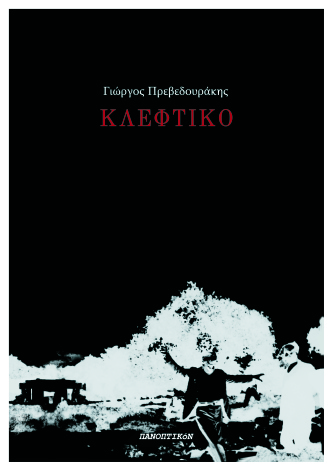
Η ποιητική συλλογή “Kλέφτικο’ του Γ. Πρεβεδουράκη είναι τελείως διαφορετική και μη συνηθισμένη στη δομή της από τα συνήθη “ποιητικά σχέδια” της εποχής μας. Αυτός είναι και ένας λόγος που την εκδώσατε, η εκκεντρικότητα σε σχέση με το ουσιώδες περιεχόμενο σάς ώθησαν ως αφετηρία έκδοσης;
Το «τελείως διαφορετική» και «μη συνηθισμένη» που αναφέρετε, αν ισχύει, αρκεί από μόνο του για να εκδώσω ένα ποιητικό βιβλίο· αλλά αυτό δεν συνιστά κατ’ ανάγκη «εκκεντρικότητα» (η εκκεντρικότητα πολλές φορές μπορεί να συνοδεύεται από απουσία περιεχομένου, γι’ αυτό και δεν μ’ αρέσει ως όρος). Μπορεί να είναι τόλμη, τάλαντο, καινοτομία. Το «Κλέφτικο» το εξέδωσα γιατί ήταν ένα ποιητικό κείμενο που μου ήρθε από τον άγνωστό μου τότε Γιώργο Πρεβεδουράκη, το οποίο με συγκίνησε βαθύτατα. Θεωρώ ότι είναι από τα σημαντικότερα ποιητικά βιβλία νέων ανθρώπων που έχουν βγει τα τελευταία χρόνια (τουλάχιστον από όσα έτυχε να δω) και περιμένω πολλά από τον άνθρωπο που το έγραψε.
Τι είναι αυτό που εσείς θα αποκαλούσατε “εκδόσιμη ποίηση” στα 2013;
Ό,τι δεν είναι παραλογοτεχνία (που δυστυχώς αφθονεί γύρω μας) θεωρώ ότι είναι καταρχήν εκδόσιμο. (Αυτό βέβαια δεν σημαίνει ότι είναι και πολύ καλό). Το πρόβλημα, κατά τη γνώμη μου, είναι ότι επειδή τις περισσότερες φορές οι ποιητές χρηματοδοτούν οι ίδιοι τις εκδόσεις των βιβλίων τους (και σε ορισμένους οίκους πανάκριβα) πολλοί εκδότες είναι έτοιμοι να τυπώσουν οτιδήποτε, χωρίς κανένα κριτήριο, αρκεί ο υποψήφιος συγγραφέας να βάλει βαθιά το χέρι στην τσέπη. Έχω δει με τα μάτια μου Θεσσαλονικιό εκδότη να κλείνει οικονομική συμφωνία με νεαρό συγγραφέα δίχως να έχει κοιτάξει καν το δακτυλόγραφο που του προσκόμισε. Και είναι επίσης γνωστό ότι πολλοί εκδότες δεν διαβάζουν ούτε τα βιβλία που οι ίδιοι εκδίδουν…
Πόσο μακριά από την ποίηση βρίσκεται ο μέσος έλληνας αναγνώστης και ειδικά ο νέος κατά την άποψή σας; Πού οφείλεται αυτό;
Οι Έλληνες γενικά δεν διαβάζουν. Περαιτέρω, η ποίηση είναι κατ’ ουσίαν εκτός εμπορίου (αυτό βέβαια ίσως και να την σώζει με μια έννοια). Ενδεχομένως αυτό να οφείλεται στο γεγονός ότι η εκδοτική βιομηχανία (υπάρχει και τέτοια και καταλαμβάνει το 80% της πιάτσας) έχει ρίξει το βάρος της στο μυθιστόρημα που είναι ογκωδέστερο, συνεπώς και ακριβότερο. Δεν ξέρω ποια άλλη εξήγηση μπορεί να δοθεί, γιατί κατά τεκμήριο η Ελλάδα είχε πάντοτε καλύτερους ποιητές από ό,τι πεζογράφους.
Θεωρείτε ότι οι μεγάλοι ποιητές της χώρας μας κατά τα παρελθόντα έτη στοιχειώνουν τους σύγχρονους δημιουργούς και τους οδηγούν σε τέλμα μάλλον αξεπέραστο και σε μιμητικές επαναλήψεις;
Τίποτα δεν είναι αξεπέραστο, απλώς ενώ η ματαιοδοξία πέφτει με το τουλούμι, το ταλέντο πέφτει με το σταγονόμετρο. Μεγάλοι ποιητές (και θεωρώ ότι πρέπει να χρησιμοποιούμε τη λέξη με φειδώ) δυστυχώς βγαίνουν ελάχιστοι. Έτσι συνέβαινε πάντα. Κατά τα άλλα, μάλλον δεν είμαι αρμόδιος να απαντήσω πιο συγκεκριμένα στο ερώτημά σας, μιας και δεν έχω εποπτεία της σύγχρονης ποιητικής παραγωγής.
Τι εκπροσωπούν λοιπόν οι εκδόσεις “Πανοπτικόν”, με ποια φιλοσοφία αναζητούν μια θέση στα βιβλιοπωλεία της ζωής μας;
Δεν εκπροσωπούν τίποτα (συγγνώμη, αλλά η λέξη εκπροσώπηση μου προκαλεί δυσφορία, σε ό,τι κι αν αναφέρεται). Όπως έχω ξαναπεί, το Πανοπτικόν είναι ένας μικρός, προσωποπαγής, ανεξάρτητος εκδοτικός οίκος, έξω από τα κυκλώματα της διαφήμισης και της οργανωμένης προβολής. Είναι ένας οίκος που τον ξεκίνησα με ανύπαρκτο –κυριολεκτικά– αρχικό κεφάλαιο και περίσσευμα από μεράκι το 2001, μαζί με το ομώνυμο περιοδικό, όπου τα πάντα σχεδόν τα κάνω μόνος μου. Εκδίδω λίγα βιβλία κάθε χρόνο και δεδομένου ότι δεν βιοπορίζομαι αποκλειστικά και μόνο απ’ το Πανοπτικόν (επί χρόνια η βασική πηγή βιοπορισμού μου ήταν μεταφράσεις και επιμέλειες εκδόσεων που έκανα για λογαριασμό τρίτων) έχω την πολυτέλεια να εκδίδω βιβλία που μου αρέσουν, χωρίς να λαμβάνω ιδιαίτερα υπόψη μου εμπορικά κριτήρια. Η θεματολογία των εκδόσεων χωρίζεται σε τρεις κατηγορίες: είναι κυρίως πολιτικά δοκίμια (ελευθεριακής και αντιεξουσιαστικής, με την ευρεία έννοια, κατεύθυνσης), υπάρχει μια λογοτεχνική σειρά, με κείμενα που θέλω να «ξεφεύγουν» από την πεπατημένη, τόσο ως τρόπος γραφής όσο και ως συνολική αντίληψη για το τι είναι και ποιον ρόλο επιτελεί η λογοτεχνία στην εποχή των βιομηχανοποιημένων best-seller, η συγγραφή των οποίων διδάσκεται σε κάτι απερίγραπτα σεμινάρια δημιουργικής γραφής, ενώ τα τελευταία χρόνια έχει προστεθεί η σειρά των Απάντων του Φρίντριχ Νίτσε, στις κλασικές πλέον μεταφράσεις του Ζήση Σαρίκα. Μακάρι τα βιβλία που εκδίδω να είναι για κάποιους –όπως θα το ήθελε ο Κάφκα– τα τσεκούρια που θα σπάσουν την παγωμένη θάλασσα μέσα τους.
*Για το “Κλέφτικο” του Γιώργου πρεβεδουράκη είχα αναδημοσιεύσει και αυτό: https://tokoskino.wordpress.com/2013/05/12/%CE%B3%CE%B9%CF%8E%CF%81%CE%B3%CE%BF%CF%82-%CF%80%CF%81%CE%B5%CE%B2%CE%B5%CE%B4%CE%BF%CF%85%CF%81%CE%AC%CE%BA%CE%B7%CF%82-%CE%BA%CE%BB%CE%AD%CF%86%CF%84%CE%B9%CE%BA%CE%BF-%CF%80%CE%B1/



 To Koskino