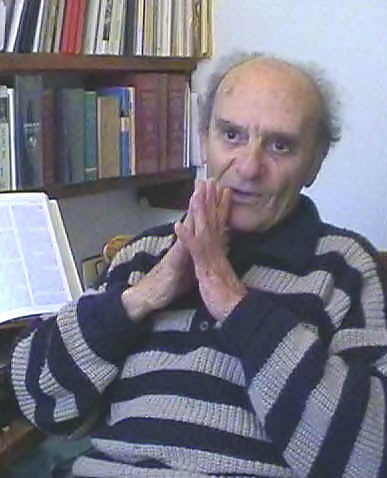
Δημήτρης Τσαλουμάς (1921-2016), Δύο ποιήματα στα ελληνικά και αγγλικά

ΝΥΧΤΕΡΙΝΟ

Γριά γυναίκα τώρα, πρόσφυγας
απ’ τα παλιά της νιάτα.
Χαριεντιστός γιαλός στην πόρτα της
και πέρα τα θαμπά βουνά
της χαμένης πατρίδας.

Τ’ απόβραδο στης αυλής την πεζούλα
τσεμπερωμένη κι αλλοτινή
ψάχνει ακόμα γιο και άντρα
στου κάτω κόσμου τις γειτονιές.

Η νύχτα αφέγγαρη και το κουνούπι
Φαρμακερό στο σκοτάδι.
Αχ και να φέγγανε λέει απόψε
οι γλόμποι της ροδιάς!

Nocturne

An old woman now, a refugee
from her long-gone days of youth.
At her doorstep flirts the sea
and beyond it the dim mountains
of the lost homeland.

At nightfall, on the courtyard stone bench,
olden-time and head kerchiefed
she searches still for husband and son
in the underworld neighbourhoods.

The night is moonless and mosquitoes
venomous in the dark.
Oh, if the globes
of the pomegranate tree
would only shine tonight!

*

ΤΗΣ ΛΥΓΕΡΗΣ

Φτερούγες κόρακα ιριδίζοντας
στην αντηλιά
λουσμένα δεντρολίβανο τα μαλλιά της

περήφανα ωραία

κυπαρισσένια σε νησιώτικη πλαγιά
κυματιστή στα μάτια των ανθρώπων
να προβαίνεις,
σε παίνεσα όσο τίποτα.
Είπα δε θα πεθάνεις ποτέ
δε θα στερέψεις ποτέ
του τραγουδιού μας τη φλέβα –

λόγια απ’ τα χρόνια της σπατάλης,
λόγια πλεούμενα, που αφρόλουστες
της τραμουντάνας οι φοράδες
σπάσανε τις δεσιές τους στο μουράγιο
και πήρανε στην τύχη τ’ ανοιχτά
με δίχως ρότα, με δίχως έρμα.

For Ligeri

Crow’s wings iridescent
in the sun’s reflected glare
her rosemary rinsed hair

proudly beautiful

cypress-slender on an island hillside
wind-swayed
you entered our sight,
I praised you more than anything.
I said you would never die
would never dry up
the vein of our song –

words from the squandering years,
words setting g sail, foam-washed
mares of the tramontana
who broke their shackles on the jetty
and trusted to luck on the open seas
charting no course, carrying no ballast.

*Τα ποιήματα προέρχονται από την τελευταία συλλογή του -κορυφαίου ίσως- Έλληνα ποιητή της Αυστραλίας, “Δίψα”, εκδόσεις Πλανόδιον, 2010. Μετάφραση στα αγγλικά: Matina Doumos. Δημοσιεύτηκαν στο ετήσιο περιοδικό του Ελληνο-Αυστραλιανού Πολιτιστικού Συνδέσμου Μελβούρνης “Αντίποδες”, στο τεύχος του 2020.

There Is Also This Civil War Inside of Me: A Conversation with Zisis Ainalis

by Adam J. Goldwyn

Zisis D. Ainalis was born in Athens in 1982. A poet, translator, and essayist, his work has been translated into English, French, Italian, and Portuguese. He lives and works in Mytilini (Lesbos), where he is a member of the editorial group that publishes the literary magazine North-Northeast. He has published seven books of poetry: Electrography (2006), Fragments (2008), Michalis Tatsis—Holding up the Stake with the Hands (2011), Sheba’s Silence (2011), Mythology (2013), Desert Tales (2017), and Desert Monody (2019).

Adam Goldwyn: In some ways, Desert Monody, your 2019 verse collection, seems to be a continuation of your poetic trajectory. Like Sheba’s Silence, which uses the story of Solomon as a symbol for discussing other more modern problems, this volume also reaches back to the Bible, particularly the exile from Eden and the stories of early Christian desert ascetics. But it also marks a big shift—less political, less overtly concerned with modernity than, for instance, Electrography, and, of course, also in prose. What was the genesis of this volume, and how do you see it fit with what you’ve done before?

My poetry is—it has always been—about my time, or, better, it is the reflection of a consciousness of my time.

Zisis Ainalis: The genesis of Desert Monody lies in a decisive fact of my life: the birth of my first daughter, and it treats in a more or less hidden manner but one theme—paternity. The alterations in one’s consciousness that the birth of a child brings forward, the individual and collective meaning of paternity, and the difficult psychological proceedings that follow—these are the subjects that I wanted to treat. I think that this is a topic somehow neglected in modern literature.

From this point of view, I dare say that this volume is radically different from my previous works precisely because of its subject, hitherto unknown in my poetry. However, poetically there is a link connecting all my works between them. I like to think of my volumes of poetry as a kind of autobiography in process. But my poetry is not about me, if that makes any sense. My poetry is—it has always been—about my time, or, better, it is the reflection of a consciousness of my time. Thus, the political dimension of my work. Generally speaking, more and more, I head toward a rehabilitation of the meaning.

Goldwyn: Let’s talk about the political dimension of your work. In one of the poems that will accompany this interview, you speak of “this civil war inside of me.” How do you see your politics in your poetry, and do you see yourself in the tradition of Greek political poets like Yiannis Ritsos, the left-wing Resistance fighter during World War II, or George Seferis, who was such a vocal opponent of the junta? What is the role of poetry in politics?

Ainalis: This is a rather complex question that I can’t possibly answer here. However, I believe that, in a sense, all art is political, in an Aristotelian meaning of the word (and I remember here Arendt’s exquisite remarks on polis and society). As far as I am concerned, I have a strong propensity for history. History and literature are inextricably connected in my mind. I think that the political element in my poetry comes either from the presence of history in my work or the way that I treat the present through the spectacles of the past. Take Cavafy, for example. His poems aren’t overtly political. On a first reading they seem to be mainly historical. However, his use of history is what gives his poems a political dimension. But I don’t want to be misunderstood: I am not talking here about some kind of nostalgia of the past. I am talking more about a way of attempting to comprehend the present through the experiences—literary as well—of humanity’s past. And as long as there is a public realm in humanity’s institutionalised life, this will always be a political procedure.

Nevertheless, the role of poetry in modern-day politics is nonexistent, in the sense that poetry, of course, doesn’t affect—despite the ludicrous political ambitions of some poets—the political agenda. However, that doesn’t mean that poetry shouldn’t have or doesn’t have a political perspective, usually wider than the day-to-day politics. As a reader, I like this kind of political reflection, which we can find in much of the literature of the nineteenth and twentieth centuries. Can you possibly think of more intriguing political texts than the epilogue of Tolstoy’s War and Peace or Dostoyevsky’s Demons? Thoreau’s Journals contain a great amount of political reflection. Kafka, T. S. Eliot, and Camus are essentially political authors. You see, I am not talking necessarily about politically engaged authors. Still, I am heavily influenced by the political literature of the Greek postwar generation. The works of Alexandrou, Tsirkas, Hatzis, Alexandropoulos, Katsaros, Anagnostakis, Livaditis, and Leontaris accompanied me throughout my adult life.

Goldwyn: In small font at the end of Desert Monody, you write that the volume was composed in Patras, Paris, and Chios. Reading in between the lines here, what is missing is Athens, the centre of Greek literature and politics. Can we see any general trends in Greek poetry between islanders, expatriates, and Athenians? And can you, having been each of them at different parts of your life, speak to how these locations influence your poetry?

Ainalis: I have always been a stranger no matter where I was living. I was born and raised in Athens, but I haven’t lived there since 2000. Athens is always a part of myself and a part of my poetry as well, in a sense. As is Paris. Two great metropolises of modern Europe. However, this feeling of strangeness, of not belonging somewhere, is following me wherever I’ve lived. I have been living all my adult life as an expatriate, regardless of whether I was living somewhere in Greece or not. But this is probably a personal feeling or even the malaise of modern human beings: the “uprootedness,” as Simone Weil put it some three generations ago.

To answer the question, I don’t feel that there are some general trends in Greek poetry between islanders, expatriates, and Athenians. I think that globalization absorbs a great deal of the local differences. The Greek poets of my age, people in their forties, could have been active all over Greece—or abroad. And they are. You can find poetic circles in many Greek cities: Thessaloniki, Drama, Larissa, Patras, etc., as well as poets living permanently abroad. The strictly speaking “local tradition” seems to influence modern Greek poets less than, let’s say, modern English poetry. This is also why whenever modern Greek poetry is translated into English (or into any other language, for that matter), it reaches comparatively easily—in contrast with the Greek poetry of past generations—an international audience.

So, the locations in the end of the volume have a more or less symbolic value. They are the landmarks of a trajectory, if you will. At the same time, they underline this feeling of not belonging somewhere. And, as I have lived in Mytilini (Lesbos) for the last five years, and before that in Chios, they are also, partly, a kind of ideological declaration: the fact that I consciously and deliberately decided to renounce life in big cities, like Paris, in favour of life in a small town, away from the centre to the borderline of Europe.

I consciously and deliberately decided to renounce life in big cities, like Paris, in favour of life in a small town, away from the centre to the borderline of Europe.

Goldwyn: You say that modern Greek poetry moves internationally with greater ease now than in generations past; that may be great for an international audience, but is something uniquely Greek lost in that? There is a price to translation and globalisation, which is the erasure or alteration—perhaps some would even call it the deformation—of the local. In thinking about it now, that is as much a political question as a poetic one.

Ainalis: Whether we like it or not, we live in a globalised world—at least for the time being (because this may change sooner than we think). And our problems or concerns are global as well. Me, for instance, I feel that I can easily communicate with the literature of Japan or China. This would be inconceivable for a Greek author two generations ago. Certainly, there is a price to pay in globalisation. Many local traditions, mentalities, ways of living all over the world have been trampled down violently during the last thirty years. Crucial social or communal knowledge is lost forever. Social and communal memory is being eradicated systematically, and this has been going on for decades now. And the heavy price that our generation will pay, indeed, will be the price of lost social or communal practices and knowledge, the loss of social memory. Soon enough we will be called to live in a lobotomised, constant present with absolutely no connection to the past (not even the events of our own past), with absolutely no openings to the future.

But, regarding literature, the question is somewhat different, because literature is a living organism with its own kind of memory and its own consciousness. The Latin word literatura originates etymologically from litera (the letter of the alphabet). And as long as there are some people out there capable of reading, they will always have access to the realm of literature, where nothing ever really dies. Of course, “oral literature” (what a contradiction in terms indeed!) is an altogether different question. But old literary works, written works, continue to live in the cognisance of younger authors. And thus, to answer to your question with an invocation taken from George R. R. Martins’s Song of Ice and Fire: “What is dead may never die, but rises again harder and stronger.”

Literature is a living organism with its own kind of memory and its own consciousness.

Goldwyn: If, as you note, “uprootedness” is a modern malaise, is a “rooting” or a “rerooting” possible? And, since it’s a poetry interview, is there a difference in the poetry of rootedness and the poetry of uprootedness?

Ainalis: As I said, when I talk about the past I am not talking about it out of nostalgia. No, I don’t think that a “rooting” or a “rerooting” is possible. One can’t “root” oneself if one doesn’t already have roots. Certainly, one can attempt it for the generations to come, but one can’t do it for oneself, mainly because this should be a collective and not an individualistic procedure. So, in my mind, the greatest modern poetry is a poetry of “uprootedness” in the sense that modern poetry is precisely the result of the poets’ vain attempt to fill the void of “not-belonging.”

Goldwyn: Speaking of loss and roots, I want to talk about Europe: France and Greece. You’ve lived in both, of course, and there has been a long tradition of francophilia in Greek letters. You yourself have translated much French poetry into Greek, particularly the prose poems of Baudelaire. Desert Monody represents your third effort at prose poetry (if I’m not mistaken), so could you tell us a little about what you got from translating Baudelaire, what prose poetry can do that poetry in verse can’t, and why you chose prose poetry for this volume?

Ainalis: I have often said that I strongly believe in the concept of “translatability” that Walter Benjamin develops in “The Task of the Translator.” In a sense, the role and the responsibility of a translator lies essentially in the understanding of the writer’s/poet’s era and, consequently, in the understanding of the writer’s or poet’s psyche. So every time that we translate someone else’s poetry and we understand—or we think that we understand—the essence of their poetry, the essence of this poet’s work, this alien essence becomes part of us, we carry it henceforth with us toward a new consciousness. But was this alien essence really alien in the first place, or had we already the psychological and sentimental predisposition to interpellate it?

I mean that already the choice to translate a certain poet states something (of course, I don’t speak here about translations made for a mere livelihood). Since my first poetry book, Electrography (2006), I was looking for various ways to incorporate narrative and dialogue (or monologue) in my poetry. I respect the historicity of literary genres and forms, but I prefer to see literature as a whole. I wanted—I still want—to combine the structural characteristics of the three great literary genres (poetry, narrative, drama) in a cohesive whole. Prose poetry is a great means of attempting exactly that.

April 2020

“There is also this civil war inside of me”

by Zisis Ainalis

for Christos Martinis

There is also this civil war inside of me
From which there is no retreat
From Mourgkana to Kassidiares a straight march
I signed off and surrendered my weapons
Fascists machine-gunned me on the barricades
Who gives a fuck about Leadership?
Ah, but there is a collaborator I’m hiding in my guts
Who will iron him out?
Who will soothe the child?
Who will drown the grief?

I am a sick bird
crawling
My wings are broken
Who stays awake by my bedside?
Who is washing my wounds?
Who stands a vertical crack in the wailing of memory?
And who shoos the birds
In the cold and scares them off?

There is also this civil war inside of me
Which constantly divides me.
Among the dark crossings and the mountain passes
My soul stands in the high places
(Alone in the cold
Beneath the dense pine forests
Swollen rivers)
Crawling like a snail piercing the darkness

In the motionless night,
Dragging its foot,
The horror, destitute, journeys on,
Devouring flesh.

Previously unpublished
Translated by Adam J. Goldwyn

Untitled

by Zisis Ainalis

Sometimes you stop in the white expanse. The hills are dusted with the sands of time and the moon is broken. Ruined desire stretches toward the horizon, the sad remains of a vanquished army, corpses countless worms jackals dogs—Hermanubis and St. Christopher howling beneath the ring of a bitten full moon that branches ominously toward the firmament. And then your magic stops time and cuts it with a vertical stroke. An oasis—maybe an optical illusion, you can’t tell—appears from nowhere. Lofty trees pure water green grass birds hidden secrets. On its lips millenarian words, and it hungrily breathes an old God. I turn around to see you. Desire is born again, the heavens open and the vision reigns. Man up and wait. I take hold of your hand and walk forward.

Opening poem from Desert Monody
Translated by Adam J. Goldwyn

*Adam J. Goldwyn is an associate professor of English at North Dakota State University. His most recent books include the biography Rae Dalven: The Life of a Greek-Jewish American (2022) and Homer, Humanism, Holocaust: Jewish Responses to the Crisis of Enlightenment During World War 2 (2022).

**Σχετικός σύνδεσμος: https://www.worldliteraturetoday.org/2020/summer/there-also-civil-war-inside-me-conversation-zisis-ainalis-adam-j-goldwyn

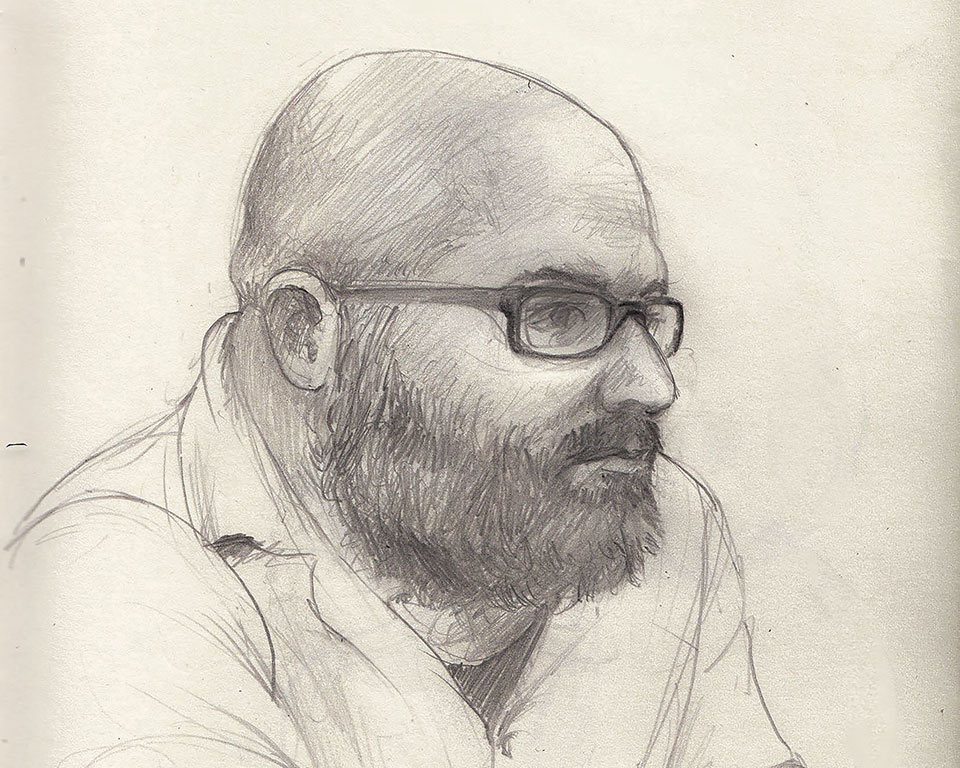
***Στη φωτογραφία, πορτραίτο του Ζήση Δ. Αϊναλή, από τον Αλέξανδρο Καραβά. Μολύβι, 2018.

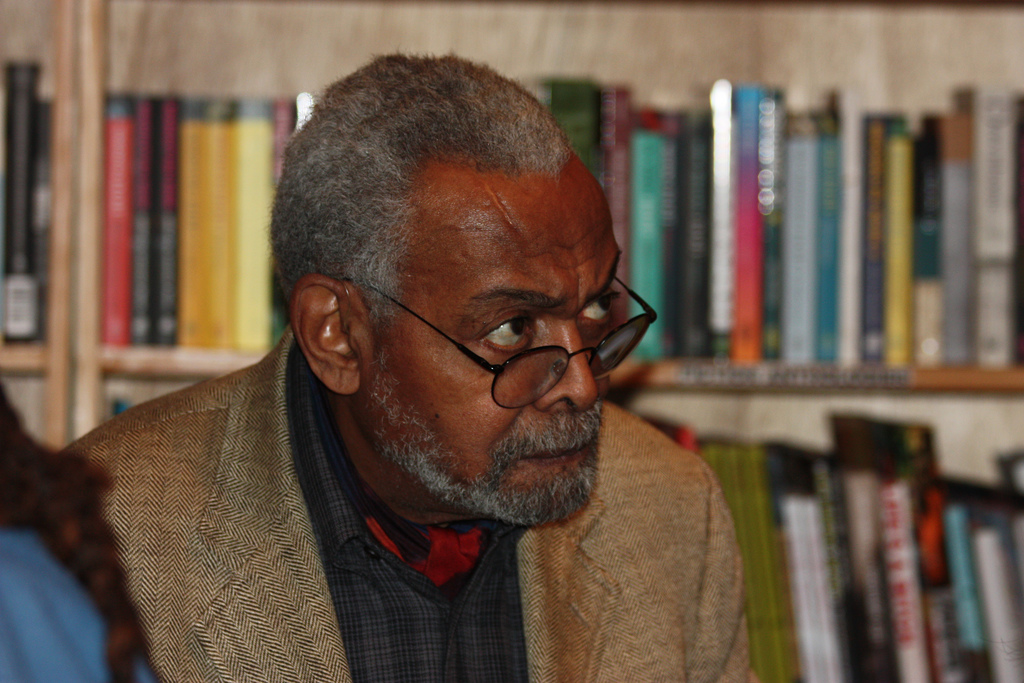
Amiri Baraka, Σοφός 4

Πανωφόρι δεν είχα
ούτε διπλή μερίδα
ούτε κρεβάτι μαλακό ούτε εύνοια
ούτε σχέση με τον αφέντη

η νύχτα ήταν σκοτεινή
τα μάτια μας δεν είχαν συναντηθεί
πήρα τη ζωή μου στα χέρια μου
και τον δρόμο μου προσπάθησα να βρω

κουβέντες άκουγα
για φωτιές και λαύρες
και για των θεών τον θάνατο

πάνω στη γλίτσα που κοιμόμουν
τέτοια λόγια
με ζέσταιναν

τέτοια λόγια
φώτιζαν τον δρόμο μου

ποτέ μου δεν είχα τίποτα πέρα από ζόρια και τιμωρία
χαρά από μόνος μου βρήκα, και μαύρη γυναίκα,
που με πήρε απ’ το χέρι κι έγινα αυτό που είμαι

ποτέ δεν είχα τίποτα
πέρα από ένα κεφάλι μες στα αίματα
ένα σημάδι, τα δόντια που μου έσπασαν

ποτέ δεν είχα τίποτα παρά
μονάχα του φονιά την αποτυχία / ναι
η νύχτα ήταν σκοτεινή
παγωμένο το χώμα

ποτέ μου δεν είχα τίποτα, και τα λόγια
του ξεσηκωμού
με ζέσταιναν

για μένα το τραγούδι ήταν σκοτάδι
που μέσα του μπορούσα να σταθώ
το προφίλ μου έλιωνε μέσα στον μαύρο αέρα
κόκκινη ήταν η πυρά του αρχοντικού που καιγόταν

σ’ ένα απ’ τα τρελά όνειρα τον εαυτό μου τον έλεγα
Κολτρέην
βουτηγμένος σε μαύρη και κόκκινη φωτιά
σ’ εκείνα τα τρελά μου όνειρα τον εαυτό μου τον έλεγα
Θελόνιους
κι αυτό συνέβη τον 19ο αιώνα!

*Μετάφραση: Γιάννης Λειβαδάς.

Κωνσταντίνος Καραγιαννόπουλος, στο χάραμα του στίχου

μας φάγανε οι λύκοι
φιλαράκι
κι απ’ όλες τις γελοίες
αβρότητες
μας έμεινε μονάχα
ένας στίχος παυσίπονος
για τις δύσκολες ώρες

*

στο χάραμα του στίχου
αναβοσβήνει μια μνήμη
μόλις χθεσινή
που φοβάται
καθώς όλο και λιγοστεύει

*

…και καθώς ο δρόμος
ανοίγεται μπροστά του
όλο πισωπατά
ο ποιητής
προς τη ζεστή μήτρα
της αρχικής του έμπνευσης

Μίλτος Σαχτούρης, Η Μαρία

Η Μαρία σκεφτική
έβγαζε τις κάλτσες της

Από το σώμα της έβγαιναν
φωνές άλλων ανθρώπων

ενός στρατιώτη που μιλούσε σαν
ένα πουλί
ενός αρρώστου που είχε πεθάνει από πόνους
προβάτων
και το κλάμα της μικρής ανεψιάς της Μαρίας
που αυτές τις μέρες είχε γεννηθεί

Η Μαρία έκλαιγε έκλαιγε
τώρα η Μαρία γελούσε
άπλωνε τα χέρια της το βράδυ
έμενε με τα πόδια ανοιχτά

Ύστερα σκοτείνιαζαν τα μάτια της
μαύρα μαύρα θολά σκοτείνιαζαν

Το ραδιόφωνο έπαιζε
Η Μαρία έκλαιγε
Η Μαρία έκλαιγε
το ραδιόφωνο έπαιζε

Τότε η Μαρία
σιγά σιγά άνοιγε τα χέρια της
άρχιζε να πετάει
γύρω γύρω στο δωμάτιο

*Το ποίημα και η εικόνα της ανάρτησης ανασδημοσιεύονται από εδώ: https://poiimata.com/2023/01/03/maria-sahtouris/

Γιάννης Σγουρούδης, Μικροί εσπερινοί 

I

Ένας κουρδιστός ήχος,
ίσως
τίποτα το σπουδαίο.
Ένα σπίτι στη θάλασσα
ένας βράχος
ένας τσαλαπετεινός,
καθρεφτίζει τη ψυχή της
με μια βελόνα ράβει
τις κλωστές των χρόνων
παίζοντας τα υφάσματά τους
–φρύγανο– της λύπης.

II

Πέθανα εχθές βράδυ που
δεν σε είδα.
Τι κι αν σε έβλεπα
μετά όλες τις μέρες!
Εκείνη τη νύχτα πέθανα.

III

Ένα κομμάτι ψυχής που
ράβω,
ένα παραμύθι που
διάβασες,
ένα μωρό που γελά.
Σκεπαζόμαστε.
Ύστερα νύχτα, νύχτα πολύ.

IV

τι να πεις, συμβαίνει
οι άνθρωποι να χάνονται,
παρά να επιθυμούν.

*Το ποίημα και η εικόνα της ανάρτησης αναδημοσιεύονται από εδώ: https://fteraxinasmag.wordpress.com/2023/01/05/μικροί-εσπερινοί-γιάννης-σγουρούδης/

William Carlos Williams, Τρία ποιήματα

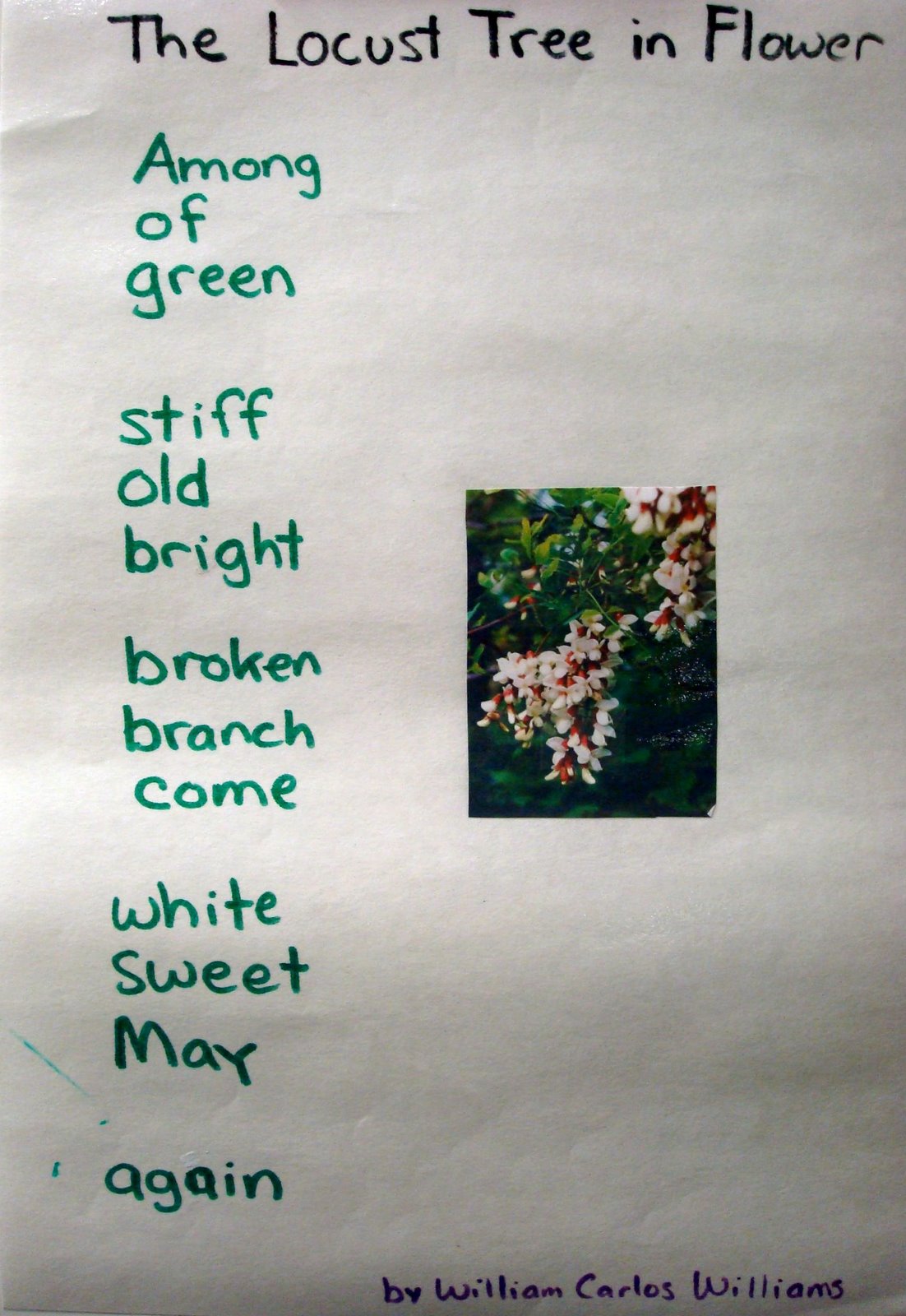
ΤΟ ΑΝΘΙΣΜΕΝΟ LOCUST*

Μέσα
στο
πράσινο
άκαμπτο
γερασμένο
λαμπερό
σπασμένο
κλαδί
έλα
λευκέ
γλυκέ
Μάη
πάλι

*Το Locust είναι δένδρο της Βόρειας Αμερικής που λέγεται και ψευτοακακία.

*

ΟΛΟΚΑΥΤΩΜΑ

Η μέρα ήταν παγωμένη
Θάψαμε το γατί.
Πήραμε ύστερα την κούτα του
Μ’ ένα σπίρτο την κάψαμε
Στην πίσω αυλή.
Οι ψύλλοι που γλιτώσανε
Την ταφή και την πυρά
Ψοφήσανε απ’ το κρύο.

*

ΠΟΙΗΜΑ

Καθώς η γάτα
σκαρφάλωνε στην
οροφή του
ντουλαπιού με την μαρμελάδα
πρώτα το δεξί
μπροστινό της πόδι
προσεχτικά
κι ύστερα το πισινό
κουτρουβαλιάστηκε
στο κενό
της άδειας
γλάστρας

*Μετάφραση: Τάσος Κόρφης.

Νίκος Νομικός, Τρία ποιήματα

ΕΝΑ ΛΟΥΛΟΥΔΙ ΤΗΣ ΚΕΦΑΛΟΝΙΑΣ

Στην Σοφία μου
Πρώτο

Τρία ποιήματα αφιερωμένα
Στης ζωής μου τον άγγελο

Είναι κάτι μέρες αλλιώτικες
απ’ τις συνηθισμένες
είναι σαν ένας σκοτεινός μονόδρομος
της αποκαλυπτικής οδοιπορίας
με την ψυχολαλιά βουβή στη στόχαση
του παρόντος και του μέλλοντος
είναι σαν ένα βαρύφορτο αναρριχητικό
που ανεβάζει με μισή αναπνοή
τα τραύματα στον ατελείωτο ανήφορό τους
μέσα απ’ τις βαθιές και μακρόσυρτες ώρες
ενός όρθρου βαθύφωνου στο κατευόδιο
αγάπης στης ζωής μου την Σοφία
μεσ’ την ουράνια ανάπαυσή της
με το γλυκό κι αξέχαστο χαμόγελό της.

Wantirna Health
Sunday 21/7/2019

*

ΤΟ ΒΑΡΟΜΕΤΡΙΚΟ

δεύτερο

Όλη νύχτα μου μιλούσες
για τις χαμένες ώρες του καημού σου
κι εγώ σε έβλεπα προσηλωμένος
στη φωτογραφία σου που μου έδειχνες
την απεραντοσύνη των ονείρων σου
μέσα στ’ απόκρυφα της μοναξιάς σου μονοπάτια.
Γι’ αυτό μου γνέφεις με τη χάρη σου
να σταματήσω πια την πίκρα μου
τώρα που ο ήλιος θ’ ανοίξει τα φώτα του
θα θαμπωθούν οι μέρες μου μ’ ένα χαμόγελο
φανταστικό για ν’ ανταμείψουν
τις δύσκολές μου ώρες.

19/8/2019

*

ΝΥΧΤΟΛΟΥΛΟΥΔΟ

τρίτο

Άνοιξή μου ολάνθιστη και πολυαγαπημένη
στείλε μου έστω και μια γλυκιά ματιά
όπως τα περασμένα τώρα που εγώ είμαι
απόμακρος της χρυσαυγής κι εσύ πενθοφορούσα.

25/8/2019

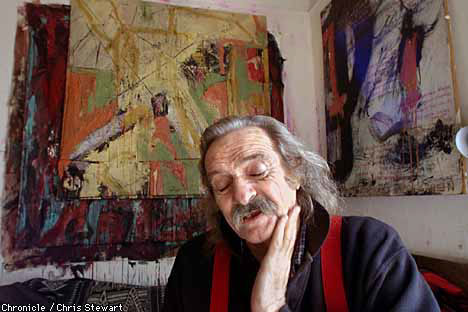
Jack Hirschman, Η ευτυχία

Υπάρχει μια ευτυχία, μία
χαρά μες στην ψυχή, που
ζωντανή θάφτηκε μέσα
στον καθένα και ξεχάστηκε.

Δεν είναι κάποιο αστείο στο μπαρ,
ή τρυφερό, βαθύ φιλικό χιούμορ
ή φιλική στοργή
ή ένα μεγάλο, έξυπνο λογοπαίγνιο.

Πρόκειται για τους ζωντανούς επιζώντες
αυτού που συνέβη όταν η ευτυχία
θάφτηκε ζωντανή, όταν
έπαψε πια να κοιτάζει
με τα μάτια τού σήμερα, κι ούτε
καν εκδηλώνεται όταν κάποιος
από μας πεθάνει, απομακρυνόμαστε
απλώς από τα πάντα, μόνοι

με ό,τι μάς έχει απομείνει,
συνεχίζοντας να είμαστε όντα ανθρώπινα
δίχως να είμαστε ανθρώπινοι,
δίχως την ευτυχία εκείνη.

*Μετάφραση: Γιάννης Λειβαδάς.

**Φωτογραφία: Chronicle/Chris Stewart

“I write poems to create space in language for hope”: A Conversation with Danae Sioziou

by Adam J. Goldwyn*

Danae Sioziou (b. 1987) was raised in Germany and Greece and works as a cultural manager and educator. Her books to date include Useful Children Games and Probable Landscapes, published by Antipodes Editions. Her first poetry collection was awarded both the Writers’ Society “Yannis Varveris” Prize for Young Authors and (ex aequo) the State Literary Prize for New Authors. Sioziou was, for several years, co-editor of the poetry journal Teflon. Her poetry has been translated into more than twenty languages, anthologized (e.g., by Karen Van Dyck in Austerity Measures, 2016), and presented at numerous festivals and other events in Greece and abroad. She is a member of Versopolis, PEN Greece, and the Book History Hub at the National and Kapodistrian University of Athens. She has facilitated many artistic, cultural, and educational projects in Greece and in Europe collaborating with local and international institutions.

Adam Goldwyn: Many anglophone readers, myself included, first came across your work in the 2016 anthology Austerity Measures, which framed what the editor Karen Van Dyck called in the subtitle “the New Greek Poetry” around the economic crisis of 2008, when you were in your early twenties. How did coming of age during the economic crisis shape your poetry? How has your poetry changed as the economic crisis has become less acute?

Danae Sioziou: It has been fifteen years since the beginning of the economic crisis. Back then I was a student and co-editor of the literary journal Teflon. I have worked since I was eighteen years old to support myself, and the crisis only made my life more difficult. I think the crisis shaped my hopes and dreams and fears, but not in a flourishing way. I tried to understand who I was as I witnessed how people all around me were—and still are—struggling with profound and often disorienting economic, cultural, political, and social insecurity.

The crisis in Greece and the media attention it generated increased global interest in all things Greek, but it also imposed certain exoticizing, reductive, and colonially inflected frameworks. It is a fact that things like Greek cinema and anthologies of recent Greek poetry in translation—such as those by Karen Van Dyck and Theodoros Chiotis—have reached broad English-speaking audiences. The Greek arts scene has been said to have flourished during the crisis, but I resist this idea. “Crisis” is more than a term; it is a gaze and a framing that enables certain narratives of the present while excluding others.

It’s a cliché that art thrives in times of crisis. Artists, for example, need money, and money is time out of your life. I have always felt that this cliché underestimates and dehumanizes artists. Sometimes certain works of art shape the grounds for critique and resistance to hegemonic power and foster alternative languages and radical artistic and social imaginaries. But a crisis can also destroy voices. In Greece, for example, there is almost no literature produced by second- or third-generation immigrants. This is a huge loss. Yes, we can call it a crisis, but that means it requires both critical thought and creative and sustained interventions, and what followed the crisis of 2008 was far away from that.

“Crisis” is more than a term; it is a gaze and a framing that enables certain narratives of the present while excluding others.

Goldwyn: One of the tensions that I find so engaging is that your poems are not explicitly political but still respond to the current political and economic moment. “Poem for My Birthday,” to me anyway, shows how even passing the time on your birthday is shaped by invisible political forces; the narrator is literally covered in bills and tax forms, fielding calls from debt collectors, despairing yet resilient. How do you, as a poet, balance writing in and about a specific cultural moment in a way that can still be understood by a global audience not familiar with the Greek economic crisis, or even future generations of Greek readers who will not have lived through it?

Sioziou: I write poems to create space in language for hope. In Probable Landscapes, I wanted to challenge the emphasis that liberal thought places on individualism. I focused on inner and outer landscapes, exploring the relation to land, to ancestors, to others, and to the world. This kind of relation allows for an extended sense of selfhood and belonging. It is an exploration of the art and craft of poetry in terms of creating your own inner map, voice, and mythology. It combines modern and traditional means and themes along with an understanding of poetic rhythm and a vivid narrative style.

I write poems to create space in language for hope.


Goldwyn: “Poem for My Birthday,” like much of your work, reminds me of Kiki Dimoula, the second woman (and first female poet) elected to the Academy of Athens, for whom just being a woman writing poetry about women’s daily lives was in some sense a radical-feminist political act. Is writing about a woman paying her own bills—or, as in “Poem for my Birthday,” struggling to pay the bills—still a feminist act? Do you think of your work within the long tradition of Greek poetry, perhaps even as offering a feminist critique of a Greek poetic tradition that has been dominated by men writing about history, myth, war?

Sioziou: Kiki Dimoula was a great poet; her work constitutes an important part of the national curriculum, and she is a definite influence, especially in my early work. I am very interested in understanding the voices of the past, listening to them, remembering them, and I have long studied the work of women poets from previous decades. However, today I feel closer to contemporary women poets, and their work offers me great inspiration.

When I wrote this poem, “Poem for My Birthday,” I wanted to write a funny, bittersweet poem about my birthday playing with the idea of birthday goals and “birthday as a motivational fresh start” in the individualistic and antagonistic neoliberal reality where everything is measured in terms of success, self-improvement, self-care, etc. The critique of individualism in general reengages feminist critiques of liberal individualism and of masculine norms of self-sufficiency.

In my poetry, I consciously emphasize gender roles quite often because the so-called gender bias in Greece (as well as elsewhere) is still very strong. Gender is one of the central themes of my poetry, which also touches upon themes of language, imagination, oppression. I also write a lot about history, about myth, and about war, and writing on those themes is often a feminine act as well. I can’t keep from talking about what hurts. I try to compensate for it by creating dialogues between light and darkness, humor and irony, mythology and mundane reality. Like the hero of “Poem for My Birthday,” in my poetry I also often resist death and finality. However, after my recent brush with death I had to explore mortality, illness, and poetry in a very different way than I used to.1

Goldwyn: I see this feminist critique as another instance of the way in which your poetry is political without being political in “My Best Friend Is in Love with You,” where the narrator demands that her best friend’s beloved “build her a house”; this is not a particularly political statement, except in considering it as written against the housing and debt crisis in Greece and as a response to cultural norms about gendered expectations in marriage. When you sent me the poem, you told me that it is “in direct conversation with Hera Lindsay Bird’s 2018 poem ‘I want to get high my whole life with you’”: “on the level of the word, this is most evident in my line ‘you must build her a house,’ which invokes Bird’s parallel ‘and make you a beautiful house to live in.’”2 In Bird’s poem, however, she builds the house, but in your version, it is still the (presumably male?) beloved who should build the house, so there is a critique here both of economics—the difficulty of building a house during a debt crisis—and of gender—the expectation that a man provides for his wife. I think this shows something defining about the “New Greek poetry,” which is how it engages with viral internet poetry and how traditional language barriers don’t seem to bother increasingly polyglot and cosmopolitan younger poets. Is that true? How are international influences changing Greek poetry?

Sioziou: Unlike other countries, in Greece we have yet to see multicultural and multiethnic writers. I mean, yes, I was raised in two countries, and there are a few other examples of writers who are first- or second-generation immigrants, but what we don’t hear about are the stories of the generations of immigrants and refugees that have been arriving in Greece during the last few decades. We have minorities from Africa, the Philippines, Syria, Afghanistan, Iraq, and elsewhere, but where are their stories?

Greek poets are being translated, they collaborate, and they are members of communal initiatives and solidarity groups; they serve as distinguished members of creative platforms and organizations. Technology, social media, and the internet in general enable new forms of creative initiatives, communication, exchange of ideas, and gathering. The local interweaves with the global the way we experience it in our daily lives. Underrepresented minorities make use of such opportunities, but they remain underrepresented.

In Greece we lack a national book policy and national book center as well as decentralized facilities and organizations that would offer support and opportunities to writers that come from or live in the provinces, to writers of underrepresented minorities. The state as well as private institutions have been reluctant to offer financial aid, scholarships, or fellowships to writers, although they play a vital role in shaping the cultural assets of the country, its global representation, and its social, political, and artistic future as well. As for myself, I am a member of the Book History Lab in the National and Kapodistrian University of Athens, of the Versopolis poetry platform, and I collaborate with groups and institutions that facilitate cultural and educational initiatives. I am currently working on a new project that will hopefully allow me to fulfill some of my dreams for the future.

Goldwyn: Speaking of institutions that facilitate cultural and educational initiatives, this interview is in many ways a follow-up to a conversation we never had when we met at a dinner after the 2022 Onassis Foundation summer school on Constantine Cavafy—we were introduced by first names, and I didn’t realize at the time you were the Danae Sioziou. But in many ways, I see you and your poetry as the kind of mirror-image of Cavafy: like him, you are a polyglot poet born outside the Greek nation, but Cavafy was kind of the last diasporic writer at the moment when the nationalist idea of Greekness was collapsed to include only those within the borders of the modern Greek nation. Yet you and other younger Greek poets are writing at a moment when this nationalist Greekness is being challenged, as you say, by immigration to Greece, and by the new diaspora of Greeks into the EU and beyond. I see a lot of these tensions, for instance, in your poem “Berlin,” which largely takes place in a taxi in Germany, with the driver discussing the consequences of immigration, economics, and education. As a writer in Greek, born in Germany, fluent in English, writing (like Cavafy) for domestic and international audiences, what does it mean to be a Greek poet?

Sioziou: Yes, the Onassis Foundation summer school devoted to Cavafy is part of a range of educational programs directed at Greek and international academic communities and the general public. A few years ago, I designed the workshop “A poem, an image, an edition,” led by a poet and an artist, for the educational program “Cavafy Goes to School,” which was addressed to middle- and high-school students. In this workshop, students would read Cavafy’s work, get inspired by his poetry, and create their own handmade illustrated editions.

Cavafy was an Alexandrian Egyptian Greek poet, but I have never been to Egypt. I was planning to go this past year, but cancer changed my plans. I was going to visit my dear friend Nourhan Maayouf, who is an Egyptian artist, and explore Egypt with her.3 I was looking forward to this trip also because of the poetry of Cavafy. I have studied his work, I have taught his poetry in many different contexts, but the place where he lived remains out of reach for me. I understand that his world is not there anymore, but I would like to smell the air, the food, and look at the some of the landscapes he looked at. I would like to talk about his poetry with contemporary artists from Egypt. Nourhan and I were thinking of designing a cooking and poetry workshop and some other projects inspired by the poetry of Cavafy. I hope to make it this year if my health allows it.

But I don’t know what it means to be a Greek poet or a poet who writes in Greek. It certainly means you write in a language spoken by very few people. Language in general is an important issue for me since I am trilingual. I grew up in Germany and Greece and studied English. I also speak Spanish and have studied French and Turkish.

It would be important to understand poetry and arts in general as means to foster a space for alternative, unpredictable futures, beyond the limited probabilities of our present, as we search across politics, economics, psychology, and religion for sources of our current problems. Poetry and literature in general can offer another way of thinking about the world, of living together, of drawing attention to our interdependency and our need to support one another across sometimes quite radical differences. The pandemic and the feminist movements—in Iran right now, for example—show that we need global solidarity. We should hold out hope for the unexpected and use imagination to reverse the right-wing trend of our present. To be a poet today is to create space in language for hope and justice.

We should hold out hope for the unexpected and use imagination to reverse the right-wing trend of our present.

Goldwyn: As a translated writer and as a polyglot poet, how do you see your poetry within a cosmopolitan world literature read largely in English translation? Do you feel an obligation in your poetry to represent Greece or Germany or Greek Germans, or to represent or challenge a particular vision that English and international readers might have of Greece and Greeks?

Sioziou: I studied literature and history, which in turn cultivated my tendency to tell stories. It was a family thing as well; I was raised in a large extended family, some of whose members emigrated, so a very common habit in every gathering was storytelling. I believe storytelling bridged the gap between the pre-industrial landscapes of my parents’ village and the postmodern, capitalistic lifestyle that came after. It serves as a doorway into parts of their lives I have never known; those stories of survival are a powerful testimony.

I also think it is quite common. Language serves many different purposes in my writing. In reality, one part of the writer’s work is to trust the words and another is to manipulate them, because language shapes our brains and our reality before we can perceive it. For me, poetic language is a conduit of freedom. Sometimes I work on a piece whose language needs no mediation to reach the reader—which is actually quite difficult to achieve—and other times I allow words to do as they wish and trust the flow before I trust the meaning. I also enjoy using the banal and clichéd elements from everyday life alongside unexpected words or to express unexpected themes. These serve as good-natured pranks but also allow me and my poetic language to become more vulnerable and tender.

The only obligation I feel is to write poems good enough for someone to read without feeling it was a waste of time.

October 2022

Three Poems
by Danae Sioziou
translated by Adam J. Goldwyn

Poem for My Birthday

When it’s my birthday, I want to sleep all day long
covered in bills, W2 forms, postcards,
and I want to cry, but since I am not a crybaby,
I simply say that I will faint and then go to sleep.
Because a birthday after thirty is
like when they surreptitiously open your mail
like when you try to park
and you have blocked traffic
it’s like getting a call from the debt collectors
whether you have a car, children, spouse, dog
or not, a birthday after thirty
is like you are waiting to shop the clearance sale
and you can’t find anything in your size
in general terms it’s not your fault
when it’s my birthday I’m an answering machine
without space for new messages,
someone who hitchhikes on the wrong side of the street,
when it’s my birthday I can’t remember
what’s the big deal
I’m unbearable
and I’m not at all afraid of metaphors
when it’s my birthday, I suddenly remember
that I want to live forever
and I ruin the party.

Burglary

As I open the door to my house,
I think that poetry is a privilege
like the expensive toys of childhood
or listening to your favorite song for the hundredth time
under ideal listening conditions
like kissing the love of your life
like millions of sparkling ponies
like life on other planets
like honey that dissolves completely in tea
like herds of lightning in the distance
and I like writing poems
as I like lying in the grass
eating cream with apricots, petting dogs
and even if people don’t like to hear poems
I like their sound
the way you put the words in order
the way you open the door holding the keys
to an inviolable house
I like writing poems
like cats like licking themselves in the sun
and I want to get good at this work
I want to get good at this work.

My Best Friend Is in Love with You

My best friend is in love with you
and you must build her a house
because she’s my best friend
and she’s in love with you
she aligns herself to your thoughts
just like the magi to the North Star
her every step follows this thought
magnetically drawn toward your constellation
like a temple complex
like a mathematical sequence
like a symphony
like end credits
like two hundred and fifty flavors of ice cream
like a collection of short stories, poems, butterflies, coins
like any collection it too requires
a fanatic or someone lost
she’s my best friend and when she falls in love
her hair floats up toward the sky
it expands, grows long
and joy gets bigger like the moon
3.8 centimeters per year
you must build her a house
because she’s my best friend
And she’s in love with you.

Translation from the Greek

Translator’s note: From Probable Landscapes (Antipodes Editions, 2021).

1 In January 2022 Danae was diagnosed with cancer but did not publicly reveal her diagnosis until September.

2 Hera Lindsay Bird (b. 1987) is a New Zealand poet.

3 Nourhan Maayouf (b. 1990) is a Swiss-educated, Cairo-based visual artist.

*Adam J. Goldwyn is an associate professor of English at North Dakota State University. His most recent books include the biography Rae Dalven: The Life of a Greek-Jewish American (2022) and Homer, Humanism, Holocaust: Jewish Responses to the Crisis of Enlightenment During World War 2 (2022).

**From here: https://www.worldliteraturetoday.org/2023/january/i-write-poems-create-space-language-hope-conversation-danae-sioziou-adam-j-goldwyn?fbclid=IwAR3Mx3L748L2OAx3A-sbBAilOm3VtjxXF-vmkv7hLEWki7xyaGD09zANOfA