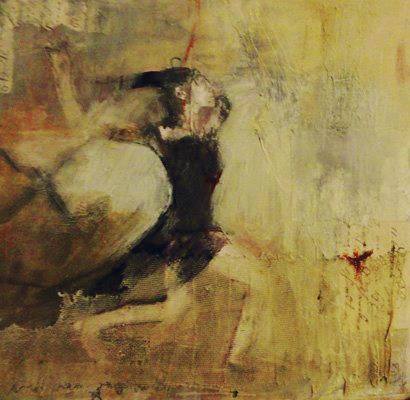
Σπύρος Μαρούλης, Ακούω ένα στρατό πάνω στη γη

10991064_840639899325732_8016936322542813035_n

Ακούω ένα στρατό πάνω στη γη
Βροντές αλόγων την οργώνουν
Τα πλευρά τους αφρισμένα αποζητούν
αλαζονική μαύρη πανοπλία
Ο ηνίοχος με περιφρόνηση κυματίζει το μαστίγιο
Μια φλόγα διασπά την κατήφεια των ονείρων τους
Οι κρότοι της καρδιάς τους, κρότοι από αμόνι
Καταφθάνουν κουνώντας θριαμβευτικά τη γκρίζα χαίτη τους
Έρχονται προς τη θάλασσα
κι αυτή πηγαίνει μέσα…
αγάπη μου αγάπη μου αγάπη μου
γιατί μ’ άφησες μόνο;
…………………………
Αναμένω ένα νέο είδος ομορφιάς
Ανυπομονώ να δω πως θα ‘ναι
Θα μπορούσε από μόνη της να υπάρξει;
Πόσο καιρό μετά από μένα;
Πόσο καιρό χωρίς εμένα;
…Αυτο-παρωδία…
Κοροϊδεύω τον εαυτό μου
και το Μέλλον!

*Το ποίημα και η εικόνα της ανάρτησης αναδημοσιεύονται από τη σελίδα του Σπύρου Μαρούλη στο Facebook.

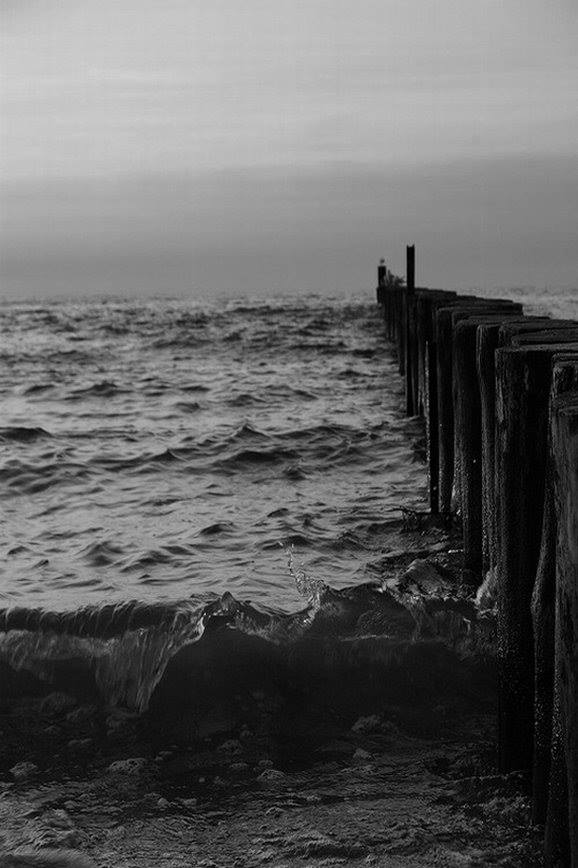
Nanja Noterdaeme, Ποιήματα για τον τζίτζικα

10994064_10203490559647623_4600837150198396066_n

Ι

Πες το, δεν ήρθες να γράψεις τίποτα
Πες το αναγνώρισέ το
δεν έχεις πια να γράψεις τίποτα
Δες το, δέξου το, αυτόν ήρθες να δεις
και είναι η μόνη αλήθεια
Αυτός ο άντρας που με την ομπρέλα του
Απλά δυο φορές χτυπά και διώχνει τους σκύλους τους
πιο τρομακτικούς.

ΙΙ

Πες το μια φορά, το γύρο του κόσμο, όχι
δεν θα το κάνεις για κανέναν πια
Απλά κατάλαβες ότι καταφτάνει το όνειρο
και είναι αρκετό για σένα
To όνειρο αυτό σε ξεπερνάει και δεν σε ζητάει
και πολύ, αναζητάει συντροφιά.

Έκατσε δίπλα σου. Δεν μίλησε. Έκατσε.
Έφτανε αυτό. Δίπλα μου.

ΙΙΙ

Δεν θα το πούμε το μυστικό, είναι δικό μας
Ας είναι πρόχειρο, ένα σχέδιο χωρίς γραμμές
Μεταμοντέρνο και πρέπει να το εφαρμόσουμε τώρα
Μόνοι μας και όχι μονομιάς
Να ψάξουμε δέντρα να μας προστατέψουν, φεγγάρια
για συνομιλία τις νύχτες τις μαύρες που η ψυχή γυρεύει
τον έρωτα και το συμπάν συναντάει την ύπαρξή μας.

Ούλαφ Χάουγκ, Τέσσερα ποιήματα

10930143_859088167465789_23735054674682379_n


Είσαι ο άνεμος

Είμαι μια βάρκα
χωρίς άνεμο.
Εσύ ήσουν ο άνεμος.
Αυτός ήταν ο δρόμος που ήθελα να πάρω;
Ποιος νοιάζεται για δρόμους
με άνεμο σαν κι αυτόν!

***

Μια λέξη

Μια λέξη -μια πέτρα
σε κρύο ποτάμι.
Μια ακόμα πέτρα-
Θα χρειαστώ πολλές πέτρες
για να το διαβώ.

***

Μεσοχείμωνο: Χιόνι

Μεσοχείμωνο: Χιόνι
Έδωσα στα πουλιά ένα φελί ψωμί
μα δεν επηρέασε τον ύπνο μου.

***

Σελήνη

Κρύβει το ατσάλι της
Σε ασημένιο θηκάρι
Στην άκρη υπάρχει αίμα.

*Αναδημοσίευση από το περιοδικό “Ένεκεν”, της Θεσσαλονίκης, τεύχος Ιανουαρίου-Φεβρουαρίου-Μαρτίου 2014 (σελ. 155 και 159).

David Dick reviews Stu Hatton’s glitchings

glitching

glitchings
by Stu Hatton

(outer) Publishing, 2014

‘Glitching,’ sharp and immediate, is a – word that sounds like it belongs to this modern internet and computer age: moments of fracture as a website struggles to load, fragmented by popups, weird demands of your exact location and the failure of Flash to connect properly. It suggests twitching and distorting monitors, the crackle of an old modem and illogical videogame surrealism, frustrations and interruptions ‘Not of substance but of form’ (‘entheogen’).

Stu Hatton’s book, glitching, is true to this contemporary sense of the word, laying bare a poetry that often seems to have been ground through the blunt binary language of computer programming. Like the 1s and 0s of binary code, Hatton’s poems are largely visual, his language jerking between, even through, various grammatical signs – dashes and slashes, ellipses and parentheticals, question and quotation marks. The effect is a sense of broken transmission, often leading the reader to moments of distracted or disappointed insight:

who’s impersonating who
here? / who’s mindblowing

who (she too
is edgy / & interior

/ late-night
drip-crack /

(‘coupling’)

The question – pertaining perhaps to a sense of poetic tradition – dissolves, the slashes acting like internal line-breaks, as the speaker evasively resorts to non-sequiturs and blunt, ‘coupled’ syllables. Whatever is being projected belongs to the poem: ‘hedges & trades (they | ride within / the system.’
Continue reading

Δημήτρης Τρωαδίτης, δεν λέμε λέξη

godlab

δεν λέμε λέξη
για τα λεπτά που φεύγουν
μόνο ενδοιασμούς έχουμε
για κείνο
και για τ’ άλλο

εδώ κι εκεί διάβολοι
σκούροι
φαιοπράσινοι
αναδύουν μούχλα

μια ελευθερία ξιπασμένη
με ιδεολογίες γυμνές
καρφωμένες στο πάτωμα
εσωστρεφείς
υστερικές

αναλύοντας τόμους διαφημίσεων
με ευλάβεια

Νεκταρία Μαραγιάννη, Δύο ποιήματα

559543_1617410605140224_792144444090284953_n

Διαδρομή

το τιμόνι
κινείται
(μόνο) όταν
η άγκυρα
πέφτει
στην έρημο
και τα πανιά
κοιμούνται

Νέττα, 25/2/2015

***

Εις μάτην

ένα ακόμη φύλλο προστέθηκε
στην αποθήκη των κεκτημένων∙

οι μαριονέτες αγοράζουν ράφια
και τα διακοσμούν με χαρτί πολυτελείας
για ένα (δήθεν) καλύτερο φαίνεσθαι
στην επιδερμική κοινωνία της πρόσληψης,
εισπνέοντας το καρκίνωμα
που αντικατέστησε το οξυγόνο

Νέττα, 2/2/1015

Yasar Kemal, My Hawk

ykemal_portre_hat

by Dmetri KAKMI


Yasar KEMAL


Few writers have so identified themselves with their own country as Yasar Kemal. After reading his prodigious output one is first aware of the land and then of legend. Where one ends the other begins, and at some point fuse into one so that the land becomes legendary, and Yasar Kemal its reigning hawk.
Yasar Kemal was born in 1922 in a village on the Chukurova plains. After a basic education, he became an agricultural labourer and factory worker who took it upon himself to champion workers’ rights. After a brief stint as a journalist, he published his first novel, the award-winning Memed, My Hawk in 1955.

For over three decades Kemal has identified himself to such an extent with the unforgiving yet sublime Taurus Mountains, the Chukurova plains and its toiling people that the one word that best describes his work is perhaps lapidary. As the word suggests, Kemal is elegant and concise in both word and wisdom. He is the emblem of a lost but not yet forgotten Anatolia in the most profound sense.
Fact and folklore intermarry in Yasar Kemal. His best work is about old agrarian Turkey giving way to a new modern industrial nation. The clash of past with present, the disintegration of village life and the expansion of the city are all part of his oeuvre. As progress marches on, it devours the traditional village, isolated in time and place, routing out the little people whose only recourse to justice has long been through self-administered vengeance.
Continue reading

A Hundred Gourds 4:2 released

banner_AHG_entry

The seasons roll around. Today, the first of March, Australia and New Zealand welcome our first day of Autumn whilst those of you in the Northern Hemisphere are anticipating Spring’s arrival. Wherever you are in the world, the 14th issue of A Hundred Gourds, a quarterly journal of haiku, haibun, haiga, tanka and renku poetry is now online for your reading pleasure.

AHG 4.2 Feature –The Seabeck Haiku Getaway: an interview with Michael Dylan Welch

Aubrie Cox, our haiga editor, was on the spot for the annual Seabeck Haiku Getaway, which is held in the beautiful, historical mill town of Seabeck in Washington, USA, close to the Canadian border. Aubrie has conducted an in- depth interview on the subject of this enviable retreat with the founder and organiser, Michael Dylan Welch.

Expositions Section

Due to the unexpected departure of Matthew Paul as Expositions editor last year, A Hundred Gourds will be looking for a suitable editor for our Expositions section in 2015. Please direct any inquiries regarding the Expositions section and submit reviews, essays or commentaries for 2015 issues of AHG to me, Lorin, until further notice. In this issue, Michael Dylan Welch explores the use of haiku in David Patneaude’s young-adult novel, Thin Wood Walls, Jim Sullivan comments on two ‘bee’ haiku and Cynthia Rowe and Ray Rasmussen review recently published haiku books.

Submissions Deadline
The deadline for all submissions to AHG 4.3 (the June 2015 issue) is March 15th. AHG has an open submissions policy: any submissions received after the deadline will be filed for consideration for the September 2015 issue. Please check our submissions page for details and editors’ guidelines.

Please take the time to read the AHG submissions page, including the editors’ individual comments, and ensure that your submission complies with all requirements.

Lorin Ford – Haiku Editor, Managing Editor ahundredgourds

http://www.ahundredgourds.com

Γεωργία Τρούλη, Σειριακή αυτοκρατορία

topic_3036

Η συμπύκνωση
Η συμπύκνωση
Η πύκνωση
Πυρακτωμένη και διαμπερής
Το σημείο τήξης
Το σημείο δράσης
Το σημείο Μηδέν
Το Άπειρο σημείο
Το σημάδι που αφήνει
Πυρακτωμένο ασημένιο
Χάλκινη φλέβα
Πρόσθετο χέρι
Από κρυοπηξία χαμένο προ πολλού
Και κομμένο από τον λαιμό
Κάποτε το σημάδι στο μέτωπο
Στην κοιλιά
Και κυρίως η τήξη στα γεννετικά υγρά

Οι μεσοποτάμιοι κήποι –τα έργα
Κάποια άδειασαν από
Λουλούδια
Ιστορία
Αλφάβητο
Ήρθαν στέρεψαν
Για αιώνες
Η εποχή των παγετώνων
Είχε κάνει εμφάνιση
Εντυπωσιακή
Η Συριακή αυτοκρατορία
Του ενός κυττάρου
Έγινε Σειριακή
Σχεδόν σιαμαία
Αναζήτηση
Ο-1
Σχεδόν σιαμαία
Από εκεί κι έπειτα
Ανά ζεύγη

Yvan Goll (1851-1950), Λιβάδι μου εσύ

haar-in-de-wind

Λιβάδι μου εσύ
Με χείλη βερύκοκα!
Στα ατάραχα νερά των ματιών σου
Παραπατούν δύο ρυάκια με ξυλοπόδαρα
Κι εγώ την κατάκοπη ψυχή μου
Την έχω εκεί μέσα.

Μη με λησμόνει ανθίζουνε
Στα λακκάκια σου
Και σου μοιάζουν όλα σαν μικρές ανηψούλες.

Ο άνεμος παίζει άρπα στην κόμη σου.
Και σαν Άγγελος Κυρίου μου τραγουδάει
Από τα πέρατα η καρδιά σου.

*Μετάφραση: Γιώργος Κεντρωτής.
**Το ποίημα και η εικόνα της ανάρτησης αναδημοσιεύονται από Αλωνάκι της Ποίησης στο http://alonakitispoiisis.blogspot.com.au/search?updated-max=2015-02-26T00:00:00%2B02:00&max-results=15