Δώστε μου χιόνι· βυθίζονται τα πόδια σκύλου ερημιά.
Φέρτε τους πάγους – κρέμονται από τα μάτια ωχρής γυναίκας τη σάρκα έκλεψε πριν η ελπίδα μας μαγέψει.
Αλλάξτε το πρόσωπό μου σε ορυχείο ασήμαντο· το χαμόγελο μάταια περιμένει στερέωμα διάστικτο εμένα.
Επιστρέψτε στις πόλεις σας μ’ ακούτε; Αργές περπατησιές βλέμματα πόθου, φόβος συντριβής.
Σας έφερα το παιδί της νύχτας δεν βλέπετε στο δέρμα του ακίδες και ένα φως από το σκοτεινό καμένο;
Γυρίστε μου τη φιδομάνα· την έβαλα σ’ ένα καλάθι που το αγκάλιαζα στην κόγχη και τρέλανα από τη βία της αγάπης.
Όλα τελειώσαν, άνθρωποι, μέσα σε χύτρες αποφόρια και λιμάνια με τη βρομιά ενός λαδιού από στουπί που βύζαινα πριν δώσω στη σκιά ό,τι οφείλω.
*
Πεινασμένο
Αναμαλλιασμένο σε βρίσκω μες στο μεθύσι των σκουπιδιών στεγνή θάλασσα άλαλες αχιβάδες μυστικός στρατός, βαρήκοε. Κλειδαμπαρωμένοι οι βασανιστές μου για να μη βλέπω και να μη θυμάμαι τον ακέφαλο μύλο που ξεδοντιασμένος αποχαιρετά. Τώρα σ’ αγκαλιάζω επισκέπτη μοναδικέ προστάτη μου έως ότου φύγει για πάντα το φιλέρημο.
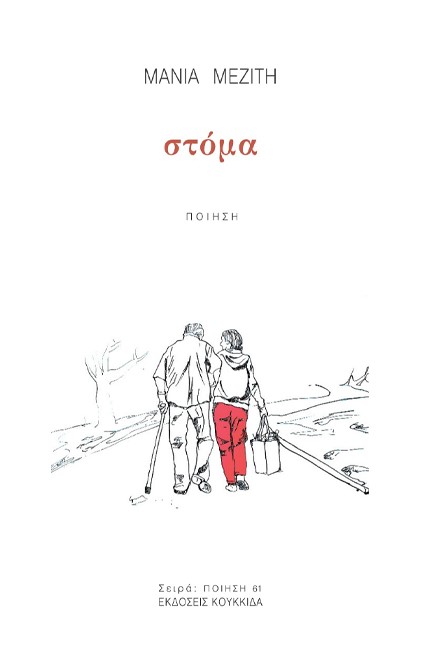
*Από τη συλλογή “Καρναβαλιστής”, Εκδόσεις Κέδρος, 2011.
Ο πατέρας μου δούλεψε σε πολλές φάμπρικες στην πόλη. Πουθενά δεν έμεινε πολύ και παντού τον θεωρούσανε ηλίθιο. Ακόμα κι όταν έκανε ακριβώς τη δουλειά που του είχαν αναθέσει. Όχι όμως όσο γρήγορα όφειλε. Στη γραμμή συναρμο- λόγησης, στην αποθήκη, κάποιες φορές στον κήπο. Μπορούσε τα πάντα και δεν μπορούσε τίποτα. Έκανε λοιπόν τα πάντα ποτέ όμως όπως ήθελαν οι διοικούντες, που δεν ήξεραν καν το όνομά του. Ήταν απλά ένας ανειδίκευτος που δεν ήξερε καλά καλά να γράφει. Μπορούσε όμως να διαβάσει τα σπειρώματα, τις ραβδώσεις, τους αρμούς και τις θυρίδες. Παραήταν δυνατός παραήταν αδύνατος, πάντα έβρισκαν τρόπο για να τον ξεφορτωθούν. Ήμασταν ευτυχείς όταν είχε δουλειά, γιατί τότε δεν παρίστανε στο σπίτι το αφεντικό. Δούλεψε στην Busch-Jaeger Στη Phoenix, στη Vossloh, στη Wilesco και κάθε που διασχίζουμε την πόλη με τ’ αυτοκίνητο πάντα μου δείχνει τα μέρη όπλο δούλεψε: “Έχω δουλέψει εδώ, κι εδώ, κι εδώ”. Ποτέ δεν είπε: “Πέθανα Στη δουλειά”, ποτέ δεν είπε: “Δούλευα σαν το σκυλί”. Η δουλειά ήταν αναγκαίο κακό, ποτέ δεν σε καθόρισε ποτέ δεν ήταν έκφραση της ταυτότητάς σου. Αυτό ισχύει ακόμα για μας. Δεν ανήκουμε πουθενά και σε κανέναν. Είμαστε απλά άνθρωποι, απλοί άνθρωποι, που δεν θέλουμε να είμαστε αφεντικά, που δεν ανεχόμαστε τ’ αφεντικά.
Adrian Kasnitz (1974) από τα «Εννέα Ποιήματα», μετάφραση από τα γερμανικά Zazra Khaleed, περιοδικό Τεφλόν, τεύχος 33. Καλοκαίρι-Φθινόπωρο 2025.
την Μποβαρύ αν θέλεις την τολμάς δεν τη δανείζεσαι
*
Ιωνάθαν
Στην ταχυσφυγμία εδρεύει το κλάσμα εξώθησης μικρή είχες μπούκλες ξανθές σε βάζανε στο κεφαλόσκαλο δεν κούναγες ώσπου να σε μαζέψουμε δυο μέτρα ύπαρξη κουκλάρα
σε λένε Ιωνάθαν αρσενικό γλαρόνι με άνοιγμα φτερών
Κάτι αναπτύσσεται σ’ αυτές τις κάμαρες, μέσ’ από γέλια και ψιθυρίσματα, που κάποια μέρα θα στραφεί εναντίον μου σα γάτα που αγριεύει. Η καμπύλη μιας ράχης τινάζεται κάποτε αχνή στον αέρα, με μιαν ένταση σπάνια για δοκιμή. Θα είναι, σκέφτομαι, η σπανιότερη γάτα του κόσμου. Βάζω φαγάκι και νερό σε μια γωνιά, καλοπιάνω τις γάτες που ξέρω. Και νιώθω ανίσχυρη, πάμφτωχη. Δε θα μερώνει, δε θ’ αγοράζεται, θα μου βγάλει εξάπαντος τα ωραία μου μάτια.
[Ο μέγας μυρμηγκοφάγος]
8
Από χρυσό και μαύρο
Νύχτα, εσύ που περνάς τ’ αστεράκια σου απ’ το πιο ψιλό κοσκινάκι, και κρατάς μόνο τα λεπτά, τα λαμπερά, τα φίνα, δίδαξε και μένα πώς να φτιάξω, από χρυσό και μαύρο, μια μικροσκοπική αστροφεγγιά.
Φορές που φιληθήκαμε πολύ στην Επταχάλκου με ημίπαλτο, λυκόφως και βροχή πλάι στο βράχο με τα δίφυλλα παράθυρα και τις κορνίζες στα καθιστικά και τα υπνοδωμάτια και την άσπρη πινακίδα παραδίπλα, “Διατηρείτε το βράχο καθαρό” έγραφε, μέναμε να αναρωτιόμαστε γιατί μόνο τον βράχο και όχι όλο τον ωραίο δρόμο Επταχάλκου με τα γκρενά περβάζια του και τις φωτογραφίες γάμων στις κορνίζες. Κρίμα να μέναμε με τέτοιες απορίες, άλλοτε πριν, ή και εν μέσω, κι άλλοτε αμέσως μετά τις τρυφερές μας περιπτύξεις.
*
Κάτω από τα δόντια του μεσημεριού
Ξέρω πως αν τεντώσω τα χέρια μου θα σ’ ακουμπήσουν και το χιόνι στις σόλες μου και στο γιακά μου και στις στέγες των σπιτιών με το ωραίο φινίρισμα και σ’ εκείνα τα φασαριόζικα πουλιά στα βουλεβάρτα, το χιόνι, λέω, θα λιώσει και τότε ιθύνοντες και περαστικοί θα μαγευτούν και θα στήσουν ψιλή κουβέντα με το σώμα τους και ποια μέρη τους υπάρχουν αυθύπαρκτα και ποια μέσα από τα σώματα που έχουν αγγίξει με τα χέρια τους κάτω από τα δόντια του μεσημεριού και αλλού
* Είναι ήδη νωρίς
-Μίλα μου. -Να σε φιλήσω θέλω. Να σε φιλήσω φιλώντας σε. -Μίλα μου ακόμα. -Να με φιλήσεις θέλω. Να με φιλήσεις φιλώντας με. -Λευκό το μαύρο μου στο σώμα σου. -Πάμε τώρα. Πάμε. Είναι ήδη νωρίς.
] *Από την συλλογή “stanza”, Εκδόσεις Gutenberg 2021.
Εικόνα πρώτη: Έχουμε πεθαμένους, ζωντανούς νεκρούς, για ποικιλία.
Εικόνα δεύτερη: Όσοι ονειρεύονται ακόμη λευτεριά, θυμούνται στιγμές ζωής, μα δεν θρηνούν φανερά, ντρέπονται που δεν τα κατάφεραν.
Εικόνα τρίτη: Στο πέλαγος, εκεί που πλέναν τα πόδια τους κάποτε, πλέουν φωτογραφίες προγόνων, όμως δεν θρηνούν και πάλι.
Εικόνα τέταρτη: Εκεί έξω, κάποιοι κλέβουν ό,τι άφησαν οι τελευταίοι, και οι διαθήκες πετσοκομμένα κορμιά… κι αυτές.
Εικόνα πέμπτη: Η γη δεν συμμετέχει.
Επίλογος: Θυμήθηκα πως κάθε φορά που έβρεχε, έκανα μια ευχή, όχι συγκεκριμένη — απλά έβγαινε ένα «αχ». Και αμέσως η μνήμη απολάμβανε στιγμές, ενώ εγώ, παρατηρητής, ανήμπορος ακολουθούσα
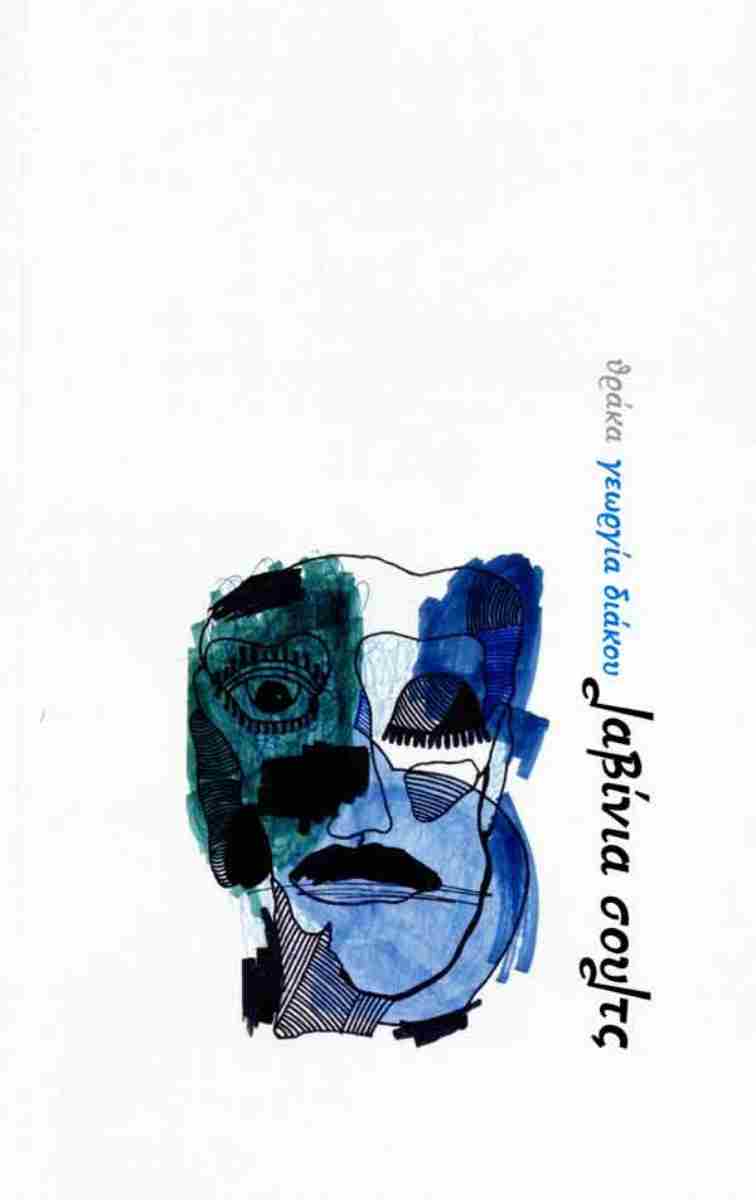
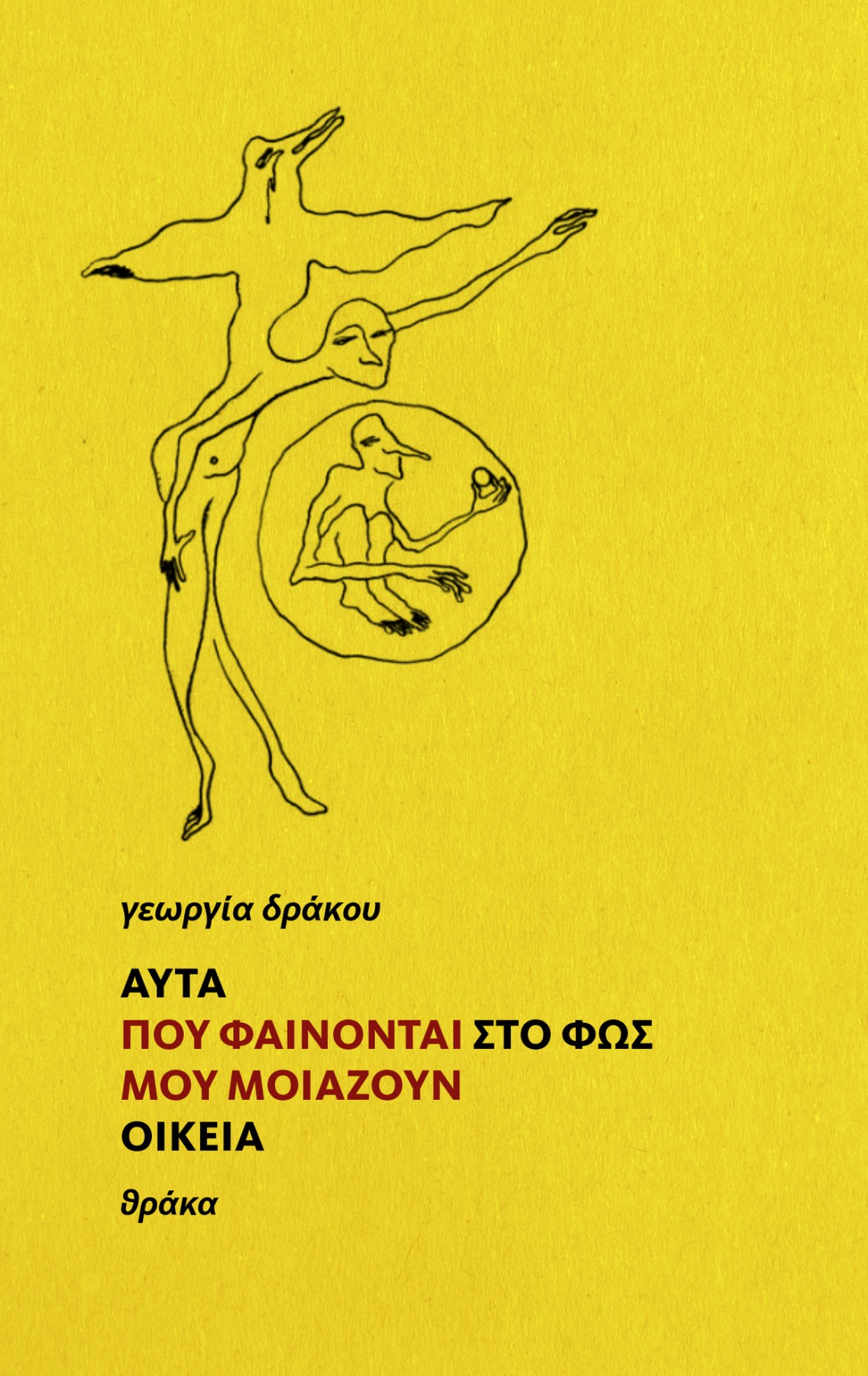
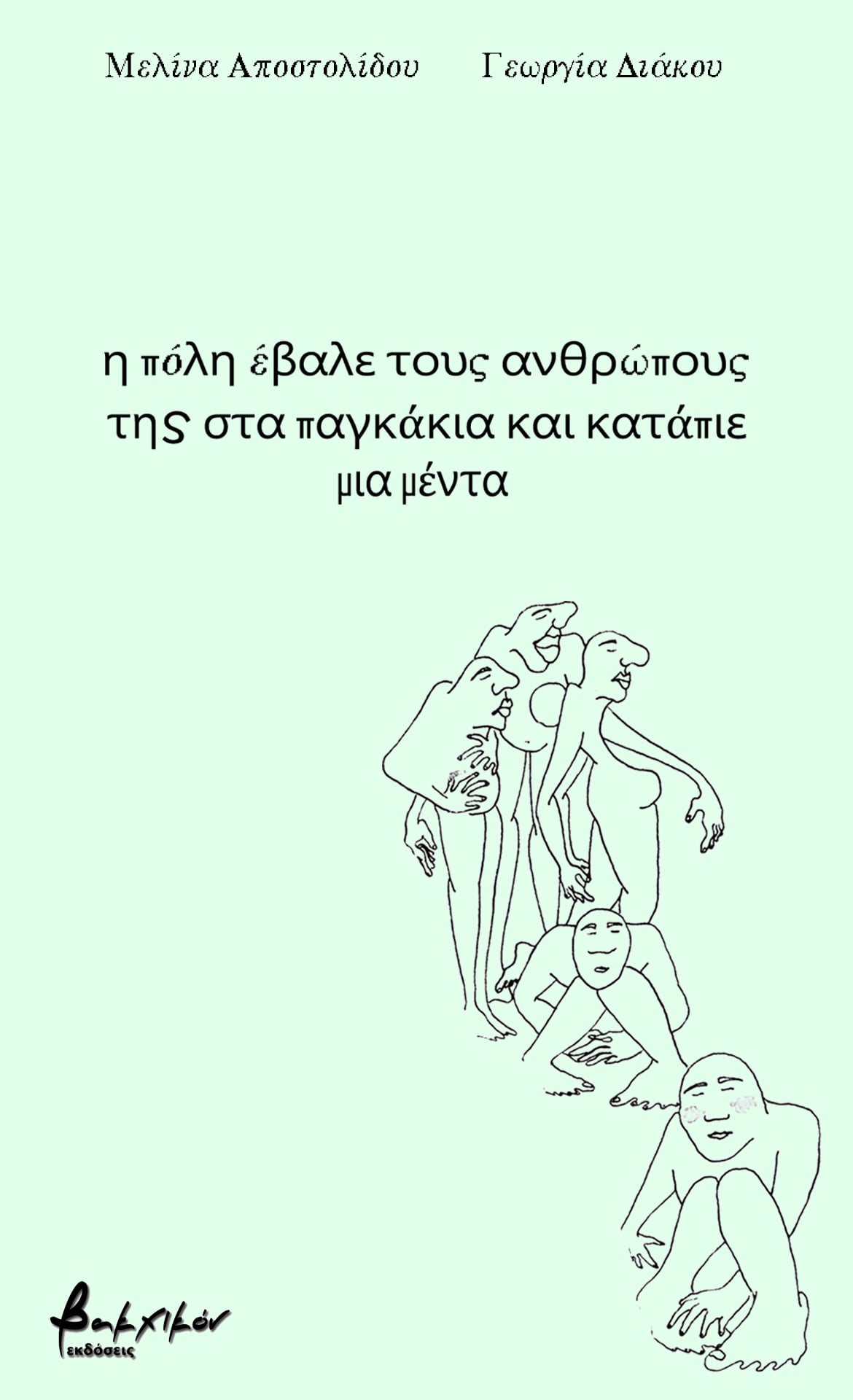
Georgia Diakou (1995) was born and raised in Karditsa. She graduated from the Department of History and Archaeology (2017) and she is a senior student of the Drama Department of the Aristotle University of Thessaloniki with major in direction. She has published the poetry collection What is seen in the light looks familiar to me (Thraka, 2022), nominated for the Yannis Varveris Award of the Hellenic Authors’ Society, she has co-authored with Melina Apostolidou the play The city put its people on the benches and swallowed a mint (Vakhikon, 2022), and the novella Lavinia Schulz (Thraka, 2024). She has also published poems in print and online literature magazines and writes in her blog https://sociallubricant.espivblogs.net/.
Your latest writing venture Lavinia Schulz (Thraka, 2024) deals with the issue of female empowerment, through the heroine of the book, an artist from the early days of the modernist movement. Tell us a few things about the book. Lavinia Schulz was a great modernist figure, actress, dancer, visual artist. She created and lived in an unconventional way for her time. She was a pioneer and became famous years after her death. She committed suicide after killing her partner Walter Holdt. I came into contact with her by chance. I am studying at the Theatre Department of the Aristotle University of Thessaloniki – a department with majors in acting, directing, stage design, dramaturgy, a tremendously comprehensive school of theater education by the standards of the country – and that’s where I first learned about Lavinia. I came upon her during the stage design courses. I started studying images of her trying to visually understand what she was doing and how. I kept doing so and I gradually started to shift from the artwork to the woman, a femininity of the early last century. The little information we know about her ignited my interest even more. I started writing the first paragraph on a Monday night and continued to do so by answering questions the process itself posed to me. It is a book that attempts to map femininity within patriarchal structures. Through the heroine’s inner view of her world, the systems in which she is entangled and the ways in which she exists within them are revealed. Furthermore, it was important for me that this book wouldn’t take a fictional biography turn, but rather raise issues of the broader context of that era through the fragmentary references to the historical events of Germany during the Weimar Republic, as well as issues of the present through the dialogue between Lavinia and myself. Finally, it is a book dedicated to my girlfriends, without whom I would not have been able to share and observe what it means to be a femininity in the present.
How could literature be used to deal with major social issues such as patriarchy, women’s rights, gender violence, etc? Literature is a metaphor of the world. Long narratives are now a thing of the past. Instead, we experience a world of fragments. (Post)capitalism is hurting us. The new right, reactionary movements, the rise of neo-fascist movements are present in our daily lives. At the same time social struggles are active; feminist movements, movements for the rights of LGBTIQA+, anti-racist, labour movements. Literature, initially literature written by femininities, attempts to record our own narratives. Literature has power and can display social issues given that it takes place within society. Even if you don’t write realistically your work constitutes a reflection of the historical moment and circumstance you are experiencing. We live in a patriarchy where gender violence is an everyday phenomenon. In Greece, in particular, there have already been 4 femicides in 2024, while in places of the world such as the US and Poland the right to self-determination of women’s bodies and termination of pregnancy is in question. The position we have in the world, our gender, our class, our privileges, are the identities we start writing from. We don’t write about them, we are them and what we are passes into literature. Then the work leaves our hands and reaches readers open to interpretation in the multiplicity of eyes that read and perceive the world through the prism of literature.
Your poetic language becomes surrealistic at times, while it is characterized by a certain unfamiliarity and experimentation. What role does language serve in your writings? Language is a tool that changes. We can no longer speak of a single language; language is a multiplicity used in different ways. In literature language is your matter, which is shaped historically while its use undergoes social transformation. Unfamiliarity and experimentation are constituent parts in writing; they are ways to exist in language and create a new realm of possibilities by sharpening my toolbox, by moving into terrifyingly unexpected areas myself (as my favorite Clarice Lispector writes on the book The hour of the Star). Language is potential.
How does your poetry converse with the world it inhabits? Could it be used to imagine what could be radically different realities? Poetry is the real reality, given that it constitutes the transmuted recordings of the world within us. Literature can both transform reality and create a new one. To imagine and implement, at least at an imaginary level, new realities, new ways of being, new social structures and relationships opens up a vast field of possibilities. Imagination is the first pillar of action. When we can imagine how the world can change, we are one step closer to making it happen.
Which are the main challenges new writers face nowadays in order to have their work published? What role do social media play in the way people read and write? How is language affected in this respect? The publication of a book is inextricably linked with the book market, a financial sector governed by profit, advertising etc. What comes first is the struggle of the subject who writes with herself and her material. Do I want to share what I write? Do I want to call myself a writer? With all the responsibility that such an identity carries both towards myself and society? Social media play a major role especially in the dissemination of literature. I read many poems on Facebook every day and I myself post on social media the project my sweet dinosaur, hybrid auto-fiction texts – so far 54 in number – along with photos. The screen gives you a feeling closer to the printed word; by posting on social media you take the necessary distance from your writing, which enables you to edit it at the same time. I believe that people have access through the internet to different kinds of writing and thus the ability to read enough worthwhile stuff to get in touch with how young people write. I don’t know if language is affected in the process. It is certainly shared, commonly used and transformed. Yesterday I was saying to my sister “think how much we use texting. You write to your friends. You don’t call them anymore. It’s your typed words that bring your relationship in dialogue through messenger.”
How do young writers relate to world literature? Where does the local and the national meet the global and the universal? I have been working as a waitress (among other things) for years now. I have come to realize how almost all the time I am serving coffee and drinks I have the poetry foundation website open and read a poem every time I have a spare moment. Colleagues, bosses, customers think I’m scrolling down the instagram. This little workplace escape has offered me incredible moments. It was in one such circumstance that I first read Natalie Diaz. I often think about the limits of language; the extent to which literature is defined by a national language. I write in Greek, a language that is far from widespread. Nowadays, the literary canon is dictated by the English language, the most widespread language in the world. I thus start from a locality defined by my Greek language and my life in Greece attempting to develop through reading and writing my relation to the global and the universal. The universal, however, is the veil within which every locality and language falls. Language is not the limit, it is the vehicle. Literature produces works in different languages that converse with each other and are contiguous in terms of both content and form, narrative techniques and style.
Και που να πάω μου λες γεννήθηκα μεγάλωσα αλήτεψα πέθανα κι αναστήθηκα εδώ
Δυο χρόνια μόνο έλειψα μακριά όταν με πήρανε φαντάρο
Πώς γίνεται ζωή χωρίς τις Εξοχές την Αρετσού τα Κάστρα το Ντεπώ χωρίς την Τσιμισκή με τις ωραίες γκόμενες
Και πού να πάω μου λες κοντά στο σπίτι μου η Τούμπα άμα κερδίσει ο Ολυμπιακός και λείπω πώς θ’ ακούσω τη σιωπή της κερκίδας
*
ΜΙΣΗ ΣΑΡΔΕΛΑ
Βομβάρδιζαν οι Ιταλοί με τ’ αεροπλάνα τους σαφής η διαταγή πάση θυσία αποκατάσταση της επικοινωνίας Υπάκουσες ανέβηκες στο τηλεγραφόξυλο διόρθωσες τη ζημιά βγήκες ζωντανός Σαν αναγνώριση ανδρείας η πατρίδα σε αντάμειψε με μισή —στο μπράτσο σου— σαρδέλα Από τότε με τα μάτια κλειστά κάνεις τον πεθαμένο κι άλλοτε πως κοιμάσαι μα δε με ξεγελάς εμένα που σ’ αγάπησα πολύ ούτε κοιμάσαι ούτε πέθανες μόνο δείχνεις στον μονάκριβό σου πώς να γλυτώνει απ’ τις σφαίρες
*
ΟΙΚΟΓΕΝΕΙΑΚΗ ΥΠΟΘΕΣΗ
Ένα ντιβάνι παλιά κουβέρτα στρατιωτική κι εσύ κρυμμένος μέσα με τη ντροπή σου για τα χρόνια της ανεργίας Ύστερα ήρθε η σειρά της μάνας να πέσει στο κρεβάτι με χίλιους δυο κρυφούς καημούς Τελευταίος εγώ με τα μάτια καρφωμένα στο ταβάνι να ψάχνω το λάθος μας
*Από τη συλλογή “Η σιωπή της κερκίδας”, Εκδόσεις Τύρφη, 2021.