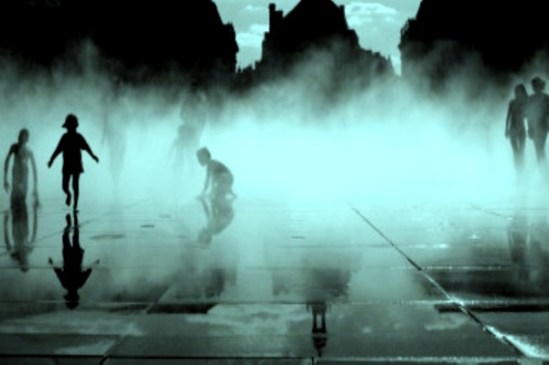
Tasos Livaditis//Τάσος Λειβαδίτης

vequinox's avatarManolis

cover

ΟΙ ΣΚΙΕΣ ΜΑΣ

Και μέσα στο σπίτι υπήρχε το άλλο εκείνο σπίτι — εκεί που η

μητέρα ήταν ακόμα νέα κι ένα φλάουτο ακουγόταν το βράδυ, όπως

όταν οδηγούν έναν τυφλό.

Σ’ αυτό το σπίτι είχαμε μείνει κι εμείς για πάντα, ενώ καθώς

ανάβαμε τη λάμπα, το φως της έριχνε μόνο τις σκιές μας στο

πάτωμα εδώ.

OUR SHADOWS

Within the house was that other house — when mother was

still young and a flute was heard in the evening like when

they guide a blind man.

In this house we had also stayed forever and as we lit our

lamp its light projected only our shadows on this floor.

Τάσου Λειβαδίτη-Εκλεγμένα Ποιήματα/Μετάφραση Μανώλη Αλυγιζάκη

Tasos Livaditis-Selected Poems/Translated by Manolis Aligizakis

www.libroslibertad.ca

View original post

Γεωργία Τρούλη, Επιφάνεια εγγραφής

Artwork: Γεωργία Τρούλη

Artwork: Γεωργία Τρούλη

Ο ύπνος
Τσουβάλι
Γεμάτο
Λευκό
Αλεύρι
Που
Ρέει
Αργά
Και δεν
Βιάζεται
Να
Τελειώσει

Ήχος
Που
Προσπαθεί
Να
Κάνει
Ησυχία

Ένας ύπνος
Που θυμίζει
Αλεύρι απαλό
Τρέχει
Λίγο
Λίγο
Από
Μια
Ελάχιστη
Τρύπα
Στην κάτω
Δεξιά
Γωνία
Ενός ασκού
Ενώ
Στέκεται
Ξεχασμένος
Στην
Άκρη
Του χνώτου
Ενός
Κάτι
Που
Έχει
Ζωή

Γιώργος Γκανέλης, Τρία ανέκδοτα ποιήματα

Από το ιστολόγιο http://diffusedlight-blogspot.com

Από το ιστολόγιο http://diffusedlight-blogspot.com

ΑΛΗΘΕΙΑ ΜΙΣΗ

Μισή αλήθεια με παλιό παλτό
Κρατά στο χέρι μια ζακέτα
Το βγάζει, μένει γυμνή
Γυμνός κι εγώ από τύψεις
Παίρνω σβάρνα τα μαγαζιά
Να ντυθώ σαν άνθρωπος
Ξέχασα πως δεν είχα σώμα
«Το νούμερό σας εξαντλήθηκε
Θα παραγγείλουμε αύριο».

Μισή αλήθεια με φτηνά γυαλιά
Κρατά στο χέρι ένα φακό
Τα βγάζει, μένει τυφλή
Τυφλός κι εγώ από χρόνια
Ανοίγω δρόμο στα σκοτάδια
Να αντικρίσω τον ήλιο
Ξέχασα πως δεν είχα κεφάλι
«Πού πάτε χωρίς ομπρέλα
Δε βλέπετε ότι βρέχει;»

Ποιος τελικά λέει την αλήθεια;

***

ΠΑΡΑΔΕΙΓΜΑ

Παραδείγματος χάριν
Βγαίνεις απ’ τη θάλασσα νεκρός
Παίρνεις ταξί για το νοσοκομείο
Υποβάλλεσαι σε πλύση στομάχου
Ανακτάς πάλι τις αισθήσεις σου
Και παίρνεις εξιτήριο για το σπίτι
Σε περιμένει η γυναίκα σου
Σε βάζει να καθαρίσεις πατάτες
Στο ράδιο η θεία λειτουργία
Παρατηρείς πως δεν υπάρχεις
Σε ξεματιάζει μια γειτόνισσα
Δεν έχεις παιδιά να σε μισήσουν
Κάθεσαι στη βεράντα μόνος
Μπαίνεις σε κλουβί καναρινιού
Αποκτάς ξανά την ελευθερία σου
Μένεις εκεί μέχρι να γεράσεις
Γκρεμίζεται η πολυκατοικία
Σε απεγκλωβίζουν οι διασώστες
Παίρνεις το πλοίο των εννιά
Πάνω στο κατάστρωμα πεθαίνεις

Στο πρώτο λιμάνι
Παίρνεις ταξί για το φρενοκομείο.

***

Ο ΤΑΡΙΧΕΥΤΗΣ

Κι αν η ζωή μου κύλησε βίαια
Σαν τον αφηνιασμένο άνεμο
Πρώτη πόρτα δεξιά το τέλος
Χτυπώ, μου ανοίγουν αμέσως
Κρατώ ένα μαύρο βαλιτσάκι
Με εσώρουχα, οδοντόβουρτσα
Καθαρές πετσέτες για το μπάνιο
Και το χρυσό σταυρό της νονάς
Με παραλαμβάνουν οι φύλακες
Με οδηγούν στην απομόνωση
Μόνη συντροφιά το ραδιόφωνο
Ακούω τις ειδήσεις που μιλάνε
Για μικρούς ανώδυνους θανάτους
Ο δικός μου, λέω, πόσο μεγάλος
Δεν απελπίζομαι, βάζω μουσική
Παραδίνομαι στην αιωνιότητα
Τα μαλλιά μου έχουν μακρύνει
Κι αισθάνομαι πολύ άρρωστος.

Τα βράδια ο ταριχευτής ψυχών
Χαρούμενος πιάνει δουλειά
Μένει να δούμε την κατάληξη
Πάντως το σώμα δεν το δίνω
Προτιμώ να το φάνε τα σκυλιά
Παρά να γεμίσει μπαλώματα.

Φτερά μελάνης, Aksinia Mihaylova | μτφρ. Μαρία Δούμπα

fteraxinas's avatarΦτερά Χήνας

vop

Από τότε που βρήκε τα γυαλιά του,
αυτός ο άνδρας όλο και πιο συχνά χάνεται
στους δρόμους της πόλης
και να θυμηθεί δεν μπορεί ποιος είναι.
Δεν παρατηρεί πώς του δωματίου οι τοίχοι
λικνίζονται τ’ απόβραδο,
πληγωμένα πουλιά – τα βιβλία
πετούν απ’ τα ράφια
και φτερά μελάνης σκεπάζουν
τα καθίσματα και το τραπέζι,
θολώνοντας το περίγραμμα των αντικειμένων
και τα ματαιωμένα φιλιά.
Ο αέρας δεν φτάνει,
και γι’ αυτό δεν διαβάζει στα μάτια μου
την κούραση κι αυτό που αποσιωπώ,
ότι δηλαδή δεν είναι πια κάστρο
το σπίτι μου.

Στην κοιλιά του αυτός ο άνδρας κρύβει
αχόρταγο σφουγγάρι,
που όλη μου τη χαρά ρουφά.

Από τότε που βρήκε τα γυαλιά του,
δεν βλέπει τα κολλημένα στο σπίτι
σημειώματα με το: «πότισε τα λουλούδια!»,
και γι’ αυτό μαραίνονται αργά αυτά
όπως οι πόθοι μου
κι ακούγοντας τις ξένες φωνές απ’ έξω,
όλο και δυσκολότερα αναγνωρίζω τη δική μου.

View original post

Γεράσιμος Λυκιαρδόπουλος, Νόστιμον ήμαρ (1998)

lykiardopoulos-ragismeno-tabourlo-bgclta

I

ώ μοι εγώ, τέων αυτε βροτών ες γαίαν ικάνω;

Εΐδαν πολλά τα μάτια μου
την τρέλα τη φωτιά τό θάνατο στις πιο αθώες σελίδες
θρόνους καινούργιους να στεριώνονται πάνω σ’ αρχαία κόκαλα
γενεές γενεών σε λόφους σκουπιδιών
σημαίες να πέφτουνε στα γόνατα
και τις χλωρές μου αποικίες να κουρσεύονται
από τη δυστυχία του τσούρμου μου

Είδαν πολλά τα μάτια μου

Πώς ξαναγύρισα τώρα στην πόλη αυτή
πώς ξεγελάστηκε το σώμα μου
και κλείστηκε ξανά στο ξοφλημένο αυτό βασίλειο
πώς
φάντασμα μέσα σε φαντάσματα ξαναγύρισα
άδειο τομάρι πειρατή νοσταλγώντας τη σάρκα μου
γυρεύοντας το σκοτεινό μου δίκιο από τους τοκογλύφους
μετρώντας στην αγύριστή μου κεφαλή σημάδια πετροπόλεμων
και τις παλιές ανάκουστες φωνές
Κάκια! Δημήτρη! Τζόγια!
μες στα ξεπουλημένα περιβόλια;

Υπήρχαν τόσοι άλλοι τρόποι
Φαρμακεροί λωτοί κι άγρια ψάρια
τραγούδια αλλόγλωσσα να πέσω να πνιγώ

πώς ξαναγύρισα σ’ αυτόν τον ξεσκισμένο τόπο
σ’ αυτή την ένδοξη γενέθλια δυστυχία;

ΙΙ

Οταν πήγα στη θάλασσα ξαναβρήκα τα λόγια σου
ηλικία θαμμένη αγραφή μου φωνή
λευτεριά που ματώνεις και το στίχο χαλάς
και το στίχο παγώνεις λευτεριά στα φτερά σου

Λευτεριά λευτεριά καραβάκι που πάει
το λευκό στο λευκό το χαρτί στο χαρτί
ποιος φυσα το τραγούδι στο ψηλό σου κατάρτι
ποιος σου σβήνει στη Νύχτα το λευκό σου πανί;

Το χαρτί στο χαρτί κι η φωνή μου του ανέμου
η ψυχή στ’ ανοιχτά κι οι σημαίες στ’ αμπάρι
— στο ξεπούλημα σ’ έδωσα όσο όσο να ζήσω
στο ξεπούλημα σ’ έδωσα κι έχω μείνει πια ξέμπαρκος

κι έχω μείνει ξεμέθυστος του θανάτου πουλί

ΙΙΙ

Ποια είναι η χώρα μου δεν ξέρω. όλα, Κυρά μου, μου τα πήρες.
Δεν έχω τώρα πού να πάω και τι να πω. Κλείνω στα στερνά και
το ραδιόφωνο, κλείνω τα μάτια μου και μένω μόνος κι έρημος
στο κρύο αυτό δωμάτιο, στην ξένη γη.

IV

αφιέρωμα σε αρχαίο κινέζο ποιητή

Οι δρόμοι όλοι κλείσανε και βρέχει
σ’ ένα μακρόσυρτο σκοτάδι ταξιδεύει η ζωή
από νησάκι σε νησάκι κι από ταβέρνα σε ταβέρνα
κανείς δεν ξέρει που τραβάει τούτο το ποτάμι

Κάθισε τώρα στο παράθυρο
κι άσε το ραδιόφωνο να παίζει
— γνωστές ηλεκτρικές φωνές
μιμούνται τ’ άγνωστα τραγούδια μας

παίρνουν ό,τι πεταμε και πλουτίζουν

Κάθισε τώρα στο παράθυρο
κι άσε το ραδιόφωνο να παίζει
η μουσική δεν λέει ψέματα κι ας θέλει
κάθισε στο παράθυρο παλιέ μου φίλε
οι δρόμοι όλοι κλείσανε και βρέχει
κανείς δεν είναι να φανεί ούτε κι απόψε

V

…δέν θά ’ρθούμε. Πέρασε ή πλώρη μας στ’ ανοιχτά τουμέλλοντος,
η λάμψη του χαράχτηκε γιά πάντα στά μάτια μας και στά χειρόγραφά μας
— αθάνατη σαν την πληγή τής πρώτης μας αγάπης…

Εσύ
που μελανώνεις τα όνειρά μου
πρώτη
στο φως της άμμου διαδήλωση
φτερό του ανέμου φήμη
σιωπή
των είκοσι χρονώ

Δεν δίνω τίποτα στη μνήμη
δεν χτίζω δεν χαρίζω πιά
δεν έχω τη ζωή μου
η άμμος πονάει χρόνια στα νύχια

(άμμος και κίτρινο παλιό χαρτί)

Εσύ
ανείπωτη ανείπωτη ανείπωτη
εκεί μέσα που κατοικείς
στο ακίνητο δάσος του μυαλοΰ
πέτρα
πάνω στην πέτρα του στίχου αυτού
ξεκάρφωτου απ’ την ψυχή ξερ-
ριζωμένου μετανάστη
απ’ τη μεγάλη ατέλειωτη ωδή

Εσύ
δρεπάνι ευαγγελικών επαναστάσεων
σκότος και χλωρασιά των άδετων μαλλιών
χειλιών
χεριών
μελλούμενων ωδών οδών
και θαλασσών ώ
Μισολόγγι της Ζακύνθου

των άμμων κάλβεια γράμματα
ανεμισμένα στούς καιρούς των νέων ιακωβίνων
ανεμισμένη Ζάκυνθο
ηλεκτρική
σελήνη

V

ποιητική, 1986

Λέξεις χλωμές που τις ματώνουν σημαιάκια
του έρωτα και του θανάτου άλλων έποχών
ιδέες ακραιφνείς της εφηβείας χρώματα
αλήτες των γλυκών νερών
νησιά ξεπουλημένα
νησιά νησιών μιμήσεις

Τι γύρευα σ’ αυτή την κρουαζιέρα;

Μπαρκάραμε όλοι στο ίδιο σαπιοκάραβο
μέθυσο τσούρμο κι άμυαλα γεράματα
(που να τα πίνει τώρα ο ραψωδός μου;
αχ! όλα μονάχος πρέπει να τα κάνω
μνήματα και ποιήματα
με σκάρτα υλικά και ξεπεσμένους τεχνίτες)
Τι γύρευα λοιπόν σ’ αυτή την κρουαζιέρα;
κανείς δεν ξέρει πούΰ τραβάμε κι όλοι τραγουδάμε

Μα εγώ νυστάζω τώρα στο κατάστρωμα
νυχτώνει σ’ όλες τις ρυτίδες της φωνής μου
— σωπάστε πια ν’ ακούσουμε τη θάλασσα

που μας σκεπάζει

VII

σάμπα για ιθαγενείς και μετανάστες

Φεύγει βουβός ο ουρανός
κι η θάλασσα δεν απαντάει
δεν απαντάει στη φωνή σου
η ποίηση και σε ξερνάει

Πιστός που η προσευχή του εχάθη
τρικάταρτο μες στην ομίχλη
ψυχή του ανέμου και φυλλάδα
πιστός που η προσευχή του εχάθη

Ψυχή του ανέμου και φυλλάδα
τραγούδι πού ’ξερα τα λόγια
τώρα ψευτιά και δάκρυα όλα
το σώμα στάχτη στην Ελλάδα

Έλ’ αεράκι του πελάγου!
σκοτάδι μου βασιλικό
εμέ ήη ψυχή μου πάει πια πέρα
έλα καράβι δροσερό!

*Από το βιβλίο “Υπό ξένην σημαίαν – Ποιήματα 1967-1987”, εκδόσεις Ύψιλον, 1991.

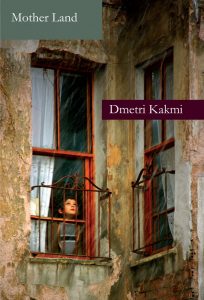
Dr Writer & Mr Editor: A guest post by Dmetri Kakmi

thumbnail_9781920882433-204x300

By Lee Kofman

As a writer who is also an editor, I’m often asked how it feels to be edited. In other words, how does it feel to be on the receiving end of criticism and someone else’s red pen, instead of being the one that dishes out the dirt?

The short answer is it’s discombobulating. The long answer is more complicated.

I edit for a living and when I have time I write; and that writing, should it be deemed publishable, is inevitably intensely scrutinised by other editors. As intensely, I hope, as I scrutinise other writers’ work before it is ready to be published.

When I gave the question serious consideration, I realised several things.

The first is that I love to be edited. The second is that I hate to be edited.

Following on from that, I saw that I am a split personality.

There are two Dmetris. One is a writer; the other is an editor. The former is an intuitive, imaginative creator and the latter a detached, analytical observer. They often contradict each other and have full-on arguments in my head. Over the years, I’ve learned to switch one voice on and to turn the other voice off, which is easier said than done, by the way. And it’s not always successful.

I’ll talk about my love/hate relationship with being edited shortly. First, l will digress slightly to tell you about a revelation I had when I saw the copy edited manuscript for my memoir Mother Land.

As a writer, I vacillate wildly between confidence and crippling uncertainty. One minute I’m Oscar Wilde, next minute I’m a dolt who can’t string two words together to make a sentence. Seeing the revisions of Mother Land the first time was humbling. Part of me was mortified by my infelicities. Another part was overjoyed and pathetically pleased that someone — anyone! — was paying attention to something I had slaved over for five solitary years.

The editor gave the manuscript an expert line-by-line copy edit and pushed my abilities to the utmost. However, if the editor was hard on me, I was harder on myself. After seeing what he had done, and agreeing with most of it, I rewrote almost the entire manuscript — a definite no-no at this late stage.

The editor in me knew it was the wrong thing to do, but the writer went, fuck it. It’s my name on the cover. I’ll do what I like. I wanted to get it right. The language, rhythm and pacing had to be unassailable. I would not get another chance.

The process made me see that good writing is rewriting. Bizarre as it sounds, it had not occurred to me before. At least it had not occurred to Dmetri, the writer. He thought his verbiage leaped fully formed from the keyboard. Of course, Dmetri, the editor, knew the truth and he sat in the wings going, ‘I told you so.’

Seeing the copy edited manuscript was a shock. It brought out the insecurities, the self-hatred and recrimination. I felt inept, despite the fact that, as an editor, I know being edited is par for the course, even for experienced authors. Your editor doesn’t think you’re a dolt. He or she is just trying to make a good thing even better, raise it to the next level.

At the time I worked as a senior editor at Penguin Books. In a flash, I saw that this is how my authors must feel when they see my scratches on their manuscript. That awful sinking feeling. The doubts; the questions. It would be sick-making no matter how practiced, professional or resilient one is.

From there on I began to be even more sensitive to the authors’ needs. I’d return the edited manuscript and followed up with a phone call to the writer a day or so later to make sure they hadn’t hanged themselves. Communication channels were open and I was there to give support, should it be required. It may sound absurd to a non-writer, but the support is a lifeline to a writer.

Being an editor isn’t merely about checking for typos; there’s a lot of handholding as well.

To get back to being edited. When I say I love to be edited I mean that I appreciate the editor’s objective eye. It helps to hone and refine a piece of writing until it zings.

It’s a mistake to think a writer who is also a professional editor can edit his own work. You’re too close to the manuscript. You can’t see the forest for the pencils, especially when it comes to structural matters.

An editor, on the other hand, has no vested interest. It’s business. This allows her to have an overview. She sees the big picture, strengths and failings. And, if she’s good, she can suggest how to resolve a problem. If you’re lost and wandering, she can guide you through the tangled undergrowth to the main path. For all that, you need a thick skin to survive the lacerations. And, unfortunately, I do not have a thick skin.

A short time ago, I entrusted the first draft of my new novel to my agent and to an author friend. Long story short, they were unimpressed. The consensus was that there’s a good story there, but there’s an even better one underneath. Interestingly, their feedback coincided on many points and even though Dmetri the editor knew they were right — the manuscript needs a lot of work before it can be shown to a publisher — Dmetri the writer was crushed.

A fortnight passed before I could look at the feedback and decide how to approach a new draft.

So if you ask how does it feel to be edited, I will say it’s awful. It’s like being crucified and pierced with spears; however, should you survive the ordeal, you will be triumphantly resurrected and adulation shall come to thee from all quarters. Or so I like to imagine.

I also take heart from a friend’s sage observation. ‘You’ve done it before and you’ll do it again.’

*Dmetri Kakmi is a writer and editor. His fictionalised memoir Mother Land was shortlisted for the New South Wales Premier’s Literary Awards; and is published in Australia, England and Turkey. He edited the acclaimed children’s anthology When We Were Young. His ghost story ‘The Boy by the Gate’ was reprinted in The Year’s Best Australian Fantasy and Horror 2013. Haunting Matilda was shortlisted in the Aurealis Awards Best Fantasy Novella category in 2015. His essays and short stories appear in anthologies and journals. He lives in Melbourne.

**Taken from Lee Kofman’s webpage at http://www.leekofman.com.au/the-writing-life/dr-writer-mr-editor-guest-post-dmetri-kakmi/

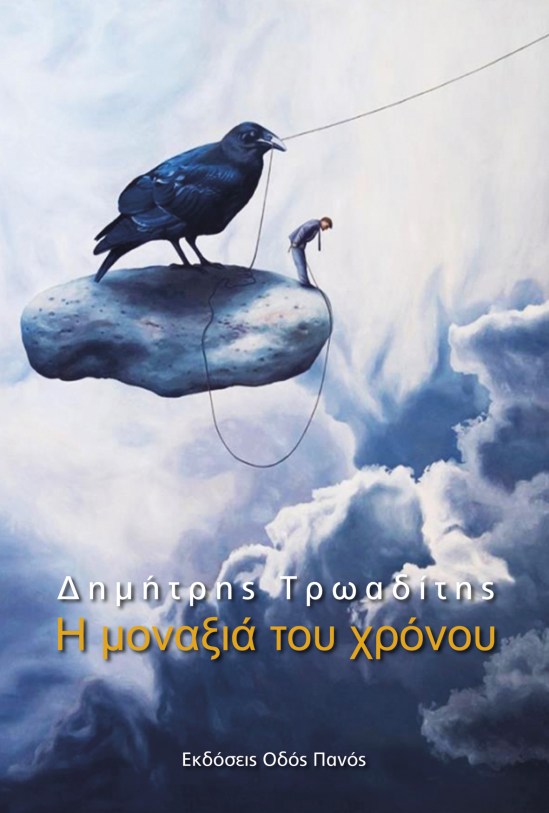
Δημήτρης Τρωαδίτης, Η μοναξιά του χρόνου, εκδόσεις Οδός Πανός

troadiths

Διατίθεται ήδη στα βιβλιοπωλεία:
Ιανός, (Αθήνα, Θεσσαλονίκη)
Πρωτοπορία (Αθήνα, Θεσσαλονίκη, Πάτρα)
Πολιτεία,
Πατάκης,
Αχιλλέας Σίμος,
Τζανακάκης,
Χριστάκης,
Κέντρο του Βιβλίου στη Θεσσαλονίκη
και στο Βιβλιοπωλείο των εκδόσεων Οδός Πανός

Βασίλης Βάρκας, Πέντε ποιήματα

varkas025


ΕΙΝΑΙ ΑΡΓΑ

Είναι αργά!

Πάμε για ύπνο όνειρά μου.
Μια κι είστε ανίκανα πια για συντροφιά.
Αυθάδικα βλαστάρια που σας κόψανε.
Προτού ανθίσετε στης νιότης την παλέτα.

Μια μαζορέτα, που στο τέλος παραπάτησε.
Ένα ιπτάμενο χαλί χωρίς εμένα.
Δόξα που ντύθηκε ταπείνωση.

Είναι αργά!

Πολύ αργά για να ’ρθει στ’ αλήθεια.

Ο πόθος, η αναζήτηση, η απορία κι η μέθη.
Κύματα είναι, που δέρνουνε τους νέους ταξιδιώτες

«Κουράζεσαι εύκολα», θα πουν.
Μα ψάχνω τη γαλήνη…

***

ΛΕΥΚΟ ΦΩΣ

Όλα τα χρώματα περιέχει το λευκό φως.
Λευκό μου φως εσύ!
Που νικάς το σκοτάδι…!

Όλα τ’ αρώματα στον κήπο σου αιωρούνται!

Χαμένος βρέθηκα εκεί,
για να μου δείξεις πως είμαι ζωντανός.

Αναρωτιέμαι πού ήσουν και πού θα ’μουν.
Πού θα ’βρισκα τα όπλα να νικήσω;
Πού θα ’βρισκα την ομορφιά σου σ’ άλλα μέρη;
Πώς θα χανόταν μία ύπαρξη νεκρή;

***

ΥΠΑΡΧΕΙΣ;

Άραγε για σένα πού να ψάξω;
Την Κόλαση για να διαβούμε συντροφιά.
Βλέποντας μπροστά μου το κενό, ποια να ’σαι σκέφτομαι, υπάρχεις;
Σε ποιο σημείο του Χρόνου να κοιτάξω;

Αν κάποτε μπροστά μου εμφανιστείς,
φίλα με.
Γιατί μυαλό δε μου ’μείνε, για να σε καταλάβω.
Μόνο προλογίζοντας την Επανάσταση αξίζει ο έρωτας.
Το ήξερες αυτό;
Από του κόσμου τη «θολούρα» μην ξεγελαστείς.

Δίνουμε μάχες για να νιώσουμε οτιδήποτε.
Σ’ αυτές τις μάχες πεθαίνουνε τα πάντα.
Μακάρι όλοι να κλαίγαν μ’ ένα ποίημα.
Σου ’χει συμβεί ποτέ;
Τότε μπορεί να βρίσκεσαι οπουδήποτε…

***

ΜΕΘΩΝΤΑΣ…

Μέχρι να χάσουμε το σύμπαν

Από του κόσμου την καλύτερη κουβέντα

‘Ωσπου να βρίσουμε τη γέννησή μας που δε μίλησε

Ας είμαστε χαμένοι σ’ ό,τι δεν ήπιαμε

Γιατί μια ροκ μπαλάντα μας «ισιώνει»;
Όσο παίζουμε με την κατάρα που μας παίζει

Τι θα μας κρατήσει στη ζωή;

***

YΜΝΟΣ ΚΑΙ ΞΟΡΚΙ ΣΤΗ ΜΟΝΑΞΙΑ

Σαν το βρεγμένο καλντερίμι, ζημιωμένος.
Τη δυσωδία μιας καταραμένης πόλης.
Στην καταχνιά μιας χειμωνιάτικης βραδιάς.

Το ξέρεις και το ξέρω πως,
θα ’ρθει η Άνοιξη και πάλι.
Και θα μυρίσει ξανά,
Νοτιάς και γιασεμί.

Όσα κι αν κάνουμε
κι αν πούμε μέχρι τότε,
δε θα γλυκάνουνε
την κρύα συντροφιά μας.

Θέλω ν’ αρπάξω δύναμη,
από αέρινες οσμές,
τη θέα των οριζόντων.

Ζωή μου!
Χωρίς σκοτάδι και βροχή,
δε με νικάς.

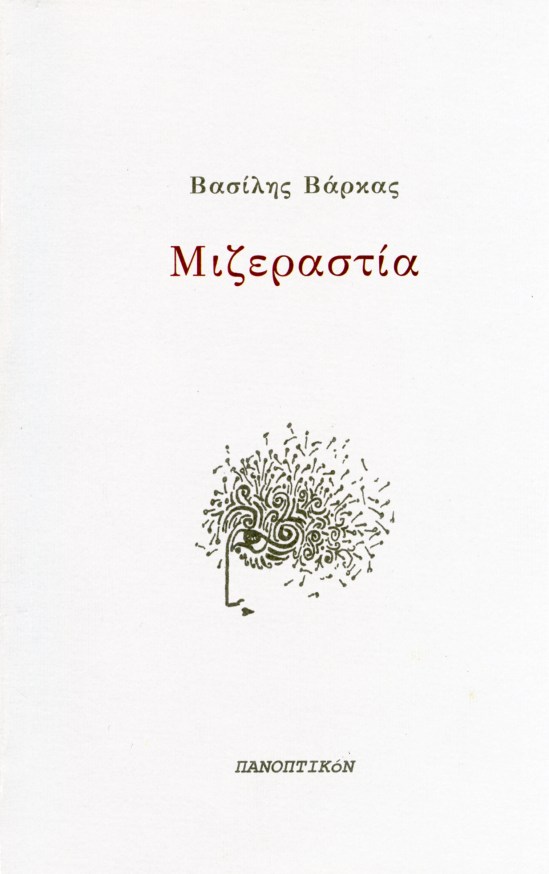
*Από τη συλλογή “Μιζεραστία”, Εκδόσεις Πανοπτικόν, Ιούλης 2011.

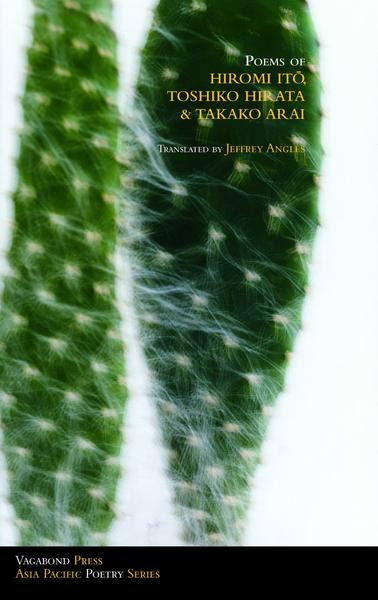
Pam Brown reviews Poems of Hiromi Itō, Toshiko Hirata & Takako Arai

unnamed

Poems of Hiromi Itō, Toshiko Hirata & Takako Arai
Translated from the Japanese by Jeffrey Angles
Vagabond Press, 2016

In the winter of Pokémon Go, I read quite a few new books of poetry. The collection Poems of Hiromi Itō, Toshiko Hirata & Takako Arai was the most cogent. These three Japanese poets are taboo-breaking women who write without reservation about ‘female experience’ in the political context of contemporary transnational capitalism.

There was a long tradition of separating literature from politics in Japan which fostered rarefied or, what translator Jeffrey Angles, in his invaluable introduction calls ‘staid, polished and artsy’ language. Eschewing tradition, Hiromi Itō, Toshiko Hirata and Takako Arai take a contemporary approach via dialectical sensitivity to the way poetry might sound and rhythmic direct speech. Sometimes this technique produces incantatory repetition, especially in Hiromi Itō’s shamanist poems.

Hiromi often addresses once-sensitive subjects like female eros, post-partum depression, sexual desire and inequity. Her poems are confronting. There’s a room of deformed and diseased body parts preserved in bottles in her poem from 1991, ‘Father’s Uterus, or the Map’ –

The men pointed to testicles with elephantiasis
Those are my father’s bones and spinal column
Those are my father’s joints
Those are us, the children our father gave birth to
The men pointed to foetuses with hydrocephalus
And that is you
The men pointed to a breast with cancer
And that is my father’s uterus
The men pointed to a uterus that had grown teet

Hiromi Itō moved to California in the early1990s and now lives in both Encinitas, near San Diego, and Kumamoto, on the Southern Japanese island of Kyūshū. Some of her poems, like ‘Mother Dies’ examine expatriate identity, the future of children born to Japanese expats and the sense of not belonging in either country –

I had thought my own existence was certain
But now I understand
Things are indeterminate, colors and shapes
Things are indeterminate, even sounds
Is it an /I/ or an /r/?
It all makes sense now
It is not just a problem with me but with all Nikkeijin
1

In ‘Yakisoba’ Hiromi recounts a confusing exchange in a supermarket with an old expatriate Japanese woman who shouts and yells out to promote the yakisoba (fried noodles) she is selling. The poem ends –

Here is a woman
Who comes back alive, who comes back dead
Who connects with the next woman
With tens and hundreds and thousands of women
With generations, dozens of generations down the line

Toshiko Hirata, together with Hiromi Itō, Matsui Keiko, outsider poet Shiraishi Kazuko, and others, is well known in Japan as a major figure in what was called the ‘women’s poetry boom’ of the 1980s. (Though, apparently, Hiromi Itō was not too impressed by the ‘boom’).

Toshiko Hirata uses irony and repetition to make poems that are deeply sceptical of relationships, of the strictures of society, of the normative family, and of poetry itself. Many of her poems are quietly and darkly sardonic.

In a recently published collection, The Freedom of the Joke, Toshiko considered small objects like staples in intimate contrast with the immense force of the disastrous earthquakes, tsunami and aftershocks of 2011 –

Some of the documents that came today
Were fastened with beautiful staples
The color of dayflowers
For me who had known nothing but gray staples
Their color was fresh and new

(‘Beautiful Staples’)

Just two weeks after the disasters Toshiko published ‘Do Not Tremble’ in the daily newspaper Yomiuri Shinbum (The Japan Times) . It was a poetic plea to the earth to stop shaking so that everyone could return to their ordinary lives –

It is March, it is spring
It should be a gentle season of vernal sleep
When one sleeps so deeply there is no dawn
But spring this year
Shakes us to keep us
From falling asleep

Earth, it is enough
For you to simply
Keep spinning happily
Leave the trembling
To windblown flowers and
Laundry hanging in the year
You should simply spin
Innocently

Eleven years younger than Hiromi and Toshiko, Takako Arai (born in 1966) is the daughter of a manager of a now-obsolete small traditional silk weaving factory in Central Japan. In early work Arai wrote about women textile workers. She moved to Tokyo for her education and lives there still.

Like Toshiko, Takako responds poetically to the ongoing consequences of the nuclear crisis. Her experimental and socially critical poetry uses repetition, direct speech, fragmentation and combined imagery. Her ironies are complicated. For instance, she uses euphemistic phrases like ‘womanly shadow’ for women’s genitals. (Jeffrey Angles’s extensive notes on the poems are essential to grasping the levels in all three poets work.)

Takako’s connection with the now redundant craft-textile industry remains a topic. In ‘Colored Glass’ a factory occupies a young woman’s body when she swallows a silkworm –

I swallowed it!
The eternal silkworm
On its mission forever
Crawling through the labyrinth of my bowels
The bitter worm squashed in my teeth
…

There is a factory floating like an isle inside
Its head turns round and round

Recently, a friend of mine visiting Sydney from Adelaide, where there is no Uniqlo (yet), made a shopping excursion to the Japanese global clothing shop. I had just read Takako Arai’s poem railing against corporatisation and this particular company’s threat to individuality. (I am wearing a Uniqlo blouse as I write this review – and I am repentant). Uniqlo’s recent expansions are seen, by capitalists, as bringing economic hope to Japanese business in the aftermath of the 2011 disasters. Not so for Takako Arai –

I’m sick of it
all this Goth clothing, all this Uniqlo-ing
…
Isn’t that all you’d ever let us wear?
Wasn’t that our national uniform?
Before the quake
The tsunami of the recession
All we ever worried about?
…

The reactor building about to fly off (buttobō)
Embankments (teibō), conspiracies (inbō), ministerial offices
(kanbō),
Unbelievabō
Incredibō
TEPCO2
Puts on their Uniqlo
To bulwark
The tsunami

(‘Galapagos’3)

As well as introducing new poems, this collection gathers work from various periods of publication by these dynamic women poets. It offers further complexity, exuberance, depth, variousness and challenge than I have canvassed in this brief review but my aim has been to give due attention to this startling and straightforward contemporary Japanese poetry.

Japanese descendants ↩
Tokyo Electric Power Company (responsible for decommissioning Fukushima nuclear power station. ↩
The title of Takako Arai’s poem ‘Galapagos’ is a metaphor in Japan for ‘island mentality’ syndrome (referring to the isolated fauna and flora of the Galapagos Islands). ↩
This entry was posted in BOOK REVIEWS and tagged Hiromi Itō, Jeffrey Angles, Pam Brown, Takako Arai, Toshiko Hirata. Bookmark the permalink.

*Pam Brown’s most recent of many books is Missing up (Vagabond Press, 2015). She lives in Sydney.

**Taken from Cordite Poetry Review at http://cordite.org.au/reviews/brown-ito-hirata-arai-angles/