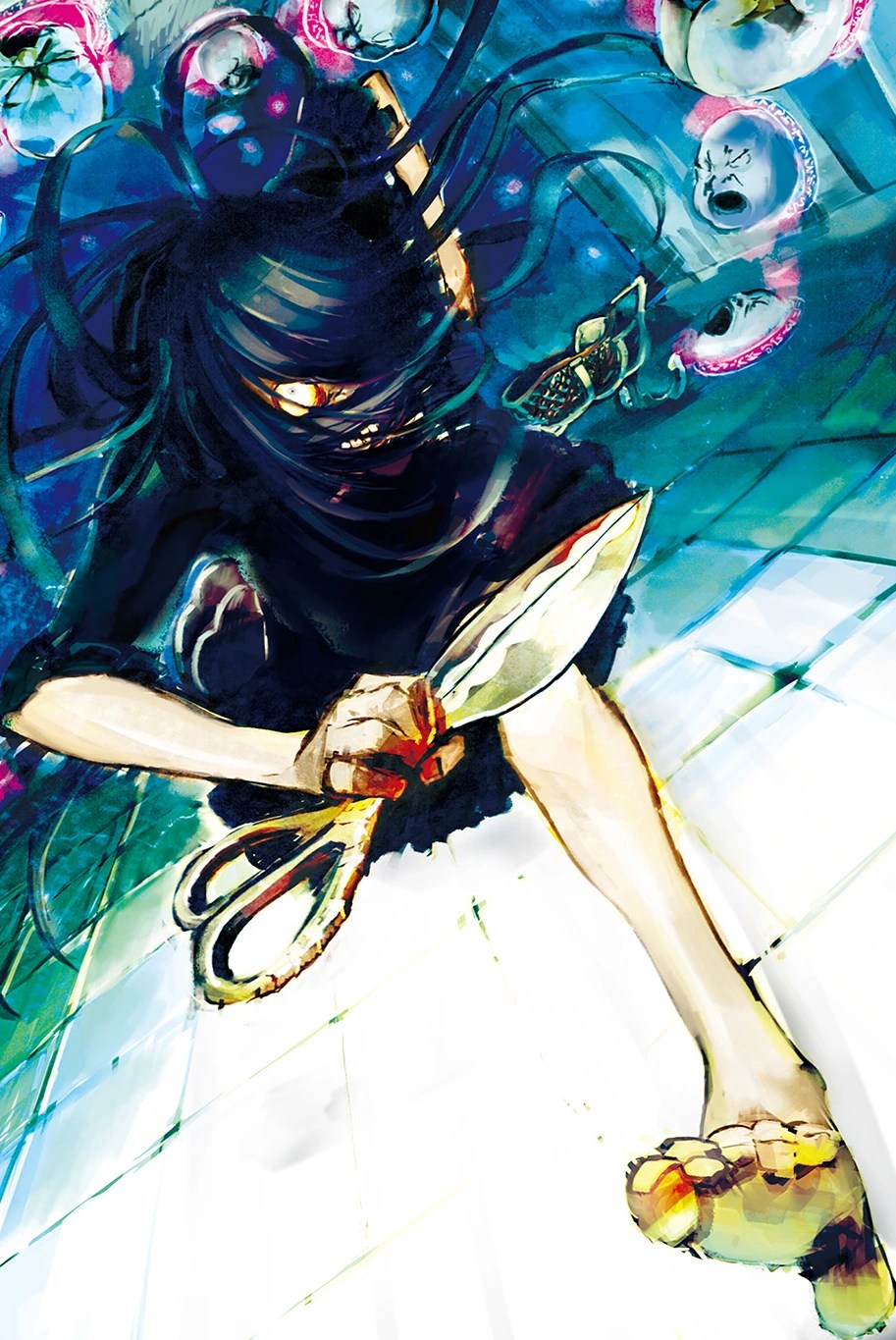
Ευαγγελία Τάτση, Σε υψηλή ανάλυση

Βλέπω όσα θα πω
και είναι σαν να βλέπω
ένα μαύρο ρούχο
σε ανάστερη νύχτα

η λύπη των ανθρώπων.

Ένα σύννεφο
μέσα στην ομίχλη
και μια τρύπα
μέσα σε μια άλλη τρύπα

τα σύννεφα πέφτουν
μέσα στην τρύπα του κόσμου
σαν άνθρωποι.

Και ξεχωρίζω την ντροπή
στη βασική στοιβάδα του δέρματος
πάνω σ’ όλα τα μάγουλα.

Ενδοκρινείς των δακρύων
οι άνθρωποι που βλέπω
στεγνώνουν
σε μια απλώστρα στην έρημο.

Η εικόνα σίγησε.

*Από τη συλλογή “Φυτά εσωτερικού χώρου”, Εκδόσεις Βακχικόν.

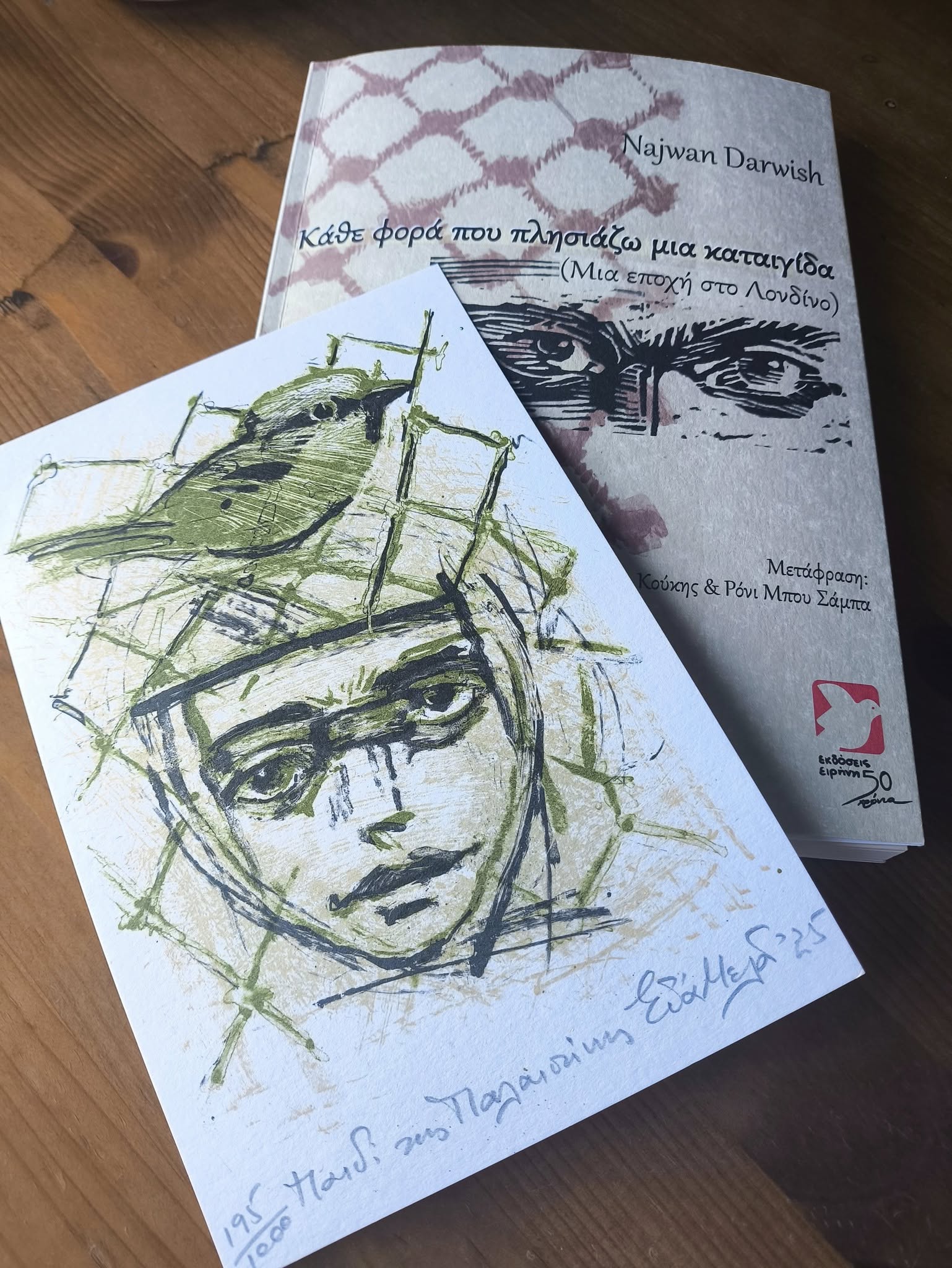
Najwan Darwish, Κάθε φορά που πλησιάζω μια καταιγίδα (Μια εποχή στο Λονδίνο)

Σαρωμένη από τη βροχή
Αλήθεια, είναι μια χώρα που οι βροχές την σάρωσαν
μια χώρα που έχασα και μετά από καιρό την ξαναβρήκα
που πάντα την έχανα
πάντα την ξαναέβρισκα
Ήταν το μόνο που μπορούσα να κάνω αυτή ήταν η μοίρα μου
Συντριβόμουν στα όνειρά μου
όταν την επανακτούσα
και στον ξύπνιο μου
που την είχα πάλι απωλέσει
Κι όμως δεν έχω ποτέ κοιμηθεί
κι όμως δεν έχω ποτέ ξυπνήσει
Είναι μια χώρα που σάρωσαν οι βροχές
και με άφησε
ούτε τη χάνω
ούτε την παίρνω πίσω
Οι βροχές με σάρωσαν
και άφησαν τη χώρα μου μόνη

*

Κάθε φορά που πλησιάζω μια καταιγίδα
Σε θυμάμαι στην καταιγίδα
γιατι’ είσαι η καταιγίδα
χάρη στο πείσμα
καταφέραμε να ζήσουμε μέσα σου
Χάρισέ μου αυτό το πρωινό, άφησα τα χέρια μου,
θα σε χάσω για πάντα;
Θα πέσω στα χάσματα της απώλειας,
χάσματα που πολλαπλασιάζονται,
άκουσε το κρύο τους γέλιο,
άφησε πίσω σου κάθε ελπίδα
Χάρισέ μου αυτό το πρωινό, άφησα τα χέρια μου,
θα χάσω τον εαυτό μου για πάντα,
τον εαυτό που έχασα χθες,
τον εαυτό που θα χάσω αύριο;
Η μοίρα τον φέρνει πίσω
μόνο ώστε να τον χάσω ξανά
Πώς θα καταλάβουν οι άνθρωποι
ότι ζήσαμε χάρη στο πείσμα,
παγιδευμένοι ανάμεσα
στο να είμαστε ξεριζωμένοι
και να μένουμε ανυποχώρητοι;
Και πώς εγώ θα καταλάβω
ότι κάθε φορά που πλησιάζω μια καταιγίδα θυμάμαι το σπίτι μας;

*Μετάφραση: Χρήστος Κούκης και Ρόνι Μπου Σάμπα, Εκδόσεις Ειρήνη.

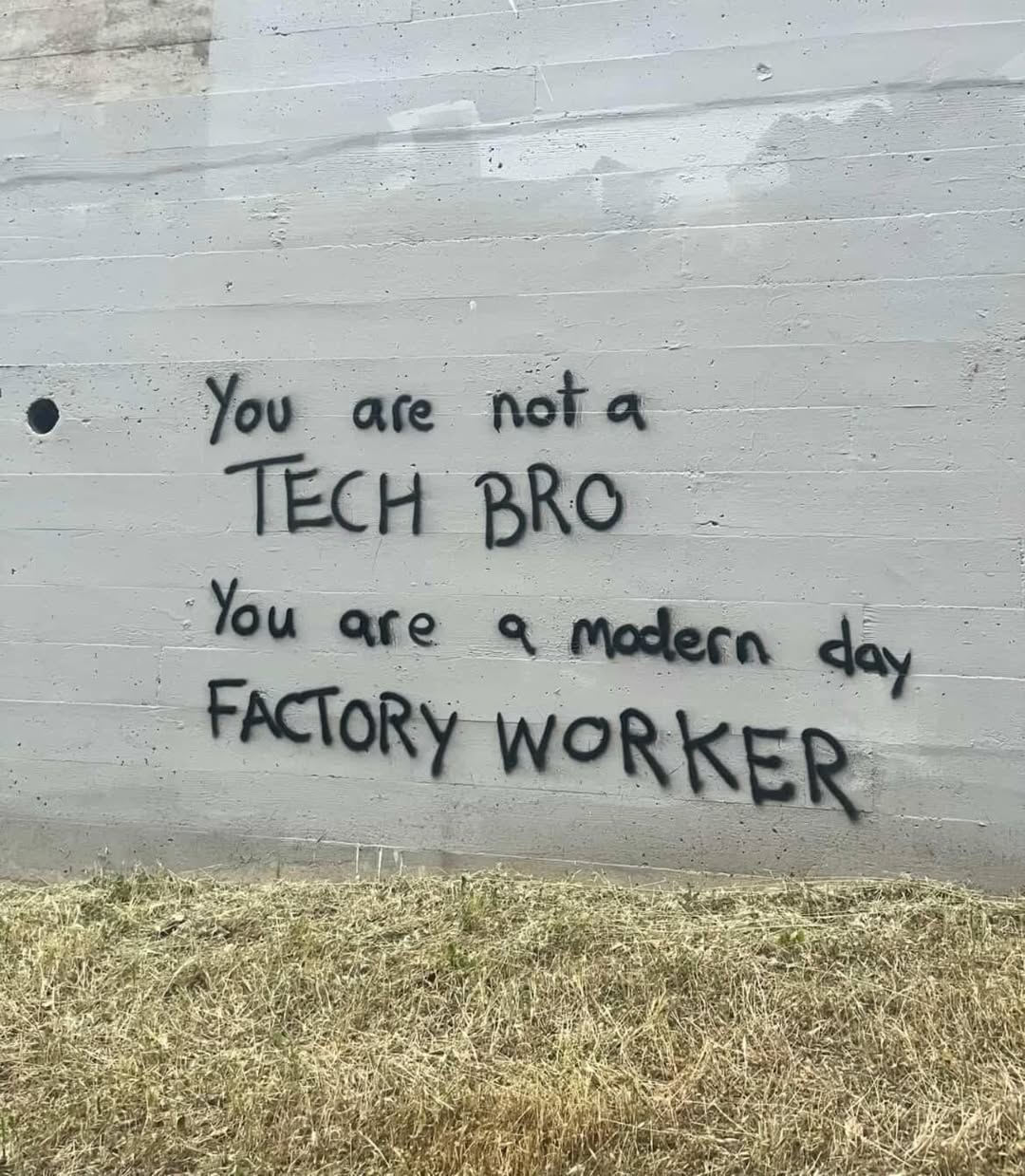
Γρηγόρης Σακαλής, Ζήτημα χρόνου

Σ΄αυτή τη ζήση
άλλοι κολυμπούν στην άνεση
κι άλλοι ζουν, μα δεν ζουν
ένα βίο αβίωτο
τα κατώτερα οικονομικά στρώματα
κυρίως η εργατική τάξη
υποφέρουν καθημερινά
η πιο τίμια τάξη
της κοινωνίας
αυτή που παράγει τον πλούτο
θα έπρεπε
να είναι η ανώτερη
μα το χρηματιστικό κεφάλαιο
φροντίζει να την κρατάει χαμηλά
κάποιοι θέλουν να ρίξουν
τον εργάτη στο πιοτό
να μην αγωνίζεται
να μην αντιδρά
μα δεν θα τους βγει
τα σχέδια τους θ΄ανατραπούν
είναι απλά ζήτημα χρόνου.

Sherko Bekas (1940-2013), Separation / Χωρισμός

If they deprive my poems
of flowers
one of my seasons will die.

If the deprive my poems
of my beloved
two of my seasons will die.

If they deprive my poems
of bread
three of my seasons will die.

If they deprive my poems
of freedom
my whole year will die
as will I.

Χωρισμός

Αν στερήσουν τα ποιήματά μου
από λουλούδια
μια από τις εποχές μου θα πεθάνει.

Αν στερήσουν από τα ποιήματά μου
από τους αγαπημένους μου
δύο από τις εποχές μου θα πεθάνουν.

Αν στερήσουν τα ποιήματά μου
από το ψωμί
τρεις από τις εποχές μου θα πεθάνουν.

Αν στερήσουν από τα ποιήματά μου
την ελευθερία
όλη μου η χρονιά θα πεθάνει
όπως και εγώ.

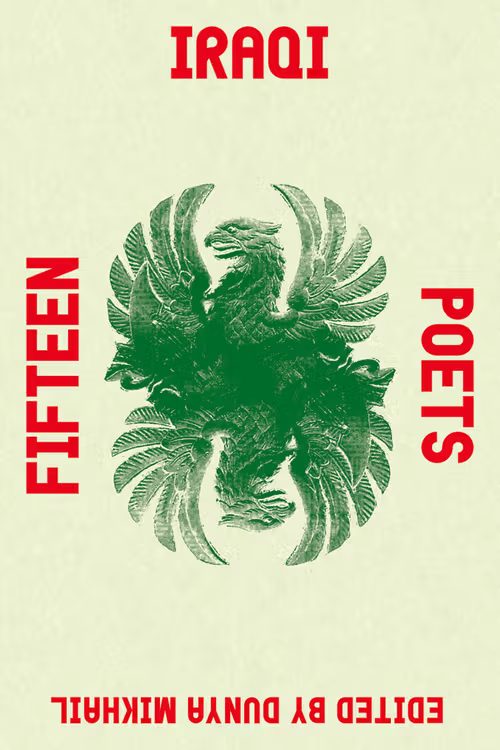
*Αγγλική μετάφραση από τα κουρδικά: Reinhard and Shirwan Mirza. Η αγγλική μετάφραση δημοσιεύτηκε στο “Fifty Iraqi Poets”, edited by Dunya Mikhail. New Directions Poetry Pamphlet No 12, 2013. Ελληνική απόδοση: Δημήτρης Τρωαδίτης.

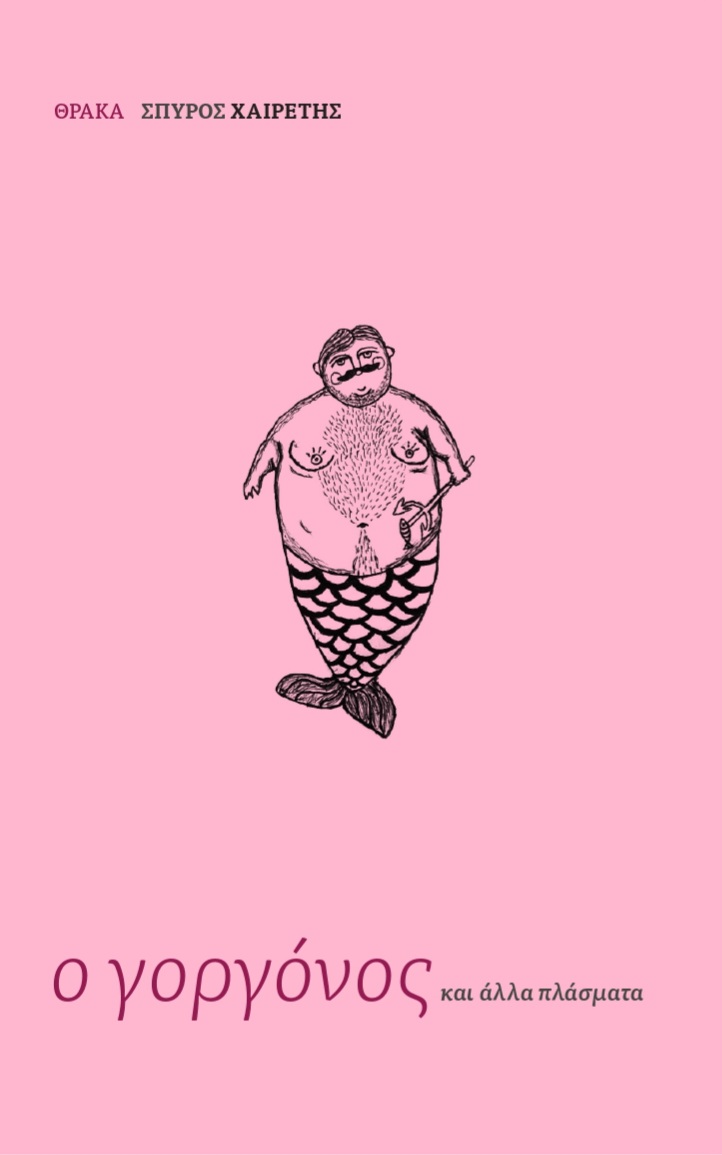
Chairetis – “Writing about what has traditionally been at the margins has the potential to create small cracks through which people can glimpse possibilities”

Spiros Chairetis was born in Athens in 1988. He serves as a postdoctoral researcher in the Department of Communication, Media, and Culture at Panteion University and currently holds the position of Visiting Researcher at the University of Amsterdam and the Research Centre for the Humanities (RCH). His research explores the relationship between media and their audiences through genre, feminist, and queer perspectives. Some of his poems and short stories have been featured in the first queer poetic anthology, the feminist zine Mov Medouses, and online poetry magazines. The Merman and Other Creatures is his debut poetry collection (Thraca, 2023).

Your first writing venture The Merman and Other Creatures (Thraca, 2023) received quite favorable reviews upon publication. Tell us a few things about the book.

In the first pages of this book, you will find two quotes from Jack Halberstam’s monograph, The Queer Art of Failure. This is because I see this collection as an elegy on failure in many ways. Most of the poems included were written many years ago, and although I made some attempts to publish them in literary magazines, I had no luck. Yet, failure is a recurring theme permeating the book, illustrating what it means to fail in societal institutions that prioritize certain ways of being—from the expectations and hauntings of performing successful sonhood, the role of a good soldier for the nation, and a proper partner, to tensions within rigid notions of love and understandings of queerness, even within the queer community.

In 2022, I noticed that Thraca had an annual competition for the best debut poetry collection. I submitted my work, which was then called When Jack Halberstam Left the Building. Unsurprisingly, I didn’t win with such a pretentious and niche title (laughs). However, this “setback” provided an opportunity to revisit the poems, modify them, and find a title that better reflects what I wanted to share.

The hybrid symbol of the merman/mermaid and its state of in-betweenness has been theorized over the years as a metaphor for coming out or an allegory for the trans experience. This interpretation is common among critics like Androniki Tasioula, who did me the honor of writing a generous review , and among those who discuss the book with me. And fairly so. But that is not exactly what I had in mind, or at least, not the entire story. Mermaids and mermen have been my companions since I was young. I was obsessed with them and used to draw them all the time. Of course, the creatures I created as a child conformed to Western beauty standards and the ideals of thinness with which we are all familiar. This project is thus an attempt to rewrite the imagery and understandings of childhood with vocabularies from the present. It is an act of undoing the past, which was given to some of us in the late 80s and 90s, at a time when we did not have the knowledge or agency to respond otherwise, and an act of redoing it on our own terms.

The book touches upon a queer thematology, bringing to the spotlight “the contradictions of both heteronormality and homonormality by focusing on the dominant discourse,” while it “comments on the effects of gendered performances on our bodies,” in the words of researcher Haris Otabasis. Does poetry constitute for you a way to increase visibility and raise awareness about LGBTQI+ issues?

Bodies never entirely belong to their owners, and this acknowledgment is quite sad, considering all the mechanisms in place to monitor and direct us. Similarly, books do not belong exclusively to their creators, and that’s the beautiful part. Writing about what has traditionally been at the margins has the potential to create small cracks through which people can glimpse possibilities. That is the optimistic scenario; the real question is who is allowed to write poetry (meaning who has access to publishing houses and can cover the costs often associated with production), who reads this kind of poetry which raises LGBTQI+ issues, how accessible this poetry is to a broad readership, and whether educational settings such as schools and universities incentivize students to explore it. On my pessimistic days, I feel that we are a small bubble—those who read this poetry. Yet sometimes I hear about Black, feminist, and queer poetic voices entering classrooms through bottom-up approaches by teachers and professors who go beyond their “official” syllabus, and I feel hopeful. Increasing visibility and raising awareness about LGBTQI+ issues imply impact, which in the humanities is not easily tangible. So, my answer is that books can incite change when certain conditions are right, but you can’t predict exactly when societal shifts will manifest.

More generally, what about the political aspects of gender and their revolutionary potential in literature?

That’s a tough one. When discussing revolutionary potential, we enter murky waters since each of us has our own definition, which may change over time and vary among individuals. For instance, Greek queer literary works from the past, considered revolutionary then, might have employed themes and forms already common in Anglophone literatures. Today, these same works, especially those adopting a single-axis framework of gender, might not be seen as revolutionary because literature and our expectations of it have changed. Therefore, context and time are crucial factors to consider.

Currently, a series of events have thrust gender and sexuality into the spotlight of social discussions as well as the publishing industry. A common criticism is that as these topics become mainstream, we might lose some of the subversive or provocative impulse they once generated. In other words, this shift can lead to the creation of works that cater to what publishers or audiences believe they already want to see.

I am curious about the poetic creations being prepared now because this body of work is bound to initiate some interesting discussions about feminist and queer writings following the popularization of queer and intersectionality theory. Yet, to return to your question, theory suggests that for a cultural text to be deemed revolutionary, it cannot simply describe what already exists or pander to power structures and expectations; it must transcend and move us aesthetically and affectively. In practice, it is interesting to ask ourselves why we need to categorize everything as “revolutionary or not.” Sometimes, it is valuable to step back and appreciate works for their entertaining, soothing, and educational qualities, or simply because they exist.

What role does language play in your writings? Does it constitute a means for young writers to deconstruct and reconstruct the world in their own terms?

Language play is one of the most liberating activities one can pursue. Reflecting on your earlier question about visibility and change, I’m struck by how language continuously expands. The adoption of “they/them” pronouns, for instance, exemplifies the resilience and creativity of younger generations who navigate a world of ever-evolving self-expression. This serves as a reminder that language is neither a monolith nor merely what we learned in school; it is a dynamic construct that evolves as we understand and relate to ourselves and those around us. In my writing, I revel in deleting phrases, playing with double entendres, emphasizing unexpected syllables, and inventing new words. I share this playful relationship with language with friends who enjoy experimenting with it as well.

A couple of years ago, I attended a feminist writing workshop at Faro Creative Learning, a beautiful space led by Leda Dialyna. During this workshop, we were working on a book that might be published someday. One section, inspired by the instructor Katerina Sergidou, was called “The Baby-Nioti’s Dictionary”. This term evokes the innocence of early language, a time when we freely expressed ourselves as babies. It contrasts sharply with the formal dictionaries published by the linguist and philologist Babiniotis, offering truly inspiring entries that you cannot find in a typical dictionary, no matter how updated it may be. Such initiatives are delightful because they introduce messiness into a field dominated by certainty and rules. By stretching these boundaries, we can see that language, as it stands, is never enough and requires ongoing efforts to better suit people’s needs and the current political realities we experience.

Where do your academic interests meet your poetic writings? Would you say the constitute communicating vessels?

Academic and poetic writing are in dialogue, but I hope this interaction unfolds organically rather than through didactic means. Readers of the poems should be the ones to decide. My academic engagement with pop culture often brings elements of well-known 90s television comedies, iconic songs, and prominent queer figures into my poems. Humor is also a significant aspect of both my academic and poetic work. I believe that humor, regardless of its perceived silliness or frivolity, is always political and has the unique ability to convey complex matters in an oblique fashion.

*Interview by Athina Rossoglou published here: https://www.greeknewsagenda.gr/reading-greece-spiros-chairetis-writing-about-what-has-traditionally-been-at-the-margins-has-the-potential-to-create-small-cracks-through-which-people-can-glimpse-possibilities/?fbclid=IwZXh0bgNhZW0CMTEAAR2UyrE-kSBFAunkR9dHXn91tXWtNAg7vsM9c-TgHGrTa59otGxR952xGZY_aem_AT6cwmSVxiVtADyg2Lj52Hba0B_616GAXdNRRQ2XB37bnnCMGuqqvviIe2_0Cf6O-ah3vafZPriEbztkfAFERxDJ

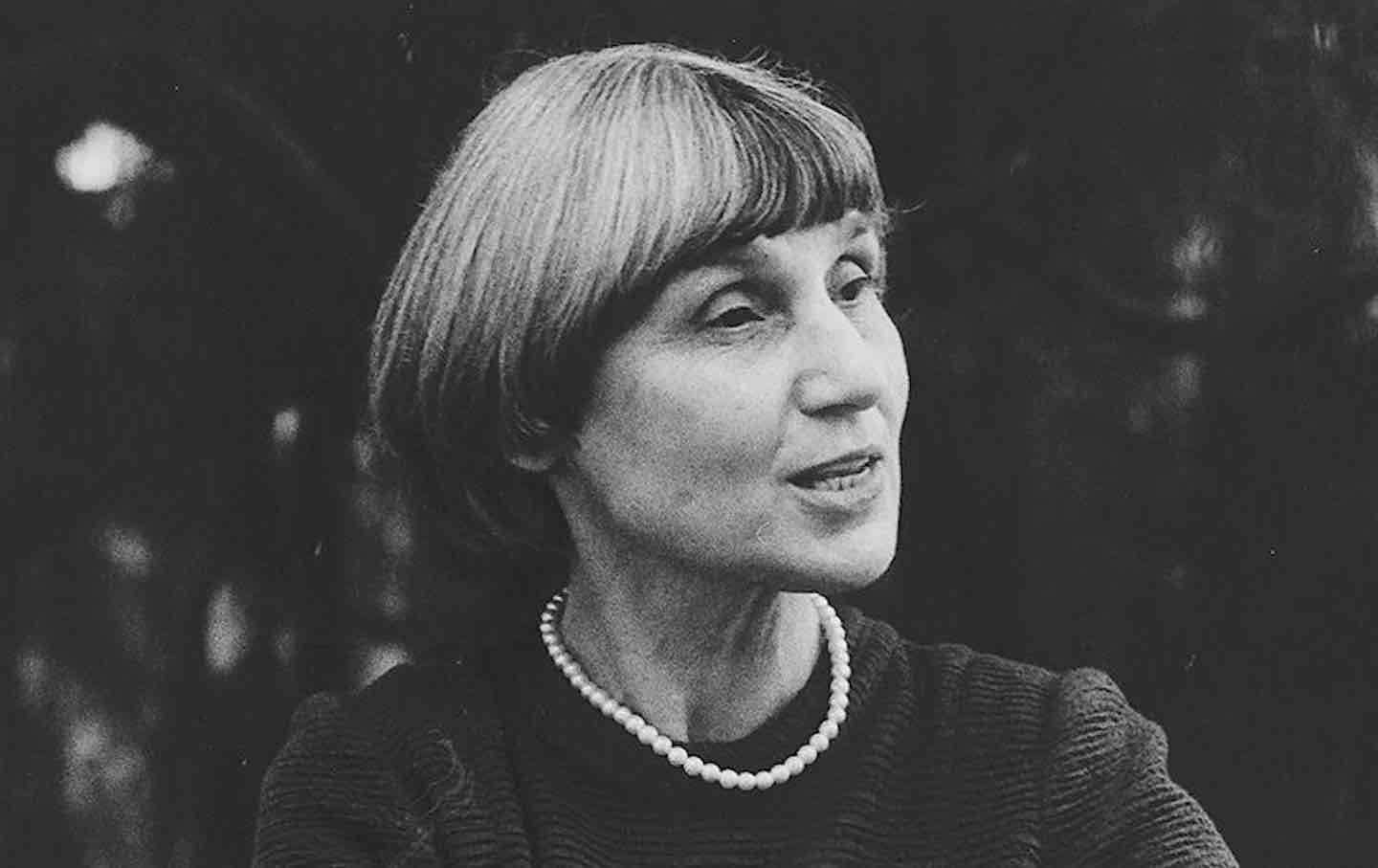
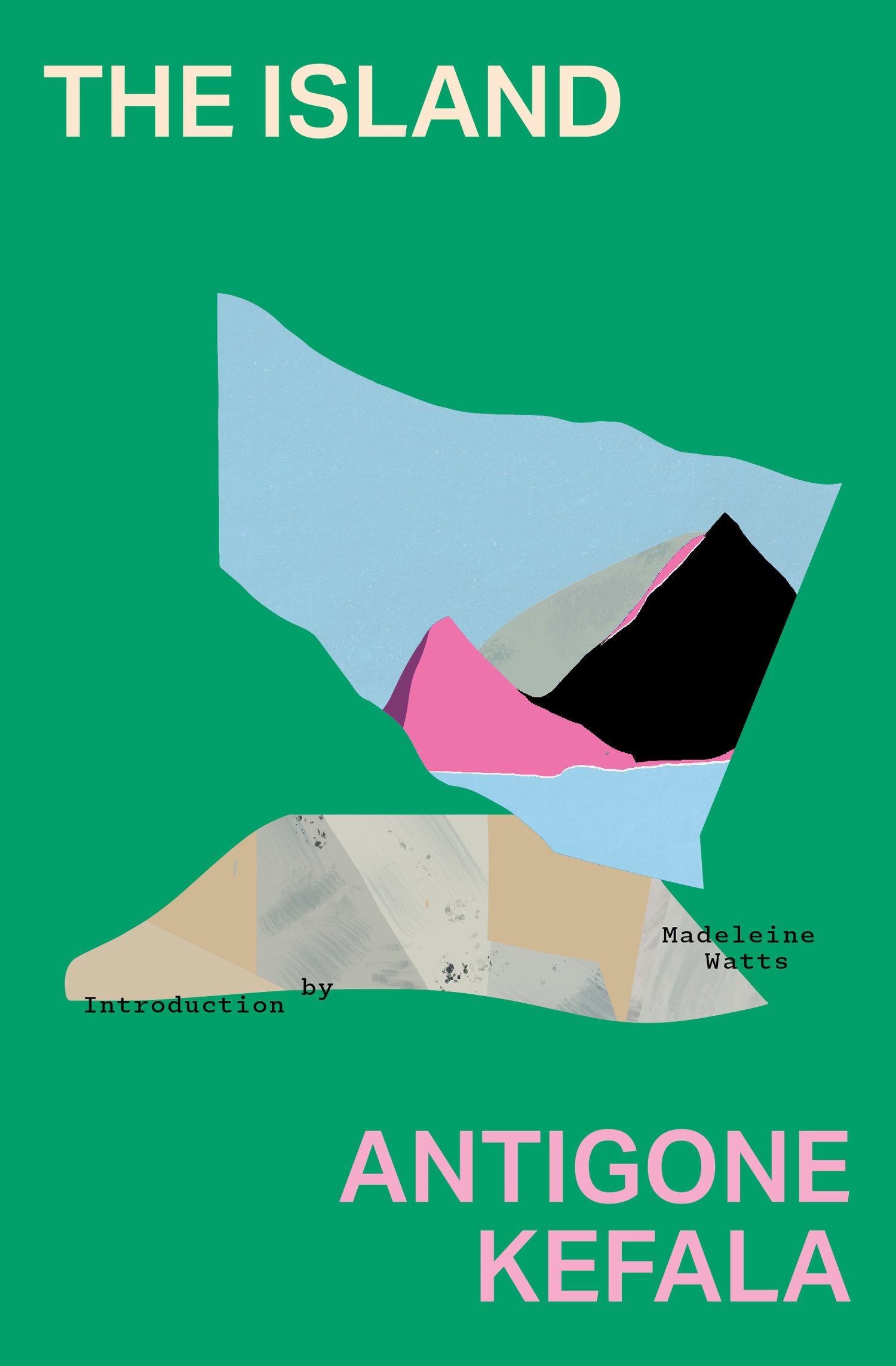
Antigone Kefala and the Art of Exile

The Australian writer’s 1984 novel, The Island, is a hypnotic work of fiction about the border between life and art.

MADELEINE WATTS*

This essay originally appeared as the introduction to The Island (Transit Books).

The first time I heard about Antigone Kefala was when I was in my second year of university. She was described to me by an older writer as “a preeminent poet from Sydney.” At the time, I was majoring in English at the University of Sydney, but Kefala’s work had never been assigned, and most of the writers I associated with Sydney were long dead. I remember going to the bookstore just off campus that afternoon and browsing the shelves, but I couldn’t find anything by Antigone Kefala, and quickly gave up the search.

This is not an uncommon story. Antigone Kefala was a writer who spent much of her literary career flying under the radar. In 2010, the same year that I first heard about her, Kefala wrote in her journal about being left out of the Macquarie PEN Anthology of Australian Literature. She was, understandably, upset that certain writers—she among them—had been “totally effaced.” The anthology included work by early British settlers, excerpts of 19th-century drudgery, and Kefala’s contemporaries, like David Malouf, Shirley Hazzard, and Gerald Murnane. In an interview with the literary journal HEAT around the same time, Kefala said, “I have been so far out of any critical line in Australia in terms of writing. Apart from one or two people, no one has approached the work as a serious intellectual activity.” For a long time, it seemed like the only story to tell about Antigone Kefala was a ghost story: her persistent absence from any mainstream literary recognition, in Australia, and elsewhere.

Antigone Kefala was born in the Romanian city of Brăila in 1931, a city on the Danube close to the modern-day Moldovan border. Kefala’s parents were Greek by heritage, but her family had lived in Romania for three generations by the time their daughter was born. After World War II, as a wave of political unrest swept through Romania, the family fled. Kefala arrived in 1947, at age 16, in Greece, a country that was on the brink of civil war. The family lived in refugee camps set up by the International Refugee Organization, and set about applying to emigrate. Rejected by Australia because of an X-ray that showed a small shadow on her mother’s lung, the family instead left for New Zealand in 1951. Later, Kefala described the shock of the green dampness of New Zealand, the difficulty of communicating in English, and the feeling of first being unwanted, “made to feel that our faces, our gestures, belonged to this outside category with which the locals did not want to become involved.”

In 1960 Kefala moved, for the last time, to Sydney. The Sydney she arrived in that year was very different from the city I grew up in. This was the era of the White Australia policy, which had only just been relaxed to allow migration from continental Europe but continued to bar nearly everybody else. Women were still not allowed to drink in pubs. The tramways were being pulled up and expressways being built, ushering in a future of traffic jams and dodgy buses that made getting around when I was a teenager a misery. Indigenous Australians remained unrecognized in the constitution and unable to vote, and Indigenous children were still being forcibly and routinely removed from their families, a group of children known now as the Stolen Generations.

It was also the first hint of an aperture opening between Australia and the rest of the world. Kefala sailed into Sydney Harbor on a summer morning, full of light and heat and movement, its most seductive time of year. She described those first days in Sydney as something like a homecoming. “My past in Romania, in Greece, came back as a meaningful experience in a landscape that had similar resonances,” she wrote. “The landscape was already feeling familiar, allowing me to survive.” Survival, in many ways, equaled writing. It was only once she arrived in Sydney that Kefala became a writer.

After spending long days teaching English to other migrants, Kefala would go to the Mitchell Library and spend her evenings writing before catching the bus home. Her first language was Romanian; she learned French at school, and she became fluent in Greek as a teenager. Only in her 20s, in New Zealand, did she learn English, her fourth language. But when she began to write seriously, Kefala wrote in English. “I feel you have to live in a language to be able to write in it,” Kefala said in a 1994 interview. “I couldn’t write in Romanian or Greek or French because they were languages that I had somehow passed through. English was the language I was actually living in.” But it was many years before Kefala made headway with publishers. She gradually began to suspect, from the editorial comments that did come back, that there was something about the issues that preoccupied her, and something about her language, which didn’t quite “fit.”

The Alien, Kefala’s first volume of poetry, was released in 1973 by Makar Press, a small publisher that had sprung out of a student magazine at the University of Queensland. Although it was her first big break, her style was so different from what amounted to the (admittedly tiny) poetry mainstream in 1970s Australia that there were internal debates among the editors about whether it should be published at all.

To an outsider, it might seem peculiar the way that Australia’s literary establishment expends time arbitrating how “Australian” or “un-Australian” a work of art is deemed to be. The US and the UK are united as the Anglophone centers of the world—around which all the other Englishes orbit, and against which the rest of us attempt to stake our territory.

Kefala’s work was always fighting to find critical recognition within the boundaries of that small territory, and frequently wound up on its edges. So many contemporaneous reviews and interviews belabored questions of identity, migration, and “multiculturalism,” and questioned where Kefala “fit” in the Australian literary landscape, without really ever talking about Kefala and her work itself.

When I did finally track down an Antigone Kefala book, it was many years after I’d left Sydney and moved to New York. In America, I found that being Australian had become a part of my identity in a way it hadn’t been at home, simply because it was now the adjective I heard most frequently used to describe myself. I was beginning to write seriously, and trying to figure out where I might fit in a national tradition. I read more Australian literature in my first years in America than I ever had before.

By signing up, you confirm that you are over the age of 16 and agree to receive occasional promotional offers for programs that support The Nation’s journalism. You may unsubscribe or adjust your preferences at any time. You can read our Privacy Policy here.

That was the quest I was on when I found The Island, on an infrequent trip home in 2018—out of print, in the Australian section of Sappho Books on Glebe Point Road, siloed off from the other fiction. I read it quickly, in the unsettling and familiar humidity of the guest room that had once been my childhood bedroom. After that, I made my way through everything I could get—Kefala’s poetry, her Sydney Journals and Late Journals, and the novellas collected in Summer Visit.

The Island, originally published in 1984, was one of Kefala’s first works of prose. A review in The Sydney Morning Herald used what would become familiar adjectives to describe Kefala’s work: haunting, cool, dense, impressionistic. Another review, in Outrider, described The Island as having a “European sensibility.” All of these descriptors were true, and yet none of it got at the complexity that made The Island so resonant and so beautiful.

The Island isn’t confessional, but its autobiographical underpinnings are clear. Its protagonist, Melina, is a young university student living sometime in the mid-20th century, a migrant by way of Romania and Greece, and coming now into her independence. The plot is light, not really the point; the writing is most interested in the process of “becoming,” trying to find a new kind of form in which the experience of being alive will crystallize. Kefala’s writing is always processing the present through the past, her protagonist’s experience of the present necessarily strung through and in reference to Greece, Romania, New Zealand, because how could it not be? This movement between an intensely imagined nostalgic past and the hyperreality of the present is what constitutes the hypnotic quality of The Island.

When The Island was published, Australian literature was dominated by the big, blustery novels of mostly male writers like Peter Carey and Tim Winton. Writers were beginning to reckon with the genocidal reality of Australia’s colonial history, and the books that got the most attention were the ones that lent themselves best to being included on high school curricula. Something like The Island was radically different. On that humid afternoon when I first read The Island I was struck by the self-contained language, the intensely visual quality of the prose, the fluidity with which Kefala moves between memories and Melina’s present day, as if the border between the two were indistinct. It reminded me of other novels I had taken to calling “thin works of 20th-century womanhood” that I was reading around that same time, books by Marina Tsvetaeva, Clarice Lispector, Marguerite Duras, Nathalie Sarraute, Christa Wolf. Each of these books struck me with the sense that I had discovered a long-lost great aunt I closely resembled.

When I reread Kefala now, it’s precisely that quality of transnationality I find most poignant. I too have become somebody whose experience of the present tense is colored by my relationship to the many places I have lived in: I bicycle through Berlin behind a girl in Doc Martens and she merges with my sister in Melbourne; I drive across the Central Tablelands of New South Wales babbling to my husband about how everything reminds me of Southern California; the claustrophobia I feel in New York after an August storm reminds me that my body still expects the “cool change” of a Sydney February. This is what it is like to live along the edges, in the in-between spaces, of different countries, cultures, languages.

During the 2000s Kefala’s work began to be published by Sydney’s Giramondo Publishing, the champion of Australian authors who have experienced late-career revivals in America, including Gerald Murnane and Alexis Wright. When Kefala died in 2022, I learned of her passing from a eulogy sent out by Giramondo. Only a few weeks earlier, she had received the Patrick White Literary Award, given to a writer whose life’s work has made a significant contribution to Australian literature without being adequately recognized. Now, three years later, The Island gets a new lease on life. I only wish it had come sooner. There are still far too few of us who whisper Kefala’s name among ourselves, as a “preeminent poet from Sydney.”

The copy of The Island sitting beside me as I write is the same one that I bought in 2018. A sticker inside attests that it was originally bought at the Feminist Bookshop in Lilyfield in 1984. It smells like Sydney. By which I mean it smells like my mother’s makeup-stained sewing box in the mildewy cupboard, like the yellow photo albums lined up in my grandparents’ bookshelves below the VHS tapes; it smells like the humidity of that childhood bedroom. It smells as though the elements of Sydney—saltwater, southerly winds, rotting fig and jacaranda blossoms, eucalyptus leaves baking on sandstone soil, roast lamb, Vegemite toast, passion fruit vines, magpies and cockatoos and lorikeets—all of it—had been absorbed by the glue and ink and paper. Because at the end of the day, it was Sydney that defined Antigone Kefala’s work, and it was there she came to rest after decades of wandering. My copy has traveled three different continents, and two of the world’s oceans, to sit here on my desk. But when I fan the pages from right to left, this book is the closest to home I could possibly be.

*Madeleine Watts is a writer of novels, stories, and essays. She is most recently the author of Elegy, Southwest.

**Source: https://www.thenation.com/article/culture/antigone-kelefa-island/?fbclid=IwY2xjawKwX0VleHRuA2FlbQIxMQBicmlkETFNbW12UXE5YlR3TGpybGpUAR54B9v0kWU1e0khyrEh-uxhKrRyLrTgbFnZFZ2PG4g7V4Pwpj5-2RyfmgZd1A_aem_dLQmGSnaI7IIK9fwfdR1EQ

Gentjan Tufa, άτιτλο

*Απόσπασμα από άτιτλο ποίημα του Gentjan Tufa

Τον φόβο σας
Που δεν ξέρω σε ποιον εύθραυστο ναό ζυμώθηκε
Σαν κατηφής Ρωμαίος στρατιώτης κάτω απ’ την ασπίδα του
Τον περιφρονώ με την ακάματη διαύγεια του νου
Όντας κτηνώδης και αταλάντευτος

Ούτε ψήγμα λύπης δεν με βαραίνει για όσα έκανα
Κι αν κάτι με ώθησε προς αυτό το ακατάβλητο σκότος
Eίναι οι βαθιές αναπνοές κάτω από ρυπαρά σκεπάσματα
Ο πιο λαμπρός ποιητής θα είμαι επί προσώπου γης
O πιο μεγαλειώδης

Θέλετε
Σε σταυροδρόμια τα φλογόπνοα άλογα
Με χτύπους άγριους των οπλών τους να θρυμματίζουν
πεζοδρόμια
Ύστερα σαν πετεινός ισχνός με λαιμό κυρτό
Κεραυνός τη θλιβερή τελμάτωση να φλογίσει
Η πέμπτη σάλπιγγα

Δεν θέλετε;!
Όπως επιθυμείτε. Δεν απελπίζομαι
Αργά ή γρήγορα θα σβήσουν τα κεριά
Η Τροία έπεσε όταν αλλοπαρμένη
Αποκάλεσαν οι Τρώες την Κασσάνδρα

*Μετάφραση: Ελεάνα Ζιάκου. Δημοσιεύτηκε στο τεύχος 32 (χειμώνας-άνοιξη 2025) του Τεφλόν, ως μέρος αφιερώματος στη σύγχρονη ποίηση από την Αλβανία.

Συνεταιρισμός θυρωρών ή Συνεταιρισμός ποιητών 

– γράφει η Βίκυ Κατσαρού

Αντώνης Τσόκος, Συνεταιρισμός θυρωρών, Κίχλη, Αθήνα 2024

Συνεταιρισμός λέγεται μια «αυτόνομη ένωση προσώπων που συγκροτείται εθελοντικά για την αντιμετώπιση κοινών αναγκών και επιδιώξεων. Η κύρια εργασία του θυρωρού είναι να ελέγχει τους διερχόμενους από τα σημεία πρόσβασης σε ένα φυλασσόμενο κτίριο, καθώς και η επίβλεψη της ασφάλειας και της λειτουργικότητας των κοινόχρηστων χώρων».

Ο Αντώνης Τσόκος, με τη νέα του ποιητική συλλογή Συνεταιρισμός θυρωρών, δημιουργεί έναν κόσμο όπου η ποίηση λειτουργεί ως καταγραφή και ταυτόχρονα ως υπαρξιακή αναρώτηση. Ο τίτλος δεν είναι τυχαίος. Η έννοια του συνεταιρισμού, συνυφασμένη με τη συλλογικότητα, και η φιγούρα του θυρωρού, ενός οριακά αόρατου προσώπου που βρίσκεται στο κατώφλι της καθημερινότητας, χτίζουν τον θεματικό πυρήνα αυτής της συλλογής.

Ο θυρωρός, άλλοτε παρατηρητής, άλλοτε προστάτης, αποτελεί μια φιγούρα που επιβλέπει, χωρίς όμως να εμπλέκεται ουσιαστικά. Αντίστοιχα, ο ποιητής του Τσόκου είναι ένας αυτόκλητος «θυρωρός» της ύπαρξης, ένας ποιητής-παρατηρητής που δεν μένει αμέτοχος. Αντιθέτως, λειτουργεί ως καταγραφέας, συνδετικός κρίκος ανάμεσα στο παρελθόν και το παρόν, στο συλλογικό και το ατομικό βίωμα.

Από τον τίτλο κιόλας, ο Τσόκος μας καθιστά κοινωνούς του θεμελίου γύρω από τον οποίο υφαίνει την ποιητική του πρόταση: την πράξη της (συν-)κατοίκησης με τον εαυτό, τον άλλον, τον χρόνο και τον κόσμο· τη διαρκή περιπλάνηση ανάμεσα σε εσωτερικά και εξωτερικά τοπία· τη συνειδητή παραμονή εντός μιας υπαρξιακής εγρήγορσης· τη φύλαξη και τη φροντίδα όσων συνιστούν τον πυρήνα της ανθρώπινης εμπειρίας. Με λόγο διακριτικό και εσωτερικά πειθαρχημένο, ο ποιητής αναλαμβάνει το χρέος μιας βιωματικής εγγραφής, καθιστώντας την ποίηση όχι απλώς τέχνη, αλλά κατάσταση ευθύνης και πνευματική συγκατοίκηση. Έτσι, χωρίς κραυγές και επιδεικτικότητα —όπως αρμόζει στην καλή ποίηση—, απευθύνει μια σιωπηλή, μα επίμονη, πρόσκληση στους συνοδοιπόρους του: να σταθούν με ευαισθησία, να διακινδυνεύσουν το βίωμα, να αναλάβουν την ευθύνη του είναι· να φυλάξουν, να υπερασπιστούν και να φροντίσουν εκείνα που επιτάσσει ο ποιητικός λόγος. Σε τελευταία ανάλυση, ο Τσόκος υπογραμμίζει —όχι μόνο με τη θεματική αλλά και με τον τρόπο του— ότι το να είσαι ποιητής είναι πάνω απ’ όλα ένας τρόπος να υπάρχεις, να συμμετέχεις και να συν-αισθάνεσαι.

Η γραφή του Αντώνη Τσόκου είναι βαθιά σωματική· μέσα στα ποιήματά του περιπλανώνται σώματα όχι απλώς ως φυσικές παρουσίες, αλλά ως ζωντανά δοχεία της μνήμης, της εμπειρίας και της διάνοιας. Σώματα που δεν διαχωρίζονται από το πνεύμα, αλλά δρουν μαζί του — συνεργοί του ποθούμενου και του βιωμένου. Έχουν έρθει για να μιλήσουν για όσα πέρασαν, να καταθέσουν αυτά που έζησαν, να διεκδικήσουν την παρουσία τους μέσα στο παρόν· ένα παρόν που διαρκεί όσο χρειάζεται για να γίνει «χθες» και, τελικά, ποίημα.

Ο ποιητής φορά πολλά πρόσωπα – όχι για να κρυφτεί, αλλά για να υπάρξει σε όλα τους. Ζει ως ένας καθημερινός άνθρωπος, με τις έγνοιες και τις ασχολίες του: εργάζεται, αγαπά, φροντίζει μια οικογένεια, πηγαίνει στην εκκλησία ακόμη κι αν αμφιβάλλει, γράφει ποιήματα, γελά και σιωπά· βιώνει τη μοναξιά και την αναγνωρίζει στον άλλον, ίσως και να την απολαμβάνει, γιατί είναι μια μοναξιά γεμάτη ήχους, φασαρίες, εικόνες και ίχνη.

Τα διακειμενικά ίχνη στην ποίησή του αφθονούν, μα δεν περισσεύουν — είναι παρόντα όσο πρέπει, ώστε στο τέλος να αναδυθεί ένα ποίημα που στέκει αυτοτελές, γνήσιο και ολόκληρο. Ο Τσόκος διαρκώς μετακινείται: άλλοτε ασκητικός, άλλοτε κοσμικός· πιστός και άπιστος, με τον τρόπο ενός ανθρώπου που αναζητά, που αμφιβάλλει με πίστη και πιστεύει με αμφιβολία. Ένας πνευματικός οδοιπόρος που δεν αποκλείει κανένα ενδεχόμενο· που ενσαρκώνει τις αντιφάσεις χωρίς να τις ακυρώνει· που γράφει για να συλλάβει το παρόν πριν χαθεί — και το μετατρέπει σε μνήμη, και τη μνήμη σε τέχνη.

Στα ποιήματα της συλλογής διακρίνεται έντονα η αίσθηση του εγκλωβισμού, τόσο σε φυσικό όσο και σε ψυχολογικό επίπεδο. Το πρώτο ποίημα του βιβλίου, με τίτλο «Περίπατοι σε ανελκυστήρα δώδεκα ατόμων», μας συστήνει τον δημιουργό θυρωρό, τον πλάνητα ενός κτιρίου διακοσίων ατόμων, που φροντίζει όντας στο περιθώριο την ομαλή συνύπαρξή τους, με τον ίδιο να μοιάζει σαν να κατοικεί στα θεμέλια αυτού του μπλοκ.

Η κίνηση στον περιορισμένο χώρο του ανελκυστήρα γίνεται μεταφορά για τη στατικότητα της ζωής. Ο αφηγητής-θυρωρός βρίσκεται στο περιθώριο της ύπαρξης, παραμένοντας στις σκιές, στα «υπόγεια» της ανθρώπινης εμπειρίας. Ωστόσο, διατηρεί την ελπίδα για ένα ανέβασμα στο φως, για μια έξοδο προς την κοινωνία.

Αυτή η αντίθεση ανάμεσα στο φως και το σκοτάδι επανέρχεται ως μοτίβο σε πολλά ποιήματα. Ο ποιητής μοιάζει να κινείται στα όρια, μεταξύ της επιθυμίας για κοινωνική συμμετοχή και της ανάγκης για απομόνωση. Η ποίηση εδώ δεν είναι απλώς μια μορφή καλλιτεχνικής έκφρασης, αλλά μια πράξη επιβίωσης – ένας τρόπος να οριοθετήσει την ταυτότητά του, να υπάρξει μέσα από τις λέξεις.

Ο ποιητής μοιάζει να έχει αποτραβηχτεί εκούσια από την επιφάνεια της γης. «Ξημερώνει ἀργὰ κάτω ἀπ’ τὴ γῆ/δεκατρία χρόνια μὲς στὸ σκοτάδι». Έχει επιλέξει τη μοναξιά, γνωρίζοντας την κακοδαιμονία της πραγματικότητας, το έλλειμμα της κοινωνίας, και για αυτό έχει αποφασίσει να μην πίνει από τη στέρνα των πολλών. Ωστόσο αχνοφαίνεται η ανάγκη για ανάδυση στο φως: «Εἶναι νύχτα/κι ἀκόμη κατοικῶ στὸ δεύτερο ὑπόγειο». Διακρίνεται όμως και η ανάγκη για συντροφιά, «περιμένω πῶς καὶ πῶς τὸν πρῶτο ἔνοικο/ποὺ θὰ φτάσει στὴν εἴσοδο/φορτωμένος μὲ τὰ ψώνια τῆς ἡμέρας./Μόλις τὸν δῶ/πετάγομαι σὰν ἐλατήριο ἀπὸ τὴ θέση μου/τρέχω, ἀνοίγω τὴν πόρτα τοῦ ἀνελκυστήρα/καὶ τὸν συνοδεύω ὣς τὸ διαμέρισμά του», αλλά στο τέλος υπερισχύει η ανάγκη του εαυτού, να παραμείνει αντιμέτωπος ή μοναδικός σύντροφος του εαυτού του, κι οι άλλοι να έχουν λειτουργήσει απλώς ως σημείο αναφοράς του ίδιου, ως μάρτυρες και της δικής του ζωής. Αυτό χρειάζεται κι αυτή είναι η επιβεβαίωση της επιλογής του, ότι στο τέλος θα περιπατήσει στον ανελκυστήρα δώδεκα ατόμων, αλλά θα είναι μόνος, με το βάρος της δικής του ύπαρξης, όντας στο σκοτάδι, αναζητώντας το φως, καθώς όταν η σκιά αμφισβητεί το φως, το φως γίνεται πιο δυνατό, και μέσω της αμφισβήτησης, η αλήθεια δοκιμάζεται.

Κι αυτή την αλήθεια αναζητά ο ποιητής, ως πνευματικός αναζητητής όπως προείπαμε, αμφισβητώντας την, άρα δίνοντάς της χώρο να αποκαλυφθεί κι όχι να αναδιπλωθεί. Η αμφιβολία είναι πνευματική γενναιότητα και δείχνει μεγαλοψυχία. Ο αέναος μηχανισμός σκέψης, όπου βασίστηκε κι η φιλοσοφία, είναι η αδιάκοπη αποδοκιμασία της αλήθειας, καθώς δεν αποτελεί κάτι στατικό.

Θα ήθελα όμως να σταθώ λίγο παραπάνω σε ένα σημαντικό ποίημα της συλλογής ώστε να αναλυθεί προσεκτικά στα συστατικά του, που είναι και ενδεικτικά της ποίησης του Τσόκου, με τίτλο «Με άφησες χωρίς Θεό, Πατέρα».

«Απόψε ὁ Θεὸς σοῦ μοιάζει, πατέρα / βαδίζει ἀόρατος στὸ ξύλινο πάτωμα».

Η απουσία του πατέρα γίνεται αντιληπτή μέσα από τις αισθήσεις – σαν ένα βήμα που δεν ακούγεται, μια σιωπηλή παρουσία. Ο Θεός δεν είναι εδώ η απόλυτη θεότητα· έχει την ανθρώπινη μορφή του πατέρα, γιατί ο πατέρας ήταν ο Θεός του ποιητή. Δεν υπάρχει ιερότερο πρόσωπο γι’ αυτόν· αυτός τον δίδαξε τη φροντίδα, την ασφάλεια, την αγάπη – και όταν έφυγε, πήρε μαζί του την ίδια την έννοια του θεϊκού.

«Εκεῖνος ἄφησε τὰ πάντα στὴν τύχη / ἐσὺ προετοίμασες σχολαστικὰ / ἀκόμα καὶ τὸν θάνατό σου».

Ο «Θεός» εδώ είναι ο παραδοσιακός, απόμακρος Θεός, που μένει σιωπηλός, δεν δίνει σημάδια, δεν επεμβαίνει. Ο πατέρας, αντιθέτως, είναι αυτός που φρόντισε, σχεδίασε, υπήρξε ως στοργή, ακόμη και στον θάνατό του. Η αντιπαραβολή αυτή έχει θεολογική και συναισθηματική βαρύτητα: ο πατέρας δεν είναι απλώς «καλός» – είναι ανώτερος από τον Θεό, γιατί υπήρξε παρών.

«Μὲ ἄφησες χωρὶς Θεό, πατέρα. / ῎Ησουν ἡ μοναδική μου πίστη / ἡ πιὸ σεμνή μου ἀνυπομονησία».

Η σχέση με τον πατέρα ήταν μορφή λατρείας· ήταν το πιο σταθερό στοιχείο της ζωής του ποιητή, η προσδοκία του καλού. Με τον θάνατό του, χάνεται η ίδια η έννοια της πίστης· όχι απλώς η εμπιστοσύνη, αλλά και η ελπίδα, το νόημα.

«Ανάμεσά μας / φύτρωσε ἕνας μαρμάρινος οὐρανός».

Ο ουρανός είναι το όριο ανάμεσα στον ζωντανό και τον νεκρό κόσμο, ένας «μαρμάρινος» ουρανός — ψυχρός, άκαμπτος, νεκρικός, που δεν φωτίζει, δεν συνδέει. Το ρήμα «φύτρωσε» δίνει και μια τραγική ειρωνεία: ό,τι γεννήθηκε ανάμεσά τους δεν είναι ζωή, αλλά θάνατος.

«σὲ ἀκούω ἀλλὰ δὲν μπορῶ νὰ σὲ δῶ / μὲ βλέπεις ἀλλὰ δὲν μπορεῖς νὰ μὲ ἀκούσεις».

Εδώ έχουμε μια σχεδόν μυστικιστική διπλή αδυναμία επικοινωνίας. Ο ποιητής ακούει την ανάμνηση, ίσως τον ρυθμό της παρουσίας, αλλά δεν βλέπει το πρόσωπο. Ο πατέρας ίσως τον βλέπει από το «επέκεινα», αλλά δεν μπορεί να απαντήσει. Η μονομέρεια του πένθους είναι τραγική: η απουσία δεν καταργεί την αγάπη, αλλά ακυρώνει τον διάλογο.

«Ο γάτος ἐγκαταστάθηκε στὴν πολυθρόνα σου / σὲ περιμένει / νὰ διαλύσεις μὲ τὸν ἦχο τῆς ἐφημερίδας / τὴ σιωπὴ ποὺ τυλίγει τὸ δωμάτιο».

Η ζωή συνεχίζεται, αλλά η παρουσία είναι σκαλισμένη στις λεπτομέρειες: στην πολυθρόνα, στον ήχο της εφημερίδας, στη σιωπή που δεν σπάει πια. Το ποίημα τελειώνει χαμηλόφωνα, όχι με έκρηξη πόνου, αλλά με μια καθημερινή, σχεδόν οικιακή απουσία, που την καθιστά ακόμα πιο σπαρακτική.

Το ποίημα είναι μια θρηνητική λειτουργία, αλλά και ένας ύμνος στην αγάπη: ο πατέρας είναι το μόνο ιερό που βίωσε ο ποιητής. Ο θάνατός του σπάει τον κόσμο στα δύο: στο πριν και το μετά, στο εδώ και το άπιαστο. Δεν πρόκειται για απλό πένθος· πρόκειται για υπαρξιακή κατάρρευση και αναζήτηση νέας πίστης. Η ποίηση εδώ προσπαθεί να γεμίσει το κενό της απώλειας – όχι να το απαλύνει, αλλά να το ονομάσει, να το υψώσει σαν μνημείο.

Πυρήνας του βιβλίου είναι το ομότιτλο με τη συλλογή ποίημα «Συνεταιρισμός θυρωρών». Παρατίθεται αυτούσιο: «χτίσαμε ἕνα νεκροταφεῖο γιὰ μυρμήγκια, τὸ ἔργο μας ἴσως μείνει στοὺς αἰῶνες ἄσημο. Τ’ ἀχάριστα αὐτὰ πλάσματα μετέτρεψαν τοὺς τάφους τους σὲ ἀποθῆκες, κουβαλώντας μέσα κάθε εἴδους τροφή· δὲν εἶναι ἱκανὰ νὰ διαχωρίσουν τὴ ζωὴ ἀπὸ τὸν θάνατο. Στὰ κυπαρίσσια τοῦ κοιμητηρίου σμήνη τζιτζικιῶν παρουσιάζουν ἀφιλοκερδῶς τὸ πρόγραμμά τους».

Το ποίημα στηρίζεται σε μια παράδοξη και ποιητική μεταφορά: η ανθρωπότητα χτίζει ένα νεκροταφείο για μυρμήγκια, μια συμβολική κατασκευή, που από την αρχή δηλώνεται πως ίσως παραμείνει «ἄσημο». Η ματαιότητα του ανθρώπινου έργου προβάλλεται από την πρώτη κιόλας στροφή.

Τα μυρμήγκια παρουσιάζονται ως συλλογικά, εργασιομανή πλάσματα, ανίκανα να διακρίνουν το ιερό από το χρηστικό. Αντί να «σεβαστούν» τους τάφους τους, τους μετατρέπουν σε αποθήκες – μια ειρωνική πράξη που παραπέμπει σε έναν κόσμο χωρίς μεταφυσική διάσταση, έναν κόσμο που όλα γίνονται «χρήσιμα», ακόμα και ο θάνατος. Εδώ ο ποιητής φαίνεται να ειρωνεύεται την ανικανότητα του καθαρά υλικού νου να συλλάβει την έννοια του ιερού ή της μνήμης.

Η φράση «δὲν εἶναι ἱκανὰ νὰ διαχωρίσουν τὴ ζωὴ ἀπὸ τὸν θάνατο» είναι καίρια. Δεν αφορά μόνο τα μυρμήγκια: είναι και για τον άνθρωπο — έναν άνθρωπο που συχνά ζει μηχανικά, χωρίς επίγνωση της φθαρτότητας, χωρίς χώρο για υπαρξιακή περισυλλογή. Ο θάνατος χάνει την ιερότητά του· η αποθήκευση αντικαθιστά την ανάμνηση.

Η τελευταία εικόνα προσθέτει μια λεπτή ποιητική ειρωνεία και μουσικότητα: τα κυπαρίσσια, σύμβολα θανάτου, γίνονται σκηνή για «σμήνη τζιτζικιών» που τραγουδούν το πρόγραμμά τους — αφιλοκερδώς.

Αυτός ο υπέροχος επίλογος εμπεριέχει μια πικρή χαρά: η τέχνη (των τζιτζικιών) συνεχίζεται χωρίς ανταλλάγματα, χωρίς εξηγήσεις. Μέσα σε έναν κόσμο αχαριστίας, χρησιμοθηρίας και αφωνίας, κάποιος ακόμα τραγουδά. Και μάλιστα χωρίς να ζητά τίποτε.

Η ποιητική συλλογή Συνεταιρισμός θυρωρών υμνεί τη δημιουργική πράξη της ποίησης και την αναγκαιότητά της για να αντέξουμε, με συγκλονιστικό τρόπο, μέσα από το ποίημα «Στὸν τρυγητὴ μὲ τὶς τιράντες», στη μνήμη του Σάμη Γαβριηλίδη. Παρατίθεται αυτούσιο: «χῶμα, κλῆμα, νερό, σταφύλι, μοῦστος/μονὴ ἀπόσταξη, κρασὶ/διπλὴ ἀπόσταξη, ρακή./χῶμα, πεῦκο, νερό, χαρτί, βιβλίο/μονὴ ἀπόσταξη, λόγος πεζὸς/διπλὴ ἀπόσταξη, λόγος ποιητικός./ Θνητοὶ σὰν τοῦ μωροῦ τὸ κλάμα/ἀθάνατοι ὡς ἡ σιωπὴ στ’ ἀμπέλι/οἱ τρυγητὲς ποὺ μέθυσαν/τὸ πνεῦμα καὶ τὸ σῶμα».

Ο ποιητής, άνθρωπος χοϊκός, γράφει σκαλίζοντας τη σάρκα του σαν χώμα, που την πλάθει στα χέρια του, χέρια που γράφουν, για να ανθίσουν τα ποιήματα των δέντρων και να δώσουν καρπό. Ποτίζει και θρέφει το σώμα του ως άμπελος, κι αυτός ο γεωργός καθαρίζει και δρέπει τον καρπό. Από το ζύμωμα και την απόσταξη εξαρτάται και το αποτέλεσμα. Μονή, κρασί, διπλή, ρακή. Το κρασί σε μεθά, η ρακή είναι το πρωτοστάλαγμα του πνεύματος όπου επίκειται η έκρηξή του. Η ρακή μοιάζει με το ποίημα γιατί είναι το αφυδατωμένο στέμφυλο, εκείνο που μένει μετά από μια μεγάλη επεξεργασία. Το ποίημα είναι η εύφλεκτη, αποσταγμένη ουσία.

Από το ίδιο χώμα που πλάστηκε, παλαιοδιαθηκικά, η σάρκα, από το ίδιο γεννιούνται και τα δέντρα· κι εκείνα ζητούν πότισμα και φροντίδα, για να χαρίσουν το χαρτί — και πάνω του να αποσταχθεί ξανά ο Λόγος.

Η διπλή απόσταξη θέλει υπομονή· τα πάντα να κινούνται αργά μες στο καζάνι, η φωτιά να σιγοβράζει και να ελέγχεται, ώσπου ο ποιητής ν’ αρχίσει να μαζεύει τις σταγόνες: τις λέξεις που σταλάζουν, μία μία, στο δοχείο του. Κι ο εκδότης, αδελφός του ποιητή, συνεταιρίζεται μαζί του· γιατί κοινός είναι ο σκοπός: να συλλαβίζονται οι λέξεις της μέθης που λέγεται ζωή.
Η ποιητική γλώσσα του Τσόκου είναι λιτή, αλλά ποτέ απλοϊκή. Το σώμα και η υλικότητα παίζουν κεντρικό ρόλο στους στίχους του, καθώς οι εικόνες του είναι απτές, σχεδόν αισθητηριακές. Η ποίησή του δεν είναι αφηρημένη, αλλά ριζωμένη στην καθημερινότητα, γεμάτη από υλικά στοιχεία που αποκτούν συμβολικό βάρος.

Παράλληλα, η ποίηση διατρέχεται από έντονη διακειμενικότητα· αναφορές λειτουργούν σαν υπόγεια ρεύματα, που εμπλουτίζουν το νόημα και προσδίδουν βάθος στην ανάγνωση. Δεν πρόκειται για μια ποίηση απομονωμένη ή αυτάρκη, αλλά για έναν λόγο που συνομιλεί ανοιχτά με την παράδοση, διατηρώντας ένα σταθερό υπόβαθρο θρησκευτικής και φιλοσοφικής αναζήτησης, ενώ ταυτόχρονα παραμένει στενά δεμένη με την καθημερινή εμπειρία και την ανθρώπινη συνθήκη. Ο Συνεταιρισμός θυρωρών είναι ένα βιβλίο που ισορροπεί ανάμεσα στην προσωπική εξομολόγηση και τη συλλογική μνήμη, ανάμεσα στην απομόνωση και την επικοινωνία, ανάμεσα στον θάνατο και τη δημιουργία. Ο Αντώνης Τσόκος δεν γράφει απλώς ποιήματα, αλλά διαμορφώνει μια ποιητική κοσμοθεωρία, όπου η γραφή γίνεται τρόπος να υπάρχουμε μέσα στον κόσμο.

Η ποίησή του είναι μια υπενθύμιση πως η ζωή και ο θάνατος δεν είναι αντίθετα, αλλά κομμάτια της ίδιας διαδικασίας. Όπως οι θυρωροί που φυλάνε τα όρια μεταξύ του μέσα και του έξω, έτσι και η ποίηση του Τσόκου στέκει ανάμεσα στη μνήμη και τη λήθη, λειτουργώντας ως συνδετικός κρίκος. Είναι μια ποίηση που δεν κραυγάζει, αλλά επιμένει, μια ποίηση που δεν καταγράφει μόνο, αλλά μεταμορφώνει.

*Πρώτη δημοσίευση στο ηλεκτρονικό Φρέαρ (frear.gr).
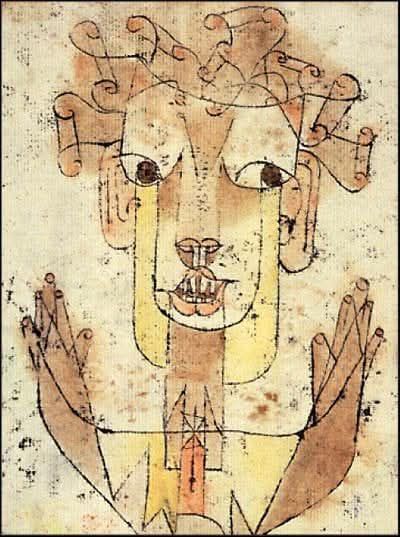
Μαρία Χριστοδούλου, Γλάρος

Σιωπή.
Εγώ δεν ανήκω εδώ.

Αλλόκοτες κεραίες στο κεφάλι
βάδισμα ξέφρενο
στα τέσσερα σημεία του ορίζοντα
χορός τρελός
στους τρούλους των κυμάτων
ίδιος ο Ιωνάθαν
με το σκαρφάλωμα άγριο
στις άπαρτες βουνοκορφές του Ολύμπου.

Στην όψη της ασημένιας γραμμής
σκορπώ ηχητικά κύματα.
Δακρύζω στη διερώτηση
της μικρής ανεμώνας.

Μεθάω με τα χρώματα της γήινης παλέτας.
Παίζω κρυφτό στις δρύινες συστάδες
με τις νύφες του μύθου.

Ακολουθήστε τον άνεμο
των πατημασιών μου.

*Από τη συλλογή “Χειρονομίες στο φως”, Εκδόσεις Θράκα, 2024.

Αγγελική Κουντουράκη, Nigredo

Δύση στον θρήνο της νύχτας
πόθος αγγέλου
σφηνωμένος σε βρώμικη γλώσσα
Γλύφω συμπόνοια
από τον φόβο στα μάτια τους
Οργή εκπνέω
από τον δεμένο στη μέση τους οίκτο
Πώς να ξεκάνω το κορμί;
Πώς να φυλάξω την ύβρη;
Το όνομά σου ποτάμι πορφυρό
οστά και σάρκα
κυλάει καίγοντας ψυχές
με κραυγές στα θηρία
σε παγανιστική τελετουργία σε βαφτίζω
πρώτη επιθυμία και οριστική
Να διψάει η κοιλιά για θάνατο
Να μαυρίζει το χώμα για βεβήλωση
Ανείπωτη η πίστη
να αποκεφαλίζεται μπροστά μας
σαν θυσία
σαν θύμα
σαν μέλλον
Γνωρίζω με δάκρυα
Τελειώνω με ύλη
Η μοίρα αναφλέγεται
στη διαδρομή μια ετοιμόρροπης οδύνης
Αιχμάλωτη της απώλειας
ολόκληρη η ποίηση μας

Nigredo* es mi nombre

Nigredo: Στη φιλοσοφία ο όρος χρηιμοποιείται σαν μεταφορά για τη συνάντηση μνε την “μαύρη νύχτα της ψυχής”, όταν δηλαδή ένας άνθρωπος έρχεται αντιμέτωπος με τη σκιά που έχει μέσα του.

*Από τη συλλογή “Nigredo”, ΑΩ Εκδόσεις, 2023.