το σκοτεινό λουλούδι που κόπηκε νωρίς
Από παντού διωγμένη όπως είμαι,
της ποίησης ο ψίθυρος
μες στην ψυχή μου πέθανε.
Χαράς ουσία σε μένα μην αναζητείτε,
κάθε χαρά στην καρδιά μου έσβησε.
Στα μάτια μου αν ψάχνετε για αστέρια,
να ξέρετε πως παραμύθι είναι, δεν υπάρχουν.
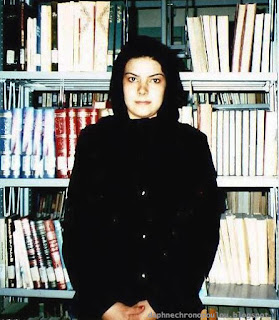
Με το παραπάνω απόσπασμα πρωτοσυναντάμε την Νάντια Ανζουμάν τον Δεκέμβριο του 2001 στους New York Times και σε άρθρο της Έιμι Ουόλντμαν (Amy Waldman), όπου η δημοσιογράφος αναφέρεται σε γυναικεία λογοτεχνικά εργαστήρια, τα οποία λειτουργούσαν υπό κάλυψη κατά τη διάρκεια του προηγούμενου καθεστώτος των Ταλιμπάν και συχνά αποτελούσαν, για όσες τα παρακολουθούσαν, τη μόνη δημιουργική και ζωτική ενασχόληση, καθώς είχαν στραφεί στην γραφή για να διασκεδάσουν και να επικοινωνήσουν τις σκέψεις και τα συναισθήματά τους. Όπως είπε χαρακτηριστικά η Ζένα Καραμζαντέ (Zena Karamzade), φοιτήτρια ιατρικής πριν την άνοδο των Ταλιμπάν, «μόνο στα μαθήματα νιώθαμε ανθρώπινα όντα», ενώ όλες τις υπόλοιπες ώρες «μέναμε στα δωμάτιά μας σαν τις αγελάδες».
Την εποχή λίγο πριν από τη συγγραφή του άρθρου, ο Μουχαμάντ Αλί Ραχιάμπ (Muhammad Ali Rahyab), καθηγητής λογοτεχνικής θεωρίας και μεθοδολογίας στο Πανεπιστήμιο της Χεράτ, παρέδιδε μαθήματα λογοτεχνίας στο σπίτι του σε περίπου 30 γυναίκες, με κίνδυνο της ζωής του και όσων συμμετείχαν, ενώ η πινακίδα έξω από το οίκημα διαφήμιζε μαθήματα ραπτικής. Ο ίδιος ο καθηγητής, υποκινούμενος εν μέρει από τις τρεις κόρες του οι οποίες ήθελαν να ασχοληθούν με τη συγγραφή και τη δημοσιογραφία, δήλωσε ότι πιστεύει στη δύναμη της λογοτεχνίας, ακόμη και σε μια κοινωνία όπου οι αναλφάβητοι πλειοψηφούν, καθώς η υφιστάμενη προφορική παράδοση καθιστά ακόμα και τη δραστηριότητα μιας μικρής ομάδας αναγνωστών ικανή να διασπείρει ταχύτατα τα οφέλη της τέχνης του λόγου. Η πεποίθησή του αυτή, αλλά και η παρατήρηση ότι οι Αφγανοί εν γένει ανταποκρίνονται πιο εύκολα στην ποίηση παρά στην πολιτική ανάλυση, σε τέτοιο βαθμό που «ένας στίχος μπορεί να δώσει λύση σε ένα οικογενειακό πρόβλημα ή ακόμη και σε κάποιο πρόβλημα ενός χωριού», συνέβαλε στη δημιουργία μιας δυναμικής ομάδας γυναικών που, υπό την καθοδήγηση του Ραχιάμπ, σχολίαζαν και συζητούσαν σε εβδομαδιαία βάση κάποιο λογοτεχνικό έργο που διάβαζαν εκ των προτέρων η καθεμία μόνη σπίτι της, από συγγραφείς όπως ο Τολστόι, ο Μπαλζάκ και ο Ντίκενς, καθώς και τα δικά τους ποιήματα και πεζά. Έτσι αναδείχθηκαν αρκετές ταλαντούχες πεζογράφοι και ποιήτριες, μεταξύ των οποίων ήταν και η Νάντια Ανζουμάν, η οποία ζούσε στην ίδια γειτονιά με τον καθηγητή.
Η Ουόλντμαν περιγράφει την Ανζουμάν ως «μαυροντυμένη και κουλουριασμένη σαν γάτα στο γραφείο του καθηγητή της κοπέλα, με λεπτή φωνή και με κατάμαυρα σπινθηροβόλα μάτια που σε κοίταζαν θαρρείς από πρόσωπο ξωτικού». Είκοσι ετών τότε (γεννηθείσα το 1980), είχε γράψει 60 με 70 ποιήματα, και συνάμα είχε σταθεί αρκετά τυχερή ώστε να κερδίσει, ύστερα από πολύ αγώνα, τη συνεργασία της οικογένειάς της που δεν είχε καμία σχέση με τη λογοτεχνία, και να αναβάλει το γάμο της, όταν τα περισσότερα κορίτσια στον τόπο της παντρεύονται στα 14 ή 15 τους. Στα ποιήματά της έγραφε κυρίως για τη ζωή των γυναικών, όπως είχε πει και η ίδια, «επειδή έχουμε υποφέρει πολύ». Mετά την πτώση του καθεστώτος των Ταλιμπάν, η Νάντια Ανζουμάν ξεκίνησε εκ νέου και ολοκλήρωσε τις σπουδές της στο λύκειο θηλέων «Μεχμπούμπε Χεράουι» και έγινε μία από τις πρώτες εισακτέες στο Πανεπιστήμιο της Χεράτ και τη σχολή λογοτεχνίας. Εκεί γνώρισε τον πτυχιούχο φιλόλογο και λέκτορα Φαρίντ Αχμάντ Ματζίντ Μία (Farid Ahmad Majid Mia), με τον οποίο, παρά τη δυσαρέσκεια της μητέρας του, παντρεύτηκαν και απέκτησαν έναν γιο. Εντωμεταξύ, η Νάντια, λάτρης της μεσαιωνικής περσικής ποίησης, ωρίμαζε και η ίδια ποιητικά, κι έτσι σύντομα κυκλοφόρησε η πρώτη και μοναδική ποιητική συλλογή της «Ανθός στον καπνό» (γνωστή ως «Κόκκινο σκούρο λουλούδι», Κάπα Εκδοτική, 2017, σε μετάφραση Γιάννη Σουλιώτη) που έκανε θραύση στο Αφγανιστάν και στο γειτονικό Ιράν.
Για να κατανοήσουμε την τραγική εξέλιξη που ακολούθησε, πρέπει να σημειώσουμε ότι η Ανζουμάν ήταν λάτρης της μεσαιωνικής περσικής ποίησης και πως πολλά από τα ποιήματά της είναι γραμμένα σε παραδοσιακές περσικές φόρμες, όπως το γκαζάλ και το ναζμ. Στο πρώτο εξ αυτών, μάλιστα, θεωρούνταν από την αφγανική λογοτεχνική κοινότητα ως μία από τις λαμπρότερες και πιο εξειδικευμένες ποιητικές φωνές της γενιάς της. Το γκαζάλ (ghazal, غَزَل) είναι μία φόρμα ερωτικής ποίησης που αποτελείται από 5 ως 15 δίστιχες στροφές, προερχόμενη από την αραβική ποίηση του 7ου αιώνα, και συγκεκριμένα από την κασίντα (qaṣīda, قصيدة) που ήταν μια μορφή ωδής, ενώ τεχνικά θυμίζει το ιταλικό σονέτο, καθώς ακολουθεί ένα αυστηρό μετρικό μοτίβο, χρησιμοποιώντας ένα ρεφρέν (μια ομοιοκαταληξία ή ολόκληρη λέξη) που κλείνει κάθε στροφή. Ένα γκαζάλ μπορεί να νοηθεί ως μια ταυτόχρονη ποιητική έκφραση τόσο του πόνου της απώλειας ή του χωρισμού, όσο και της ομορφιάς της αγάπης, παρόλο τον πόνο αυτό. Το γκαζάλ διαδόθηκε στην Ασία τον 12ο αιώνα μέσω του σουφιστικού ρεύματος του Ισλάμ, εξού και η πνευματική, κατά κανόνα, θεματική της θείας εξιδανικευμένης αγάπης, που σε αρκετές περιπτώσεις, όμως, είναι αμφίσημη παρέχοντας τη δυνατότητα να συγκαλύπτει το πραγματικό ερωτικό αντικείμενο. Από την άλλη, το ναζμ (nazm, نظم) είναι ένα είδος ποίησης, κυρίως στην γλώσσα Ουρντού, διαδεδομένο εξίσου με το γκαζάλ, με έμμετρο ή ελεύθερο στίχο, αντικείμενο του οποίου είναι η ανάλυση προσωπικών σκέψεων και συναισθημάτων που μπορεί να οδηγεί σε λογικό συμπέρασμα.
Γίνεται ξεκάθαρο, λοιπόν, γιατί η επιτυχία της Νάντια έριξε λάδι στη φωτιά στην ήδη τεταμένη κατάσταση στο νέο της σπίτι, όπου οι συγκρούσεις με την πεθερά της ήταν καθημερινές. Η Χεράτ, τρίτη σε πληθυσμό πόλη του Αφγανιστάν (τα αρχαία Αρτακόανα ή Αρτίκαυδνα επί Μεγάλου Αλεξάνδρου) που οι διάδοχοι του Ταμερλάνου έκαναν πρωτεύουσα των τεχνών, παρέμενε μια βαθιά συντηρητική, παραδοσιακή, κοινωνία, ενώ το πέρασμα των Ταλιμπάν έκανε τους φόβους και τις προκαταλήψεις της να φουντώσουν. Το να εκφράζει μια Αφγανή, πόσο μάλλον παντρεμένη, ερωτικά συναισθήματα, έστω και υπό καθεστώς αμφισημίας, σε γραπτό λόγο και να τα δημοσιεύει, ώστε να μεταφέρονται από στόμα σε στόμα, θεωρούνταν ύψιστη ντροπή για την οικογένειά της, που μονάχα με το αίμα της θα μπορούσε να ξεπλυθεί. Έτσι, στις 4 Νοεμβρίου 2005, λίγο πριν από τα εικοστά πέμπτα γενέθλιά της και ημέρα μουσουλμανικής γιορτής Ιντ (Μπαϊράμι), η Νάντια Ανζουμάν, τριτοετής φοιτήτρια και μητέρα έξι μηνών βρέφους, γρονθοκοπήθηκε μέχρι θανάτου από τον σύζυγό της, με τον οποίο τους ένωνε το πάθος για τη λογοτεχνία. Τα ακριβή αίτια του θανάτου της παραμένουν ανεξιχνίαστα, διότι η οικογένεια του συζύγου της δεν επέτρεψε να διεξαχθεί η νεκροψία, παρόλο που ήταν πρόδηλο ότι παρέμεινε πολλές ώρες χτυπημένη και αβοήθητη, και ο σύζυγός της δήλωσε ότι απλά την χαστούκισε εν μέσω καυγά και έπειτα αποπειράθηκε να βάλει τέλος στη ζωή της «από ντροπή» λαμβάνοντας χάπια. Ο οποίος, αφότου του επιβλήθηκε ποινή φυλάκισης, αποπειράθηκε να αυτοκτονήσει κάνοντας ένεση με κηροζίνη από τη θερμάστρα που υπήρχε στο κελί του. Εντούτοις, νοσηλεύτηκε επιτυχώς και συνέχισε να εκτίει την ποινή του.
Ο τραγικός θάνατος της Νάντια Ανζουμάν συγκλόνισε την παγκόσμια λογοτεχνική κοινότητα, οδηγώντας ορισμένα δυτικά περιοδικά να υποστηρίξουν πως «ανάλογη απώλεια έχει να σημειωθεί από την εκτέλεση του Φεντερίκο Γκαρθία Λόρκα». Τα ποιήματα της Νάντια Ανζουμάν έκτοτε επανεκδίδονται τακτικά και μεταφράζονται και σε άλλες γλώσσες, ενώ το λογοτεχνικό εργαστήρι της πόλης της φέρει πλέον το όνομά της, Anjuman-e Adabīye Herat. Παρά ταύτα, η ποίηση παραμένει απαγορευμένη και επικίνδυνη για της γυναίκες του Αφγανιστάν, επιβιώνοντας μόνο εν μέσω των «κρυφών σχολειών» και της προφορικής παράδοσης των δίστιχων ποιημάτων λαντάι. Μολονότι την περίοδο της παρουσίας των Αμερικανών τα λογοτεχνικά εργαστήρια δεν ήταν παράνομα για να μεταμφιέζονται σε συλλόγους ραπτικής, η απροκάλυπτη δραστηριοποίηση σε αυτά μπορούσε κάλλιστα να αποβεί μοιραία. Έτσι, πέντε χρόνια μετά τον θάνατο της Νάντια Ανζουμάν, η δεκαεξάχρονη Ζαρμίνα Σεχάντι (Zarmina Shehadi), η οποία επικοινωνούσε τηλεφωνικά με τη λέσχη ανάγνωσης Μιρμάν Μπαχίρ (Mirman Baheer) που αριθμεί πάνω από 300 μέλη σε ολόκληρη τη χώρα, πιάστηκε για πολλοστή φορά από τους γονείς της να διαβάζει ποιήματα και, αφότου την τιμώρησαν και την απείλησαν, λούστηκε με λάδι και αυτοπυρπολήθηκε. Μολοταύτα, οι γονείς της όχι μόνο αρνούνται το γεγονός της αυτοκτονίας της, αλλά ακόμη και το γεγονός ότι έγραφε ποίηση.
Στο πείσμα των καιρών, η ποίηση παραμένει το μόνο πράγμα που συνδέει πολλές νέες γυναίκες του Αφγανιστάν με τον έξω κόσμο και οφείλει να επικοινωνηθεί. Κατά την απόδοση δειγμάτων κλασικής φόρμας, όπως στην περίπτωση της Νάντια Ανζουμάν, ο μεταφραστής καλείται να αντιμετωπίσει την πρόκληση της διατήρησης ή της αναδόμησης της μορφής του στίχου. Στην ακόλουθη επιλογή ποιημάτων επιχειρώ να βρω μια χρυσή τομή, προσεγγίζοντας τους ήχους και τους ρυθμούς του πρωτοτύπου, εξίσου με τα προσιτά σημαινόμενα στις μορφές που λειτουργούν για την ελληνική γλώσσα.
Ποιήματα
Άνευ νοήματος (γκαζάλ)
Άνευ νοήματος πια η μουσική
-προς τί να πω τραγούδια νέα;
Μισητή μες στη λήθη του χρόνου,
τραγουδώ ή καρτερώ σιωπηλά.
Τάχα λόγια γλυκά να γευτώ πώς μπορώ,
με το στόμα γεμάτο φαρμάκι;
Τους σκοπούς μου να σβήνει,
η πιο τρανή του τυράννου μου μαστοριά.
Συντροφιά στη ζωή μου καμιά, και κανέναν δεν μέλλει,
άμα κλαίω ή γελώ, αν πεθαίνω ή κάθομαι στη σιγαλιά
στο κελί μου αυτό, σαν αιχμάλωτη θρήνου και λύπης·
και προς τί η ζωή, με σφραγισμένο το στόμα βουβά;
Μην προτρέχεις, καρδιά,
τα εαρινά πρωτοβρόχια να καλωσορίσεις,
το εφήμερο πάθος θα δαμάσουν μεμιάς
τα σπασμένα φτερά.
Από μνήμη, πλήρη σιωπής, στερέψανε πια οι μελωδίες,
μα σκοποί χαμηλόφωνοι ηχούνε βαθιά στην καρδιά.
Νοερά σα θωρώ τη στιγμή, το κλουβί μου να σπάω,
σαν τους ξέγνοιαστους μέθυσους, τερετίζω ξανά.
Ας το μάθουν, ανεμόδαρτη ιτιά πως δεν είμαι –
Ότι μέλπω τον θρήνο, όπως κόρη Αφγανή τραγουδά!
(η μετάφραση έγινε από συνδυασμό τριών αγγλικών μεταφράσεων: την απόδοση της Αφγανοαμερικανής ποιήτριας και μεταφράστριας Farzana Marie, που δημοσιεύτηκε στο περιοδικό Cordite Poetry Review με έδρα την Αυστραλία, αλλά και στην ανθολογία Load Poems Like Guns: Women’s Poetry from Herat, Afghanistan που η ίδια επιμελήθηκε το 2015· την απόδοση της Ιρανοαμερικανής ποιήτριας και μεταφράστριας Mahnaz Badihian, που δημοσίευσε το διαδικτυακό περιοδικό ποίησης The HyperTexts· και την απόδοση της Parwana Fayyaz για την μελοποίηση του εν λόγω ποιήματος από την Shahla Zaland που υπάρχει και στο YouTube με τίτλο Dukht-e-Afghan, δηλαδή Αφγανή κόρη)
Ανθός στον καπνό
Το μέσα μου βρίθει κενού
κενού που πλημμυρίζει.
Πείνα παράφορη
στους πυρετώδεις με βράζει αγρούς της ψυχής,
και τούτη η άνυδρη παράξενη ζέση
τις οπτασίες αιφνιδιάζει στο ποίημά μου
προς τη ζωή.
Κι ως εκ θαύματος, μια μορφή νεογνή,
ρόδο κάλλους ασύγκριτου
στη σελίδα φουντώνει!
Μα με το που γεύτηκε την πρώτη του ανάσα,
οι βουρδουλιές καπνού αρχίσαν μονομιάς,
το πρόσωπό του για να κρύψει κι οι αναθυμιάσεις
το ευωδιαστό του δέρμα να καταβροχθίσουν.
(από την απόδοση στην αγγλική της Farzana Marie)
Από χειλιών μου κύπελλο (γκαζάλ)
Από χειλιών μου κύπελλο, κυλάει ο σκοπός μου,
Την ωδική ψυχή μου εναγκαλίζεται ο σκοπός μου.
Έκστασης νόημα θωρώ όπου η χαρά πεθαίνει,
Όπου η χαρά μου πένθος γίνεται, σκοπέ μου.
Όμως αν δεις ομμάτων μου κουβέντα να ξεφεύγει,
Τη ρέμβη μου υπαίτια θεώρησε, σκοπέ μου.
Αγάπης λόγια μη γυρεύεις να σου πω!
Για σένα η μιλιά τους,
Μα όσα ξεστομίζω τρυφερά, υμνούν τον θάνατο,
σκοπέ μου.
Κι αυτόν μονάχα λαχταρώ, πιότερο από άνθη,
Και των ματιών μου στάλα δεν αρκεί καμιά,
σκοπέ μου.
Κασίντα ή γκαζάλ θα τραγουδά
τούτου του τόπου η κόρη,
Πού το φαρμάκι στις απόκοσμες αράδες της,
σκοπέ μου;
Ω, άφατη χαρά μου κηπουρός δε θα νοήσει,
Ω, νιότης άφθονες ματιές μη μου ζητάς, σκοπέ μου.
Πόσο παράξενο θαρρώ, που σύγκορμοι,
με λόγια τούτα
Χαράζουν τ’ όνομά μου στην ταφόπλακα της νιότης μου, σκοπέ μου.
(από την απόδοση στην αγγλική της Πακιστανής ποιήτριας Khizra Aslam για το διαδικτυακό περιοδικό ποίησης The HyperTexts)
Πέφτει η νύχτα (γκαζάλ)
Πέφτει η νύχτα κι αυτά τα λόγια έρχονται σε μένα,
Στο κάλεσμά μου, σαν φωνάξω, έρχονται σε μένα.
Τί είδους φλόγα μέσα μου φουντώνει,
νερό τί είδους να κομίσω;
Μεσ’ απ’ το σώμα, της ψυχής μου ευωδιά
ανέρχεται σε μένα.
Πώς κι από πού κουβέντες θαυμαστές σε μένα φτάνουν, δεν γνωρίζω,
Όμως ο ζέφυρος τη μοναξιά παίρνει μακριά από μένα.
Τούτο το φως από νεφέλες π’ αντιφέγγουν, κατεβαίνει
Κι άλλη επιθυμία δεν υπάρχει πια για μένα
Και της καρδιάς μου η φωνή σαν άστρο λαμπυρίζει
Και σαν πουλί πετούμενο τον ουρανό αγγίζω –
Όμοια της τρέλας μου αυτής μονάχα
στο βιβλίο Του θα βρείτε –
Ω, Κύριε, μη μ’ αρνηθείς, ρίξε ΄να βλέμμα και σε μένα!
Λες κι ήρθε η μέρα της Μεγάλης Κρίσης,
Ειν’ όλα με συντέλειας σιωπή τριγυρισμένα,
Μα είμαι ευτυχής μ’ αυτής της χίμαιρας μετάξι
Γιατί όλη νύχτα στίχοι έρχονται σε μένα.
(από την απόδοση στην αγγλική της Khizra Aslam)
Μνήμες του γαλάζιου (ναζμ)
Ω, εσείς που στο βουνό της λήθης βρήκατε κρυψώνα!
Εσείς που τ’ ονομάτων σας μαργαριτάρια
μες στης σιωπής τον βούρκο κείτονται!
Εσείς που οι μνήμες σας, οι μνήμες του γαλάζιου,
έχουν σβήσει
Στις συνειδήσεις, μες στα πελάγη λησμονιάς
από το κύμα θολωμένες!
Που είναι το καθάριο λαγαρό νερό των ιδεών σας;
Τ’ ονείρων σας τ’ ολόχρυσο άγαλμα,
ποιο χέρι ληστρικό έχει λεηλατήσει;
Σ’ αυτή τη θύελλα την απηνή που καταπίεση γεννάει,
Που χάθηκε η γαλήνια βάρκα σας
από ασήμι της σελήνης;
Μετά από τούτη τη θανατηφόρα παγωνιά –
Εάν η θάλασσα καταλαγιάσει,
Αν οι νεφέλες τη σφιγμένη πίκρα της καρδιάς
ελευθερώσουν,
Αν της σελήνης κόρη, χαμόγελου σας δώσει ευλογιά
κι αγάπη φέρει,
Αν μαλακώσουν τα βουνά, με φρέσκο πράσινο ντυθούν
Και με καρπούς γεμίσουν –
Δικό σας όνομα απ’ τις κορφές πιο πάνω άραγε θ’ ανέβει
Σαν ήλιος απαστράπτον;
Άραγε οι αναστημένες μνήμες σας,
Του γαλανού οι μνήμες,
Στα μάτια των ψαριών
απ’ την πλημμύρα εξαντλημένων,
Που σκιάζονται τη ζοφερή βροχή,
Μπορούν ελπίδας φως να καθρεφτίσουν;
Ω, στο βουνό, εσείς εξόριστοι, της λήθης!
(από την απόδοση στην αγγλική της Khizra Aslam, σε συνδυασμό με την απόδοση του Αφγανού David Tayyari, αλλά και αυτή των Zuzanna Olszewska και Belgheis Alavi για το ιστολόγιο UniverseOfPoetry.org)
Άφωνη κραυγή
Βροχή των πράσινων βημάτων είν’ ο ήχος.
Ιδού, από τον δρόμο έρχονται:
Ψυχές διψασμένες και ποδιές
όλο σκόνη απ’ την έρημο,
Η αναπνοή τους καίει,
μ’ οφθαλμαπάτες μπερδεμένη,
Τα στόματα ξερά και βουλωμένα μ’ άμμο.
Ιδού, από τον δρόμο έρχονται, πλησιάζουν:
Κορμιά βασανισμένα, κόρες
στον πόνο αναθρεμμένες,
Τα πρόσωπά τους εγκατέλειψε η χαρά,
Και οι καρδιές τους γέρικες μα και χαρακωμένες,
Και των χειλιών τους μαύρα πέλαγα χαμόγελο
δεν βρέθηκε εισέτι να ταράξει,
Δάκρυ ουδέν απ’ των ματιών τις
αποστεγνωμένες κοίτες.
Ω Θε μου!
Γιατί να αγνοώ, εάν οι άφωνες κραυγές τους
φτάσουν στα σύννεφα,
στων ουρανών τους θόλους;
Βροχή, το άκουσμα των πράσινων βημάτων.
(από την απόδοση στην αγγλική των Zuzanna Olszewska και Belgheis Alavi)
Είθε (γκαζάλ)
Είθε απ’ το κρασί της ομορφιάς του
να μπορούσα να χορτάσω
ή να καώ στις φλόγες της αγάπης του
και κυριεύσω την καρδιά του
Είθε στο πρόσωπό του δάκρυ να ήμουνα που θάλλει
ή ένας βόστρυχος από τα μοσχομυριστά μαλλιά του
Είθε σκόνη στο δρόμο του που είχε καθιζάνει να ‘μουν,
αυτή που σιγολιώνει κάτω απ’ τον ήλιο της ματιάς του
Κάποια παρέλαση είθε να ήμουν μυστική μπροστά του
ή στ’ ασάλευτα χείλη του η σπάνια μιλιά του
Είτε σκιά, τον φίλο μου να συνοδεύω σε κάθε του ανάσα,
ή ξάγρυπνη ως τα παράωρα να παραμένω,
ενεή απ’ τη θωριά του
Τον νου μου αφιερώνω στην ελπίδα της καρδιάς μου, που απ’ τον χωρισμό ραγίζει,
Κλείνω τη θύρα μου στη θλίψη, γίνομαι πλέρια σεληνόφως στην υγειά του.
(απόδοση στην αγγλική των Diana Arterian και Marina Omar)
Στη συντροφιά της Κόρης της Άνοιξης
Τραγουδιστή βροχή σε έφερε εδώ
Και τις ματιές μου έκανες να επιταχύνουν.
Η όψη σου εγείρει ταραχή,
Έφερες αλλαγή στον κήπο του ονείρου.
Τί ρίγος είσαι; Τί είδους αρμονία, που η μορφή σου
Κάνει το κάθε φύλλο σου με τον εαυτό του να χορεύει;
Τα ερωτικά μπουμπούκια σου κι η συστολή,
ο αέρας και το φως:
Δουλεύουν όλα με προσήλωση,
το βλέμμα μου αγνοώντας.
Πώς γνώρισες το περιστέρι τόσο καλά
που μυστικά του θα σου πει, μόλις σε αντικρίσει;
Κι αν, πονηρή, ήμουνα φίλη σου εγώ;
Θα μου ‘λεγες, ποια σοφία σου ‘χε τραγουδήσει;
Κι αν, οικοδέσποινα, το ποίημα σου ‘ναι αρεστό,
Κάτω από σκιά κυπαρισσιού προσκάλεσέ με,
Να με καθίσεις σε χαλί από τριφύλλι πλουμιστό,
Και δυο γλυκούς βασιλικούς για δώρο πρόσφερέ μου.
(απόδοση στην αγγλική των Diana Arterian και Marina Omar)
Αιώνιος λάκκος
Κάποτε με τα οικεία ήταν πλήρης.
Τα χέρια της βλαστάρι φύτεψαν άνευ ριζών
με τη διαίσθηση-
ούτω θα τρανέψει.
Κάποτε, στου νου της έαρ φωτεινό
έτρεχαν τόσες μεγάλες σκέψεις.
Κάποτε και κατά καιρούς
δέντρα δια χειρός ημέρευε.
Κάποτε, ήταν υπάκουα ακόμη και τα σωθικά της,
ίσως τη δύναμή της έτρεμαν.
Όμως τώρα
άχρηστα πια τα χέρια κι αδρανή,
οι οφθαλμοί, καμένες κόγχες,
και οι λαμπρές της σκέψεις, θαμμένες σ’ ένα βάλτο,
ξεθωριάζουν.
Ούτε τα πόδια της δεν εμπιστεύεται
γιατί την αψηφούν,
την πάνε εκεί που δεν επιθυμεί να πάει.
Και έτσι κάθεται σε μία σιωπηρή γωνιά
χαμένη σε μια θάλασσα του σκότους
άδεια από αίσθηση του χρόνου
σε κείνον
τον αιώνιο λάκκο.
(απόδοση στην αγγλική των Diana Arterian και Marina Omar)
Τραγικές ιστορίες
Ω ιστορίες τραγικές,
στις καρδιές μας ενδιαίτημα έχετε κάνει.
Τα μάτια αυτά τα θλιβερά, τα μάγουλα
κίτρινα και βαθουλωμένα,
είναι της παρουσίας σας τα ζοφερά σημάδια.
Ω μελαγχολικά κλαδιά!
Άνοιξες και φθινόπωρα εκατό έρχονται
και φεύγουν,
μαραίνονται μπουμπούκια
με σημαδεμένες τις καρδιές,
αίρονται πολιορκίες εκατό,
καραβάνια εκατό περνούνε,
ο Φαραώ πεθαίνει και τελειώνει η ιστορία του Νεμρώδ–
κι εσείς εκεί, ακόμα πράσινα και φρέσκα,
λες κι από κήπου μήτρα μόλις ξεπροβάλατε.
Ω δυστυχία που καψαλίζει!
Φύγε μακριά απ’ τα όρια των καρδιών μας–
δεν είναι τα μόνα πράγματα που αξίζει να καούν,
για μια φορά, πέρνα από κάποιου άλλου σπίτι!
Ω τραγικές ιστορίες,
μας κατακλύζει πια η συντροφιά σας.
Αν δεν αναζητάτε νέο σπίτι, φυλαχτείτε:
αύριο θα διαβούμε τα θλιβερά ερείπια της ζωής–
και τότε, άθλιες κι εκτεθειμένες
θα μείνετε στο κολαστήριο του χρόνου
δίχως στέγη.
(απόδοση στην αγγλική των Diana Arterian και Marina Omar)
Πλούτος
Μια μέρα, οι σκέψεις μου, αντί γι’ αέρα παγερό,
πυροτεχνήματα θα γίνουν.
Μια μέρα, τα μάτια μου ορθάνοιχτα θα είναι,
τόσο που
στη θέα των φύλλων που σμπαράλιασε ο ωκεανός,
θα πλέουν όπως πρώτα.
Μια μέρα, τα χέρια μου θα γίνουν υφαντές
και στης επίγειας ζωής την παντέρημη χώρα
θα φτιάξουν φόρεμα από σιτάρι και άνθη.
Μια μέρα, ένα νανούρισμα
θα φέρει ύπνο στων άστεγων παιδιών
τα κουρασμένα μάτια.
Μια μέρα θα υμνήσω
το πνεύμα της φωτιάς
με της βροχής τα απαλά τραγούδια.
Τη μέρα εκείνη
θα γράψω ένα πλούσιο και εξυψωμένο ποίημα
που θα ‘χει του καρπού γλυκύτητα
και του φεγγαριού ομορφιά.
(απόδοση στην αγγλική των Diana Arterian και Marina Omar)
Στη μνήμη της Νάντια Ανζουμάν
Thomas Kerrigan
Η πτώση του κορυδαλλού
«Δεμένα τα φτερά μου… Να πετάξω δεν μπορώ»,
Έγραψε εκείνη, πριν κατακορύφως πέσει,
Πλάσμα που ανήκε λιγότερο στη γη από τον ουρανό,
Κορυδαλλός θαρρείς από νταήδες σκοτωμένος,
Έπεσε καταγής, και σίγησε η φωνή της,
Έμεινε θλιβερός σωρός οστών θρυμματισμένων.
Όμοιό της χάρισμα, τι υπομένει μια ζωή
Εκεί που η άγνοια λιθοβολεί την τέχνη,
Και οι θρασύδειλοι, της κόβουν τη φωνή;
Θέλει βουλή η επιλογή να τραγουδάει·
Πρέπει να γνώριζε ενστικτωδώς:
Πρώτο σκοτώνουν το πουλί που κελαηδάει.
Michael R. Burch
Η τραγουδοποιός
Κλεισμένη σε θώρακα κατάλευκο, η καρδιά
να φτερουγίζει άγρια, ω! και πάντοτε να τραγουδά
ενάντια στο πνιγηρό σκοτάδι: αυτό μονάχα ξέρει
ώσπου εν τέλει αισθανθεί κεντρί να την μουδιάζει
του θανάτου. Τότε, σύντομο όραμα ζωής περνά σαν αστραπή,
τη νύχτα επιβάλλοντας σε όποιον βλέμμα έχει εναργές.
Την φωτεινή καρδιά σου άρπαξε ο θάνατος, κρατώντας τη σφιχτά, ώσπου το στόμα του–
φαρμακερό, με δόντια κοφτερά– ολόκληρο το δέος σoυ κατάπιε.
Κι όμως δεν ήταν τόσο o θάνατος όσο εσύ
που σφράγισες τη μοίρα σου· δεν μπόρεσες να μην τραγουδάς
και να σιωπήσεις. Και τώρα, ιδού του τάφου σου
λευκό αλαβάστρινο κλουβί: χλωμό, άθλιο πράγμα!
Όμως δε θα ‘ναι η φυλακή σου εδώ, σοφό πουλί!
Τα λόγια σου ελεύθερα κυλούν· σήκω, τραγούδα, πέτα, ζήσε πάλι.
Ξένια Καλαϊτζίδου
Πρώτη δημοσίευση, Λογοτεχνικό Δελτίο, τεύχος 22ο, Ιούνιος 2022, Φιλολογικός Όμιλος Θεσσαλονίκης




 To Koskino