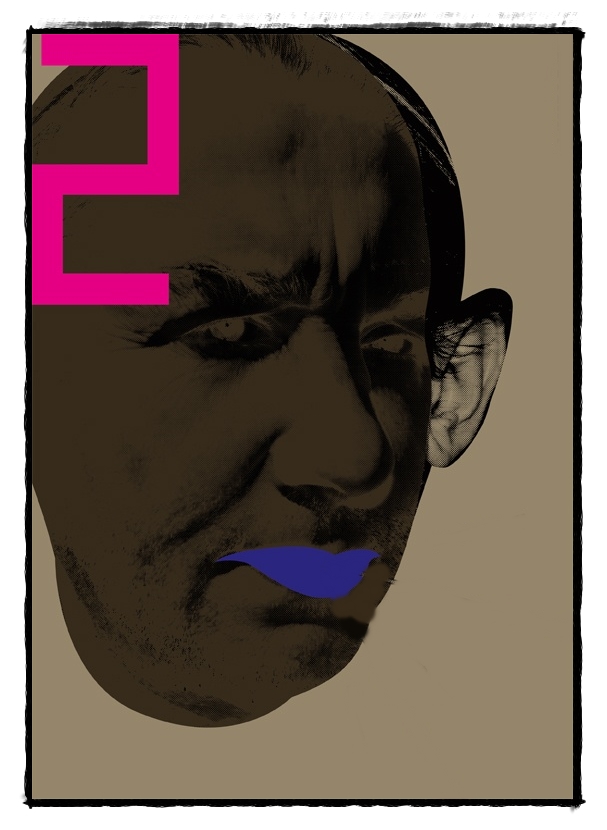
The Palace of Culture
by Ania Walwicz
Puncher & Wattmann, 2013
Ania Walwicz’s first book in more than twenty years, Palace of Culture, confirms her reputation as one of Australia’s leading conceptual poets. It consists of fifty (almost) prose poems, each between two and five pages length. The poems use the suggestion of narratives as a key organising principle. But suggestion is as far as any of the narratives get. Characters, places and events all seem about to emerge but Palace of Culture is a sublime work of disruption in which almost every word, phrase and line is designed to both suggest meaning and to disrupt it. In fact even the act of reading, which the poetics seem to infer as straightforward, is constantly interrupted.
Poems with titles like ‘prince’, ‘leave’ and ‘see’ use the title words as the building blocks of narratives; however, constant disruptions render those narratives illusory and fleeting. Using derivatives and variations of words, the poems spiral off in new directions. They seem connected to what has been written before, and after, but exist almost entirely independent of context. She describes the process in ‘The language of desire’:
the text forms a vortex, without focus or centre, desire
that remains unfulfilled, language that streams out without a
real objective, a delirium,