Έρμα Βασιλείου, Κανένα μαύρο σύγνεφο

ab45b1a6ec2721a56eae2e189021a788

Τρεις μολυβιές δυο χαρακιές και κύκλο
κλείσανε σήμερα
τα σύρματα του ηλεκτρισμού
πουλιά γινήκαν δάκτυλα
και στα μαλλιά οι τυφώνες σαν σκιάχτρο
αφορισμού
δεν είδαν τίποτε
σιμά δεν στάθηκε κανένας στα ρόδα
βρεθήκανε στη ζάλη
στο μεθύσι
θαμώνες βιαστικοί
και τρίκλιζαν στα πέταλα του φου*
η ανάσα της αυγής
τον άδειο τόπο γύριζε να δει
καν δεν ξεχώρισαν το αγιάζι
ούτε το φως που χάραζε
πρόφτασαν μόνο γκάζι
σ’ ένα βουνό σιδερικά
κι ήτανε ακόμα τόσο όμορφο
κι αυτό ακόμα της ζωής το νάζι
που δεν το πρόσεξαν ούτε αυτό

*του φωτός, Κυπρ.

**Από τη συλλογή “Ποιος θώωσε την αυγή;”.

Η γυναίκα σε στίχους του Κ. Π. Καβάφη

dimartblog's avatardimart

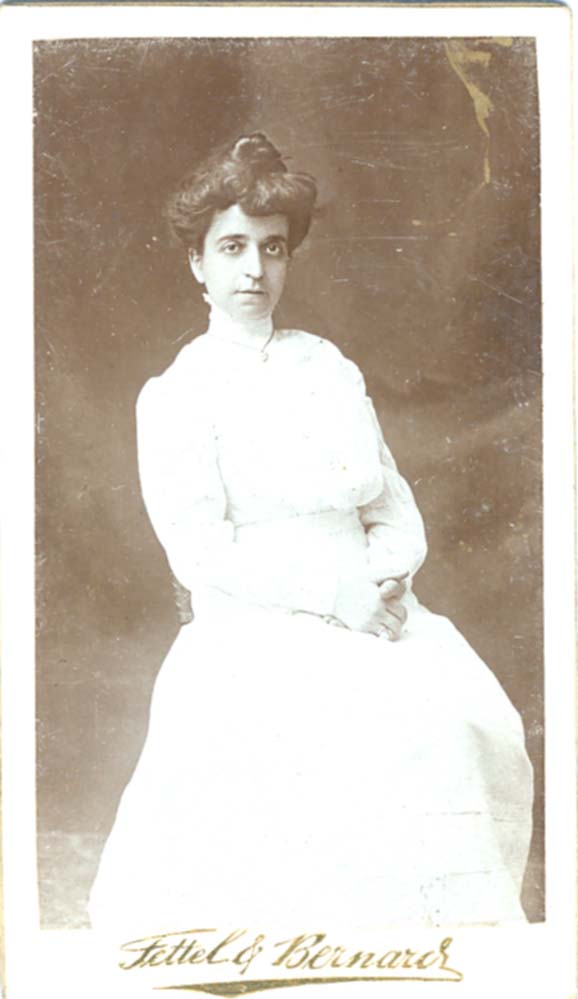
Ο Γιώργος Ζεβελάκης, με αφορμή τη φωτογραφία μιας γυναίκας στην Αλεξάνδρεια της εποχής του Καβάφη, επιλέγει για τους αναγνώστες του dim/art καβαφικούς στίχους που μιλούν για τη γυναίκα, διαχρονικά και στους πολλαπλούς ρόλους της: τη διανοούμενη Άννα Κομνηνή που, κατά τον Καβάφη, «την καίει η οδύνη “μέχρις οστέων και μυελών και μερισμού ψυχής”», την αυτοθυσία της αφοσιωμένης σπαρτιάτισσας μάνας, την ερωτευμένη γυναίκα που τον φτωχό αγαπημένο της απαρνήθηκε.
Γυναίκα Αλεξανδρεια
 Φωτογραφία γυναίκας στην Αλεξάνδρεια, τέλη 19ου-αρχές 20ού αιώνα.
* * *
Οι στίχοι που ακολουθούν, υπαινικτικά και υπόγεια, ιχνογραφούν την εικόνα του Καβάφη για τη γυναίκα — μια εικόνα, διόλου άσχετη με τον τόπο του και την εποχή του.
kav-thumb-large
* * *
Όμως η αλήθεια μοιάζει που μια λύπη μόνην
καιρίαν εγνώρισεν η φίλαρχη γυναίκα·
«Άννα Κομνηνή»
Μα η υπέροχη γυναίκα τον κατάλαβε
 (είχεν ακούσει κιόλα κάτι διαδόσεις σχετικές)
«Εν Σπάρτη»
Όμως ο δυνατός της χαρακτήρ επάσχισε·
και συνελθούσα η θαυμασία γυναίκα
 «Ἄγε, ὦ…

View original post 46 more words

Visit Regularly / Να Επισκέπτεσθε Συχνά

Σχέδιο Κωστή Ατσαλή

Σχέδιο Κωστή Ατσαλή

Λέων Αίλουρος
http://leonailouros.blogspot.gr

Words Without Borders
http://www.wordswithoutborders.org

Κωστής Ατσαλής
http://atsalisart.blogspot.com

Από Πειρατές
http://apopeirates.blogspot.com

Διασπορική Σκοπιά
http://diasporic-skopia.blogspot.com

Αργεντίνοι Ποιητές
http://argentinoi-poihtes.blogspot.com

Littera
http://www.literra.gr

Ίστρος
http://www.flytoistros.com

Mindances (Κατ. Καρπούζη)
http://mindances.blogspot.com

akpoetess
http://akpoetess.wordpress.com

Τα Ποιητικά
http://tapoiitika.wordpress.com

Delirium
https://csyllas.wordpress.com

Νίκος Καρούζος – Αιώρηση

worldcity's avatarLa Ivolution

Αἰώρηση

στο Θάνου Κωνσταντινίδη

Στὸν οὐρανὸ οἱ δυνατότητες
εἶναι μόνο συναρπαστικές.
Καθὼς κρεμόμουνα στὸν ἀέρα
κρατημένος ἀπὸ ἕνα κάτασπρο σύννεφο
σὲ μυθικὴ ὀθόνη τῆς φαντασίας
παρατηροῦσα τὶς τιμὲς
τῶν στοιχείων τοῦ αἵματός μου
κι ἄκουγα μία ἐκθαμβωτικὴ μουσικὴ πράξη
σχεδὸν ἐξωανθρώπινη
πρὸς τ᾿ ἀριστερὰ στὸ γεωγραφικὸ χάρτη
στὸ σημεῖο ποὺ βρίσκεται τὸ βουνὸ Τρόμος
τυλιγμένο πάντοτε μ᾿ ἀστραπὲς
καὶ ἔκπαγλες καταιγίδες.
Ἐκεῖ ἀνέβηκα μία φορά.
Ἐκεῖ πρωτάκουσα τὸ τραγούδι
ποὺ ἔλεγε ἀνήκουμε στὰ νερά.
Κι ἀπ᾿ τὴν ἄλλη ἔλαμπε ὁ Ἐκκλησιαστής.
Ἀπὸ καιρὸ γνώριζα πὼς τὸ αἷμα
περιέχει ὅλο τὸ μυστήριο
ποὺ δίνεται μὲ σημάδια
στὸν ἀνθρώπινο νοῦ καὶ πλήρη ἀσυνέχεια.
Μήπως ἡ κυκλοφορία; –
διερωτήθηκε ὁ λαμπρὸς Καὶ αἰφνιδίως
ἦρθε στὸ μυαλό μου ὁ Λεονάρντο
ποὺ ἤξερε θεσπέσιες εἰδήσεις ἀπ᾿ τὸ σῶμα.

Νικος Καρουζος
29 Αὐγούστου 1990

Suspension

To Thanos Konstantinidis

In the sky, possibilities
are naught but thrilling.
As I was hanging in the air
holding on to…

View original post 149 more words

Antonio Ferrada Alarcon, Δύο ποιήματα

kim2

ΑΙΓΑΙΟΝ ΠΕΛΑΓΟΣ

Οσφραίνομαιτη θάλασσα
για να μάθω το όνομα που έρχεται
πλεγμένο στα μαλλιά σου,
για να μάθω πως το καλύτερο
είναι αυτό που ακόμα δεν κάναμε,
πισώπλατα στον άνεμο
και με τον ήλιο σαν το μεγάλο λόγο.
Οσφραίνομαι τη θάλασσα
για να πιστέψω
πως τα μάτια σου
είναι τα ίδια που είδαν τον Οδυσσέα
όταν επέστρεψε στην Ιθάκη.

***

ΟΔΥΣΣΕΑΣ

Όταν θέλω να θυμηθώ τ’ όνομά σου
κοιτάζω τους σιταγρούς.
Επιβεβαιώνω την κατεύθυνση του ανέμου
για να δω πού πηγαίνω,
για να πιστέψω ότι με περιμένεις
όταν τελειώσει το ταξίδι μου,
και σε ξεδιακρίνουν τα μάτια μου
μέσα στον κόσμο της αγοράς
ανάμεσα στα ψάρια και στα λουλούδια.

*Από το βιβλίο “Τέσσερις σύγχρονοι Χιλιανοί ποιητές εμπνέονται από την Ελλάδα”, σε μετάφραση και επιμέλεια Ρήγα Καππάτου, εκδ. Εκάτη, 2012.

When the poetry ‘voice from outside’ came indoors – An obituary for Dimitris Tsaloumas

1456490895874

By Judith Rodriguez and Helen Nickas

February 26, 2016

In 1983 a handsome bilingual poetry book – with the original Greek facing Philip Grundy’s translations – won the Australia Book Council Award for best book of the year. Titled The Observatory, the book marked a new phase, as Dimitris Tsaloumas’ voice from “outside” was embraced by Australia’s still predominantly Anglo-Celtic literature.

Dimitris’ path to this award was long and anguished. Born on the Aegean island of Leros in 1921, he completed his high school education at the Lyceum in Rhodes. As with many other Greeks who lived through World War II and the ensuing catastrophic civil war, he left home for political reasons, migrating to Melbourne in 1952, aged 31.

Already a published poet in Greece, but with limited English, Tsaloumas had to begin life afresh. He battled not only for survival, but also against a cultural death. His determination proved fruitful. He soon found work, got married, had four children and studied for an arts degree at Melbourne University. Poetry had to wait a while but finally the inspiration returned. While he was earning a living teaching English and French to Australian high school children, he was writing poetry at night at a frenetic pace. The sixties and seventies were the most productive years in his life as a poet. Tsaloumas’ favourite form then was the epigram because of his need for discipline, economy and simplicity, as he often explained during interviews.

Six books of poetry, all in Greek, were published between 1974 and 1981. His accumulated collection of epigrams was published in Greece in 1981. Their diverse themes included a critical and ironic look at the political and social reality of the times, without naming specific time and place. His themes were universal. His poem Prodigal could have been written about the current crisis in Greece:

It’s time for parsimony and circumspection.

I told you before. We’re going through

inhuman times. Even the banks will feel the pinch

and already many merchants scour

their dusty books for long-forgotten debts.

…….

Take your children and head for the bush.

The years of squandering are over. By the early 1980s Tsaloumas was fully aware of the implications of a divided life. Melbourne was his city now – a welcoming city too, as poets and critics in Australia were beginning to discover his “new” voice. Judith Rodriguez remembers realising, as he read at the Carringbush Library in 1979, that here was a poet of stature. His collaboration with translator Philip Grundy made a way forward, while the eighties initiated Australian literature consisting of names other than the Anglo-Celtic.

Having seen his poems published bilingually, Tsaloumas knew he had to try writing directly in English. Being multilingual (Greek, Italian, French and English), he saw writing in English as a big challenge, albeit tinged with a sense of betrayal towards his mother tongue, as he often stated. In 1988, his first book titled Falcon Drinking – all in English – was published. Many publications in English followed, and awards including the Patrick White Award for major contribution to Australian literature; the Wesley M. Wright Prize for Poetry, for The Barge; the John Bray Award for The Harbour; and the Writers’ Emeritus Award, from the Australia Council.

Experimenting with language was part of his craft, not unlike Joseph Conrad and Vladimir Nabokov who wrote in their adopted English language, and Samuel Beckett who wrote in both English and his adopted French.

Tsaloumas always asserted that the English language gave him the distance he needed to write with more clarity and simplicity: “All my life long/ I’ve hankered after simplicity.” While the form of his poems changed his themes did not, because Tsaloumas never wrote specifically about immigrant displacement, exile and nostalgia. Instead, his themes encompassed a sense of universal loss. As he aged, his poems revealed his reflections as an elder, or a sage, on time passing and the fragility of human existence.

His recent publications included: Helen of Troy (UQP, 2007); Un chant du soir (Orphée, La Difference 2014) and an English/Greek edition of The Winter Journey (Owl Publishing 2014). In the past two decades, he wrote again in Greek, also translating many of his English poems into his native tongue. Over the past three decades he had divided his time between Melbourne and Leros but deteriorating health recently brought him to declare – with sadness – that he would not come back to Australia.

Finally, in Athens and then Leros, living with his daughter Matina’s family, he could no longer read or write. In one of Helen Nickas’ last telephone conversations, he seemed utterly frustrated: “All is in vain.” But when told that his work would live on, he declared: “Well, let’s say that I have tried to write in order to justify my existence in this world”. He has indeed.

After a short illness, he passed away quietly, lucid to the end. He leaves behind sons Chris and Mark, daughters Matina and Anna, and five grandchildren.

*Judith Rodriguez is a poet. Helen Nickas is a writer and publisher

**This was published at The Age http://www.theage.com.au/comment/obituaries/when-the-poetry-voice-from-outside-came-indoors-20160226-gn4amo.html

Συνέντευξη Γιώργου Δάγλα στον Νίκο Λέκκα

fteraxinas's avatarΦτερά Χήνας

1 (2)

Τον Γιώργο Δάγλα -δυστυχώς για μένα- τον γνώρισα εξ αποστάσεως τα τελευταία χρόνια. Και αυτό χάρη σε ένα λεύκωμα cd για την Κατερίνα Γώγου που κυκλοφόρησε από τον εκδοτικό οίκο «Οδός Πανός». Εκεί συμμετείχε με ένα ποίημα για την δική του Κατερίνα και τον είδα να ποζάρει σε φωτογραφίες εποχής στο σπίτι της.

Η φίλη Λ.Κ. με πληροφόρησε ότι επρόκειτο για ελλάσων ποιητή, κολλητό της Κατερίνας, συνεργάτη του «Ιδεοδρομίου», που στην δεκαετία του ‘80, κυκλοφόρησε από τον «Ελεύθερο Τύπο» την πρώτη του ποιητική συλλογή. (Τα τεύχη του «Ιδεοδρομίου», αν και προσιτά σε μένα, δεν τα έχω φυλλομετρήσει πλήρως. Και το «Ιδεοδρόμιο» ήταν ένα περιοδικό που βήμα βήμα εξελισσόταν όπως ακριβώς και η κουλτούρα. Αν διάβαζες «Ιδεοδρόμιο» ήξερες την πορεία της κουλτούρας).

Έψαξα για αυτόν. Το καιρό εκείνο είχε μόλις κυκλοφορήσει την τρίτη του συλλογή από τις εκδόσεις «Φίλντισι». Μια δεύτερη, σχεδόν μυστική, κυκλοφόρησε στα ‘90 από επαρχιακές εκδόσεις. Κάποιες από…

View original post 1,760 more words

Νίκος Καρούζος – Πεζά κείμενα

pandoxeio's avatarΠανδοχείο

KAROUZOS Peza Keimena_

Τα πεζά ενός ποιητή που δεν εγκατέλειψε αλλά ούτε και χαρίστηκε στο «εμείς»

Πιάνω στα χέρια μου το τεύχος υπ’ αρ. 88 – 89 του περιοδικού Η λέξη (Οκτώβρης – Νοέμβρης ’89), που είχα αγοράσει από ένα περίπτερο στην Θεσσαλονίκη. Ίσως ήταν το πρώτο αφιερωματικό τεύχος που αγόραζα και ο λόγος ήταν ο τιμώμενος ποιητής, ο πρώτος ποιητής που μου μίλησε με έναν τρόπο που μέχρι σήμερα πασχίζω να καταλάβω. Το αφιέρωμα στον Νίκο Καρούζο περιελάμβανε εξαιρετικά ενδιαφέροντα κείμενα από τον Τίτο Πατρίκο, Έκτορα Κακναβάτο, Ματθαίο Μουντέ, Γιώργο Βέη, Αλέξη Ζήρα, Κ. Αγγελάκη – Ρουκ, Αθηνά Παπαδάκη, Κώστα Γεωργουσόπουλο, Κωστή Παπακόγκο, Ευγένιο Αρανίτση, Κώστα Σοφιανό, Θανάση Χατζόπουλο, Θ.Δ. Φραγκόπουλο, κ.ά., καθώς και μια συνομιλία του ποιητή με τους εκδότες του περιοδικού Αντώνη Φωστιέρη και Θανάση Νιάρχο. Ανοίγω το τεύχος και βλέπω τις κυκλωμένες από το μολύβι μου παραγράφους – όπως εκείνη από το κείμενο του Αρανίτση [σ. 894 – 895]:

View original post 1,195 more words