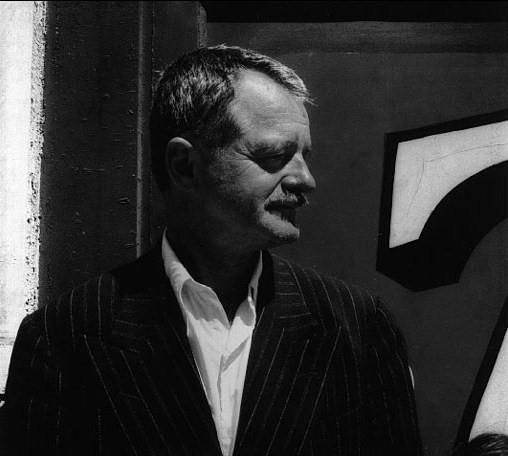
Kenneth Rexroth, 1905-1982

A short biography of poet, anarchist and pioneer of the Beat movement Kenneth Rexroth
392430_3107195003651_1377582404_32478828_1924982806_n

Labor power on the market,
Firepower on the battlefield,
It is all one merely two
Aspects of the same monster.
The Dragon and the Unicorn

Kenneth Rexroth was born in 1905 in Indiana, into a family that had a long line of freethinkers, feminists, abolitionists, socialists and anarchists. His father used to drink whisky with Eugene Debs, the socialist leader. He had an enlightened upbringing but then had the misfortune of being orphaned at the age of 12. Most of his adolescence was spent in Chicago, where he worked as a newspaper reporter and was involved in running a jazz tea shop. Here he came in contact with the bohemian world of musicians, poets, writers, artists, hobos, revolutionaries and outsiders.

Rexroth was almost completely self-educated, with only five years of formal schooling. He read avidly, began to write poetry, paint abstract paintings, worked in avant-garde theatre and taught himself several languages. Like the European writer Jean Malaquais, he took to the road in his late teens, He ranged, he roamed, he rambled. He worked at all sorts of jobs, sometimes as a cowboy cook, sometimes as a wrangler, and in farm and forestry jobs. He worked as a toothbrush maker and as a peddler of pamphlets on diet. He even managed to make it to Paris and back as a stowaway. There he met many important radical artists, including many surrealists. The anarchist Alexander Berkman told him whilst he was in France not to become another expatriate and he returned. Becoming an anarchist at an early range, he saw through the Bolshevik myth of the Russian Revolution as soon as 1921 when the Kronstadt sailors uprising was crushed by Lenin and co.

In 1927 he joined the Industrial Workers of the World, working for a while on its newspaper. In Chicago he set up a Dadaist group. He carried on independent activity in the thirties. Settling in San Francisco he was involved in the newssheet the Waterfront Worker which exhorted dockers to organise. (In later life he entertained his friends with renditions of IWW and Spanish anarchist songs and sometimes used the IWW address “Dear Fellow Worker” in letters).

With the collapse of the revolutionary wave he began to dig in, maintaining and seeking out contact with those who had preserved their radicalism, looking for reassessment and reappraisal. Where possible he spoke out against the established order. We have to remember that in this most grievous period, it was an extraordinary achievement to maintain revolutionary optimism. The perversions of Bolshevism had meant that as Kenneth said “There was no one left who was not completely centred on the Kremlin, either as a mindless Stalinist hatchet man or a psychopathic anti-Bolshevik”. He was also able to make the acute observation that: “the socialist and trade union movements in the West have functioned in reality – not just as governors to insure that steam is let off when the pressure gets too high, not just as what are now called “fail safe” devices, though they certainly are that – but as essential parts of the motive organisation of capitalism, more, in other words, like carburettors that insure there will be just the right mixture of fuel and air for each new demand on the engine”.

In World War II he refused to take part in the clash of opposing capitalist states and was a conscientious objector. He did alternative service working in a psychiatric ward. During the war he formed the antimilitarist Randolph Bourne Council (named after the libertarian writer who had coined the phrase “War is the health of the state”). He helped Japanese-Americans who were being interned by the thousands in concentration camps, devising ways by which many were able to avoid internment. Down in Berkeley from 1944 to 1948 the magazine Circle which united local Berkeley Renaissance writers and exiled European Surrealist poets expressed anarchist and anti-authoritarian views (Rexroth contributed to it). In their last issue an ad for a New Writers Group stated that “ We believe in the possibility of a culture which fights for its freedom, which protects the economic interests of its workers in all fields including the arts, and which can create for itself new forms and new voices, against reaction and the threat of war”.

After the war Rexroth was involved in the setting up of the San Francisco Anarchist Circle. (later the Libertarian Circle). Anarchists like David Koven, surviving old Italian and Spanish anarchists, and conscientious objectors returning from the Waldorf detention camp took part. Lively weekly meetings discussed all sorts of subjects from the Spanish Revolution, Kronstadt and Ukrainian rebel Nestor Makhno, to the ideas of anarchists like Emma Goldman, Berkman , Voltairine de Cleyre , Peter Kropotkin, the anarchist women’s movement, and sex and anarchy. The sessions at Rexroth’s house were enriched by his food (he was a superb cook) and his huge and encyclopaedic knowledge. Rexroth’s actions were designed to trigger what he felt was needed for a successful transition to an anarchist society- the development of a new consciousness. The little magazine Ark that was set up (printed on a small hand press from 1947) was more militant than its forebear to the south, Circle. It proclaimed: “Today, at this catastrophic point in time, the validity if not the future of the anarchist position is more than ever established. It has become a polished mirror in which the falsehoods of political modes stand naked”.

When all the other social commentators were bluntly asserting that all revolt and dissidence had ended he was able to say “The youngest generation is in a state of revolt so absolute that its elders cannot even recognise it”. Members of the Libertarian Circle were to be key players in the radical upsurge that became known as the San Francisco Renaissance, as poets and artists, in free radio, in experimental theatre and in the little magazine movement.

Rexroth was to be the midwife of the Beat movement that emerged, that succeeded in uniting the dissident poets and writers of both the East and West Coasts. Kenneth hated being called the Father of the Beats – a movement of which he had many criticisms – but he was able to see that he and they were united in their mutual antagonism to the “ruling convergence of interest- the business community, military imperialism, political reaction, the hysterical, tear and mud drenched guilt of the ex-Stalinist, ex-Trotskyist American intellectuals”.
Rexroth was to preside at the birth pains of the San Francisco Renaissance, which led directly on to the emergence of the Beat movement, at the Six Gallery event in San Francisco where Allen Ginsburg’s powerful anti-authoritarian poem Howl was read out to a eager and excited audience of several hundreds in an electric, drunken atmosphere, where Jack Kerouac was cheerleader and rhythm-maker.

William Everson says what I feel about Rexroth better than I could so let’s hear him speak: “He is a powerful spokesman for any cause he espouses. A born journalist, he has a flair for vigorous public speech and the guts to speak out in unequivocal terms. He has fantastic intellectual and moral courage, taking on the establishment and throwing it on the defensive through the sheer force of his invective. His rhetoric is savage, sometimes shockingly so, but it is never ineffectual. His faults are the excesses of his virtues and he quarrels with his friends as readily as he clobbers his enemies. He tends to drop the movement he has fostered as soon as it shows signs of fragmenting. But his constitutional restlessness could not jeopardise the work he actually accomplished. He touched the nerve of the future and more than any other voice in the movement called it into being. Though others picked up his mantle and received the plaudits, it remains true that today we enjoy the freedom of expression and lifestyle we actually possess largely because he convinced us that it was not only desirable but possible, and inspired us to make it be”.

Rexroth placed too much stress on the development of a radical lifestyle as a fortress against capitalism to the detriment of struggle. His increasingly religious turn in the last years of his life are jarring for many atheists and agnostics. Nevertheless, both his prose and his poems are deeply anarchist and deeply combative. In the long poem The Phoenix and the Tortoise he wrote: “The State is the organisation of the evil instincts of mankind”. In For Eli Jacobson, one of his most moving poems, Rexroth remembers a dead friend:


We were comrades
Together, we believed we
Would see with our own eyes the new
World where man was no longer
Wolf to man, but men and women
Were all brothers and lovers
Together. We will not see it.
We will not see it, none of us.
It is farther off than we thought
We will be remembered, all
Of us, always, by all men,
In the good days now so far away.
If the good days never come,
We will not know. We will not care.
Our lives were the best. We were the
Happiest men alive in our day.

In one of his angriest poems Thou Shalt Not Kill Rexroth talks of the toll that the collapse of the revolutionary wave had on so many writers, artists and intellectuals.

How many stopped writing at thirty?
How many died of prefrontal
Lobotomies in the Communist Party?
How many are lost in the back wards
Of provincial madhouses?
How many on the advice of
Their psychoanalysts, decided
A business career was best after all?
How many are hopeless alcoholics?

One critic snidely called Rexroth (and Gary Snyder and Philip Whalen) “members of the bear-shit-on-the-trail school of poetry.” Rexroth did indeed spend a lot of time in mountain and wilderness, thought that this time was a splendid antidote to the scourges of urban capitalist life, and wrote beautifully about these experiences. But often, in the middle of such a poem, we are pulled back to ideas of struggle, just as I myself, walking in the mountains, have turned to thoughts of revolution. Here Rexroth thinks about the Italian-American anarchist Bartomeleo Vanzetti and his comrade Nicola Sacco, murdered by the State (He had visited them both in prison).

I saw you both marching in an army
You with the red and black flag, Sacco with the rattlesnake banner.

I kicked steps up the last snow bank and came To the indescribably blue and fragrant Polemonium and the dead sky and the sterile Crystalline granite and final monolith of the summit. These are the things that will last a long time, Vanzetti, I am glad that once on your day I have stood among them. Some day mountains will be named after you and Sacco. They will be here and your name with them, When these days are but a dim remembering of the time When man was wolf to man.
I think men will be remembering you a long time Standing on the mountains Many men, a long time, comrade.

From Climbing Milestone Mountain August 22, 1937

By Nick Heath

Slightly edited by libcom

More information
Read The Relevance of Rexroth, a pamphlet written by the Situationist Ken Knabb for a passionate appreciation of what Rexroth was about. Published by the Bureau of Public Secrets PO Box 1044, Berkeley, California 94701. See also the Kenneth Rexroth Archive on BOPS.

Τα ΟΧΙ του Αργύρη Χιόνη

xionis1382916466

Γράφει ο Ανδρέας Ζάρρος

Στην αρχή λίγοι έδωσαν σημασία στον ομιλητή, ο οποίος σύντομα κέρδισε το ακροατήριό του επανακαθορίζοντας καταλυτικά τα νοήματα της 28ης Οκτωβρίου.
….

Στις 28 Οκτωβρίου 2011 βραβεύτηκαν οι επιτυχόντες μαθητές του δήμου Ξυλοκάστρου Ευρωστίνης στην τριτοβάθμια εκπαίδευση. Ο Αργύρης Χιόνης ήταν ο κεντρικός ομιλητής της εκδήλωσης και σε όλα τα παιδιά έδωσαν ένα βιβλίο του. Ανέβηκα λοιπόν στο Θροφαρί για να τον πάρω, και μετά την απαραίτητη στάση στο Intro Art Cafe, φτάσαμε στο θέατρο Άγγελος Σικελιανός. Καθίσαμε και περιμέναμε να τον καλέσουν στο βήμα.Κάποια στιγμή βγάζει τα χαρτιά που είχε γράψει κι ενώ τους ρίχνει μια τελευταία ματιά με ρωτάει: «Το κωλογλείψιμο είναι κακιά λέξη;». «Όχι», απαντάω αμέσως και χαμογελάω πονηρά. «Α, εντάξει» είπε και μετά από λίγο ανέβηκε στο βήμα.

Στην αρχή -τα παιδιά κυρίως- δεν μπορώ να πω ότι πρόσεχαν τον ομιλητή. Λίγο μετά, όλο το θέατρο είχε βουβαθεί και άκουγε ευλαβικά. Δεν ήταν ένας συνηθισμένος λόγος. Πώς θα μπορούσε άλλωστε να είναι; Ίσως αυτοί που δεν τον ήξεραν να περίμεναν ν’ ακούσουν τετριμμένες νουθεσίες ενός «σοφού» μεγάλου προς τους νέους. Όμως, ήταν διαφορετικά. Ευτυχώς μου έκοψε και πάτησα την ηχογράφηση στο κινητό, τη μαγνητοφώνησα κι έτσι την έχουμε σχεδόν όλη. Πέρα από την εισαγωγή (όπου ευχαριστούσε για την πρόσκληση) και μια δυο λέξεις που δεν ακούγονται, όλη η άλλη είναι αυτούσια:
 
Continue reading

Η μνήμη και το σώμα – Για τον Κ. Π. Καβάφη

ΤΟΥ ΚΩΣΤΑ Γ. ΠΑΠΑΓΕΩΡΓΙΟΥ

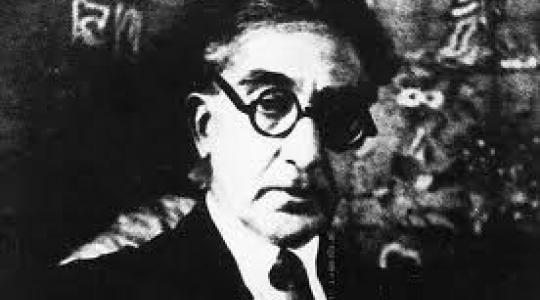
«Τα ζωηρότερα γεγονότα δεν μοι εμπνέουν αμέσως. Χρειάζεται πρώτα να περάσει καιρός. Κατόπιν τα ενθυμούμαι και εμπνέομαι.» (Κ. Π. Καβάφης). Που σημαίνει ότι ακόμα και τα «ζωηρότερα γεγονότα» χρειάζεται πρώτα να φυλαχτούν στη μνήμη∙ να προστατευθούν «από τον παντού και πάντα ενεδρεύοντα, κίνδυνο της φθοράς –και βέβαια όχι οποιασδήποτε φθοράς, αυτής που ούτως ή άλλως περιβάλλει τα πρόσωπα και τα πράγματα, αλλά μόνον εκείνης που δεν μπορεί να αισθητοποιηθεί, να γίνει εκμαυλιστική πηγή έμπνευσης και δημιουργίας. Να φυλαχτούν στη μνήμη αναλλοίωτα -ή έστω σαγηνευτικά αλλοιωμένα-, διατηρώντας τους ήχους, τις οσμές, την υφή και την αφή τους, ώσπου αιφνίδια μία στιγμή, από κάποιο ερέθισμα της σκέψης, των αισθήσεων ή του σώματος, να ανασυρθούν και να περάσουν στο μυαλό. Μάλιστα, προκειμένου για πρόσωπα (αδιάφορο αν πέθαναν ή ο μακροχρόνιος χωρισμός τα εξομοίωσε με τους πεθαμένους), αυτά ανασύρονται με πάντα ζωντανή την αίσθηση της πραγματικά ή φανταστικά βιωμένης επαφής μαζί τους× με τη μορφή τους ανέπαφη από τον χρόνο, με τις χειρονομίες, τις στάσεις και τις κινήσεις του σώματός τους σταματημένες μέσα στην αλλοτινή κίνησή τους –«ινδάλματα ηδονής».

Μνήμη όχι ανέμελα αφημένη, εκτεθειμένη στις διαβρωτικές συναισθηματικές αναθυμιάσεις της νοσταλγίας, αλλά προστατευτικά ηνιοχημένη από της νοήσεως τις επιταγές∙ και γι’ αυτό νηφάλια, εκκολαπτική και όσο χρειάζεται αφυπνιστική και μεγεθυντική εικόνων, συμβάντων και καταστάσεων «τόσο λίγο εκτιμηθέντων» στο «αλλοτινό» παρόν τους. Ελαστική, μάλλον ενδοτική στου σώματος τα ηδυπαθή ξυπνήματα, στου δέρματος τους διεγερτικούς κυματισμούς, στα φανερά ή κρυφά, βουβά αγγίγματα ή μιλήματά του. Διαμεσολαβητική ανάμεσα σ’ αυτήν την ίδια, τη νόηση και το σώμα (όπως και η νόηση και το σώμα, εξάλλου, διαμεσολαβούν ανάμεσα στον εαυτό τους και τη μνήμη)× διαμεσολαβητική και, συγχρόνως, διεκδικητική του παρόντος, διακριτικά φροντίζοντας να περιβάλει με τη ρεμβαστική χροιά της τα συμβαίνοντα∙ ώστε το σώμα να έχει πάντα να θυμάται.

Continue reading

Ίχνη του εξωτερικού / Κωνσταντίνος Καβάφης

lillis02


Aπό τον Γιώργο Λίλλη

Ο Καβάφης, όπως είναι γνωστό, είναι ο πιο πολυμεταφρασμένος Έλληνας ποιητής στη Γερμανία. Μέτρησα πάνω από 40 διαφορετικές εκδόσεις των ποιημάτων του. Η Amazon μάλιστα έχει κυκλοφορήσει τα ποιήματά του και σε e-book. Ο Καβάφης συγκινεί. Διαβάζεται με πάθος. Είναι ένας ποιητής που όσο περνά ο καιρός τόσο πιο επίκαιρος γίνεται. Ένας ποιητής που νίκησε το χρόνο μέσα από το έργο του.

Θα σταθώ σε μια έκδοση των ερωτικών ποιημάτων του από τον εκδοτικό οίκο Suhrkamp. Είναι μια έκδοση που περιέχει τα καλύτερα ερωτικά ποιήματα του Αλεξανδρινού ποιητή συνοδευμένα από 13 χαρακτικά του David Hockney. Μια φροντισμένη έκδοση, με σκληρό εξώφυλλο που μαζί με τις δημιουργίες του Hockney το καθιστούν ένα πραγματικό έργο τέχνης. Ο David Hockney γεννήθηκε στις 9 Ιουλίου του 1937.

Φημισμένα είναι τα σχέδια και χαρακτικά που δημιούργησε ο κορυφαίος ζωγράφος εμπνεόμενος και βαθιά επηρεασμένος από τα ομοφυλοφιλικά ποιήματα του Καβάφη. Ο Hockney είχε κλέψει ένα αντίτυπο ποιημάτων του από τη δημοτική βιβλιοθήκη, ενώ δεν δίστασε να ταξιδέψει σε Κάιρο, Λούξορ, Αλεξάνδρεια, Βηρυτό, αναζητώντας στοιχεία που θα συμπλήρωναν τις εικόνες που του γέννησε ο Καβάφης.

Αυτά τα χαρακτικά κοσμούν λοιπόν για πρώτη φορά την έκδοση ενός βιβλίου με ποιήματα του Καβάφη. Ξεφυλλίζοντας και διαβάζοντας το παρόν βιβλίο στην εξαίρετη μετάφραση του Michael Schroeder, η οποία αποδίδει πολύ καλά τα ποιήματα στη γερμανική γλώσσα, μένω εντυπωσιασμένος με τον τρόπο που ακούγεται η φωνή του ποιητή σε έναν ξένο αναγνώστη που δεν γνωρίζει ελληνικά. Η μαγεία παραμένει. Ο ρυθμός δεν χάνεται. Το νόημα αυτούσιο. Σπάνια περίπτωση για μεταφρασμένη ποίηση.

Ο Καβάφης είναι οικουμενικός. Ένας παγκόσμιος ποιητής. Ο Michael Schroeder ολοκληρώνει τη μετάφραση με ένα πολύ κατατοπιστικό επίμετρο για το ρόλο που έπαιξε ο Καβάφης στην ποίηση και εξηγεί γιατί τα ερωτικά του ποιήματα έχουν σημαίνοντα ρόλο στην ποιητική του θεωρία. Μια έκδοση που τιμά τα Ελληνικά Γράμματα στο εξωτερικό.

*Από το http://www.diavasame.gr/page.aspx?itemID=SPG2128#.UmP1zucDD5s.facebook

Jaara Jaara seasons free public performance – Sunday 3rd November 2013

-1

Hearing Jaara Jaara country – an acoustic celebration of box-ironbark country

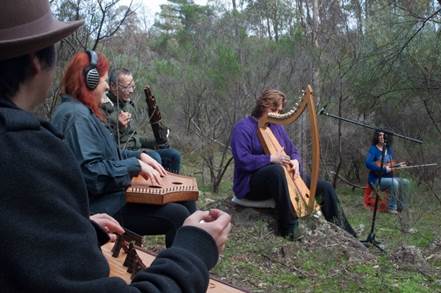
The premiere of a new radiophonic work heard in surround sound in the bush, Jaara Jaara Seasons, will take place in Fryerstown, central Victoria, on Sunday 3rd November. Internationally renowned Sound Artist, Ros Bandt, has been immersed recording the sounds of box-ironbark over a 12 month period, with the kind permission of Uncle Brien Nelson, Jaara Jaara Elder. Her radiophonic work will be spread through the bush and include sound recordings from underwater, in the air and the sounds of multi-cultural musicians.

Ros’s work aims to encourage deep listening to country and to honour those who have gone before. “Every place is an acoustic space which comes into being through listening” says Ros. “This habitat is at once a sound lab and poetic inspiration for soundscape composition and a public performance, which will be held at the site in a specially constructed temporary soniferous garden. Nothing beats being in place for situational listening.”

Performers include Rick Nelson (Jaara Jaara voice), Kinja – Ron Murray (didgeridoo/stories) and Sarah James (violin/voice), Mary Doumany (harp/voice), Le Tuan Hung (dan tranh), Wang Zheng Ting (sheng), and Ros Bandt (tarhu, psaltery/slide whistles/recorders).

The setting is a Jaara Jaara place of 55 acres, with a checkered history of pastoralism, gold, hobby farm and native bush. Over the past 20 years it has been land for wildlife and left to regenerate, free of intrusion, with the result of regeneration of the box ironbark habitat. It is a natural sound sanctuary. There is no electricity and this project is being carried out with no impact on the land, using sustainable technologies.

To attend this free public event, meet at the Fryerstown School, 5 Camp Street, by 3:30pm to walk to the bush site for a 4:00 pm start.

No bookings are necessary.

The performance is 50 minutes duration and participants may bring a campstool if needed. No smoking or phones are permitted on site. Refreshments and CDs will be available for purchase at the Fryerstown School.

Ros Bandt is one of Australia’s first pioneering sound artists. Her environmental sound art comprises sound installations, original musical instruments, sound sculptures, sound playgrounds, spatial music systems and live performances. She is a composer of site specific sounding artworks worldwide. She has been commissioned by international radio stations for her electro-acoustic sounding artworks in Europe, Asia and America. Her work in sound heritage and endangered sounds, and her online sound designs in public space in Australia 2000-7, has earned her the Australian national award for sound heritage by the National Film and Sound Archive in 2012, The Fanny Cochrane Smith Award, and in 2013 she has been shortlisted for the Melbourne Prize Outstanding Musician’s award. Her first vinyl was listed in this year’s national registry of Australian Sound by the National Film and Sound Archive. Ros has a PhD in musicology from Monash University and is honorary fellow in the School of History and Philosophical Studies at Melbourne University.

More information about this unique event can be found at http://hearingjaarajaara2013.wordpress.com

Kind Regards

Denise Button
Principal Consultant Colourful Language
strategic communications : copywriting & editing : social media: project & event management
t: 03 54734334
m: 0413 563404
http://www.colourfullanguage.com.au/

Κ.Π.Καβάφης. 80 χρόνια μετά τον μετατρέπουν σε μέσο προπαγάνδας

kavafissss

Γράφει η Sylvia…

Είχα την τύχη ως φοιτήτρια να μου διδάξει λογοτεχνία και ιδιαίτερα το έργο του Καβάφη, μια υπέροχη γυναίκα, η Ιλινασκαγιά, μια γυναίκα που μετέφρασε τον ποιητή στα Ρώσικα μιας και η ίδια ήταν Ελληνορωσίδα. Είχε την ικανότητα να προσεγγίζει την ποίηση πέρα από «πρέπει», τυπικές τεχνοκρατικές αναλύσεις, σου μάθαινε να βλέπεις πίσω από τους στίχους, να μαθαίνεις την βαθύτερη ψυχολογία του δημιουργού μέσα από τους στίχους. Δεν είναι τυχαίο ότι είχε επιλέξει τον Καβάφη. Μια ποιητική σκιά, έναν άνθρωπο που περισσότερο δυστυχώς ο σύγχρονος νεοελληνικός κόσμος ασχολήθηκε με το αν και πόσο ομοφυλόφιλος ήταν παρά με την ουσία της ψυχής και του έργου του. Ένας άνθρωπος χαμηλόφωνος, που στην ουσία το έργο του εκπροσωπούσε μια οικουμενικότητα, ανάλογα και ο ίδιος λόγω των διαρκών αλλαγών στα μέρη διαμονής του, αλλά και λόγω της καταγωγής του.

Σκέφτηκα αρκετά αν θα έπρεπε να ασχοληθεί κανείς στα σοβαρά με την γελοιότατη επιλογή να κοσμήσει λεωφορεία και τρόλεϊ, αυτός ο ποιητής, σα να είναι διαφήμιση κινητού. Και το χειρότερο να επιλεγούν στίχοι από ποίημα του, παραβιάζοντας και παρερμηνεύοντας την σημασία τους, μόνο και μόνο για να επηρεάσουν, όσους δεν έτυχε να διαβάσουν το συγκεκριμένο ποίημα, ή δεν ήρθαν σε επαφή με τα γραπτά του ποιητή.

Continue reading

Νίκος Καρούζος, Aθάνατοι θνητοί, θνητοί αθάνατοι

558366_206358089545493_106997001_n

Ενα σπάνιο κείμενο του Ν.Καρούζου για την Τέχνη

Ο εικοστός αιώνας πλησιάζει πια στο χρονικό του τέλος. Η ιλιγγιώδης ανάπτυξη της τεχνικής, μαζί με τις κοινωνικές επαναστασεις και τις ριζικές μεταβολές εξουσίας σε όλα σχεδόν τα σημεια του πλανήτη, πρέπει να αναγνωρίσουμε πως είναι το κυριότερο χαρακτηιστικό της ιστορικης φυσιογνωμίας του. Τα μεγάλα επιτευγματα της τεχνικης περιβάλλουν τον άνθρωπο του αιώνα με ένα όλωσδιόλου κάλος, που όμως τον είχε μπερδέψει σε κάποιες περιπτωσεις, αναφορικά με τη διαλεχτική συνάρτηση ζωής και ποίησης (εννοώντας μ’ αυτή την τελευταία λέξη και συνολικά την καλλιτεχνικη δημιουργία).

Ηδη το πρώτο αισθητικό κίνημα του αιώνα μας, ο φουτουρισμός, εκφράζει αυτή τη σύγχυση. Θα τη σχολιάσουμε στη σύντομη τούτη ομιλία μας, αντιμετωπίζοντας ειδικα την ταραχώδη φουτουριστική λογική, για να ξεμπλέξουμε τα πράγματα. Στις 20 Φεβρουαρίου 1909 δημοσιεύτηκε στον Παρισινό Φιγκαρό το “μανιφέστο του Φουτουρισμού” με την υπογραφή του αρχηγού του κινήματος Φίλιππου Μαρινέττι(1876-1944), ενός δαιμόνιου και έξαλλου Ιταλού γεννημένου και μεγαλωμένου στην Αλεξάνδρεια.

Σ’ αυτό το μανιφέστο που είναι ένα φανταχτερό μίγμα “μηχανολατρείας”, αντιπαρελθοντισμού και κακώς εννοούμενου Νιτσεισμού, διαβάζουμε στην υπ’ αριθμόν 4 πρόταση: “Διακηρυσσουμε πως η λαμπρότητα του κόσμου πλουτίστηκε με μια καινούργια ομορφιά: Την ομορφιά της ταχύτητας. Ενα αυτοκίνητο κούρσας(…), ένα αυτοκίνητο που μουγκρίζει τρέχοντας ωσάν βολίδα, είναι ωραιότερο από την Ν ί κ η τ η ς Σ α μ ο θ ρ ά κ η ς”

Continue reading

Ο Πάνος Καπώνης για τον Θωμά Γκόρπα

1382870_340565789420946_1532447722_n

ΘΩΜΑΣ ΓΚΟΡΠΑΣ: ΓΥΡΩ ΑΠΟ ΤΟΝ ΕΥΑΙΣΘΗΤΟ ΠΥΡΙΝΑ ΤΗΣ ΠΟΙΗΤΙΚΗΣ

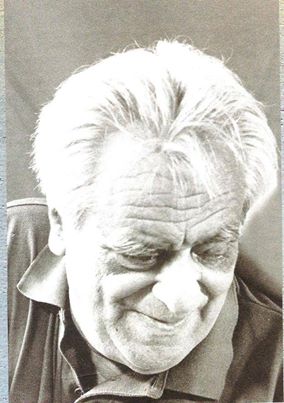
Γράφει ο Πάνος Καπώνης στο βιβλίο του «Πρόσωπα στην ομίχλη” για τον Θωμά Γκόρπα:«Πιστεύω ότι μερικές φορές, κάτω από την επιφάνεια και τα φώτα, στο καταγώγιο και το σκοτάδι, ταξιδεύεις σε φωτεινά μονοπάτια. Με το ρεμπέτικο μέσα στην υγρασία των καιρών, αναδύεσαι στην έκσταση. Μες τα υπόγεια ρεύματα αναδεικνύεις καθαγιασμένη τη ψυχή σου. Αυτό έκανε ο Γκόρπας. Γνήσιος μποέμ, μπιτ ποιητής (όπως τον ονόμασαν) πριν απ΄ αυτούς, καλοσυνάτος φωνακλάς, ασυμβίβαστος, αγενής στην αστική ευγένεια, με πικρό στόμα απ΄ τα πολλά και βαριά τσιγάρα.

«Δε μετάνιωσα για κανένα απ΄ τα χιλιάδες φαρμακωμένα τσιγάρα μέσα στα καλοκαίρια» είπε (Ιανουάριος 1978), «και μετάνιωσα για τόσα ωραία πράγματα». Είπε όμως κι΄ έγραψε κι άλλα η ψυχή του Γκόρπα, που τα εμπιστεύτηκε μετά από χρόνια στους συμπατριώτες του, πιστός σε αυτό που είπε το 1957, όταν εκδόθηκε ο «Σπασμένος καιρός»: «Δεν μ΄ ενδιέφερε ποτέ η δημοσίευση της δουλειάς μου, μ΄ ενδιέφερε πάντα η δουλειά μου». Αυτό το έλεγε πάντα, το πίστευε και έτσι κάπως χάραζε και την εικόνα της ζωής του.

«Μακριά καλοκαίρια της Αθήνας με κοντομάνικο άσπρο πουκάμισο. Να γυρίζω με το τελευταίο λεωφορείο ή με ταξί του μερακλή που νοιώθει άνετος και πλούσιος και είναι. Και να μην με πιάνει ύπνος. Να καίγομαι να γράψω και να μην μπορώ. Να καίγομαι. Να λείπουν όλα. Αν δεν έλειπαν πως θα υπήρχα ακόμα; Μήπως μας αγαπάνε πεθαμένους μέσα στα ποιήματα ; Πόσα χωράνε μέσα στα ποιήματα; Πως αερίζονται, πως δροσίζονται, πως ζεσταίνονται πως κάνουν Αχχχ .…. Χωράει ένα καλοκαιρινό Ευκάλυπτο μέσα σ΄ ένα ποίημα ; Μέσα σε χίλια ποιήματα ;…».

Και αλλού στο ίδιο δοκίμιο : «Εκεί γνωριστήκαμε –φοιτητής εγώ τότε – για πρώτη φορά. Θες η κοινή καταγωγή τόπου και διαμορφούμενης για μένα στάσης ζωής; Θες το κλίμα της εποχής εκείνης μέσα από το οποίο ξεπήδησε η γενιά των ποιητών του ΄70, μας έδεσε σε μια «υπόγεια» φιλία, που ανεξάρτητα απ΄ τις δικές μου «απουσίες», έβαινε παράλληλα στον «Μεγάλο Δρόμο». Στον δρόμο που οδηγούσε πάντα στην έμπνευση, στην πάτρια γη μας, αυτόν στο Μεσολόγγι, εμένα στο Αγρίνιο και τους δυο μας στην ποίηση. Έτσι και με τη βοήθεια του Θωμά, ενσωμάτωσε η Τζένη Μαστοράκη στην Αντι Ανθολογία την πρώτη της ποιητική συλλογή «Το συναξάρι της άγιας νιότης» κι εγώ την δική μου πρώτη «Κοκτέϊλ».

Τι βράδια και κείνα. Ατέλειωτες συζητήσεις (περί πνεύματος και πνευμάτων, περί ποιητικής και ποιητών, περί επανάστασης στο Λόγο, περί πολιτικής και δικτατορίας, περί έρωτος και λαϊκής μουσικής παράδοσης κλπ-κλπ) κι ο Γκόρπας, βέρος Μεσολογγίτης με τις ρουμελιώτικες εξάρσεις του, να ανατέμνει τη ποιητική παράδοση της γενιάς του ’30, να μας διαβάζει τα κυκλοθυμικά του ποιήματα (που μετά τα συγκέντρωσε στο «Πανόραμα») και να ξεκαθαρίζει πάντα τη θέση του απέναντι στις ιδέες, την κοινωνία, τους ποιητές, την ψυχή του».

Και συνεχίζει ο Πάνος Καπώνης: «Όποιος δεν έχει ζήσει έστω και λίγο στο Μεσολόγγι, δεν μπορεί να καταλάβει ουσιαστικά τον Θωμά Γκόρπα. Αυτό το ασήκωτο βάρος της έρημης δόξας, η ατίθαση φύση του ρουμελιώτη ευαίσθητου άντρα, το δάκρυ στην άκρη της Λιμνοθάλασσας από ερωτικό καημό, τα λαϊκά και τα ρεμπέτικα στα τζουκ μποξ των χρόνων εκείνων του ’50 & ’60 στα ουζερί, το μεθύσι με ούζο, το δειλινό στην Τουρλίδα, οι μοναχικοί περιπατητές που ταξιδεύουν στον ατέλειωτο δρόμο μέσα στις αλυκές που δεν οδηγεί πουθενά…

«Κι ω Ποίηση ζητιάνα των ρυθμών που δεν υπάρχουν πια προδομένη των μαγικών λέξεων που μαγαρίστηκαν από τους μαγαρισμένους κώλους… Κι ω μολόχες χάραμα κρύο νερό γλυκά φιλιά σπουργίτια ευκάλυπτα νεράντζια μούρα αγκινάρες και κεράσια τριφύλλια και σανά χρώματα ξεθωριασμένα ήχων πια άλλων αστέρων τι να κάνετε πια καημένα πώς να πολεμήσετε…»

Ο εραστής των χαμένων ποιητών

gravpl

Ένα παράξενο χόμπι έχει ο Γουόλτερ Σκολντ από το Μέιν των Ηνωμένων Πολιτειών: να επισκέπτεται τάφους ποιητών…

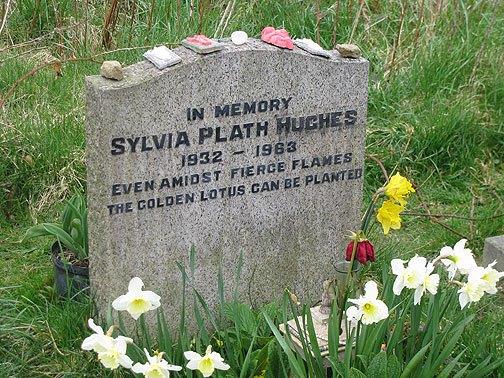
Ο Σκολντ μάλιστα τη Δευτέρα 7 Οκτωβρίου έφτασε τους 300 τάφους ποιητών, επισκεπτόμενος ένα νεκροταφείο στο Κέμπριτζ της Μασαχουσέτης. Μεταξύ άλλων, έχει επισκεφθεί τους τάφους του Τ.Σ. Έλιοτ και της Σίλβια Πλαθ.

Η ημερομηνία αυτή δεν είναι τυχαία: ο Σκολντ, μαζί με 13 Αμερικανούς ποιητές, έχουν ανακηρύξει την 7η Οκτωβρίου Ημέρα Μνήμης των Νεκρών Ποιητών, μια και είναι η ημέρα της επετείου του θανάτου του Έντγκαρ Άλαν Πόε και της γέννησης του Τζέιμς Γουίτκομπ Ράιλι.
Στο πλαίσιο της φετινής Ημέρας Μνήμης, διοργανώνονται το ερχόμενο Σαββατοκύριακο αναγνώσεις ποίησης σε κοιμητήρια τεσσάρων αμερικανικών πολιτειών.

[επιμέλεια: Σ.Π.]

*Δημσιεύτηκε στο http://www.diastixo.gr/epikaira/eidiseis/1751-o-erasti-ton-xamenon-poihton Ευχαριστίες στη Μίνα Ξηρογιάννη που μας το προώθησε.

20 years without Katerina Gogou – Athens’ anarchist poetess, 1940-1993

Gogou_0

Gogou, Katerina: Athens’ anarchist poetess, 1940-1993

A biography of Katerina Gogou the anarchist poetess of Exarcheia.

This is a biography of Greece’s greatest anarchist poetess, Katerina Gogou (1940-1993). Until today Gogou remains the bete-noire of modern poetry in Greece with only one poetic anthology including her groundbreaking heretical work. However, her poems have become an indivisible part of the radical culture of the country and of the public imaginary of Exarcheia.

Recently a biography of Katerina Gogou titled “Katerina Gogou: Death’s Love [Erotas Thanatou]” appeared, authored by Agapi Virginia Spyratou (2007, Vivliopelagos, Athens), based on her doctoral thesis. However no study or history of Katerina Gogou’s involvement in the anarchist struggle of the 1980s has ever been published in greek, leaving a great gap in both the history of the movement and in the biography of the poetess. The biography presented below is based on the book of Sryratou as well as on several reviews of her life and work in literary magazines like Odos Panos (Vol. 145, July-September 2009).

The only translation of her work in English is an old publication of her first collection of poems “Three Clicks Left”, translated by Jack Hirchmann and published in San Franscisco by Night Horn Books. The book not being available in greece, I have provided my own translations to her poems with asterisks for explanations on notions and places (apologies for my literary sloppiness in advance). The original format of the poems is generally preserved, but no titles are given as her poems had no titles. Links to videos of Gogou reciting them are given where available. The recitations heard are from the vinyl record “On the Street” described below. Weird screeching siren like noises interrupting the recitation at places is no digital mistake but the 1980s not-so-subtle censorship of “inappropriate words” and political comments by the authorities.

Continue reading