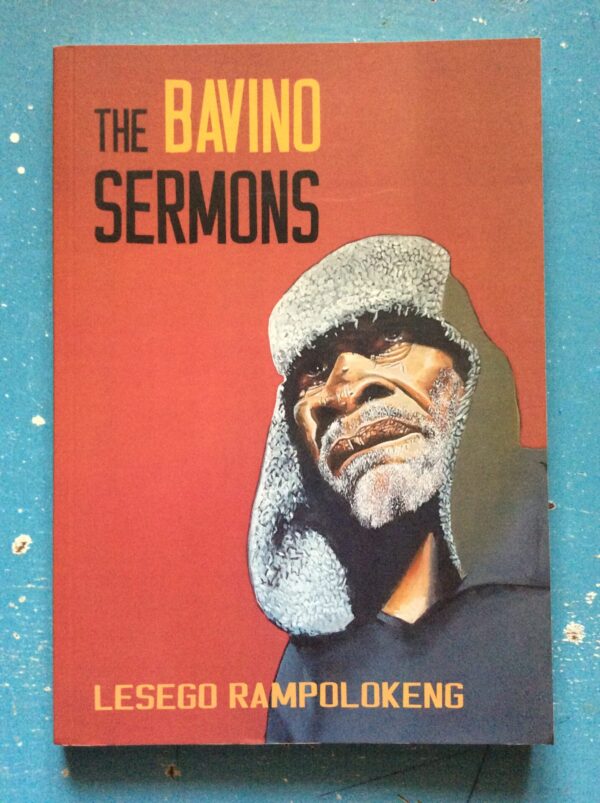
Μέρος ευρύτερης μεταφραστικής εργασίας πάνω στο έργο του Lesego Rampolokeng Μετάφραση, ανάλυση και βιογραφικές σημειώσεις: Ασημίνα Λαμπράκου
LINES FOR VINCENT Στίχοι για τον Βίνσεντ (Lesego Rampolokeng – μετάφραση: [Ασημίνα Λαμπράκου])
Του έβγαλαν το δόντι μ’ ένα ζευγάρι πένσες, προτού πεθάνει. Του έβγαλαν τα νύχια, επειδή ήθελαν να χάσει το θάρρος του. Έκοψαν τα γεννητικά του όργανα μ’ ένα χασαπομάχαιρο. Ενώ αιμορραγούσε, τον έγδαραν κι άφησαν το αίμα του να ρέει με τον άνεμο.
Το μήνυμα έσκασε μέσα μου στην κόκκινη οργή μιας καταιγίδας, χτυπώντας σκληρά στο πίσω μέρος της ντροπής μου. Κι ακόμη το κέλυφος της μνήμης ρίχνει ζάρια.
Ας το πάμε με τη σειρά. Κανείς από όσους ξέρω δεν είδε το πτώμα του Βίνσεντ. Και οι αποδείξεις καθαρίστηκαν καλά από τον στρατιωτικό που ζούσε με τον αγώνα να παραμείνει ανθρώπινος. Ναι, ο άντρας στην εξουσία έκανε μια συμφωνία σε κιλά αίματος και σάρκας. Θάψαμε ένα άδειο φέρετρο, συμβολικά. Λένε, ένα τσακάλι μετέφερε το κεφάλι του μακριά. Λένε, μια σφαίρα έκλεισε τον λογαριασμό.
Ο θρύλος λέει: στριφογύριζαν το κεφάλι του στον αέρα και τα οστά θα είχαν φτιάξει έναν θρόνο για τον πρόεδρο. Ακρωτηρίασαν και σοδόμησαν το νεκρό του σώμα.
Ο Βίνσεντ ήταν ξάδελφός μου· δολοφονήθηκε από βαναυσότητα και ενός έθνους τη φονική δόξα. Του έδειξα τις πρώτες μου ηβικές τρίχες και, την εποχή της σύγχυσής μου, μου έδειξε το μονοπάτι και τον τρόπο να διαβώ. Μα έλαβα ένα χτύπημα από το σοκ της ανακάλυψης της θνητότητας.
Όρθιος, με κουβέρτα την ομίχλη, σύρθηκε μέσα στον καπνό απ’ της οβίδας την πορδή για να πεθάνει στο Κοματιπόορτ, [1] τόπο όπου σφραγίστηκε η συμφωνία του κοπροθανάτου. Η δικαιοσύνη λαβώθηκε στα πεδία του φόνου.
Ο Βίνσεντ σ’ έναν λόφο από κατακόκκινο χρώμα, με το ρίγος τυλιγμένο γύρω του. Μια ανεμοθύελλα μέσα του, κουκουλωμένος κάτω από κουβέρτα φόβου. Όπως η συνειδητοποίηση του φόνου μεγάλωνε, κι η καταιγίδα φυσούσε ακόμη.
Τη νύχτα πνίγηκα στον ιδρώτα, στη θέα ενός πλατιού χαμόγελου θανάτου, με ένα όπλο να σημαδεύει τον εγκέφαλό μου. Και το αποκάλεσαν επινόημα μιας πυρετώδους φαντασίας.
Κι ακόμη βλέπω τα φτιασιδωμένα τους πρόσωπα στις ειδήσεις να τρέμουν καθώς τους παρακολουθώ να ρίχνονται στο κοτόπουλο, γευματίζοντας, στις λιμουζίνες τους – αφότου το φλας της κάμερας άστραψε–τρέμω και θέλω να ακούσω την άποψή τους: γιατί τόσες ζωές ξεπουλήθηκαν. Μα οι ερωτήσεις μου γεννιούνται ευνουχισμένες.
Δεν έχει νόημα να ανακατεύω το δισκοπότηρο της επανάστασης, όταν ό,τι μπορεί να αποφέρει είναι μια χώρα γεμάτη κάμπιες σε παροξυσμό.
Η μητέρα δεν μπορούσε να σταματήσει να κουνάει το κεφάλι της. Έτσι βεβαίωσαν ότι ήταν τρελή και την κλείδωσαν στη μοναξιά της.
Η βόμβα, η σφαίρα, η λεπίδα, το δηλητήριο ή απλώς η σιωπή μπορούν να απαλύνουν την ακατανίκητη οδύνη του μυαλού μου. Καθώς η γλώσσα μου τινάζεται, ξέρω — μπορεί να συναντήσω τον θάνατο του λόγου.
Μα λένε πως η μνήμη είναι δρόμος μακρύς, που γίνεται χειρότερος από το βαρύ φορτίο της βίας.
σημείωση μετάφρασης: το ποίημα διαμορφώνεται παρεμβατικά στην hip hop αρχική εκδοχή του, ώστε να διευκολύνει αναγνωστικά εκείνον που θα αντέξει να το αγγίξει, και να το διαβάσει.
ΣΗΜΕΙΩΜΑ ΑΝΑΛΥΣΗΣ Το Lines for Vincent γράφεται από μια φωνή που γνωρίζει ότι ο λόγος δεν επαρκεί και παρ’ όλα αυτά δεν υποχωρεί. Στο Lines for Vincent το ποιητικό υποκείμενο του Rampolokeng στέκεται μέσα στο τραύμα, αποδέχεται την ασυνέχεια, την αποσπασματικότητα, την ένταση. Η βία εγγράφεται στο ποίημα ως διατάραξη της γλώσσας: οι εικόνες εμφανίζονται απότομα, οι συνδέσεις χαλαρώνουν, ο ρυθμός γίνεται κοφτός, σωματικός. Η γραφή λειτουργεί ως ίχνος της επίδρασης των γεγονότων επάνω στη φωνή που μιλά. Έτσι, το ποίημα συγκροτεί μια στάση γραφής που δεν διεκδικεί αποκατάσταση ή νοηματική πληρότητα, αλλά εμμένει στην παρουσία, στην ένταση και στη μνήμη που δεν ησυχάζει. Μορφικά, το ποίημα κινείται ανάμεσα στον προφορικό ρυθμό και στη σιωπή της γραφής. Οι μακρείς, συχνά κατακερματισμένοι στίχοι, οι επαναλήψεις, οι απότομες μετατοπίσεις από το προσωπικό στο πολιτικό και από το γεγονός στον θρύλο, συγκροτούν μια γλώσσα που δεν «κυλά» αλλά σκοντάφτει. Η ποίηση αντιστέκεται στη ροή, δεν εξομαλύνει.
Το Lines for Vincent δεν ζητά να διαβαστεί εύκολα. Ζητά να αντέξει κανείς να το διαβάσει. Και αυτό ακριβώς το καθιστά ένα από τα πιο σκληρά και αναγκαία ποιήματα του Rampolokeng: ένα ποίημα όπου η μνήμη δεν σώζει, αλλά επιμένει — και όπου ο λόγος, απειλούμενος διαρκώς με τον θάνατό του, εξακολουθεί να μιλά.
*
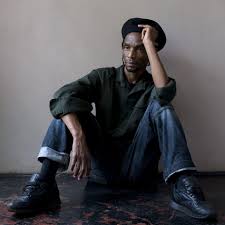
ΒΙΟΓΡΑΦΙΚΟ ΣΗΜΕΙΩΜΑ: Ο Lesego Rampolokeng είναι Νοτιοαφρικανός ποιητής, συγγραφέας θεατρικών έργων, περφόρμερ και μουσικός. Γεννήθηκε το 1965 στο Σοβέτο (Soweto), σε ένα περιβάλλον όπου η βία του απαρτχάιντ, οι απαγορεύσεις και η καθημερινή εμπειρία της καταπίεσης δεν αποτέλεσαν απλώς ιστορικό φόντο, αλλά καθοριστική συνθήκη διαμόρφωσης συνείδησης και λόγου.
Τριάντα χρόνια μετά την πρώτη του εμφάνιση στα γράμματα, η φωνή του Rampolokeng παραμένει μία από τις πιο ισχυρές, άτεγκτες και ανυποχώρητες συνειδήσεις της νοτιοαφρικανικής λογοτεχνίας. Ο λόγος του δεν επιδιώκει τη συμφιλίωση ούτε την παρηγορία· αντιθέτως, επιμένει στη ρήξη, στη μνήμη και στην αποκάλυψη των μηχανισμών που συνεχίζουν να παράγουν βία και ανισότητα, ακόμη και μετά την τυπική κατάρρευση του απαρτχάιντ.
Σε συνέντευξή του το 2011, στο πλαίσιο του αφιερώματος South Africa – Land of Contrasts (*), ο Rampolokeng υπογραμμίζει ότι η γέννησή μας είναι ήδη μια πολιτική πράξη. [2] Υπό αυτό το πρίσμα χαράσσει τη στάση και την πορεία του, με την ακλόνητη πεποίθηση ότι η τέχνη δεν είναι θέαμα· είναι πράξη. Σε αυτήν την πράξη δεν «εκτελεί» την τέχνη του — είναι ο ίδιος η τέχνη του. Κάθε ποίημα λειτουργεί ως διακήρυξη επιβίωσης μέσα σε ένα σύστημα που, παρά τις αλλαγές ονομάτων και προσωπείων, εξακολουθεί να βασίζεται στη βία, στην αποσιώπηση και στην κανονικοποίηση της αδικίας.
Μεγαλωμένος ανάμεσα σε συρματοπλέγματα και εξεγέρσεις, αναγνωρίζει από νωρίς ότι η γλώσσα μπορεί να μετατραπεί σε όπλο — όχι για να σκοτώσει, αλλά για να αποκαλύψει. Ο λόγος του δεν στοχεύει στη λύτρωση του αναγνώστη· τον καλεί, μάλλον, σε μια κατά μέτωπο αντιπαράθεση με εκείνο που οι κοινωνίες επιλέγουν συστηματικά να ξεχνούν. Η ποίησή του λειτουργεί ως αντίσταση στη λήθη, ως πράξη μνήμης και άρνησης των ψευδαισθήσεων μιας «ελευθερίας» που παραμένει άνιση και ελλειμματική.
Το έργο του Rampolokeng συνομιλεί βαθιά με τη σκέψη του Frantz Fanon [3], του Steve Biko [4] και τη φιλοσοφία της Black Consciousness, [5] ενώ συγγενεύει αισθητικά και πολιτικά με ποιητές όπως ο Mafika Gwala [6] και ο Keorapetse Kgositsile. [7] Παράλληλα, έχει ασκήσει ουσιαστική επιρροή σε νεότερους Νοτιοαφρικανούς ποιητές και περφόρμερ, μεταξύ των οποίων οι Kgafela Oa Magogodi, Lebo Mashile και Khulile Nxumalo.
*σημείωση μετάφρασης: Το ποίημα Lines for Vincent, που παρουσιάζεται στο παρόν κείμενο, προέρχεται από αρχειακό υλικό σε μορφή PDF, το οποίο επιμελήθηκε ο καθηγητής του Πανεπιστημίου του Κέιπ Τάουν Kelwyn Sole [8] για διδακτικούς σκοπούς, κατόπιν συνεννόησης με τον ίδιο τον καθηγητή.
Η μετάφραση δημοσιεύεται για λόγους λογοτεχνικής παρουσίασης του έργου του ποιητή. Όλα τα δικαιώματα του πρωτοτύπου ανήκουν στον δημιουργό. Το ποίημα αυτό συμπυκνώνει χαρακτηριστικά τη γραφή του Rampolokeng: έναν λόγο σωματικό, πολιτικά φορτισμένο, αμείλικτο, που αρνείται να εξωραΐσει την εμπειρία και επιμένει να την εκθέτει σε όλη της την ωμότητα.
Η ποίηση του Lesego Rampolokeng δεν ζητά συναίνεση. Ζητά εγρήγορση.
-Lesego Rampolokeng, συνέντευξή στο 2010sdafrika.wordpress.com (αρχειοθετημένη στο Web Archive, 2011 -Poetry International / Poetry Foundation – βιογραφικά στοιχεία και παρουσίαση -African Poetry Digital Portal (University of Nebraska) -Kelvyn Sole, pdf
Το όνομά μου αγνοώ Μετά από ζωή στης φύσης την αγκαλιά, με καρδιά ανοιχτή, το όνομά μου αγνοώ Με μάτια σφαλιστά, ο κόσμος μού άρπαξε την καρδιά Η ψυχή μου λαχταρά τη φύση Μα ξέρω, η ζωή είναι προφύλαξη από ό,τι ποθούμε Η καρδιά μου απ’ τον κόσμο αποξενώθηκε, μακάρι να μην άνοιγα τα μάτια Ο θάνατος, προϋπόθεση λύτρωσης απ’ τον πόνο Όσα ζητάμε δεν είναι το να γίνουμε κόσμος Ούτε όρος να γίνουμε φύση Μα λύτρωση απ’ τη μοναξιά Μακάρι να γινόμουν θάνατος, αντίθετος του κόσμου Με καρδιά γεμάτη όνειρα, θα γύριζα στο κενό Ίδε Ο Θάνατος , προϋπόθεση λύτρωσης απ’ την αμφιβολία Μετά από ζωή στον κόσμο Με της νύχτας τη φαντασία κατακτώ τη φύση Πού είναι το σπίτι μας, αγνοώ Το όνομά μου αγνοώ.
*
Ο θάνατος θέλει…
Δεν θέλω να βγω από τον πόλεμο του θανάτου Μπρος στον καθρέφτη χτενίζω τα μαλλιά προς τα πάνω και λέω στον εαυτό μου Τι θέλεις Από τον πόλεμο της ηδονής που δεν ελέγχεται Τη φαντασία που η ζωή λαχταρά Την παράξενη επιθυμία που είναι ο θάνατος και Ο άνθρωπος γερνά στην αναμονή Τι θέλεις Ρωτώ τον καθρέφτη Δεν ρωτώ τον πόλεμο Αυτή είναι η αληθινή επιθυμία Η ζωή τη θέλει Εγώ δεν τηθέλω Κρατιέμαι μακριά από τον πόλεμο του θανάτου Λύτρωση από τον κλειστό κύκλο της επιθυμίας Που με την πρώτη ματιά φαίνεται πως η ζωή τη θέλει Εγώ δεν τη θέλω Ζητώ από τη γλώσσα να με προστατέψει από τον πόλεμο του θανάτου Ζητώ από τον θάνατο να με προστατέψει από τον πόλεμο της γλώσσας Ζητώ από τον πόλεμο να με προστατέψει από τον θάνατο της γλώσσας Όλη αυτή η αυτοκαταστροφή Αυτές οι επιθυμίες Ένα κενό απύθμενο Η φαντασία το θέλει Ο άνθρωπος το προσμένει Μπρος στον καθρέφτη χτενίζω τα μαλλιά προς τα πάνω και λέω στον εαυτόμου Τι θέλεις Μπρος στον καθρέφτη κλείνω τα μάτια και λέω Ποιος είμαι εγώ που ο θάνατος επιθυμεί.
*Μετάφραση από τα Κουρδικά στα Ελληνικά: Ομίντ Καρανί.
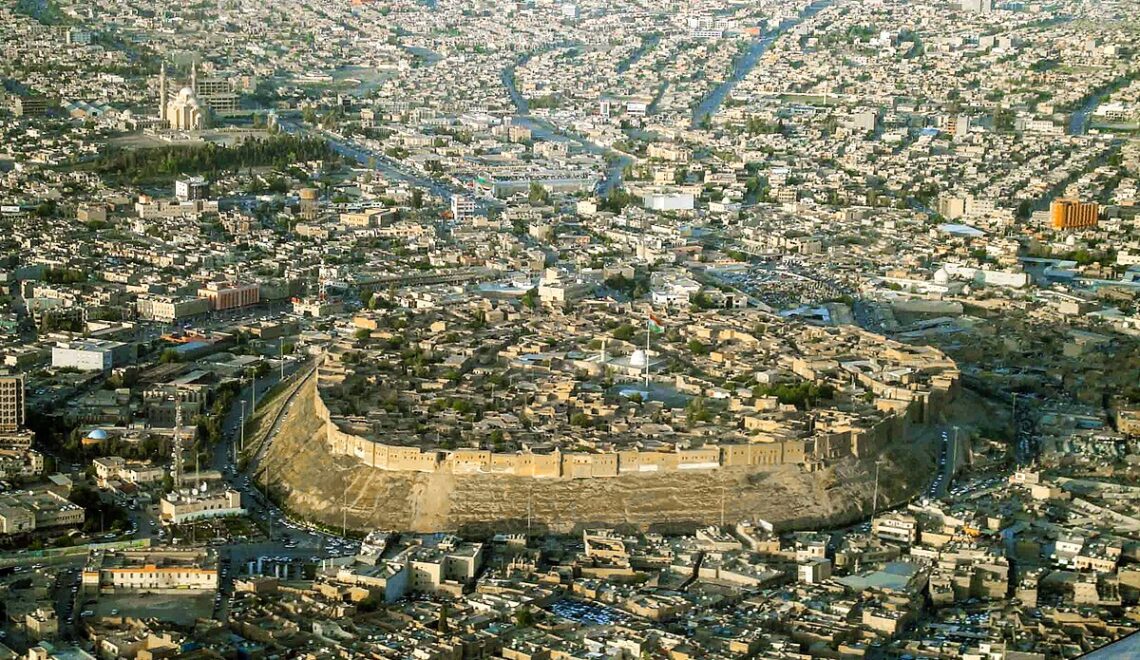
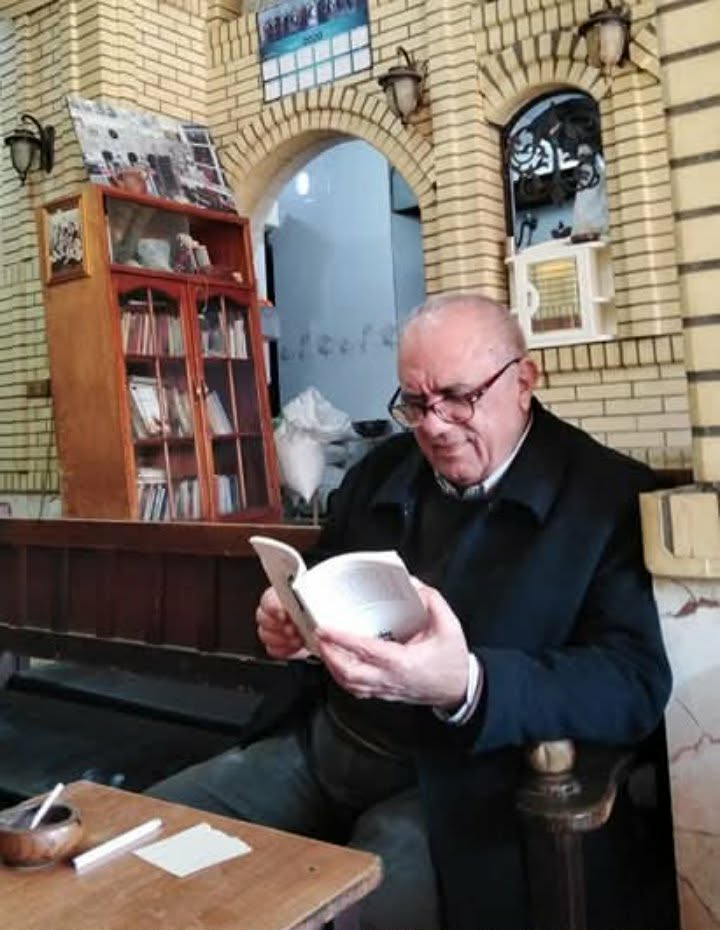
**Ο Μουταλίμπ Αμπντουλά είναι ένας διακεκριμένος Κούρδος συγγραφέας και μεταφραστής, γεννήθηκε το 1962 στην πόλη Ερμπίλ, την πρωτεύουσα της Περιφέρειας του Ιρακινού Κουρδιστάν. Μέχρι σήμερα, συνεχίζει να ζει και να δημιουργεί στην πόλη που τον γέννησε. Με ένα εντυπωσιακό έργο που περιλαμβάνει 33 δημοσιευμένα βιβλία, ο Αμπντουλά έχει διαδραματίσει σημαντικό ρόλο στην ανάπτυξη της κουρδικής λογοτεχνίας. Έχει λάβει πολλές τιμητικές διακρίσεις εντός του Κουρδιστάν και έχει βραβευτεί πολλές φορές για το έργο του. Το 2017 αποτέλεσε σημαντικό σταθμό στην επαγγελματική του πορεία, καθώς τιμήθηκε με το βραβείο της ΔιεθνούςΈκθεσης Βιβλίου της Φρανκφούρτης.
Στα 1917 οδοιπορούσαν στην προσηλιακή Μάνη ο Καζαντζάκης με τον Σικελιανό μυθικοί και νέοι στα μονοπάτια και τα βήματα του Γιώργη του Ζορμπά στην Πραστοβά γύρω από το ορυχείο του λιγνίτη. Τα βράδια κατέλυαν στον πάναστρο μυχό της Καλογριάς στην άκρη δεξιά σ΄εκείνο το μικρό σπιτάκι.
Οδοιπορούσαν θεϊκοί –αν λένε θεϊκό τον Σικελιανό όσοι τον είδαν να βαδίζει στην Ομόνοια – και αποθαύμαζαν, όπως θαυμάζει ακόμα όποιος πατά αυτή τη γη, τη θάλασσα απροσμέτρητη τις πλάτες του Ταΰγετου πύργους και χωριά κι ένα αεράκι να φυσά θυμάρι. Στο δρόμο τους έκοψαν ένα βοτάνι, το μυρίσανε κι όσους συναπάντησαν το αναγνωρίζαν, το βλέπαν στα χωράφια τους δεν ήξερε κανένας τ΄όνομά του. Μόνο στα μύχια του Ταΰγετου τους έδειξαν ψηλά σ΄ένα χωριό τα ξέρει μια γερόντισσα ονοματίζει τα βοτάνια ένα προς ένα. Περάσανε χωριά απάντησαν ανθρώπους με τα ζωντανά τους –στο χέρι το κλαράκι ακόμη ανονομάτιστο- άκουσαν την καμπάνα.
Η μανιάτισσα κυρά αποχαιρέτησε του τόπου της τις πέτρες και τα βότανα για τα πηχτά τα μαλακά σκοτάδια. Χτυπούσε η καμπάνα πένθιμα.
Σήμερα κηδεύουμε μια λέξη ελληνική είπαν επίσημα οι δυο τους.
*Από το βιβλίο “Γιώτα Αργυροπούλου, Ποιητών και Αγίων Πάντων”, Εκδόσεις Μεταίχμιο, 2013 και τη συγκεντρωτική έκδοση “Ποιήματα και Πεζά: 1998-2018”: Αθήνα: “, Εκδόσεις Μελάνι 2023.
20 χρόνια, άτιμο σκυλί, 20 χρόνια πλανήθηκα ανάμεσα σε φόβους και θεριά, απογινώθηκα σκιά για να γυρίσω κι εσύ, άπιστο τέρας, που τάχα τη μυρωδιά καταλαβαίνεις, δεν έκανες ούτε νεύμα σαν πέρασα δίπλα σου.
20 χρόνια, άτιμο σκυλί 20 χρόνια έζησα μισόνεκρος, για να μπω τώρα στο σπίτι μου, ξένος πια. Δε ζήτησα δόξα, ή, όπως το συνηθίζουν, μια ευνοϊκή μεταχείρηση, για την υπερπόντια πλάνη μου. Μα πλάνη σαν τη δική σου, ποτέ δε φαντάστηκα, προδότη, άπιστο σκυλί. Φεύγω, και πουθενά μην πεις πως είχα γυρίσει. Άσε την Πηνελόπη ελεύθερη, λύτρωσ’ τη και στον Τηλέμαχο, πες στο παιδάκι μου, να με τιμά και να με θυμάται.
Γυρίζω στο σκοτάδι και στα κύματα, στα ρεύματα τα αντίρροπα και τα αφιλόξενα, στους Λαιστρυγόνας και στους Κύκλωπας, στον θυμωμένο Ποσειδώνα, που τόσο φοβαμαι.
*Ο Αλέξανδρος Χριστόπουλος έχει εκδώσει δύο ποιητικές συλλογές: “Βενζόλιο”, εκδ. Ιωλκός και “Λόγια των δρόμων”, εκδ. Οδός Πανός.
Μέσα στο αιδοίο κοιμάται ένας άντρας που ξυπνάει κατά περίσταση όταν για παράδειγμα τυλίγω με τα χέρια μου το όπου όταν φιλώ το κενό της σκέψης λίγο πριν όταν αλείβω το τραύμα ψιθυρίζοντας τις λέξεις δεν έχω φύλο
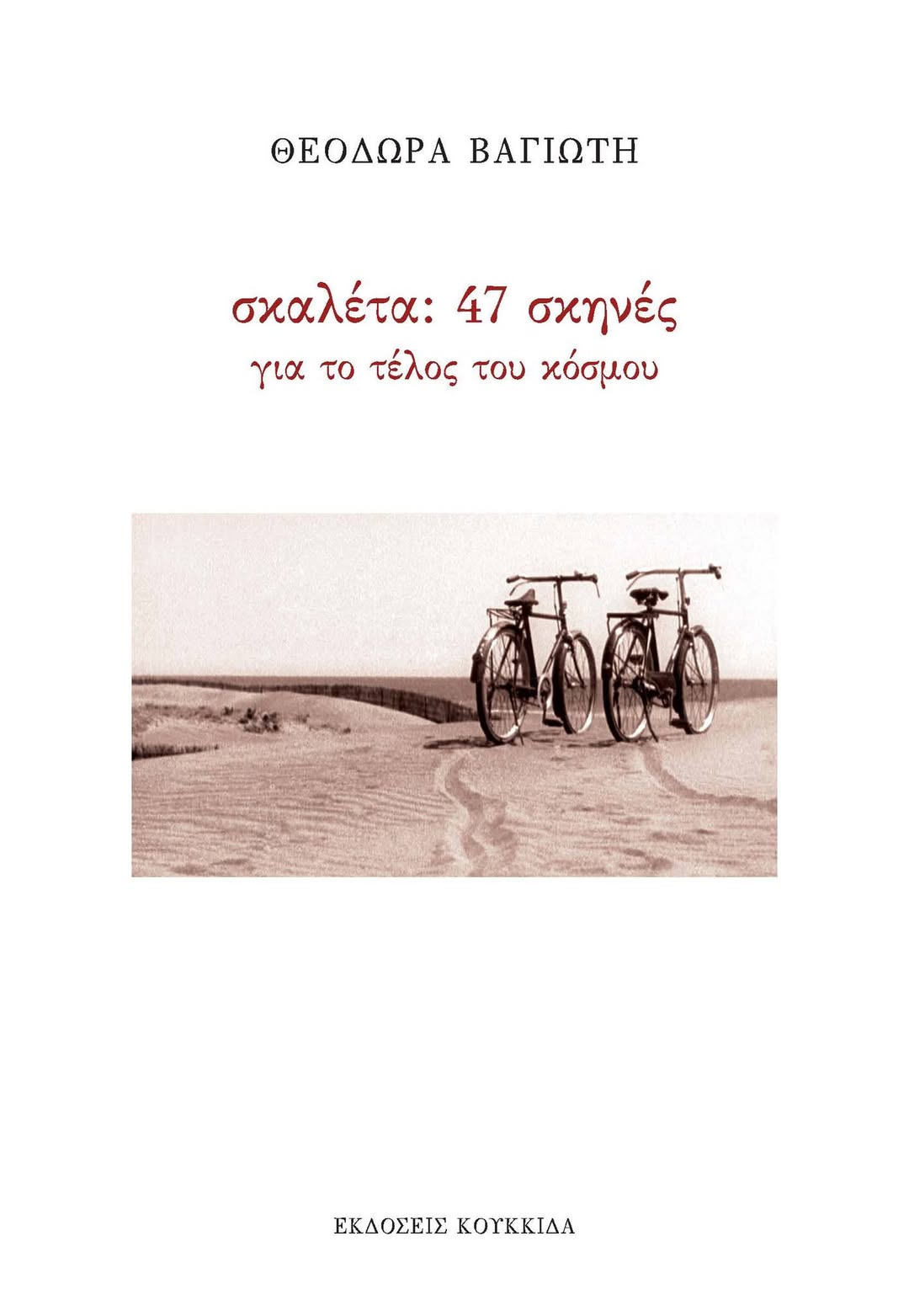
*”Σκαλέτα: 47 σκηνές για το τέλος του κόσμου”, Εκδόσεις Κουκκίδα, Αθήνα, 2025.
Αυτά τα πρόσωπα που διασταυρώνονται Τι να γυρεύουν περπατώντας Στα πέτρινα τα πεζοδρόμια Την ώρα που τα φώτα παρουσιάζουν όπλα. Σφιγμένα μέσα στα δόντια τους Πρόσωπα από σκόνη Πρόσωπα από λάβδανο Πρόσωπα δίχως όνομα Τυφλά πρόσωπα που σεργιανίζετε Πρόσωπα δίχως πρόσωπο Πρόσωπα από χαρτοσακούλα.
(Σεπτέμβρης 1953)
*
Vitamin C
Νέα μορφή τα μάτια σου πολλαπλασιάζουν κρίνα σώμα δεμένο με τη μοίρα μου κορμί εναλλασσόμενο φρούτο ανεμοδείχτης στην πράσινη στέγη μου όλο μου το αίμα τ’ αφιερώνω στα χείλη σου και τα δυο μου μπράτσα να κλείνουν το μαλακό σου τοπίο Τα όνειρά μου έχουν το ύψος της πυραμίδας Κι ο αίθριος ουρανός είν’ ατελεύτητος.
Καθώς πια τίποτα δε μου ανήκει μέσα στ’ ανάκτορα ούτε καν το χρυσάφι της οροφής και τα μάρμαρα και οι κονσόλες παγώσανε και τα μαλλιά σου σέρνονται πίσω από τα σφιγμένα κρύσταλλα και οι πλαφονιέρες σταλάζουν την τέφρα του χειμωνιάτικου ήλιου καθώς οι λειμώνες δε βρίσκουνε πια την παλιά τους λαλιά
Bλέπω πως λάθεψα γυρίζοντας έξω από θέρετρα στο πυκνό δάσος των πολυκατοικιών δίπλα στη θάλασσα όπου βυθίζομαι για να σ’ αγγίξω μόλις, επειδή σ’ αγαπώ περισσότερο απ’ όλα τα κτίσματα και αν δε σε γνώριζα θα ’ταν όλα εφήμερα γιατί οι βιτρίνες είναι μια λάσπη, τα εργοστάσια μια θλίψη και η πόλη αφήνει να πέσουν οι κάλυκες της πλαστικής μου καρδιάς πάνω σε φύλλα και δάκρυα
Tίποτα δε μου ανήκει, καμιά παλινόρθωση τα μάγουλά σου στο χιονισμένο αυχένα των βουνών καθώς η ματιά μου βυθίζεται στην άπειρη έκταση αφήνοντας πια τ’ αυτοκίνητα στα δικά τους τραγούδια
Γιατί η δίψα για το ατόφιο χρυσάφι είναι τα μάτια σου και η πείνα για καθαρό αλουμίνιο τα χέρια σου φιλιόμαστε σε σκοτεινές δισκοθήκες και σου εξηγώ
Kι όταν χαράξει πώς τάχα να πάμε αντίθετα θα γυρίζουμε με ρούχα παλιά στα νεόκτιστα μα άσπρη κορνίζα, βιβλία και θέρμανση στις γωνιές
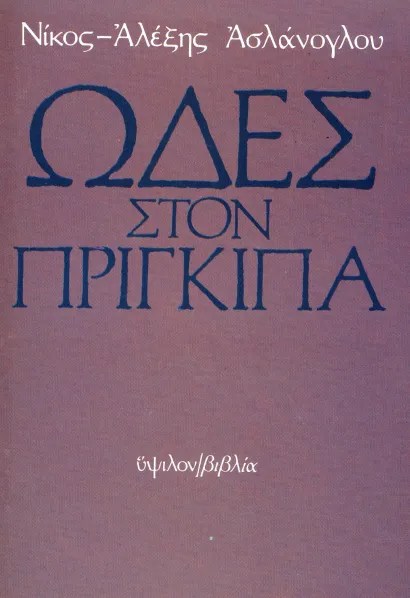
*Από τη συλλογή “Ωδές στον πρίγκιπα”, Εκδόσεις ύψιλον/βιβλία, Αθήνα 1991.
Όταν με μια τσέπη ξεχειλισμένη από λέξεις μυθικές και κίτρινες κάψουλες ανησυχίας μπήκες στο δωμάτιο, το φωτεινό σώμα ήταν δοσμένο στον πιο βαθύ ύπνο της αιωνιότητας· κι εκείνοι, κάτω από τη λευκή στοά καθισμένοι, τα πικρά τους μπισκότα με γλυκό καφέ έτρωγαν και εκ των έσω φυλλοροούσαν.
*Από το βιβλίο “Γλώσσα και Γιορτή των Ονομάτων” (2012). Μετάφραση: Omed Qarani.