Philip Salom reviews Benedict Andrew’s Lens Flare

andrews

Lens Flare
by Benedict Andrews
Pitt Street Poetry, 2014

Lens Flare is a collection of poems – the first, as far as I can tell – written by a theatre director more accustomed to staging Chekhov in New York or Verdi in Denmark than to publishing poems in Australian journals. I opened the book expecting to find that slightly off-key poetry written by accomplished practitioners of an allied practice – this could also be song-writing, fiction, even painting – whose singular depth of involvement is unquestioned, but is not in poetry. Instead I found this:

I dreamed sister that you and I climbed, at night, the hill at Balhannah where ghost gums creaked, dark grasses blew, and the hooves of horses sounded in the shadows. Below, father wept in our warm stone house, its electric lights aglow like honey cells…
(from ‘Balhannah’)

The poems are precise and unforced. His poetry is serious (but seldom tonally heavy) and cleanly crafted – even crisp in its linguistic texture, with hardly a word or line that feels unnecessary. The poems in the first section of the book are generally lyric in impulse and style, with the poet and his lover present in poems of intimacy and closeness; but instead of dramatising the self these poems more often project the sensualities of place and experience and as such they provide agency over lyric centre. Many are set across time and place:

I woke in the dripping dawn while my friends still slept. Planted on a canvas chair in the clearing, I watched the after-burn of my dreams play against the horizon. I couldn’t remember your name or the place we lived or what I hoped for or custom or nation or law.
(from ‘Wapengo Lake’)
Continue reading

Βύρωνας Λεοντάρης, από τη Συλλογή “Έως”

v2

…………………………..
Ένας ο βίος κι αγύριστος κι όλα του αμετάκλητα
ό,τι είπαμε και πράξαμε δε σβήνει ούτε ξεγίνεται
μα η μνήμη βολοδέρνει όλο στο κακό.
Γιατί ποιος λογαριάζει το καλό ποιος το θυμάται
το ρίχνεις στο γιαλό και χάνεται
μα το κακό πώς να χαθεί που είναι χαμός
με τίποτε δε σβήνει ούτε ξεγίνεται
για πάντα μένει και μας τυραννάει.

Και δε μιλώ για τύψεις.
Αυτές λίγο-πολύ όλους μας βολεύουν
είναι κρυφές οι τύψεις δεν εκτίθενται και
δεν σε εκθέτουν
δε σου στερούν υπόληψη κι αυτοεκτίμηση
μυθοποιούν τα κρίματά σου και τα παρασταίνουν
μέσα σου περίτεχνα
με νέες πάντα ερμηνείες και εκδοχές
και στο άλλοθι του θεατή του εαυτού σου
νιώθεις σιγά -σιγά να γίνεται η συγκίνησή σου
αισθητική
εν τέλει μια ποιητική του ήθους
κι αν σε τρελαίνουν κάποτε σε ξαγοράρη πήγαινε…

Ντροπή ξέρεις τι είναι κι ένιωσες ποτέ σου;
Αυτή δεν κρύβεται εκτίθεται και σ’ εκθέτει σε
φτυσιές και λιθοβολισμούς
αυτή δεν έχει αντισήκωμα
δεν την καλύπτει τίποτε στο πρόσωπό σου
και στη γυμνή της θέα εξαγριώνονται
όσοι δεν ντρέπονται ή φοβούνται να ντραπούν,
οι ανώδυνοι και ανεπαίσχυντοι κι ειρηνικοί,
και σου χυμούν με λύσσα να σε ξαποστείλουν
σε ανεξιλέωτο θάνατο.

Ντροπή ξέρεις τι είναι κι ένιωσες ποτέ σου;
Ντροπή ν’ ανοίγει να σε καταπιεί η γή
ντροπή που έζησες
στον κόσμο ετούτον.

*”Έως”, Εκδόσεις Νεφέλη.

Ραφαέλ Χοσέ Ντίαθ, Πορτραίτο

Φωτογραφία: Σοφία Αντωνακάκη

Φωτογραφία: Σοφία Αντωνακάκη

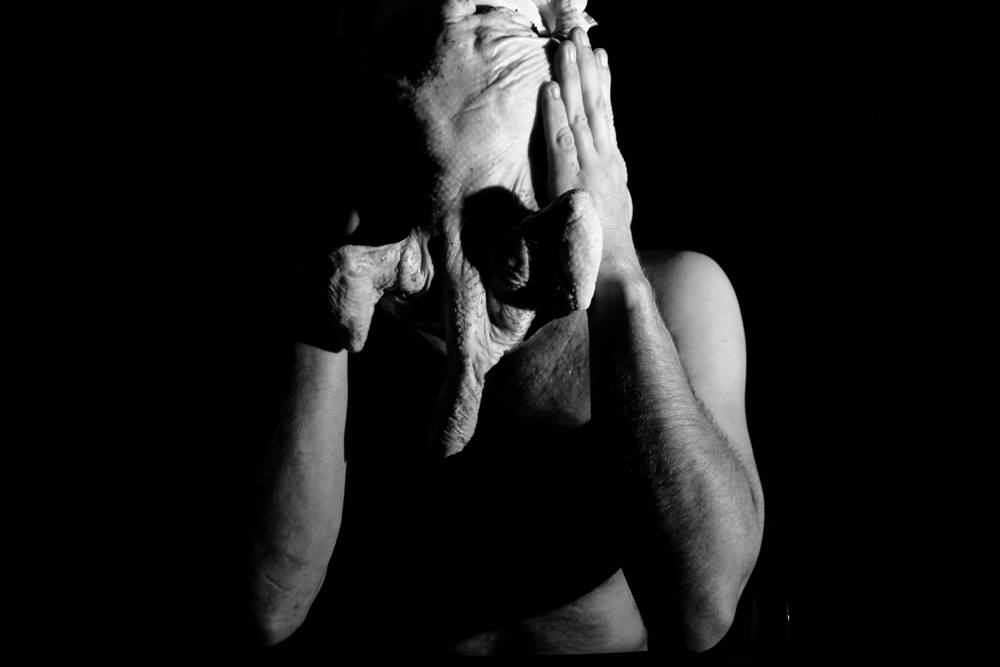
Είναι γυμνός στο σπίτι, και, σαν το σκύλο,
καταβροχθίζει ότι βρίσκει: σκουπίδια, ωμό κρέας
σε κόκαλα
από νωπά πτώματα˙
αν έχει διάθεση μαζεύεται για να αφοδεύσει
και τα ίχνη του σάλιου του διαχέει
στα χαλιά, στις πολυθρόνες και στα μαξιλάρια
στα οποία οποιαδήποτε ώρα, αργότερα,
θα γείρει για να κοιμηθεί,
χορτασμένος, σε στάση πλαδαρή.
Στο ξύπνημα τους γαυγίζει
σε σκιές που δεν ξέρει
αν γεννήθηκαν από ένα όνειρο ή από το δικό του
μαζεμένο, μεμψίμοιρο κορμί,
ενώ τεντώνεται.
Οσφραίνεται τα δωμάτια,
χτυπάει τη μουσούδα στις γωνίες
πριν ξεράσει
και γρυλίζει
σαν να ήταν ένας σκύλος εγκαταλελειμμένος,
μη ξέροντας πως δεν είχε ποτέ έναν ιδιοκτήτη,
πως ποτέ δεν υπήρξε ζεστασιά κοντά στο κλάμα του
και πως κανείς δεν θα ροκανίσει
τα κουβαριασμένα κόκαλά του.

*Ο Ραφαέλ Χοσέ Ντίαθ (γεν. Σάντα Κρούζ, Τενερίφη, 1971), πτυχιούχος Ισπανικής Φιλολογίας του Πανεπιστημίου Λαγκούνα, διετέλεσε Λέκτορας Ισπανικών στα Πανεπιστήμια Τζένα και Λειψίας. Διηύθυνε το περιοδικό «Paradiso». Έχει εκδώσει βιβλία ποίησης, δοκιμίων και διηγημάτων. Έχει βραβευτεί με το Βραβείο Ποίησης Tomás Morales και Pedro García Cabrera. Ποιήματά του έχουν μεταφραστεί στα γαλλικά. Ο ίδιος έχει μεταφράσει Arthur Schopenhauer, Hermann Broch, Philippe Jaccottet, Gustave Roud, Pierre Klossowski, Jacques Ancet, Fabio Pusterla, Ramón Xirau και William Cliff. Για την ώρα είναι καθηγητής στο I.E.S. Pintor Antonio López στη Μαδρίτη.

**Από την Ανθολογία Σύγχρονης Ισπανικής Ποίησης, σε μετάφραση και επιμέλεια Άτης Σολέρτη, εκδ. Βακχικόν.

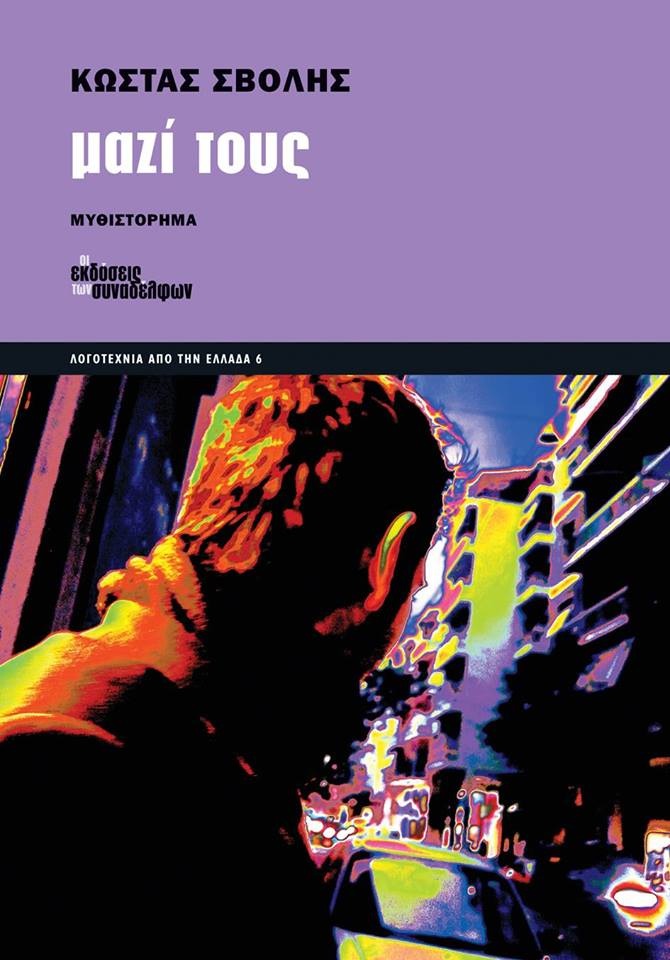
Κώστας Σβόλης, απόσπασμα από το βιβλίο “Μαζί τους”

dtbook210315

Θεωρητικά ο ουρανός θα έπρεπε να είναι έναστρος αυτή τη γλυκιά βραδιά, όμως τα άστρα τα επισκίαζαν τα φώτα τις πόλης, και ο θόρυβος από τα αμάξια δεν σ” άφηνε να γαληνέψεις ούτε αργά την νύχτα. Περπάταγε χαλαρά, παράλληλα με τις γραμμές του τρένου, κοιτώντας εδώ και κει στις γωνίες του δρόμου και σε κανένα καλάθι σκουπιδιών στις κολόνες για τίποτα που να αξίζει τον κόπο, βασικά για κάτι που να τρώγεται. Όχι πως ήταν τελείως νηστικός, κάπως είχε καταφέρει να ξεγελάσει την πείνα του και σήμερα, έστω και με κάτι μισοσάπια φρούτα που βρήκε μετά το τέλος μιας λαϊκής κι ένα μισογεμάτο σακουλάκι πατατάκια στην στάση ενός λεωφορείου. Ανέβηκε στην μικρή πεζογέφυρα για να περάσει απέναντι τις γραμμές, στάθηκε όμως πρώτα λίγο πάνω της και, ακουμπώντας στην κουπαστή, χάζεψε ένα τρένο που έτυχε να περνάει εκείνη την ώρα.

Και αν πήδαγε; Δε θα έχανε και τίποτα. Ένα ακόμα συμβάν στα τόσα, μάλιστα θα τους παίδευε να βρουν την ταυτότητά του. Ποιους άραγε θα καλούσαν στο νεκροτομείο για την αναγνώριση; Ίσως τον πατέρα του, θα είχε τάχα κι εκείνη την ύστατη στιγμή την αποστασιοποίηση που είχε σ” όλη του ζωή; Μπορεί απλά να έλεγε ένα ξερό «Αυτός είναι», φυσικά αν ζούσε ακόμα ο γέρος του. Αλλιώς; Τη Λένα; Ή τη Μαρίνα; Μπα, αποκλείεται, πού θα τις βρίσκανε; Τίποτα άσχετα ξαδέρφια και θείους που σίγουρα θα είχαν ξεχάσει την ίδια του την ύπαρξη. Στην κηδεία όμως; Ναι, εκεί θα ερχόντουσαν όλοι τους… Θ’ ανταμώνανε μετά από πολύ καιρό… Στα μαύρα, σιγά την διαφορά από τις άλλες μέρες! Και θα καπνίζανε, συνέχεια θα καπνίζανε… Θ’ αρπάζανε το φέρετρο μέσα από την εκκλησία, θα πέταγαν μακριά τα στεφάνια, θα το βγάζανε στον περίβολο και θα ερχόντουσαν ο ένας μετά τον άλλο δίπλα του και θα λέγανε ιστορίες… Οι πιο πολλές θα ήταν αστείες, κάποιες θα ήταν συγκινητικές… Το γέλιο και το κλάμα θα εναλλάσσονταν. Θα ψάχνανε μια σημαία να απλώσουν πάνω, αλλά κανένας δεν θα το είχε σκεφτεί, έτσι θα απλώνανε το μπορντό σάλι της Μαρίνας και ξεκινώντας για τον λάκκο θα ψιθύριζαν:

«Ανέμισες για μια στιγμή το μπολερό
και το βαθύ πορτοκαλί σου μεσοφόρι
Αύγουστος ήτανε δεν ήτανε θαρρώ
τότε που φεύγανε μπουλούκια οι σταυροφόροι…»
Continue reading

Μαχμούντ Νταρουίς, από την “Κατάσταση Πολιορκίας”

10712940_921964897825908_6237113804121296742_n

Στη μνήμη του Βαγγέλη Γιακουμάκη

Αν δεν είσαι, καλέ μου, βροχή, γίνε δέντρο

καρπερό, χλοερό.

Γίνε δέντρο.

Κι αν δεν γίνεις, καλέ μου, ένα δέντρο,

πέτρα να γίνεις

μουσκεμένη δροσιά.

Μια πέτρα να γίνεις.

Κι αν δεν γίνεις μια πέτρα, καλέ μου,

το φεγγάρι το ίδιο να γίνεις,

μες στο ύπνο εκείνης

που σε αγάπησε. Γίνε φεγγάρι.

Είπε στο σύννεφο η γυναίκα:

«Σκέπασε τον καλό μου, γιατί τα ρούχα μου

στο αίμα του είναι μουσκεμένα».”

Aidan Coleman 
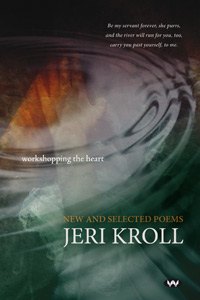
revieww Jeri Kroll’s Workshopping the Heart: New and Selected Poems

kroll

Workshopping the Heart: New and Selected Poems
by Jeri Kroll

Wakefield Publishing, 2014

Workshopping the Heart brings together poems from Jeri Kroll’s five previous books of poetry, with thirty or so pages of new poems and the opening chapter of a verse novel. Her distinctive voice – lyric, tough and spare – is evident early. Take the poem ‘Genus and Species’, in which the speaker recounts visiting her grandfather as a young child:

He kissed hello too hard. Tasted pruney.
Stared a lot. At me.

(‘Genus and Species’)

Kroll’s concision and her talent for arresting imagery is apparent here and elsewhere:

A white lady opened her wound,
licked it shiny.
Slow hiss. The door.

(‘Genus and Species’)

Internal rhyme is used to particularly striking effect in the poem’s resolution, which is reminiscent of the childhood poems of Gwen Harwood and Elizabeth Bishop:

Grandfather bent like a weary dog
trying to mouth his prey.
He raised a limp paw as I flew out the door
drawing his good eye and father behind.

(‘Genus and Species’)

The book’s middle section focuses on the domestic and familial. Hamlet presents the world as a prison ‘in which there are many confines, wards and dungeons,’ similarly Kroll employs a deft conceit to tell us:

Every family is a life sentence.
The only things that change
are pictures on the prison walls
and the view from the window.
You make your peace with the system,
learn to play off the inmates …

(‘Parole’)

Her lyrics on motherhood are compelling and unflinchingly sharp – never collapsing into sentimentality. There are moments of tenderness, in which the speaker is besotted with the beauty of the infant:

His penis floats like a white-tipped asparagus,
his tummy swells like a melon.

(‘Bathtime’)

In other places, the demands of the present interrupt meditation and love battles with darker impulses, as the speaker struggles to retain sanity:

But today you came close.
I could easily have done you in.
The ambulance would have been too late
to save what’s left of my martyred patience.

(‘On watching a sleeping child’)

Such battles often end in a hard-won synthesis of dutiful, yet jaded, resignation:

… my voice rolling in like friendly fog
making you invisible till dawn.
The blind raps us awake
and sun begins to burn me off,
letting you confront the clear-cut day.

(‘Night Waking’)

In later poems the son’s childhood and his absence in adulthood are movingly evoked. I can recall few poets, in Australia, who have written, so consistently well on this theme.
The poet’s mother is central to the final part of the selection, as Kroll describes the effects of Alzheimer’s:

My mother is floating out to sea
without buoy or boat. She smiles as she drifts.

(‘Water to Water’)

The literal sea that the poet’s mother lives beside is now ‘dolphin-smooth’ and ‘[n]othing worth comment breaks the skin.’ These lines articulate a terrifying banality: dolphins – with all their mythical associations – are unremembered and unseen, nothing breaks the skin of the water and the speaker’s viewpoint fails to break the surface – fails to communicate.

Even the word sea means nothing
Because she becomes it.

‘My mother’ later becomes ‘the mother’ – as if she were shedding personhood; her degeneration increasingly harrowing for the speaker, who retains the consciousness the mother has lost:

The mother is a still pool,
waiting for me to ripple with my words

I stir and stir.
(‘Exercise 1: Similes’ from ‘The Mother Workshops’)

Aging and death are revisited in thirty pages of new poems. In ‘Skin’, ‘furrows … remind us that the past is getting closer’, and soon skin ‘is all we can remember’. The new work has a similar epigrammatic quality but these poems have not been through the same winnowing process and the weakest lack the interest and strangeness of metaphor so consistent throughout the rest of the collection.
The book concludes with the opening chapter of Vanishing Point, a forthcoming verse novel. If Kroll maintains the lyric intensity of this taster it is sure – as this New & Selected is – to be a great success.

*Aidan Coleman lives in Adelaide where he works as a speechwriter. His latest collection of poems Asymmetry (published by Brandl & Schlesinger) was shortlisted for the WA Premier’s Book Awards and the John Bray Poetry Award.

**Taken from Cordite Poetry Review at http://www.cordite.org.au
A new Poetry Reading Project – Calling all poets and lovers of poetry

emerald2

A new Poetry Reading Project

Calling all poets and lovers of poetry

Especially all those who write in another language than English and/or have their work in a bilingual or a translated form

Every second Saturday of the month

First Reading is on
Saturday, April 11,
11.45AM-1.45PM

(Library closes at 2pm on Saturdays)

Featuring Michael Crane
And another poet who is going to be confirmed*

and open mic

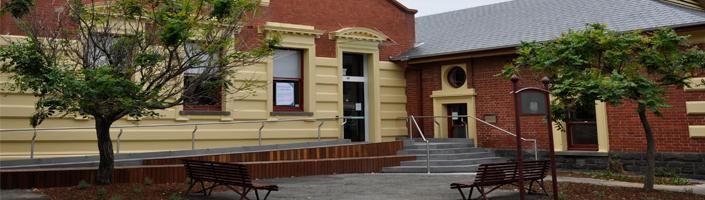
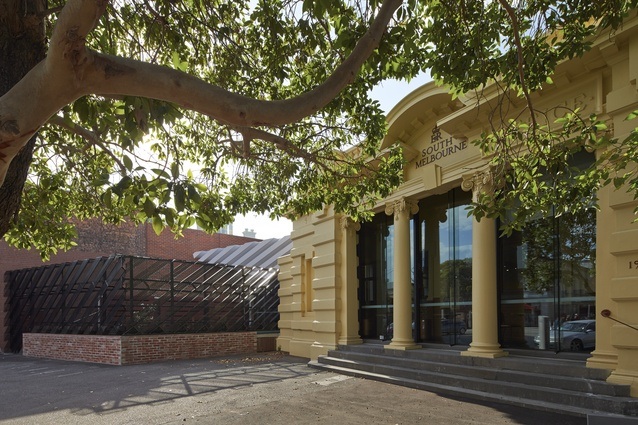
at Emerald Hill Library & Heritage Centre

195 Bank St.,
South Melbourne
(opposite South Melbourne Town Hall)

The room can seat up to 30 persons. There is a kitchen available to use, with the usual facilities, including crockery and a hot water urn. The room also has audio visual equipment and screen if it will be required.

The Poetry Reading dates through out 2015 are as follows:

April 11, 11.45AM-1.45PM
May 9, 11.45AM-1.45PM
June 13, 11.45AM-1.45PM
July 11, 11.45AM-1.45PM
August 8, 11.45AM-1.45PM
September 12, 11.45AM-1.45PM
October 10, 11.45AM-1.45PM
November 14, 11.45AM-1.45PM
December 12, 11.45AM-1.45PM

For more information:

– Dimitri Troaditis
troaditisdimitris@gmail.com
and/or 0432 094 342

– Emerald Library and Heritage Centre
Art & Heritage Programs | Arts & Culture 9209 6416

*There will be further announcements.

emerald1

City-of-Port-Phillip-Converted

mav_logo_withtext_200x134

Θεόδωρος Μπασιάκος, Από τη συλλογή “Μαύρα μάτια”

Είμαι Βαλκάνιος
Άγριος
Τυραννοανασκολοπιστής
αναντάν παπαντάν
Για αίμα ψοφάω και σεξ
(ψοφάω σου λέω
γι’ αυτό ζω)
Εγώ — κόκκορας!
μες στ’ άγρια χαράματα
ξυπνάω, να τραγουδήσω
Εγώ — κόκορας!
τη μέρα 2, 3 βολές
το χαρέμι μου κανονίζω
Άμα πίνω πίνω
για να μεθύσω μόνο
Στο λαιμό μου
το ξουράφι του βάνει ο μπαρμπέρης
Χ ρ ρ ρ ά τ ς ! και μου την ανάβει.

Πεθαίνω! όμως πεθαίνω γελώντας
(Σκουλίκια — τα τρώγω!
δε με τρώνε… )


*Από τη συλλογή “Μαύρα μάτια”, Πλανόδιον, 2006.

PS: evviva il comunismo e la libertà.