ATONEMENT
Every time I sinned a door half opened,
and the angels who in my virtue had never found me beautiful
tipped over the amphora of their floral souls;
every time I sinned, it was as though a door had opened
and tears of compassion dripped among the grasses;
but if the sword of my remorse chased me from heaven
every time I sinned a door half opened
and though men thought me ugly, the angels thought me beautiful.
ANCIENT SUBMERGED CITIES
Ancient submerged Cities
tell us of the omnipotence of Silence,
of her sudden floods within their walls;
the snows of time accumulate on her breast;
the icebergs of millennia voyage
slowly on.
All set out from the primordial space of Silence
and return to her once more;
all are weighed on her bronze shield,
our words, our footsteps,
and our most profound thoughts.
Nothing can be lost,
not a secret tear, not the leaf of a tree,
not a single raindrop on the grass.
Her holy Night is now filled with sacrilegious
ears and eyes.
The slaughter of the innocent steams in the plain
– misting over the mirror of the moon –
ransom for the profane guilt
of knowing and existing.
STAGE SET
A draught must have been blowing for hours
because we could see the stage sets swaying.
A coloured cloth partition
flapped for a moment strongly
and then would suddenly trail, crumpling again.
As we turned to look
a hand seized and was shaking
a wooden, hollow sky.
“It’s stars have come unstuck!
Look, they’re falling!” a few shouted.
Now you could make out in the back
the scaffold affected with dry rot.
Some stars got stuck on the windowpanes,
on the shop windows downtown, like transfers.
They clung wherever they could, here and there,
but most fell into empty space
and a few hooked themselves
on the hanging carcasses of pigs. Before long
an inconceivable wind began to blow.
It wreaked havoc on the streets where
the heaped fruit were now tumbled.
It seized all kinds of wares
and hurled them about forcefully.
It ripped off signs everywhere.
The huge scaffold creaked and leaned.
It moved unsteadily from side to side
as they set it up and tore it down
leaving dark holes in the ceiling.
Finally a new sun rose high
– the cardboard was dented somewhat in places,
the tinfoil had flaked at the edges –
people now poured into the streets to shop,
fragrance of spices rose from the groceries,
and a rickety sign informed us:
“Fancy dresses for rent here.”
Many had already donned different masquerades.
And a few asked themselves in a low voice:
“How come that so many ghosts
walk in the market place in broad daylight?”
SIMPLON-ORIENT Or, METAPHYSICAL NAUSEA
Third class passengers,
usually thick-skinned common people,
are not too fussy about comforts. They huddle together
just anyhow, they squat in the corridor
or outside the W.C., forcing
others passing through to stride over them.
They lay out their food without giving a hoot
about unpleasant smells. When they finish eating
they take out of their wallets photos
of the family:
“This is my eldest son.
When he was born I sent word to my old man:
he’s arrived, who’ll carry your name!”
In the next compartment, body odour
is making someone nauseous.
Can you imagine a buffalo among its herd
developing an aversion for animal smell?
Just now someone leaned out of the window
and said: “I think we’re nearing the terminal…”
And suddenly darkness fell. All at once
everybody started talking together:
“My son’s
waiting for me…” “ My daughter’s coming
to fetch me…” “Me, my grandson…”
– a wave of warm voices rolled
against the influx of night –
There’ll always be commotion in the third class,
an acrid smell of foodstuff, foul breath and uncleanness;
but it’ll throb with life and vigour,
people with feet firmly on the ground.
They end their journey without
superfluous questions. They know all there is to know.
Who will carry their bags, the key
to the house (from father to son
and the son’s son, from hand to hand).
Unbreakable is the ancestral line. Only
here and there there’s a loose link
on the chain that binds us together.
*Translation from the Greek by Yannis Goumas
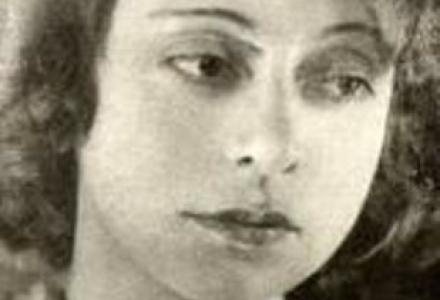
Μελισσάνθη (1907-1990)
Η Μελισσάνθη (πραγματικό όνομα Ήβη Κούγια-Σκανδαλάκη) γεννήθηκε στην Αθήνα. Σπούδασε γαλλική και γερμανική φιλολογία στο Γαλλικό Ινστιτούτο και στην Abendschule Αθηνών αντίστοιχα και φοίτησε στην προπολεμική Δημοσιογραφική Σχολή Αθηνών. Ασχολήθηκε επίσης με την αγγλική γλώσσα, τη μουσική, τη ζωγραφική και το χορό. Εργάστηκε ως καθηγήτρια γαλλικών σε ιδιωτικά και δημόσια σχολεία και ως δημοσιογράφος. Το 1932 παντρεύτηκε τον Ιωάννη Ν. Σκανδαλάκη, δικηγόρο, πολιτικό και συγγραφέα φιλοσοφικών πραγματειών. Συνεργάστηκε σε λογοτεχνικές και θεατρικές εκπομπές του Ελληνικού Ιδρύματος Ραδιοφωνίας (1945-1955), ήταν μέλος της Γυναικείας Λογοτεχνικής Συντροφιάς (1961-1972), της επιτροπής Κρατικών Βραβείων (1969-1975), του Κύκλου για το παιδικό βιβλίο (1969-1971). Πέθανε στην Αθήνα. Στο χώρο της λογοτεχνίας πρωτοεμφανίστηκε το 1930 με την έκδοση της ποιητικής συλλογής Φωνές εντόμου και το 1931 κυκλοφόρησε τη λιθογραφημένη ποιητική συλλογή Προφητείες, η οποία αποτέλεσε το λογοτεχνικό γεγονός της χρονιάς. Η ποίηση της Μελισσάνθης τοποθετείται στο χώρο του υπαρξισμού και της μεταφυσικής αγωνίας. Ξεκίνησε να γράφει ποίηση στα πλαίσια της παραδοσιακής στιχουργικής και οδηγήθηκε σταδιακά προς τον ελεύθερο στίχο (από το 1945), επιλογή που οδήγησε και σε μια ανάλογη ανανέωση των θεματικών και γλωσσικών της επιλογών. Ασχολήθηκε επίσης με το φιλοσοφικό δοκίμιο και τις λογοτεχνικές μεταφράσεις. Τιμήθηκε με τον Έπαινο της Ακαδημίας Αθηνών (1936), την Εύφημο Μνεία Βραβείου Παλαμά, το Β΄ Κρατικό Βραβείο Ποίησης (1965), το Παράσημο Χρυσούς Σταυρός Τάγματος Εποποιίας, το Α΄ Κρατικό Βραβείο Ποίησης (1976), το Βραβείο του Ιδρύματος Ουράνη, το Βραβείο Μεταφραστών, το Μετάλλιο Δήμου Πειραιώς και το Αργυρούν Μετάλλιο της Ακαδημίας Αθηνών. Ποιήματά της έχουν μεταφραστεί σε πολλές ξένες γλώσσες. Για περισσότερα βιογραφικά στοιχεία της Μελισσάνθης βλ. Τον όρθρον τον ερχόμενον · Αφιέρωμα στην Μελισσάνθη. Αθήνα, Ε.Λ.Ι.Α, 1985, Ζήρας Αλεξ., «Μελίσσάνθη», Παγκόσμιο Βιογραφικό Λεξικό 6. Αθήνα, Εκδοτική Αθηνών, 1987 και Μαυροειδή – Παπαδάκη Σοφία, «Μελισσάνθη», Μεγάλη Εγκυκλοπαίδεια της Νεοελληνικής Λογοτεχνίας 10. Αθήνα, Χάρη Πάτση, χ.χ.. (
*Πηγή: Αρχείο Ελλήνων Λογοτεχνών, Ε.ΚΕ.ΒΙ.).
*Τα ποιήματα και τα βιογραφικά στοιχεία αναδημοσιεύονται από το http://www.poiein.gr/archives/14507/index.html
 To Koskino